Residential Junk Removal

How to Remove Freon From a Fridge: Safe Removal Steps, Costs & Rules

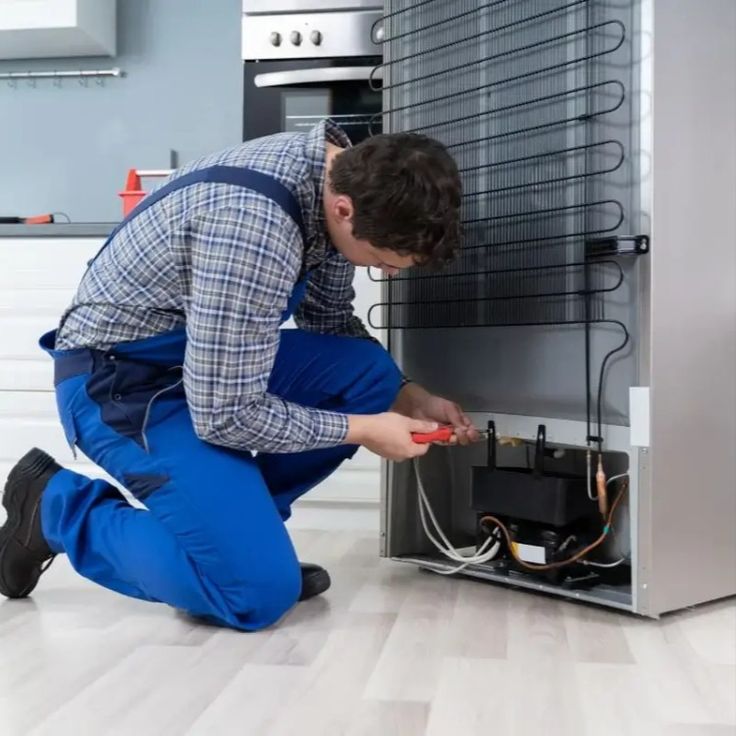
If your old refrigerator is sitting in the garage waiting to be hauled away, you cannot just drag it to the curb. Before that fridge leaves your property, the refrigerant inside it has to be removed properly. Learning how to remove Freon from fridge units safely protects your health, keeps you out of legal trouble, and ensures the appliance can actually be recycled.  At Junk Masterz, we deal with this exact situation almost every week, and this guide walks you through everything a homeowner actually needs to know, not just the textbook version. Quick Answer: How to Remove Freon From a Fridge The short version of how to remove Freon from fridge disposal is this: do not attempt it yourself. Call a certified technician or a licensed junk removal company that offers recovery service, have the refrigerant professionally extracted and tagged, then schedule recycling pickup for the empty unit. What Is Freon and Why It’s Inside Your Fridge Freon is the common nickname for the refrigerant gas that circulates through the sealed cooling system of a refrigerator. It absorbs heat from inside the fridge and carries it outside, which is the entire reason your food stays cold. The gas never touches your food or the interior air directly. It stays locked inside copper coils and the compressor unless that sealed system gets punctured or cut open. Common Refrigerant Types (R-12, HCFC-22, R-134a, R-600a) Not every refrigerator uses the same gas, and the type matters a lot when it comes time to dispose of the unit. R-12 was standard in refrigerators built before the early 1990s and is now heavily restricted because of ozone damage. HCFC-22 showed up in some transitional models. R-134a became the standard through the 1990s and 2000s and is less ozone-damaging but still a regulated greenhouse gas. Newer fridges, especially anything built in the last ten years, often use R-600a, a hydrocarbon refrigerant that behaves very differently and comes with its own handling rules, which we cover below. Signs Your Refrigerator Still Contains Freon You cannot tell just by looking at a fridge whether the refrigerant has already been drained. A unit that was pulled from service but never professionally emptied will still have a full charge sitting in the lines. Check the Compressor or Rear Panel Label Every refrigerator has a metal data plate, usually near the compressor at the bottom rear of the unit or sometimes inside the door frame. This label lists the refrigerant type and the charge amount in ounces. If you see R-12, R-22, or R-134a listed and there is no tag from a technician confirming recovery, assume the gas is still inside. Fridges Made Before the Mid-1990s Age is a fast way to estimate risk. Anything manufactured before roughly 1995 almost certainly used R-12, which cannot legally be vented and requires certified recovery equipment to remove. Newer Fridges With R-600a/R-32 (Different Handling Rules) This is a detail a lot of guides skip. Fridges using R-600a contain a much smaller charge, often under six ounces, and some municipal curbside programs will not pick these up under the same rules as older CFC units because the risk profile is different. Always check with your local disposal program before assuming a newer fridge qualifies for the same free pickup as an older one. Is It Legal or Safe to Remove Freon Yourself? This is the question we hear the most, and the honest answer is that it depends on training, not willingness. What Certification Refrigerant Recovery Requires Refrigerant recovery in the United States falls under EPA Section 608 of the Clean Air Act. Anyone using recovery equipment on a system like this is expected to hold that certification, and many states add their own licensing on top of it. This is not a formality. It exists because refrigerant recovery machines run under pressure and mishandling them causes real injuries every year. Risks of Doing It Without Training Can you remove Freon from a refrigerator without proper equipment? Technically, people try, and it rarely ends well. Piercing a line without a recovery machine releases the gas straight into the air, which is illegal in most areas and can cause frostbite burns on skin if the gas contacts you directly. It also voids any chance of the appliance being accepted for scrap, since recyclers require proof the system was properly evacuated. DIY vs Professional Removal (Comparison) Factor DIY Attempt Professional Removal Equipment needed Recovery machine, gauges, tank Provided by technician Legal compliance Usually violates EPA rules Fully compliant Safety risk High, pressurized gas exposure Low, trained handling Appliance recycling eligibility Often rejected without proof Accepted with documentation Typical outcome Wasted time, potential fines Fridge ready for pickup same day Step-by-Step: How Freon Is Safely Removed Here is what actually happens when a technician handles how to remove Freon from fridge units on a service call, based on the process our crews see day to day. Step 1: Inspection and Refrigerant Identification The technician checks the data plate, confirms the refrigerant type, and inspects the lines for existing leaks or damage before connecting any equipment. Step 2: Connecting Recovery Equipment A recovery machine gets attached to the low-side service port using a piercing valve on sealed systems that were never designed with an access port. The machine pulls the gas out and compresses it into a sealed storage tank. Step 3: Vacuuming Residual Refrigerant After the bulk of the gas is out, a vacuum pump runs to pull any remaining trace refrigerant and moisture out of the lines. Skipping this step is one of the most common shortcuts amateur haulers take, and it is exactly why some scrap yards still reject units that were “already done.” Step 4: Sealing and Certifying the Unit Empty The technician caps the service port and tags the appliance to confirm it is empty. This tag is what allows a recycler or landfill to legally accept the fridge. Why Improper Freon Disposal Is a Problem Ozone Layer Damage Older refrigerants like

What Is Bulky Items? Definition, Examples & Disposal Guide

If you have ever tried shoving an old couch into your trash bin, you already know the answer to what is bulky items without realizing it. A bulky item is any household object too large, heavy, or oddly shaped for a standard trash bin or regular garbage truck. This becomes a real headache when moving, decluttering before a renovation, or replacing worn-out furniture and appliances.  At Junk Masterz, we get calls almost daily from Fresno homeowners who assumed their old recliner or broken dryer would get picked up on trash day, only to learn it needed a separate process. Understanding the meaning of bulk items early saves you from wasted trips and missed pickups. What Counts as a Bulky Item?  Most waste authorities and private haulers use four practical factors to decide what qualifies. It is not just about size. Weight and shape matter just as much, especially when a two-person crew has to physically carry an item down a staircase or through a narrow hallway. Criteria What It Means Size Does not fit inside a standard wheelie bin or trash bag Weight Too heavy for one or two people to lift safely into a truck Shape Irregular items like mattresses, mirrors, or exercise machines that do not stack or compress Material Metal frames, upholstered fabric, or glass that needs separate handling from regular trash A quick note worth remembering: these criteria vary slightly depending on your city or county, so what counts as bulky in one area might be treated differently a few miles away. Always confirm with your local provider or a removal company before assuming. Bulky Items vs. Regular Household Waste People often lump everything into one category, but bulky items and regular household trash are processed in completely different ways. Here is a side-by-side breakdown that makes the difference clear. Regular Household Waste Bulky Items Collected weekly in standard bins Requires scheduled or on-call pickup Compacted directly in garbage trucks Cannot go through compaction equipment Processed at general landfill sites Often needs disassembly or specialized recycling No size restrictions on individual pieces Must meet size and weight limits per item The compaction issue is the biggest reason standard trucks cannot handle bulky waste. A garbage truck’s compactor is built for bags and loose debris, not solid wood frames or metal appliance shells. Forcing a mattress or dresser through that system risks jamming the equipment, which is why crews leave these items for a dedicated bulky pickup instead. Common Examples of Bulky Items Household Furniture Sofas, loveseats, and armchairs top the list, followed closely by bed frames, box springs, wardrobes, dressers, and dining sets. Anything upholstered tends to soak up moisture and odor over time, which is a detail most guides skip. If a couch has been sitting in a garage or damp basement, our crews often recommend photographing its condition before pickup, since some recycling facilities reject water-damaged upholstery outright. Appliances Refrigerators, freezers, washing machines, dryers, dishwashers, and ovens fall into this category. Refrigeration units need refrigerant removed by a certified technician before scrapping, which is a legal requirement, not just a suggestion. Skipping this step can delay pickup or result in the item being refused at drop-off. Outdoor and Garden Items Garden sheds, fencing panels, large planters, trampolines, and patio furniture sets are common examples of bulky goods that homeowners forget about until a spring cleanup or a move. Trampolines in particular need to be disassembled into frame sections, since most haulers cannot fit them whole into a truck. Other Oversized Household Waste Carpets, large area rugs, mirrors, glass panels, exercise equipment, bicycles, and baby strollers round out the list. Rolled carpet should ideally be cut into sections no longer than four feet, a detail many first-time disposers are not aware of until pickup day. What Is NOT Considered a Bulky Item This is where a lot of confusion happens, and it is a section most articles on this topic skip entirely. Hazardous materials such as paint cans, propane tanks, batteries, and motor oil are not bulky items, even though they may be large or heavy. These require separate hazardous waste programs because of the chemical risk involved. Small electronics like phones, tablets, and laptops are usually classified as e-waste rather than bulky waste, since they go through different recycling streams that recover circuit board materials. Construction debris, including drywall, concrete chunks, bricks, and lumber from a renovation project, is also excluded from standard bulky pickup in most areas. This type of waste typically needs a dumpster rental or a specialized debris removal service instead. Car parts, tires with rims still attached, and abandoned vehicles fall outside the bulky category too, since they require licensed disposal channels. Knowing this distinction upfront prevents wasted calls to the wrong service and keeps your pickup on schedule. How to Dispose of Bulky Items Properly Council or Municipal Bulky Waste Collection Many cities offer scheduled bulky pickups a few times a year at no charge, or on-demand service for a flat fee. Book your slot as early as possible, since popular collection dates fill up fast during peak moving seasons like late spring and early fall. Donation and Reuse If your item is still functional, local charities and reuse centers will often collect it directly from your home for free. This route works best for furniture in good condition, since most organizations decline anything with tears, stains, or missing parts. Recycling Centers Certain facilities accept large items directly, particularly appliances and electronics that contain recoverable metals. Before hauling anything yourself, call ahead to confirm the center accepts your specific item, since not all locations handle refrigeration units or upholstered furniture. Hiring a Private Removal Service For homeowners who need something gone within a day or two, a private junk removal crew is usually the fastest option. This is especially useful during a move-out deadline or an estate cleanout where there is no time to wait for a scheduled municipal pickup. If you are in the Fresno area, our

How to Get Rid of Junk: 10 Cheapest Ways to Clear Your Space

Junk can build up faster than you expect. Old furniture, broken appliances, boxes, yard debris, and unused household items can quickly turn a clean home, garage, or yard into an overcrowded space. The good news is that you do not need to throw everything away or spend a fortune to get your space back. The easiest approach is to sort your items first, then choose the right option for each one. Junk Masterz helps homeowners deal with unwanted household items, bulky materials, yard waste, and other debris when a cleanup becomes too large to handle alone. Why Getting Rid of Junk Matters Removing unwanted items creates more usable space and makes your property easier to clean and organize. It can also reduce trip hazards and prevent clutter from creating hiding places for pests. A clean garage, basement, or backyard is especially useful when preparing for a move, renovation, seasonal cleanup, or property sale. What Counts as Junk? Junk can include almost anything you no longer need or use, such as: Old furniture Broken appliances Electronics Cardboard and household clutter Yard waste Construction debris Damaged cabinets Scrap metal Unwanted storage items However, not everything should go into regular trash. Batteries, chemicals, paint, propane tanks, and some electronics may require special junk disposal methods. Step 1: Sort Your Junk First Before removing anything, divide your items into five groups: Keep: Items you regularly use. Donate: Clean and usable items someone else could use. Sell: Items with enough resale value to justify the effort. Recycle: Materials accepted by a recycling facility or program. Dispose: Broken, damaged, contaminated, or unusable items. Sorting first can reduce disposal costs because not everything needs to be treated as garbage. Which Junk Removal Method Should You Choose? Your best option depends on your budget, timeline, and amount of junk. Situation Best Option A few usable items Donate or give away Valuable belongings Sell Cardboard or scrap metal Recycle Several bulky items Bulk collection Large renovation Dumpster Full cleanout Professional removal For a small amount of lightweight junk, DIY removal may be inexpensive. For heavy or bulky items, several trips can quickly become more expensive and time-consuming. 10 Practical Ways to Get Rid of Junk 1. Donate Usable Items Furniture, clothing, household goods, and working appliances may still be useful to someone else. Donation keeps usable products out of the waste stream and can be easier than trying to sell every item. Always check donation requirements first because organizations may have restrictions on size, condition, or item type. 2. Sell Items That Have Value If an item is in good condition and has reasonable resale value, consider selling it through a local marketplace, garage sale, consignment shop, or other suitable platform. Do not spend hours trying to sell something worth only a few dollars. Sometimes the time required to photograph, list, negotiate, and arrange pickup costs more than the item is worth. 3. Recycle Eligible Materials Separate cardboard, paper, scrap metal, electronics, and other recyclable materials when an appropriate recycling program accepts them. Do not assume that every recyclable-looking item belongs in your household recycling bin. Local recycling rules vary. 4. Use Residential Bulk Collection Some communities provide residential trash pickup programs that include large household items. Before putting furniture or appliances at the curb, check the current rules. Some programs require appointments and may limit the number, size, or type of items collected. 5. Use a Recycling Pickup Program Recycling pickup can be convenient for materials accepted by your local program. It is particularly useful when you have enough recyclable material to make a separate trip inconvenient. Remember that recycling pickup is not a universal solution for household junk. Many bulky, hazardous, or specialized items require another disposal method. 6. Rent a Dumpster A dumpster can work well for major renovations, remodeling projects, garage cleanouts, and other jobs that generate a steady amount of debris. The main advantage is convenience. You can load the container as the project progresses instead of making repeated disposal trips. 7. Hire Professional Junk Removal Services Junk removal services are useful when you have large, heavy, or mixed loads that are difficult to handle yourself. A professional crew can be especially helpful for furniture, appliances, garage cleanouts, move-outs, yard debris, and other bulky materials. 8. Give Usable Items Away If you want something removed quickly and it is still functional, giving it away may be easier than selling it. This works particularly well for inexpensive furniture, shelves, tables, household goods, and other items that someone nearby may be able to reuse. 9. Compost Suitable Yard Waste Leaves, grass, and other suitable organic materials may be composted or handled through an appropriate local yard-waste program. Branches and larger yard debris may have different requirements, so check local guidelines before disposal. 10. Hire Local Junk Removal for Large Cleanouts When a property contains too much material for your vehicle or involves heavy lifting, local junk removal can save significant time. This can be useful during moving, remodeling, estate cleanouts, garage clearing, or major seasonal cleanup. Room-by-Room Junk Removal Guide Living Room Start with damaged furniture, old electronics, unused decorations, and boxes. Keep only items that are useful or genuinely meaningful. Kitchen Check for duplicate cookware, broken appliances, unused containers, and outdated household supplies. Bedrooms Sort clothing, mattresses, bedding, furniture, and storage boxes. Donate wearable clothing instead of automatically throwing it away. Garage Garages often contain the largest variety of junk. Separate furniture, tools, scrap metal, appliances, cardboard, chemicals, and construction materials. Basement and Attic Look for old boxes, damaged furniture, unused equipment, and moisture-damaged materials. Be careful around unstable stacks, mold, pests, and weak flooring. Backyard Separate branches, leaves, old outdoor furniture, broken equipment, fencing, and renovation debris. Common Items and Their Disposal Options Item Possible Option Cardboard Recycling Clothing Donation Furniture Donation, sale, bulk collection, or removal Scrap metal Metal recycling Electronics Electronics recycling Appliances Specialized recycling or removal Yard waste Composting or yard-waste program Construction debris Appropriate disposal facility Broken household goods

How to Dispose of Water Heater: The Complete 2026 Guide

A dead water heater doesn’t just stop making hot water. It turns into a 100- to 150-pound problem sitting in your garage or basement, and most homeowners have no idea what to do with it next. If you’re searching for how to dispose of a water heater the right way, the good news is you have more options than “call a hauler and hope for the best.”  At Junk Masterz, we’ve pulled hundreds of old tanks out of Fresno homes, and the method that works best almost always depends on three things: whether the unit still runs, how much muscle you have access to, and how fast you need it gone. This guide walks through every real option, what it actually costs, how to prep the unit safely, and the mistakes that get people fined or hurt. Quick Answer: Which Disposal Method Fits You? Skip the guesswork. Match your situation to the method below: Buying a replacement tank: Ask the retailer or plumber for haul-away service first Unit still works: Sell it locally or donate it before scrapping it You want cash back: Take it to a scrap metal yard yourself No truck, no time, no patience: Book a junk removal pickup Not in a rush: Check your city’s bulk waste pickup schedule Upgrading to an efficient model: Ask your utility company about rebate and removal programs Is It Illegal to Throw a Water Heater in the Trash? In most cities, yes. Regular curbside trash pickup is built for bags and small bins, not a steel tank packed with insulation and metal fittings. Sanitation crews will typically skip it, and in many municipalities, setting one out without prior approval can result in a fine. The bigger issue is what’s inside the tank. Older units, especially those made before 2003, sometimes contain mercury switches in the gas control valve. Some pre-1980 tanks used asbestos-wrapped insulation. Neither belongs in a landfill, which is exactly why so many states restrict how to dispose of old water heater units through standard trash service. If you’re unsure what your unit contains, treat it as hazardous until a recycler or hauler confirms otherwise. How Much Does a Water Heater Weigh? (Why This Determines Your Options) Weight is the single biggest factor in choosing a disposal method, and it’s the part most guides skip. Standard 40- to 50-gallon tank: 100 to 150 pounds empty Tankless unit: 25 to 40 pounds Commercial tank (80+ gallons): 200 to 400 pounds A 40-gallon tank sounds manageable until you’re carrying it down a narrow basement staircase alone. That’s where most DIY attempts go wrong, not at the recycling center, but on the stairs. If your unit is in a basement, second floor, or tight utility closet, factor that into your decision before you commit to hauling it yourself. 8 Ways to Dispose of an Old Water Heater 1. Retailer Haul-Away (When You Buy a Replacement) Most big-box home improvement stores and local plumbing suppliers will remove your old tank when they deliver the new one. The install crew disconnects it, drains what’s left, and loads it onto their truck before they leave. You never have to touch it. The catch is you have to be buying a new unit through them, and not every retailer includes it automatically. Confirm haul-away at checkout, not after the crew shows up. 2. Scrap Metal Recycling Centers Water heaters are mostly steel, with copper wiring and brass fittings mixed in. Scrap yards pay for that. Depending on current metal prices and how much you strip out beforehand (plastic housing, foam insulation, wiring), you can typically walk away with $7 to $30. Call ahead. Some yards require the tank to be fully drained and the gas line capped before they’ll accept it. Others take it as-is but pay less per pound for the extra prep work they have to do. 3. Junk Removal Services This is the option most homeowners land on once they realize how heavy and awkward these tanks are to move. A junk removal crew disconnects the lines if needed, carries the unit out from wherever it’s sitting, whether that’s a basement, garage, or attic, and takes care of drop-off at the right facility. Junk Masterz handles this exact job across Fresno every week, and pricing generally runs $75 to $150 depending on access and location. If you’re also clearing out other items during a move or renovation, bundling the pickup with a broader Residential Junk Removal Fresno CA appointment usually saves money compared to booking a single-item pickup. 4. Municipal Bulk Waste Pickup Many cities schedule bulk-item pickups separately from regular trash routes. You place the water heater at the curb on your assigned day, sometimes for free, sometimes for a $25 to $50 fee. The tradeoff is timing. Bulk pickup days are often once a month or require advance scheduling, so the tank might sit in your driveway for a week or two. Most cities also require the unit to be drained and the gas line disconnected before it goes to the curb. 5. Utility Company Rebate or Trade-In Programs If you’re upgrading to a more efficient model, check your gas or electric provider’s rebate page first. Some programs bundle a cash rebate ($50 to $300) with free removal of the old unit as part of the installation. This is one of the most overlooked ways to handle water heater recycling because most homeowners never think to ask their utility company before calling a hauler. 6. Donate a Working Unit If the heater still functions and isn’t more than about eight to ten years old, donation is worth considering before you scrap it. Organizations that accept used building materials and appliances will often take a working unit, provided it passes a basic safety check. Call ahead. Most donation centers won’t send a truck for a single appliance, so you’ll need to handle transport yourself. 7. Sell It Online A functioning tank can bring $50 to $200 on local marketplace sites,

How to Dispose of an Air Fryer: Safe, Legal, and Eco-Friendly Disposal Options in 2026

Your air fryer finally gave up after months of crispy fries and reheated pizza, and now it’s sitting on your counter taking up space. If you’re wondering how to dispose of an air fryer without breaking a local ordinance or feeling guilty about tossing recyclable metal into a landfill, you’re asking the right question before doing the wrong thing.  At Junk Masterz, we’ve hauled hundreds of small kitchen appliances out of Fresno-area homes, and air fryers are quickly becoming one of the most common items we pick up. This guide walks through exactly what to do with yours, step by step. Quick Answer: How Do You Dispose of an Air Fryer? If your air fryer still works, donate it or sell it locally. If it’s broken, take it to a certified e-waste recycling centre or schedule a pickup with a junk removal company that separates recyclables. Never place it in your curbside recycling bin, and only use regular household trash as an absolute last resort when no other option exists in your area. Is an Air Fryer Considered Electronic Waste (E-Waste)? Yes. An air fryer isn’t just a plastic bucket with a heating coil. It’s a small electronic appliance built with wiring, a control board, and often a digital timer, which is exactly why waste management programs classify it the same way they classify a microwave or a toaster oven. Understanding this classification matters because it changes where the appliance is legally allowed to go once you’re done with it. What’s Inside an Air Fryer? (Materials Breakdown) Crack open the housing, and you’ll find a mix of materials that each need different handling. The heating element is usually a metal alloy coil designed to withstand repeated high heat cycles. Behind that sits a small circuit board controlling the timer, temperature dial, or digital display. Copper wiring runs from the power cord to the fan motor and heating element, and the outer shell is moulded from heat-resistant plastic that most curbside programs won’t touch. None of these materials are dangerous on their own, but mixing them into general trash means none of them get recovered. Do Air Fryers Contain Lithium Batteries or Other Hazardous Materials? Some newer smart air fryers with WiFi connectivity or memory settings use a small lithium battery to hold your saved presets. If that battery gets crushed in a garbage truck compactor or in a landfill, it can spark a fire. This is one of the lesser-known reasons cities are tightening rules around small appliance disposal, and it’s a detail most people never think about until something goes wrong at a transfer station. Where Can You NOT Put an Air Fryer? (Trash, Garbage, Dumpster and Recycling Bin Compared) People search this question in a dozen different ways, but the answer stays consistent no matter how you phrase it. Skip the curbside recycling bin entirely, avoid apartment or commercial dumpsters unless your property manager confirms it’s allowed, and treat your household trash cart as the option of last resort. Comparison Table: Trash vs Curbside Recycling vs Dumpster vs E-Waste Center Disposal Location Accepted? Notes Household Trash Sometimes Only if local rules allow it and no e-waste option exists nearby Curbside Recycling Bin No Mixed materials contaminate paper and glass recycling streams Apartment or Commercial Dumpster Rarely Many properties charge fees or prohibit electronics outright E-Waste Recycling Center Yes The preferred, most compliant option in nearly every city Are There State or Local Laws Restricting Air Fryer Disposal? A growing number of states restrict placing electronics in landfill-bound trash, and small kitchen appliances often fall under those same rules because of their wiring and circuit boards. Enforcement varies a lot by city, so the safest move is to check your local public works or waste management website before you set anything on the curb. Ignoring these rules rarely results in a fine for a single air fryer, but repeat violations at apartment complexes and businesses can add up fast. 7 Best Ways to Dispose of an Air Fryer Here are the seven most practical routes, ranked from the most sustainable option to the least. 1. Recycle a Broken Air Fryer at a Certified E-Waste Center This is the gold standard for a unit that no longer heats or powers on. Certified recyclers dismantle the appliance properly, pulling out copper wiring and steel components instead of letting them rot in a landfill for decades. How to Find an E-Waste Recycling Center Near You (Step-by-Step) Search your city or county’s public works website for “electronic waste drop-off.” Call ahead, since many centers require an appointment or only accept small appliances on certain days. Ask specifically if they take kitchen electronics, not just TVs and computers. Bring the unit unplugged, cooled, and free of leftover grease. 2. Manufacturer or Retailer Take-Back Programs Some electronics retailers accept old small appliances for recycling even if you didn’t purchase them there. Call your nearest location first, since policies differ store to store and sometimes change seasonally. 3. Donate or Give Away (If It Still Works) A working air fryer still has real value to someone else. Local shelters, community centres, and reuse groups are often happy to take a clean, functioning unit off your hands; just be sure to call ahead since not every organisation tests small appliances before accepting them. 4. Sell It Online Locally Even an older model can fetch a few dollars through local buy and sell groups. This keeps the appliance in use longer, which is genuinely better for the environment than recycling because it skips the energy cost of processing. 5. Municipal Bulky or Appliance Pickup Many Fresno area cities run scheduled bulky item pickups. When you call to schedule, specifically mention it’s an electronic appliance so the crew handles it correctly instead of tossing it in with general debris. 6. Hire a Professional Junk Removal Service If you’re clearing out more than just the air fryer, a full pickup saves you multiple trips. Junk Masterz handles appliance removal

How to Dispose of a Small Fridge: 7 Safe, Legal Ways

You just unplugged your mini fridge for the last time. Maybe it stopped cooling, maybe you’re moving out of a dorm, or it’s been sitting in the garage for two years. Now it’s blocking the hallway, and you’re wondering how to dispose of a small fridge without getting fined. Short answer: you can’t just drag it to the curb. Small fridges hold refrigerant gas regulated by federal law, so tossing one in the trash risks a fine and real environmental harm. The good news: once you know which legal route fits, disposing of a mini fridge takes less effort than expected. At Junk Masterz, we’ve handled this across Fresno for years. Can You Throw Away a Mini Fridge in a Dumpster? In most cities, no. Mini fridges use refrigerant chemicals such as R134a, and under the federal Clean Air Act, only a certified technician is allowed to remove that gas before the unit gets scrapped or trashed. So if you’re asking, can you throw away a mini fridge in a dumpster, the honest answer depends entirely on your local rules, but the safe assumption is that you can’t unless the refrigerant has already been recovered and tagged. A few things we’ve seen firsthand on pickups: Apartment complex dumpsters almost always reject appliances outright, and property managers will often charge the resident a disposal fee if one shows up anyway. Sanitation crews in Fresno and similar cities will leave a fridge at the curb untouched if there’s no removal tag attached. Some counties issue fines starting around fifty dollars for illegal appliance dumping, and that number climbs if the unit leaks. Before you move anything, a two-minute call to your local sanitation department saves you the guesswork. What’s Actually Inside a Small Fridge (And Why It Matters) Most people assume a mini fridge is just a metal box, but there are four materials inside that determine how it has to be handled: Refrigerant gas. Sealed inside the compressor coils, this gas cools your food, and it’s also what makes casual dumping illegal. Compressor oil. This lubricates the compressor and can contaminate soil or groundwater if the unit is crushed carelessly. Insulation foam. The foam lining the walls sometimes contains blowing agents that need controlled handling during breakdown. Electrical components. Thermostats, wiring, and small circuit boards fall under e-waste rules in many states. This is exactly why every legitimate method for disposing of a mini fridge, whether it’s a retailer haul-away or a scrap yard, requires the refrigerant to be recovered first. Skip that step, and you’re not just breaking a rule; you’re risking a real environmental release. Does Your Mini Fridge Still Work? Do This Quick Test First Before you decide how to dispose of a small fridge, spend sixty seconds checking if it’s actually done. Plug it into a working outlet and let it run for about half an hour. Listen for a steady, low hum from the compressor. Check whether the interior actually cools down. Watch for warning signs like a burning smell, water pooling underneath, or a door seal that won’t stay shut. Age matters too. A unit under five years old that passes this test is often worth donating or reselling. Between five and ten years, it may still work, but it’s an energy hog, so weigh that against the hassle of finding a buyer. Past ten years, most technicians will tell you it’s not worth repairing, and recycling is the more practical route. If it passes the test, skip ahead to donation or resale. If it fails, jump straight to recycling or a junk removal pickup. 7 Ways to Dispose of a Small Fridge Legally and Responsibly Junk Masterz has hauled small fridges out of Fresno homes for everything from kitchen remodels to college move-outs, and the method that makes sense really comes down to whether the unit works and how much time you want to spend on it. 1. Donate It If It Still Works If your fridge passed the plug-in test, donating is the fastest way to get rid of a mini fridge without touching a recycling center at all. Habitat for Humanity ReStore and Goodwill both accept small appliances in most locations, though it’s smart to call ahead since some branches cap how many appliances they take in a week. Local shelters and community centers are also worth a call, especially before the start of a school semester when demand for cheap or free mini fridges spikes. 2. Sell or Give It Away Online Facebook Marketplace and local dorm or apartment group pages move mini fridges fast, often within a day if you price it fairly or list it free. This route works especially well in college towns, where incoming students are actively searching for exactly what you’re trying to get rid of. Just be upfront in the listing about the unit’s age and condition so you’re not fielding messages from buyers expecting something newer. 3. Retailer Take Back or Haul Away Programs Big box stores like Best Buy, Home Depot, and Lowe’s will often haul away your old unit when you buy a replacement, sometimes for free and sometimes for a fee in the twenty to thirty dollar range. They handle the certified refrigerant removal on their end, which takes that responsibility off your plate entirely. 4. Utility Company Recycling Rebate Programs Some electric utilities actually pay you, typically between twenty-five and fifty dollars, to recycle an old refrigerator or mini fridge because it reduces load on the grid. Check your utility provider’s website directly, since program availability and payout amounts vary a lot by region and change from year to year. 5. Certified E-Waste or Appliance Recycling Centers If you’re searching for how to dispose of mini refrigerator units near you, a certified e-waste or appliance recycling center is usually your most reliable option. Most mid-sized cities have at least one facility equipped to recover refrigerant properly, and a quick search for appliance recycling near you or a locator tool

Color Palette