
Junk can build up faster than you expect. Old furniture, broken appliances, boxes, yard debris, and unused household items can quickly turn a clean home, garage, or yard into an overcrowded space. The good news is that you do not need to throw everything away or spend a fortune to get your space back.
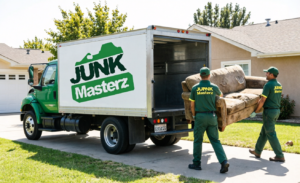
The easiest approach is to sort your items first, then choose the right option for each one. Junk Masterz helps homeowners deal with unwanted household items, bulky materials, yard waste, and other debris when a cleanup becomes too large to handle alone.
Why Getting Rid of Junk Matters
Removing unwanted items creates more usable space and makes your property easier to clean and organize. It can also reduce trip hazards and prevent clutter from creating hiding places for pests.
A clean garage, basement, or backyard is especially useful when preparing for a move, renovation, seasonal cleanup, or property sale.
What Counts as Junk?
Junk can include almost anything you no longer need or use, such as:
- Old furniture
- Broken appliances
- Electronics
- Cardboard and household clutter
- Yard waste
- Construction debris
- Damaged cabinets
- Scrap metal
- Unwanted storage items
However, not everything should go into regular trash. Batteries, chemicals, paint, propane tanks, and some electronics may require special junk disposal methods.
Step 1: Sort Your Junk First
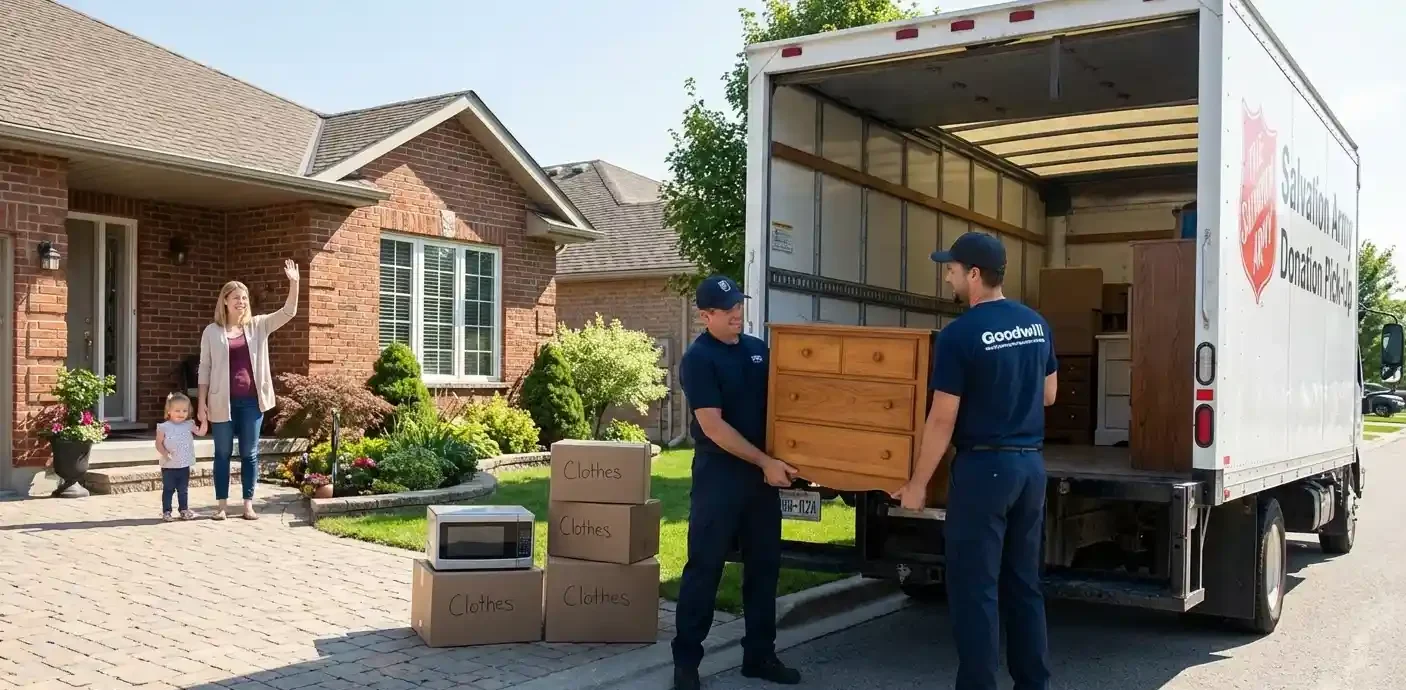
Before removing anything, divide your items into five groups:
- Keep: Items you regularly use.
- Donate: Clean and usable items someone else could use.
- Sell: Items with enough resale value to justify the effort.
- Recycle: Materials accepted by a recycling facility or program.
- Dispose: Broken, damaged, contaminated, or unusable items.
Sorting first can reduce disposal costs because not everything needs to be treated as garbage.
Which Junk Removal Method Should You Choose?
Your best option depends on your budget, timeline, and amount of junk.
| Situation | Best Option |
| A few usable items | Donate or give away |
| Valuable belongings | Sell |
| Cardboard or scrap metal | Recycle |
| Several bulky items | Bulk collection |
| Large renovation | Dumpster |
| Full cleanout | Professional removal |
For a small amount of lightweight junk, DIY removal may be inexpensive. For heavy or bulky items, several trips can quickly become more expensive and time-consuming.
10 Practical Ways to Get Rid of Junk
1. Donate Usable Items
Furniture, clothing, household goods, and working appliances may still be useful to someone else. Donation keeps usable products out of the waste stream and can be easier than trying to sell every item.
Always check donation requirements first because organizations may have restrictions on size, condition, or item type.
2. Sell Items That Have Value

If an item is in good condition and has reasonable resale value, consider selling it through a local marketplace, garage sale, consignment shop, or other suitable platform.
Do not spend hours trying to sell something worth only a few dollars. Sometimes the time required to photograph, list, negotiate, and arrange pickup costs more than the item is worth.
3. Recycle Eligible Materials
Separate cardboard, paper, scrap metal, electronics, and other recyclable materials when an appropriate recycling program accepts them.
Do not assume that every recyclable-looking item belongs in your household recycling bin. Local recycling rules vary.
4. Use Residential Bulk Collection
Some communities provide residential trash pickup programs that include large household items.
Before putting furniture or appliances at the curb, check the current rules. Some programs require appointments and may limit the number, size, or type of items collected.
5. Use a Recycling Pickup Program
Recycling pickup can be convenient for materials accepted by your local program. It is particularly useful when you have enough recyclable material to make a separate trip inconvenient.
Remember that recycling pickup is not a universal solution for household junk. Many bulky, hazardous, or specialized items require another disposal method.
6. Rent a Dumpster
A dumpster can work well for major renovations, remodeling projects, garage cleanouts, and other jobs that generate a steady amount of debris.
The main advantage is convenience. You can load the container as the project progresses instead of making repeated disposal trips.
7. Hire Professional Junk Removal Services
Junk removal services are useful when you have large, heavy, or mixed loads that are difficult to handle yourself.
A professional crew can be especially helpful for furniture, appliances, garage cleanouts, move-outs, yard debris, and other bulky materials.
8. Give Usable Items Away
If you want something removed quickly and it is still functional, giving it away may be easier than selling it.
This works particularly well for inexpensive furniture, shelves, tables, household goods, and other items that someone nearby may be able to reuse.
9. Compost Suitable Yard Waste
Leaves, grass, and other suitable organic materials may be composted or handled through an appropriate local yard-waste program.
Branches and larger yard debris may have different requirements, so check local guidelines before disposal.
10. Hire Local Junk Removal for Large Cleanouts
When a property contains too much material for your vehicle or involves heavy lifting, local junk removal can save significant time.
This can be useful during moving, remodeling, estate cleanouts, garage clearing, or major seasonal cleanup.
Room-by-Room Junk Removal Guide
Living Room
Start with damaged furniture, old electronics, unused decorations, and boxes. Keep only items that are useful or genuinely meaningful.
Kitchen
Check for duplicate cookware, broken appliances, unused containers, and outdated household supplies.
Bedrooms
Sort clothing, mattresses, bedding, furniture, and storage boxes. Donate wearable clothing instead of automatically throwing it away.
Garage
Garages often contain the largest variety of junk. Separate furniture, tools, scrap metal, appliances, cardboard, chemicals, and construction materials.
Basement and Attic
Look for old boxes, damaged furniture, unused equipment, and moisture-damaged materials. Be careful around unstable stacks, mold, pests, and weak flooring.
Backyard
Separate branches, leaves, old outdoor furniture, broken equipment, fencing, and renovation debris.
Common Items and Their Disposal Options
| Item | Possible Option |
| Cardboard | Recycling |
| Clothing | Donation |
| Furniture | Donation, sale, bulk collection, or removal |
| Scrap metal | Metal recycling |
| Electronics | Electronics recycling |
| Appliances | Specialized recycling or removal |
| Yard waste | Composting or yard-waste program |
| Construction debris | Appropriate disposal facility |
| Broken household goods | Regular or appropriate disposal |
Always confirm local requirements before disposing of unusual or restricted materials.
Items You Should Never Throw in Regular Trash
Some household materials require special handling.
Batteries
Certain batteries can create fire risks when damaged or placed incorrectly in waste containers. Use an appropriate battery collection or recycling program.
Paint and Chemicals
Paint, solvents, cleaners, and other chemicals should not automatically be placed in regular trash. Follow local hazardous-waste instructions.
Motor Oil
Used motor oil should be taken to an appropriate collection location rather than poured onto the ground or into drains.
Electronics
Computers, televisions, monitors, and other electronics may require specialized recycling.
Propane Tanks
Never assume a propane tank is safe for regular trash or recycling. Follow local disposal instructions.
Fluorescent Bulbs
Some fluorescent bulbs contain mercury and may require specialized recycling or hazardous-waste handling.
How to Get Rid of Large or Heavy Items Safely
Large items can be dangerous to move without proper equipment.
Before moving a sofa, refrigerator, washer, shed component, or heavy construction material, clear the path and measure doorways and tight spaces.
Do not attempt to move an object that is too heavy for you. Use appropriate equipment and enough people for the load.
For difficult cleanouts, Residential Junk Removal Fresno CA can provide a practical solution when heavy lifting, loading, transportation, and disposal are more than you can safely manage.
DIY vs. Professional Junk Removal
| DIY | Professional |
| Good for small loads | Better for large loads |
| Requires your time | Saves time |
| Requires transportation | Crew handles transportation |
| Lower cost for light junk | Useful for heavy materials |
| May require several trips | Fewer disposal trips |
DIY is often suitable when you have a small amount of lightweight material and access to a vehicle.
Professional removal becomes more useful when the cleanup involves bulky furniture, appliances, large quantities of debris, or difficult access.
How Much Does Junk Removal Cost?
There is no single price for junk removal. The final cost can depend on:
- Amount of junk
- Weight of materials
- Type of items
- Labor required
- Accessibility
- Transportation distance
- Disposal requirements
For example, removing a few boxes is very different from clearing a garage filled with furniture and construction debris.
When comparing prices, ask what the quote includes. Loading, labor, transportation, and disposal may all affect the final cost.
Real-World Cleanout Example
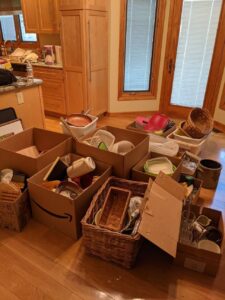
Imagine a two-bedroom home that needs to be cleared before a move. The property has an old sofa, mattresses, broken chairs, electronics, kitchen items, cardboard boxes, and garage clutter.
The first step is to separate usable items from waste. Furniture in good condition can be donated or sold, cardboard can be recycled, electronics can go to an appropriate recycling program, and damaged items can be prepared for disposal.
This approach prevents useful materials from being thrown away and reduces unnecessary disposal costs.
Know the Rules Before You Toss It
Disposal rules vary by location. Curbside collection may have restrictions on timing, size, item type, and placement.
Hazardous materials and certain electronics may have separate requirements. Dumpster placement may also require permission depending on where the container is located.
Never use illegal dumping as a shortcut. Apart from environmental damage, it can result in penalties and cleanup costs.
Common Junk Removal Mistakes
Waiting Too Long
Small amounts of clutter can become a major cleanout if you keep postponing removal.
Mixing Hazardous Waste With Regular Trash
This can create risks for your household and waste workers.
Throwing Away Usable Items
Check whether an item can be donated, sold, reused, or repaired before disposing of it.
Ignoring Recycling
Separate materials that have a practical recycling option.
Choosing the Wrong Removal Method
A dumpster, personal vehicle, municipal pickup, and professional service each work better in different situations.
Eco-Friendly Junk Disposal
The most sustainable approach is to avoid disposal when an item still has a useful purpose.
Try to:
- Reuse household items
- Donate usable belongings
- Repair suitable products
- Recycle accepted materials
- Compost suitable yard waste
- Buy fewer unnecessary items
These simple habits can reduce the amount of waste your household produces over time.
Safety Tips Before Removing Junk
Wear gloves and appropriate footwear when handling unknown or sharp materials. Watch for nails, broken glass, sharp metal, pests, mold, and unstable piles.
Never lift heavy objects beyond your ability. For appliances and large furniture, use appropriate equipment and ask for help when necessary.
If an item contains chemicals, fuel, refrigerants, or electrical components, identify the correct disposal procedure before moving or dismantling it.
You may also read: How Much Does Junk Removal Cost?
How to Prevent Junk From Building Up Again
Once your space is clean, use simple habits to keep it that way.
Follow the One-In, One-Out Rule
When purchasing a new item, consider removing an old item that serves the same purpose.
Declutter Seasonally
A short cleanup every few months is easier than waiting for years.
Keep a Donation Box
Place unwanted but usable items in one location. When the box is full, donate the contents.
Organize Storage Areas
Give tools, seasonal items, documents, and supplies their own designated spaces.
Buy Only What You Need
Think about how often you will use something before bringing it into your home.
Final Thoughts
Getting rid of junk isn’t just about tossing everything in the trash. The best strategy is to sort through your belongings first, donate items that are still usable, sell anything of value, recycle what can be recycled, and dispose of the rest properly.
When you’re dealing with a bigger cleanout, whether it’s bulky furniture, old appliances, yard waste, or a mix of household clutter, hiring a professional junk removal service can save you both time and effort. Junk Masterz is here to make the cleanup process simple when the job is more than you can handle on your own. Ready to clear out your home, garage, yard, or property? Contact us today to discuss your junk removal needs.
Frequently Asked Questions
What is the cheapest way to get rid of junk?
Giving away usable items, donating, recycling, and using qualifying municipal collection programs can be inexpensive or free. The best option depends on the type and amount of junk you have.
Can I put large furniture out with regular trash?
Not always. Many communities have separate bulk collection rules, including limits on size, quantity, timing, and accepted materials.
Should I sell or donate unwanted items?
Sell items when the expected return is worth your time. Donate items when you want a quicker solution and the belongings are still useful.
When should I use junk removal services?
Use junk removal services when you have large, heavy, or mixed loads that are difficult to transport yourself. They can also be useful when you have limited time or are completing a full property cleanout.
What should I do with items that cannot go in regular trash?
Identify the material and check the appropriate local disposal program. Batteries, chemicals, propane tanks, certain electronics, and other restricted materials may require specialized handling.