Commercial waste is a part of running any business, whether you own a small office, a retail store, a restaurant, or a construction company. Every day, businesses generate different types of waste, from cardboard boxes and paper to broken furniture, food scraps, and construction debris. Knowing the best ways to dispose of commercial waste helps keep your workplace clean, protects the environment, and ensures your business complies with local waste disposal regulations.
Improper waste disposal can lead to overflowing dumpsters, safety hazards, environmental pollution, and even costly fines. On the other hand, using responsible waste management practices can reduce landfill waste, lower disposal costs, improve your company’s reputation, and create a healthier workplace.
In this guide, you’ll learn how to dispose of commercial waste, explore the best commercial waste disposal methods, and discover practical ways to reduce waste while keeping your business environmentally responsible.
What Is Commercial Waste?
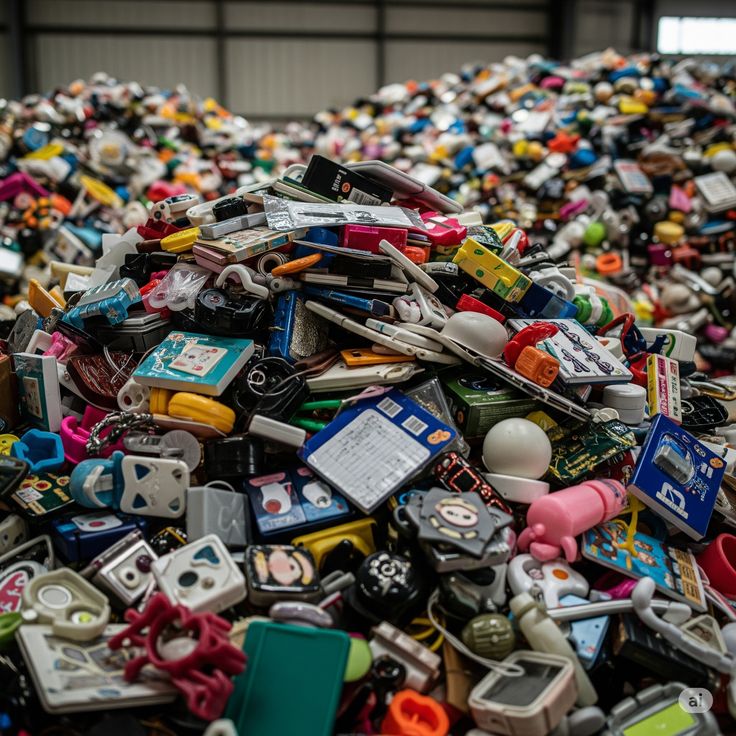
Commercial waste refers to any waste generated by businesses, organizations, or commercial properties during their daily operations. Unlike household waste, commercial waste is often produced in larger quantities and may require specialized disposal methods.
Businesses of every size produce waste, including:
- Offices
- Retail stores
- Restaurants
- Hotels
- Warehouses
- Schools
- Healthcare facilities
- Construction companies
- Manufacturing plants
The type of waste varies depending on the industry, but most businesses generate a combination of recyclable, organic, and non-recyclable materials.
Common Types of Commercial Waste
Office Waste
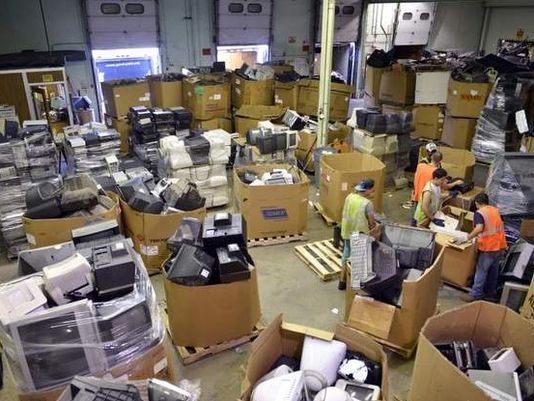
Office buildings generate large amounts of paper and packaging materials every day. Common examples include:
- Paper
- Cardboard
- Printer cartridges
- Old office furniture
- Computers and monitors
- Plastic packaging
Many of these materials can be recycled or donated instead of being sent to a landfill.
Retail Waste

Retail stores often produce waste from shipping and inventory management.
Examples include:
- Cardboard boxes
- Plastic wrap
- Damaged merchandise
- Display materials
- Shopping bags
Proper sorting allows many of these materials to be recycled.
Restaurant Waste
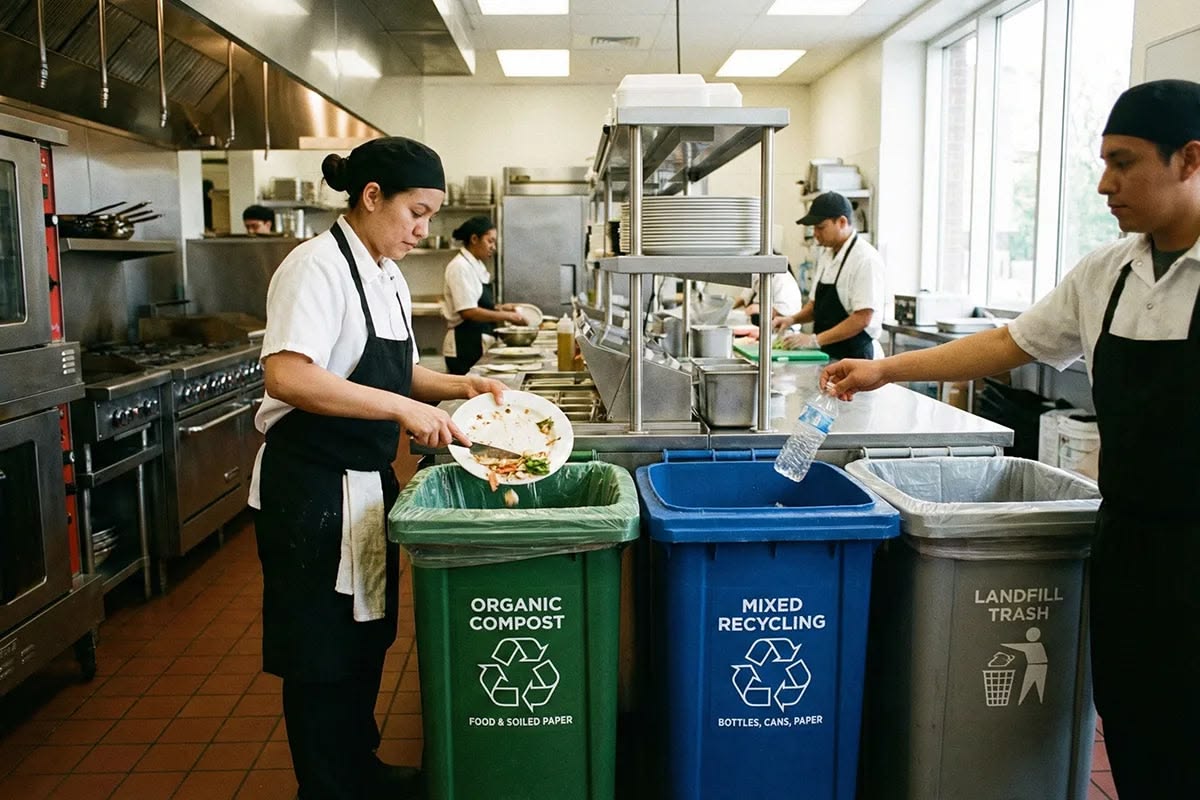
Restaurants create significant amounts of organic waste.
Examples include:
- Food scraps
- Cooking oil
- Cardboard packaging
- Plastic containers
- Glass bottles
- Aluminum cans
Food waste can often be composted instead of discarded.
Construction Waste
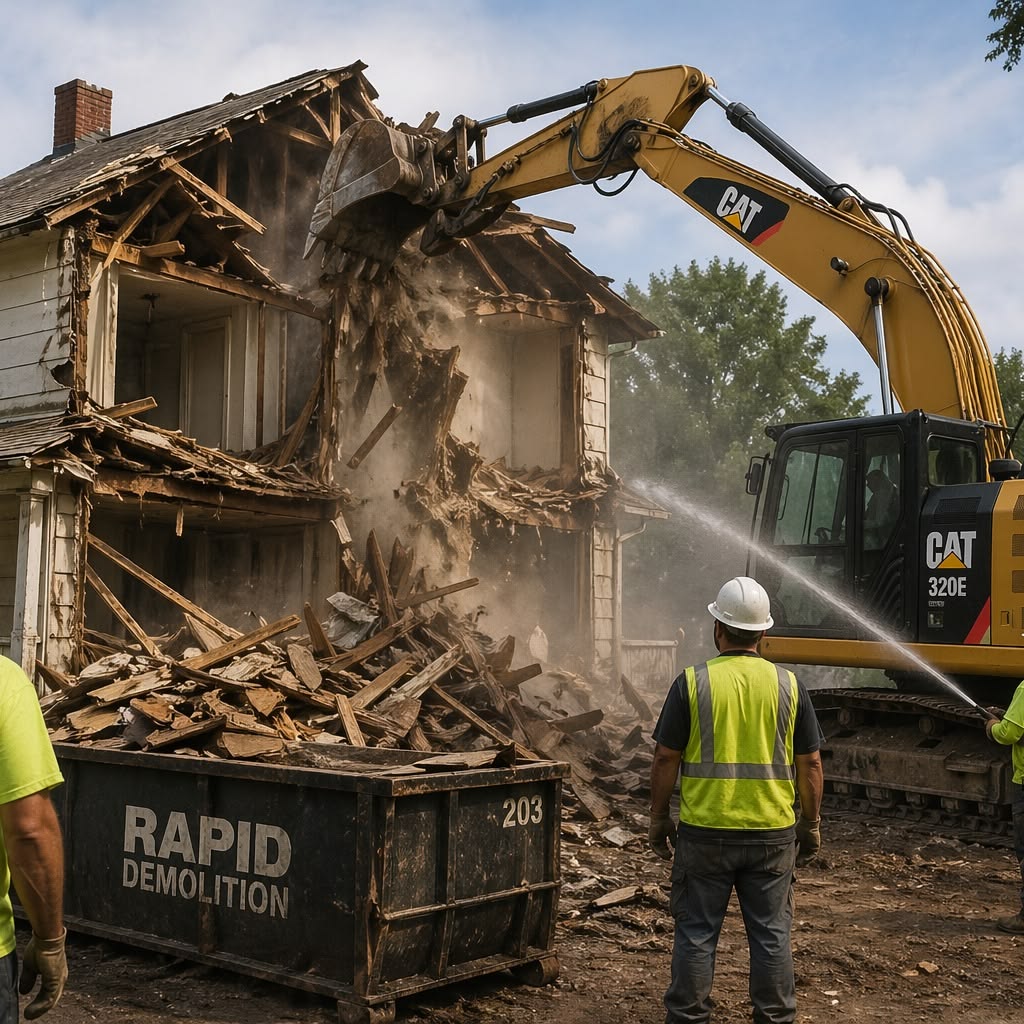
Construction and renovation projects generate bulky debris that requires special handling.
Common materials include:
- Wood
- Drywall
- Concrete
- Bricks
- Roofing shingles
- Scrap metal
Many of these materials can be recycled through specialized facilities.
Industrial Waste

Manufacturing businesses may produce:
- Metal scraps
- Packaging materials
- Wooden pallets
- Plastic components
- Production offcuts
Some industrial waste requires professional handling to ensure safe disposal.

Why Proper Commercial Waste Disposal Matters
Proper waste management benefits both businesses and the environment. Disposing of waste responsibly isn’t just about keeping your property clean it also helps reduce costs and supports long-term sustainability.
Here are some of the biggest benefits of using proper commercial waste disposal methods.
Protects the Environment
Recycling and reusing materials reduces the amount of waste sent to landfills. This helps conserve natural resources, lowers greenhouse gas emissions, and minimizes pollution.
Improves Workplace Safety
Piles of waste can create trip hazards, block exits, and attract pests. Keeping waste under control creates a cleaner and safer work environment for employees and customers.
Helps Businesses Stay Compliant
Many local governments have regulations for disposing of commercial waste. Following these rules helps businesses avoid fines and legal issues.
Reduces Disposal Costs
Separating recyclable materials from general waste often lowers disposal expenses. Businesses that recycle more typically pay less for landfill waste.
Builds a Positive Business Image
Customers increasingly prefer businesses that operate responsibly. Demonstrating a commitment to recycling and sustainable waste management can improve your reputation and strengthen customer trust.
Best Ways to Dispose of Commercial Waste
There is no one-size-fits-all solution for business waste. The best approach depends on the type of waste your business generates. Below are some of the most effective commercial waste disposal methods.
1. Reduce Waste Before It Starts
The easiest waste to manage is the waste you never create.
Businesses can reduce waste by:
- Ordering only necessary supplies
- Choosing reusable packaging
- Switching to digital documents
- Buying products with minimal packaging
- Training employees to minimize waste
Learning how to reduce commercial waste not only benefits the environment but can also lower operating costs.
2. Recycle Recyclable Materials
Recycling is one of the simplest and most effective ways to manage business waste.
Many businesses can recycle:
- Paper
- Cardboard
- Plastic bottles
- Aluminum cans
- Steel
- Glass containers
Place clearly labeled recycling bins throughout your workplace to encourage employees to separate recyclable materials correctly. Partnering with a local recycling service can also help ensure these materials are processed responsibly.
3. Compost Organic Waste
Businesses that produce food waste should consider composting instead of sending organic materials to landfills.
Composting is especially beneficial for:
- Restaurants
- Cafés
- Grocery stores
- Hotels
- School cafeterias
Items that can often be composted include:
- Fruit and vegetable scraps
- Coffee grounds
- Eggshells
- Food leftovers
- Yard waste
Composting reduces landfill waste while creating nutrient-rich material that can be used for landscaping and gardening.
4. Donate Usable Items
Not everything your business no longer needs belongs in the trash.
Many items can be donated to local charities, schools, or nonprofit organizations, including:
- Office desks
- Chairs
- Filing cabinets
- Shelving units
- Computers
- Office supplies
- Furniture in good condition
Donating usable items extends their lifespan, supports your community, and reduces the amount of waste sent to landfills.
5. Sell Reusable Materials
Some commercial waste still has value. Instead of throwing everything away, consider selling reusable or recyclable materials. This not only reduces waste but can also generate extra income for your business.
Materials that are commonly sold include:
- Scrap metal
- Wooden pallets
- Office equipment
- Industrial machinery
- Excess inventory
- Recyclable cardboard
Many recycling companies and scrap yards purchase these materials, making this one of the best commercial waste disposal methods for businesses looking to reduce costs.
6. Hire a Professional Commercial Waste Removal Company
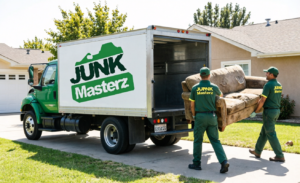
For many businesses, hiring a professional commercial waste removal service is the easiest and most efficient solution. These companies have the equipment and experience to safely collect, sort, recycle, and dispose of commercial waste.
Professional services are ideal for:
- Office cleanouts
- Retail renovations
- Warehouse cleanups
- Restaurant waste removal
- Construction debris removal
- Property management companies
Benefits of Hiring Professionals
- Saves time and labor
- Handles heavy and bulky items
- Increases recycling opportunities
- Ensures proper disposal
- Helps businesses comply with local regulations
- Offers scheduled pickups for ongoing waste management
Working with an experienced commercial waste removal company allows business owners to focus on their operations while ensuring waste is handled responsibly.
7. Rent a Commercial Dumpster
Businesses that generate large amounts of waste on a regular basis may benefit from renting a commercial dumpster.
Dumpster rentals are commonly used for:
- Construction projects
- Building renovations
- Warehouse cleanouts
- Retail remodeling
- Large office moves
Dumpsters are available in various sizes, allowing businesses to choose the option that best fits their waste volume. Selecting the correct size helps prevent overflow while avoiding unnecessary rental costs.
Where to Dispose of Commercial Waste
If you’re wondering where to dispose of commercial waste, the answer depends on the type of materials your business generates.
Recycling Centers
Recycling centers accept materials such as:
- Paper
- Cardboard
- Glass
- Plastic
- Metal
These facilities help divert recyclable materials from landfills.
Transfer Stations
Transfer stations collect commercial waste before transporting it to recycling facilities or landfills. They are commonly used for large quantities of mixed waste.
Landfills
Non-recyclable waste that cannot be reused or composted is typically disposed of at approved landfills.
Composting Facilities
Businesses that generate food waste can use commercial composting facilities to recycle organic materials into nutrient-rich compost.
Hazardous Waste Collection Facilities
Hazardous materials such as chemicals, batteries, paint, and solvents should always be taken to approved hazardous waste facilities.
Professional Waste Removal Services
Many businesses choose professional junk removal companies because they handle sorting, recycling, transportation, and proper disposal, making the process simple and efficient.
Commercial Waste That Requires Special Disposal
Some materials cannot be placed in regular dumpsters because they may pose environmental or health risks.
Electronic Waste (E-Waste)
Items such as computers, printers, monitors, and servers contain valuable recyclable materials but may also contain hazardous components.
Batteries
Commercial batteries contain chemicals that require proper recycling and should never be thrown into standard trash bins.
Fluorescent Bulbs
These bulbs contain small amounts of mercury and should be recycled through approved collection programs; understand how to dispose of fluorescent bulbs.
Paint and Solvents
Unused paint, paint thinners, and chemical solvents require special disposal to prevent environmental contamination.
Medical Waste
Healthcare facilities must follow strict regulations when disposing of needles, pharmaceuticals, and other medical waste.
Confidential Documents
Businesses should securely shred sensitive documents before recycling them to protect customer and company information.
Commercial Waste Disposal Checklist
Use this simple commercial waste disposal checklist to improve your business’s waste management practices.
- Identify the different types of waste your business generates.
- Separate recyclable materials from general waste.
- Compost food and organic waste whenever possible.
- Donate furniture and equipment that can still be used.
- Dispose of hazardous waste through approved facilities.
- Label all waste and recycling containers clearly.
- Schedule regular waste collection before bins become overloaded.
- Train employees on proper waste disposal procedures.
- Review your waste management plan regularly.
Following this checklist can help reduce costs, improve efficiency, and support environmentally responsible business operations.
Business Waste Disposal Tips
Managing business waste doesn’t have to be complicated. These practical business waste disposal tips can help improve efficiency while reducing environmental impact.
- Conduct regular waste audits.
- Place recycling bins throughout the workplace.
- Encourage employees to recycle correctly.
- Purchase products with recyclable packaging.
- Reduce paper usage by using digital documents.
- Schedule routine waste pickups.
- Reuse shipping materials whenever possible.
- Monitor waste disposal costs to identify savings.
Small improvements made consistently can significantly reduce the amount of waste your business sends to landfills.
Common Commercial Waste Disposal Mistakes
Avoid these common mistakes to improve your waste management strategy.
- Mixing recyclable materials with general trash
- Throwing hazardous waste into regular dumpsters
- Overloading dumpsters
- Ignoring local disposal regulations
- Failing to train employees
- Waiting too long to schedule waste collection
- Illegal dumping
Avoiding these mistakes helps keep your workplace safe while protecting the environment.
Choosing the Right Commercial Waste Disposal Service
Selecting a reliable waste removal company can save your business time and money.
When comparing providers, look for:
- Proper licensing and insurance
- Experience with commercial projects
- Strong customer reviews
- Transparent pricing
- Flexible scheduling
- Recycling-focused practices
- Fast response times
- Professional equipment
A reputable company should prioritize recycling whenever possible and dispose of waste responsibly.
Conclusion
Finding the best ways to dispose of commercial waste is an important part of running a responsible business. Whether your company produces office waste, retail packaging, food scraps, or construction debris, choosing the right disposal method helps protect the environment, improves workplace safety, and keeps your business compliant with local regulations.
Simple practices such as reducing waste, recycling, composting, donating reusable items, and working with a professional commercial waste removal company can significantly reduce landfill waste while lowering disposal costs. Businesses that adopt sustainable waste management practices not only support a cleaner environment but also build a positive reputation with customers and employees.
By following the strategies outlined in this guide, you can create a more efficient, cost-effective, and environmentally responsible waste management plan for your business.
Frequently Asked Questions
What is commercial waste?
Commercial waste is any waste generated by businesses, including offices, restaurants, retail stores, warehouses, construction sites, and industrial facilities. It may include paper, cardboard, food waste, packaging, furniture, electronics, and construction debris.
How do businesses dispose of commercial waste?
Businesses dispose of commercial waste by reducing waste, recycling, composting organic materials, donating reusable items, renting dumpsters, using transfer stations, or hiring professional commercial waste removal services.
What are the best commercial waste disposal methods?
The most effective methods include reducing waste at the source, recycling, composting, donating reusable materials, selling valuable scrap, and using licensed commercial waste disposal companies.
Where can I dispose of commercial waste?
Commercial waste can be disposed of at recycling centers, transfer stations, landfills, composting facilities, hazardous waste collection sites, or through professional commercial waste removal companies.
How can businesses reduce commercial waste?
Businesses can reduce waste by using reusable products, minimizing packaging, digitizing paperwork, recycling materials, composting food waste, and educating employees about proper waste management.
What items should never be placed in commercial dumpsters?
Hazardous chemicals, batteries, fluorescent bulbs, medical waste, paint, solvents, and electronic waste should never be disposed of in standard commercial dumpsters. These materials require specialized handling.
Is commercial waste recycling mandatory?
Recycling requirements vary by state and municipality. Many areas require businesses to recycle certain materials such as cardboard, paper, or food waste, so it’s important to check local regulations.