Every home creates waste every day. From food scraps and plastic packaging to old clothes and unused items, household waste can quickly build up. The good news is that small changes in your daily routine can make a big difference.
So, how can you reduce waste at home? The easiest way is to buy only what you need, reuse items whenever possible, recycle correctly, compost organic waste, and avoid products designed for single use.
Reducing waste does not mean you need to completely change your lifestyle overnight. Simple habits like carrying reusable bags, planning meals, repairing broken items, and choosing products with less packaging can help create a cleaner home and reduce pressure on the environment.
According to the United States Environmental Protection Agency (EPA), reducing waste at the source is one of the most effective ways to manage environmental impact because it prevents waste before it is created.
This guide explains how to reduce waste at home with practical steps that families, renters, and homeowners can easily follow.
Why Should You Reduce Waste at Home?
Reducing waste at home helps conserve natural resources, lower pollution, save money, and decrease the amount of waste sent to landfills. Small household choices can create a meaningful environmental impact over time.
Every item we throw away requires resources to produce, transport, and dispose of. When households waste fewer products, they reduce the demand for raw materials and energy.
Household Waste Affects the Environment
Many everyday items, including food packaging, plastic containers, and disposable products, eventually become household waste. When this waste ends up in landfills, it can contribute to environmental problems such as greenhouse gas emissions, pollution, and the loss of valuable resources that could otherwise be reused or recycled. Understanding what household waste is and how it is managed can help you make smarter choices to reduce the amount of trash your home produces.
Food waste is also a major concern. When food is thrown away, all the water, energy, and labor used to produce that food are wasted too.
The United Nations Environment Programme (UNEP) highlights food waste as a global issue that affects climate, food security, and natural resources.
Reducing Waste Can Save Money
Waste reduction is not only good for the planet. It can also improve your household budget.
Simple examples include:
- Buying groceries with a meal plan
- Repairing items instead of replacing them
- Using reusable products
- Avoiding unnecessary purchases
When you reduce waste, you often become more careful about what you buy and how you use it.
How Can You Reduce Waste at Home? Start With the 5 R Method
The 5 R method helps households reduce waste by following five steps: refuse, reduce, reuse, repair, and recycle. These actions prevent unnecessary waste and encourage smarter consumption habits.
A simple way to understand waste reduction is by following the 5 R approach.
Refuse Items You Do Not Need
The first step is refusing unnecessary products before they enter your home.
Examples include:
- Saying no to extra shopping bags
- Avoiding free promotional items
- Choosing products with less packaging
- Refusing disposable items when reusable options exist
Preventing waste is usually easier than managing it later.
Reduce What You Buy
Many household waste problems begin with overbuying.
Try these habits:
- Make a shopping list before buying
- Avoid impulse purchases
- Choose durable products
- Buy only the amount you need
A product that never enters your home cannot become waste.
Reuse Everyday Household Items
Reusing items is one of the easiest ways to reduce waste.
Examples:
- Use glass jars for food storage
- Reuse containers for organizing
- Carry reusable water bottles
- Use cloth shopping bags
Before throwing something away, ask yourself if it has another purpose.
Repair Instead of Replacing
Many items are thrown away even when they can still be fixed.
Consider repairing:
- Clothes with small tears
- Furniture
- Electronics
- Household tools
Repairing extends product life and reduces unnecessary consumption.
Recycle Correctly
Recycling is useful, but it should be the last step after reducing and reusing.
Good recycling habits include:
- Checking local recycling rules
- Cleaning recyclable containers
- Separating different materials
- Avoiding contamination
Incorrect recycling can create problems for recycling facilities. Reducing household waste starts with making smart decisions about what you keep, donate, recycle, and throw away. However, some items are too large or difficult to dispose of on your own. That’s why Residential Junk Removal Services can help.
Easy Ways to Reduce Waste at Home Every Day

Easy ways to reduce waste at home include reducing food waste, using reusable products, composting, donating unwanted items, and making smarter shopping decisions.
Small daily actions are often the most effective because they become long-term habits.
Reduce Food Waste in Your Kitchen
Food waste is one of the biggest areas where households can improve.
Try these simple ideas:
Plan Your Meals
Planning meals helps you buy only what you need.
Before grocery shopping:
- Check what food you already have
- Create a weekly meal plan
- Make a shopping list
Store Food Properly
Proper storage helps food last longer.
Examples:
- Keep fruits and vegetables stored correctly
- Freeze extra portions
- Use airtight containers
Use Leftovers Creatively
Instead of throwing away leftovers:
- Turn vegetables into soups
- Use extra rice for new meals
- Freeze unused portions
These small changes can reduce kitchen waste significantly.
Start Composting Organic Waste
Composting turns food scraps and yard waste into useful natural fertilizer. It reduces the amount of organic waste sent to landfills and improves soil quality.
Many household items can be composted instead of thrown away as trash.
Compostable items include:
- Fruit and vegetable scraps
- Coffee grounds
- Tea leaves
- Leaves and grass
If you have outdoor space, backyard composting can work well. Apartment residents can also explore indoor compost bins or community compost programs.
The USDA Composting Resources guide composting methods and benefits.
Choose Reusable Products Instead of Single-Use Items
Replacing disposable products with reusable alternatives is one of the easiest ways to reduce household waste. Reusable items reduce the need for constant replacements and lower everyday trash.
Common swaps include:
| Disposable Item | Reusable Alternative |
|---|---|
| Plastic water bottles | Reusable bottle |
| Paper towels | Washable cloths |
| Plastic bags | Cloth bags |
| Disposable containers | Glass storage boxes |
| Plastic wraps | Reusable food covers |
These changes may seem small, but they reduce waste over months and years.
How to Reduce Trash at Home Through Better Shopping
Reducing trash at home starts before you buy products. Choosing less packaging, purchasing durable items, and avoiding unnecessary purchases can prevent waste from entering your home.
Buy Products With Less Packaging
Packaging creates a large amount of household waste.
Whenever possible:
- Choose products with minimal packaging
- Buy refill options
- Avoid excessive plastic wrapping
- Purchase bulk items when practical
Choose Quality Over Quantity
Cheap products often need replacement sooner.
Buying durable products can help:
- Reduce waste
- Save money over time
- Reduce resource use
Consider Second-Hand Items
Buying used items gives products a longer life.
Good second-hand options include:
- Furniture
- Clothing
- Books
- Electronics
It is a simple way to reduce demand for new products.
How to Reduce Garbage at Home With Better Organization
You can reduce household waste by creating a waste management system, properly separating materials, and keeping reusable items organized.
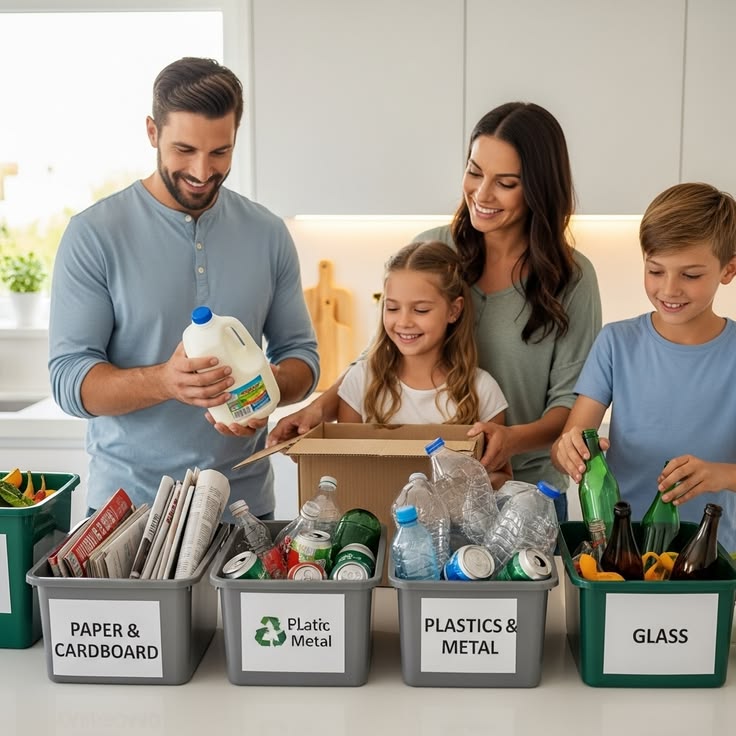
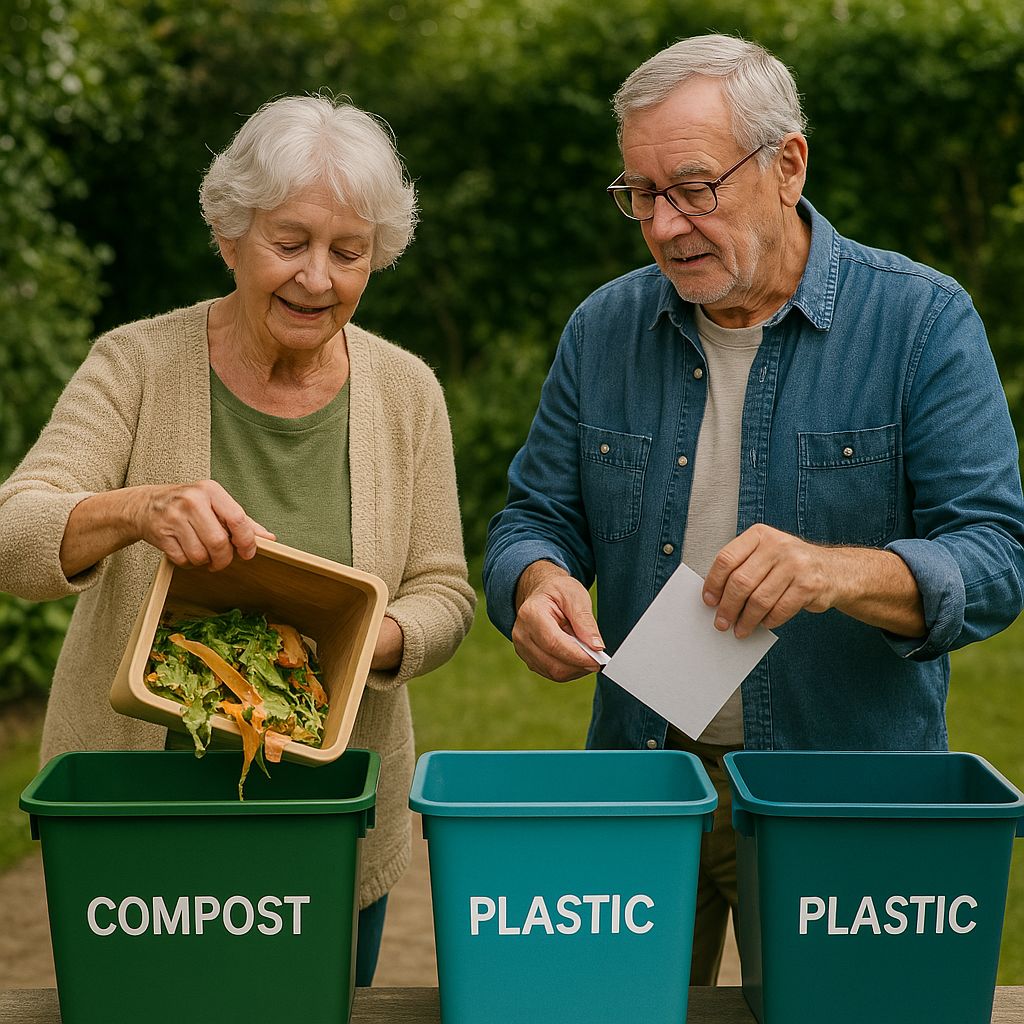
Create Separate Waste Areas
Set up different bins for:
- Recycling
- Compost
- General waste
Clear organization makes it easier for everyone in the household to follow good habits.
Donate Items You No Longer Use
Many items become waste simply because they are forgotten.
Consider donating:
- Clothes
- Toys
- Books
- Furniture
Donation keeps useful items in circulation.
Teach Your Family About Waste Reduction
Waste reduction works best when everyone participates.
Families can:
- Create recycling routines
- Teach children about reuse
- Set household waste goals
When Professional Junk Removal Makes Sense
Sometimes, reducing waste means dealing with large amounts of unwanted household items after moving, remodeling, downsizing, or completing a major cleanup.
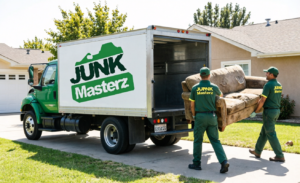
If you have bulky furniture, old mattresses, broken appliances, electronics, or years of accumulated clutter, professional Residential Junk Removal Services can simplify the process.
Professional crews remove unwanted household items quickly and responsibly. Whenever possible, we sort materials for donation and recycling before disposal, helping reduce landfill waste and giving reusable items a second life. Whether you’re cleaning out a single room or an entire home, our team handles the heavy lifting so you can enjoy a cleaner, more organized space.
How to Reduce Household Waste Room by Room
Reducing household waste becomes easier when you focus on one area at a time. Kitchens, bathrooms, bedrooms, and offices all offer opportunities to reduce unnecessary waste.
Kitchen
Focus on:
- Composting food scraps
- Using reusable containers
- Planning meals
Bathroom
Try:
- Refillable products
- Reusable towels
- Products with less packaging
Bedroom
Reduce waste by:
- Buying fewer clothes
- Repairing damaged items
- Donating unused clothing
Home Office
Helpful steps:
- Reduce unnecessary printing
- Recycle electronics properly
- Use digital documents
Common Waste Reduction Mistakes to Avoid
Many people struggle with waste reduction because they try to change too much too quickly or misunderstand recycling rules. Sustainable habits work best when they are simple and realistic.
Trying to Become Zero Waste Immediately
You do not need a perfect zero-waste home.
Start with one improvement:
- Reduce plastic bags
- Compost food scraps
- Reuse containers
Little progress creates lasting habits.
Buying Too Many Eco Products
Buying sustainable products is helpful, but replacing everything at once can create unnecessary waste.
Use what you already own first.
Ignoring Local Recycling Rules
Recycling rules vary by location.
Always check your local guidelines before placing items in recycling bins.
How to Build Long-Term Waste Reduction Habits
Long-term waste reduction comes from creating simple routines that fit your lifestyle. Tracking your waste and improving one habit at a time makes change easier.
Conduct a Home Waste Audit
A waste audit helps you understand where most waste comes from.
Steps:
- Observe your household waste for one week.
- Identify common waste items.
- Find ways to reduce them.
Set Realistic Goals
Examples:
- Reduce plastic use
- Compost kitchen waste
- Buy fewer packaged products
Track Your Progress
Review your habits every month.
Ask:
- Are we wasting less food?
- Are we recycling correctly?
- Are we buying unnecessary items?
Conclusion: Small Changes Create a Less Wasteful Home
Reducing waste at home does not require expensive solutions or major lifestyle changes. The best results come from simple habits that you can continue every day.
Whether you are learning how to reduce waste at home tips, trying to reduce trash, or looking for easy ways to reduce waste at home, start with one small action.
Use reusable products, plan your shopping, compost when possible, repair items, and recycle correctly.
Every household has the power to create less waste and build a cleaner future through everyday choices.
Frequently Asked Questions
1. How can you reduce waste at home easily?
You can reduce waste at home by using reusable products, planning meals, composting food scraps, recycling correctly, and avoiding unnecessary purchases.
2. What are some easy ways to reduce waste at home?
Some easy ways include carrying reusable bags, avoiding disposable products, storing food properly, donating unused items, and buying products with less packaging.
3. How can I reduce garbage at home?
You can reduce garbage by separating waste, reusing items, composting organic materials, repairing products, and purchasing only what you need.
4. How can I reduce household waste in my kitchen?
Reduce kitchen waste by planning meals, using leftovers, storing food correctly, composting scraps, and avoiding excessive packaging.
5. Does recycling reduce household waste?
Yes, recycling helps reduce waste by allowing materials like paper, glass, and metals to be processed and reused. However, reducing and reusing should come before recycling.