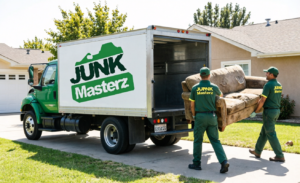
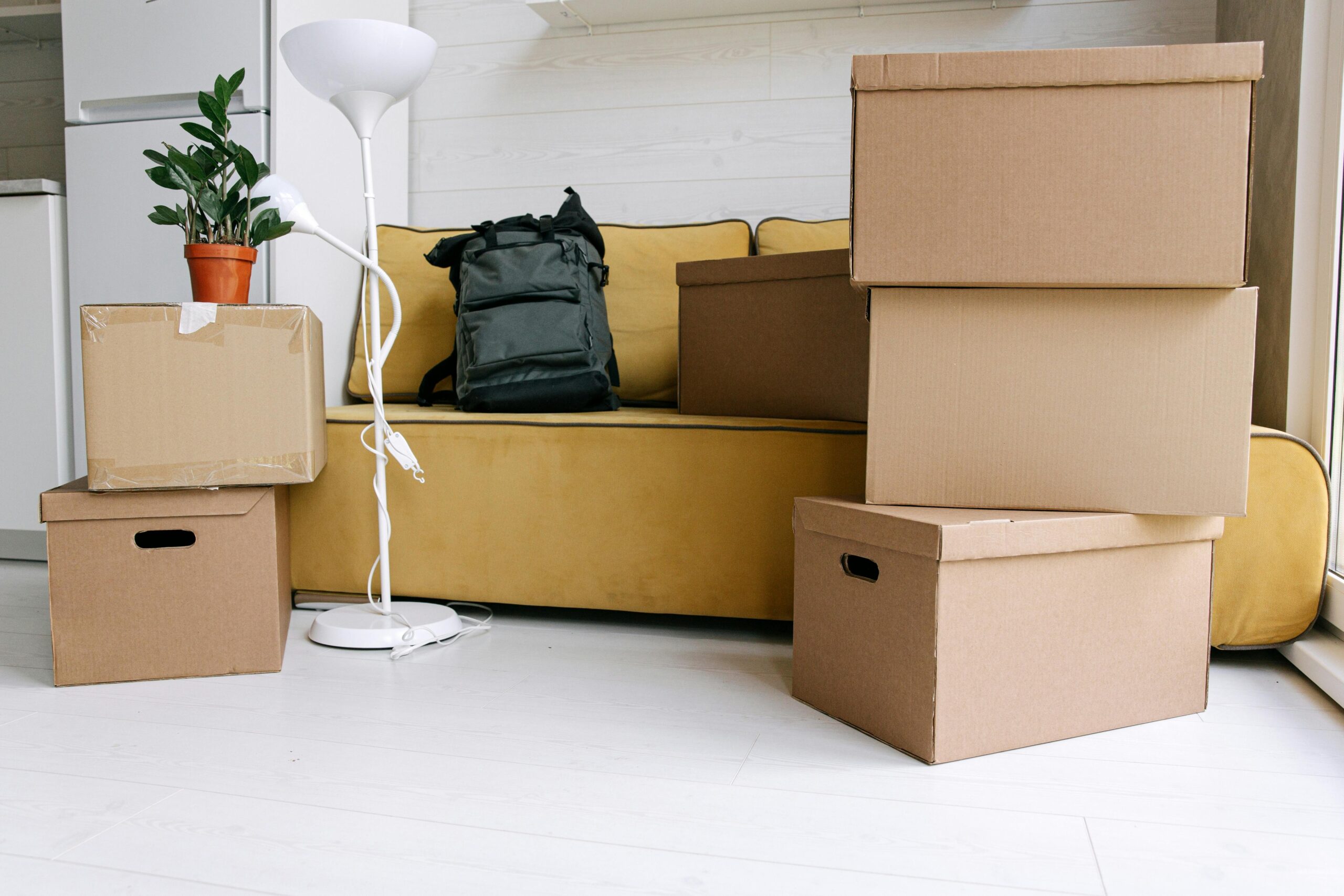
If you have ever tried shoving an old couch into your trash bin, you already know the answer to what is bulky items without realizing it. A bulky item is any household object too large, heavy, or oddly shaped for a standard trash bin or regular garbage truck. This becomes a real headache when moving, decluttering before a renovation, or replacing worn-out furniture and appliances.
At Junk Masterz, we get calls almost daily from Fresno homeowners who assumed their old recliner or broken dryer would get picked up on trash day, only to learn it needed a separate process. Understanding the meaning of bulk items early saves you from wasted trips and missed pickups.
What Counts as a Bulky Item?
Most waste authorities and private haulers use four practical factors to decide what qualifies. It is not just about size. Weight and shape matter just as much, especially when a two-person crew has to physically carry an item down a staircase or through a narrow hallway.
| Criteria | What It Means |
| Size | Does not fit inside a standard wheelie bin or trash bag |
| Weight | Too heavy for one or two people to lift safely into a truck |
| Shape | Irregular items like mattresses, mirrors, or exercise machines that do not stack or compress |
| Material | Metal frames, upholstered fabric, or glass that needs separate handling from regular trash |
A quick note worth remembering: these criteria vary slightly depending on your city or county, so what counts as bulky in one area might be treated differently a few miles away. Always confirm with your local provider or a removal company before assuming.
Bulky Items vs. Regular Household Waste
People often lump everything into one category, but bulky items and regular household trash are processed in completely different ways. Here is a side-by-side breakdown that makes the difference clear.
| Regular Household Waste | Bulky Items |
| Collected weekly in standard bins | Requires scheduled or on-call pickup |
| Compacted directly in garbage trucks | Cannot go through compaction equipment |
| Processed at general landfill sites | Often needs disassembly or specialized recycling |
| No size restrictions on individual pieces | Must meet size and weight limits per item |
The compaction issue is the biggest reason standard trucks cannot handle bulky waste. A garbage truck’s compactor is built for bags and loose debris, not solid wood frames or metal appliance shells. Forcing a mattress or dresser through that system risks jamming the equipment, which is why crews leave these items for a dedicated bulky pickup instead.
Common Examples of Bulky Items
Household Furniture
Sofas, loveseats, and armchairs top the list, followed closely by bed frames, box springs, wardrobes, dressers, and dining sets. Anything upholstered tends to soak up moisture and odor over time, which is a detail most guides skip. If a couch has been sitting in a garage or damp basement, our crews often recommend photographing its condition before pickup, since some recycling facilities reject water-damaged upholstery outright.
Appliances
Refrigerators, freezers, washing machines, dryers, dishwashers, and ovens fall into this category. Refrigeration units need refrigerant removed by a certified technician before scrapping, which is a legal requirement, not just a suggestion. Skipping this step can delay pickup or result in the item being refused at drop-off.
Outdoor and Garden Items
Garden sheds, fencing panels, large planters, trampolines, and patio furniture sets are common examples of bulky goods that homeowners forget about until a spring cleanup or a move. Trampolines in particular need to be disassembled into frame sections, since most haulers cannot fit them whole into a truck.
Other Oversized Household Waste
Carpets, large area rugs, mirrors, glass panels, exercise equipment, bicycles, and baby strollers round out the list. Rolled carpet should ideally be cut into sections no longer than four feet, a detail many first-time disposers are not aware of until pickup day.
What Is NOT Considered a Bulky Item
This is where a lot of confusion happens, and it is a section most articles on this topic skip entirely.
Hazardous materials such as paint cans, propane tanks, batteries, and motor oil are not bulky items, even though they may be large or heavy. These require separate hazardous waste programs because of the chemical risk involved.
Small electronics like phones, tablets, and laptops are usually classified as e-waste rather than bulky waste, since they go through different recycling streams that recover circuit board materials.
Construction debris, including drywall, concrete chunks, bricks, and lumber from a renovation project, is also excluded from standard bulky pickup in most areas. This type of waste typically needs a dumpster rental or a specialized debris removal service instead.
Car parts, tires with rims still attached, and abandoned vehicles fall outside the bulky category too, since they require licensed disposal channels.
Knowing this distinction upfront prevents wasted calls to the wrong service and keeps your pickup on schedule.
How to Dispose of Bulky Items Properly
Council or Municipal Bulky Waste Collection
Many cities offer scheduled bulky pickups a few times a year at no charge, or on-demand service for a flat fee. Book your slot as early as possible, since popular collection dates fill up fast during peak moving seasons like late spring and early fall.
Donation and Reuse
If your item is still functional, local charities and reuse centers will often collect it directly from your home for free. This route works best for furniture in good condition, since most organizations decline anything with tears, stains, or missing parts.
Recycling Centers
Certain facilities accept large items directly, particularly appliances and electronics that contain recoverable metals. Before hauling anything yourself, call ahead to confirm the center accepts your specific item, since not all locations handle refrigeration units or upholstered furniture.
Hiring a Private Removal Service
For homeowners who need something gone within a day or two, a private junk removal crew is usually the fastest option. This is especially useful during a move-out deadline or an estate cleanout where there is no time to wait for a scheduled municipal pickup. If you are in the Fresno area, our Residential Junk Removal Fresno CA team handles everything from single-item pickups to full-home cleanouts, and we sort materials for recycling and donation whenever possible.
Cost of Bulky Item Removal
Pricing depends on a handful of real factors rather than a flat rate across the board.
- Volume: How much space your items take up in the truck, often measured in cubic yards
- Item type: Appliances with refrigerant or heavy materials like solid wood typically cost more to process
- Access difficulty: Items on upper floors or requiring disassembly add labor time
- Location: Local disposal and recycling facility fees vary by region
At Junk Masterz, we provide upfront, no-surprise quotes based on what you actually need removed, so you know the cost before our crew arrives.
Common Mistakes People Make With Bulky Waste
Illegal dumping. Leaving items at the curb outside your scheduled collection window can result in fines from your city, sometimes without warning.
Missing collection dates. Bulky pickups are often infrequent, so missing your slot can mean waiting weeks or even months for the next available date.
Misclassifying items. Assuming an appliance or mattress counts as regular trash, when it actually requires special handling, often leads to it being left uncollected at the curb.
Conclusion
At its core, what bulky items are comes down to one simple idea: large, heavy, or awkwardly shaped household objects that fall outside your normal trash routine. Once you understand the meaning of bulk items, the examples of bulky goods that apply to your home, and the right disposal method for each one, the entire process becomes far less stressful.
Whether you are clearing out after a move, prepping for a renovation, or just reclaiming space in your garage, Junk Masterz is ready to help. Contact us today for a free, no-obligation quote and let our Fresno-based crew handle the heavy lifting for you.
Frequently Asked Questions
What are bulky items in simple terms?
Bulky items are large household objects like furniture, appliances, and mattresses that do not fit in a standard trash bin and need a separate pickup or drop-off process.
What is bulk trash meaning compared to regular trash?
Bulk trash refers specifically to oversized waste that cannot go through a compaction truck, while regular trash is anything that fits in your weekly bin collection.
Are appliances always considered bulky items?
Yes, most large appliances like refrigerators and washers fall under bulky waste, but refrigeration units need the refrigerant professionally removed first.
Can I leave bulky items on the curb anytime?
No, most areas only collect bulky items on specific scheduled days, and leaving them out early or without a booking can lead to fines.
Do all bulky items cost money to remove?
Not always. Municipal pickups are often free or low-cost, while private removal services charge based on volume, item type, and access difficulty.