If your old refrigerator is sitting in the garage waiting to be hauled away, you cannot just drag it to the curb. Before that fridge leaves your property, the refrigerant inside it has to be removed properly. Learning how to remove Freon from fridge units safely protects your health, keeps you out of legal trouble, and ensures the appliance can actually be recycled.
At Junk Masterz, we deal with this exact situation almost every week, and this guide walks you through everything a homeowner actually needs to know, not just the textbook version.
Quick Answer: How to Remove Freon From a Fridge
The short version of how to remove Freon from fridge disposal is this: do not attempt it yourself. Call a certified technician or a licensed junk removal company that offers recovery service, have the refrigerant professionally extracted and tagged, then schedule recycling pickup for the empty unit.
What Is Freon and Why It’s Inside Your Fridge
Freon is the common nickname for the refrigerant gas that circulates through the sealed cooling system of a refrigerator. It absorbs heat from inside the fridge and carries it outside, which is the entire reason your food stays cold. The gas never touches your food or the interior air directly. It stays locked inside copper coils and the compressor unless that sealed system gets punctured or cut open.
Common Refrigerant Types (R-12, HCFC-22, R-134a, R-600a)
Not every refrigerator uses the same gas, and the type matters a lot when it comes time to dispose of the unit. R-12 was standard in refrigerators built before the early 1990s and is now heavily restricted because of ozone damage. HCFC-22 showed up in some transitional models. R-134a became the standard through the 1990s and 2000s and is less ozone-damaging but still a regulated greenhouse gas. Newer fridges, especially anything built in the last ten years, often use R-600a, a hydrocarbon refrigerant that behaves very differently and comes with its own handling rules, which we cover below.
Signs Your Refrigerator Still Contains Freon
You cannot tell just by looking at a fridge whether the refrigerant has already been drained. A unit that was pulled from service but never professionally emptied will still have a full charge sitting in the lines.
Check the Compressor or Rear Panel Label
Every refrigerator has a metal data plate, usually near the compressor at the bottom rear of the unit or sometimes inside the door frame. This label lists the refrigerant type and the charge amount in ounces. If you see R-12, R-22, or R-134a listed and there is no tag from a technician confirming recovery, assume the gas is still inside.
Fridges Made Before the Mid-1990s
Age is a fast way to estimate risk. Anything manufactured before roughly 1995 almost certainly used R-12, which cannot legally be vented and requires certified recovery equipment to remove.
Newer Fridges With R-600a/R-32 (Different Handling Rules)
This is a detail a lot of guides skip. Fridges using R-600a contain a much smaller charge, often under six ounces, and some municipal curbside programs will not pick these up under the same rules as older CFC units because the risk profile is different. Always check with your local disposal program before assuming a newer fridge qualifies for the same free pickup as an older one.
Is It Legal or Safe to Remove Freon Yourself?
This is the question we hear the most, and the honest answer is that it depends on training, not willingness.
What Certification Refrigerant Recovery Requires
Refrigerant recovery in the United States falls under EPA Section 608 of the Clean Air Act. Anyone using recovery equipment on a system like this is expected to hold that certification, and many states add their own licensing on top of it. This is not a formality. It exists because refrigerant recovery machines run under pressure and mishandling them causes real injuries every year.
Risks of Doing It Without Training
Can you remove Freon from a refrigerator without proper equipment? Technically, people try, and it rarely ends well. Piercing a line without a recovery machine releases the gas straight into the air, which is illegal in most areas and can cause frostbite burns on skin if the gas contacts you directly. It also voids any chance of the appliance being accepted for scrap, since recyclers require proof the system was properly evacuated.
DIY vs Professional Removal (Comparison)
| Factor | DIY Attempt | Professional Removal |
| Equipment needed | Recovery machine, gauges, tank | Provided by technician |
| Legal compliance | Usually violates EPA rules | Fully compliant |
| Safety risk | High, pressurized gas exposure | Low, trained handling |
| Appliance recycling eligibility | Often rejected without proof | Accepted with documentation |
| Typical outcome | Wasted time, potential fines | Fridge ready for pickup same day |
Step-by-Step: How Freon Is Safely Removed
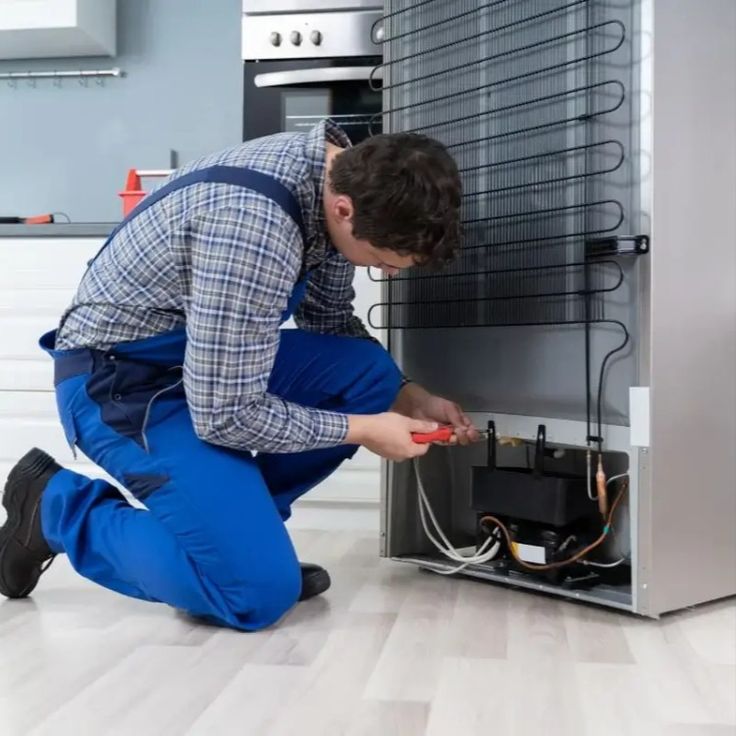
Here is what actually happens when a technician handles how to remove Freon from fridge units on a service call, based on the process our crews see day to day.
Step 1: Inspection and Refrigerant Identification
The technician checks the data plate, confirms the refrigerant type, and inspects the lines for existing leaks or damage before connecting any equipment.
Step 2: Connecting Recovery Equipment
A recovery machine gets attached to the low-side service port using a piercing valve on sealed systems that were never designed with an access port. The machine pulls the gas out and compresses it into a sealed storage tank.
Step 3: Vacuuming Residual Refrigerant
After the bulk of the gas is out, a vacuum pump runs to pull any remaining trace refrigerant and moisture out of the lines. Skipping this step is one of the most common shortcuts amateur haulers take, and it is exactly why some scrap yards still reject units that were “already done.”
Step 4: Sealing and Certifying the Unit Empty
The technician caps the service port and tags the appliance to confirm it is empty. This tag is what allows a recycler or landfill to legally accept the fridge.
Why Improper Freon Disposal Is a Problem
Ozone Layer Damage
Older refrigerants like R-12 break down ozone molecules in the upper atmosphere when released, which is the reason CFCs have been phased out globally since the late 1980s.
Greenhouse Gas Impact
Even newer refrigerants trap heat far more effectively than carbon dioxide, so a single vented fridge can have an outsized climate impact compared to its small size.
Health Risks From Inhalation
In an enclosed space like a garage, inhaling concentrated refrigerant vapor can cause dizziness, headaches, and, in rare cases, irregular heartbeat. It displaces oxygen, which is the real danger in a poorly ventilated room.
Fines and Legal Consequences (Vary by State/City)
Penalties are not uniform. Some counties issue a warning on a first offense, while others in California can fine a resident several hundred dollars for illegal venting or dumping an appliance with the refrigerant still inside. Always check your city’s specific solid waste ordinance before assuming the rules are the same everywhere.
How Much Does Freon Removal Cost?
Average Price Breakdown
| Service | Typical Cost |
| Refrigerant recovery only | $50 to $150 |
| Appliance pickup add-on | $25 to $100 |
| Recycling processing fee | $0 to $50 |
| Full removal and disposal bundled | $75 to $250 |
If you are asking how much to remove Freon from fridge units specifically, recovery alone usually lands in that $50 to $150 range depending on your region and the refrigerant type. If you are instead asking how much to have Freon removed from fridge appliances as part of a full haul-away service, expect the bundled price closer to $150 to $250 since labor and transport get added in.
What Affects the Final Price
Refrigerant type changes the price because R-12 recovery equipment and disposal handling cost more than R-134a. Appliance size matters too, since a commercial unit holds a larger charge than a standard kitchen fridge. Same-day service and rural pickup locations tend to push the price toward the higher end of that range.
Free or Low-Cost Ways to Get Freon Removed
If budget is the main concern, there are a few real paths that do not involve paying full recovery fees out of pocket. Junk Masterz gets calls from homeowners weekly asking how to get Freon removed from fridge units without a big bill, and these are the options worth checking first.
Utility Company Appliance Recycling Programs
Many electric utilities run appliance turn-in programs that include free recycling pickup and sometimes a small rebate check for retiring an old, inefficient fridge. This is often the cheapest legitimate route available.
City Bulk Pickup / Curbside Appointments
Most cities schedule dedicated appliance recycling pickup days where a technician tags the unit for Freon removal before sanitation crews collect it. You typically need to call ahead and book a specific appointment window rather than just setting it at the curb.
Local Recycling Centers and Scrap Yards
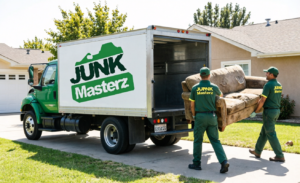
Some scrap metal recyclers have their own recovery equipment on-site and will process the refrigerant themselves before accepting the fridge, sometimes for a small fee that is still cheaper than hiring a separate technician. If none of these free or low-cost options fit your timeline, a same-day service like our Residential Junk Removal Fresno CA team handles both the refrigerant recovery and the haul away in one visit.
What Happens to the Fridge After Freon Removal
Once the refrigerant is out and the unit is tagged, the fridge stops being hazardous and becomes a standard recycling item.
Materials That Get Recycled (Steel, Copper, Aluminum, Plastic, Glass)
The outer shell and frame are steel, which gets shredded and melted down for new manufacturing. Copper from the coils and wiring is pulled separately since it holds real scrap value. Aluminum parts, plastic shelving, and glass trays are sorted out at the recycling facility and processed based on local capability.
Why Recycling the Appliance Matters
A refrigerator kept whole in a landfill takes up significant space and can leach materials over decades. Breaking it down for recycling pickup keeps usable metal in circulation and reduces the demand for new raw material extraction.
You may also read: How to Dispose of a Small Fridge
Common Mistakes to Avoid
Cutting or Puncturing Refrigerant Lines
Never take a saw or drill to the compressor lines yourself. This is the single fastest way to release gas illegally and injure yourself in the process.
Leaving an Old Fridge Outside Unsecured
An unsecured fridge left in a yard is a safety hazard for children and pets, and prolonged outdoor exposure can also corrode the lines, making later recovery messier.
Hiring Uncertified Haulers
Not every junk hauler is equipped or licensed to handle refrigerant. Always ask directly whether Freon recovery is included and whether the technician holds proper certification before booking.
Conclusion
Knowing how to remove Freon from fridge units properly protects your health, keeps you compliant with local law, and gets your old appliance ready for real recycling instead of sitting as landfill waste. Whether you are weighing how much to remove Freon from fridge appliances on your own or just want it handled in one trip, professional recovery is always the safer and more reliable route. Contact Junk Masterz today to schedule your Freon recovery and recycling pickup, and we will take it from there.
Frequently Asked Questions
Can you remove Freon from a refrigerator yourself?
In almost every case, no. Refrigerant recovery requires EPA-regulated equipment and certification, and attempting it without training risks injury, fines, and a wasted appliance that scrap yards will refuse.
How much to have Freon removed from fridge units through a full service?
A bundled service that includes recovery, pickup, and disposal typically runs between $150 and $250, though pricing shifts based on your location and the refrigerant type in your unit.
How to get Freon removed from fridge appliances for free or cheap?
Check your local utility company’s appliance recycling program first, then look at city bulk pickup appointments, since both often include Freon recovery at no extra charge to residents.
Is Freon dangerous to breathe?
Yes, in enclosed spaces it can cause dizziness, headaches, and oxygen displacement, so any suspected leak should be handled in a ventilated area and reported to a professional immediately.
Do newer fridges with R-600a still need professional removal?
Yes, even though the charge is smaller, R-600a is flammable and still requires proper handling before disposal, so professional recovery is recommended regardless of the fridge’s age.