
Residential Junk Removal

How to Dispose of an Air Fryer: Safe, Legal, and Eco-Friendly Disposal Options in 2026

Your air fryer finally quit after one too many batches of crispy fries, and now it’s sitting on the counter taking up space. If you’re searching for how to dispose of an air fryer the right way, the short version is this: don’t just toss it in the trash and hope for the best.  At Junk Masterz, we’ve hauled small kitchen appliances out of hundreds of homes, and air fryers have quietly become one of the most common items on our pickup list. Here’s exactly how to handle yours. Quick Answer: How Do You Dispose of an Air Fryer? If it still works, donate it or sell it locally. If it’s broken, take it to a certified e-waste recycler or schedule a pickup with a junk removal company that sorts recyclables from trash. Skip the curbside recycling bin entirely, and only use household garbage as a last resort if no other option exists in your area. Is an Air Fryer Considered Electronic Waste (E-Waste)? Yes. An air fryer has wiring, a heating coil, and often a small circuit board, which is exactly why most municipalities treat it the same way they treat a toaster oven or microwave. That classification matters because it determines where the unit is legally allowed to go once you’re done with it. What’s Inside an Air Fryer? Inside the housing, you’ll find a metal heating element, copper wiring, a control board, and a heat-resistant plastic shell. None of these materials are dangerous by themselves, but mixing them into general trash means none of them get recovered. Do Air Fryers Contain Lithium Batteries? Some newer WiFi-connected models use a small lithium battery to hold saved presets. If that battery gets crushed in a compactor truck, it can spark a fire, which is one reason cities are tightening small appliance disposal rules. The Real Environmental Impact of Air Fryer Waste Small kitchen appliances are one of the fastest-growing categories of household electronic waste, largely because they’re inexpensive to replace rather than repair. When a unit goes to a landfill instead of a recycler, the recoverable copper, steel, and aluminum inside it are lost for good, and the plastic housing can take generations to break down. Recycling doesn’t just avoid landfill space; it keeps usable raw material in circulation instead of forcing manufacturers to mine and process new metal. Before You Dispose: Check for an Active Safety Recall First This step gets skipped constantly. Before you donate, sell, or recycle an air fryer, search the model number against current consumer product recalls. A handful of air fryer models have been recalled in recent years over fire or overheating risks. Why This Matters If You’re Donating or Selling Passing along a recalled unit isn’t just unhelpful; it can put the next owner at genuine risk. If your model is on an active recall list, the manufacturer will usually offer a refund or replacement instead, which is a better outcome than donation anyway. Where Can You NOT Put an Air Fryer? Skip the curbside recycling bin completely, avoid apartment or commercial dumpsters unless your property manager confirms it’s allowed, and treat household trash as the fallback, not the first move. Disposal Location Accepted? Notes Household Trash Sometimes Only if local rules allow it and no e-waste option exists nearby Curbside Recycling Bin No Mixed materials contaminate paper and glass streams Apartment/Commercial Dumpster Rarely Many properties charge fees or ban electronics outright E-Waste Recycling Center Yes The most compliant option in nearly every city A growing number of states restrict placing electronics in landfill-bound trash, and small appliances often fall under those rules because of their wiring. So before you ask, can you throw an air fryer in the trash? Check your city’s waste management website first, since the answer changes block by block. Decision Guide: Repair, Donate, Sell, or Recycle? Ask yourself three questions. Does it still heat evenly and power on without issue? If yes, donate or sell it. Is it under one or two years old with a minor, fixable problem, like a loose button or a tripped reset? Consider a repair. Is the heating element dead, the housing cracked, or the cord damaged? Recycle it through an e-waste center rather than the trash. 7 Best Ways to Dispose of an Air Fryer Recycle at a certified e-waste center. This is the gold standard for a unit that no longer heats. Call ahead, since some centers only take small appliances on certain days. Manufacturer or retailer take-back programs. Some electronics retailers accept old small appliances even if you didn’t buy them there, though policies vary by location. Donate it if it still works. Local shelters and reuse groups often welcome a clean, functioning unit; just call ahead first. Sell it online locally. Even an older model can fetch a few dollars through a local marketplace, which is more efficient than recycling since it skips reprocessing energy. Municipal bulky item pickup. Many cities run scheduled appliance pickups. Mention it’s electronic so the crew sorts it correctly. Hire a professional junk removal service. If you’re clearing out more than one appliance, this saves multiple trips. Junk Masterz handles appliance pickups throughout the Fresno area and sorts items for recycling or donation instead of sending everything straight to the dump. If you’re tackling a bigger cleanout, our Residential Junk Removal Fresno CA service covers appliances, furniture, and general clutter in one visit. Last resort: landfill or garbage collection. Only if you’ve exhausted every other option and local rules genuinely allow it. Donate vs Recycle: Which Makes More Sense? If the cord, plug, and housing show no damage and it still heats safely, donation extends its life. Many people wonder whether a local thrift store takes air fryers; most will, as long as the unit is clean and functional, since testing small appliances isn’t something every organization can do. If the heating element is inconsistent or you’ve noticed a burning smell, recycling is the responsible call instead. How Much Does It Cost

Where Can I Throw Away a Couch? 9 Legal Ways to Get Rid of It (and How to Pick the Right One)

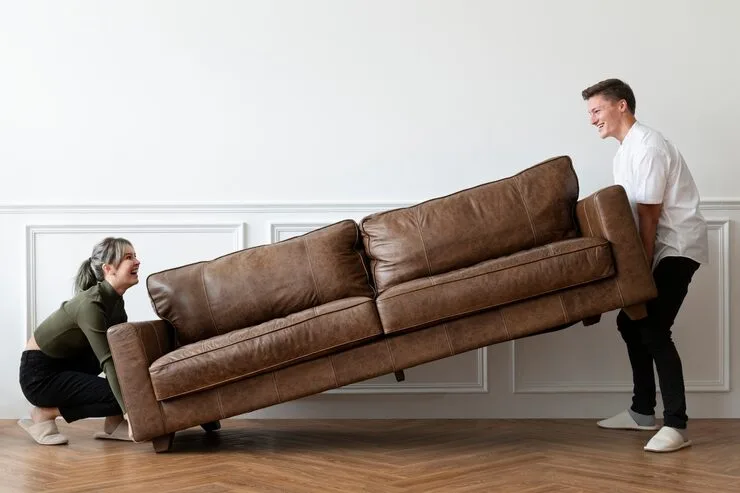
A couch is too big for the trash can, too heavy to carry alone, and too awkward for most cars. If you are wondering where can I throw away a couch in Fresno, you have four realistic routes. You can use the city’s free bulky pickup, haul it yourself to the transfer station, donate or resell it if it is still in good shape, or hire a removal crew.  Junk Masterz created this guide to help Fresno area homeowners choose the right option based on their couch condition, budget, and schedule, so the whole process feels simple and stress-free. Quick Answer: Where Can You Throw Away a Couch? Fresno residents get one free curbside bulky item pickup per year. You need to request it about a week ahead through the city website or by calling (559) 621-2489. You can also drive the couch to the Cedar Avenue Recycling and Transfer Station. It runs six free dump days a year for eligible residents and charges roughly $50 to $68 on other days. Usable couches can be donated or listed locally, and private crews can often remove one the same day. Rules and fees change, so confirm with the city before you go. Why You Can’t Just Leave a Couch on the Curb A couch left out without a scheduled pickup counts as illegal dumping in most cities. The fine can be higher than the cost of proper disposal. Couches are also hard to process because one piece combines wood, steel springs, foam, and fabric. That mix is why how to dispose of a couch properly is a real question, and why facilities usually charge by weight or load. Grade Your Couch First: The 60-Second Triage Before choosing a method, grade the couch. It takes a minute and saves you from calling charities about a couch they will refuse. Grade Condition Best route A Clean, no tears, no odor, no smoke or pets Donate or give away B Minor wear, small stains, solid frame Sell cheap or list for free C Torn, sagging, heavily stained, but dry and pest-free Bulk pickup, transfer station, or removal crew D Mold, bed bugs, broken frame, water damage Sealed disposal or professional removal This guide answers most questions about what to do with old couches before you spend any money. 9 Ways to Get Rid of a Couch 1. Municipal Bulk Waste Pickup This is usually the cheapest answer to where to throw away a couch for free. Fresno allows one free bulky pickup per year, so save it for your heaviest item. Book early and place the couch at the curb only when the city tells you to. 2. Donate It (and What Charities Actually Accept) Donation suits Grade A couches. Many charities refuse upholstered furniture because of hygiene and storage limits, so call first and send a photo. If you itemize deductions, ask for a receipt. It is also one of the best answers to how to get rid of a sofa for free without paying anyone. 3. Sell or Give It Away Online Local listing apps and neighborhood groups can move a decent couch in a day or two. A “free, pick up today” post gets fast replies. If you are working out how to get rid of a sofa for free and want it gone quickly, this is it. Meet buyers at the door and keep your exact address out of the listing until you have confirmed someone is coming. 4. Retailer Haul-Away With a New Purchase Some furniture stores remove your old couch when they deliver the new one, often for a fee. Ask before you pay, because the offer is rarely advertised at checkout. Confirm they will take it from inside your home and not only from the curb. 5. Landfill or Transfer Station Drop-Off If you own a truck or trailer, this is the most direct way to handle how to throw a couch away on your own schedule. Expect a fee based on weight or load. Bring ID that proves residency if you want resident rates or free dump day access. Strap the couch down, because unsecured loads cause fines and accidents. 6. Rent a Dumpster A dumpster makes sense only when the couch is part of a larger cleanout. Renting one for a single couch costs more than most other routes, and some neighborhoods and HOAs restrict where it can sit. Do not use a shared apartment dumpster unless the property manager approves. 7. Hire a Junk Removal Service A crew comes into your home, carries the couch out, and hauls it away. That matters for second-floor units, narrow stairwells, and large sectionals. Local Residential Junk Removal Fresno CA help fits best when you are on a deadline, cannot lift the couch, or have several items to clear. Ask whether the crew sorts items for donation and recycling. 8. Recycle the Couch by Material A couch rarely recycles as one piece. Wood frames, metal springs, and clean foam or textiles may be accepted separately, but only after you strip the fabric and split the parts. That takes tools and time, so check what your local facility accepts before you start. 9. Upcycle or Repurpose It A solid frame can become a garden bench, a pet bed, or a workshop seat with new cushions. Reuse is a practical answer to what to do with old couches when the structure is sound and only the upholstery is tired. Where to Throw Away Each Type of Couch Type Main challenge Best route Sectional Several heavy sections, often bolted together Crew removal, or split into sections for bulk pickup Sleeper sofa Metal frame and fold-out mattress add weight Crew removal or transfer station Reclining couch Mechanisms and extra weight Transfer station or crew Leather Resale value if intact Sell or donate first Futon Easy to take apart Bulk pickup or donation Outdoor Sun and moisture damage Bulk pickup or transfer station What If Your Couch Has Bed Bugs, Mold or

How Do You Dispose of a Microwave? Safe, Legal and Easy Ways (2026 Guide)

A dead microwave is easy to replace and surprisingly awkward to get rid of. It is too bulky for a small bin, too full of electronics for a casual toss, and too heavy to drag around without a plan. If you are wondering how do you dispose of a microwave without breaking local rules or hurting yourself, the answer depends on three things: whether it still works, where you live, and how easily you can move it.  The crew at Junk Masterz sees this question come up whenever a kitchen gets upgraded, so this guide covers the decisions in the order you will actually face them. Quick answer A microwave that still heats properly should be sold, given away, or donated. One that is dead belongs at a certified e-waste recycler, a retailer take-back counter, or a city bulky item collection. Keep it out of the curbside recycling bin and the regular trash unless your city says otherwise. Never open the case, because a part inside can still deliver a dangerous shock after the plug is pulled. What Is the Best Way to Dispose of a Microwave? The best option is the one that keeps the appliance in use or sends its materials back into manufacturing, while staying inside your local rules. In practice, that means choosing by condition. If it still works: Offer it to a neighbor, relative, or coworker first, since this is the fastest exit. List it as free or cheap on a local resale or community group. Take it to a charity shop that accepts small appliances. If it no longer works: Take it to an e-waste recycler or a municipal drop-off site. Ask a retailer whether it runs a take-back program. Book a city bulky pickup, or hire a hauler. A microwave is classed as small electronic waste because it contains a circuit board, wiring, a transformer, and a metal cavity. That is why most areas want it handled differently from kitchen trash. Which Disposal Option Fits Your Situation? Most guides list every option and leave you to sort them out. This table starts from your situation instead. Your situation Best route Why it fits Works fine, just replacing it Give away or donate Reuse beats recycling Dead or sparking E-waste drop-off or city pickup Needs proper material recovery Mounted above the stove Careful removal, then hauler or drop-off Heavy and bracketed to the wall Replacing several appliances One combined pickup Saves repeated trips No vehicle or can’t lift it Scheduled pickup Someone else does the carrying Can You Throw a Microwave in the Trash? Sometimes, but it is the route most likely to cause trouble. Whether you can throw a microwave in the trash depends entirely on your local waste rules, and those differ by city and county. Some places accept it as bulky waste on a scheduled day. Others classify it as electronics and refuse it at the curb. Before you set anything on the sidewalk, do three things: Read your city’s waste and recycling page for small appliance or e-waste rules. Call the waste department if the page is unclear. Ask whether bulky pickup needs an appointment or a fee. Leaving an appliance at the curb against the rules can lead to a missed pickup, a notice, or a fine, depending on where you live. Also remember that the blue recycling bin is for packaging materials. Microwaves do not belong in it. If you are still unsure how to throw away a microwave legally, treat “ask first” as the rule and recycling as the fallback. Is It Safe to Handle an Old Microwave? Yes, if you handle it like a sealed unit and do not get curious. The main hazard is the high-voltage capacitor inside, which can hold a dangerous charge even when the cord is unplugged. That is why taking the case off to “see what’s inside” or salvage parts is a bad idea for anyone without training. Safe handling is simple: Unplug it and let it cool if it was recently used. Remove the glass turntable and any loose rack, and wrap them separately. Coil the cord and tape it down so it does not catch on stairs or doors. Carry it upright with the door closed or taped shut. Never cut into the casing, and never use it as a step or shelf while it waits. How to Dispose of a Microwave Step by Step Here is how to dispose of a microwave in a sequence that avoids wasted trips: Unplug it and clear it out. Remove food, plates, and the turntable. Wipe the inside. A clean interior helps resale and is courteous to anyone handling it. Decide: reuse or recycle. Run a cup of water for a minute or two. If it heats and the door latches, reuse is realistic. Check your local rules. Look up the nearest drop-off site or bulky pickup policy. Call ahead. Confirm they take microwaves, and ask about fees and hours. Move it safely. Secure it in your vehicle, or book a pickup if lifting is a problem. Where Can You Recycle a Microwave? You have three main routes, and some areas offer all of them. Municipal Drop-Off and E-Waste Facilities Many cities and counties run electronics drop-off sites, and some transfer stations take small appliances. These are usually the most dependable places for a broken unit. The EPA publishes general guidance on electronics donation and recycling that is a good starting point for finding responsible options. Retailer, Manufacturer and Utility Programs Some stores take old appliances when you buy a replacement, and some manufacturers run mail-back or trade-in offers. Certain utilities also collect or reward the retirement of old appliances. These programs change often and are not available everywhere, so confirm the details before you rely on them. Community Collection Events and Bulk Pickup Days Many towns hold annual e-waste days or offer scheduled bulky item pickups. They are convenient if you can wait, but the dates are fixed, so plan

How Much Does It Cost to Remove a Hot Tub?

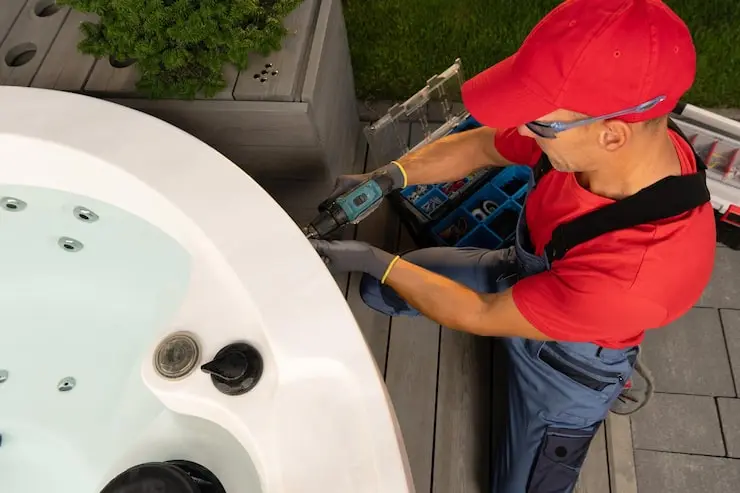
That hot tub in your backyard was probably a lot of fun for a few summers. Now it just sits there, cracked, unplugged, and taking up space you’d rather use for a patio set or a fire pit. If you’re asking how much it costs to remove a hot tub, the honest answer is that it depends on a handful of specific details about your setup, not a single flat number you can copy from a generic price chart.  At Junk Masterz, we’ve hauled enough spas out of Fresno backyards to know exactly which factors move the price up or down, and we’re going to walk you through them here. Hot Tub Removal Cost at a Glance Quick Cost Summary For a straightforward, above-ground hot tub with decent access, most homeowners in the Fresno area pay somewhere between $300 and $700 for professional removal. Larger spas, tight access points, or hardwired electrical connections can push that number toward $900 or more. In-ground or built-in units almost always land at the higher end because they involve cutting, demolition, or concrete work rather than a simple haul-away. What a Fresno-Area Crew Actually Charges: A Real Job Example A few months ago, our crew was called out to a home near Woodward Park to remove a six-person acrylic hot tub that had sat unused for three years. The tub itself wasn’t the hard part. Getting it out was. It sat on a raised deck with a 34-inch side gate, which meant the shell had to be cut into three sections before it could be carried through. The homeowner had already disconnected the 240-volt circuit through an electrician, which saved a step and kept the price lower than it could have been. Total job cost came to $625, and the crew was done in just under three hours. That’s a fairly typical hot tub removal cost for a job with one access complication and no concrete work involved. Hot Tub Removal Cost Breakdown by Line Item Instead of one flat number, most removal quotes are built from several smaller pieces. Here’s roughly what each part costs on its own. Cost Component Typical Range Labor (2- to 3-person crew) $150 to $400 Cutting the shell into sections $50 to $250 Hauling and transportation $100 to $300 Landfill or recycling fees $50 to $200 Electrical disconnection (if not already done) $100 to $300 Stairs or elevated deck access fee $75 to $150 Crane rental (rare, but sometimes required) $300 to $800 Ask any company for an itemized quote rather than a single round number. It’s the easiest way to see exactly what you’re paying for and where you might be able to save. What Actually Drives Your Price Up or Down Size and Weight An empty acrylic hot tub usually weighs between 500 and 1,000 pounds. A two-person inflatable spa is a very different job than an eight-person luxury unit with a stone surround. The heavier the tub, the more crew members and equipment are needed, which is the single biggest factor in cost to remove a hot tub. Above-Ground vs. In-Ground vs. Built-Into-Deck Above-ground spas can usually be cut into manageable pieces and carried out through a gate or side yard. In-ground and built-in units are a different story entirely. They often require breaking concrete, removing decking, and disconnecting plumbing before anything can be hauled away, which is why these jobs run noticeably higher. Access Difficulty This is the factor homeowners underestimate the most. A hot tub sitting in an open backyard with a wide gate is a quick job. A hot tub behind a narrow side gate, up a flight of stairs, or wedged into a hillside yard takes longer and often needs the shell cut into more pieces, which raises the labor cost. Electrical and Plumbing Disconnection Status Most full-size hot tubs are hardwired to a dedicated 240-volt circuit. If that connection hasn’t been safely disconnected before the crew arrives, you’ll either need to schedule an electrician first or pay extra for the removal team to coordinate that step, which adds time and cost. Local Labor and Landfill Rates in Fresno and the Central Valley Labor rates and disposal fees vary by region. In the Fresno and Central Valley area, landfill and recycling costs tend to run lower than in major metro areas along the coast, which generally keeps overall hot tub removal pricing more affordable here than in cities like Los Angeles or San Francisco. Hot Tub Removal Cost by Type and Size Hot tub type Typical removal range Inflatable spa $120 to $300 Portable above-ground tub $250 to $500 Large acrylic hot tub $300 to $800 In-ground hot tub $400 to $1,100+ Swim spa Often higher due to size and weight Current published cost guides report similar broad ranges, with in-ground models costing considerably more because they can require demolition and more labor. The physical dimensions matter, but weight and access can matter just as much. Local Cost Comparison: Fresno and Central Valley Pricing shifts slightly depending on where in the Central Valley you’re located. In central Fresno neighborhoods with standard alley or side-yard access, most standard removals fall in the $300 to $600 range. In Clovis and surrounding suburban areas, where many backyards include elevated decks or pool-adjacent spa installations, jobs tend to run closer to $500 to $800. Rural properties outside the core service area sometimes carry a small travel fee, but material and labor costs themselves stay consistent with the rest of the region. Removing It Yourself vs. Hiring a Crew When DIY Actually Makes Sense If your hot tub is small, lightweight, sitting near a driveway, and you have several strong friends and a trailer, doing it yourself can save money. Inflatable and small portable spas are the most realistic candidates for DIY. When It’s Not Worth the Risk Anything over roughly 700 pounds, anything on a deck, anything with an active electrical connection, or anything requiring stairs is genuinely dangerous to move without training. Shells

How Does Junk Removal Work: Your Complete 2026 Guide

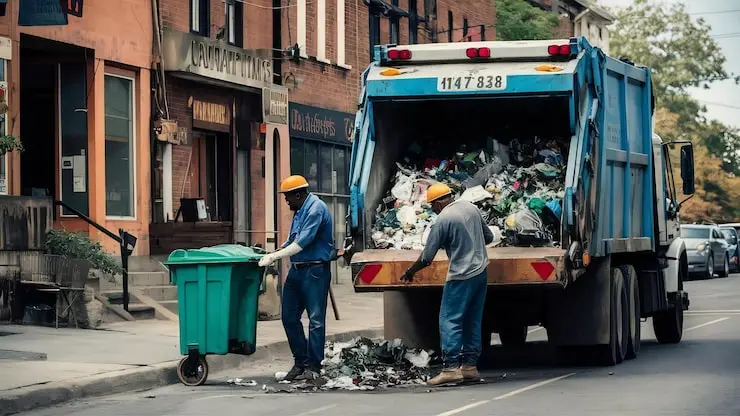
Junk rarely piles up on purpose. A broken dresser goes to the garage “for now,” a few boxes follow, and a year later you cannot reach the shelves. If you are staring at a space like that and wondering what to do with old junk, a removal crew is often the fastest way out.  So, how does junk removal work? You book a time, the crew quotes a price based on truck space, carries everything out, and sorts the items for donation, recycling, or disposal. Junk Masterz wrote this guide to show each stage, including the parts most guides skip. What Is Junk Removal (and How Is It Different From Trash Pickup)? Junk removal is a hauling service where a crew comes to your property, lifts and loads the items you no longer want, and handles transport and disposal. Trash pickup only covers what fits in your bin on collection day, within your city’s size and weight limits. Junk removal covers what doesn’t: sectional sofas, mattresses, old appliances, fence panels, leftover tile, and general overflow from a garage or basement. The real difference sits behind the truck. A proper waste removal process means sorting items, sending each one to the right facility, and keeping restricted materials out of the load. Junk Removal vs. Dumpster Rental vs. DIY Hauling The right choice depends on who does the lifting, how long the project runs, and how much space you have. Full-Service Removal Dumpster Rental DIY Hauling Who lifts The crew You You Who handles disposal The crew Company collects the full dumpster You, at a drop-off site Best for Cleanouts, heavy items, deadlines Weeks of steady debris A few small, light items Watch for Fees for special items Permits, weight limits Fuel, drop-off fees, your time A dumpster suits a project that creates debris for weeks, such as a kitchen remodel. Placing one on a public street often needs a permit, and weight limits can turn a load of tile or roofing into an unexpected charge. DIY hauling looks cheapest on paper, but fuel, vehicle space, your own time, and drop-off fees add up, and some sites restrict certain items. Full service wins when items are heavy, bulky, upstairs, or tied to a deadline like a move-out. How Does Junk Removal Work? The 7-Step Process Here is how it runs when you book with Junk Masterz. Most reputable companies follow a similar order. Book the pickup. You call or send a form and describe what is going on, where it sits, and when you want the crew. Same-day and next-day slots depend on the schedule. Share photos. A few wide shots plus close-ups of big items let the office estimate truck space before anyone drives out. This is a ballpark, not a final price. Crew walks the job. The team confirms what goes, what stays, and how to get items out: stairs, tight turns, gates, and truck parking. Approve a firm price. Pricing is usually based on truck space. You hear the number before lifting starts and can decline. Loading. The crew carries everything out, takes apart pieces that will not fit through doors, and loads heavy items first. Hauling and sorting. Items go to donation partners, recyclers, or a disposal site based on condition and material. Cleanup and payment. The crew sweeps the area, checks that nothing else needs to go, and you pay when the job is done. A Typical Job Timeline, From Truck Arrival to Broom-Clean Here is what a mid-size cleanout, such as a garage, can look like. These times are approximate and change with job size and access. Time What happens 0:00 Crew arrives and confirms the job with you 0:05 to 0:15 Walkthrough and truck-space estimate 0:15 Firm price given and approved 0:15 to 1:00 Loading, heavy items first 1:00 to 1:15 Final sweep and check for leftovers 1:15 to 1:30 Payment and wrap-up Picture a two-car garage with old shelving, a broken treadmill, a few boxes, and a worn sofa. Everything is on one level near the driveway, so the walkthrough is quick. The treadmill and shelving take the longest because they are heavy and may need to come apart. The same volume spread across an upstairs bedroom and a basement could take noticeably longer, which is why access affects both time and price. How to Prepare Before the Crew Arrives You do not need to organize everything, but a few minutes of prep makes the job faster and the quote more accurate. Photograph the pile from several angles, including large items. Mark what stays with sticky notes, or group removal items in one area. Clear a path and a parking spot close to the entrance. In apartments, ask whether you need to reserve an elevator or loading dock. Set restricted items aside, such as paint or chemicals, so they are not mixed in. Check drawers and boxes for documents, keys, or valuables. If you are unsure what to do with old junk that still works, pull out anything you want to donate yourself before the quote. Fewer items on the pile means less truck space to pay for. For a longer checklist, read our guide on how to prepare for junk removal pickup. What Junk Removal Companies Take and Don’t Take Items Usually Accepted Most crews take furniture, mattresses, appliances, electronics, yard debris, and renovation waste such as drywall, lumber, flooring, and cabinets. Our Residential Junk Removal Fresno, CA service covers these items from inside the home, garage, basement, or yard, so nothing has to be dragged to the curb. Refrigerators and air conditioners contain refrigerant, and electronics hold materials that should stay out of landfills, so they usually follow a separate disposal route. Some companies add a small handling fee for these items. Items Usually Refused Most companies decline hazardous or regulated items: paint and solvents, pesticides, automotive fluids, asbestos, medical waste and needles, propane tanks, gasoline, fireworks, and ammunition. Some batteries fall in this group too. Rules vary by company and

How to Get Rid of an Old TV – Complete Guide

A TV that stops working still weighs exactly what it did the day you bought it. It ends up in the garage or the spare room because nobody is sure where it is allowed to go. If you are trying to work out how to get rid of an old TV, the right answer depends on two things: what type of TV it is and whether it still turns on.  Junk Masterz put this guide together so the decision takes a few minutes instead of a few months, with costs, safety points, and common mistakes covered along the way. Quick Decision Guide: Which Option Fits Your TV? Short answer: A working TV can be donated, sold, or given away. A broken or very old TV should go to a certified e-waste recycler, a city collection event, or a pickup service. No TV belongs in household trash. Your TV Best route Usual cost Effort Working flat-screen Sell or give away online Free, may earn money Low Working but dated Donate after calling ahead Free Low Broken flat-screen Certified recycler or take-back program Free to a small fee Medium CRT, working or not CRT-accepting recycler or city event Often a fee Medium to high Heavy, wall-mounted, or part of a cleanout Pickup service Paid Very low Costs and acceptance rules change by location, so confirm before you go. Why You Shouldn’t Throw a TV in the Trash CRT (Tube) TVs Tube TVs contain leaded glass, and the EPA classifies CRT glass as hazardous waste. Processing that glass is costly, which is why many recovery facilities refuse old TVs and why the ones that accept them may charge a fee.  LCD, LED, OLED, and Plasma TVs Flat-screens have no leaded tube, but they carry circuit boards, metals, and plastics that recyclers want to recover. Some older LCD sets with fluorescent backlights also contain small amounts of mercury. Newer panels are lighter on hazardous parts, but they still do not belong in a landfill. The Legal Side California generally treats discarded TVs as universal waste, so they should not go in household trash or a curbside bin. Rules differ by city and county, so check locally before you act. Knowing how to dispose of an old TV legally also protects you from illegal dumping fines, which can follow if a set is left in an alley or on a vacant lot. Step One: Identify Your TV Two minutes of checking saves a wasted trip later. Deep, boxy back and curved glass: a CRT. Thin and flat: LCD, LED, OLED, or plasma. The model sticker on the back confirms it. Powers on with a clear picture: a candidate for reuse. Cracked screen, dark patches, or liquid inside: treat it as broken and skip resale and donation. Take two quick photos, one of the screen powered on and one of the model label. They help with listings, donation calls, and recycler questions. 7 Ways to Get Rid of an Old TV Here is how to get rid of an old TV, with the trade-offs of each route. 1. Recycle It at a Certified E-Waste Facility Search your county or state e-waste directory, then call to confirm the facility takes your TV type and size. Ask whether it holds a recognized third-party certification and whether you will receive a receipt. This is the most dependable route for broken and outdated sets. 2. Use a Retailer or Manufacturer Take-Back Program Some electronics retailers and manufacturers accept old TVs, usually with limits on screen size, TV type, or the number of units per visit. Check the official website or call first, because these policies change. 3. Wait for a City E-Waste Event or Bulk Pickup City and county collection days are often the cheapest answer for CRTs. The catch is timing. Events run on fixed dates and may ask for proof of residency, so store the TV somewhere dry until then. 4. Donate a Working TV Schools, community groups, and thrift charities sometimes accept working TVs, but many refuse tube sets and older models. Call first, and bring the remote and cables so the TV is ready to use. 5. Sell or Give It Away Online Local marketplaces and neighborhood giveaway groups work well for flat-screens that still run. List the screen size, model number, and honest photos with the TV powered on. If the picture has faint lines or the backlight is weak, say so upfront, since many buyers just want a cheap spare. 6. Book a Junk Removal Pickup If the TV is heavy, wall-mounted, or one of several items in a cleanout, a pickup saves you the lifting and the drive. This matters most for estate cleanouts, rental turnovers, and offices, where a stack of TVs would otherwise mean several trips. If you are wondering how to get rid of a TV that is bolted to a wall, ask the provider whether the crew handles unmounting and lifting. Our Residential Junk Removal Fresno CA service is built for exactly this kind of job. Whoever you hire, ask where the electronics actually end up, not just whether they take them. 7. Repurpose It A working TV can become a computer monitor, a game room screen, or a display for a security camera. Reusing a tube TV shell as a planter only makes sense after the tube has been professionally removed, so skip that idea unless you have that service lined up. How to Get Rid of a Broken TV Safely If you are asking how do I get rid of a dead TV, the answer is the same as for a cracked one: treat it as e-waste. People searching for what to do with broken TV screens are usually worried about the glass, and that caution is fair. Unplug it and let it sit before moving it. Do not open the case. Internal parts can hold a charge and contain hazardous materials. Wear gloves, and cover a cracked screen with a blanket or cardboard. Carry it

How to Keep a Garage Clean: A Practical System That Actually Lasts

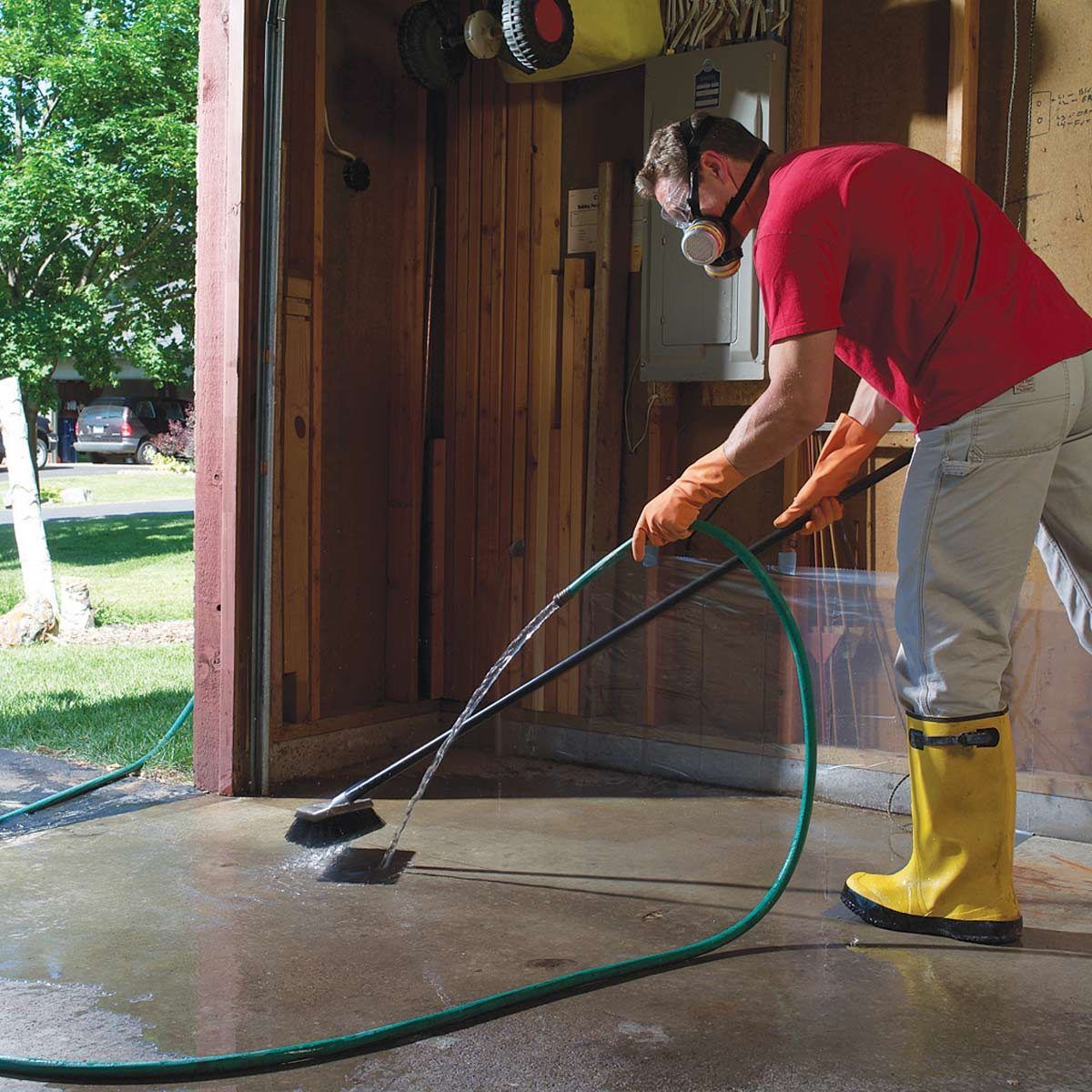
A clean garage is easier to maintain when you treat it as a working space, not a storage room with a broom in the corner. To learn how to keep a garage clean, remove unnecessary items, clean from ceiling to floor, assign storage zones, and use a short weekly reset.  A deep clean starts the process, but a repeatable system keeps the mess from returning. When the cleanup includes a large volume of unwanted household items, Junk Masterz can be a practical part of the final clear-out. Why Your Garage Gets Dirty So Fast Junk Masterz often sees the same basic problem in garage cleanouts: the space has too many jobs. A garage may hold vehicles, tools, recycling, seasonal décor, and household overflow, so clutter enters from several directions. The biggest problem is friction. If putting a tool away takes too long, it gets left near the door. If recycling has no defined spot, bags accumulate beside the car. If a container leaks on concrete, a small spill can become a long-term stain. Give recurring items a home close to where they are used. Keep vehicle supplies near the parking area, garden tools near the yard exit, and everyday tools within easy reach. Know Your Garage Type Before You Start Cleaning frequency should match how the garage is used. Garage type Top priority Cleaning rhythm Parking-only Grit, leaves, leaks Weekly reset, monthly detail Storage-focused Dust, expired items, clutter Weekly reset, seasonal sort Workshop Sawdust, scraps, spills After use, weekly detail Multi-use Walkways and clear zones Weekly reset, monthly deep clean Supplies and Safety Checklist Gather everything first so you never stop halfway to find a tool. Cleaning tools: push broom, shop vacuum, extension duster, microfiber cloths, stiff nylon brush, bucket Cleaners: degreaser, mild detergent, an absorbent such as cat litter or sawdust Handling: heavy-duty bags, lidded bins, labels Protection: gloves, dust mask, eye protection Keep the main door open for airflow. Never mix cleaning products, especially bleach with ammonia-based cleaners, because the fumes are dangerous. Wear a mask when sweeping very dusty areas. How to Clean Out and Deep Clean Your Garage, Step by Step If you are wondering how to clean your garage without losing an entire weekend, split the job into three phases and finish each one before starting the next. Empty and Sort with the 5-Pile Method Move everything onto the driveway, grouped by category, and sort into five piles: keep, donate, sell, recycle, and dispose. A useful test is that anything unused for a full year with no seasonal purpose should not go back in. Be strict with “just in case” items such as duplicate tools and paint cans nobody can identify. Take a photo of the empty garage so you can plan the layout while you work. Clean from Top to Bottom Start with ceiling corners and cobwebs, then light fixtures, shelves, and walls. Do the floor last because dust always falls downward. Use a damp microfiber cloth instead of a dry rag so dust is captured, not thrown back into the air. Reset the Space Before Putting Things Back Do not carry items straight back in. Decide the layout first: heavy items low, daily items at waist height, seasonal items overhead. Return only the keep pile, and if an item has no home, it either gets a bin or leaves. How to Clean the Garage Floor and Remove Oil Stains Sweep or vacuum loose grit before using liquid cleaners. For fresh oil, absorb as much as possible first. For older stains, apply a concrete-safe degreaser, allow the product’s recommended dwell time, scrub, and rinse. A pressure washer can remove loose dirt and rinse a treated surface, but it is not a substitute for stain treatment. Concrete is porous and can hold oil deeply, while epoxy is less porous but can be damaged by abrasive tools or unsuitable chemicals. When washing garage floors, identify the problem first: dust, mud, oil, rust, tire marks, or chemical residue. The cleaning method should match the material and the stain. Garage Storage Ideas and Zones That Stay Organized Build zones around how you actually move through the space: Daily zone: near the house door, for items you grab often Project zone: tools and supplies Outdoor zone: garden and sports gear Seasonal zone: overhead racks and back corners Keep a clear walkway from the car door to the house door, wide enough to open a door fully. Choose clear lidded plastic bins over cardboard, which absorbs moisture and attracts pests. Label each bin with its contents, and add a date for seasonal items. Hang or shelve whatever you can, since anything on the floor slows down sweeping. Adopt a one-in, one-out rule so new items do not slowly bury the old ones. Stop the Mess at the Source: Mess Entry Points Map Most garage dirt comes from three streams, and each has its own fix. Cars and shoes: mud, salt, leaves, and water. Use a parking mat or drip tray, a boot tray by the entry door, and a small broom hung beside it. Stored items: dust and cardboard fibers. Use lidded bins, keep boxes off the floor, and review shelves each quarter. Leaks and spills: oil, paint, fertilizer, or water through a worn door seal. Wipe spills the same day and keep liquids in a shallow tray. To build your own map, walk through the garage and note where dirt lands first. Clean and protect those spots before anything else. Weekly, Monthly, and Seasonal Cleaning Routine The real answer to how to keep a garage clean is a schedule small enough that you will follow it. Frequency Tasks Time Weekly The 10-minute reset below 10 minutes Monthly Wipe shelves, check bins, empty trash and recycling 30 minutes Seasonal Dust ceiling corners, wash the floor, check the door seal, rotate seasonal gear 2 to 3 hours Yearly Full 5-pile sort Half a day The 10-Minute Weekly Reset Return stray items, sweep the floor, take out trash and recycling, wipe

How to Dispose of a Small Fridge: 9 Legal Ways (Plus the Mistakes Most Guides Miss)

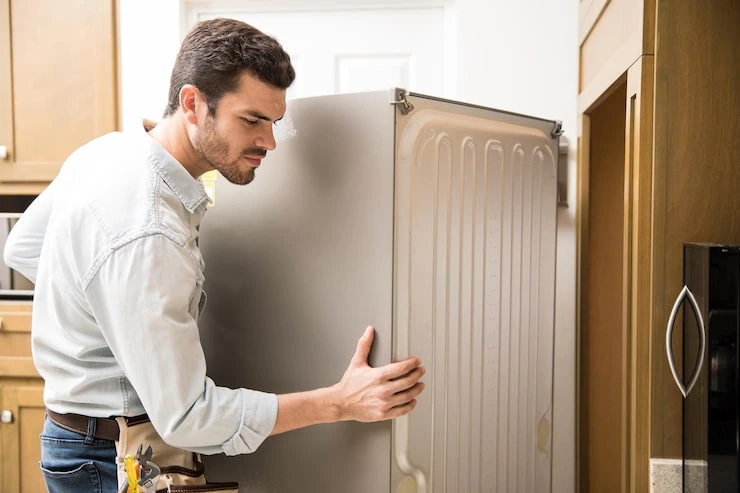
That mini fridge in the garage, dorm room, or office break room has to go somewhere, and “somewhere” is not the curb. If you’re wondering how to dispose of a small fridge without a fine or a wasted trip, the process is more regulated than most people expect because of what’s sealed inside the compressor.  At Junk Masterz, our crews pick up small refrigeration units across Fresno every week, and the question we hear most is “can I just put this out with the trash?” You can’t, at least not legally. This guide walks through nine legal options, what it costs, and the mistakes that get people fined.  Quick Answer: The Fastest Legal Way to Get Rid of a Mini Fridge If the unit still cools, donate it or sell it locally; someone will usually take it within a day or two. If it’s dead, take it to a certified appliance recycler or book a pickup service that handles refrigerant recovery on site. Either route satisfies the legal requirement that a certified technician recover the refrigerant before the unit is scrapped, which is really the whole challenge behind disposing of a mini fridge responsibly. Can You Throw a Mini Fridge in a Dumpster or Regular Trash? Almost never. So can you throw away a mini fridge in a dumpster if you’re short on time? Technically, some drivers won’t inspect every load closely, but most waste haulers, apartment complexes, and municipal crews are trained to reject appliances on sight because refrigerant recovery has to happen first under the Clean Air Act. Leaving a mini fridge at a dumpster or curb without documentation can also trigger a fine, sometimes starting around fifty dollars depending on the city. If you’re asking how to get rid of mini fridge units quickly, skipping this step usually backfires. It gets left behind, tagged, or reported, and you’re back to square one with less time than before. What’s Actually Inside a Small Fridge (And Why It’s Regulated) Four things drive the regulation: refrigerant gas in the compressor coils, compressor oil that can contaminate soil if the unit is crushed, insulation foam containing blowing agents, and circuit boards or wiring that fall under e-waste rules in many states. None of that is dangerous while the fridge is sealed and running, but it explains why disposing of a mini fridge always starts with refrigerant recovery, not the trash. Most units list their refrigerant type on a sticker near the back panel or compressor: R134a: common in fridges made after the mid-1990s R600a: used in many newer, more efficient compact units R404A or R22: older units, sometimes found in secondhand appliances At Junk Masterz, our team checks this label on every pickup before deciding whether a unit heads to recycling or donation. Quick Test: Does Your Mini Fridge Still Work? Plug it in and let it run for thirty minutes. Listen for a steady compressor hum, check that the interior is actually getting cold, and watch for a burning smell or water pooling underneath. If it’s under five years old and passes that test, donation is almost always worth trying before recycling. Past ten years old, most technicians will tell you repair costs more than the unit is worth, so recycling makes more sense than trying to resell it. Mini Fridge Disposal Options at a Glance The fastest way to compare every legal option for how to dispose of a small fridge is a quick side-by-side look before the full breakdown below. Method Typical Cost Turnaround Best For Donation Free Same day to a few days Working units Online sale Free; you may earn money 1 to 3 days Working units, extra cash Retailer haul-away Free to $30 Scheduled with delivery Buying a replacement Utility rebate program You may get paid 1 to 2 weeks Working older units Certified recycler Free to $20 Drop-off same day Broken units Scrap yard You may get paid Same day Broken units, metal value Municipal bulk pickup Free to $45 Scheduled day No rush, willing to tag unit Hazardous waste event Free Limited dates Flexible timing Junk removal service $50 to $150 Same day Need it gone now 9 Ways to Dispose of a Small Fridge Legally and Responsibly Here’s the full breakdown of how to dispose of a small fridge responsibly, no matter which situation matches yours. Donate It If It Still Works. Local shelters, thrift stores, and community donation centers accept small working appliances, though many cap how many they take each week, so a quick call before dropping it off saves a wasted trip. Sell or Give It Away Online. Local marketplace apps and neighborhood groups move mini fridges quickly, especially near the start of a school semester or a moving season when demand spikes. Retailer Take-Back or Haul-Away Programs. Several major appliance retailers will haul away your old unit when you buy a new one, sometimes free and sometimes for a small fee, and they handle certified refrigerant removal as part of the service. Utility Company Recycling Rebate Programs. Some electric utilities pay a flat fee to recycle an old fridge because removing it from the grid reduces load. Availability and payout vary a lot by region, so checking your provider’s site directly is worth the five minutes. Certified E-Waste or Appliance Recycling Centers. This is usually the most reliable answer for how to dispose of mini refrigerator units near you, since most mid-sized cities have at least one facility equipped to recover refrigerant on site before processing the metal and plastic. Scrap Metal Yards. Mini fridges are mostly steel and aluminum, so scrap yards pay by weight once the refrigerant is removed. Calling ahead to confirm the yard handles refrigerant recovery saves a wasted drive with a fridge nobody will accept. Municipal Bulk Trash Pickup. Some cities allow scheduled bulk pickup days for appliances, but nearly all require proof of refrigerant removal or a tag beforehand. Household Hazardous Waste Drop-Off Events. Many counties run periodic collection days for

Color Palette