You just tore out an old deck, pulled up a rotting fence line, or cleared out leftover lumber from a renovation, and now you’re staring at a pile of greenish-brown boards. Regular trash won’t take it, burning it is dangerous, and the nearest wood recycling center probably won’t touch it either. If you’re asking where to dispose of pressure treated wood, you’re dealing with a material that looks like ordinary lumber but behaves like a regulated waste product once its useful life ends.
At Junk Masterz, we haul this material out of Fresno-area backyards regularly, and this guide shows exactly where it can legally go.
What Is Pressure-Treated Wood?
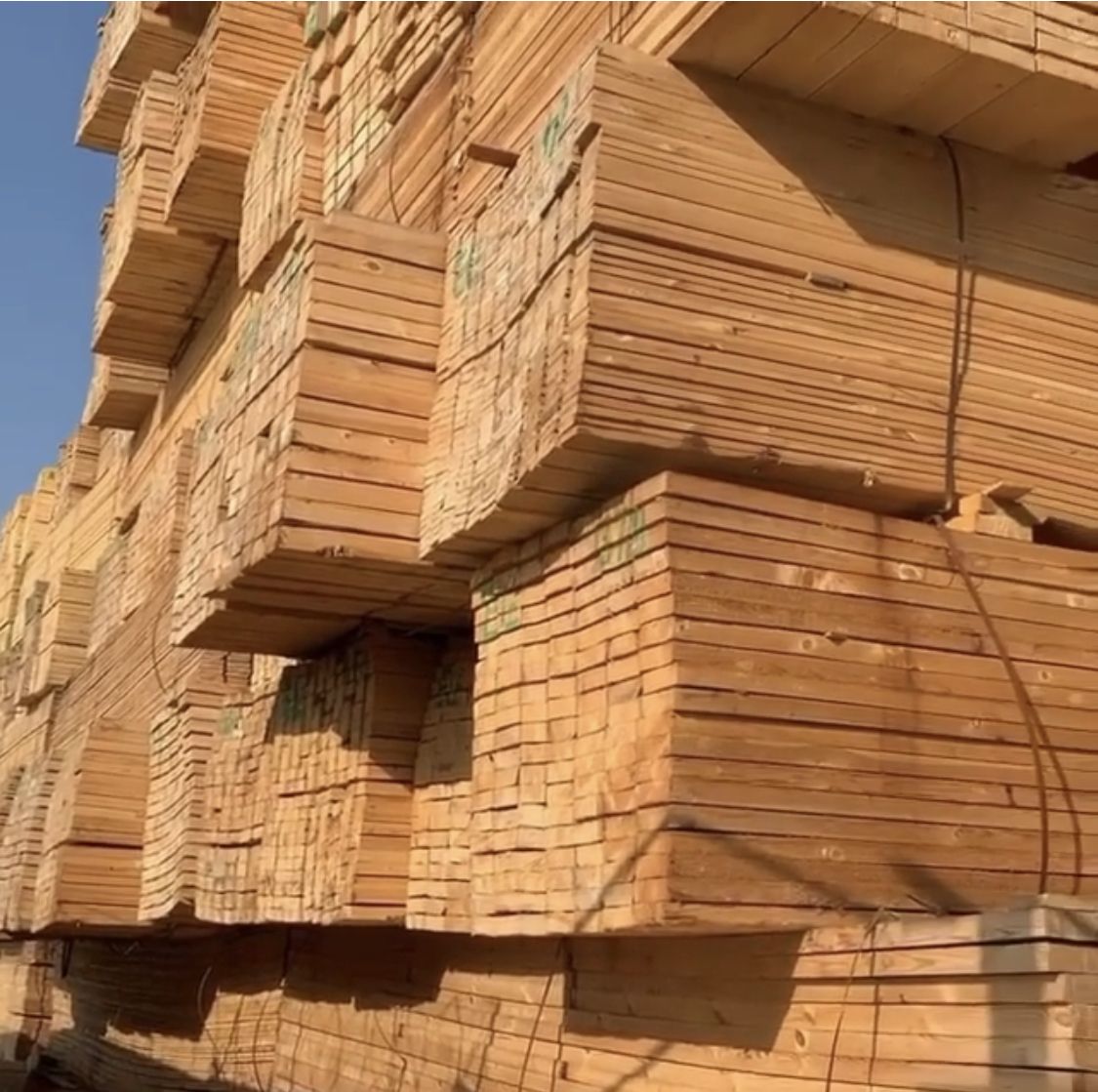
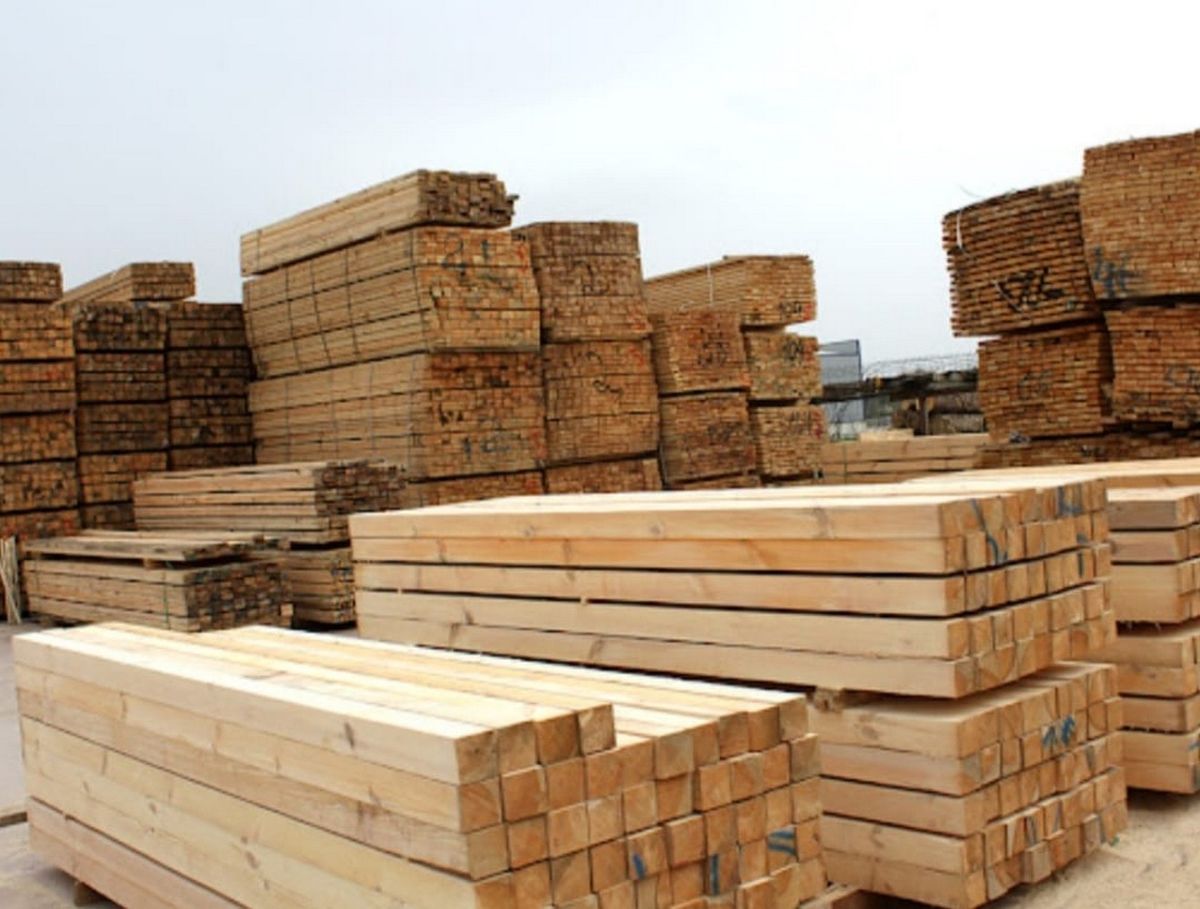
Pressure-treated wood is lumber that has been forced, under high pressure, to absorb chemical preservatives deep into its fibers. The process is what makes the wood resistant to rot, fungal decay, and insect damage for decades, which is exactly why it shows up so often in decks, fence posts, retaining walls, and raised garden structures. The tradeoff is that those same preservatives are what turn a simple disposal task into something that requires more thought than tossing scrap lumber in a bin.
The specific chemical used depends on when and how the wood was manufactured, and that detail matters more than most homeowners realize when it comes to disposal of pressure-treated wood. It’s also the first thing to sort out if you’re trying to figure out how to get rid of treated wood without a load getting rejected at the gate.
How to Identify Treated Wood by Color, Tag, and Chemical Type
Before you can figure out how to get rid of treated wood correctly, you need to know what kind of treated wood you actually have. Not all treated lumber is regulated the same way, and mixing types can get an entire load turned away at a disposal facility.
ACQ / Copper Azole (Modern, Greenish Tint)
Most treated lumber sold since the mid 2000s uses Alkaline Copper Quaternary (ACQ) or Copper Azole (CA). Freshly cut boards usually carry a light green or slightly olive tint, though this fades with weathering. This is the type you’ll most commonly find in residential decks, fence pickets, and playset lumber. It’s still classified as treated wood waste and cannot go in a regular trash or green waste bin, but it’s generally the easiest type to route through a standard construction and demolition landfill.
CCA (Older, Pre-2004, Restricted)
Lumber installed before 2004 may be treated with Chromated Copper Arsenate (CCA), which was voluntarily phased out for most residential applications because of its arsenic content. According to the EPA, CCA-treated wood should never be burned or processed into mulch, since doing so concentrates arsenic and chromium into ash or wood chips. If you’re demolishing an older deck or fence, assume it may be CCA-treated unless you have documentation proving otherwise, and handle it with extra caution during removal.
Creosote (Railroad Ties, Utility Poles)
Creosote-treated wood, most commonly found in railroad ties and utility poles, is a different category entirely. It has an oily, dark brown to black appearance and a distinct tar-like smell. Many transfer stations that accept ordinary pressure-treated lumber will not accept creosote-treated material, so if your project involves reclaimed railroad ties, call ahead specifically about this before loading up a truck.
Painted, Stained, or Composite Wood: Different Rules
Homeowners often lump painted or stained lumber in with treated wood, but they’re not the same thing, and neither is composite decking made from recycled plastic and wood fiber. Painted or stained wood can contain lead or other coating chemicals depending on its age, while composite decking is generally accepted through different recycling or landfill streams than chemically treated solid lumber. Keeping these materials separated during a renovation makes disposal of pressure-treated wood significantly smoother.
Why Pressure-Treated Wood Requires Special Disposal
The preservatives that make treated lumber last outdoors for decades are the same compounds that make improper disposal risky. When treated wood breaks down in an unlined landfill, is burned, or is ground into mulch, those chemicals can leach into soil, surface water, or the air. That’s why most municipalities classify it separately from ordinary construction debris and route it to facilities built to contain that risk. Understanding this is the foundation of the disposal of pressure-treated wood done the right way, rather than the convenient way.
Why You Should Never Burn Treated Lumber
Burning treated wood, whether in a fire pit, wood stove, or burn barrel, releases toxic compounds into the smoke and concentrates heavy metals in the leftover ash. The EPA has specifically warned that pressure-treated wood should never be burned because of the harmful chemicals it can release into the air. This isn’t a minor inconvenience rule. Breathing that smoke or later spreading that ash in a garden bed can expose people and pets to concentrated arsenic, copper, or chromium, depending on the treatment type.
Can You Recycle Pressure-Treated Wood?
Generally, no. Standard wood recycling facilities are set up to process untreated lumber into mulch, animal bedding, or biomass fuel, and treated wood contaminates that entire stream if it gets mixed in. This is one of the most common points of confusion homeowners run into when researching pressure-treated wood disposal, since regular curbside recycling programs and green waste bins are built for clean, untreated material only.
Where to Dispose of Pressure Treated Wood
Junk Masterz works with Fresno area homeowners on this exact question nearly every week, and the answer usually comes down to one of six paths depending on quantity, budget, and how much heavy lifting you’re willing to do yourself.
1. Construction & Demolition Landfills
C&D landfills are built to accept building materials that can’t be recycled, including treated lumber, and most charge by weight or vehicle load size. This is usually the most direct answer to how to dispose of pressure-treated wood in bulk after a full deck or fence teardown, and it’s the same route most Construction Debris Removal jobs end up taking once the lumber is sorted and ready to haul.
2. Municipal Transfer Stations
Local transfer stations consolidate waste before it moves to a final disposal site, and many accept treated lumber from residents, sometimes with ID or a small per-load fee. Policies vary block by block, so a quick call to your city or county public works department before loading the truck saves a wasted trip.
3. Professional Junk Removal Services
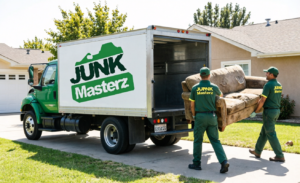
For most homeowners, hiring a crew to haul, load, and dispose of the material properly is the least physically demanding option, especially for anything involving a full deck teardown, fence replacement, or multi-day renovation cleanup. This is where a lot of our Fresno customers land after realizing how heavy and awkward wet, treated boards actually are to move alone.
4. Dumpster Rental
Renting a construction dumpster works well for contractors and DIY renovators tackling a larger project, though not every provider accepts treated wood in a general debris box, so it’s worth confirming before delivery.
5. Hazardous / Treated Wood Waste Collection Programs
Some municipalities run special collection events or designated drop-off programs specifically for treated wood waste (TWW), particularly for older CCA lumber, utility poles, or railroad ties. These programs aren’t universal, so check with your local waste authority for eligibility before assuming your project qualifies.
6. Selling or Donating Usable Treated Lumber
If the wood is still structurally sound, reuse is often the most cost-effective and environmentally sensible option before disposal ever enters the picture. Salvage yards, local contractors, and online marketplaces regularly buy or accept clean, intact treated boards for non-food, non-drinking-water projects like sheds, fence repairs, or landscape borders.
Pressure-Treated Wood Disposal Options (Comparison Table)
| Disposal Option | Best For | Typical Cost |
| Construction & Demolition Landfill | Large teardown projects | $$ |
| Municipal Transfer Station | Small to mid-size homeowner loads | $ |
| Professional Junk Removal | Fast, hassle-free disposal | $$$ |
| Dumpster Rental | Multi-day renovation projects | $$$ |
| Treated Wood Waste Program | Older CCA lumber, utility poles | Varies |
| Sell or Donate | Structurally sound, reusable boards | Free or paid to you |
California’s Treated Wood Waste (TWW) Rules: What Fresno-Area Residents Need to Know
California treats pressure-treated lumber as its own regulated waste category, officially called treated wood waste (TWW), and it’s not managed the same way as ordinary construction debris. The state’s Department of Toxic Substances Control (DTSC) requires that TWW be disposed of only at composite-lined landfills built to prevent chemical migration into soil and groundwater, and many facilities require a declaration or manifest form before a load is accepted at the scale. This is a detail nearly every national junk removal guide skips entirely, and it’s exactly why calling ahead matters more in California than in states with looser handling rules.
For Fresno area homeowners, this means two practical things. First, treated wood cannot simply be dropped into a general household hazardous waste collection event, since most of those programs specifically exclude TWW. Second, if you’re self-hauling a load, ask the receiving facility directly whether they require a treated wood declaration form and what documentation you’ll need to bring. Skipping this step is one of the most common reasons self-haul loads get turned away at the gate, wasting an entire trip.
How to Dispose of Pressure-Treated Wood: Step-by-Step
Step 1: Identify the Wood
Check for end tags, treatment stamps, and color cues before you do anything else. Older lumber installed before 2004 should be treated with extra caution given the possibility of CCA content.
Step 2: Wear Protective Equipment
Gloves, safety glasses, a dust mask, and long sleeves are worth the five minutes it takes to put them on, especially if you’ll be cutting or breaking boards, which releases sawdust you don’t want to inhale.
Step 3: Separate Treated Lumber
Keep treated wood away from untreated lumber, yard waste, cardboard, and household trash. Mixed loads are one of the fastest ways to get an entire pickup rejected at a facility.
Step 4: Choose the Right Disposal Method
Match your method to your project size. A few boards might only need a transfer station trip, while a full deck teardown usually makes more sense as a dumpster rental or professional pickup.
Step 5: Transport Safely
Secure the load with ratchet straps or a covered trailer, and never let boards extend past legal limits without proper flagging.
Step 6: Confirm Local Regulations
A two-minute phone call to your local facility before you drive out there can save you an entire afternoon if they don’t accept what you’re bringing.
Expert Tip
If you’re removing an entire deck, pergola, or fence line, professional junk removal is almost always more economical than multiple landfill trips once you account for fuel, time, and the physical toll of loading wet, heavy lumber by hand.
You may also read: How to Dispose of Tree Branches.
How to Confirm What Your City or County Actually Accepts
Most homeowners assume every landfill or transfer station handles treated wood the same way, and that assumption is what leads to rejected loads. Here’s a fast way to check before you haul anything.
- Call your city or county solid waste department and specifically ask if they accept “treated wood waste” or “pressure-treated lumber,” not just “wood waste,” since the wording matters to how staff answers.
- Ask whether a declaration form, manifest, or ID is required at drop-off, and whether there’s a weight or volume limit for self-haul customers.
- Confirm operating hours and whether commercial versus residential loads are handled differently, since some facilities restrict certain material types to business accounts only.
This three-step check takes less time than driving to a facility that turns you away at the gate.
Where Can I Dispose of Pressure Treated Wood Near Me?
If you’re searching for where to dispose of pressure-treated wood near you specifically, start with your city or county solid waste department, a nearby construction and demolition landfill, or a local transfer station. Professional junk removal companies are also worth calling if you’d rather skip the research and hauling entirely.
Can Pressure-Treated Wood Be Reused?
Yes, as long as the boards remain structurally sound and aren’t used for anything involving food, drinking water, or frequent skin contact. Reused treated lumber works well for non-edible garden borders, storage sheds, fence repairs, and outdoor retaining walls, but it should never end up as a cutting board, compost bin material, or firewood.
How Much Does Pressure-Treated Wood Disposal Cost?
Cost depends heavily on quantity, location, and method.
| Disposal Method | Average Cost (U.S.) |
| Transfer Station | $20 to $75 |
| C&D Landfill | $40 to $150 per load |
| Dumpster Rental | $300 to $700 |
| Junk Removal Service | $150 to $600+ |
Extra fees can apply if nails and hardware need removing, the load exceeds weight limits, or materials are mixed with prohibited items. Getting a quote from a couple of providers before committing is usually worth the extra five minutes for larger demolition projects.
Common Mistakes to Avoid
Burning Treated Wood
Never burn treated lumber in a fireplace, wood stove, burn barrel, or fire pit under any circumstances.
Mixing It With Yard Waste
Treated wood does not belong in green waste or compost collection bins, even in small amounts.
Taking It to Wood Recycling Centers
Most standard wood recyclers reject treated lumber outright because the preservatives contaminate their processing stream.
Leaving It on Vacant Property
Illegal dumping carries real fines and creates lasting environmental contamination at the dump site.
Ignoring Local Regulations
Rules differ by city, county, and even by individual facility, so verifying before you haul saves both time and money.
Myths vs. Facts
| Myth | Fact |
| Treated wood can be burned safely in small amounts | Burning releases toxic smoke and concentrated heavy metals in the ash regardless of quantity |
| All wood recycles the same way | Treated lumber must be kept separate from recyclable, untreated wood |
| Modern treated wood has no chemicals at all | Modern preservatives are safer than older CCA formulas but still require regulated disposal |
| Yard waste bins accept small treated wood scraps | Most yard waste programs specifically exclude treated lumber |
| Disposal rules are identical nationwide | Requirements vary significantly by state, county, and even individual facility |
Expert Tips for Safe Disposal
- Remove screws, nails, and metal brackets before hauling when practical, since some facilities charge more for loads with embedded hardware.
- Stack boards neatly rather than tossing them loosely, which speeds up loading and reduces splinter risk.
- Keep treated lumber dry during transport to avoid extra weight-based fees.
- Minimize on-site cutting to reduce sawdust exposure.
- For larger renovation projects, scheduling a pickup instead of making multiple solo landfill runs almost always saves time and fuel, and it’s often the simplest way to handle how to get rid of treated wood without burning a weekend on it.
Conclusion
Figuring out where to dispose of pressure-treated wood doesn’t have to turn into a guessing game. Once you know how to identify what type of treated lumber you’re dealing with, which local facilities actually accept it, and what California’s treated wood waste rules require, the rest of the process becomes straightforward. Whether you’re tearing out an old deck, replacing a fence, or clearing out leftover lumber from a renovation, handling disposal correctly protects your health, your yard, and the environment around you.
If you’d rather skip the phone calls, the manifest forms, and the heavy lifting, Contact Us at Junk Masterz. Our crews handle pickup, hauling, and proper disposal for Fresno area homeowners, including full Residential Junk Removal Fresno CA service for deck teardowns, fence removals, and renovation cleanouts of any size.
Frequently Asked Questions
- How do I dispose of pressure-treated wood if I only have a few boards?
Small quantities can usually go to a local transfer station or be included with a general junk removal pickup. Call ahead to confirm your facility accepts treated lumber before making the trip.
- What’s the fastest way to get rid of treated wood after a deck demolition?
For a full deck teardown, professional junk removal is typically the fastest option since it eliminates loading, hauling, and multiple landfill trips. A construction dumpster is a solid second option for larger DIY projects.
- Can pressure-treated wood go in a regular trash can?
Small offcuts may be accepted in some areas, but most municipalities require it to go through an approved construction debris or transfer station channel instead of standard household trash pickup. If you’re unsure how to dispose of pressure-treated wood scraps left over from a small repair, a quick call to your local waste department will clear it up fast.
- Is all pressure-treated wood considered hazardous waste?
Most modern treated lumber is managed as regulated construction debris rather than household hazardous waste. However, older CCA-treated wood may face stricter handling depending on your state and local rules.
- Does pressure-treated wood disposal cost more than regular wood disposal?
Yes, typically. Because it requires specific landfill types and sometimes additional paperwork, disposal of pressure-treated wood usually costs somewhat more per load than disposing of clean, untreated lumber.