Archive for David Harlan

How to Clean Out a House Full of Junk Step by Step

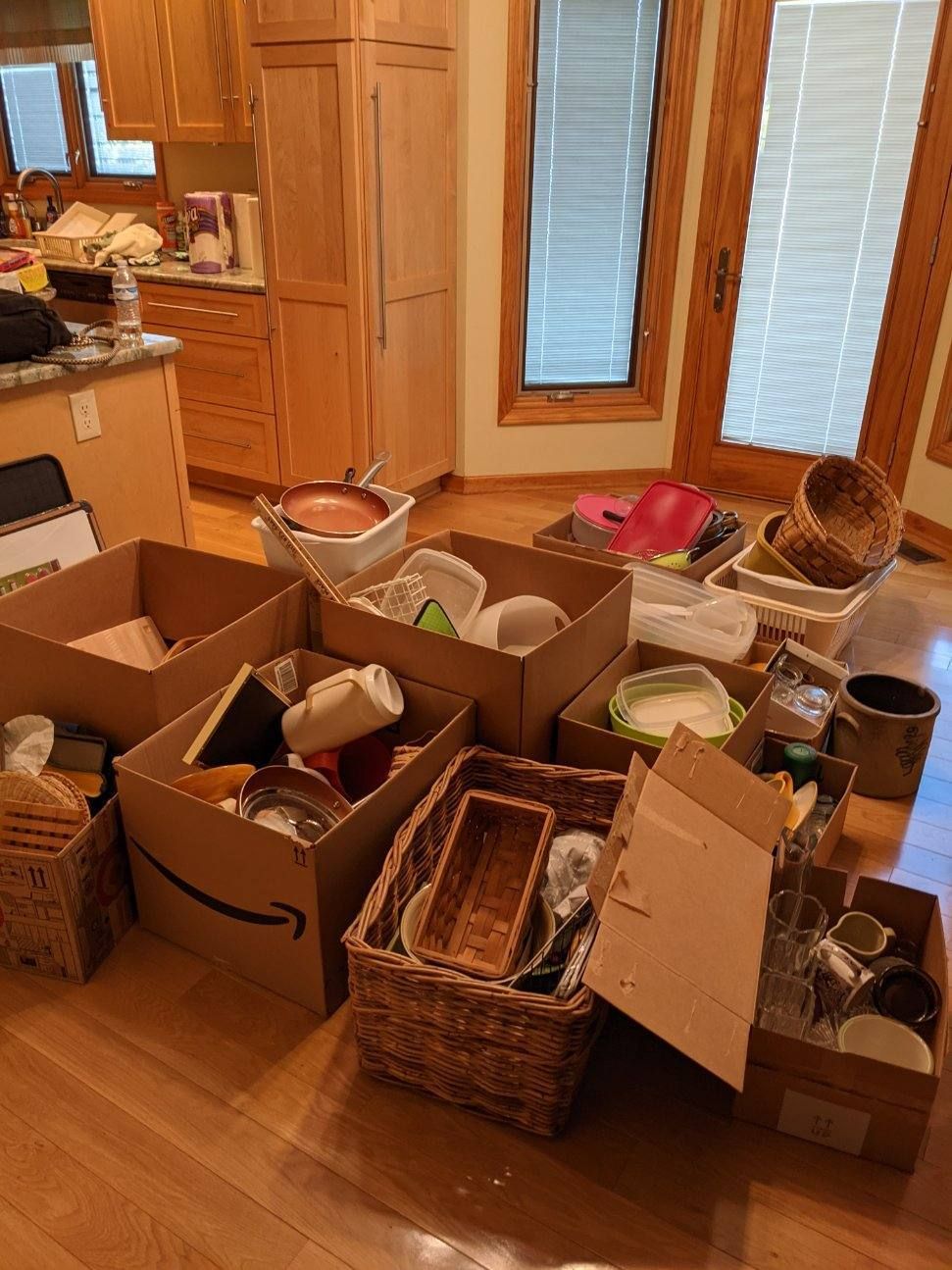
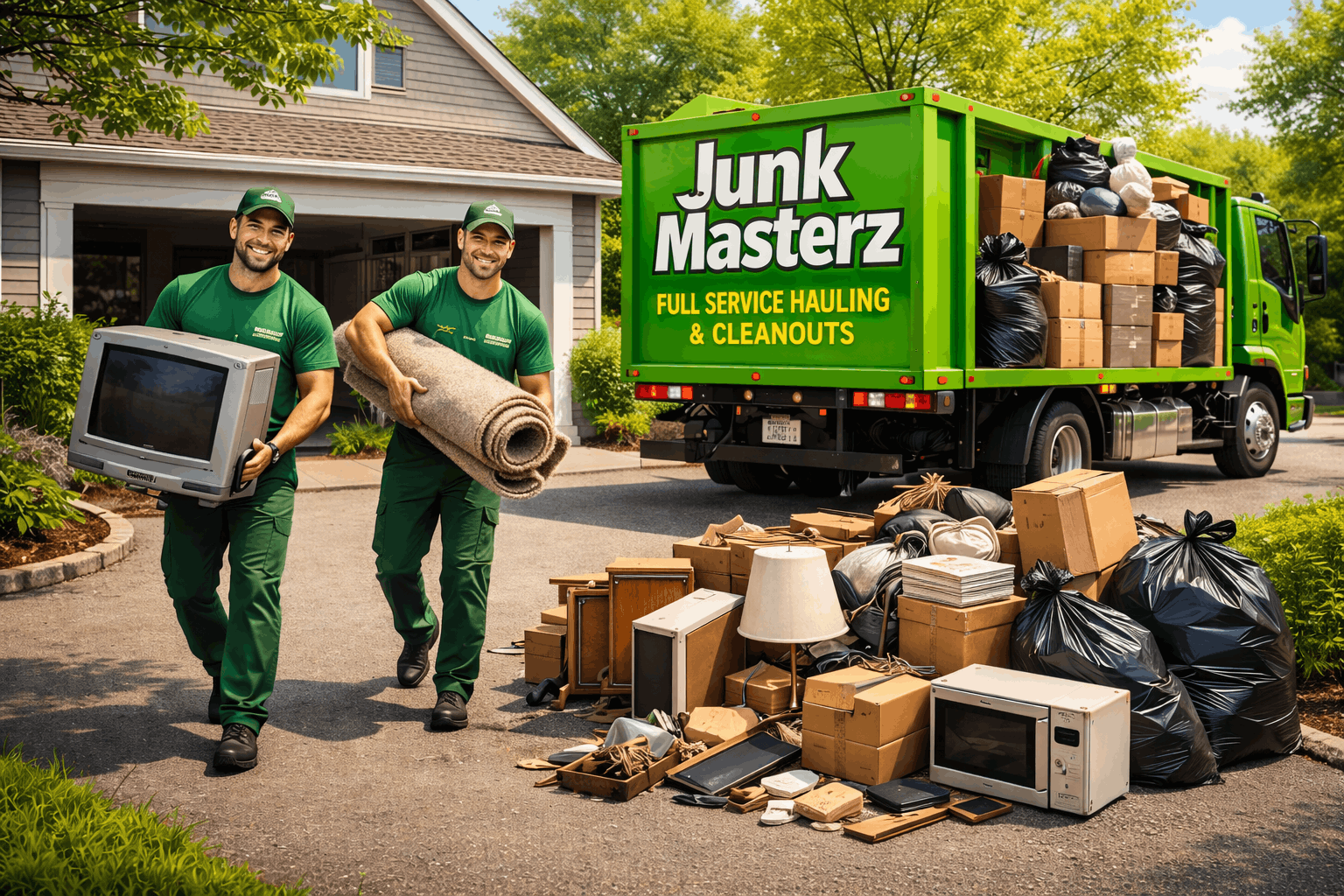
Cleaning out a house full of junk can feel heavy, stressful, and confusing, especially if clutter has built up for years. Many people face this task when moving, selling a home, handling an estate, or dealing with a major life change. Knowing where to start and how to move fast without making mistakes matters. This guide explains how to clean out a house full of junk in a clear and simple way. You will learn how to plan the work, remove trash, sort items, and handle bulky junk without wasting time or money. We also explain when help from companies that clean out houses makes sense. The goal is to help you finish the job with less stress and better results, while staying focused on what search engines and real people value today. What Does “Clean Out a House Full of Junk” Really Mean? When people talk about cleaning out a house full of junk, they are usually talking about a “whole-house” project. This is not just dusting shelves or sweeping the floor. It means going through every room, closet, and drawer to decide what stays and what goes. Sometimes, this happens because of a house cleanout sign from a landlord or a need to sell a property quickly. For some, it means clearing out a “hoarder” house where items have piled up to the ceiling. For others, it might be an estate cleanout after a loved one passes away. The goal is the same: to get the house back to a “blank slate” where you can see the floors and walls again. It involves physical work, like removing bulky household junk like old sofas or broken fridges. It also involves mental work, like deciding which old photos to keep and which broken toys to toss. How to Start: Planning Your Cleanout Before you pick up a single trash bag, you need a plan. If you just start grabbing things, you will get tired fast. To reach that top level of cleaning efficiency in your home, you must be organized. You cannot just run into a room and start throwing things. You will run out of energy before the first room is even half-done. 1. Set a Deadline If you don’t have a date in mind, the job might take months. Give yourself a weekend or a full week depending on the size of the house. If the house is very big, maybe take one room per day. A deadline keeps you moving when you want to stop. 2. Gather Supplies You will need heavy-duty trash bags. Do not buy the cheap ones, as they will rip and make a bigger mess. You also need sturdy boxes, thick markers, and strong tape. Gloves are a must-have to protect your hands from sharp edges or dirt. You might even want a few plastic bins for things you want to keep forever. 3. Find Help Don’t do this alone. It is too much for one person. Ask friends or look for companies that clean out houses. Professional teams like Junk Masterz have the tools to do the heavy lifting for you. Having a team makes the time go by faster and keeps you from getting hurt. 4. Think About Safety If a house has been full of junk for a long time, there might be dust or mold. Wear a mask so you don’t breathe in bad air. Wear boots to protect your feet. If you find old paint cans or chemicals, set them aside. You cannot just throw those in the regular trash. Step 1: Initial Trash Removal The fastest way to clean the house is to get rid of the obvious garbage first. This is what we call the “trash sweep.” Do not look at old mail, books, or photos yet. If you start reading old papers, you will stop working. Just look for things that are 100% garbage. This includes: Kitchen Waste: Old food boxes, expired cans, and empty jars. Paper Scraps: Junk mail, old flyers, and shredded paper. Damaged Items: Anything that is broken beyond repair, like a chair with three legs or a shattered vase. Actual Trash: Tissues, old wrappers, and bits of plastic. Walk through every room with a giant black trash bag. If it is dirty or broken, bag it. This “first pass” makes a huge difference. When the floor is clear of actual trash, you can see the items that actually need your attention. It creates a path for you to move around. You will feel better when you see five or ten bags of trash sitting on the curb. It shows that you are making progress. During this stage, don’t overthink. If you have to ask “Is this trash?” for more than three seconds, put it in a “maybe” pile and move on. The goal here is speed. This phase is about high-volume removal. If you have a huge amount of debris, look for removing bulky household junk services early so you don’t have piles of bags blocking your hallways. Sometimes people see a house cleanout sign and panic, but this first step of bagging the trash helps calm the mind. Step 2: Sorting Items (Keep, Donate, Sell, Recycle) Now that the trash is gone, you are left with things that might still have value. This is where most people get stuck. You need a system for sorting items: keep, donate, recycle. The best way to do this is to set up four stations in a large room, the garage, or even the driveway if the weather is nice. The “Keep” Station These are things you use every day or things that are very special to you. Be careful here. If you keep everything, the house will stay full of junk. Ask yourself: “Have I used this in the last year?” If the answer is no, you probably don’t need it. Put the “Keep” items in clear bins and move them to a safe spot. The “Donate” Station Many things are still

How to Clean Out a Storage Unit: Step-by-Step Guide

Cleaning out a storage unit can feel stressful, especially if it has been packed for months or years. Boxes pile up, items lose value, and costs keep adding up. Knowing how to clean out a storage unit the right way saves time, money, and effort. A good plan helps you stay safe, make smart choices, and avoid feeling stuck halfway through the job. This guide explains the full storage unit clean out process in simple steps. You will learn how to prepare, sort items, clean safely, and handle junk the right way. Whether you are decluttering for good or just organizing, this approach works for small units and large ones. The goal is to leave the unit clean, empty, and stress-free while making smart decisions about what stays and what goes. What You Need Before You Start Success starts with a solid plan and schedule. You cannot simply show up at the facility and hope for the best. Most people underestimate how much stuff they have. A small 5×5 unit can take three hours, while a large 10×20 unit might take two full days. Mark a weekend on your calendar. Check the weather to make sure it is not too hot or rainy, as you will be moving items outside to sort them. Your Safety First A storage facility can be a dirty place. Dust, bugs, and even mold can hide in old boxes. You need protective gear (gloves, mask). Thick work gloves protect your hands from sharp edges or rusty metal. A high-quality mask keeps you from breathing in old dust. This is the only way to ensure a safe clean self storage experience. The Tool Kit You need a specific cleaning supplies checklist to get your deposit back. Most rental contracts say you must leave the unit broom clean. A sturdy broom and dustpan: To get every bit of dirt off the concrete. Heavy-duty trash bags: Standard kitchen bags will rip. Buy the thick black contractor bags. Cleaning spray and rags: To wipe down the walls or any shelving you own. Packing supplies: Bring extra tape and markers. You might find boxes that are falling apart and need to be fixed before you transport belongings. Flashlight or headlamp: Many units have one dim bulb or no light at all. You need to see into the dark corners to make sure you didn’t leave anything behind. Moving and Hauling Think about how you will move the items. Do you have a van or a moving truck? If you are taking items to recycling centers or the dump, a small car will not be enough. You might also want to look into storage unit cleanout services if you have items that are too heavy for one person to lift. Companies like Junk Masterz specialize in this type of work. They know how to handle junk removal from storage unit spaces, so you don’t have to deal with the physical pain. Step-by-Step Process Following a set order helps you stay focused. If you just grab random boxes, you will get tired fast. Use these steps to keep moving forward without getting overwhelmed. Step 1: Take Inventory (Why it helps plan time) First, go to the unit and do an inventory of storage contents. Do not move anything yet. Just open the door and look at what you have. This is a very important part of the storage unit cleanout process. Write down a list of big items like furniture, appliances, or large plastic bins. This inventory helps you plan your time because you will see exactly how much work is waiting for you. If you see ten big boxes, you know you need at least two hours. If the unit is packed to the ceiling, you know you need a team. Taking photos of the unit is also a good idea. You can look at the photos later when you are at home to decide what might fit in your garage or spare room. Knowing what you have stops you from feeling surprised halfway through the day. Step 2: Set a Schedule Once you know what is inside, set a timeline. A small 5×5 unit can usually be done in three hours if you move fast. A 10×20 unit might take two full days of work. Pick a weekend with good weather. You want to avoid rain because you will likely be putting items on the ground outside the unit while you sort through them. Break your day into chunks. Work for two hours, then take a fifteen-minute break. This keeps your energy up. Tell the storage office when you plan to be done. This keeps you moving. If you tell them you will be out by Sunday, you are more likely to finish the job. If you find the job is too big as you get started, you can always look into storage unit cleanout services to help you finish on time. Step 3: Sort Items This is where the real work happens. You need to sort items into groups. The best way to do this is the Four-Box Method. This method keeps you from getting confused about where things go. The Four-Box Method Explained: Keep: These are the items you truly love and will use at home. Sell/Donate: These are good items that are still in working order but you no longer want. Recycle: This is for old papers, magazines, plastics, and metals that can be processed at recycling centers. Toss: This is for true junk. If it is broken, stained, moldy, or missing pieces, put it in the heavy-duty trash bags. The Sorting Setup: Imagine your unit door is the start line. Clear a space on the ground outside. Label four areas with your tape and markers. As you pull a box out, put it in one of those four areas right away. Do not let “maybe” piles happen. A “maybe” pile just means you have to do the work twice. Be firm with yourself. Step 4:

Box Truck Weight Capacity: How Much Can You Legally Haul?

Box truck weight limits are one of the most misunderstood parts of commercial driving. Many drivers focus on space, but weight matters just as much. Going over the legal limit can lead to fines, safety risks, and serious damage to the truck. Understanding box truck weight limits helps you protect your cargo, your license, and your business. This guide explains weight limits in plain language. You will learn how weight is measured, how different box truck sizes compare, and what the law requires. If you want clear facts without confusion, this guide is for you. Box Truck Weight Limits and GVWR GVWR stands for Gross Vehicle Weight Rating, and it’s the most important number you need to know about your box truck. This rating tells you the maximum total weight your truck can safely handle when it’s fully loaded. The GVWR includes everything: the truck itself, the driver, passengers, fuel, and all the cargo you’re hauling. Every box truck has a GVWR assigned by the manufacturer based on the vehicle’s design, frame strength, suspension system, and braking capacity. You’ll find this number on a sticker inside the driver’s side door frame or in your owner’s manual. This isn’t a suggestion—it’s a hard limit set for safety. Here’s how GVWR works in practice. If your box truck has a GVWR of 14,000 pounds and the empty truck weighs 8,000 pounds, you can only load 6,000 pounds of cargo. That 6,000 pounds includes everything you put in the truck bed, plus the weight of fuel, the driver, and any passengers. Go over that limit, and you’re breaking the law and risking serious safety issues. Understanding your GVWR helps you plan jobs better. When you know exactly how much weight your truck can handle, you can avoid overloading and make smarter decisions about what equipment or materials to bring on each trip. The curb weight (empty weight) of your truck is subtracted from the GVWR to give you your actual payload capacity. The difference between GVWR and actual payload capacity confuses many people. Your payload is what you can actually haul after accounting for the truck’s own weight. A 26,000-pound GVWR doesn’t mean you can load 26,000 pounds of junk or furniture. If the truck weighs 14,000 pounds empty, you only have 12,000 pounds available for cargo. Why GVWR Matters for Your Safety Exceeding your GVWR creates multiple dangers. Your brakes take much longer to stop the vehicle. The tires can overheat and blow out, especially on highways or in summer heat. Your suspension system gets damaged faster, leading to expensive repairs. Steering becomes harder, and the truck doesn’t handle turns or lane changes well. Insurance companies won’t cover accidents that happen when you’re overweight. If you crash while hauling more than your GVWR allows, you’re personally responsible for all damages. Police can impound your truck at the scene, and you’ll face fines that start at several hundred dollars and go up from there. Box Truck Weight Classifications Box trucks fall into different weight classes based on their GVWR. The U.S. Department of Transportation uses these classifications to set regulations and requirements. Knowing which class your truck falls into helps you understand what rules apply to you. Light-Duty Box Trucks (Class 1-3) These are the smaller trucks you see for local deliveries. They drive a lot like a big SUV or a pickup truck. Class 1: These are very small, usually under 6,000 pounds. Most box trucks start higher than this. Class 2: These weigh between 6,001 and 10,000 pounds. Many “step vans” or small delivery trucks are in this group. Class 3: This is a very common group. These weigh between 10,001 and 14,000 pounds. These are often called light-duty box trucks. They are great for small jobs because they can fit into tight driveways. Medium-Duty Box Trucks (Class 4-6) This is where most box trucks live. If you rent a truck to move your house, it will likely be in this group. Class 4: 14,001 to 16,000 pounds. These are getting bigger and often have dual rear wheels to help hold the weight. Class 5: 16,001 to 19,500 pounds. Class 6: 19,501 to 26,000 pounds. This is a huge category. Most 26-foot trucks are built to be right at 26,000 pounds. This is because of a special rule about licenses that we will talk about later. Heavy-Duty Box Trucks (Class 7-8) These are the giants of the box truck world. Class 7: 26,001 to 33,000 pounds. These trucks are very big and very strong. Class 8: Anything over 33,001 pounds. While most Class 8 trucks are semis, some very large straight trucks (trucks where the box and engine are on one frame) fall here. When you look for the weight limit for box truck use, you must know your class. It tells you if you have to stop at scales or if you need special insurance. It also changes how much you pay for tags and plates. Different Types of Box Trucks, Weight Limits, and Sizes The size of the box on the back usually tells you how much it can carry, but not always. You have to look at the box truck sizes and the frame separately. A long truck doesn’t always carry more weight than a short one; it might just have more room for light things like pillows. 10 Foot Box Truck This is the smallest size. It is great for a studio apartment or a small office move. It is often built on a van frame. Average GVWR: Around 8,600 to 10,000 lbs. Cargo capacity: About 2,000 to 3,000 lbs. Cargo volume: You have about 400 cubic feet of space. Best use: Picking up a new couch or moving a dorm room. 12 Foot Box Truck A step up from the 10-footer. It is a bit wider and taller. Average GVWR: 10,000 to 12,000 lbs. Payload capacity: roughly 3,000 to 4,000 lbs. Loading space: Good for a 1-bedroom apartment. Fact: These are very popular for “last-mile”

How Much Estate Cleanout Services Cost in 2026

Dealing with an estate cleanout after losing a loved one or helping family move to assisted living is never easy. The emotional weight is heavy enough without worrying about costs. But here’s the reality: understanding estate cleanout services cost helps you plan better and avoid surprise bills during an already difficult time. Whether you’re clearing out a small apartment or a large family home, knowing what to expect financially gives you control. In this guide, we’ll break down everything about estate cleanout pricing, from average costs to hidden fees, helping you make smart decisions that honor your budget while respecting your loved one’s belongings. 2026 Estate Cleanout Cost Overview The national average estate cleanout cost in 2026 sits around $1,250, but that number tells only part of the story. Most families spend between $500 and $3,000, depending on key factors. Small apartments run $300 to $800, while three-bedroom houses cost $1,000 to $2,500. Large estates with five or more bedrooms? You’re looking at $2,500 to $6,000 or more. What drives these numbers? The more stuff to sort, haul, and dispose of, the higher the price. Labor makes up the biggest chunk of estate cleanout pricing, with companies charging $25 to $50 per hour per worker. Small cleanouts need two workers for six hours ($300 to $600), while bigger jobs require four or five crew members working several days. Location matters significantly. New York City or San Francisco costs run 40-60% more than national averages due to higher labor costs and disposal fees. Rural areas have lower hourly rates but add travel fees. Item types impact cost too. Regular household items get standard pricing. But pianos need special handling ($400 removal), hazardous materials require proper disposal ($100 to $500), and hoarding situations come with premium charges. One family paid $600 for a tidy one-bedroom condo, while another spent $4,200 clearing a cluttered four-bedroom home. Estate cleanout cost per square foot isn’t how professionals calculate anymore. They focus on volume instead. A 2,000 square foot minimally furnished home costs less than a 1,200 square foot home packed floor to ceiling. The whole house cleanout average depends on fullness, not size. Foreclosure clean out pricing typically runs $500 to $2,000 for average properties. Abandoned homes with damage or illegal dumping reach $5,000. Banks usually cover these costs, but buyers should factor this into budgets. What Is Estate Cleanout? Estate cleanout is the complete clearing of a home after someone passes away, moves to assisted living, or during major life transitions like divorce or downsizing. It involves sorting through belongings, identifying valuables, coordinating donations, and disposing of unwanted items leaving the property empty and ready for sale or new occupants. What’s Included in Estate Cleanout Services Professional estate cleanout services go beyond basic junk removal. They include sorting personal belongings into organized categories (keep, donate, sell, discard), identifying valuable items such as antiques, collectibles, or jewelry, hauling and disposal of unwanted materials using proper methods, donation coordination with local charities like Goodwill or Habitat for Humanity, estate liquidation assistance if you’re selling items for profit, basic cleaning after all items are removed, document shredding and disposal for sensitive paperwork and records, organizing and packing items you decide to keep, and deep cleaning services to prepare the home for sale or new tenants. The key difference from regular house cleanout is the emotional component. Estate cleanout after death demands sensitivity and care. Professional workers understand that every item has meaning to someone. They carefully separate family photos from trash, search drawers and hidden spaces for valuables, and handle sentimental belongings with respect. Timeline varies, small spaces take one day, while large family homes need a week or more. Complete Cost Breakdown To understand your estate cleanout cost breakdown, you have to look at the four “pillars” of pricing: Labor, Volume, Disposal, and Specialty Fees. By understanding these, you can see why a 2,000-square-foot home might cost $2,000 to clear in one scenario and $7,000 in another. 1. Labor Hours and Manpower Labor is almost always the most expensive part of the bill. In 2026, the standard estate cleanout hourly rate ranges from $35 to $75 per worker. A typical 3-bedroom house usually requires a crew of three people working for two full days. The Sorting Factor: If the home is disorganized, the team has to spend more time on item categorization. This is the process of separating keep items from toss items. Expertise Premium: If you require estate paperwork sorting and disposal, you are paying for a higher level of trust and attention to detail. This ensures that tax documents, stock certificates, and deeds are not accidentally thrown away. 2. Volume of Items Most companies calculate their primary fee based on how much space the items take up in their trucks. In 2026, a standard professional hauling truck holds about 14 cubic yards of debris. Quarter Truck ($150–$250): Good for a single room or a very sparse apartment. Half Truck ($350–$500): Enough for a small living room and a bedroom. Full Truck ($650–$850): A typical full-service truckload. The Multi-Truck Estate: A standard family home that hasn’t been decluttered in 20 years usually generates 4 to 6 full truckloads. This alone can put the base cost between $2,600 and $5,100. 3. Disposal and Recycling Fees Once the truck is loaded, it has to go somewhere. Landfills and recycling centers charge tipping fees based on weight. Weight-Based Charges: Heavy items like construction debris or stacks of old books are charged per pound. In 2026, expect to pay $0.10 to $0.25 per pound for heavy loads. Environmental Surcharges: Many cities now charge a Carbon Tax for items going to a landfill. This is why donation coordination is so important. Donated items don’t incur these fees, which helps lower your total estate cleanout price. Hazardous Material Estate Cleanout Cost: Items like old cans of paint, motor oil, cleaning chemicals, and old tube televisions cannot be put in a regular dumpster. Professional disposal for these items usually costs an

How to Dispose of Drywall

Cleaning up after a home project is often harder than the work itself. You look at the pile of white boards in your garage and wonder what to do next. You cannot just throw it in the regular trash. Most cities have strict rules about construction waste. If you are trying to figure out how to dispose of drywall, you are in the right spot. This guide explains the best ways to get rid of your mess. We will look at recycling, safety, and local laws. Whether you have a few small scraps or a whole room of old walls, you need a plan. Doing it the right way keeps you safe and avoids big fines. Let’s look at the steps to clear your space and finish your job. Is Your Drywall Safe to Remove? Before you begin removing drywall, it’s essential to ensure it’s safe. Not all drywall is created equal, and some older boards may contain hazardous materials. Here’s what to check before you start: Check for Hazardous Materials Some drywall in homes built before the 1980s may contain asbestos. Disturbing asbestos can release dangerous fibers into the air, posing serious health risks. If you suspect your drywall may contain asbestos, it’s best to hire a professional to handle removal. Beware of Dust and Gas Drywall dust is not just messy; it can irritate your eyes, skin, and lungs. In rare cases, old or wet drywall can release hydrogen sulfide gas. This makes wearing a dust mask and eye protection essential. Long sleeves and gloves are also recommended. Turn Off Utilities Before removing drywall, turn off electricity in the area. Cutting into drywall without checking for hidden wires can be dangerous. Similarly, be aware of plumbing behind walls to prevent accidental damage. Decide DIY vs. Professional Help Small projects may be handled safely at home, but larger demolition or renovation projects benefit from professional services. Junk Masterz specializes in safe drywall removal, helping you avoid injuries and ensuring your drywall is disposed of correctly. Taking these precautions first can prevent accidents and make your drywall disposal process smoother. How to prepare drywall for disposal Getting your waste ready is the most important step. If you just throw everything in a pile, it will be much harder to move later. Proper drywall prep for disposal also helps you save money at the dump. Removing Metal and Hardware Drywall is usually held up by nails or screws. Before you take it to a recycling center, you should pull all of those out. Use a hammer or a pry bar. Also, look for metal corner beads. These are the long metal strips on the corners of walls. Recycling centers want clean gypsum. If there is too much metal, they might treat it like regular trash, which costs more. Sorting by Type and Condition Not all drywall is the same. You should make three different piles: Clean Scraps: These are brand-new pieces that have never been painted. These are the best for recycling. Painted Pieces: These are old pieces from your walls. They are harder to recycle but still okay for some landfills. Wet or Moldy Pieces: These must be kept separate. They are heavy and can contaminate other materials. Cutting and Bagging If you are taking the waste to the dump yourself, you need to make it easy to carry. Large sheets of drywall are hard to handle. Use a utility knife to cut them into squares that fit into contractor bags. Do not use thin kitchen bags. They will rip and leave a mess on your floor. For drywall mud disposal, make sure the mud is totally dry. If you have half-full buckets of wet mud, leave the lids off for a few days until they turn into solid blocks. Step‑by‑Step Disposal Methods There are many drywall disposal methods to choose from. Your choice depends on your budget and how much time you have. Using a Roll-Off Dumpster This is the most common way for big jobs. A company drops a big metal box in your driveway. You fill it up over a week or two. This is perfect for construction waste disposal. Just be careful not to overfill it. Drywall is very heavy, and dumpsters have weight limits. If the box is too heavy, the truck might not be able to pick it up. Read More: How Much to Rent a Dumpster? Hire Professional Junk Removal If you don’t want to spend your weekend carrying heavy bags, a pro service is best. The junk removal guy will come into your home or garage. They pick up the heavy pieces and load them into their own truck. This is a fast way to get your space back. You don’t have to worry about driving to the dump or getting your own truck dirty. You can Contact Us to find out how much it would cost for your specific pile of debris. Local Curbside Pickup Some towns have a “bulk waste” day once a month. You can put large items on the curb. However, you must check your local disposal regulations first. Many cities will take a sofa but will not take bags of sheetrock. If you put it out without checking, it might sit there and get wet, making it even harder to move later. Donation If you bought too much and have full sheets left over, do not throw them away. You can donate drywall to groups that build low-cost housing. As long as the sheets are clean and not broken, they are very useful. This is the best way to help someone else while cleaning up your own home. Landfill Disposal As a last resort, drywall can be taken to a landfill. Keep in mind that many areas have drywall landfill restrictions to prevent environmental hazards like hydrogen sulfide gas. Contact your local landfill to understand any limits or special procedures. By evaluating these options, you can choose the method that balances cost, convenience, and environmental impact. Can

How to Dispose of Box Spring Quickly and Legally

Getting rid of an old bed base is not as simple as throwing it away. If you’re wondering how to dispose of box spring, you’re not alone. These bulky items are hard to move, difficult to recycle, and often not allowed in regular trash. This guide explains everything in simple steps. You’ll learn the best box spring removal options, how to save money, and how to stay within local rules. Box Spring Disposal Rules: Why You Can’t Just Toss It in the Trash You might be tempted to treat your old bed base like a regular piece of trash, but most cities have strict municipal regulations regarding bulky items. Unlike a bag of kitchen scraps, a box spring is made of mixed materials steel, wood, and fabric that don’t break down easily in a landfill. Understanding Local Ordinances Before you set your box spring out, you must check your city waste department website. Many areas now have curbside pickup rules that require you to “schedule” a bulk collection rather than just leaving it out on a random Tuesday. If you ignore these local ordinances, you could face a hefty fine. Some cities even have a “Mattress Recycling Council” (MRC) mandate where specific laws dictate how these items enter the waste stream diversion process. The Problem with Landfill Fees If you decide to drive it to the dump yourself, be prepared for landfill fees. Because box springs take up so much “airspace” (they don’t squash down easily), many dumps charge a premium for them. This is part of a larger effort to reduce the environmental impact of large furniture. Health and Safety: Bed Bug Prevention One of the biggest reasons for strict rules is bed bug prevention. In many urban areas, you are legally required to wrap your box spring in a specialized plastic bag before it ever touches the sidewalk. This prevents pests from spreading to the neighborhood or the sanitation workers. Always check if your box spring trash pickup requires a sealed plastic cover. Why Box Spring Disposal Is Different A box spring is not like normal garbage. It is made from: Wood Steel springs Fabric Because of these mixed materials, cities have strict rules for disposing of a box spring.  Common Issues: Takes up too much landfill space Can spread bed bugs Requires special handling That’s why many people ask:Do you have to wrap a box spring for trash? In many areas, the answer is yes. A plastic cover is often required before pickup. How To Dispose Of Box Spring: Best Removal Options Here are the most effective ways to handle box spring disposal: 1. Bulk Trash Pickup This is the easiest option. Schedule through your city May be free or low-cost Often requires booking For a faster and hassle-free experience, you can also hire professional residential junk removal services to handle the heavy lifting and disposal for you. Best for: Budget-friendly disposa 2. Retailer Haul-Away Buying a new bed? Many stores offer removal. Convenient Usually costs extra No heavy lifting Best for: Hassle-free replacement 3. Junk Removal Services Professional services do all the work. Fast and easy Safe lifting Eco-friendly disposal It’s always best to hire certified companies for junk removal services to ensure safe handling and proper disposal. Best for: Quick and stress-free removal 4. Take It to a Landfill You can transport it yourself. Requires a truck Includes disposal fees Time-consuming Best for: DIY users  5. Recycling Centers The best environmental option. Up to 90% recyclable Reduces landfill waste Supports sustainability Best for: Eco-conscious users. How to Break Down a Box Spring for Recycling If you want to save money, learn How to break down a box spring for recycling. Step 1: Gather Tools You’ll need: Gloves Utility knife Pliers Hammer Step 2: Remove Fabric Cut the bottom cover Strip off the outer fabric Step 3: Separate Wood Remove wooden slats Cut into smaller pieces Step 4: Remove Metal Springs Use pliers to pull staples Separate metal for recycling This is the best way to discard a box spring while reducing waste properly. What to Do With an Old Box Spring (Reuse Ideas) Before throwing it away, consider reuse. Creative Ideas: Garden trellis Wall organizer DIY furniture This is a smart answer to:What to do with the old box spring instead of dumping it?  Important Safety Tips Handling a box spring can be risky.  Keep in Mind: Always wear gloves Avoid sharp metal edges Lift with help Pro Tip: Wrap it before placing it outside to follow local rules. Eco-Friendly Box Spring Disposal Tips If you care about the environment: Choose recycling over landfill Donate if usable Avoid illegal dumping Sustainable box spring disposal helps reduce waste and protects communities. Donation and Resale Can you donate a box spring? Yes, but only if it is in perfect condition. Charities: Organizations like Habitat for Humanity often accept box springs. However, they will reject anything with stains, odors, or structural damage. Online Listings: You can list it as “free box spring” on local marketplaces. Many college students or families moving into a new home may be willing to pick it up. How to Donate a Box Spring If you want to donate your box spring, follow these simple steps: Inspect the condition: Make sure it is clean, sturdy, and free from bed bugs or damage. Clean it properly: Vacuum and wipe it down to make it more acceptable for donation. Contact local charities: Call ahead or check their website to confirm they accept box springs. Schedule a pickup or drop-off: Some organizations offer free pickup services. Follow local rules: In some areas, you may need to wrap it before transport. Donating is one of the best ways to give your box spring a second life while helping someone in need. You can understand how to donate an old mattress by following the simple steps above. Final Thoughts Learning how to dispose of box spring is important because box springs are bulky, heavy, and not allowed in regular trash. If you want

How to Dispose of a Gas Grill Safely (Step-by-Step Guide)

Getting rid of an old barbecue grill seems simple until you actually try to do it. A gas grill is not just a big piece of metal. It contains fuel connections, electronic parts, grease buildup, and materials that can be dangerous if handled the wrong way. Many people are surprised to learn that tossing a grill into the trash can lead to fines, safety risks, or environmental harm. That is why learning how to dispose of a gas grill properly matters. Whether you are replacing an old Weber grill, cleaning up before a move, or dealing with a grill that no longer works, there are safe and responsible ways to handle gas grill disposal. From recycling metal parts to managing propane tank safety, each step plays a role in protecting people and the environment. This guide breaks everything down in plain language so you know exactly what to do. You will also learn how gas grill disposal compares to charcoal grill disposal, what parts can be recycled, when donating or selling an old grill makes sense, and when professional help is the smarter choice. Step by Step Disposal Guide The biggest mistake people make is treating a gas grill as one item. In reality, it is a collection of different materials, and each one must be handled correctly. Following these steps will make grill disposal easier and safer. Step 1: Clean the Grill Before Disposal Before doing anything else, clean the grill. Scrape off food residue, grease, and carbon buildup. Empty the grease trap and wipe down surfaces. Many recycling centers and scrap yards will reject dirty items due to contamination concerns. Cleaning the grill also protects you while handling it. Old grease can hide sharp rusted edges and makes the grill harder to disassemble. Step 2: Turn Off and Disconnect the Gas Supply Make sure the propane valve is fully closed. Disconnect the hose from the propane tank. Never try to move or dispose of a gas grill while the tank is attached. Propane tanks are pressurized and considered hazardous waste. They must always be handled separately. Step 3: Remove the Propane Tank Once disconnected, set the tank aside in a shaded, well-ventilated area. Do not store it indoors or near heat sources. Even empty tanks can contain residual gas. We will cover safe propane tank disposal in detail in the next section. Step 4: Separate Non-Metal Parts Remove plastic parts such as: Control knobs Side shelves Wheels Plastic handles These parts are usually not recyclable and should be disposed of according to local trash rules. Step 5: Remove Electronics and Batteries Many gas grills include electronic igniters, wires, or battery packs. These are classified as electronics or e-waste and should not be mixed with metal recycling. Place these items aside for proper electronic disposal. Step 6: Break Down Metal Components The grill body, lid, burners, and frame are usually made from steel or aluminum. These metal parts are valuable to recycling centers and scrap yards. Disassembling the grill makes transport easier and increases the chance that all recyclable materials are accepted. How to Dispose of Old Gas Grill Tanks? The most dangerous part of the process is the propane tank. This is where propane tank safety becomes the number one priority. You should never, under any circumstances, put a propane tank in your regular trash or recycling bin. Why Propane Tanks are “Hazardous Waste” Even when a tank feels light, it likely contains a small amount of residual pressurized gas. If a garbage truck’s compactor crushes that tank, it can cause an explosion. This is why they are strictly labeled as hazardous waste by most municipal governments. Safe Disposal Methods for Tanks The Exchange Program: This is often the easiest way for free grill disposal. Most hardware stores and gas stations have tank exchange kiosks. Even if you aren’t buying a new one, many will accept an old, expired tank for a small recycling fee. Specialty Recyclers: Some recycling center locations are specifically equipped to handle pressurized cylinders. They will safely “de-valve” the tank so the steel can be repurposed. Hazardous Waste Events: Check your local city calendar for “Hazardous Waste Drop-off” days. These events are designed to collect items like paint, chemicals, and gas tanks that shouldn’t be in the general waste stream. 5 Ways to Dispose of Your Old Grill If you are staring at that old barbecue grill and feeling overwhelmed, here are five proven ways to get it off your property while staying eco-friendly. 1. Donate or Sell Old Grill If the burners still light and the frame isn’t rusted through, your grill has a second life. An old Weber grill often holds its value because parts are easy to replace. Donate: Contact local charities or community centers. Some vocational schools even take them for students to practice repair. Sell: List it on local marketplaces and Facebook Marketplace as “buyer must haul.” 2. Scrap Metal Recycling A gas grill is essentially a collection of high-quality metal parts. Most are made of aluminum, stainless steel, or cast iron. If you have a vehicle capable of hauling it, taking it to a local scrap yard is a great way to ensure the metal is reused. 3. Municipal Bulk Pickup Many cities provide a service for large item disposal. You usually have to call ahead to schedule a “bulk pick up.” Be sure to ask about their specific rules; most will require you to remove the plastic parts and the tank before they will load it onto the truck. 4. Professional Junk Removal If you don’t have the tools to dismantle the grill or a truck to haul it, hiring a professional service like Junk Masterz is the most efficient choice. We understand the local laws regarding bbq grill disposal and ensure that every part from the electronics to the metal parts, is handled responsibly. If you want it gone today, you can simply Contact Us. 5. Repurposing and Upcycling For the creative homeowner, an old

How to Dispose of Fire Extinguisher: Complete Guide

Fire extinguishers are essential safety tools in every home and business. But what happens when your extinguisher expires, is damaged, or is partially used? Simply tossing it in the trash can be dangerous. Pressurized cylinders can explode, chemicals can harm the environment, and improper disposal may lead to fines. Knowing how to dispose of old fire extinguishers safely is crucial for your safety, your family, and the environment. In this guide, we’ll walk you through fire extinguisher lifespan, inspection tips, disposal options, safety precautions to make the process simple and safe. Why Proper Disposal Matters Fire extinguishers contain pressurized gases and chemicals. If they are punctured, crushed, or mishandled, they can explode or release harmful substances. Improper disposal can: Harm sanitation workers Cause environmental contamination Violate local waste rules Lead to fines The U.S. Environmental Protection Agency (EPA explains that pressurized containers are a household hazardous waste (HHW) category and should be handled carefully. ( How To Dispose Of Old Fire Extinguishers? Fire extinguishers don’t last forever. Most home units are rated for around 10–12 years. But age isn’t the only sign you need to dispose of it. Signs It’s Time to Dispose 1. Too OldIf the manufacturing date on the label is more than 10 years old, it’s generally time to retire the unit. 2. Pressure IssuesLook at the pressure gauge: Green zone: Good pressure Red or no gauge: Pressure lost — needs attention 3. Visible Damage Bulges, rust, cracks, loose parts, or dents in the cylinder mean it’s no longer safe. 4. Already Used Any extinguisher that has been discharged — even partially — should be considered for disposal or professional servicing. The National Fire Protection Association (NFPA) provides standards for inspecting and maintaining extinguishers. (NFPA Fire Extinguisher Safety: Types of Fire Extinguishers & Type-Specific Disposal Different fire extinguisher types contain various extinguishing agents and require specific disposal approaches. Understanding your extinguisher type ensures safe handling and proper environmental disposal practices. ABC Dry Chemical Extinguishers ABC dry chemical extinguishers combat Class A (combustibles), Class B (flammable liquids), and Class C (electrical) fires using monoammonium phosphate. While not highly toxic, the pressurized cylinder requires careful handling. Never open pressurized ABC extinguishers powder irritates eyes and lungs. These should go to household hazardous waste facilities unless completely depressurized. Steel cylinders offer excellent scrap metal recycling value once properly emptied. CO2 Extinguishers Carbon dioxide extinguishers operate at extremely high pressures, often exceeding 800 PSI. This makes DIY depressurization dangerous. Always contact certified fire extinguisher technicians or fire extinguisher service companies for CO2 disposal. Professionals safely release gas and handle cylinders. After professional emptying, heavy-duty aluminum or steel cylinders can be recycled. Also Read: How to dispose of old gas cylinders Wet Chemical (Class K) Wet chemical extinguishers designed for kitchen fires use potassium-based solutions. The alkaline chemical classifies these as hazardous waste. These units must always go to household hazardous waste facilities; never attempt curbside disposal. Commercial kitchens follow stricter disposal regulations through licensed hazardous waste collection services. Water & Foam Based Water and foam extinguishers are the simplest to dispose of safely. Once depressurized, water or foam can be drained safely and cylinders recycled as scrap metal. Foam units may contain surfactants that shouldn’t enter storm drains. Consult local waste management guidelines. Extinguisher Type Disposal Difficulty HHW Required? Can Be Recycled? DIY Depressurization? ABC Dry Chemical Moderate Preferred Yes (metal only) Yes (with caution) CO2 High Recommended Yes No – Professional only Wet Chemical (Class K) High Required Limited No Class D Very High Required Limited No – Professional only Water/Foam Low Optional Yes Yes Understanding these differences helps you choose the appropriate disposal method and ensures you follow OSHA requirements and local fire codes. When in doubt, contacting a fire extinguisher service company provides expert guidance for your specific situation. How to Remove Pressure Safely? Removing pressure from a fire extinguisher is dangerous and should only be done if necessary and in a safe environment. Required Safety Gear: Safety goggles or a face shield Chemical‑resistant gloves Long pants and long sleeves Dust mask or respirator An outdoor open area away from people Step‑by‑Step: Choose a Safe Site: Outdoor, flat surface, no people or pets nearby Stand Upwind: Point the nozzle toward the ground in a clear area Remove Safety Pin: Only when ready to operate Squeeze the Handle: Discharge until no more agent comes out Wait at least 48 Hours: Some units retain pressure even after discharge Verify Zero Pressure: Listen carefully and gently squeeze again If at any point something feels wrong — stop and seek professional help. Safety Rules to Follow Every Time Handling fire extinguishers improperly can cause serious injury. Always follow these safety precautions:  Never depressurize indoors  Wear protective equipment Avoid inhaling dust or chemicals Don’t drill, puncture, or heat the canister Keep them out of direct sunlight and heat before disposal The Occupational Safety and Health Administration (OSHA) provides general safety standards you can review for additional hazard guidance: Safety Precautions & Best Practices Handling fire extinguishers, even old ones, requires serious attention to safety. Pressurized cylinders and extinguishing agents pose real risks that increase during disposal. Personal Protective Equipment Always use appropriate protection when handling fire extinguishers. Minimum required PPE includes chemical-resistant gloves to protect against skin irritation, safety goggles to prevent eye exposure to chemicals, dust mask (N95 or better) for dry chemical types, long-sleeved shirt and pants to minimize skin contact, and closed-toe shoes to protect feet from dropped cylinders. Chemical Exposure Risks Different extinguishing agents pose various health hazards: Dry Chemical (Monoammonium Phosphate): Causes eye and respiratory irritation, can create temporary breathing difficulties, may trigger asthma in sensitive individuals, and requires immediate eye flushing if contact occurs. CO2 (Carbon Dioxide): Displaces oxygen in confined spaces, can cause suffocation, is extremely cold upon release (frostbite risk), and creates loud noise during discharge. Wet Chemical (Potassium-Based): Highly alkaline, causes chemical burns, severe eye hazard, requires immediate medical attention if contact occurs, and should never be mixed with acids. Pressure Explosion Risks Understanding

How to Dispose of Styrofoam Safely (Recycling, Reuse & Disposal Tips)

Styrofoam is everywhere—protecting fragile shipments, insulating food containers, and filling packaging boxes. But once you’re done using it, a common question arises: how to dispose of styrofoam? Unlike regular household waste, Styrofoam requires careful handling due to its environmental impact and limited recycling options. In this detailed guide, you’ll learn the best way to dispose of styrofoam, whether you can burn it, how recycling works, and smart alternatives that are safer for the environment. What Is Styrofoam and Why Is Disposal Difficult? Styrofoam is a type of expanded polystyrene (EPS), a lightweight plastic material made from petroleum. It is widely used because it is cheap, durable, and an excellent insulator. However, disposing of Styrofoam is challenging because: It is not biodegradable It breaks into tiny pieces, polluting land and water Most recycling centers do not accept it It takes hundreds of years to decompose Because of these factors, understanding how to dispose of styrofoam correctly is essential for reducing environmental harm. Can You Burn Styrofoam Packaging? One of the most frequently asked questions is: Can you burn styrofoam packaging? The Short Answer: No Burning Styrofoam is dangerous and strongly discouraged. Why Burning Is Unsafe Releases toxic chemicals like styrene and carbon monoxide Produces thick, black smoke, harmful to the lungs Contributes to air pollution and health risks Illegal in many areas due to environmental laws So if you’re wondering, “Can you burn styrofoam to get rid of it?”—the answer is a firm no. It is neither safe nor environmentally responsible. Styrofoam Recycling: Is It Possible? Yes, But Limited Styrofoam recycling is possible, but not widely available. Unlike paper or glass, EPS requires specialized facilities. How Recycling Works Recycling centers: Clean and shred the foam Compress it into dense blocks Melt and reuse it to create new plastic products Where to Recycle Styrofoam You can recycle Styrofoam at: Specialized recycling facilities Certain municipal waste programs Drop-off locations (often for clean packaging only) Tips Before Recycling Remove tape, labels, and food residue Keep it clean and dry Check local regulations or recycling directories. Also Read: Best Methods to Get Rid of Junk How to Dispose of Styrofoam: Best Way to Dispose of Styrofoam If recycling is not an option, you still have responsible disposal methods. 1. Reuse It Whenever Possible Before throwing it away, consider reusing Styrofoam: Packing material for shipping Cushioning for storage Insulation for small DIY projects This is one of the simplest and most eco-friendly solutions. 2. Donate Packing Materials Many businesses and individuals need packaging materials. You can donate clean Styrofoam to: Shipping stores Local online sellers Community groups 3. Check Local Waste Guidelines Different areas have different rules for disposal. Some municipalities: Accept Styrofoam in designated bins Require special pickup services Ban it from landfills entirely Always verify local waste regulations before disposal. 4. Use Specialized Disposal Services If you have large quantities, hiring a junk removal or waste management service is often the best way to dispose of styrofoam safely and efficiently. How to Break Down Styrofoam for Trash If you must throw Styrofoam in the trash, reducing its size can make handling and disposal much easier. However, it’s important to do this carefully to avoid creating environmental or safety issues. Safe Methods to Break It Down Manual breaking: Snap it into smaller, manageable pieces Bagging: Place pieces in sealed garbage bags to prevent scattering Compacting: Apply gentle pressure to reduce volume without crumbling it Important Safety Tips Avoid crushing it into tiny particles, as they spread easily and create mess Never use chemicals like gasoline or acetone to dissolve it Wear gloves to prevent static cling and irritation If you’re searching for how to break down styrofoam for trash, the key is to keep everything controlled, contained, and as clean as possible. Consider Professional Disposal for Large Amounts If you’re dealing with a large volume of Styrofoam, the most practical and responsible approach is to contact a certified waste management or junk removal company. These professionals are equipped to handle bulky materials and ensure proper disposal in compliance with local regulations. Using a licensed service not only saves time and effort but also ensures that your waste is managed in an environmentally responsible way—making it one of the best ways to dispose of styrofoam safely and efficiently. Can You Put Styrofoam in the Recycling Bin? In most cases, no. Regular curbside recycling programs usually do not accept Styrofoam because: It contaminates other recyclables It is costly to process It is too lightweight for efficient transport Always check your local recycling rules before placing it in the bin. Environmental Impact of Improper Disposal Improper Styrofoam disposal has serious consequences: 1. Land Pollution It accumulates in landfills and does not break down naturally. 2. Water Pollution Small particles enter rivers and oceans, harming marine life. 3. Wildlife Danger Animals may ingest Styrofoam, mistaking it for food. 4. Microplastic Formation Over time, it breaks down into microplastics, contaminating ecosystems. Understanding these risks highlights why proper styrofoam recycling and disposal matter. Eco-Friendly Alternatives to Styrofoam Reducing Styrofoam use is just as important as proper disposal. Fortunately, several sustainable alternatives offer similar protection while being far less harmful to the environment. Below are the best eco-friendly alternatives, explained clearly with trusted insights from high-authority sources. 1. Biodegradable Packing Peanuts Biodegradable packing peanuts are made from natural materials like corn starch or wheat instead of petroleum-based plastic. They dissolve in water and break down naturally Non-toxic and safe for the environment Can be composted after use According to Biodegradable Packing Peanuts Explained, these peanuts are made from plant-based materials and can decompose within weeks under the right conditions, making them a much better alternative to traditional Styrofoam. 2. Recycled Cardboard Packaging Recycled cardboard is one of the most widely used and effective alternatives. 100% recyclable and biodegradable Easily available and cost-effective Can be reused as protective packaging As highlighted in the Eco-Friendly Cardboard Packaging Guide, cardboard can be repurposed into cushioning material and is considered a sustainable substitute for Styrofoam packaging. Additionally,

How to Dispose of Old Mattress in 2026

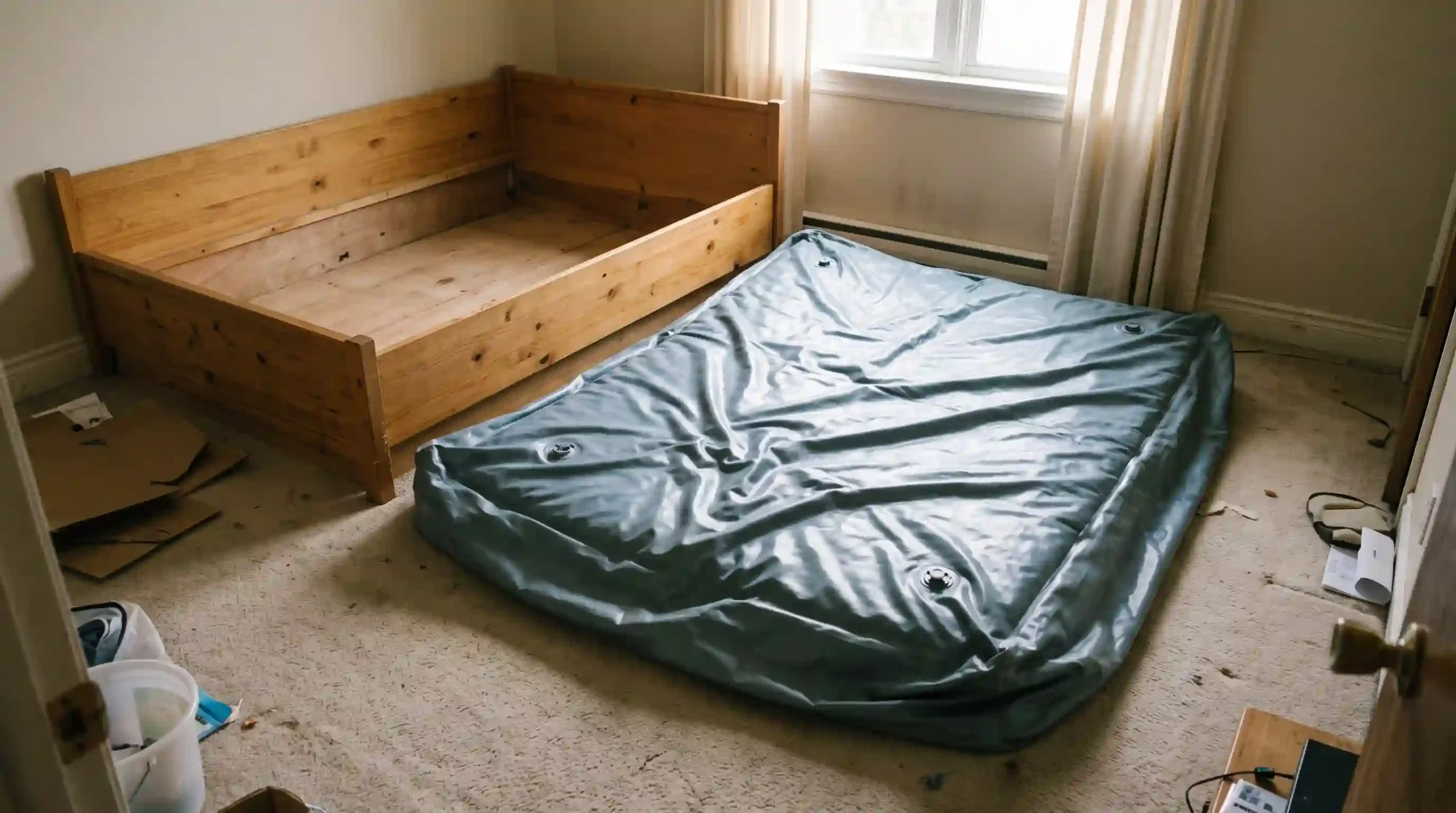
Every year, Americans throw away more than 20 million mattresses. That’s a lot of old beds taking up space in landfills! But here’s the thing – most people don’t know the right way to get rid of their old mattress. When you dump a mattress illegally, you could face fines up to $1,000 in many cities. Plus, mattresses take up valuable landfill space and can release harmful chemicals into the soil. The good news? There are smart, legal, and even free ways to dispose of your old mattress. Whether you’re upgrading to a better bed, moving to a new home, or dealing with damage from bed bugs or water, this guide will show you exactly how to handle mattress disposal the right way. We’ll cover everything from free donation options to professional mattress removal cost so you can make the best choice for your situation and budget. Ready to say goodbye to that old mattress responsibly? Let’s dive in. When Should You Replace Your Mattress? Before we talk about disposal, let’s make sure you actually need a new mattress. The average mattress lifespan is 7-8 years, but this varies by type. Different mattress types last different amounts of time: Innerspring mattresses: 7-10 years Memory foam mattresses: 6-8 years Latex mattresses: 10-15 years Hybrid mattresses: 7-10 years Here are clear signs it’s time to replace your mattress: Your mattress sags in the middle or has visible indentations where you sleep. This means the internal support has broken down. You’ll notice your body sinking deeper than it used to. You wake up with back pain, neck pain, or stiff joints that weren’t there before. An old mattress stops supporting your spine properly. You hear squeaking or creaking sounds when you move. This happens when the springs or foam/springs break down inside. You see tears, rips, or exposed materials. These damage points can’t be fixed and compromise the mattress structure. You notice stains that won’t come out, or there’s a musty smell. These indicate moisture damage or mold growth inside the mattress. You have allergy symptoms like sneezing or itchy eyes, mainly at night. Old mattresses collect dust mites, dead skin cells, and allergens over years of use. Special situations requiring immediate replacement: Bed bugs or infestation: Never try to salvage an infested mattress. The bugs live deep in the materials and are nearly impossible to fully eliminate. Water damage from flooding:  Even if it dries out, moisture creates mold and bacteria growth inside the mattress. Fire damage: Smoke and heat ruin the mattress materials and fire safety properties. If your mattress shows any of these problems, it’s time to start planning for disposal and replacement. The good news is you have options for getting rid of it responsibly. 6 Ways to Dispose of a Mattress Let’s explore proven mattress disposal options, from completely free methods to convenient full-service solutions. Each method works better for specific situations and budgets. Method 1: Donate to Charity If your bed is still in great shape, giving it a second life is the most helpful option. It keeps usable items out of the trash and helps a family in need. National organizations that accept mattress donations: Groups like the Salvation Army, Habitat for Humanity, and Goodwill often accept beds. Local homeless shelters or women’s refuges are frequently in need of beds in good condition. Check with a non-profit organization in your area to see if they offer a mattress pickup for donations. What makes a mattress donation-ready: The mattress must be completely hygienic and sanitary. It must be free from any stains, odors, or structural damage. The fire safety label must be firmly attached. There must be absolutely no history of bed bugs to ensure mattress reuse is safe. Method 2: Retailer Take-Back Programs When you buy a brand-new mattress, the easiest way to get rid of the old one is to let the store handle it. This saves you from having to find a separate mattress disposal service. How Retailer Programs Work: Many companies offer a mattress retailer take-back when you purchase a new bed. They often include the mattress removal cost in your delivery fee. The delivery team performs the heavy lifting and takes the old bed away when they drop off the new one. This is part of a mattress stewardship program designed for responsible disposal. Method 3: Municipal Curbside Pickup Most local governments have a system for picking up heavy items that don’t fit in your regular trash can. This is often the most affordable way to handle bulky waste. How To Use Local Rules: Contact your local waste management office to see if they allow curbside mattress pickup. You usually have to book a scheduled pickup in advance. The city will provide a specific pickup window or collection window for your bulky item. Preparation Requirements: Most cities require the mattress to be placed in a plastic mattress bag. This keeps the item hygienic for the waste collector. Failure to follow mattress disposal rules and regulations can result in the city leaving the item behind. Method 4: Mattress Recycling Centers Recycling is the best choice for the environment because it recovers valuable materials like steel and foam. It is a key part of maintaining a circular economy. Finding Recycling Centers: Look for a household waste recycling centre (HWRC) or a civic amenity centre in your area. Use the Bye Bye Mattress program or the Mattress Recycling Council website to find a drop-off facility. Check if there is a recycling facility that specializes in mattress recycling near you. What happens during mattress recycling: The bed is cut open to separate the mattress materials. Metal springs are sent for scrap metal recycling. Foam is cleaned and turned into carpet underlay or pillows. Fabric and wood are recycled into fuel or mulch. Method 5: Junk Removal Services If you are short on time or cannot move the bed yourself, hiring professionals is the way to go. A service like Junk Masterz takes all the stress

Color Palette