How

How Often Should Businesses Schedule Junk Removal?

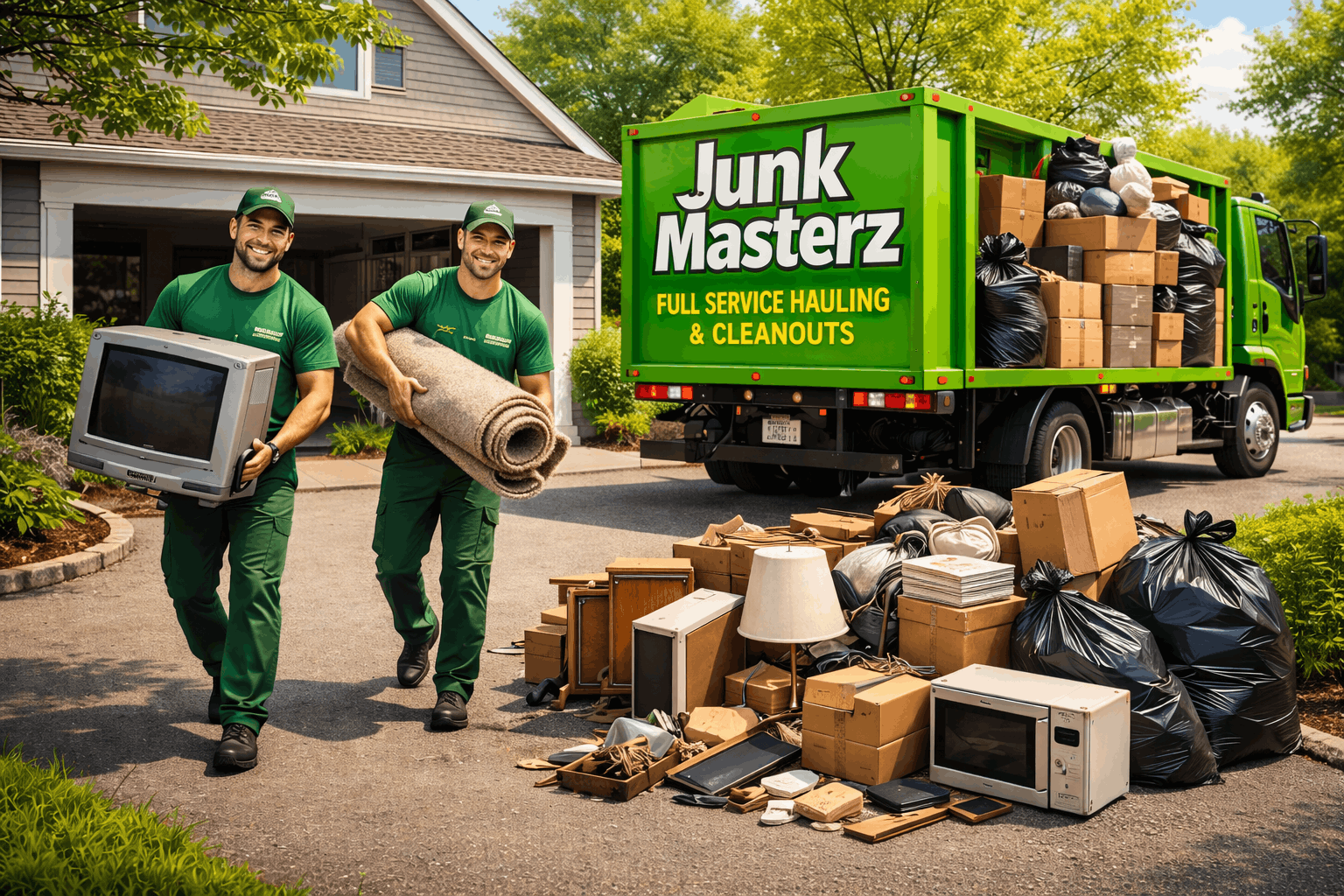
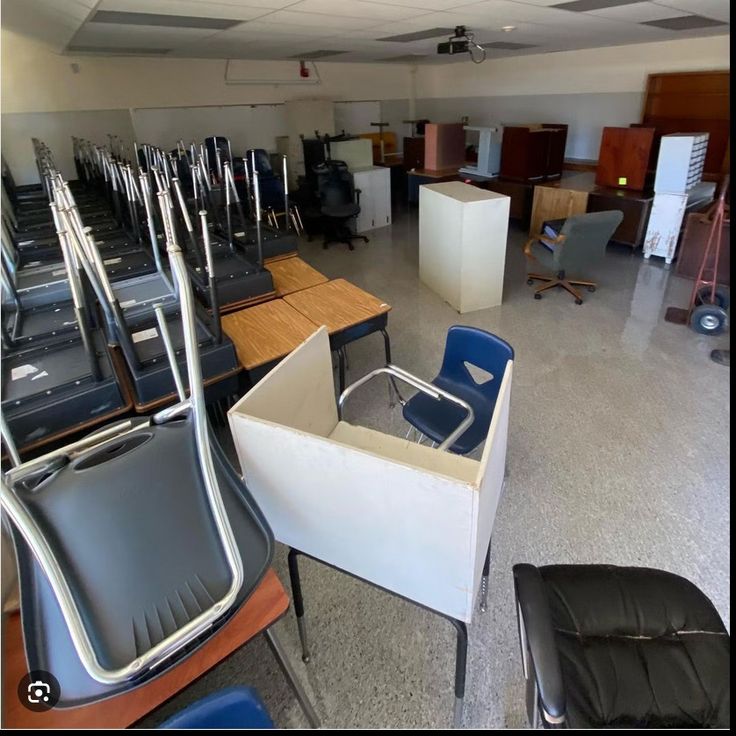
If you’ve ever walked into a stockroom and tripped over a pile of flattened boxes, or watched a client’s eyes drift to an overflowing trash bin during a meeting, you already know clutter is more than an eyesore. It’s a quiet drain on time, safety, and even sales. So, How Often Should Businesses Schedule Junk Removal? For most companies, the honest answer is: it depends on how much waste you generate and how fast it piles up — but there are clear patterns you can follow once you know what to look for. This guide breaks down the factors that determine your ideal pickup frequency, recommends schedules based on business type, and explains why a consistent routine pays off far more than waiting until things pile up. Why Junk Removal Frequency Isn’t One-Size-Fits-All There’s no universal rule that fits every business, because no two businesses generate waste the same way. A law firm with a handful of employees produces a fraction of the clutter a busy restaurant does in a single weekend.  How Often Should Businesses Schedule Junk Removal? Factors That Influence A few practical factors shape the right schedule for your business: Business size and foot traffic. More employees and customers generally means more waste, packaging, and general clutter. Industry type. Retail, food service, offices, warehouses, and construction sites all generate different volumes and types of debris. Volume and type of waste. Bulky furniture, electronics, and hazardous materials often need separate handling from everyday trash. Local regulations and lease terms. Some commercial leases and city ordinances specify how waste must be stored and removed, which can affect your timing. Once you understand these variables, you can start building a schedule that actually fits your operation rather than guessing. Recommended Junk Removal Schedules by Business Type With those basics in mind, here’s a practical starting point for different types of businesses. Think of these as guidelines to adjust based on your specific volume. Small Businesses and Offices Most small offices do well with junk removal scheduled monthly or every other month. Paper waste, old electronics, broken furniture, and general office clutter tend to accumulate gradually rather than all at once. Retail Stores and Restaurants These businesses typically need more frequent service, often weekly or biweekly, due to packaging waste, seasonal displays, food-related debris, and faster material turnover. Warehouses, Construction, and Industrial Sites Given the volume of materials involved, these operations often benefit from weekly pickups or project-based removal tied to specific phases of work, such as the end of a renovation or a major shipment cycle. Property Managers and Multi-Tenant Buildings Buildings with multiple tenants often do best with a scheduled recurring pickup, supplemented by on-demand service for larger cleanouts, such as when a tenant moves out. Benefits of Regular Commercial Junk Removal Sticking to a consistent schedule isn’t just about tidiness. There are concrete business reasons to stay ahead of clutter. Improved Workplace Safety and Compliance Cluttered walkways, blocked fire exits, and overflowing storage areas create real safety hazards. The Occupational Safety and Health Administration (OSHA) has long emphasized that maintaining clear walkways and proper storage is a basic part of workplace safety compliance. Better First Impressions for Clients and Customers Whether it’s a retail floor or an office lobby, visible clutter sends an unintentional message about how a business operates. A clean, organized space tends to build more confidence in customers and clients alike. Boosted Employee Productivity Through Workplace Decluttering Workplace decluttering isn’t just a feel-good phrase. Research in environmental psychology has consistently linked cluttered work environments to increased stress and reduced focus, which makes regular cleanouts a quiet but meaningful productivity tool. Cost Savings Over Time vs. Emergency Removal Scheduled, routine removal is almost always more cost-effective than last-minute emergency pickups, which often come with rush fees and limited availability. Signs Your Business Needs Junk Removal Sooner Than Planned Even with a solid schedule in place, certain signs suggest it’s time to call sooner rather than later. Overflowing storage areas or dumpsters that can’t hold another day’s waste Safety hazards, like blocked exits or materials creating tripping risks Visible clutter that’s noticeable to customers or clients Upcoming renovations, office moves, or inspections that require a clear space When to Hire a Commercial Junk Removal Company At some point, most businesses reach a tipping point where handling waste internally no longer makes sense. DIY vs. Professional Removal: What Makes Sense for Your Business Small amounts of everyday trash can usually be handled in-house. But bulky furniture, electronics, construction debris, or anything requiring special disposal is typically better left to professionals who understand local regulations and proper disposal methods. What to Look for in Commercial Junk Removal Services for Small Businesses When evaluating commercial junk removal services for small businesses, a few details matter most: proper licensing and insurance, transparent pricing, responsible recycling or donation practices, and reliable response times. Questions to Ask Before Booking a Service Before hiring, it helps to ask: What types of waste can you handle? How is pricing structured? Do you offer recurring scheduled service? What’s your typical response time for one-off pickups? Building a Consistent Junk Removal Routine The businesses that handle clutter best aren’t necessarily the ones that produce less waste; they’re the ones that plan for it. Setting Up a Recurring Schedule That Fits Your Business Start by reviewing how quickly clutter builds up in your space over a month, then work backward to set a realistic pickup frequency. Regular junk removal for businesses works best when it’s treated as a routine operational task, not an emergency response. Working With Vendors Who Offer Flexible, Scheduled Plans Many providers now offer recurring service plans that can flex with seasonal changes, like added pickups during the holidays or after a busy sales quarter. This kind of flexibility makes it easier to stay consistent without overpaying for services you don’t need. Conclusion There’s no single magic number for How Often Should Businesses Schedule Junk Removal. The right frequency depends on your industry, size, and how

How to Dispose of a Vacuum Cleaner Safely and Responsibly

Old vacuum cleaners often end up collecting dust in garages, basements, or storage rooms because many people are unsure how to get rid of them properly. Some wonder whether they can toss them into the garbage, while others look for environmentally friendly disposal methods. Learning how to dispose of a vacuum cleaner the right way helps reduce landfill waste and protects the environment from harmful electronic materials. Most vacuum cleaners contain a mix of plastic, metal, wiring, motors, and sometimes batteries. Because of this, many cities and waste management facilities recommend recycling or donating them instead of throwing them away. Whether your vacuum still works or is completely broken, there are several safe and responsible ways to dispose of it. In this guide, you’ll learn how to properly dispose of a vacuum cleaner, how to dispose of a broken vacuum cleaner, and whether you can throw a vacuum cleaner in your garbage. We’ll also cover eco-friendly recycling options, donation ideas, and professional junk removal solutions. Can I Throw a Vacuum Cleaner in My Garbage? One of the most common questions homeowners ask is, “Can I throw a vacuum cleaner in my garbage?” The answer depends on your local waste management rules and the type of vacuum cleaner you have. In many areas, vacuum cleaners are not recommended for regular household trash because they contain recyclable materials and electronic components. Cordless and robotic vacuums may also contain lithium-ion batteries, which can become a fire hazard in landfills. Quick Answer No, you generally should not throw a vacuum cleaner in regular garbage unless your local waste authority specifically allows it. Recycling or donation is usually the safer and more environmentally responsible option. Before disposing of your vacuum cleaner, check your local municipality’s waste disposal guidelines. Some cities offer appliance recycling programs or electronic waste collection events that make disposal easier and safer. Why Proper Vacuum Cleaner Disposal Matters Throwing an old vacuum cleaner into the trash may seem harmless, but improper disposal can negatively affect the environment. Environmental Impact Vacuum cleaners are made from several materials that can take years to break down in landfills, including: Plastic housing Metal components Electrical wiring Rubber parts Batteries and electronic circuits When electronic waste sits in landfills, some components may release harmful substances into the soil and groundwater. The Growing E-Waste Problem Electronic waste continues to grow worldwide as more households replace appliances and electronics more frequently. Even though vacuum cleaners are common household items, many people don’t realize they may qualify as e-waste. Recycling helps recover reusable materials such as copper, steel, and plastic while reducing pressure on landfills. Benefits of Responsible Disposal Proper disposal offers several benefits: Reduces environmental pollution Conserves recyclable materials Supports sustainable waste management Keeps hazardous materials out of landfills Encourages responsible consumer habits How To Dispose of a Vacuum Cleaner If you’re wondering how to properly dispose of a vacuum cleaner, following a few simple steps can make the process easier. Step 1: Check the Condition of the Vacuum Cleaner Start by determining whether the vacuum still works. Ask yourself: Does it still turn on? Is the motor functioning? Are repairs possible? Is it safe to use? A working vacuum may be suitable for donation or resale, while a broken vacuum may need recycling. Step 2: Empty and Clean the Vacuum Before disposal, remove all dust and debris from the machine. Be sure to: Empty the dust canister or vacuum bag Remove pet hair and dirt Clean removable filters if possible Wipe down exterior surfaces Cleaning the vacuum makes handling safer and more sanitary for donation centers or recycling facilities. Step 3: Look for Manufacturer Recycling Programs Some appliance manufacturers and retailers offer take-back or recycling programs for old electronics and household appliances. You can contact: Local appliance stores Electronics retailers Vacuum manufacturers Municipal recycling programs These programs often ensure that recyclable materials are processed responsibly.“You can use the Earth911 recycling search tool to find nearby recycling centers that accept vacuum cleaners and electronic waste.” Step 4: Take It to an E-Waste Recycling Facility Many recycling centers accept vacuum cleaners because they contain reusable materials like metal and wiring. An electronic waste recycling center can safely dismantle the vacuum and separate recyclable parts from non-recyclable materials.“Some retailers also offer appliance recycling services through programs such as Best Buy Recycling.” This is one of the best options for responsibly disposing of broken or outdated vacuum cleaners. How to Dispose of a Broken Vacuum Cleaner Many people assume a broken vacuum cleaner has no value, but that’s not always true. Even damaged vacuums contain recyclable materials that can be recovered and reused. Can Broken Vacuum Cleaners Be Recycled? Yes, most broken vacuum cleaners can still be recycled. Common recyclable components include: Copper wiring Electric motors Steel parts Plastic housing Aluminum components Even if the vacuum no longer works, recycling centers can often separate and process these materials. Consider Repair Before Disposal Before throwing the vacuum away, consider whether a simple repair could extend its lifespan. Common vacuum issues include: Clogged hoses Worn belts Dirty filters Broken attachments Damaged power cords In many cases, replacing a small part costs less than buying a new machine. Best Disposal Options for Broken Vacuums If repair isn’t possible, here are the best ways to dispose of a broken vacuum cleaner: E-waste recycling centers Appliance recycling programs Scrap metal recycling facilities Municipal bulky waste pickup Professional junk removal services How Do I Get Rid of My Vacuum Cleaner? Best Disposal Options If you’re asking, “How do I get rid of my vacuum cleaner?” there are several convenient options depending on its condition. Donate a Working Vacuum Cleaner If the vacuum still works properly, donation is often the best solution. Organizations that may accept working vacuum include: Local charities Thrift stores Shelters Community donation centers Always check donation requirements before dropping off appliances. Sell or Give It Away Online You can also list your vacuum cleaner online through: Facebook Marketplace Craigslist Community groups Local buy-and-sell apps

How to Take Off Gutters Safely Without Damaging Your Roof or Siding

Gutters protect your home from water damage, foundation problems, and roof leaks. But there are times when they need to come off. Maybe your gutters are old and leaking, your roof is being replaced, or you are upgrading to a new seamless gutter system. Whatever the reason, learning how to take off gutters the right way can help you avoid costly damage to your roof, fascia boards, and siding. Many homeowners underestimate gutter removal. Pulling gutters off too quickly or using the wrong tools can crack siding, bend roof flashing, or even cause injuries from falling sections. The good news is that with proper preparation, basic tools, and a careful approach, removing gutters is manageable for many DIY homeowners. If you are searching for how to take off a gutter or how to remove a gutter without damaging your home, this complete guide walks you through everything you need to know. Why Homeowners Remove Gutters There are several reasons people remove gutters from their homes. Some projects are part of regular maintenance, while others happen during larger exterior renovations. Replacing Old or Damaged Gutters Over time, gutters can develop: Rust holes Cracks Loose joints Sagging sections Water overflow problems Older gutters may no longer drain properly, causing water to collect around your foundation or roofline. Preparing for Roof Replacement Roofing contractors often remove gutters before replacing shingles or installing drip edge flashing. Taking the gutters down provides easier access to the roof edges and helps prevent accidental damage during roofing work. Upgrading to Seamless Gutters Many homeowners upgrade from sectional gutters to seamless aluminum systems because they leak less and require less maintenance. Repairing Fascia Boards or Siding Sometimes gutters hide water damage behind the system. Homeowners searching for how to take gutters off house projects often discover rotting fascia boards or mold that needs repair before installing new gutters. Tools and Safety Equipment Needed Before Removing Gutters Before starting, gather all your tools and safety gear. Having everything ready makes the project safer and faster. Essential Tools You will need: Extension ladder Work gloves Safety glasses Cordless drill Screwdriver Pry bar Hammer Bucket for screws and fasteners Rope for lowering long gutter sections Important Safety Tips Gutter removal involves working at heights, so safety should always come first. Follow These Safety Rules: Never work during rain or strong winds Place ladders on stable, level ground Avoid leaning too far sideways Wear non-slip shoes Have another person help support long sections Stay clear of nearby power lines Even lightweight aluminum gutters can become difficult to control once loosened. How Long Does Gutter Removal Take? The average single-story home usually takes 1–3 hours to complete. Larger homes or heavily rusted gutters may take longer. Understanding Different Types of Gutters Before Removal Not all gutters come off the same way. The material and installation style affect how difficult the job will be. Sectional Gutters These are the most common DIY systems. They come in smaller connected sections, making removal easier. Seamless Gutters Seamless gutters are longer and heavier. Since they are custom-made in long pieces, two people are often needed for safe removal. Vinyl Gutters Vinyl gutters are lightweight and easy to handle, but older vinyl becomes brittle and may crack during removal. Aluminum Gutters Aluminum gutters are common because they resist rust and are relatively lightweight. They are usually the easiest metal gutters to remove. Steel Gutters Steel gutters are heavier and may require extra support during removal, especially on two-story homes. Understanding your gutter system helps you plan the safest removal process. How to Take Off Gutters Step by Step Removing gutters carefully prevents damage to your roof, fascia boards, and siding. Step 1: Set Up Your Ladder Safely Position your extension ladder on level ground. If possible, use ladder stabilizers to avoid crushing the gutters while working. Always maintain three points of contact while climbing. Never place the ladder on soft soil or slippery surfaces. Step 2: Remove the Downspouts First If you are learning how to remove gutter systems properly, always start with the downspouts. Downspouts connect vertically to the siding and should come off before the horizontal gutters. How to Remove Downspouts: Locate the brackets securing the downspout Remove screws with a drill or screwdriver Disconnect elbow joints carefully Lower each section slowly Place the removed screws into a bucket so they do not get lost. Step 3: Remove Gutter Screws or Hangers Most gutters attach to the fascia board using: Hidden hangers Screws Spikes and ferrules Brackets Work section by section instead of removing every fastener at once. Tips for Easier Removal: Use penetrating oil on rusted screws Support the gutter with one hand while removing fasteners Remove hangers gradually to avoid sudden falls Older homes sometimes use long gutter spikes instead of screws. These may require a pry bar or hammer to loosen. Step 4: Lower the Gutter Carefully Once the fasteners are removed, carefully lower the gutter section. Long aluminum gutters can bend easily if unsupported. Safe Lowering Tips: Have another person help support long sections Use a rope when working on taller homes Lower slowly instead of dropping sections Never yank gutters away from the fascia board because this can damage wood trim or roof flashing. Step 5: Inspect the Fascia Boards After the gutters are removed, inspect the fascia carefully. Look for: Rotting wood Mold growth Water stains Cracks Loose trim boards This is one of the most important parts of the project because hidden water damage often goes unnoticed behind old gutters. Repairing fascia damage before installing new gutters helps prevent future leaks. Common Mistakes to Avoid When Removing Gutters Many DIY mistakes can turn a simple project into an expensive repair. Pulling Gutters Off Too Quickly Some homeowners try ripping gutters away after removing only a few screws. This often damages fascia boards and siding. Always loosen all fasteners gradually. Working Alone on Long Sections Long gutters become awkward and unstable during removal. Having a helper reduces the risk

How to Dispose of Used Vegetable Oil Safely and Responsibly

Used vegetable oil is something almost every household deals with after frying food, cooking meals, or preparing snacks. Many people simply pour the oil down the sink without realizing the serious damage it can cause. While it may seem harmless, cooking oil can clog pipes, damage sewer systems, pollute waterways, and create expensive plumbing problems over time. Learning how to dispose of used vegetable oil properly is important for both your home and the environment. Whether you have a small amount left after cooking or several gallons from deep frying, there are safe and eco-friendly ways to handle it. Proper disposal also helps reduce pollution and supports recycling programs that convert used cooking oil into biodiesel and other reusable products. In this guide, you will learn how to dispose of vegetable oil used for frying, how to recycle used vegetable cooking oil, and the mistakes you should avoid when getting rid of old oil. Why Proper Vegetable Oil Disposal Matters Many people underestimate the effects of improper oil disposal. Pouring grease or oil down the drain may solve a short-term problem, but it creates much bigger issues over time. According to environmental waste guidance from the United Nations Environment Programme, improper oil disposal contributes significantly to water pollution and urban drainage problems UNEP Pollution & Waste Guidance. Environmental Damage Vegetable oil can contaminate rivers, lakes, and groundwater when it enters sewer systems.It’s important to understand how to dispose of used vegetable oil. Once in water, oil forms a surface layer that blocks oxygen exchange and harms aquatic ecosystems. Even biodegradable oils can cause long-term environmental stress when disposed of incorrectly. Studies and global environmental reports from the World Bank highlight how improper waste oil management increases water pollution and puts pressure on municipal treatment systems.  You can get more information on the World Bank’s solid waste management system. Improper disposal also leads to sewer blockages known as fatbergs—large masses of solidified grease that clog drainage systems and require costly removal. Plumbing Problems One of the biggest reasons to avoid pouring oil down the drain is pipe damage. Although oil may flow easily when hot, it solidifies as it cools, sticking to pipe walls and trapping food particles over time. These blockages can result in: Slow-draining sinks Foul kitchen odors Pipe corrosion Sewer backups Expensive plumbing repairs Plumbing experts and infrastructure agencies, including guidance from the American Society of Civil Engineers, warn that fats, oils, and grease are among the leading causes of residential sewer system failures, Even small daily amounts can build up into serious plumbing issues. Fire and Safety Risks Hot cooking oil can also create serious household hazards. Spilling hot oil may lead to burns, kitchen fires, or slippery surfaces that increase the risk of accidents. Public safety resources such as the National Fire Protection Association emphasize safe handling of cooking oils to reduce kitchen fire risks and prevent injuries. Get guidance through NFPA Cooking Safety Guidance. Proper storage and disposal help reduce these risks and keep kitchens safer for everyday use. Can You Pour Vegetable Oil Down the Drain? No, you should never pour vegetable oil down the drain. Even if you run hot water or dish soap afterward, the oil will eventually cool and solidify inside pipes. This creates buildup that can block plumbing systems and damage sewer infrastructure. The same rule applies to: Toilets Garbage disposals Outdoor drains Storm drains Proper disposal methods are always safer and more environmentally friendly. How to dispose of used vegetable oil The safest disposal method depends on how much oil you have and whether it can be recycled. Step 1: Allow the Oil to Cool Never attempt to dispose of hot oil immediately after cooking. Let it cool completely to avoid burns and spills. Place the pan in a safe area away from children or pets until the oil reaches room temperature. Step 2: Strain the Oil if Necessary If you plan to reuse the oil, strain out food particles using: Cheesecloth Coffee filters Fine mesh strainers Removing crumbs helps extend the oil’s usability. Step 3: Transfer Oil Into a Sealed Container Pour the cooled oil into a sturdy, sealable container such as: Plastic bottles Glass jars Milk cartons Metal cans Avoid thin plastic bags because they can leak. Step 4: Dispose of or Recycle the Oil Once sealed, you can either: Throw small amounts in the trash Take larger quantities to a recycling center Use community oil collection programs How to Dispose of Vegetable Oil Used for Frying Deep frying usually creates larger amounts of oil, which require extra care. Reuse Frying Oil When Possible Vegetable oil used for frying can often be reused several times if handled properly. To safely reuse frying oil: Allow it to cool Strain out food debris Store it in a sealed container Keep it in a cool, dark place However, oil should be discarded if it: Smells rancid Looks very dark Produces excessive smoke Has a thick or sticky texture Most frying oils can only be reused a few times before quality declines. Dispose of Large Quantities Responsibly If you frequently deep fry food, avoid throwing large quantities of oil into household trash. Instead, locate a recycling facility or cooking oil collection center in your area. Many cities offer programs that recycle vegetable oil into biodiesel fuel. If you have multiple containers of old cooking oil, greasy kitchen waste, or bulky household cleanup items, professional residential junk removal services can also help with proper disposal and eco-friendly waste handling. These services are especially useful during kitchen cleanouts, moving projects, or large home cleanups where safe waste disposal is important. Can Used Vegetable Cooking Oil Be Recycled? Yes, used vegetable cooking oil can often be recycled. Recycling is one of the most environmentally friendly disposal options because the oil can be converted into: Biodiesel fuel Animal feed additives Industrial lubricants Renewable energy products Where to Recycle Cooking Oil You can recycle cooking oil at: Local recycling centers Household hazardous waste facilities Restaurant grease

How to Remove Freon From Fridge Explained: Safe Disposal, Cost & Expert Advice

Old refrigerators often sit in garages, basements, sheds, or backyards for years. Many homeowners think they can throw the appliance away or place it at the curb. However, if the refrigerator still contains Freon or another refrigerant, it must be removed properly before disposal. Freon is a chemical refrigerant once commonly used in refrigerators and air conditioners. If released into the air, it can damage the environment and may violate disposal laws in many areas. If you are wondering how to remove freon from fridge  safely, this complete guide explains everything in simple language. You will learn how to identify Freon, why professional removal matters, average costs, and the best disposal options. What Is Freon in a Refrigerator? Freon is a common name often used for older refrigerants such as CFC-12 and HCFC-based cooling gases. These chemicals were widely used in refrigerators and freezers for many years before stricter environmental rules were introduced. Their main purpose was to absorb heat from inside the fridge and release it outside, helping keep food cold and fresh. Many older refrigerators still contain Freon or similar refrigerants. If an old unit has not been professionally emptied, the gas may still remain inside the sealed cooling system. Because of this, the appliance should never be punctured, cut open, or dumped without proper refrigerant recovery. Why Freon Must Be Removed Properly Removing Freon the correct way is important for environmental safety, public health, and legal disposal. If released improperly, refrigerants can create several problems. Harm the Ozone Layer Older Freon types such as CFCs can damage the ozone layer, which helps protect the Earth from harmful ultraviolet rays. Increase Greenhouse Gas Pollution Some refrigerants trap heat in the atmosphere and contribute to climate change when released. Create Health Risks if Inhaled Breathing refrigerant gas in enclosed spaces may cause dizziness, headaches, nausea, or breathing discomfort. Lead to Local Fines or Penalties Many cities and regions require proper refrigerant disposal. Illegal venting may result in penalties or disposal violations. Prevent Legal Recycling of the Appliance Most recycling centers and scrap yards require refrigerant removal before accepting old refrigerators. How to Know if Your Fridge Contains Freon Before disposal, check whether the refrigerator still uses an older refrigerant. Check the Appliance Label Look inside the refrigerator door, rear panel, or near the compressor for a label showing the refrigerant type. Common refrigerant labels include: R-12 CFC-12 HCFC-22 R-134a R-600a If the label lists R-12 or older refrigerants, professional removal services are recommended. Age of the Refrigerator Matters Fridges made before the mid-1990s are more likely to contain Freon or similar refrigerants. Can You Remove Freon From a Refrigerator Yourself? Many people ask, Can you remove Freon from a refrigerator yourself? In most cases, the answer is no. Refrigerant removal usually requires certified equipment and trained technicians. Why DIY Removal Is Not Recommended Trying to remove Freon without proper tools can cause: Dangerous leaks Injury from pressurized lines Environmental damage Appliance damage Legal issues in some areas Because of these risks, professional service is the safest option. How To Remove Freon From Fridge If you need to dispose of an old refrigerator, follow the correct process. Step 1: Contact a Certified Professional Call one of these service providers: Appliance recycling centers HVAC INSIDER technicians Refrigerator repair specialists Licensed junk removal companies Step 2: Refrigerant Recovery A certified technician will usually: Inspect the refrigerator Connect recovery equipment Remove refrigerant into sealed containers Confirm the unit is empty Prepare it for disposal or recycling Step 3: Recycle or Dispose of the Fridge Once Freon is removed, the refrigerator can be: Recycled for metal and parts Hauled away by residential junk removal services Accepted by approved landfills Donated if repaired and working How Much Does It Cost to Remove Freon From Refrigerator Units? One of the most frequently asked questions is: how much does it cost to remove Freon from refrigerator appliances? Costs vary based on several factors, including location, appliance size, refrigerant type, and service provider. Average Cost Breakdown Service Typical Cost Refrigerant Recovery $50–$150 Appliance Pickup $25–$100 Recycling Fee $0–$50 Full Refrigerator Disposal $75–$250 How to Get Freon Removed From a Fridge for Low Cost If you want affordable options, try these resources. Utility Company Programs Some power companies offer old appliance recycling programs and may pick up refrigerators. City Bulk Pickup Services Many cities offer special appliance collection days. Recycling Centers Some scrap yards or recycling centers work with certified refrigerant recovery providers. You can also get more information through Wikipedia’s article on Heating, Ventilation, and Air Conditioning (HVAC), which explains how refrigeration and cooling systems work. What Happens After Freon Is Removed? Once Freon or other refrigerants have been professionally removed, the refrigerator becomes much safer to handle, transport, and recycle. At this stage, the appliance can be dismantled so its valuable materials can be separated and reused instead of being sent to a landfill. Most recycling centers break the refrigerator down into different parts. Metal components are sorted, plastic pieces are separated, and reusable materials are processed for future manufacturing. Reusable Materials Often Include: Steel Steel from the refrigerator body, doors, and frame can be melted down and reused to make new appliances, tools, or construction materials. Copper Copper is commonly found in wiring and cooling coils. It is valuable and often recovered for reuse in electrical products and plumbing materials. Aluminum Many refrigerators contain aluminum in internal parts and cooling components. Aluminum can be recycled repeatedly without losing quality. Plastic Shelves Plastic drawers, bins, and shelves may be recycled depending on the type of plastic and local recycling facilities. Glass Components Glass shelves and trays can sometimes be processed and reused in other manufacturing applications. Why Recycling Matters Recycling an old refrigerator helps reduce landfill waste, conserves natural resources, and lowers the demand for raw material mining. It also supports cleaner communities and more environmentally responsible disposal practices. Mistakes to Avoid Cutting Refrigerant Lines Never cut copper tubes or compressor lines. Leaving Old Fridges Outside Unused refrigerators can

How Much Is a 20 Yard Dumpster Rental? Full Cost Breakdown

If you are planning a home renovation, garage cleanout, landscaping project, roof replacement, or major decluttering job, one of the smartest tools you can rent is a dumpster. Among all dumpster sizes, the 20 yard dumpster is one of the most requested options because it gives you a practical mix of space, affordability, and convenience. Many homeowners, contractors, landlords, and business owners ask the same question: how much is a 20 yard dumpster rental? The answer depends on where you live, what type of debris you are throwing away, how long you need the dumpster, and how much weight is included in the rental. In most areas, prices range between $350 and $650, but some rentals may cost more depending on materials and disposal fees. This complete guide explains everything you need to know about 20 yard dumpster rental cost, average pricing in 2026, hidden charges, size details, what fits inside, how to save money, and whether a 20 yard dumpster is the right size for your project. If you want accurate pricing information before booking, this guide will help you make the best decision. How Much Is a 20 Yard Dumpster Rental in 2026? The average 20 yard dumpster rental prices in 2026 usually fall into these ranges: $350 to $500 for light household junk $450 to $650 for general cleanouts and remodeling debris $550 to $850+ for roofing shingles, concrete, dirt, or heavy waste Quick Google AI Overview Answer A 20 yard dumpster rental usually costs $350 to $650, depending on location, debris type, rental duration, and included weight allowance. Why Prices Vary So Much Two customers renting the same dumpster size may pay very different prices. One person tossing boxes and furniture may pay less than someone loading bricks or shingles. Disposal costs are based heavily on weight and landfill fees. What Is a 20 Yard Dumpster? A 20 yard dumpster is a roll-off container designed for medium to large cleanup jobs. The term “20 yard” means it holds 20 cubic yards of material. That equals roughly: 6 to 8 pickup truck loads 120 standard trash bags Debris from a kitchen remodel Flooring from a large house Garage or basement cleanout waste This size is considered the “sweet spot” because it is large enough for many projects while still fitting in most driveways. 20 Yard Dumpster Measurements Many people search for 20 yard dumpster measurements before ordering because they want to know if it will fit on their property. Typical dimensions are: Length: 22 feet Width: 8 feet Height: 4 to 4.5 feet Some companies may have slightly different sizes, but most stay close to these dimensions. Space Needed for Delivery You should allow: 60 feet of straight clearance for truck delivery 10 feet of width clearance 20 feet vertical clearance (avoid tree branches or wires) What Factors Affect 20 Yard Dumpster Rental Cost? Understanding the dumpster rental pricing helps you avoid overpaying. 1. Your Location Dumpster prices vary city to city. Areas with higher landfill costs, fuel prices, taxes, and labor rates usually charge more. For example: Large metro cities = higher prices Rural zones = travel fees may apply Areas with limited landfill access = increased rates 2. Type of Debris Some materials cost more to dispose of. Lower Cost Materials: Furniture Boxes Household junk Yard waste Medium Cost Materials: Drywall Lumber Flooring Cabinets Higher Cost Materials: Concrete Dirt Brick Roofing shingles 3. Weight Limit Included Most companies include 2 to 4 tons in the base price. If your load exceeds the limit, overage fees apply. These fees are usually charged per extra ton. For more details on how different waste types affect disposal rules and pricing structures, you can review this waste recycling organization 4. Rental Length Most rentals include: 7 days 10 days 14 days Longer rentals usually cost more. 5. Demand and Season Spring and summer are busy seasons for remodeling and moving. Prices may rise during peak months. What Is Usually Included in the Rental Price? When comparing 20 yard dumpster rental prices, always ask what is included in the quote so you can avoid unexpected charges later. Many companies advertise low starting prices, but the final bill may be higher if certain services are not included. Most standard rentals include: Delivery to your location Pickup after use Disposal fees up to the included weight limit Standard rental period Fuel charges (sometimes) Some providers may also include driveway protection boards to help prevent surface damage during placement. Before booking, it is smart to review local waste disposal regulations and pricing guidelines to better understand what may impact your final rental cost. Always ask whether taxes, environmental fees, or landfill surcharges are included in the quote or added later. A clear upfront price can help you stay within budget and avoid surprises. Hidden Fees to Watch Out For Some customers choose the cheapest quote and later discover extra charges. Common Hidden Fees Overage Fees If you exceed the included tonnage. Extra Day Charges Keeping the dumpster longer than agreed. Mattress Fees Many landfills charge extra for mattresses. Appliance Fees Especially refrigerators containing refrigerants. Tire Disposal Fees Tires often require special processing. Failed Pickup Charges If the dumpster is blocked by cars or overloaded. Permit Fees Needed if placed on a street or sidewalk in some cities. Best Projects for a 20 Yard Dumpster This dumpster size works well for many residential and contractor jobs. Home Renovations Kitchen remodel Bathroom remodel Flooring replacement Cabinet removal Outdoor Projects Deck removal Fence replacement Yard cleanup Tree branch disposal Moving and Cleanouts Garage cleanout Estate cleanout Basement junk removal Downsizing clutter Roofing Jobs Usually enough for moderate-sized roof tear-offs, depending on the number of shingle layers and roof size. A 20-yard dumpster is commonly used for roofing shingles dumpster rental because shingles are heavy, compact quickly, and can reach weight limits faster than volume capacity. What Fits Inside a 20 Yard Dumpster? A 20-yard dumpster can typically hold: Several couches Tables and chairs Boxes of

How to Remove a Deck: Complete Step-by-Step Guide for Safe and Easy Removal

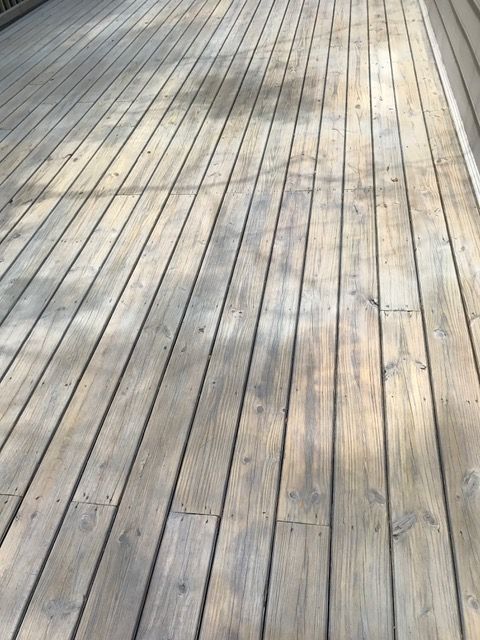
Removing an old deck can instantly improve your backyard, create space for a new outdoor project, and eliminate safety hazards caused by rotting wood, rusted fasteners, or unstable framing. Many homeowners ask how to remove a deck without causing damage to the house, yard, or nearby structures. The good news is that with proper planning, the right tools, and a safe step-by-step process, deck removal can be managed efficiently. Whether you need to learn how to remove old deck boards, how to remove a deck board, or how to tear down a deck completely, this guide explains everything in simple language. We’ll cover preparation, tools, safety tips, disposal options, and mistakes to avoid so you can handle the project with confidence. Why You May Need to Remove a Deck Decks do not last forever. Weather exposure, moisture, insects, and age can weaken the wood and structural supports over time. In some cases, repairs become more expensive than full removal. Industry guides note that older decks often develop rot, loose connections, and structural deficiencies that can make replacement the safer long-term option. Common reasons to remove a deck include: Rotten or cracked boards Loose railings or stairs Rusted nails and screws Structural instability Water damage near the house Preparing for a new patio or upgraded deck Selling a home and improving curb appeal Replacing worn outdoor features with updated patios, decks, or landscaping can also improve curb appeal and overall property appeal to buyers. If the frame is still in good shape, you may only need to replace boards. But if the foundation is damaged, full removal is often the smarter long-term solution. For more details, visit the Trex Deck Demolition Guide on professional deck demolition and replacement options. Tools and Safety Gear You’ll Need Before starting, gather the right tools to make the process safer and faster. Basic Tools Pry bar Hammer Drill or impact driver Circular saw Reciprocating saw Adjustable wrench Shovel Ladder Safety Equipment Work gloves Safety glasses Dust mask Steel-toe boots Long sleeves and pants Wearing protective gear is important because deck removal often involves nails, splinters, loose boards, and heavy materials. How to Remove a Deck: Step-by-Step Process Removing a deck is easier when done in reverse order of how it was built. Start from the top and work downward. Step 1: Clear the Deck Area Remove all furniture, grills, planters, lighting, and decorations. This gives you room to work safely and prevents items from getting damaged. Step 2: Disconnect Utilities If the deck has electrical outlets, lighting, gas lines, or plumbing nearby, shut them off before starting. Contact a licensed professional if needed. Step 3: Remove Railings and Stairs Start with handrails, balusters, and stairs. Use a drill or pry bar to remove screws and fasteners. This opens the deck area and makes board removal easier. Step 4: Remove Deck Boards This is where many people ask how to remove old deck boards safely. Begin at the outer edge of the deck and work inward. Use a pry bar to lift boards carefully. If screws are present, remove them first using a drill. If nails are rusted or boards are stuck, cut sections using a circular saw. Work slowly to avoid damaging reusable lumber. Step 5: Remove Joists and Frame Once the surface boards are gone, remove joists connected to the main frame. Unscrew metal hangers or cut damaged fasteners with a reciprocating saw. Take apart the outer frame in sections rather than trying to remove everything at once. Step 6: Remove Posts and Footings Support posts are usually secured in concrete footings. Dig around the base and pull them out if possible. For stubborn posts, cut them at ground level or break up the concrete with a sledgehammer. Step 7: Clean the Area After removal, collect nails, screws, wood scraps, and debris. Rake the ground and inspect the siding or wall where the deck was attached. How to Remove a Deck Board Without Damaging Nearby Boards Sometimes, only one board needs replacement. If you want to know how to remove a deck board, use this method: Locate screws or nails securing the damaged board Remove visible fasteners Cut the board lengthwise with a circular saw Pry up the center strip first Remove the remaining side pieces carefully This method reduces pressure on adjacent boards and helps preserve the rest of the deck. Also Read: How to remove a shed How to Tear Down a Deck Attached to a House Attached decks require extra caution because the ledger board connects directly to your home. Removing it the wrong way can damage siding, wall framing, or create water entry points. According to experts at This Old House, careful removal and inspection of the attachment area is important before starting demolition. Important Tips: Inspect flashing and siding before removal Remove lag bolts or structural screws carefully Check for water damage behind the ledger board Seal the holes left in the wall after removal Replace damaged siding if necessary Once the deck is detached, inspect the exposed wall for hidden rot or moisture damage. The team at Family Handyman recommends sealing openings quickly and repairing damaged siding to protect your home. If you are unsure about structural connections, hiring a licensed contractor is the safest option. You can also review deck safety and repair guidance from Nachiorg for deck inspection. Common Mistakes to Avoid During Deck Removal Avoiding simple mistakes can save time, money, and injuries. Removing Boards Too Quickly Pulling boards aggressively can damage nearby framing or create flying debris. Ignoring Rusted Fasteners Old nails and screws can snap unexpectedly. Use cutting tools when needed. Not Wearing Safety Gear Splinters, dust, and sharp metal are common hazards. Forgetting Waste Disposal Deck removal creates a large amount of wood and concrete waste. Plan disposal before starting. Damaging House Siding Use caution around attachment points and walls. Can You Reuse Old Deck Materials? Yes, depending on condition. You may reuse: Pressure-treated boards in good shape Metal brackets and hardware (if rust-free) Posts

How to Remove Kitchen Cabinets Without Damage – Step-by-Step Guide 2026

Thinking about giving your kitchen a fresh look? One of the first and most impactful steps in any kitchen renovation is tearing out the old cabinetry. Whether you’re upgrading to modern units, reclaiming wall space, or simply clearing the room before a full remodel, knowing how to remove kitchen cabinets the right way can save you hundreds of dollars in contractor fees — and a whole lot of frustration. Learning how to remove kitchen cabinets is an essential first step. While it may seem like a complex task, the process can be straightforward when done carefully and with the right tools. The good news? This is a project that most homeowners with basic DIY skills can tackle over a weekend. You don’t need a construction background or a truckload of tools. What you do need is a clear plan, some patience, and the right information. In this guide, we’ll walk you through everything — from the tools you’ll need to gather to how to remove old kitchen cabinets without damaging your walls or floors. We’ll also cover some common mistakes people make and how to avoid them. By the end, you’ll feel confident enough to get started on your own. What You Need to Know Before Removing Kitchen Cabinets Removing kitchen cabinets involves more than just unscrewing them from the wall. Cabinets are often secured with multiple fasteners, sealed with caulk, and sometimes connected to plumbing or electrical systems. To remove kitchen cabinets, first empty them, disconnect utilities, unscrew mounting hardware, cut caulk seals, and carefully detach them from the wall, starting with the upper cabinets to prevent injury or damage. For additional safety guidelines and best practices, you can refer to U.S. Consumer Product Safety Commission resources on home improvement safety. There are two main types of cabinets: Wall cabinets (mounted above counters) Base cabinets (installed on the floor) Wall cabinets should always be removed first to avoid working underneath heavy structures. Tools Required to Remove Kitchen Cabinets Safely Before you begin, gather all necessary tools. Having the right equipment makes the process smoother and prevents damage. Essential tools: Screwdriver or drill Pry bar Utility knife Hammer Stud finder Safety gloves and goggles Optional tools: Reciprocating saw Drop cloths or protective sheets Pro Tip:Using a power drill instead of a manual screwdriver can significantly speed up the process, especially when dealing with multiple cabinets. How to Remove Old Kitchen Cabinets Without Damaging Your Walls One of the biggest concerns homeowners have when learning how to remove old kitchen cabinets is wall damage. Here’s the truth: some minor drywall damage is almost inevitable — but you can keep it to a minimum. Tips to Minimize Wall Damage Always score the caulk lines first. This is the single most effective way to prevent large chunks of drywall from tearing away with the cabinet. Don’t skip this step, even if the caulk line looks thin. Go slow on the last screws. The closer you get to fully removing a cabinet, the more controlled and deliberate you should be. Rushing the final moments is when accidents happen. Use a pry bar properly. If a cabinet won’t budge after all screws are out, use a pry bar gently between the cabinet and wall — don’t just yank it. Stubborn cabinets are often stuck from old paint or adhesive, not hidden screws. Patch promptly. Once cabinets are off, fill holes and smooth rough patches as soon as possible. Dried spackle is much easier to sand smooth than hardened, settled compound. How to Prepare Before Removing Kitchen Cabinets Preparation is key when learning how to take out kitchen cabinets safely. Start with these steps: Turn off utilities: Shut off the water supply if working near sinks and cut the electricity near outlets. Empty all cabinets: Remove dishes, shelves, and loose items. Protect your space: Cover floors and countertops to prevent scratches. Label components: If you plan to reuse cabinets, label doors and hardware for easy reinstallation. Proper preparation reduces risks and ensures a cleaner removal process. For detailed home safety recommendations, you can review guidelines from the Occupational Safety and Health Administration to understand safe working practices during renovation projects. How To Remove Kitchen Cabinets Step-by-Step Guide   Follow this detailed process to understand how to take off kitchen cabinets efficiently. Step 1: Remove Cabinet Doors and Shelves Start by unscrewing the hinges and removing cabinet doors. Take out shelves and store all hardware in labeled bags. This step reduces weight and makes cabinets easier to handle. Step 2: Cut Caulking and Paint Seals Use a utility knife to slice through any caulk or paint sealing the cabinet to the wall. This prevents tearing drywall when removing the cabinet. Step 3: Locate and Remove Screws Look inside the cabinet for screws attaching it to the wall studs. These are usually found at the back panel or near the top. Use a drill to remove them quickly and safely. Step 4: Detach Wall Cabinets First When learning how to remove kitchen cabinets, this step is critical. Always remove upper cabinets first. Have a helper support the cabinet while you unscrew it to prevent it from falling. Carefully lift it away from the wall once detached. Step 5: Remove Base Cabinets Next, move to base cabinets. If they are connected to plumbing: Disconnect sink pipes Turn off the water supply Unscrew cabinets from the wall and floor before gently pulling them away. Step 6: Lift and Remove Cabinets Carefully Avoid using excessive force. If the cabinet resists, check for hidden screws or nails. Slow and steady removal prevents wall damage and keeps cabinets intact if you plan to reuse them. Also Read: How to get rid of things when moving Mistakes to Avoid When Removing Kitchen Cabinets Many DIYers make simple mistakes that lead to costly repairs. Here are the most common ones: Skipping utility shut-off: This can lead to accidents or water damage Forcing cabinets off the wall: Causes drywall damage Missing hidden screws: Cabinets won’t come off

How To Dispose Of Old Bed Frame: Complete Step-by-Step Guide

An old bed frame can take up valuable space in your home, garage, or storage area. Whether you’re upgrading to a new bedroom set, moving to a new home, or simply decluttering, knowing how to dispose of an old bed frame properly can save you time, effort, and money. Many homeowners are unsure whether they should throw away a bed frame, donate it, recycle it, or hire a junk removal company. The best disposal method depends on the condition and material of the bed frame. In this guide, we’ll explain everything you need to know about how to dispose of an old bed frame responsibly and efficiently. Can You Throw Away a Bed Frame? In most cases, the answer is no—you cannot simply throw a bed frame in your regular trash. Here’s why: Bed frames are too large for standard bins Many are made of metal, wood, or mixed materials Local waste systems often have strict bulk disposal rules However, some areas offer bulk waste pickup, but you usually need to: Schedule in advance Disassemble the frame Follow size or weight limits If you’re wondering, “How do I get rid of my bed frame?”, don’t worry—there are better, more efficient options below. Best Ways to Dispose of an Old Bed Frame 1. Donate Your Bed Frame (Best for Usable Furniture) You can donate to organizations like Habitat for Humanity ReStore or The Salvation Army, which often accept gently used furniture. You can donate to: Local charities Shelters Furniture banks Benefits: Helps someone in need Keeps furniture out of landfills May qualify for a tax deduction This is a great answer to: “What do I do with my old bed frame?” 2. Sell or Give It Away Online Another quick way to solve the problem of how to get rid of a bed frame is to list it online. Popular options include: Facebook Marketplace Craigslist Local community groups Pro tips: Clean the frame before listing Take clear photos Price it low or offer it free for faster pickup Often, someone will pick it up the same day—saving you time and effort. 3. Recycle the Bed Frame (Eco-Friendly Choice) If your bed frame is broken or no longer usable, recycling is a responsible solution. Here’s how it works: Metal frames → scrap metal recycling centers Wood frames → wood recycling or reuse facilities Mixed materials → may require separation Recycling reduces landfill waste and supports sustainable practices, making it one of the best long-term solutions. 4. Hire a Junk Removal Service If you’re short on time or dealing with a heavy frame, hiring professionals is often the easiest option. Why choose this: No lifting or disassembly required Fast and convenient Safe handling of bulky items This is ideal if you’re asking, “How do you get rid of bed frames quickly and without hassle?” 5. Schedule Bulk Waste Pickup Some municipalities offer bulk item collection services. Before choosing this option: Check your local guidelines Confirm accepted materials Schedule pickup in advance Keep in mind that not all areas accept bed frames, especially if they are not disassembled. How to Break Down an Old Bed Frame (Step-by-Step) If you plan to recycle or dispose of your bed frame, breaking it down makes the process much easier. Tools You May Need: Screwdriver Wrench Gloves Step-by-Step Process: Remove the mattress and slats Unscrew all bolts and joints Separate the headboard, footboard, and side rails Sort materials (metal vs. wood) Bundle parts for easy transport This directly answers: “How to break down an old bed frame?” Safety Tip: Always wear gloves to avoid cuts from sharp edges. How to Dispose of Old Bed Frame Adjustable bed frames require extra care because they include electrical components. Here’s what you should do: Check if the manufacturer offers a take-back program Some manufacturers provide return or recycling programs for their products. This means they will either collect the bed frame or guide you to an approved recycling partner. These programs ensure that electronic parts, metals, and other materials are handled safely and in an environmentally responsible way. Check the brand’s website or contact their customer support to see if this option is available. Contact e-waste recycling centers Adjustable bed frames contain motors, wiring, and sometimes control units, which fall under electronic waste (e-waste). Specialized recycling centers are equipped to safely dismantle and process these components. They separate reusable materials like metal and properly dispose of hazardous parts, preventing environmental contamination. Always confirm that the facility accepts large items like bed frames before visiting. You can check certified recycling options through resources like the EPA. Avoid sending it directly to landfills Disposing of an adjustable bed frame in a landfill is not recommended because the electrical components can release harmful substances over time. Motors, circuit boards, and wiring may contain materials that can pollute soil and water. Many areas also have regulations that restrict dumping electronic items in landfills, so improper disposal could lead to fines. Eco-Friendly Bed Frame Disposal Options If sustainability matters to you, there are better choices than simply throwing your bed frame away. Top eco-friendly methods: Donate usable frames Recycle metal and wood components Repurpose parts for DIY projects Improper disposal contributes to landfill overflow and environmental damage. When considering how to dispose of old furniture, choosing greener options—such as donation, recycling, or reuse—helps reduce waste and supports a circular economy. Common Mistakes to Avoid Many people make simple mistakes when figuring out how to dispose of an old bed frame. Avoid these: Leaving it on the curb without permission Not disassembling the frame Ignoring recycling options Dumping it illegally These mistakes can lead to fines, wasted resources, and unnecessary stress. Cost of Bed Frame Disposal The cost depends on the method you choose. Free Options: Donation Selling or giving away Low-Cost Options: Recycling centers Bulk pickup services Paid Options: Junk removal services Landfill disposal fees Factors affecting cost: Size and weight Location Urgency If convenience matters most, paying for removal can save significant time and

How to Get Rid of Everything and Move: The Ultimate Stress-Free Guide

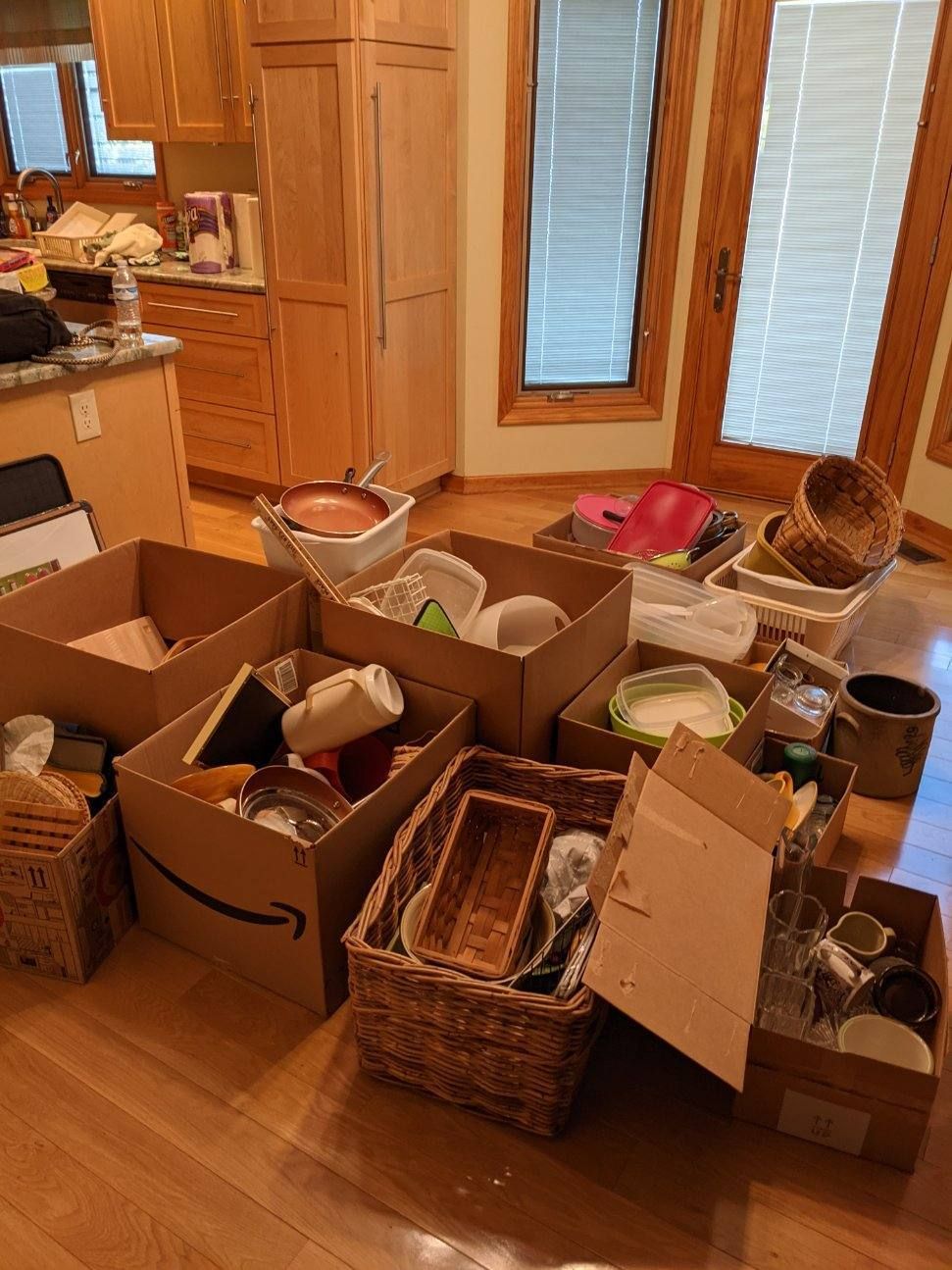
Moving sounds simple—pack your things and go. But in reality, it quickly becomes overwhelming when you realize how much stuff you’ve accumulated over the years. From unused clothes to bulky furniture, the challenge isn’t just moving—it’s figuring out how to get rid of things when moving without stress. The truth is, the more you move, the more it costs—both financially and mentally. That’s why decluttering before moving is not just helpful, it’s essential. In this guide, you’ll learn exactly how to get rid of stuff before moving, how to decide what stays, and what items are not worth moving at all. Whether you’re relocating across town or starting fresh somewhere new, this step-by-step approach will help you move smarter, lighter, and with less stress. How to Get Rid of Everything and Move  If you’re short on time, here’s the simplest way to approach it: Sort your belongings into keep, donate, sell, and discard Identify what items are not worth moving Declutter one room at a time Use donation centers or junk removal services Pack only what you truly need This method helps reduce clutter quickly and keeps your move organized. Why Decluttering Before Moving Matters The Hidden Costs of Moving Too Much Stuff Many people underestimate how expensive it is to move unnecessary items. Movers typically charge based on weight, volume, and labor. The more you have, the more you pay. Even if you’re moving yourself, extra items mean: More boxes More trips More time and energy Mental and Lifestyle Benefits Decluttering isn’t just about saving money—it’s about creating a fresh start. Moving into a new home without clutter can improve focus, reduce stress, and help you stay organized long-term. Professionals in the moving industry often recommend reducing your belongings by at least 25%. That alone can significantly simplify the entire process. How to Decide What to Keep When Moving One of the hardest parts of moving is deciding what actually deserves to come with you. The process can feel overwhelming, but a few straightforward strategies make it much easier to separate the essentials from the excess. The 12-Month Rule If you haven’t used something in the past year, chances are you won’t need it in the future. This is one of the simplest and most effective decluttering rules. Apply it broadly to clothes, kitchen gadgets, books, and hobby supplies—items sitting unused for that long rarely become suddenly indispensable after the move. The Value vs. Cost Test Ask yourself: Is this item worth paying to move? If the cost of transporting it is higher than replacing it, it’s probably not worth keeping. Factor in packing materials, labor, fuel surcharges, and insurance—many people discover that selling or donating bulky items and buying replacements at the new location saves both money and hassle. Avoid Emotional Clutter It’s easy to hold onto items for sentimental reasons, but not everything needs to move with you. Keep meaningful items, but don’t let guilt or nostalgia take over your decision-making. For deeper guidance on balancing sentiment with practicality, check out this helpful resource from Wirecutter on culling possessions before a move: The Ultimate Moving Checklist. Quick Decision Checklist Do I use this regularly? Would I buy this again today? Does it fit my new space? This process will help you confidently decide what to keep when moving. Start early, tackle one room at a time, and you’ll arrive at your new home feeling lighter and more organized. What Items Are Not Worth Moving Not everything deserves a spot in your moving truck. Some items are simply more trouble than they’re worth. Common Items to Let Go Cheap or worn-out furniture Old mattresses Broken electronics Expired or unused household products Duplicate items Think Cost vs Convenience For example, moving a low-cost bookshelf across cities may cost more than buying a new one. Simple Rule If it’s bulky, low-value, or easily replaceable, it’s better to leave it behind. Understanding what items are not worth moving can save you both time and money. Step-by-Step Decluttering Plan A clear system makes everything easier. Start Early Begin decluttering at least 4–6 weeks before your move. Waiting until the last minute leads to rushed decisions and unnecessary stress. Declutter Room by Room Focus on one area at a time: Bedroom: clothes, accessories Kitchen: unused gadgets, duplicates Living room: décor, old furniture Storage areas: forgotten clutter Use the Four-Box Method For every item, assign it to one of four categories: Keep Donate Sell Trash This method is simple, and it also helps you learn the best methods for cleaning a foreclosure cleanout more efficiently, but extremely effective for getting rid of stuff when moving.  How to Get Rid of Stuff Before Moving Once you’ve sorted your items, it’s time to remove them efficiently. 1. Sell What You Can Selling is a great way to recover some value: Online marketplaces Local community groups Garage sales Price items reasonably if you want them gone quickly. 2. Donate Usable Items Many charities accept: Clothing Furniture Appliances Household goods, books, and more Donating not only helps others but may also provide tax benefits. Before your move, research local organizations that offer free pickup services for larger items—this can save you significant time and effort while ensuring your gently used belongings go to good use. For practical advice on where and how to donate, check out this comprehensive guide from AARP: Where You Can Donate Your Unwanted Things. Popular options include Goodwill, The Salvation Army, and Habitat for Humanity ReStores, which often accept a wide range of items in good condition. Always confirm current acceptance policies, as they can vary by location. Taking clear photos and keeping a simple donation log will also make claiming any potential tax deductions much easier at tax time. This step turns decluttering into a positive impact while lightening your moving load. 3. Recycle Responsibly Items like electronics and batteries should never be thrown in regular trash. Look for proper recycling options in your area. 4. Hire a Junk Removal Service If

Color Palette