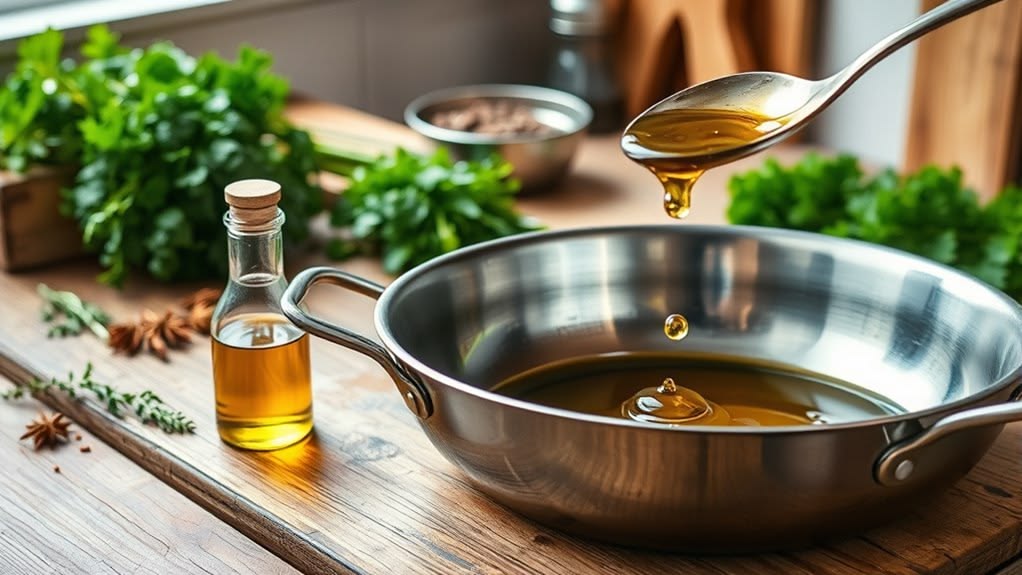
Used vegetable oil is something almost every household deals with after frying food, cooking meals, or preparing snacks. Many people simply pour the oil down the sink without realizing the serious damage it can cause. While it may seem harmless, cooking oil can clog pipes, damage sewer systems, pollute waterways, and create expensive plumbing problems over time.
Learning how to dispose of used vegetable oil properly is important for both your home and the environment. Whether you have a small amount left after cooking or several gallons from deep frying, there are safe and eco-friendly ways to handle it. Proper disposal also helps reduce pollution and supports recycling programs that convert used cooking oil into biodiesel and other reusable products.
In this guide, you will learn how to dispose of vegetable oil used for frying, how to recycle used vegetable cooking oil, and the mistakes you should avoid when getting rid of old oil.
Why Proper Vegetable Oil Disposal Matters
Many people underestimate the effects of improper oil disposal. Pouring grease or oil down the drain may solve a short-term problem, but it creates much bigger issues over time. According to environmental waste guidance from the United Nations Environment Programme, improper oil disposal contributes significantly to water pollution and urban drainage problems UNEP Pollution & Waste Guidance.
Environmental Damage
Vegetable oil can contaminate rivers, lakes, and groundwater when it enters sewer systems.It’s important to understand how to dispose of used vegetable oil. Once in water, oil forms a surface layer that blocks oxygen exchange and harms aquatic ecosystems. Even biodegradable oils can cause long-term environmental stress when disposed of incorrectly.
Studies and global environmental reports from the World Bank highlight how improper waste oil management increases water pollution and puts pressure on municipal treatment systems. You can get more information on the World Bank’s solid waste management system.
Improper disposal also leads to sewer blockages known as fatbergs—large masses of solidified grease that clog drainage systems and require costly removal.
Plumbing Problems
One of the biggest reasons to avoid pouring oil down the drain is pipe damage. Although oil may flow easily when hot, it solidifies as it cools, sticking to pipe walls and trapping food particles over time.
These blockages can result in:
- Slow-draining sinks
- Foul kitchen odors
- Pipe corrosion
- Sewer backups
- Expensive plumbing repairs
Plumbing experts and infrastructure agencies, including guidance from the American Society of Civil Engineers, warn that fats, oils, and grease are among the leading causes of residential sewer system failures,
Even small daily amounts can build up into serious plumbing issues.
Fire and Safety Risks
Hot cooking oil can also create serious household hazards. Spilling hot oil may lead to burns, kitchen fires, or slippery surfaces that increase the risk of accidents.
Public safety resources such as the National Fire Protection Association emphasize safe handling of cooking oils to reduce kitchen fire risks and prevent injuries. Get guidance through NFPA Cooking Safety Guidance.
Proper storage and disposal help reduce these risks and keep kitchens safer for everyday use.
Can You Pour Vegetable Oil Down the Drain?
No, you should never pour vegetable oil down the drain.
Even if you run hot water or dish soap afterward, the oil will eventually cool and solidify inside pipes. This creates buildup that can block plumbing systems and damage sewer infrastructure.
The same rule applies to:
- Toilets
- Garbage disposals
- Outdoor drains
- Storm drains
Proper disposal methods are always safer and more environmentally friendly.
How to dispose of used vegetable oil
The safest disposal method depends on how much oil you have and whether it can be recycled.
Step 1: Allow the Oil to Cool
Never attempt to dispose of hot oil immediately after cooking. Let it cool completely to avoid burns and spills.
Place the pan in a safe area away from children or pets until the oil reaches room temperature.
Step 2: Strain the Oil if Necessary
If you plan to reuse the oil, strain out food particles using:
- Cheesecloth
- Coffee filters
- Fine mesh strainers
Removing crumbs helps extend the oil’s usability.
Step 3: Transfer Oil Into a Sealed Container
Pour the cooled oil into a sturdy, sealable container such as:
- Plastic bottles
- Glass jars
- Milk cartons
- Metal cans
Avoid thin plastic bags because they can leak.
Step 4: Dispose of or Recycle the Oil
Once sealed, you can either:
- Throw small amounts in the trash
- Take larger quantities to a recycling center
- Use community oil collection programs
How to Dispose of Vegetable Oil Used for Frying
Deep frying usually creates larger amounts of oil, which require extra care.
Reuse Frying Oil When Possible
Vegetable oil used for frying can often be reused several times if handled properly.
To safely reuse frying oil:
- Allow it to cool
- Strain out food debris
- Store it in a sealed container
- Keep it in a cool, dark place
However, oil should be discarded if it:
- Smells rancid
- Looks very dark
- Produces excessive smoke
- Has a thick or sticky texture
Most frying oils can only be reused a few times before quality declines.
Dispose of Large Quantities Responsibly
If you frequently deep fry food, avoid throwing large quantities of oil into household trash. Instead, locate a recycling facility or cooking oil collection center in your area. Many cities offer programs that recycle vegetable oil into biodiesel fuel.
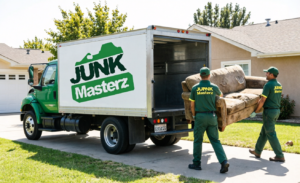
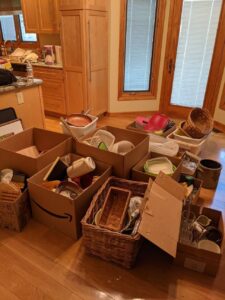
If you have multiple containers of old cooking oil, greasy kitchen waste, or bulky household cleanup items, professional residential junk removal services can also help with proper disposal and eco-friendly waste handling. These services are especially useful during kitchen cleanouts, moving projects, or large home cleanups where safe waste disposal is important.
Can Used Vegetable Cooking Oil Be Recycled?
Yes, used vegetable cooking oil can often be recycled.
Recycling is one of the most environmentally friendly disposal options because the oil can be converted into:
- Biodiesel fuel
- Animal feed additives
- Industrial lubricants
- Renewable energy products
Where to Recycle Cooking Oil
You can recycle cooking oil at:
- Local recycling centers
- Household hazardous waste facilities
- Restaurant grease collection programs
- Community recycling events
Some cities even provide designated cooking oil collection containers.
Before recycling, store the oil in a sealed container and avoid mixing it with chemicals or other liquids.
How to Dispose of Small Amounts of Vegetable Oil
Small amounts of oil require different handling than large quantities.
Use Absorbent Materials
For tiny amounts left in pans, absorb the oil using:
- Paper towels
- Flour
- Cat litter
- Baking soda
- Sawdust
Once absorbed, place the material into a sealed trash bag.
Freeze the Oil
Another simple method is freezing the oil until it solidifies. Once hardened, it becomes easier and cleaner to throw away.
Common Mistakes to Avoid When Disposing of Cooking Oil
Improper disposal methods can create serious problems. Avoid these common mistakes.
Pouring Oil Down the Sink
This is the most common and damaging mistake. Even liquid oil eventually hardens inside pipes.
Dumping Oil Outside
Pouring oil into soil, gutters, or storm drains contaminates the environment and may violate local regulations.
Flushing Oil Down Toilets
Toilets are not designed for grease disposal. Oil can block sewer lines and septic systems.
Mixing Oil With Hot Water
Many people believe hot water dissolves grease permanently. In reality, the oil simply moves farther into the plumbing system before hardening again.
Eco-Friendly Uses for Used Vegetable Oil
Before throwing oil away, consider whether it can be reused creatively.
Composting Small Amounts
Tiny quantities of vegetable oil may be added to compost piles, but excessive grease can slow decomposition and attract pests.
Homemade Bird Feeders
Some people mix small amounts of used oil with birdseed during colder months to create energy-rich bird feeders.
Soap Making
Experienced DIY users sometimes convert used vegetable oil into homemade soap. However, this requires proper safety precautions and knowledge of lye handling.
Biodiesel Production
Commercial recycling facilities often process used cooking oil into biodiesel, a renewable fuel alternative.
How Restaurants Dispose of Used Cooking Oil
Restaurants generate much larger amounts of oil than households, so professional disposal is necessary.
Grease Collection Services
These companies often recycle the oil into:
- Biodiesel
- Animal feed ingredients
- Industrial products
Grease Traps
Commercial kitchens also use grease traps to prevent fats and oils from entering sewer systems.
Regular grease trap maintenance is required by local health and environmental regulations.
Local Rules for Vegetable Oil Disposal
Cooking oil disposal laws vary depending on where you live. Some cities allow small sealed quantities in household trash, while others require recycling. Businesses usually face stricter regulations because of the larger amounts involved.
Always check your local waste management guidelines before disposing of large amounts of oil. For safe handling and environmentally responsible disposal, it is also a good idea to hire certified junk removal companies that follow local regulations and proper waste disposal practices. Professional junk removal teams can help ensure cooking oil, grease containers, and other household waste are removed safely without harming plumbing systems or the environment.
Improper disposal may lead to:
- Environmental fines
- Sewer repair costs
- Plumbing violations
How to Store Used Vegetable Oil Before Disposal
Safe storage is important when holding oil before recycling or disposal.
Best Containers for Storage
Good storage containers include:
- Plastic jugs
- Glass bottles
- Metal cans
- Original oil containers
Make sure lids seal tightly to prevent leaks.
Storage Tips
- Keep containers away from heat
- Label used oil clearly
- Store in a cool, dry area
- Avoid overfilling containers
Proper storage prevents spills and unpleasant odors.
Signs Vegetable Oil Should Not Be Reused
Many people wonder whether old cooking oil can still be used safely.
Throw the oil away if it:
- Smells sour or rancid
- Has a dark appearance
- Produces smoke quickly
- Contains excessive food residue
- Feels sticky or thick
Using degraded oil can affect food quality and may produce harmful compounds during cooking.
Conclusion
Knowing how to dispose of used vegetable oil properly helps protect your plumbing, local sewer systems, and the environment. While pouring oil down the drain may seem convenient, it can lead to clogged pipes, costly repairs, and environmental pollution over time.
The best approach is to allow the oil to cool, store it in a sealed container, and recycle it whenever possible. Small amounts can usually be placed in household trash if handled carefully, while larger quantities should be taken to recycling facilities or community collection programs.
Whether you are disposing of vegetable oil used for frying or everyday cooking grease, responsible disposal methods make a big difference. By following these simple steps, you can keep your home safer, reduce waste, and support cleaner, more sustainable communities.
Frequently Asked Questions
Can I throw vegetable oil in the trash?
Yes, small amounts of cooled vegetable oil can be thrown away if sealed inside a leak-proof container.
How do you dispose of vegetable oil used for frying?
Allow the oil to cool, pour it into a sealed container, and recycle it if possible. Small amounts may go into household trash.
Is it illegal to pour cooking oil down the drain?
In many areas, improper grease disposal violates plumbing or environmental regulations because it damages sewer systems.
Can vegetable oil go into compost?
Very small amounts can be composted, but excessive oil may attract pests and slow decomposition.
How many times can frying oil be reused?
Most frying oils can be reused several times if filtered and stored properly. Discard the oil once it darkens or smells burnt.
Can used vegetable oil be recycled?
Yes. Many recycling centers convert used cooking oil into biodiesel and other reusable products.
What happens if oil goes down the sink?
Oil cools and hardens inside pipes, leading to clogs, sewer backups, and expensive plumbing repairs.
What should I do with large amounts of used cooking oil?
Take large quantities to a local recycling center or cooking oil collection facility.