How

How to Get Rid of Yard Waste? Smart Strategies for Clean and Healthy Yards

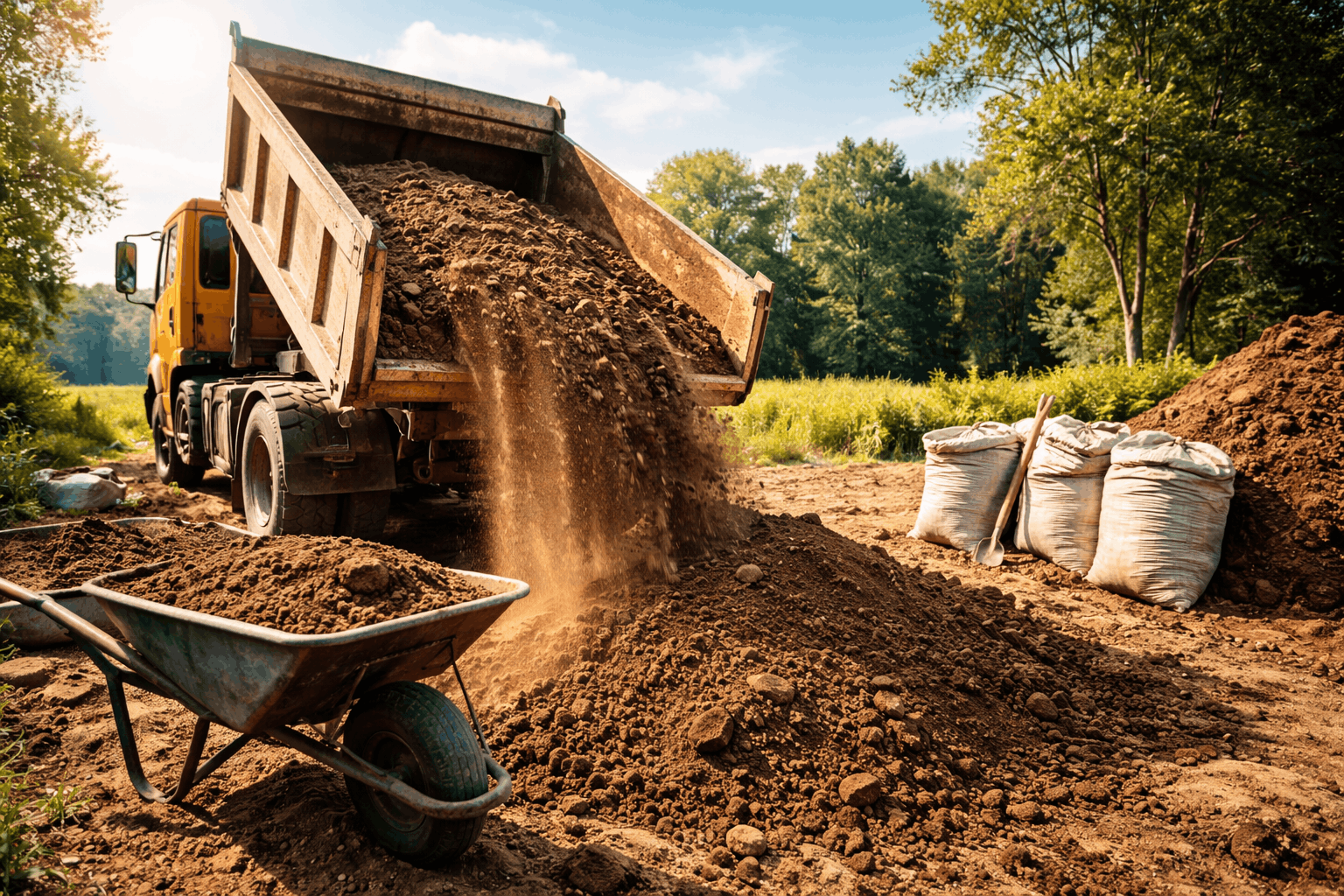
Keeping your yard clean and healthy requires regular maintenance. Activities like mowing the lawn, trimming trees, and removing dead plants often leave behind large piles of organic debris. Many homeowners quickly realize that yard waste can pile up faster than expected. Understanding how to get rid of yard waste properly helps protect the environment, keeps your property clean, and prevents potential fines in areas where improper disposal is restricted. Yard waste typically includes grass clippings, leaves, branches, weeds, shrubs, and other organic materials that come from landscaping or gardening. While small amounts may fit into regular waste bins, large cleanups after storms, seasonal yard work, or landscaping projects often create much bigger piles. This guide explains how to get rid of a lot of yard waste, the best eco-friendly disposal methods, and when professional help may be the most efficient solution. Whether you are dealing with seasonal leaf piles or major yard renovations, the strategies below will help you manage yard debris safely and responsibly. Understanding Yard Waste: What Counts and Why It Matters Before deciding how to dispose of yard debris, it’s important to understand what qualifies as yard waste. Common Types of Yard Waste Typical yard waste materials include: Grass clippings Leaves Tree branches and limbs Shrubs and bushes Garden plants Weeds and vines Wood chips and bark These materials are organic and biodegradable, but they should not always be thrown in regular trash. Many municipalities separate yard waste from household garbage because organic materials can be composted or recycled. Why Proper Yard Waste Disposal Is Important Improper disposal can lead to several issues: Overfilled landfills Environmental pollution Pest problems in neighborhoods Potential local fines or penalties Improper yard waste disposal can lead to several issues: overfilled landfills, environmental pollution, pest problems in neighborhoods, and potential local fines or penalties. Leaving yard debris in the wrong place or mixing it with regular trash can reduce recycling effectiveness, increase methane emissions from anaerobic decomposition, and harm local ecosystems when clippings and leaves wash into storm drains and waterways — all issues that sustainable waste experts and environmental research organizations highlight as key problems when organic waste is not managed properly  (see why yard waste management is important at The Institute for Environmental Research and Education)When yard cleanup creates large piles of leaves, branches, or landscaping debris, many homeowners find it difficult to handle everything alone. In these situations, professional help from Junk Masterz can make the process much easier by safely collecting, loading, and disposing of yard waste in an environmentally responsible way. Best Methods for Getting Rid of Yard Waste There are several practical ways homeowners can handle yard debris, depending on the amount and type of material. 1. Composting Yard Waste at Home Composting is one of the most environmentally friendly ways to deal with yard debris. Instead of throwing organic materials away, they can be converted into nutrient-rich compost for gardening. Materials That Compost Well Good compost materials include: Leaves Grass clippings Small branches Plant trimmings Avoid adding diseased plants or invasive weeds to compost piles because they may spread when reused in gardens. Benefits of Composting Reduces landfill waste Improves soil health Saves money on fertilizers Creates sustainable gardening practices For homeowners with moderate yard waste, composting is often the simplest long-term solution. 2. Municipal Yard Waste Collection Programs Many cities provide seasonal yard waste pickup services. These programs typically allow residents to place organic debris in designated bins or paper yard bags for weekly or monthly collection. How These Programs Work Most municipalities require: Bundled branches tied with twine Leaves placed in biodegradable bags Specific pickup days for yard debris Check your local guidelines before placing yard waste on the curb to avoid rejected pickups. Municipal collection works well for routine yard maintenance but may not handle extremely large amounts of debris. 3. Yard Waste Recycling Centers Recycling facilities and composting centers accept organic materials from homeowners and landscaping companies. These facilities usually process: Leaves and grass Tree limbs Brush and plant debris After processing, the materials are converted into compost, mulch, or biomass energy. Recycling centers are a good solution when you need to get rid of bulk yard waste after seasonal cleanup or landscaping projects. 4. Mulching Yard Debris Mulching is another effective method for reusing organic materials directly in your yard. Materials That Work Well for Mulching Leaves Grass clippings Small branches processed with a chipper Mulch helps retain soil moisture, regulate temperature, and suppress weeds in garden beds. By turning yard debris into mulch, homeowners reduce waste while improving their landscape. How to Get Rid of Large Amounts of Yard Waste Sometimes, yard debris becomes too large to handle with normal disposal methods. This often happens after storms, tree removal, or major landscaping work. If you are wondering how to get rid of large amounts of yard waste, consider the following solutions. Rent a Yard Waste Dumpster Dumpster rentals are commonly used for landscaping projects because they allow homeowners to dispose of large volumes of organic material quickly. Benefits include: Convenient onsite disposal No repeated trips to recycling centers Ability to handle heavy branches and debris However, dumpsters may not always be ideal for small properties or quick cleanups. Cost of Yard Waste Removal The cost of yard waste removal can vary depending on the amount of debris, location, and the type of service used. On average, homeowners may pay between $100 and $600 for yard waste removal services. Small loads of leaves or grass clippings may cost less, while large piles of branches or storm debris can increase the price. Factors that influence yard waste removal costs include: Volume and weight of the debris Type of materials (branches, leaves, brush) Labor required for loading and hauling Local disposal or recycling fees For large projects, hiring a professional yard waste removal service can still be cost-effective because it eliminates the need for multiple trips, equipment rentals, and time spent hauling debris yourself. You May Also Read: Average cost of yard

How Much Does It Cost to Remove Concrete?

Removing concrete can be a daunting task, whether it’s an old driveway, patio, sidewalk, or foundation. If you’re planning a home renovation or just want to refresh your outdoor space, knowing how much does it cost to remove concrete is crucial for budgeting and planning. In this guide, we’ll break down the average costs, factors that influence pricing, and tips for reducing expenses while ensuring safety and efficiency. Concrete removal might seem straightforward, but the process involves careful planning, the right equipment, and proper disposal. By understanding the variables that impact the cost of concrete removal, you can make informed decisions and avoid unexpected expenses. What Is Concrete Removal? Concrete removal involves breaking up, demolishing, and hauling away old or unwanted concrete structures. This process is essential in many home improvement projects, including replacing driveways, patios, sidewalks, and even foundations. There are two main approaches to concrete removal: DIY Removal – Using hand tools, sledgehammers, or rented equipment to break and remove concrete yourself. Professional Removal – Hiring licensed contractors who bring heavy machinery and handle disposal efficiently. Choosing the right method often depends on the size of the project, accessibility, and your budget. The concrete demolition and removal cost can vary widely depending on these factors. Why People Remove Concrete Homeowners remove concrete for various reasons: Renovation and Remodeling: Upgrading driveways, patios, or garden pathways. Safety Concerns: Cracked or uneven concrete can pose tripping hazards. Landscaping Improvements: Removing concrete allows more natural space for gardens, lawns, or outdoor living areas. Structural Repairs: Old foundations may need removal to support new construction. Understanding why you need removal helps determine the method and scope of the project, which directly influences the cost of removing concrete.A well-planned schedule prevents surprise costs from rushed labor or last-minute disposal fees, and using Junk Masterz ensures your concrete debris is removed safely and responsibly. Factors That Affect the Cost of Concrete Removal The price of removing concrete is not one-size-fits-all. Several variables can influence the final cost: 1. Size and Thickness of Concrete Larger slabs require more labor and equipment. Similarly, thicker concrete takes more time and effort to break, increasing both labor and disposal costs. 2. Type of Concrete Structure Different structures have varying levels of complexity: Driveways: Often 4–6 inches thick, accessible, and easier to remove. Patios: May include irregular shapes, landscaping integration, or decorative finishes. This can increase the cost to remove concrete patio. Sidewalks and Pathways: Narrow and sometimes reinforced, requiring careful handling. Foundations: Often the most labor-intensive and expensive due to depth and reinforcement. 3. Accessibility and Location If the concrete is in a tight space, near obstacles, or on multiple levels, the job becomes more labor-intensive. Urban locations can also increase pricing due to disposal regulations and limited equipment access. 4. Labor and Equipment Manual removal is cheaper but more physically demanding and time-consuming. Hiring professionals usually involves heavy machinery like jackhammers, skid steers, or excavators, which increases the overall cost. 5. Disposal and Environmental Considerations Hauling away concrete to a landfill or recycling center adds to the price. Some local regulations may require specific disposal methods, especially for large projects. Using recycled concrete can sometimes reduce costs. Average Costs of Concrete Removal While prices vary by region and project size, here are some general estimates: 1. National Average Small slabs (under 100 sq. ft.): $150–$500 Medium slabs (100–500 sq. ft.): $500–$1,200 Large slabs (over 500 sq. ft.): $1,200–$4,000 On average, homeowners can expect to pay $2–$6 per square foot for residential concrete removal. These numbers include demolition, labor, and disposal, but not any additional site preparation or landscaping work. 2. Cost Breakdown by Project Type Driveway Removal: $800–$3,000 depending on size and thickness. Patio Removal: $300–$1,500, factoring in shapes and decorative finishes. Sidewalk Removal: $200–$800. Foundation Removal: $2,000–$5,000 or more, depending on depth and reinforcement. 3. DIY vs. Professional Costs DIY removal can save money, with small projects potentially costing only $50–$200 for tool rentals and disposal fees. However, for larger slabs or reinforced concrete, professional services ensure safety, efficiency, and compliance with local regulations. You May Also Read:How much is post construction cleaning How to Reduce the Cost of Concrete Removal Even professional removal doesn’t have to break the bank. Here are some ways to lower costs: Recycle Concrete: Many facilities accept concrete for reuse, reducing landfill fees. Get Multiple Quotes: Compare at least 3–4 professional estimates to find competitive pricing. Break Projects Into Sections: Smaller demolition sections may be cheaper and easier to handle. DIY Preparations: Removing furniture, landscaping, or non-structural obstacles before professionals arrive can save labor costs. Being proactive and planning carefully can significantly reduce the concrete demolition and removal cost while ensuring safety. Planning Your Concrete Removal Project Proper planning is key to staying within budget and avoiding delays. 1. Preparing the Site Remove obstacles and secure surrounding areas. Check for permits if local regulations require them. Ensure safety measures such as protective gear and proper signage are in place. 2. Hiring Professionals When choosing contractors: Look for licensed, insured, and experienced companies. Ask for detailed estimates that include labor, equipment, and disposal costs. Check references and online reviews to confirm credibility. 3. Timeline and Expectations Small projects may take a few hours; larger projects could take several days. Allow time for disposal and cleanup. A well-planned schedule prevents surprise costs from rushed labor or last-minute disposal fees. Small projects may take a few hours; larger projects could take several days. Allow time for disposal and cleanup. Junk Masterz offers professional Debris Construction Removal services to handle hauling and disposal efficiently, saving you time and effort. Conclusion Removing concrete doesn’t have to be overwhelming if you understand the costs and plan properly. By considering factors such as slab size, type, accessibility, labor, and disposal, homeowners can budget effectively and make informed decisions. Whether you choose DIY removal or hire professionals, knowing how much does it cost to remove concrete ensures your project runs smoothly without unexpected expenses. Remember to request multiple quotes,

How Much Does House Cleaning Cost? A Complete Pricing Guide for Homeowners

House cleaning is one of the most requested home services today. Busy homeowners, families, and property managers often rely on professional cleaners to maintain a clean and healthy living space. However, one of the most common questions people ask before hiring a cleaner is how much does house cleaning cost. The cost of professional house cleaning can vary widely depending on several factors such as home size, location, level of cleaning required, and whether the service is recurring or a one-time deep clean. Some homeowners may only need a quick tidy-up, while others require extensive cleaning after renovations or move-outs. Understanding pricing helps you budget properly and avoid surprises when hiring a cleaning service. In this guide, we’ll break down the typical pricing structures used by cleaning companies, explain what influences the cost, and provide real examples to help you estimate what you might pay. By the end of this article, you will clearly understand how much does a house cleaner cost, what services are included, and how to choose the right cleaning service for your home. Average House Cleaning Costs in 2026 For most homeowners, professional cleaning services typically cost between $100 and $400 per visit depending on the home size and service type. Here is a quick breakdown of average cleaning costs: Home Size Average Cleaning Cost Small apartment (1 bed, 1 bath) $80 – $150 Medium home (2–3 bedrooms) $120 – $250 Large home (4+ bedrooms) $200 – $400 Many cleaning companies charge per visit, per hour, or per square foot, depending on the service type. If you’re wondering how much does it cost to get your house cleaned, the answer largely depends on the amount of work required. Routine cleaning tends to be more affordable, while deep cleaning services cost more due to the additional time and effort involved. How Much Does House Cleaning Cost Per Hour? Another common pricing model is hourly rates. On average, professional cleaners charge between $25 and $60 per hour per cleaner. Hourly pricing is often used for: One-time cleaning jobs Custom cleaning requests Homes with unpredictable cleaning needs For example: A small apartment may take 2–3 hours A standard home may take 3–5 hours Large homes may require 6+ hours If two cleaners are working together, the time is shorter but the hourly cost increases accordingly. So when people ask how much does house cleaning cost per hour, the final price depends on both the hourly rate and the time required to complete the job. Cost Per Square Foot for House Cleaning Some cleaning companies calculate pricing based on the size of the property. Typical rates range from: $0.10 to $0.30 per square foot Example estimates: Home Size Estimated Cost 1,000 sq ft $100 – $250 1,500 sq ft $150 – $350 2,500 sq ft $250 – $600 Larger homes usually cost more, but companies may offer discounts for recurring cleaning schedules.  How Much Does a One-Time House Cleaning Cost? One-time cleaning services are usually more expensive than recurring cleaning. The average cost for a one-time house cleaning ranges between: $150 and $450 This type of service is commonly used for: Move-in cleaning Move-out cleaning Seasonal deep cleaning Post-construction cleaning Because the cleaner may need to tackle built-up dirt, grease, and clutter, the job typically requires more time. If you’re asking how much does a one time house cleaning cost, expect to pay slightly more than regular maintenance cleaning. You May Also Read: Fastest way to clean the house How Much Does a Deep House Cleaning Cost? Deep cleaning goes far beyond standard cleaning by focusing on areas that are often overlooked during regular visits. It is more labor-intensive, thorough, and typically requires specialized cleaning products and tools. Scrubbing Baseboards: Over time, baseboards collect dust, dirt, and scuff marks. Deep cleaning involves carefully wiping, scrubbing, and sometimes using specialized cleaners to remove stubborn buildup. Cleaning Behind Appliances: Standard cleaning usually stops at the front of appliances, but deep cleaning includes moving or reaching behind ovens, refrigerators, and washers to remove hidden dust, crumbs, and grime. Washing Interior Cabinets: Kitchens and bathrooms often accumulate grease, spills, and dust inside cabinets. Deep cleaning ensures the interiors are wiped, sanitized, and free of residues. Detailed Bathroom Sanitation: Bathrooms harbor germs, soap scum, and mold. Deep cleaning involves scrubbing tiles, grout, sinks, tubs, toilets, and fixtures thoroughly to ensure a hygienic and sparkling result. Removing Built-Up Grime and Dust: Areas like ceiling fans, vents, light fixtures, and window sills collect long-term dust and dirt. Deep cleaning addresses these neglected spots for a fully refreshed home. Many homeowners schedule deep cleaning once or twice a year to “reset” the home’s cleanliness, making regular maintenance easier and reducing the need for costly future cleaning services. When people search how much does a deep house cleaning cost, the price reflects the additional labor and attention required. Factors That Affect House Cleaning Prices Several variables influence the final price of a cleaning service. Home Size Larger homes require more time and supplies, increasing the overall cost. Number of Bathrooms Bathrooms are the most labor-intensive areas to clean, so homes with more bathrooms usually cost more. Cleaning Condition Homes that haven’t been cleaned for a long time require more effort and time. Pets Pet hair, odors, and stains may increase cleaning time. Frequency of Cleaning Recurring services are usually cheaper than one-time visits. For example: Weekly cleaning → lowest cost per visit Bi-weekly cleaning → moderate price Monthly cleaning → higher price Standard Cleaning vs Deep Cleaning: What’s the Difference? Understanding service types helps explain pricing differences. Standard Cleaning Includes Dusting surfaces Vacuuming carpets Mopping floors Cleaning kitchen counters Bathroom sanitizing Trash removal Deep Cleaning Includes Cleaning baseboards Scrubbing grout Cleaning inside appliances Detailed kitchen and bathroom work Removing built-up dirt and grease Because deep cleaning requires significantly more time, it explains how much does it cost for a house cleaner when additional services are requested. How Often Should You Hire a House Cleaner? The frequency of hiring

How to Finish a Basement ?For Maximum Value and Comfort

A basement is one of the most valuable yet underused spaces in many homes. Instead of leaving it unfinished or used only for storage, homeowners can transform it into a comfortable living area, home office, entertainment room, or even a rental suite. Knowing how to finish a basement  can significantly increase both the functionality and value of your property. However, finishing a basement is not just about adding drywall and flooring. It requires careful planning, moisture protection, insulation, electrical work, and compliance with local building codes. Without the right approach, homeowners can face issues like mold growth, poor ventilation, or structural damage. This guide explains the best way to finish a basement using practical, easy-to-follow steps. Whether you plan to complete the project yourself or hire professionals, understanding the how to finish basement steps will help you avoid costly mistakes and create a safe, comfortable space. By the end of this guide, you’ll have a clear roadmap, expert tips, and realistic expectations for completing a successful basement renovation. Why Finishing a Basement Is a Smart Home Investment? Finishing a basement offers multiple advantages for homeowners. Increased Living Space An unfinished basement can be converted into a guest bedroom, entertainment room, gym, office, or playroom. This additional square footage improves comfort and usability. Higher Property Value Real estate experts often note that finished basements can significantly increase resale value. Buyers appreciate extra living space that does not require further renovation. Improved Energy Efficiency Proper insulation and wall finishing help regulate temperature, reducing heating and cooling costs. Rental or Income Potential In some areas, homeowners convert finished basements into legal rental units, creating a new source of income. When considering the best way to finish a basement, think about long-term goals. Designing the space for flexibility ensures it can adapt to changing needs. Planning Your Basement Renovation Planning is the most important stage when learning how to finish a basement successfully. Assess the Basement Condition Before beginning construction, inspect for: Water leaks Foundation cracks Mold or mildew Poor drainage These issues must be fixed before any renovation begins. Check Local Building Codes and Permits Many municipalities require permits for electrical, plumbing, and structural work. Ignoring regulations can cause problems during resale or inspections. Decide the Purpose of the Basement The design will depend on how the space will be used. Common finished basement ideas include: Family entertainment room Home theater Office or workspace Guest bedroom Home gym Set a Realistic Budget Basement finishing costs vary depending on materials, labor, and square footage. Planning early helps prevent unexpected expenses. Following these steps ensures a smoother renovation process. Moisture Control and Waterproofing Moisture is one of the biggest challenges when finishing a basement. Without proper waterproofing, homeowners risk mold growth, damaged walls, and unpleasant odors. Common Sources of Basement Moisture Poor exterior drainage Cracked foundation walls High humidity levels Leaking pipes How to Prevent Moisture Problems Experts recommend these solutions: Install a vapor barrier Use waterproof sealants on foundation walls Improve exterior drainage and gutters Install a sump pump if necessary Use a dehumidifier to control humidity Moisture prevention is often considered the best way to finish a basement because it protects your investment and ensures long-term durability. Proper waterproofing, drainage improvements, and humidity control can help prevent common basement issues such as mold growth, wall damage, and unpleasant odors. Skipping this step can lead to costly repairs later and may even damage newly installed walls, flooring, and insulation. Many homeowners also rely on experienced service providers during renovation projects to manage debris and maintain a clean work environment. For example, Junk Masterz helps homeowners by handling construction debris and cleanup during basement finishing projects, allowing the renovation process to stay organized and efficient. Framing the Basement Walls After waterproofing is complete, framing is the next stage in the how to finish basement steps. Framing creates the structure for walls, doors, and room divisions. Basic Framing Process Measure and mark the layout. Install pressure-treated bottom plates. Build wall frames using wooden or metal studs. Secure frames to floor joists above. Leave space for electrical outlets and plumbing lines. Tips for Basement Framing Maintain a gap between concrete walls and framing to avoid moisture contact. Use pressure-treated wood for areas touching concrete. Plan wall locations carefully before construction begins. Good framing ensures a strong and durable structure for drywall and insulation. Electrical, Plumbing, and Insulation Before closing walls with drywall, electrical wiring, plumbing, and insulation must be installed. Electrical Installation Basements typically require: Lighting fixtures Wall outlets Dedicated circuits for appliances Smoke detectors Hiring a licensed electrician ensures compliance with safety codes. Plumbing Considerations If the basement includes a bathroom or kitchenette, plumbing lines must be installed during this stage. Insulation Options Proper insulation improves comfort and energy efficiency. Common basement insulation materials include: Rigid foam boards Spray foam insulation Fiberglass batts Insulation also helps control moisture and temperature fluctuations. When planning how to finish basement steps, installing insulation properly is essential for creating a comfortable living environment. Drywall, Flooring, and Ceiling Installation Once framing and utilities are complete, the finishing stage begins. Drywall Installation Drywall panels are attached to wall studs and then taped, mudded, and sanded to create smooth walls. Moisture-resistant drywall is often recommended for basements. Basement Flooring Options Not all flooring works well in basements due to humidity. Popular choices include: Vinyl plank flooring Engineered wood Tile flooring Carpet tiles with moisture barriers Ceiling Choices Basements often use drop ceilings or drywall ceilings. Drop ceilings provide easier access to electrical wiring and plumbing lines, while drywall ceilings create a more polished look. Choosing the right materials is key when determining the best way to finish a basement. You May Also Read: What is the best way to dispose of drywall? Lighting, Ventilation, and Safety Lighting and ventilation can dramatically improve basement comfort. Lighting Ideas Basements often lack natural light, so proper lighting is essential. Common solutions include: Recessed LED lighting Wall sconces Floor lamps Ventilation Proper airflow prevents humidity and

How to Get Rid of Old Washer and Dryer (Complete Homeowners Guide)

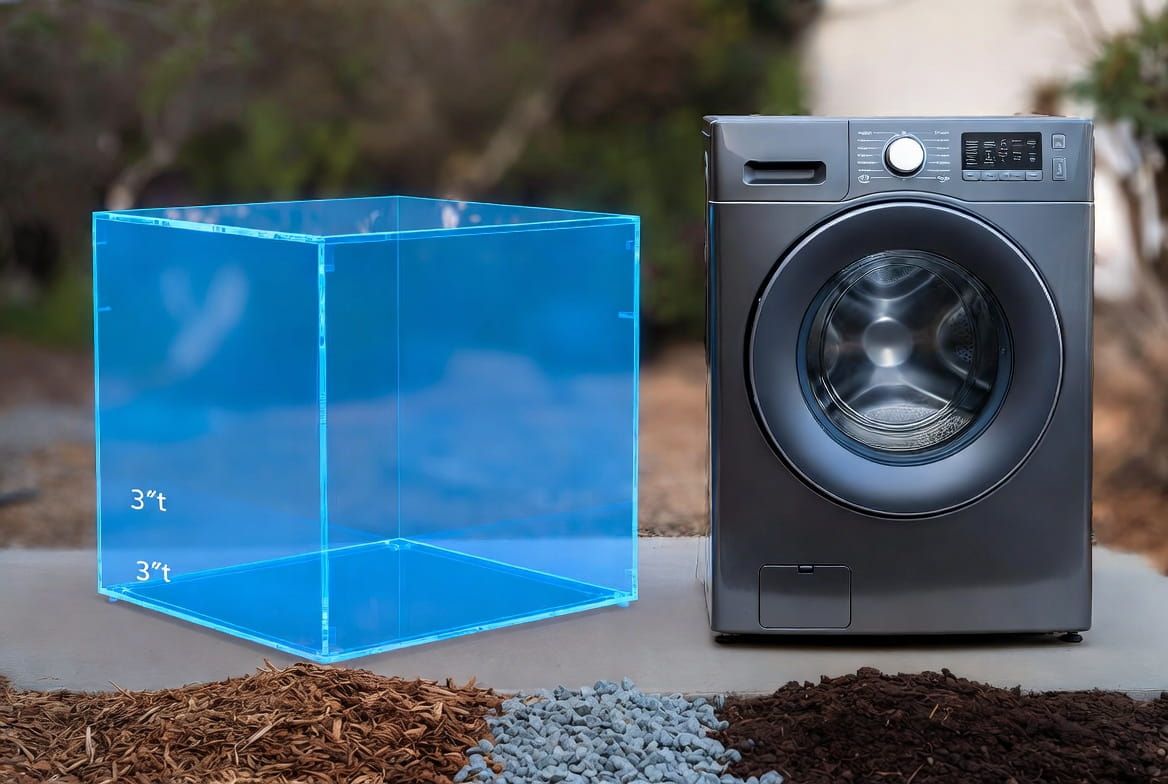
Getting rid of an old washer and dryer can feel overwhelming. These appliances are heavy, difficult to move, and not something you can simply leave at the curb in many cities. Whether your units stopped working, you upgraded to energy-efficient models, or you’re clearing out a property, knowing how to get rid of old washer and dryer the right way saves time, money, and the environment. This guide will explain safe ways to dispose of your appliances, including getting rid of washer and dryer, disposing of a washing machine, how to get rid of a dryer, and washer removal. You will learn step‑by‑step options, laws, costs, and smart choices so you can make the best decision. Why You Should Care About Proper Appliance Disposal Old washers and dryers are big, heavy, and made of metal, plastic, and parts that cannot just be thrown in the trash. When you learn how to get rid of old washer and dryer correctly, you help: Protect the environment Avoid fines from local waste rules Recycle metals and parts Make space in your home Big appliances are often regulated by law. Your city, state, or local waste management may have special rules. For example, many recycling centers will not accept washers and dryers unless they are prepared correctly. The U.S. Environmental Protection Agency explains recycling guides for home appliances. You can visit their site to see official advice on recycling large appliances Why Proper Disposal of Washers and Dryers Matters Washers and dryers are large appliances made from metal, wiring, plastic, and electronic components. Dumping them illegally can lead to serious consequences for both homeowners and the community. Environmental Damage When appliances are dumped in open areas or landfills without proper processing, harmful materials can leak into the soil and groundwater. Components such as lubricants, electronic circuit boards, and residual detergents may contaminate natural resources. Recycling prevents unnecessary landfill waste and allows valuable metals like steel, aluminum, and copper to be reused instead of mined again. Fines from Local Authorities Many cities have strict waste disposal laws. Leaving a washer or dryer on the curb without scheduling bulk pickup, or dumping it in unauthorized areas, can result in penalties or municipal fines. Some areas also require proper documentation for appliance recycling, especially for units with electronic components or gas connections. Safety Hazards Abandoned appliances can become dangerous. Sharp metal edges may cause injuries, while old dryers with gas connections can pose fire or explosion risks if not disconnected properly. In addition, unsecured appliances can tip over and cause accidents, especially around children. Space and Property Value Concerns (Old Appliance Clutter) Keeping old appliances on your property can reduce usable space and negatively affect your home’s appearance. Broken washers and dryers stored in garages, basements, or backyards create clutter and may even attract pests. For landlords and homeowners planning to sell, visible junk appliances can lower perceived property value and make the space look poorly maintained. Removing old appliances promptly keeps your home safer, cleaner, and more organized. Modern washers often include electronic control boards, and gas dryers contain components that require trained handling. Proper disposal ensures these materials are removed safely and recycled responsibly, protecting both people, property value, and the environment. Also Read: How to dispose of old appliances properly Option 1: Sell or Give It Away (If Still Working) If your appliance is still functional, selling or donating is often the easiest solution. Sell It Online You can list your washer and dryer on platforms like: Facebook Marketplace Craigslist OfferUp Be honest about the condition and mention whether the buyer must handle pickup. Donate to Charity Many charities accept working appliances, including: Habitat for Humanity The Salvation Army Goodwill Call ahead to confirm acceptance policies. Some offer free pickup, which makes this a convenient option if you’re wondering where to get rid of washer and dryer without heavy lifting. Option 2: Retailer Take-Back Programs If you’re buying new appliances, ask the retailer about haul-away services. Major retailers like: Home Depot Lowe’s Best Buy often offer removal of your old unit when delivering a new one. This is one of the simplest answers to how to get rid of a dryer or washing machine during an upgrade. Some manufacturers also offer recycling incentives for energy-efficient replacements. Option 3: Local Bulk Trash Pickup Many cities provide bulk waste collection days. How It Works: Contact your local waste management department. Schedule a pickup (fees may apply). Place the appliance at the curb on the assigned day. Before scheduling, check: Door removal requirements (for safety) Drainage of water lines Gas line disconnection (for gas dryers) This option is common for homeowners searching for how to get rid of washing machine units without hiring private services. Option 4: Appliance Recycling Centers Recycling is one of the most environmentally responsible methods. Washers and dryers contain valuable metals that can be recovered and reused. Search for: Local scrap metal recycling centers Municipal recycling facilities Certified e-waste recyclers Many scrap yards will even pay you for metal value depending on market rates. If you are serious about eco-friendly disposal, recycling is the best long-term solution when deciding how to get rid of old washer and dryer responsibly. Option 5: Hire a Professional Junk Removal Service If lifting and transportation are difficult, professional junk removal companies handle everything for you. Benefits: No heavy lifting Safe removal from basements or tight spaces Responsible recycling Same-day service in many areas This option is ideal for landlords, property managers, and homeowners doing renovations. While this is typically the most expensive option, it’s also the most convenient if you’re unsure how to get rid of washer and dryer safely. For homeowners looking for reliable help, Junk Masterz is providing residential junk removal services, including washer and dryer pickup, heavy lifting, and responsible disposal. Professional teams ensure safe removal from basements, laundry rooms, and tight spaces while prioritizing recycling whenever possible How to Prepare Your Washer and Dryer for Disposal Before removing your appliance: 1. Disconnect

How to Dispose of Paint Thinner Safely and Legally (Complete Homeowner Guide)

Paint thinner is a common tool in many households, used for thinning oil-based paints, cleaning brushes, and removing stubborn paint stains. This makes understanding how to dispose of paint thinner safely an essential part of any painting or renovation project.While it is incredibly useful, it also comes with serious risks if not handled or disposed of correctly. Many homeowners are unaware that improper disposal of paint thinner can lead to environmental contamination, health hazards, and even fire risks.  In this guide, we will walk you through safe and effective methods for disposing of used paint thinner, including how to reuse it, how to handle oil-based variants, and where to take larger quantities for legal disposal. By following these steps, you can protect your home, your community, and the environment while staying compliant with local regulations. What Is Paint Thinner and Why Is It Hazardous? Paint thinner is a petroleum-based solvent used to: Thin oil-based paints Clean brushes and rollers Remove paint spills Degrease surfaces Most paint thinners contain volatile organic compounds (VOCs). These chemicals evaporate quickly and can: Pollute air Contaminate soil and groundwater Cause health issues if inhaled Ignite easily (highly flammable) Because of these risks, paint thinner should never be poured down the drain, into the ground, or into regular trash unless fully dried and approved by local regulations. How to Dispose of Paint Thinner (Step-by-Step Guide) Here is the safest and most recommended process. Step 1: Determine If It Can Be Reused Before disposal, check if the paint thinner can be recycled at home. How to reuse paint thinner: Pour used thinner into a clear glass or metal container. Seal it tightly. Let it sit undisturbed for 24–48 hours. Paint residue will settle at the bottom. Carefully pour the clear liquid into a new container. The clear liquid can often be reused for cleaning tools again. This method is ideal when learning how to dispose of used paint thinner responsibly, since reuse reduces waste. Step 2: Dry Small Amounts Safely If you have a small leftover amount: Pour it into a metal tray lined with kitty litter or sawdust. Let it evaporate in a well-ventilated outdoor area away from flames. Once completely dry, the solid residue may be disposed of in regular trash (check local rules). Never dry paint thinner indoors. Step 3: Take It to a Household Hazardous Waste Facility For larger quantities, the safest answer to how to properly dispose of paint thinner is: Take it to your local Household Hazardous Waste (HHW) facility. Most cities operate drop-off centers several times a year. Some offer permanent facilities. These centers are equipped to: Neutralize chemicals Recycle solvents Dispose of hazardous materials safely How to Dispose of Oil Paint Thinner Oil paint thinner is more toxic than water-based alternatives. If you’re wondering how to dispose of oil paint thinner, follow these rules: Never mix it with other chemicals. Keep it in its original container if possible. Label it clearly if transferring to a new container. Store it away from heat sources. Oil-based thinners must be handled as hazardous waste in almost all regions. You May Also Read:How to Dispose of gasoline How to Dispose of Paint Thinner After Use If you need a fast summary: Let solids settle and reuse clear liquid. Dry small amounts outdoors with absorbent material. Never pour down sink, toilet, storm drain, or soil. Take larger quantities to hazardous waste collection. Store in sealed, fire-safe container until disposal. Mid-project cleanups can be overwhelming, and companies like Junk Masterz assist with sorting, transporting, and ensuring materials go to approved disposal facilities. Can You Pour Paint Thinner Down the Drain? No. Paint thinner damages: Plumbing systems Septic tanks Municipal wastewater systems It can also: Enter rivers and groundwater Kill aquatic life Release toxic fumes inside pipes Most municipalities fine residents for illegal disposal of hazardous solvents. Can Paint Thinner Go in Regular Trash? Only if: It has fully evaporated. It is completely dry. Local waste regulations allow it. Liquid paint thinner should never go in household garbage. Safe Storage Tips Before Disposal If you cannot dispose of it immediately: Store in original container. Keep tightly sealed. Place in cool, dry area. Keep away from children and pets. Avoid direct sunlight. Proper storage reduces fire risk and chemical leaks. Environmental Impact of Improper Disposal Improper disposal can: Pollute groundwater for decades Harm wildlife Increase indoor air pollution Create fire hazards in landfills Even small amounts can contaminate thousands of gallons of water. Responsible disposal protects both your household and the community. What happens if paint thinner goes down the drain? It can: Damage plumbing Contaminate groundwater Harm wastewater treatment systems Lead to fines It should never be poured into household drains. When to Call a Professional Removal Service If you have: Large quantities Garage cleanouts Commercial renovation waste Mixed hazardous materials It may be safer to contact professionals. Junk Masterz is offering affordable junk removal services that help homeowners safely remove unwanted materials, including paint-related waste. Frequently Asked Questions (FAQs) Is paint thinner considered hazardous waste? Yes. In most municipalities, paint thinner is classified as household hazardous waste due to its flammable and toxic chemical composition. How long does paint thinner take to evaporate? Small amounts may evaporate within 24–48 hours in a well-ventilated outdoor area. Larger quantities take longer and should not be left in enclosed spaces. Can you reuse paint thinner? Yes. After allowing solids to settle at the bottom of a container, the clear liquid on top can often be reused for cleaning brushes and tools. How do you neutralize paint thinner? Paint thinner cannot be chemically neutralized safely at home. The safest approach is evaporation of small quantities or disposal at a hazardous waste facility. Can I mix paint thinner with cat litter and throw it away? Yes, for small quantities. Once fully absorbed and completely dry, some municipalities allow disposal in regular trash. Always verify local regulations. How to dispose of used paint thinner from brushes? Let the thinner settle

How to Dispose of Old Appliances :Safe, Free, and Step-by-Step Guide

Replacing an old refrigerator, washer, or stove feels great — until you’re left staring at the bulky appliance sitting in your garage.How to Dispose of Old Appliances, you’re not alone. Many homeowners don’t realize that appliances can’t simply be tossed into regular trash. They often contain refrigerants, electrical components, heavy metals, and other materials that require careful handling. Taking the time to dispose of appliances correctly not only protects the environment but also supports recycling systems that recover valuable materials like steel, copper, and aluminum. Responsible disposal reduces landfill waste, conserves natural resources, and keeps hazardous materials out of soil and water. Making the right choice today contributes to a cleaner and safer community tomorrow. Why Proper Appliance Disposal Matters? Appliances are large, complex products made of various materials. Disposing of them incorrectly can cause long-term environmental harm. Cooling appliances contain refrigerants that contribute to climate change if released improperly. Many units contain metals like copper and aluminum that can and should be recycled. When these materials go to landfills, natural resources are wasted. There are also legal considerations. Federal environmental regulations require certified removal of refrigerants before scrapping refrigerators and air conditioners. EPA guidelines specify safe disposal procedures for household appliances that use refrigerants, and failure to comply with these federal requirements can lead to penalties. Many municipalities enforce strict rules for bulk waste disposal. Ignoring these rules can lead to penalties. In short, proper disposal protects the environment, conserves resources, and keeps you compliant with local laws. How to Dispose of Old Appliances?(Step-by-Step) Understanding how to dispose of old appliances properly begins with preparation. Step 1: Research Local Disposal Rules Every city has different guidelines. Some offer scheduled bulk pickup days. Others require drop-off at designated recycling facilities. Always confirm requirements before moving the appliance. Step 2: Disconnect Utilities Carefully Safety comes first. Unplug electrical appliances completely. Shut off and disconnect water lines for dishwashers and washing machines. Turn off gas lines before removing gas-powered appliances. This step prevents injury and property damage. Step 3: Handle Hazardous Materials Refrigerators and air conditioners contain refrigerants that must be removed by licensed professionals. Attempting to handle these chemicals yourself can be dangerous and illegal. Older appliances may also contain switches or components that require special disposal. Step 4: Prepare for Pickup or Drop-Off Clean out any food or debris. Secure loose wires and tape doors shut. In some cases, doors must be removed to eliminate safety risks during transport. By following these steps, you ensure the appliance is ready for responsible recycling or removal. How to Dispose of Old Appliances Safely? Safety should never be overlooked. Appliances are heavy and awkward to carry. Attempting to lift them alone can result in serious injury. Using a dolly or hiring help reduces risk. Sharp metal edges inside appliances can cause cuts. Wearing protective gloves is recommended. For cooling units, never puncture or dismantle the system yourself. Professional refrigerant removal is required to prevent environmental harm. Knowing how to dispose of old appliances safely protects both your health and the environment. If managing these options feels overwhelming, Certified Companies can help and coordinate responsible disposal for homeowners who prefer a hands-off solution. How to Dispose of Old Appliances for Free? Many homeowners don’t realize that free disposal options are available if you know where to look. Some appliance pickup services offer completely free appliance removal and responsible recycling, handling heavy lifting and disposal at no cost to you. For example, platforms like Take My Appliance can connect you with local partners who will pick up major household appliances — such as refrigerators, washers, and dryers — and recycle them responsibly with no fee. Utility companies and municipal programs often provide similar opportunities. Many communities and waste departments run free curbside or scheduled appliance pickup programs for bulky items, including old stoves and refrigerators, so you don’t have to pay to get them hauled away. Retailers frequently include free haul‑away services when you purchase a new appliance, and some private services advertise free pickup and recycling of appliances across large service areas. Donation is another free option if the appliance is still functional. Charities and resale outlets, including Habitat for Humanity ReStores and other nonprofit donation centers, often accept working refrigerators, washers, and stoves with no pickup fees, helping appliances find a new home instead of going to waste. Scrap metal recycling may even provide a small payout depending on weight and metal value. You May Also Read: How to get rid of small appliances How to Dispose of Old Household Appliances? (Room-by-Room Guide) Room / Area Appliance Disposal Method Safety / Tips Notes Kitchen Refrigerator / Freezer Certified recycling, municipal pickup Remove food, tape or remove doors, refrigerant must be handled by professionals Some utility companies offer free pickup or rebates Oven / Stove / Dishwasher Scrap metal recycling, bulk pickup Disconnect electrical, gas, and water lines Check local curbside rules Microwave E-waste recycling center Remove plug or batteries, clean interior Retailers sometimes accept for recycling Coffee Maker / Blender / Toaster E-waste recycling center Remove batteries, unplug Small appliances can also be donated if functional Laundry Washer / Dryer Scrap metal recycling or bulk pickup Disconnect water hoses and power cords, drain water Consider professional hauling if heavy Iron / Steamer E-waste recycling Remove electrical components Can be donated if functional Small Household Vacuum Cleaner E-waste recycling Empty dust bags, remove batteries Some resale stores accept working units Fan / Heater / Air Purifier E-waste recycling Disconnect power cord, clean filters Check local e-waste events Outdoor / Specialty Electric Lawn Mower E-waste or scrap metal recycling Remove batteries, drain fluids Gas-powered may require hazardous waste facility Gas Lawn Mower / Leaf Blower Hazardous waste drop-off Drain fuel, oil, and fluids Check local disposal rules Water Heater / AC Unit Certified recycling or junk removal Refrigerants or insulation are handled by professionals Professional junk removal is often recommended Pool Pump / Dehumidifier Scrap metal or e-waste recycling Drain water, unplug Small electronics

How to Clean Out a House Full of Junk Step by Step

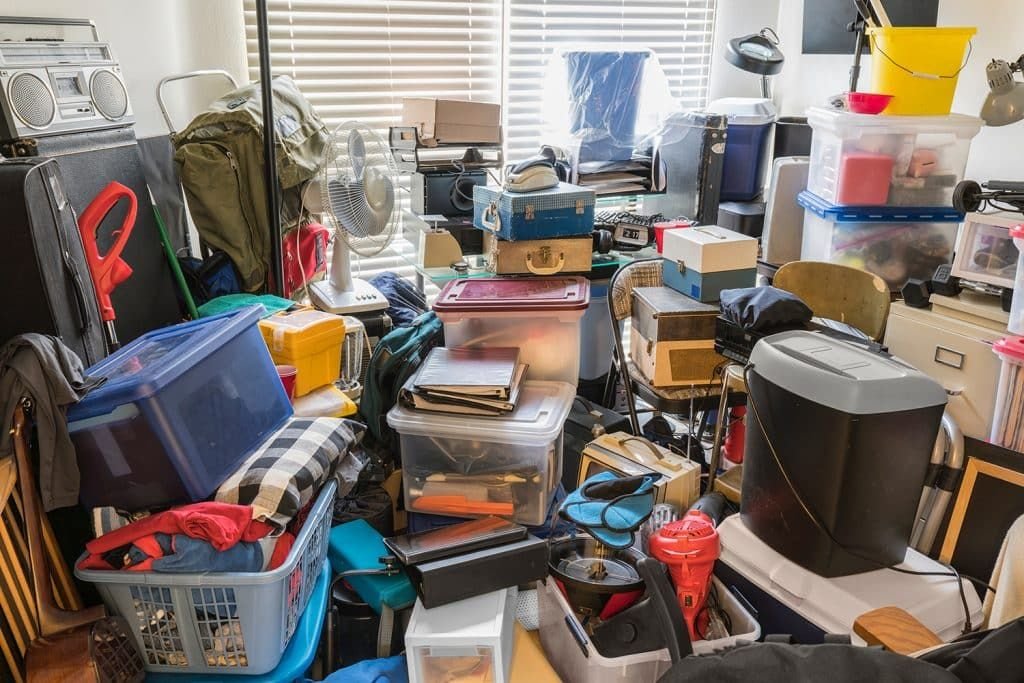
Cleaning out a house full of junk can feel heavy, stressful, and confusing, especially if clutter has built up for years. Many people face this task when moving, selling a home, handling an estate, or dealing with a major life change. Knowing where to start and how to move fast without making mistakes matters. This guide explains how to clean out a house full of junk in a clear and simple way. You will learn how to plan the work, remove trash, sort items, and handle bulky junk without wasting time or money. We also explain when help from companies that clean out houses makes sense. The goal is to help you finish the job with less stress and better results, while staying focused on what search engines and real people value today. What Does “Clean Out a House Full of Junk” Really Mean? When people talk about cleaning out a house full of junk, they are usually talking about a “whole-house” project. This is not just dusting shelves or sweeping the floor. It means going through every room, closet, and drawer to decide what stays and what goes. Sometimes, this happens because of a house cleanout sign from a landlord or a need to sell a property quickly. For some, it means clearing out a “hoarder” house where items have piled up to the ceiling. For others, it might be an estate cleanout after a loved one passes away. The goal is the same: to get the house back to a “blank slate” where you can see the floors and walls again. It involves physical work, like removing bulky household junk like old sofas or broken fridges. It also involves mental work, like deciding which old photos to keep and which broken toys to toss. How to Start: Planning Your Cleanout Before you pick up a single trash bag, you need a plan. If you just start grabbing things, you will get tired fast. To reach that top level of cleaning efficiency in your home, you must be organized. You cannot just run into a room and start throwing things. You will run out of energy before the first room is even half-done. 1. Set a Deadline If you don’t have a date in mind, the job might take months. Give yourself a weekend or a full week depending on the size of the house. If the house is very big, maybe take one room per day. A deadline keeps you moving when you want to stop. 2. Gather Supplies You will need heavy-duty trash bags. Do not buy the cheap ones, as they will rip and make a bigger mess. You also need sturdy boxes, thick markers, and strong tape. Gloves are a must-have to protect your hands from sharp edges or dirt. You might even want a few plastic bins for things you want to keep forever. 3. Find Help Don’t do this alone. It is too much for one person. Ask friends or look for companies that clean out houses. Professional teams like Junk Masterz have the tools to do the heavy lifting for you. Having a team makes the time go by faster and keeps you from getting hurt. 4. Think About Safety If a house has been full of junk for a long time, there might be dust or mold. Wear a mask so you don’t breathe in bad air. Wear boots to protect your feet. If you find old paint cans or chemicals, set them aside. You cannot just throw those in the regular trash. Step 1: Initial Trash Removal The fastest way to clean the house is to get rid of the obvious garbage first. This is what we call the “trash sweep.” Do not look at old mail, books, or photos yet. If you start reading old papers, you will stop working. Just look for things that are 100% garbage. This includes: Kitchen Waste: Old food boxes, expired cans, and empty jars. Paper Scraps: Junk mail, old flyers, and shredded paper. Damaged Items: Anything that is broken beyond repair, like a chair with three legs or a shattered vase. Actual Trash: Tissues, old wrappers, and bits of plastic. Walk through every room with a giant black trash bag. If it is dirty or broken, bag it. This “first pass” makes a huge difference. When the floor is clear of actual trash, you can see the items that actually need your attention. It creates a path for you to move around. You will feel better when you see five or ten bags of trash sitting on the curb. It shows that you are making progress. During this stage, don’t overthink. If you have to ask “Is this trash?” for more than three seconds, put it in a “maybe” pile and move on. The goal here is speed. This phase is about high-volume removal. If you have a huge amount of debris, look for removing bulky household junk services early so you don’t have piles of bags blocking your hallways. Sometimes people see a house cleanout sign and panic, but this first step of bagging the trash helps calm the mind. Step 2: Sorting Items (Keep, Donate, Sell, Recycle) Now that the trash is gone, you are left with things that might still have value. This is where most people get stuck. You need a system for sorting items: keep, donate, recycle. The best way to do this is to set up four stations in a large room, the garage, or even the driveway if the weather is nice. The “Keep” Station These are things you use every day or things that are very special to you. Be careful here. If you keep everything, the house will stay full of junk. Ask yourself: “Have I used this in the last year?” If the answer is no, you probably don’t need it. Put the “Keep” items in clear bins and move them to a safe spot. The “Donate” Station Many things are still

How to Clean Out a Storage Unit: Step-by-Step Guide

Cleaning out a storage unit can feel stressful, especially if it has been packed for months or years. Boxes pile up, items lose value, and costs keep adding up. Knowing how to clean out a storage unit the right way saves time, money, and effort. A good plan helps you stay safe, make smart choices, and avoid feeling stuck halfway through the job. This guide explains the full storage unit clean out process in simple steps. You will learn how to prepare, sort items, clean safely, and handle junk the right way. Whether you are decluttering for good or just organizing, this approach works for small units and large ones. The goal is to leave the unit clean, empty, and stress-free while making smart decisions about what stays and what goes. What You Need Before You Start Success starts with a solid plan and schedule. You cannot simply show up at the facility and hope for the best. Most people underestimate how much stuff they have. A small 5×5 unit can take three hours, while a large 10×20 unit might take two full days. Mark a weekend on your calendar. Check the weather to make sure it is not too hot or rainy, as you will be moving items outside to sort them. Your Safety First A storage facility can be a dirty place. Dust, bugs, and even mold can hide in old boxes. You need protective gear (gloves, mask). Thick work gloves protect your hands from sharp edges or rusty metal. A high-quality mask keeps you from breathing in old dust. This is the only way to ensure a safe clean self storage experience. The Tool Kit You need a specific cleaning supplies checklist to get your deposit back. Most rental contracts say you must leave the unit broom clean. A sturdy broom and dustpan: To get every bit of dirt off the concrete. Heavy-duty trash bags: Standard kitchen bags will rip. Buy the thick black contractor bags. Cleaning spray and rags: To wipe down the walls or any shelving you own. Packing supplies: Bring extra tape and markers. You might find boxes that are falling apart and need to be fixed before you transport belongings. Flashlight or headlamp: Many units have one dim bulb or no light at all. You need to see into the dark corners to make sure you didn’t leave anything behind. Moving and Hauling Think about how you will move the items. Do you have a van or a moving truck? If you are taking items to recycling centers or the dump, a small car will not be enough. You might also want to look into storage unit cleanout services if you have items that are too heavy for one person to lift. Companies like Junk Masterz specialize in this type of work. They know how to handle junk removal from storage unit spaces, so you don’t have to deal with the physical pain. Step-by-Step Process Following a set order helps you stay focused. If you just grab random boxes, you will get tired fast. Use these steps to keep moving forward without getting overwhelmed. Step 1: Take Inventory (Why it helps plan time) First, go to the unit and do an inventory of storage contents. Do not move anything yet. Just open the door and look at what you have. This is a very important part of the storage unit cleanout process. Write down a list of big items like furniture, appliances, or large plastic bins. This inventory helps you plan your time because you will see exactly how much work is waiting for you. If you see ten big boxes, you know you need at least two hours. If the unit is packed to the ceiling, you know you need a team. Taking photos of the unit is also a good idea. You can look at the photos later when you are at home to decide what might fit in your garage or spare room. Knowing what you have stops you from feeling surprised halfway through the day. Step 2: Set a Schedule Once you know what is inside, set a timeline. A small 5×5 unit can usually be done in three hours if you move fast. A 10×20 unit might take two full days of work. Pick a weekend with good weather. You want to avoid rain because you will likely be putting items on the ground outside the unit while you sort through them. Break your day into chunks. Work for two hours, then take a fifteen-minute break. This keeps your energy up. Tell the storage office when you plan to be done. This keeps you moving. If you tell them you will be out by Sunday, you are more likely to finish the job. If you find the job is too big as you get started, you can always look into storage unit cleanout services to help you finish on time. Step 3: Sort Items This is where the real work happens. You need to sort items into groups. The best way to do this is the Four-Box Method. This method keeps you from getting confused about where things go. The Four-Box Method Explained: Keep: These are the items you truly love and will use at home. Sell/Donate: These are good items that are still in working order but you no longer want. Recycle: This is for old papers, magazines, plastics, and metals that can be processed at recycling centers. Toss: This is for true junk. If it is broken, stained, moldy, or missing pieces, put it in the heavy-duty trash bags. The Sorting Setup: Imagine your unit door is the start line. Clear a space on the ground outside. Label four areas with your tape and markers. As you pull a box out, put it in one of those four areas right away. Do not let “maybe” piles happen. A “maybe” pile just means you have to do the work twice. Be firm with yourself. Step 4:

How to Dispose of Drywall

Cleaning up after a home project is often harder than the work itself. You look at the pile of white boards in your garage and wonder what to do next. You cannot just throw it in the regular trash. Most cities have strict rules about construction waste. If you are trying to figure out how to dispose of drywall, you are in the right spot. This guide explains the best ways to get rid of your mess. We will look at recycling, safety, and local laws. Whether you have a few small scraps or a whole room of old walls, you need a plan. Doing it the right way keeps you safe and avoids big fines. Let’s look at the steps to clear your space and finish your job. Is Your Drywall Safe to Remove? Before you begin removing drywall, it’s essential to ensure it’s safe. Not all drywall is created equal, and some older boards may contain hazardous materials. Here’s what to check before you start: Check for Hazardous Materials Some drywall in homes built before the 1980s may contain asbestos. Disturbing asbestos can release dangerous fibers into the air, posing serious health risks. If you suspect your drywall may contain asbestos, it’s best to hire a professional to handle removal. Beware of Dust and Gas Drywall dust is not just messy; it can irritate your eyes, skin, and lungs. In rare cases, old or wet drywall can release hydrogen sulfide gas. This makes wearing a dust mask and eye protection essential. Long sleeves and gloves are also recommended. Turn Off Utilities Before removing drywall, turn off electricity in the area. Cutting into drywall without checking for hidden wires can be dangerous. Similarly, be aware of plumbing behind walls to prevent accidental damage. Decide DIY vs. Professional Help Small projects may be handled safely at home, but larger demolition or renovation projects benefit from professional services. Junk Masterz specializes in safe drywall removal, helping you avoid injuries and ensuring your drywall is disposed of correctly. Taking these precautions first can prevent accidents and make your drywall disposal process smoother. How to prepare drywall for disposal Getting your waste ready is the most important step. If you just throw everything in a pile, it will be much harder to move later. Proper drywall prep for disposal also helps you save money at the dump. Removing Metal and Hardware Drywall is usually held up by nails or screws. Before you take it to a recycling center, you should pull all of those out. Use a hammer or a pry bar. Also, look for metal corner beads. These are the long metal strips on the corners of walls. Recycling centers want clean gypsum. If there is too much metal, they might treat it like regular trash, which costs more. Sorting by Type and Condition Not all drywall is the same. You should make three different piles: Clean Scraps: These are brand-new pieces that have never been painted. These are the best for recycling. Painted Pieces: These are old pieces from your walls. They are harder to recycle but still okay for some landfills. Wet or Moldy Pieces: These must be kept separate. They are heavy and can contaminate other materials. Cutting and Bagging If you are taking the waste to the dump yourself, you need to make it easy to carry. Large sheets of drywall are hard to handle. Use a utility knife to cut them into squares that fit into contractor bags. Do not use thin kitchen bags. They will rip and leave a mess on your floor. For drywall mud disposal, make sure the mud is totally dry. If you have half-full buckets of wet mud, leave the lids off for a few days until they turn into solid blocks. Step‑by‑Step Disposal Methods There are many drywall disposal methods to choose from. Your choice depends on your budget and how much time you have. Using a Roll-Off Dumpster This is the most common way for big jobs. A company drops a big metal box in your driveway. You fill it up over a week or two. This is perfect for construction waste disposal. Just be careful not to overfill it. Drywall is very heavy, and dumpsters have weight limits. If the box is too heavy, the truck might not be able to pick it up. Read More: How Much to Rent a Dumpster? Hire Professional Junk Removal If you don’t want to spend your weekend carrying heavy bags, a pro service is best. The junk removal guy will come into your home or garage. They pick up the heavy pieces and load them into their own truck. This is a fast way to get your space back. You don’t have to worry about driving to the dump or getting your own truck dirty. You can Contact Us to find out how much it would cost for your specific pile of debris. Local Curbside Pickup Some towns have a “bulk waste” day once a month. You can put large items on the curb. However, you must check your local disposal regulations first. Many cities will take a sofa but will not take bags of sheetrock. If you put it out without checking, it might sit there and get wet, making it even harder to move later. Donation If you bought too much and have full sheets left over, do not throw them away. You can donate drywall to groups that build low-cost housing. As long as the sheets are clean and not broken, they are very useful. This is the best way to help someone else while cleaning up your own home. Landfill Disposal As a last resort, drywall can be taken to a landfill. Keep in mind that many areas have drywall landfill restrictions to prevent environmental hazards like hydrogen sulfide gas. Contact your local landfill to understand any limits or special procedures. By evaluating these options, you can choose the method that balances cost, convenience, and environmental impact. Can

Color Palette