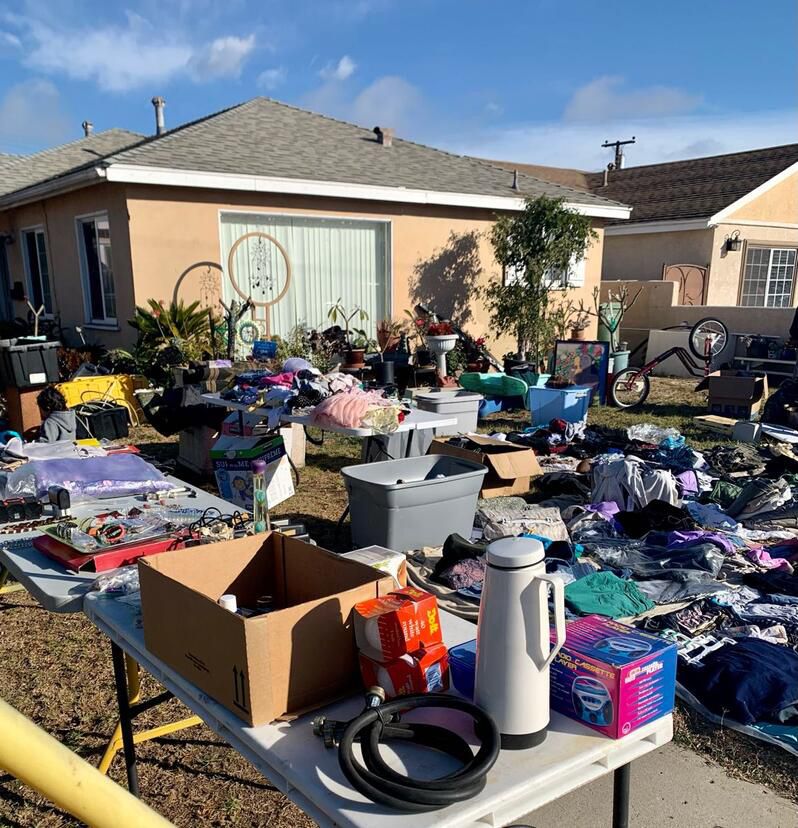
Every home produces waste every day. From food scraps and plastic bottles to old furniture and broken appliances, household waste is a normal part of daily life. However, knowing what household waste is and how to manage it properly can help keep your home cleaner and protect the environment.
Many people throw everything into one trash bin without realizing that some items can be recycled, composted, donated, or require special disposal. Proper waste management reduces landfill waste, conserves natural resources, and helps create healthier communities.
In this guide, you’ll learn what is household waste, what is considered household waste, the different types of waste found in homes, and the safest ways to dispose of them. You’ll also discover practical tips on reducing household waste and making environmentally responsible choices.
What Is Household Waste?
Household waste is any unwanted material generated from everyday activities inside or around a home. It includes items that people no longer need or cannot use, such as food scraps, packaging, paper products, broken household items, and yard debris.
In simple terms, household waste is the trash and recyclable materials produced by families during their daily lives. Unlike commercial or industrial waste, household waste comes from residential properties rather than businesses or factories. It can include both non-hazardous and hazardous materials, depending on the type of item being discarded. To learn more about hazardous household waste and why it requires special handling, visit Wikipedia’s guide on Household Hazardous Waste.
What Is Considered Household Waste?
Many different materials fall under the category of household waste. Common examples include:
- Food scraps and kitchen waste
- Plastic bottles and containers
- Cardboard boxes
- Newspapers and magazines
- Glass bottles and jars
- Aluminum and steel cans
- Old clothing and shoes
- Broken toys
- Small household appliances
- Furniture
- Yard waste such as leaves, grass, and branches
Some of these materials can be recycled or composted, while others belong in regular trash. Understanding the difference helps reduce waste sent to landfills and supports better recycling efforts.
Types of Household Waste
Not all household waste is the same. Sorting waste into different categories makes disposal easier and improves recycling rates.
Organic Waste
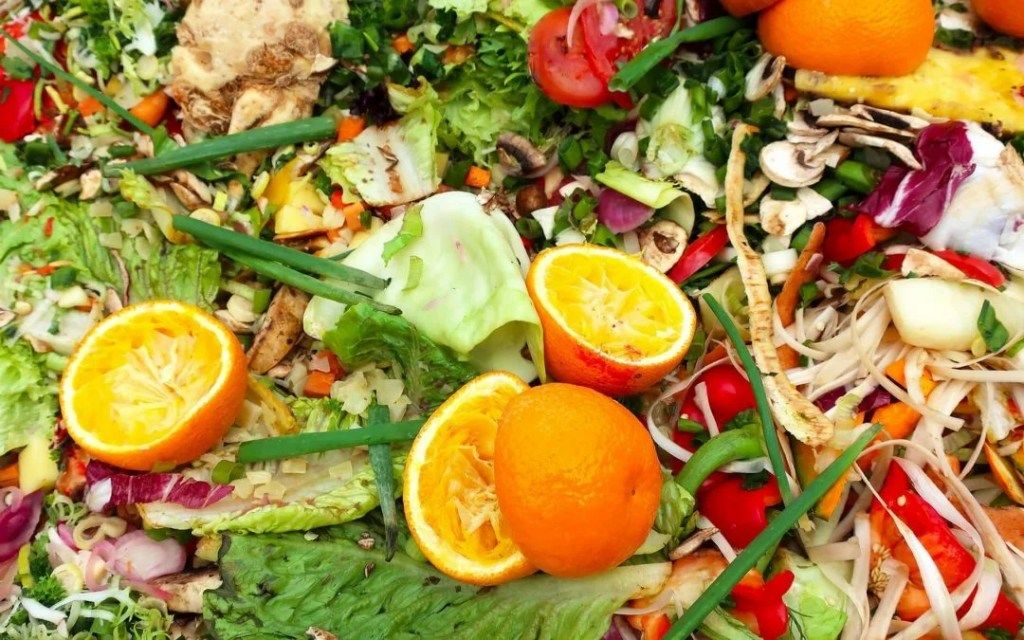
Organic waste includes natural materials that break down over time. These items are biodegradable and can often be composted instead of being thrown away.
Common examples include:
- Fruit and vegetable peels
- Leftover food
- Coffee grounds
- Tea bags
- Eggshells
- Grass clippings
- Leaves and small branches
Composting organic waste creates nutrient-rich compost that can improve garden soil while reducing the amount of waste sent to landfills.
Recyclable Waste
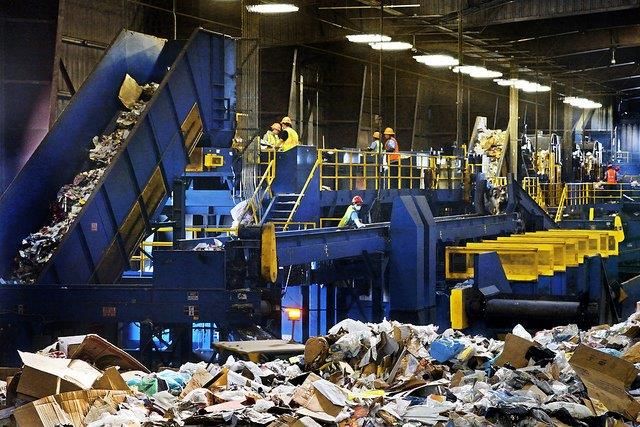
Many everyday household items can be recycled and turned into new products.
Examples include:
- Paper
- Cardboard
- Plastic bottles
- Glass containers
- Aluminum cans
- Steel food cans
Before recycling, rinse containers and follow your local recycling guidelines to avoid contamination.
General Household Waste
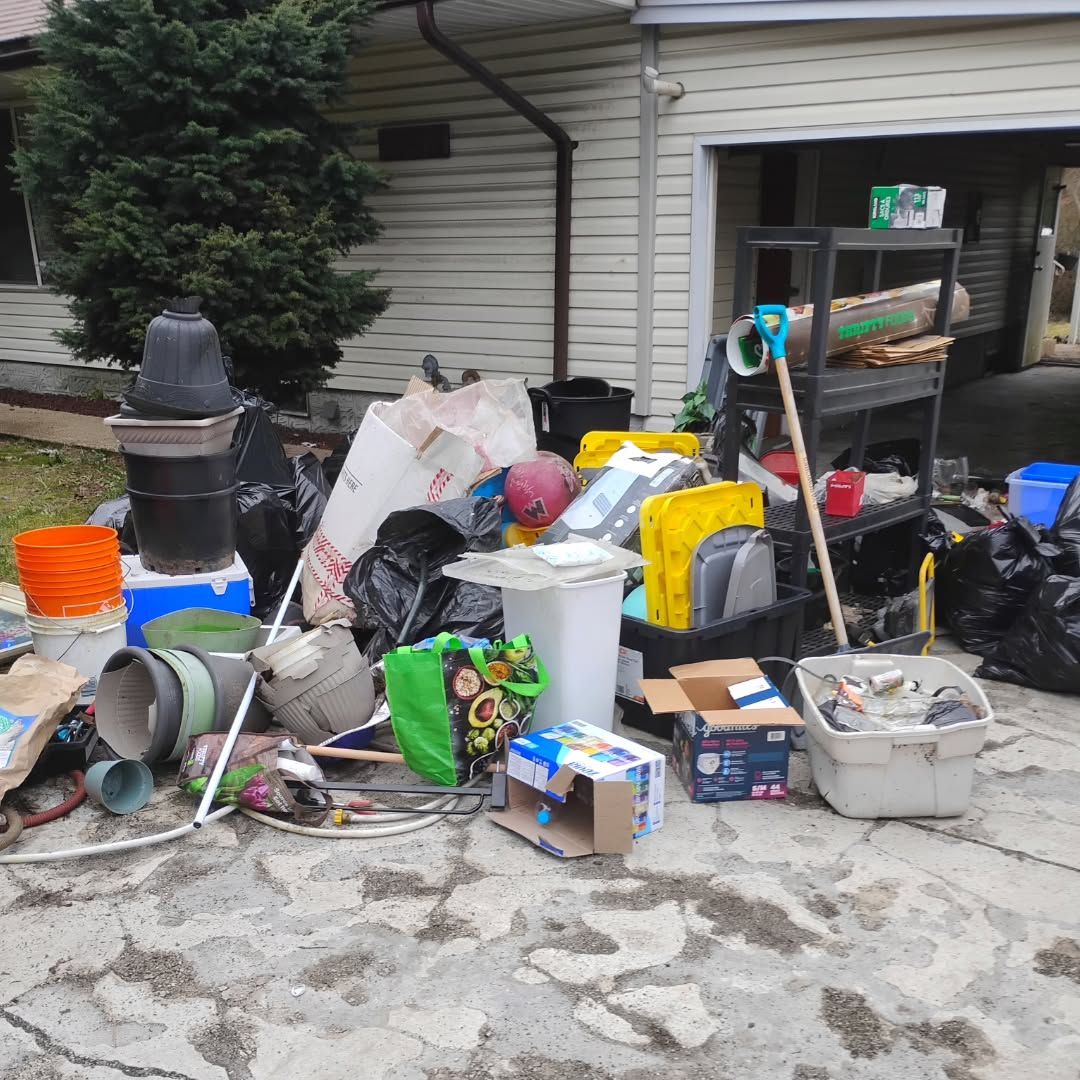
General waste includes items that usually cannot be recycled through standard curbside recycling programs.
Examples include:
- Used tissues
- Disposable diapers
- Pet waste
- Vacuum cleaner dust
- Broken ceramics
- Greasy food packaging
These materials typically go into your regular household trash.
Bulky Household Waste
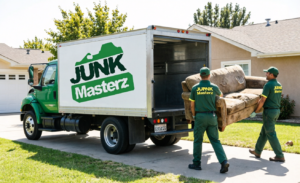
Bulky household waste includes large or heavy items that are too big to fit inside regular trash bins. Because of their size and weight, these items often require special collection services, recycling programs, or professional residential junk removal for safe and proper disposal.
Common examples include:
- Mattresses: Old or damaged mattresses that are no longer comfortable or usable, and how to get rid of old mattresses.
- Sofas: Worn-out couches, sectionals, and recliners that are too large for regular curbside collection.
- Dining Tables: Wooden, glass, or metal tables that are broken, outdated, or no longer needed.
- Cabinets: Kitchen, bathroom, or storage cabinets removed during home renovations.
- Refrigerators: Large appliances that require proper recycling because they may contain refrigerants.
- Washing Machines: Old or non-working washers that should be recycled as scrap metal and electronic waste.
- Bed Frames: Metal or wooden bed frames that are damaged or replaced during bedroom upgrades.
- Large Televisions: Older flat-screen or projection TVs that should be taken to an approved electronics recycling facility.
Many municipalities schedule bulky item pickups, while professional junk removal companies can safely haul away oversized household items.
What Is Considered Hazardous Household Waste?
Some household products contain chemicals that can harm people, animals, and the environment if disposed of improperly. These materials are known as hazardous household waste.
Common examples include:
- Paint and paint thinners
- Motor oil
- Car batteries
- Household cleaners
- Pesticides
- Herbicides
- Fluorescent light bulbs
- Aerosol cans
- Pool chemicals
- Solvents
These products should never be poured down drains, burned, or thrown into regular household trash unless local regulations specifically allow it.
Instead, take hazardous household waste to an approved collection facility or participate in community hazardous waste collection events. Proper disposal helps prevent soil contamination, protects water supplies, and reduces health risks for sanitation workers and the public.
Learning to recognize hazardous household waste is one of the most important steps in responsible waste management. Separating these materials from everyday trash protects both your family and the environment while ensuring dangerous chemicals are handled safely.
What Is the Proper Way to Dispose of Household Waste?
Proper waste disposal starts with sorting your household waste into the correct categories. This simple habit makes recycling easier, reduces landfill waste, and helps protect the environment.
Separate Your Waste
Use separate bins for different types of waste whenever possible.
- Recyclable materials such as paper, plastic, glass, and metal
- Organic waste for composting
- General household trash
- Hazardous household waste
Keeping these materials separate helps ensure recyclable items are processed correctly instead of ending up in landfills.
Recycle Whenever Possible
Recycling gives used materials a second life and reduces the need for new raw materials. Many communities offer curbside recycling programs that accept common household items such as paper, cardboard, plastic containers, aluminum cans, and glass bottles.
Always rinse food containers before placing them in the recycling bin, and check your local recycling guidelines for accepted materials.
Compost Food and Yard Waste
Food scraps and yard debris can often be composted instead of thrown away. Composting turns organic waste into nutrient-rich soil that can be used in gardens and landscaping.
Materials suitable for composting include:
- Fruit and vegetable scraps
- Coffee grounds
- Tea bags
- Eggshells
- Leaves
- Grass clippings
Composting not only reduces landfill waste but also improves soil health naturally.
Dispose of Hazardous Waste Safely
Items such as batteries, paint, pesticides, motor oil, and household chemicals should never be placed in regular trash bins. Instead, take them to a local hazardous household waste collection facility or community collection event.
Proper disposal prevents harmful chemicals from contaminating soil and water.
Use Professional Junk Removal for Large Items
Bulky household items like furniture, mattresses, appliances, and renovation debris often require special handling. Professional junk removal services can safely collect, recycle, donate, or properly dispose of these items, saving you time and effort.
What to Do with Household Waste
Not everything needs to be thrown away. Many household items can still serve a purpose.
Donate Usable Items
If furniture, clothing, or household goods are still in good condition, consider donating them to local charities, shelters, or nonprofit organizations. Donation extends the life of usable items and helps people in need.
Recycle Reusable Materials
Paper, cardboard, plastics, glass, and metals can often be recycled into new products. Recycling conserves natural resources and reduces energy consumption.
Reuse Everyday Items
Many household items can be reused instead of discarded.
Examples include:
- Glass jars for storage
- Plastic containers for organizing supplies
- Cardboard boxes for moving or storage
- Old towels as cleaning rags
Reusing products reduces unnecessary waste and saves money.
Sell Valuable Items
Furniture, appliances, electronics, and home décor that are still functional can often be sold through local marketplaces or online platforms instead of being discarded.
How Can We Reduce Household Waste?
Reducing household waste starts with small daily habits that make a big difference over time.
Here are some practical ways to reduce waste:
- Buy reusable shopping bags and water bottles.
- Avoid single-use plastics whenever possible.
- Plan meals to reduce food waste.
- Repair broken items instead of replacing them.
- Donate items you no longer use.
- Choose products with minimal packaging.
- Compost food scraps and yard waste.
- Buy only what you truly need.
- Recycle correctly according to local guidelines.
These simple changes can reduce the amount of waste your household produces while saving money and conserving natural resources.
What Is the Best Way to Get Rid of Household Waste?
There is no single solution for every type of household waste. The best disposal method depends on the material.
- Recycle paper, plastic, glass, and metal whenever possible.
- Compost food scraps and yard waste.
- Donate furniture, clothing, and household goods that are still usable.
- Use hazardous waste collection programs for chemicals, batteries, and paint.
- Hire a professional junk removal service for bulky items and large cleanouts.
Choosing the right disposal method helps protect the environment and keeps reusable materials out of landfills.
Common Household Waste Disposal Mistakes
Many people unknowingly make mistakes that reduce recycling efficiency and harm the environment.
Avoid these common errors:
- Mixing recyclable materials with regular trash
- Throwing batteries into household garbage
- Pouring paint, oil, or chemicals down drains
- Recycling dirty food containers
- Placing non-recyclable items in recycling bins
- Ignoring local recycling rules
Learning proper disposal practices makes waste management safer and more effective.
Conclusion
Understanding what is household waste is the first step toward responsible waste management. From food scraps and recyclable materials to hazardous chemicals and bulky furniture, every type of waste requires the right disposal method.
By recycling, composting, donating usable items, and safely disposing of hazardous materials, you can reduce landfill waste and help protect the environment. Small changes in your daily routine can make a lasting impact on your community and future generations.
Whether you’re cleaning out your home or simply looking for better waste management habits, making informed choices today creates a cleaner and healthier tomorrow.
Frequently Asked Questions
What is household waste?
Household waste is any unwanted material produced from daily activities in and around a home. It includes food scraps, paper, plastic, glass, metal, clothing, furniture, and other everyday household items.
What is considered household waste?
Household waste includes kitchen waste, recyclable materials, yard debris, old furniture, broken appliances, clothing, paper products, packaging, and general household trash generated by residential properties.
What is considered hazardous household waste?
Hazardous household waste includes products that contain harmful chemicals, such as batteries, paint, pesticides, motor oil, fluorescent bulbs, aerosol cans, and household cleaners. These items require special disposal.
What is the proper way to dispose of household waste?
Separate waste into recyclable, compostable, general, and hazardous categories. Recycle accepted materials, compost organic waste, donate reusable items, and take hazardous waste to approved collection facilities.
How can we reduce household waste?
You can reduce household waste by recycling, composting food scraps, using reusable products, repairing damaged items, donating unwanted belongings, avoiding single-use plastics, and buying only what you need.
What is the best way to get rid of household waste?
The best method depends on the type of waste. Recycle recyclable materials, compost organic waste, donate usable items, safely dispose of hazardous products, and use professional junk removal services for large or bulky items.