
Archive for David Harlan

How to Dispose of Glass: Step-by-Step Guide for Broken & Recyclable Glass

Glass is a material most households rely on every day. From food storage jars and beverage bottles to mirrors and windows, it plays an essential role in daily life. Many people are unsure how to dispose of glass properly. However, once it becomes damaged, broken, or no longer needed, it can quickly turn into a safety hazard if not handled correctly. Many people are unsure how to dispose of glass properly. Some assume all glass can be recycled, while others simply throw it in the trash without considering the risks. In reality, knowing the best way to dispose of glass depends on the type of glass and its condition. Improper disposal can lead to serious issues. Broken glass can cause injuries, especially if it is not packaged correctly. At the same time, placing the wrong type of glass in recycling bins can contaminate entire batches, making them unusable. This is why learning how to properly dispose of glass is essential for both safety and environmental responsibility. Why Proper Glass Disposal Matters Proper glass disposal is essential for both safety and environmental protection. Safety Considerations Broken or loosely discarded glass can: Cause serious cuts and injuries Put sanitation workers at risk Harm pets and wildlife Environmental Impact Glass does not biodegrade, which means it can remain in landfills for thousands of years without breaking down. When recyclable glass is thrown away instead of being processed properly, valuable raw materials are lost, and more energy is required to produce new glass. Recycling glass is an essential way to reduce this impact. It conserves natural resources, lowers energy consumption, and reduces greenhouse gas emissions. According to the Glass Packaging Institute, recycling glass significantly reduces the need for raw materials and supports a more sustainable production cycle. Types of Glass and Their Disposal Methods Not all glass can be treated the same way. Identifying the type of glass is the first step in proper disposal.  Recyclable Glass (Container Glass) The following items are typically accepted in recycling programs: Beverage bottles (soda, wine, beer) Food jars (sauces, pickles, jams) Condiment containers These are made from soda-lime glass, which can be recycled repeatedly without losing quality. Recyclable Glass (Container Glass) Certain types of glass can be safely recycled and reused, reducing waste and conserving natural resources. Common recyclable glass includes: Beverage bottles (soda, wine, beer) Food jars (sauces, pickles, jams) Condiment containers These items are typically made from soda-lime glass, which can be recycled repeatedly without losing quality. Proper recycling of glass conserves raw materials such as sand, soda ash, and limestone, while also reducing greenhouse gas emissions. To ensure that recyclable glass is processed correctly, follow your local recycling program’s guidelines. Steps such as rinsing containers, removing lids, and keeping glass intact improve recycling efficiency and safety. For additional guidance on recycling glass and other materials, the U.S. Environmental Protection Agency (EPA) provides comprehensive recommendations. Properly identifying and recycling container glass helps prevent contamination, supports sustainable practices, and ensures that glass waste is reused effectively rather than ending up in landfills. Best Way to Dispose of Glass Bottles and Jars Recycling is the best way to dispose of glass when it is clean and intact. Follow these steps to ensure proper processing. Step 1: Empty and Rinse Remove any remaining food or liquid. A quick rinse is sufficient to prevent contamination. Step 2: Remove Lids and Caps Separate metal and plastic components. These may be recyclable through different processes. Step 3: Keep Glass Intact Avoid breaking bottles or jars. Intact items are safer to handle and easier to process at recycling facilities. Step 4: Sort by Color (If Required) Some programs require separation into clear, green, and brown glass. Step 5: Place in Recycling Bin Follow local guidelines for placement and collection. Proper recycling ensures that glass is reused efficiently and does not end up in landfills unnecessarily. How to Dispose of Glass? Handling broken glass requires extra care. Simply placing it in a trash bag can create serious hazards. Step 1: Wear Protective Gear Use thick gloves and closed footwear to prevent injuries. Step 2: Collect the Glass Carefully Use a broom and dustpan to gather larger pieces. For smaller shards, use a damp paper towel or cloth. Step 3: Use a Strong Container Place the glass in a rigid container such as: A cardboard box A durable plastic container Avoid using thin plastic bags, as they can tear easily. Step 4: Seal and Label the Container Clearly mark the package as “Broken Glass.” This alerts waste handlers to the contents. Step 5: Dispose of General Waste Most curbside recycling programs do not accept broken glass because loose shards can injure workers and contaminate other recyclables. Always check your local regulations before attempting to place broken glass in your recycling bin. To safely handle broken glass at home, follow best practices: wear thick gloves, collect shards carefully with a broom or dustpan, and place them in a rigid container with multiple layers of wrapping. Clearly label the container as “Broken Glass” to alert anyone handling it. For homeowners or businesses dealing with larger amounts of glass, mirrors, or other non-recyclable items, the best way to get rid of junk removal is to hire professional services. These experts ensure that glass and other waste are collected, transported, and disposed of safely, reducing the risk of injury and making the process much more efficient. Professional junk removal services can also handle bulk pickups, renovation debris, and specialty items that are otherwise difficult to dispose of, giving you peace of mind and saving time.. What to Do With Broken Glass at Home Many home unsure what to do with broken glass after cleaning it up. The safest approach includes: Wrapping the glass in multiple layers Using a rigid container Labeling it clearly before disposal If your local recycling center accepts broken glass, you may take it to a designated drop-off location. If recycling is not available, place it in the trash following safety precautions.  How Do

How to Dispose of Dishwasher: Complete Guide for Homeowners

If you’re asking how to dispose of dishwasher safely and responsibly, you’re in the right place. A dishwasher isn’t something you toss by the curb with the rest of your garbage. It’s large, it often contains recyclable metal and wiring, and in many places you can’t just leave it at the dump without following specific rules. In this guide, we’ll walk you through the best ways to get rid of an old dishwasher, including DIY options, recycling, donation, and what not to do. I’m keeping this clear, accurate, and user‑focused with real guidance based on reputable disposal practices. Why Proper Dishwasher Disposal Matters A dishwasher can weigh anywhere from about 50 to 125 pounds or more, depending on size and model. That’s not light furniture you chuck into the trash. Many parts inside are metal, plastic, and wiring that can be reused or recycled instead of rotting in a landfill or ending up somewhere it shouldn’t. Simply throwing a big appliance in the regular trash is often against local rules and might get you fined. Always check your local waste department guidelines before deciding where to take it. Dishwashers also pose a safety risk if left around. Even a discarded machine with a closed door can trap a child or animal, so safe disposal reduces hazards around your home. Step-by-Step DIY Disposal Options Here’s a practical approach to handling your old dishwasher without panicking. These options vary in effort and cost, so you can pick what works best for you. 1. Bulk or Municipal Pickup Many towns and cities operate bulky waste collection services for large appliances like dishwashers. These programs often require you to schedule a pickup or place the dishwasher at a designated spot on a specific day. Some are free, while others charge a small fee. Before you put it out, check your local sanitation department’s rules so you’re not risking a fine for leaving it out early or without a tag. 2. Recycling Centers Dishwashers contain lots of reusable materials, so recycling is one of the best options if the machine isn’t suitable for donation. You can drop it off at a local recycling facility or appliance recycling program that accepts large appliances. These centers break down the appliance and recover metals, plastics, and electronics for reuse. Most recycling programs handle dishwashers and similar appliances.  3. Retailer or Haul‑Away Service If you’re replacing your dishwasher with a new one, ask the seller if they offer removal of the old unit. Many appliance stores and big box retailers will haul away your old dishwasher when they deliver the replacement. Some charge a small fee, but others include it for free with your purchase. 4. Scrap Metal Yards Even if the dishwasher doesn’t work, you may still get some value out of it. Dishwashers contain stainless steel, copper wiring, aluminum, and other metals that scrap yards will accept. Prices vary based on metal markets and your location, but many yards will take them and responsibly recycle the materials. Before you haul it in, give the scrap yard a call to confirm they accept dishwashers and ask about any preparation steps you need to take. Donation & Recycling Hubs If your dishwasher still works or only needs minor repairs, you might donate it instead of scrapping it. That way, someone else can use it, and you keep usable appliances out of landfills. Places to consider: Local charities and thrift stores that accept appliances Habitat for Humanity ReStore or similar organizations Community groups or online platforms where neighbors trade or pick up free items If a charity agrees to take it, some will even arrange pickup for you, which saves you the hassle of transport. Always check with them first so you don’t show up with a dishwasher they can’t accept. Common Mistakes to Avoid There are a few things you don’t want to do when getting rid of your dishwasher. Here’s a quick look at what to skip: Leaving it at the curb without permission Many cities prohibit leaving large appliances out on trash day without scheduling a bulky item pickup. You could face a fine if you do it without checking local rules. Dumping it in a regular landfill Because dishwashers contain metals and potentially hazardous parts, they should be recycled or handled by proper waste systems. In many places, major appliances are not allowed in standard landfills at all. Assuming curbside trash collection will take it Regular waste trucks are not usually equipped to handle big appliances. Unless your city specifically offers that service, you’ll need to schedule it or take it to a recycling or disposal facility. Trying to pull out valuable metals yourself without expertise Breaking down electronics and appliances for parts can expose you to sharp edges, wiring hazards, and other risks. If you want to scrap parts, do it with caution or let the recycling professionals handle it. Conclusion Getting rid of a dishwasher doesn’t have to be confusing. Think of your options this way: if the dishwasher still works, donate or sell it. If it’s not worth giving away, recycle it or arrange a pickup through Junk Masterz. Always follow local rules so you stay compliant and environmentally responsible. Schedule Your Dishwasher Pickup Today! Let our Fresno Junk Removal team handle the heavy lifting and eco-friendly disposal for you. Contact us now to book your service! Frequently Asked Questions Can you scrap a dishwasher? Yes. Most scrap metal yards will accept dishwashers because they contain metals like stainless steel, copper, and aluminum. Call ahead to confirm acceptance and any preparation steps.  What to do with an old dishwasher that still works? If it still runs, you can donate it, sell it, or give it away. Many charities and community groups accept working appliances, and online marketplaces make selling easy. Where to dump old dishwasher legally? Legally dumping an old dishwasher means either scheduling a bulky waste pickup with your local sanitation service, dropping it off at a recycling center, or taking

How to Dispose of Tires: Safe, Legal & Eco-Friendly Methods

Old tires can quickly become a major headache if not managed properly. Many homeowners and businesses are left wondering how to dispose of tires. Once they wear out or become damaged. Unlike regular household trash, tires are bulky, non-biodegradable, and can cause serious environmental hazards if disposed of incorrectly. Improper disposal not only harms the environment but can also lead to hefty fines in many regions. Whether you’re a driver replacing worn-out tires, a small business managing fleet maintenance, or someone simply decluttering your garage, this guide will help answer all your questions. By the end, you’ll know exactly where you can get rid of tires, the costs involved, and how to ensure your tire disposal is safe, legal, and eco-conscious. This guide will show you how to dispose of tires responsibly, exploring all your options—from local recycling centers to professional disposal services. We’ll break down costs, legal considerations, step-by-step instructions, and even innovative ways to repurpose your old tires. By following these guidelines, you can protect the environment, avoid fines, and give your tires a second life in some cases.  Why You Can’t Throw Tires in Regular Trash Disposing of tires in regular trash is not allowed for several important environmental and safety reasons: 1. Tires Are Not BiodegradableTires are made from durable rubber and synthetic materials that do not break down naturally. They can remain in landfills for decades without decomposing, taking up valuable space. 2. Landfill & Fire HazardsTires trap air, which makes them bulky and unstable in landfills. This can cause them to rise to the surface and damage landfill structures. Additionally, tire piles are highly flammable and can create long-lasting fires that are difficult to extinguish. 3. Toxic Leaks & PestsWhen left in the environment, tires can collect water, becoming breeding grounds for mosquitoes and other pests. Over time, they can also release harmful chemicals into soil and water, polluting ecosystems. 4. Harmful to the EnvironmentBurning or improper disposal of tires releases toxic gases that contribute to air pollution and climate change. This harms wildlife, plants, and overall environmental health. Instead, focus on recycling, affordable Junk Removal, or creative repurposing.  Legal Rules & Tire Disposal Laws Each state has unique tire disposal laws. Generally, you’ll encounter: Tire recycling programs: Many states require tire retailers to accept old tires when you purchase new ones. Bulk collection days: Municipalities may organize annual or quarterly tire drop-off events. Landfill restrictions: Most landfills will not accept tires without prior arrangements. Always check your local Department of Environmental Protection or public works website for approved tire disposal sites.  5 Practical Ways to Dispose of Tires  1. Auto Shop Tire Take-Back Programs Many auto shops and tire retailers offer take-back programs: Drop off old tires when buying new ones. Pay a small fee per tire if not purchasing new tires. Benefits: environmentally responsible and hassle-free.  2. Municipal Waste & Recycling Centers Local recycling centers accept tires for proper processing: They shred or recycle tires into playground surfaces, asphalt, or fuel. Search online for “where to dispose of tires near me” to find approved locations. Fees vary; some centers accept tires for free during special collection events.  3. Community Tire Collection Events Cities often host community cleanups: Bring old tires to designated drop-off points. Avoid illegal dumping, which can lead to fines. Check your local municipality’s calendar for upcoming events.  4. Professional Junk Removal Services Junk removal companies make disposing of tires easy: Schedule a pickup from your home or business. Prices usually depend on quantity and tire size. Some services ensure recycling or repurposing after pickup.  5. Creative Ways to Repurpose Old Tires If your tires are still in usable condition: DIY garden planters or raised beds. Swing sets or playground structures. Rubber mulch for landscaping or sports tracks. Art or furniture projects. Repurposing tires reduces waste and gives your old tires a second life. How to Dispose of Tires? Step-by-Step Guide Check local rules: Search “where to dispose of tires” in your city or check municipal websites. Choose your method: Decide between recycling, junk removal, or repurposing. Prepare tires: Remove rims and clean dirt for accepted recycling. Transport or schedule pickup: Use a car, truck, or service provider. Confirm proper disposal: Ensure your tires are sent to authorized recycling or repurposing facilities. Also Read: Is it easy to hire junk removal services? Cost Comparison of Tire Disposal Options Disposal Method Average Cost Notes Auto shop take-back $2–$10/tire Fee varies by shop; often free with purchase of new tires Municipal recycling center Free–$5/tire Depends on the city; check collection schedules Junk removal services $10–$25/tire Convenient, may include pickup and eco-friendly disposal Repurposing DIY projects $0 Only labor and materials cost, no disposal fees Conlusion Properly managing old tires is essential for protecting the environment, avoiding legal penalties, and keeping your property safe. Whether you choose a local recycling center, a professional junk removal service, or a creative DIY repurposing project, knowing how to dispose of tires correctly makes the process simple and stress-free. Remember, what to do with old tires isn’t just a matter of convenience—it’s about making responsible choices. Instead of risking fines or contributing to environmental hazards by throwing tires in regular trash, explore safe options like community collection events, tire take-back programs, or professional disposal services. These methods ensure your tires are processed safely, recycled where possible, and even given a second life through innovative repurposing. By following the steps outlined in this guide, you’ll know exactly where to dispose of tires, the costs involved, and how to select the most convenient and eco-friendly option. Taking action today not only clears your space but also helps reduce waste and supports sustainable tire management practices. Finally, whether you’re a homeowner, a small business, or just looking to declutter, proper tire disposal is straightforward when you have the right information. Use this guide as your go-to resource for disposing of tires safely, legally, and responsibly, and make sure every tire you remove leaves a positive impact on the environment. FAQS Q1: Can

How to Dispose of Old Laptop: A Clear, Friendly Guide

We’ve all been there. You have that one drawer or “shelf of shame” where old technology goes to die. It’s usually occupied by a laptop from 2014 that weighs as much as a small car and takes twenty minutes to open a single Chrome tab. You want it gone, but you’re stuck. You’re worried about your bank passwords, your old photos, or just the guilt of tossing a battery into a landfill. If you’ve been wondering how to get rid of a laptop without causing a data breach or an environmental disaster, you’re in the right place. Throwing electronics in the bin isn’t just bad for the planet in many places, it’s actually illegal. Let’s walk through the right way to handle your old tech, from wiping the drive to finding a local spot to dispose of laptop computer hardware safely. Why Proper Disposal Matters You might be tempted to simply chuck an obsolete laptop into your regular trash bin. But stopping there misses the bigger picture. Personal Data at Risk Laptops hold personal information: login credentials, tax files, bank details. Just deleting files or dragging them to the trash doesn’t remove them permanently. Tools exist that can recover deleted data even after you think you’ve erased it. If a laptop ends up in the wrong hands, identity theft can follow. That’s why how to safely dispose of a laptop always begins with data protection. Environmental Damage from E‑Waste Laptops are made from metals, plastics, and chemicals like lead, mercury, and lithium. When tossed in a landfill, these substances can leach into soil and water, endangering ecosystems and health. Electronics waste, often called e‑waste, leads to serious environmental problems when handled poorly. Recover Valuable Materials Recycling electronics isn’t just about getting rid of them. Many laptops contain reusable metals like copper, gold, and aluminum. Proper recycling lets these materials be recovered and put back into new products, saving resources and reducing the need for new mining.  Preparation Checklist: Before You Let Go Don’t just hand your device to a recycler and hope for the best. Follow this checklist to keep your life private. 1. Back Up Your Files Whether you use an external drive or a cloud service like Google Drive or OneDrive, make sure you have everything. Check your “Downloads” folder it’s usually where the most important (and forgotten) PDFs live. 2. Deauthorize Your Accounts This is a step many people miss when figuring out what to do with old laptop computers. Some software licenses (like Adobe or older iTunes versions) only allow a certain number of devices. Sign out of iCloud/Find My Mac. Deauthorize your Microsoft 365 account. Unpair any Bluetooth devices. 3. The Big Wipe For Windows 10 or 11, use the “Reset this PC” feature and select “Remove everything” and “Clean the drive.” For Macs, the process involves using Disk Utility to erase the startup disk or using the “Erase All Content and Settings” option on newer models. 4. How to Destroy the Laptop (Hard Drive Edition) If the laptop doesn’t turn on, you can’t run a software wipe. In this case, you need to destroy the laptop‘s storage physically. Open the back panel. Find the hard drive or SSD. If it’s a spinning hard drive, a few well-placed holes with a power drill will do the trick. If it’s an SSD, you need to snap the memory chips inside. Top US Disposal Methods You have several great options depending on whether your laptop still has life in it or if it’s truly “e-waste.” 1. Manufacturer Take-Back Programs Most big brands want their materials back. Companies like Dell, HP, and Apple have robust programs. Apple Trade-In: If it’s worth something, they give you a gift card. If not, they recycle it for free. Dell Reconnect: Partnered with Goodwill, this program accepts any brand of computer in any condition. 2. Big Box Retailers If you want to know where to dispose of old computers without a long drive, check your local shopping center. Best Buy: They are one of the largest retail recyclers in the US. You can usually walk in and drop off up to three items per day. Staples: They offer a similar program and often give you store credit or “Easy Rewards” points for recycling tech. 3. Certified E-Waste Recyclers Look for recyclers with R2 (Responsible Recycling) or e-Stewards certifications. These titles mean the company follows strict rules about not shipping your junk to developing nations where it’s burned for scrap. You can use the e-Stewards Find a Recycler tool to find a pro near you. 4. Donation and Reuse If your laptop still mostly works, donating it gives someone else a second life. Charities and nonprofits often refurbish donated laptops and provide them to schools, families, or community programs. Groups like Goodwill or Computers with Causes accept functional laptops. Just make sure you’ve already removed your personal data before donating. 5. Trade‑In and Sell You might be able to get some value back instead of just tossing your old device. Some retailers and online services let you trade in laptops for store credit or cash. This can be an effective way to get rid of laptop while recouping a bit of cost. Can I Throw a Laptop in the Trash? In most places, simply tossing an old laptop in the trash is not recommended  and sometimes not even legal. Landfills and incineration let toxic components like lithium and heavy metals leak out, causing environmental harm that lasts for generations. That’s why certified recycling or drop‑off programs exist; they keep toxic components away from landfills and recover useful materials safely.  If you wonder, “can I throw a laptop in the trash?”, the simple answer is: it’s better not to. Most regions in the U.S. have e‑waste rules discouraging or forbidding regular trash disposal of electronics. State‑By‑State Guide (U.S.) E‑waste rules differ across states, but many have strong programs to help. Here’s a quick snapshot: California Laptops are typically banned from regular trash and

How to Dispose of an Air Fryer

Air fryers are one of the most popular kitchen gadgets in modern homes. They are quick, easy to use, and help people cook with less oil. But when one stops working or gets replaced with a newer model, many people get stuck on the same question: How to dispose of an air fryer the right way. It might seem simple to toss it in the trash, but that choice can cause real environmental harm and even break local rules. This guide explains clear, safe, and responsible ways to get rid of an air fryer. You will learn why trashing it is usually a bad idea, what options work best for broken and working units, and where to find recycling or donation solutions near you. If you want clear answers without confusing jargon, you are in the right place. Why You Shouldn’t Just Throw an Air Fryer in the Trash Most people treat appliances like regular trash. Unfortunately, small kitchen gadgets count as electronic waste, and dumping them with household rubbish can cause serious harm. Toxins in Electronics Are Real Inside an air fryer, you may find metals, plastics, and electronic components. If dumped in the trash, these materials do not break down safely. Some can release toxins that harm wildlife and water sources. This is why sustainability in home appliance disposal matters, even for something as common as a kitchen gadget. Local Waste Management Rules In many areas, local waste management rules do not allow electronics in regular household trash. Even if it is not illegal where you live, it is still discouraged. Cities are moving toward better appliance disposal guidelines, and e-waste bans are becoming more common. Rules are changing New global guidelines on e‑waste, including major changes under the Basel Convention, took effect in 2026. These make international disposal more controlled and require consent for shipment of e‑waste. While local laws vary, the trend is clear: dumping electronics with regular trash is outdated and may be fined in some areas. Step‑by‑Step Prep Before Disposal You can’t just grab your air fryer and drop it at a recycling center. A little prep work makes the disposal process smoother and keeps your appliance from getting rejected. Unplug and cool down completely This sounds obvious, but rushing causes problems. Let your air fryer sit unplugged for at least an hour after its last use. Those heating elements stay hot longer than you’d think. Clean out food residue Nobody wants to handle a greasy, crumb-filled appliance. Pull out the basket, tray, and any removable parts. Wash them with warm soapy water. For the main unit, wipe down the interior with a damp cloth. Skip soaking the base water and electronics don’t mix. Leftover grease attracts pests and can contaminate recycling equipment. A quick five-minute clean now prevents headaches later. Handle the cooking oil properly If you’ve got oil sitting in the drip tray, don’t pour it down your sink. Oil solidifies in pipes and creates nasty clogs. More on this in the dedicated oil disposal section below. Separate removable parts Take apart everything that comes off baskets, racks, pans, dividers. Keep working parts together if you’re donating. For recycling, separation helps facilities sort materials faster. Metal goes one way, plastic another. Check your warranty status  Some manufacturers offer repair services or replacement programs for units still under warranty. Philips, Ninja, and Cosori all have customer service lines worth calling before you haul your air fryer away. You might score a free replacement. Secure loose cords Wrap the power cord around the unit or tie it with a twist-tie. Dangling cords snag on things during transport and create safety hazards at recycling facilities. Box it up if possible The original packaging works great. No box? Use a sturdy cardboard container or sealed plastic bag. This protects workers handling your appliance and prevents small parts from scattering. Your air fryer is now ready for its next destination. Clean, organized, and safe to transport. 7 Best Ways to Dispose of an Air Fryer Now to the core: how to actually dispose of that air fryer in a way that’s responsible, legal, and environmentally smart. These methods are ordered from most sustainable down to least. 1. Recycle a Broken Air Fryer at a Local E-Waste Center If your air fryer no longer works, recycling is usually the best option. A local e-waste center can safely dismantle it and recover usable materials. This keeps harmful parts out of landfills and supports sustainability in home appliance disposal. Search online for local e-waste centers or check with your city’s recycling department. Many accept small kitchen appliances year-round or during special collection events. 2. Manufacturer or Retailer Take‑Back Programs Some large retailers offer a retailer take-back program for small electronics and appliances. Stores like electronics chains or home improvement retailers may accept old air fryers for recycling, even if you did not buy them there. This option is convenient and often free. It also ensures proper handling according to appliance disposal guidelines. 3. Donate or Give Away (If It Still Works) If the air fryer still works, donating it is a great choice. Many people search “donate old air fryer” because donation keeps usable items in circulation. Possible donation locations include: Local thrift stores Community shelters Churches or community centers Nonprofit housing programs Always call ahead. Some organizations only accept small appliances in good working condition. 4. Sell It Online Locally Platforms like local buy‑and‑sell groups allow you to sell usable appliances. Even older models have value, especially if they still heat food. This method also supports reuse, which is better than recycling because it doesn’t require processing energy. 5. Municipal Bulky/Appliance Pickup Many towns and cities collect large electronics on scheduled days. Contact your local public works or waste department to ask if they’ll pick up your air fryer. Be clear that it’s an electronic device, not just general trash. 6. Partner With Junk Removal Services If you are clearing out multiple items and need help, a professional

How to Dispose of an Air Conditioner : Step-by-Step Guide

Getting rid of an old air conditioner can feel confusing. You might be wondering “what to do with old air conditioners?” or “How to dispose of an air conditioner?” Whether your AC stopped working, is outdated, or you’re upgrading, this guide breaks it down in simple steps. You’ll learn the best options to how to get rid of AC units in a way that helps the environment and keeps you out of trouble. Most people want to dispose of air conditioners the right way because these units have chemicals and metals that can harm the earth if thrown in the trash. This blog will help you understand the safe choices and save money, too. Why You Can’t Just Throw Away an Air Conditioner Air conditioners contain special chemicals called refrigerants. These help cool the air but can damage the air and water if released. Some metals and parts can be dangerous if left in a landfill. So before you think “how to get rid of AC in the garbage,” remember: regular trash is not safe or legal for AC disposal.  How to Dispose of an Air Conditioner? Step‑by‑Step Here’s a simple step‑by‑step plan to help you figure out what to do with old air conditioners: 1. Check Local Rules Most cities have rules for large appliances. Look online or call your city hall to find out the steps. Rules may differ for window units, central air systems, and portable ACs. 2. Find a Certified Recycler or Scrap Yard Many recycling centers take old units for free or a small fee. They remove liquids like refrigerants safely and then recycle metal parts. This is the most environmentally safe way to dispose of an air conditioner. In addition, recycling centers are designed for the safe disposal of old appliances, ensuring that hazardous materials are handled properly and valuable components are reused. This reduces landfill waste, prevents pollution, and makes the entire disposal process more eco-friendly and responsible. 3. Trade‑In or Return Program Some manufacturers and stores offer trade‑in programs. When you buy a new AC, they may take your old one and recycle it for you. This makes it easier to figure out what to do with old air conditioners. 4. Special Pick‑Up Services Many waste management companies offer curbside pick‑up of large items. You might need to schedule a special pick‑up or pay a fee. But this is often easier than transporting a heavy AC unit. 5. Donate If It Still Works If your old air conditioner still cools air, it may still help someone. Many charities accept working appliances. This is a great way to get rid of an AC and help a family in need. Ways to Get Rid of Different Types of AC Units Different AC types need slightly different disposal methods. Window or Wall Air Conditioners These are easier to recycle. Most scrap yards take them. Some stores take these during the delivery of new units, too. Central Air Conditioners These are larger and may require a professional to remove refrigerants safely. Professional companies’ technicians can help you take them out and recycle them. Portable ACs Small and light, these can often be taken to recycling centers or donated if they still work. Just make sure you know how to dispose of an old air conditioner safely so that no fluids leak. Avoid the Wrong Ways to Get Rid of an AC There are some common mistakes people make when disposing of air conditioners. Don’t do these: Throwing in regular trash This is usually illegal and bad for the environment. The Institute for Environmental Research and Education Comprehensive guide on proper air conditioner disposal options links to an expert resource covering disposal, recycling, and donation options. Dumping it in nature Throwing an old air conditioner into the environment, like forests, rivers, or open land, can seriously harm wildlife and soil. Chemicals inside the AC, especially refrigerants and oils, can leak into the ground and water, poisoning animals and contaminating ecosystems. Metals and plastics can also take hundreds of years to decompose, creating long-term pollution.. Learn more about how improperly handled refrigerants affect the environment here: What is the Environmental Impact of Large AC Unit Disposal — Okon Recycling explains how refrigerants used in air conditioners can harm the atmosphere and soil if released during disposal. Removing refrigerant yourself Air conditioners contain refrigerants like Freon, which are harmful if released into the atmosphere. Attempting to remove refrigerant yourself is dangerous and often illegal because it requires certified equipment and training. Mishandling refrigerants can cause frostbite, respiratory issues, and environmental damage. What Happens During Proper AC Disposal When you take your unit to a recycler, here’s what usually happens: Refrigerants are removed safely. These chemicals are collected by trained professionals so they don’t escape into the air. Metals are separated. Steel, aluminum, and copper inside the unit are sorted and recycled. Other parts are processed. Plastic and smaller components are taken apart and reused or recycled. This process keeps hazardous material out of landfills and turns useful parts into new products.  How Much Does It Cost to Dispose of Your AC Costs vary depending on where you live and the size of your unit. Sometimes it’s free, especially if you: Bring the unit to a recycling center Have a waste company pick it up during a special large‑item day Trade it in when buying a new AC Other times, a small recycling fee may be charged. Check with local services first. 5 Best Places to Take Your Old Air Conditioner Here are common options: 1. Local Recycling Center or Scrap Yard Recycling centers and scrap yards accept old air conditioners to safely recover metals, plastics, and refrigerants. They have the equipment to remove harmful chemicals and ensure parts are recycled properly. Taking your AC to a local recycler prevents environmental contamination and helps reduce landfill waste. Many recycling centers also accept window, wall, and portable units, sometimes even for free. 2. HVAC Company or Technician Certified HVAC companies or

Where Can I Throw Away A Couch? A Complete, Practical Guide For Homeowners’

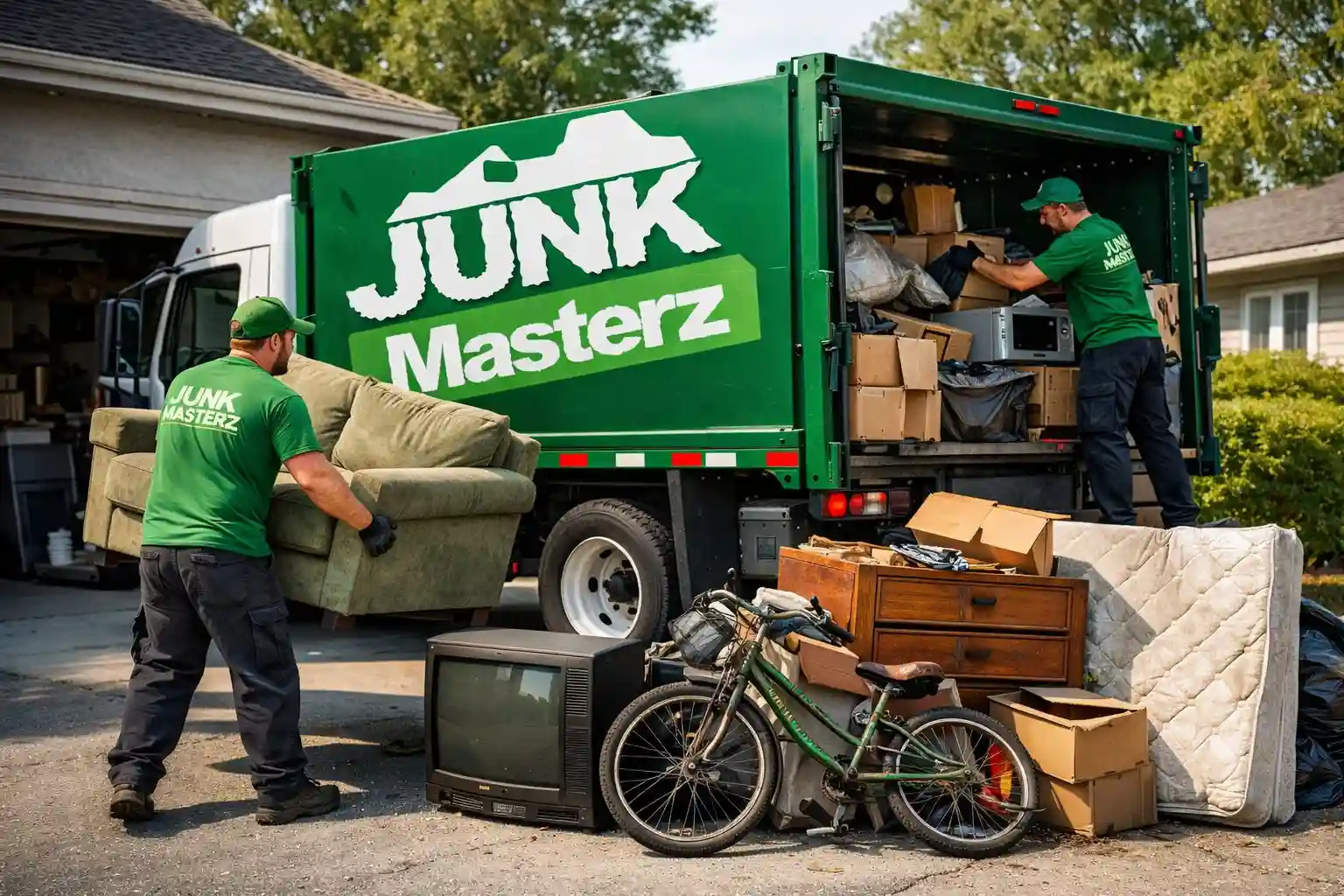
Couches are considered bulky waste, which means they require special handling. Whether you’re searching for  Where can I throw away a couch. Many local waste systems won’t accept them in standard garbage collection. Improper disposal can also harm the environment, as couches often contain wood, foam, metal, and fabric that take years to break down. That old couch sitting in your living room might not look like a big problem—until it’s time to get rid of it. Suddenly, you’re faced with a confusing question: where can I throw away a couch without breaking the rules, wasting money, or harming the environment? There’s also a growing shift toward smarter, eco-conscious disposal. More homeowners are now looking for ways to reduce waste and give furniture a second life instead of sending it straight to the landfill. For how to dispose of a couch or wondering what to do with old couches, this guide gives you clear, practical solutions that actually work. If you’ve been wondering what to do with old couches in a way that benefits both you and the environment, you’re in the right place. This guide doesn’t just help you get rid of your couch—it helps you do it. What to Do With Old Couches An old couch doesn’t always have to end up in the trash. In fact, there are several smart and responsible ways to handle it depending on its condition. Whether your goal is to save money, help others, or reduce waste, knowing what to do with old couches can make the process much easier. If you’re unsure where to start, check out our complete guide on where can I throw away a couch to explore all available options. If your couch is still in good shape, consider donating or giving it away. Many families, students, or local charities are happy to accept gently used furniture. This is one of the best solutions for those searching for how to get rid of a sofa for free while making a positive impact. You can also read our detailed post on how to donate furniture locally to find the best places near you. For couches that are worn out or damaged, recycling is a great option. Many parts—such as wood frames, metal springs, and foam—can be separated and reused. This reduces landfill waste and supports eco-friendly practices. According to the Environmental Protection Agency, recycling large furniture helps minimize landfill impact and conserve valuable resources. Another practical option is selling or giving your couch away online. Even older furniture can attract buyers if priced reasonably. Platforms like Facebook Marketplace make it easy to connect with local buyers. For tips on faster results, visit our article on how to sell used furniture quickly. Where Can I Throw Away a Couch? 7 Smart Ways to Dispose of a Couch  Option 1: Municipal Bulk Waste Pickup How It Works Most cities offer bulk trash or bulk pickup services for large items like couches. What You Should Know You may need to schedule a pickup in advance Some cities offer this service for free, others charge a fee There may be limits on how many items you can dispose of Best For Homeowners looking for a simple, legal solution People are asking how to throw a couch away with minimal effort Pro Tip Place your couch at the curb only on designated days to avoid fines. Option 2: Donate Your Couch (If It’s Still Usable) If your couch is in decent condition, donation is one of the best options. Where to Donate Local charities Non-profit thrift stores Community shelters Benefits Free pickup is often available Helps people in need Keeps furniture out of landfills This is a great answer if you’re wondering how to get rid of a sofa for free while doing something positive. Important Most organizations won’t accept: Torn or heavily stained couches Broken frames Pest-infested furniture Option 3: Sell or Give It Away Online Platforms to Use Facebook Marketplace Craigslist Freecycle groups How It Helps You can either sell your couch or list it for free. Many people are willing to pick up furniture at no cost. Why This Works Fast and convenient No disposal fees Ideal for people searching for where to throw away a couch for free Tip for Better Results Take clear photos and describe the condition honestly to attract more interest. Option 4: Take It to a Landfill or Transfer Station What This Means You transport the couch yourself to a local landfill or waste facility. Costs Usually involves a disposal fee Fees vary based on size and weight When to Use This Option The couch is damaged beyond repair No pickup services available This is a straightforward solution if you’re focused on how to dispose of a couch quickly. Option 5: Hire a Junk Removal Service What They Do Professional companies’ workers come to your home, remove the couch, and remove the residential junk. Advantages No heavy lifting required Same-day or next-day service available They often recycle or donate items when possible Downside Costs more than DIY options Best For Busy homeowners or those dealing with multiple items. Option 6: Recycling Your Couch Is It Possible? Yes, but not always easy. Couches contain materials like: Wood Metal springs Foam Fabric Some recycling centers accept these materials separately. Why It Matters Recycling reduces landfill waste and supports environmental sustainability. Option 7: Upcycle or Repurpose the Couch If you’re creative, your old couch can get a second life. Ideas Turn cushions into outdoor seating Use wood for DIY furniture Repurpose fabric for home projects Benefits Saves money Reduces waste Adds a personal touch to your home Common Mistakes to Avoid When figuring out how to throw a couch away, avoid these common errors: Leaving it on the curb without permission Dumping it illegally (can result in fines) Ignoring recycling or donation options Not checking local regulations Quick Comparison of Your Options Method Cost Effort Level Eco-Friendly Bulk Pickup Free–Low Low Moderate Donation Free Low High Sell/Give Away Free

How Do You Dispose of a Microwave: 7 Safe and Easy Ways

Microwaves are one of the most common appliances in our kitchens, but when they stop working, figuring out How Do You Dispose of a Microwave. Simply tossing an old microwave in the trash can harm the environment and may even break local rules. Proper disposal is important to prevent hazardous materials from ending up in landfills, to recycle usable parts, and to ensure safety. In this guide, we’ll explain everything you need to know about responsible microwave disposal, including tips for broken units, donation options, and recycling resources. With these steps, you can safely and responsibly manage your old microwaves without stress. Why You Should Care About Proper Disposal When you ask how to dispose of a microwave, it’s more than just throwing it out. Microwaves contain metal, wiring, and sometimes harmful materials. These parts can: Leak chemicals into the ground Hurt people or animals if broken Cause fires if left in a pile of trash So, dropping a microwave into a normal trashcan might seem easy, but it can cause problems. Can You Put a Microwave in the Trashcan? The short answer is: usually no. Most local trash services do not allow microwaves in regular household trash. Microwaves are big and heavy. They also may contain parts that are not safe in a landfill. Instead of the trashcan: Call your local waste service to ask about bulk pickup Look for special recycling days where electronics are accepted Take it to a certified disposal center Throwing a microwave in the trashcan might seem simple, but it often breaks local rules and can hurt the environment. Is a Microwave Hazardous Waste? You might wonder, “is a microwave hazardous waste?” Not every microwave is labeled as hazardous, but many parts inside can be harmful. For example: Some older models might contain heavy metals Broken tubes and wiring can leak dangerous materials Certain internal parts might require special handling Because of these risks, many areas treat microwaves like electronic waste (e‑waste). This means you should not just throw them out. To be safe, always handle a microwave with care and learn what your city rules are about hazardous or electronic waste disposal. How to Dispose of a Microwave Oven the Right Way Here are the best ways to dispose of a microwave without breaking rules or hurting the environment: 1. Contact Local Waste Services Call your city or town’s trash pickup service. Many cities offer: Scheduled bulk pickup days Special e‑waste drop‑off centers They will tell you if your microwave can be picked up and when. 2. Take It to an E‑Waste Center Electronic waste centers handle items like: Microwaves Computers TVs Small appliances These centers know how to recycle and dispose of parts safely. 3. Recycling Programs Some stores and recycling programs take old electronics. Places like Best Buy and other local shops sometimes accept old microwaves for recycling. 4. Sell or Donate If It Still Works If your microwave still works, consider: Donating to a local thrift store Selling it online or in community groups This can keep the microwave from becoming waste too soon. 5. Manufacturer Take‑Back Some microwave brands offer take‑back programs where they handle disposal for you. How to Get Rid of a Broken Microwave If your microwave makes a scary buzzing sound or smells like smoke, it is likely broken. A broken microwave is a bit harder to deal with than a working one. You can’t just give it to a friend. So, what to do with broken microwave units? Can You Fix It? Sometimes, a microwave just needs a new fuse or a new light bulb. If you are handy, you might try to fix it. But be careful! The internal parts can give you a nasty shock. If it is more than five years old, it is usually better to find a way for how to get rid of a microwave oven rather than fixing it. Recycling the Parts Even if the microwave doesn’t work, the metal shell and the copper wiring inside are valuable. Scrap metal yards love these parts. Instead of asking “can you throw a microwave in the trash,” ask “where is the nearest scrap yard?” They will take the metal and make sure it gets melted down and used again. This is a key part of reuse and resale culture. Can You Recycle a Microwave Oven Yes, recycling works for most microwaves, even broken ones. These appliances contain steel, aluminum, copper wiring, and circuit boards that recycling facilities can recover. Search for electronics recycling centers in your city. Many municipal waste programs list accepted items online or through local offices. Retailers sometimes accept microwaves during appliance replacement events, though size limits may apply. One common question involves legality: can microwave ovens be thrown in the trash? In many regions, the answer is no. Recycling stays the smarter and safer option. Recycling keeps hazardous materials out of landfills while giving valuable metals a second life. It also reduces demand for raw resources, helping long-term environmental health. 7 Ways to Dispose of an Old Microwave Finding the right way to say goodbye to your appliance doesn’t have to be hard. Here are seven great ways to dispose of a microwave safely and effectively. 1. Donate to Charity If your microwave still works perfectly, appliance donation is the best choice. Places like Goodwill, the Salvation Army, or local shelters often need working appliances. This gives your microwave a second life and helps someone in need. It is a great example of responsible disposal. 2. Contact a Local Recycling Center Search for recycling centers near me that specifically handle electronic waste (e-waste). Many cities have special days where you can drop off electronics for free. These centers know how to take the microwave apart safely and keep the hazardous materials in microwaves out of the dirt. 3. Retailer Take-Back Programs Did you know that stores like Best Buy or Staples sometimes offer recycling programs for small appliances? If you’re buying a new microwave, ask the

How to Dispose of Tree Branches Safely: The Ultimate Homeowner’s Guide

Dealing with yard waste can quickly become stressful, especially after trimming trees or cleaning up after a storm. Large piles of branches, leaves, and debris not only look messy but can also create safety hazards if left unattended. That’s why understanding how to dispose of tree branches properly is so important. Whether you’re tackling a small backyard project or managing a large storm cleanup, knowing the right ways to clean up tree branches can save you time, effort, and even money. From eco-friendly options like composting to professional services that handle the heavy lifting, there are solutions for every homeowner. In this guide, you’ll learn practical tips and proven methods for disposing of tree branches safely, legally, and responsibly—so your yard stays clean, your neighbors stay happy, and the environment benefits too. Why Proper Tree Branch Disposal Matters Throwing branches anywhere isn’t just messy—it can cause real problems. It can block drainage systems It may attract pests It can lead to fines in some areas It harms the environment Improper yard waste disposal can also contribute to landfill overflow and increased greenhouse gas emissions, as organic waste breaks down without proper oxygen. According to the World Bank, better waste management practices play a key role in reducing environmental damage and improving urban cleanliness worldwide. Proper disposal helps keep your yard clean and supports recycling efforts. For sustainable yard waste practices and community guidance, you can also check a reliable resource, What Is Yard Waste?, by the Institute for Environmental Research and Education Best Methods for Disposing of Dead Branches Let’s break down the best methods for disposing of dead branches so you can choose what works best for you. 1. Curbside Yard Waste Collection Many cities offer yard waste pickup services. How it works: Bundle your branches (usually under a certain size) Place them at the curb on collection day Best for: Small to medium branch piles Tip: Check your local rules for size limits and schedules. 2. Composting (Eco-Friendly Option) If the branches are small, composting is a great solution. What you can do: Break branches into smaller pieces Mix with leaves and grass Over time, they turn into nutrient-rich soil. Best for: Homeowners who want sustainable solutions 3. Renting a Wood Chipper A wood chipper turns branches into mulch. Benefits: Reduces waste volume Creates useful mulch for gardens Best for: Large amounts of branches 4. Drop-Off at Recycling Centers Many recycling centers accept yard waste. If you’re asking: Where can I dump tree branches Where can I get rid of tree branches This is often your answer. Look for official environmental sites, such as the Environmental Protection Agency, for general waste guidelines and eco-friendly practices. 5. Hire a Junk Removal Service If you don’t want the hassle, this is the easiest option. Professional teams handle: Tree branch clean up Loading and hauling Proper disposal You can also explore affordable junk removal services for large yard debris. Best for: Big cleanups or no time to DIY What Junk Removal Options Exist for Leaves, Branches, and Soil? Yard waste isn’t just branches—you might also have leaves and soil. Here are your main options: Handles everything in one go Saves time and effort Hire a certified company: Always choose a licensed and insured junk removal company to ensure safe handling, proper disposal, and compliance with local regulations Tip: Certified companies follow eco-friendly practices and reduce the risk of fines or improper dumping, making your tree branch clean-up hassle-free.  Dumpster Rental Average dumpster rental cost You fill it at your own pace Great for ongoing projects Tip: Smaller dumpsters (10–15 yards) are cheaper, while larger ones (20–30 yards) cost more but handle bigger tree branch clean-up jobs more efficiently. Always confirm the average dumpster rental cost in your local area, as prices can vary based on demand, disposal fees, and location Municipal Yard Waste Programs Low-cost or free Scheduled pickups Landscaping Companies Often include disposal in their service How to Safely Prepare Tree Branches for Removal No matter which disposal method you choose, preparation is key. Poor handling leads to injuries and rejected pickups. Step 1: Cut Branches to Size Most programs require branches to be cut between 3 and 6 feet long. Thick limbs may need splitting. Step 2: Follow Branch Bundling Guidelines Use natural twine or jute rope. Avoid plastic ties. Bundles should be light enough to lift safely. Step 3: Wear Safety Gear Gloves, eye protection, and closed-toe shoes reduce injury risk. Never drag branches across driveways where they can damage surfaces. Step 4: Separate Debris Types Keep branches separate from leaves, grass, and soil. Mixed waste often gets rejected by municipal yard waste programs. How to Get Rid of Tree Branches After a Storm Storms can leave behind a huge mess. Here’s what to do: Start with safety (watch for sharp or hanging branches) Clear pathways first Separate large and small debris Call professionals if the pile is too big This is where services like Junk Masterz can help make the process faster and safer. Where to Dump Tree Branches Near You If you’re searching: where to dump tree branches Where can I dump tree branches Here are common places: Local recycling centers Landfills that accept yard waste Green waste facilities Always check local rules before dumping. Cost Comparison Table: 2026 Price Estimates Choosing the right method often comes down to your budget and your time. Here is how the costs stack up: Method Estimated Cost Effort Level Best For Curbside Pickup Free / Small Monthly Fee High (Must bundle) Small prunings DIY Wood Chipper Rental $75 – $150 per day High Creating garden mulch Green Waste Drop-Off $20 – $50 per load Medium Medium loads with a truck Junk Removal $100 – $400+ Low (None) Large piles, convenience Professional Tree Service $200 – $2,000+ Low (None) Large trees, dangerous limbs Dumpster Rental $300 – $600 Medium Major landscape clearing Common Mistakes to Avoid Many people make these errors: Throwing branches in regular trash Burning treated or painted wood Ignoring

How Much Does an Estate cleanout Cost in 2026?

Dealing with an estate cleanout can be an overwhelming and emotional task. Whether you’re managing a loved one’s property, preparing a home for sale, or just decluttering, understanding the costs involved is crucial. Many people underestimate the time, labor, and hidden fees associated with estate cleanouts. That’s where professional services come in. In this guide, we’ll break down everything you need to know about how much Estate Cleanout Services Cost, including average prices, cost factors, and tips to make the process smoother and more cost-effective. By the end, you’ll have a clear roadmap to budget your estate cleanout without stress. What Is an Estate Cleanout Service? An estate cleanout service is a professional solution for removing unwanted items from a home, apartment, or property, usually after a major life event. This can include the passing of a loved one, downsizing, foreclosure, or preparing a property for sale. Unlike basic cleaning or junk removal, estate cleanouts focus on clearing out everything that is no longer needed. The goal is to leave the property empty, safe, and ready for its next use. Many property cleanouts involve large volumes of furniture, personal belongings, and household items that require careful handling and proper disposal. The Difference Between Estate Cleanouts and Regular Cleaning Regular cleaning focuses on surfaces like floors, kitchens, and bathrooms. Estate cleanouts deal with contents, not cleanliness. An estate cleanout involves removing furniture, clothing, boxes, appliances, and debris. Regular cleaning might take a few hours, while an estate cleanout can take a full day or longer depending on the property. This difference is a major reason why estate cleanout service cost is higher than standard cleaning services. What’s Included in Professional Estate Cleanup Most professional estate cleanup services include: Sorting and removing household items Loading and hauling materials off-site Disposal, recycling, and donation drop-offs Sweeping and basic debris removal Some companies also offer clean out apartment service options, partial cleanouts, or post-cleanout cleaning. A thorough property cleanout should leave the space empty and safe to walk through, even if deep cleaning is not included. When You Need a Fast Property Cleanout A fast property cleanout is often needed when there is a tight deadline. This might involve a real estate closing, foreclosure, landlord turnover, or probate timeline. Rush cleanouts typically require larger crews and extended hours, which can increase overall costs. However, speed and efficiency can be worth the expense when time-sensitive situations are involved. How Much Does an Estate Cleanout Cost? Estate cleanout costs vary widely based on property size, contents, and location. There is no flat rate that applies to every situation, but understanding common pricing models helps set realistic expectations. National Average Pricing Ranges Across the U.S., most estate cleanout services fall within these general ranges: Small apartments or partial cleanouts: $500 to $1,500 Average single-family homes: $2,000 to $4,000 Large homes or heavy-content cleanouts: $5,000 and up These prices typically include labor, hauling, and disposal fees. Specialty services or unusual items may raise the estate cleanup cost. Estate Cleanout Cost Per Square Foot Some companies price jobs by square footage, especially for full-home cleanouts. The average estate cleanout cost per square foot usually falls between $1.00 and $3.00, depending on how full the property is. Heavily packed homes, hoarding situations, or poor property conditions can push that number higher. Square-foot pricing is helpful for larger properties because it provides a clearer estimate upfront. Hourly Rate for Estate Cleanout Services Hourly pricing is common for smaller jobs or clean out apartment service requests. The typical hourly rate for estate cleanout services ranges from $75 to $150 per worker. The final cost depends on how many workers are assigned and how long the job takes. Hourly pricing can be cost-effective, but it is important to confirm what is included. Always ask whether dumping fees, fuel, and donation handling are part of the hourly rate. What Determines Your Estate Cleanup Cost? Several factors work together to determine the final cost of an estate cleanout. Understanding these elements helps explain why estimates can vary so much from one property to another. Property Size and Layout Larger homes take more time and labor to clear. Multi-story properties, basements, attics, and garages increase the workload. Tight hallways or narrow staircases can also slow down removal and increase labor costs. Volume and Type of Items The more items in a property, the higher the cost. Heavy furniture, electronics, and large appliances require more labor and truck space. Specialty items like pianos, safes, or gym equipment may require additional equipment and increase estate cleanup cost. Property Condition Properties in poor condition such as those with mold, pests, or hoarding require extra care. Protective gear and more time are needed, raising labor costs. A thorough property cleanout of a hoarder home can be two to three times more expensive than a standard cleanout. Location and Accessibility Urban areas tend to have higher costs due to labor rates and dumping fees. Accessibility also matters. Limited parking, long carry distances, or walk-up apartments can increase labor time. Special Services and Add-Ons Optional services can raise the final price, including: Deep cleaning Carpet removal Appliance removal Hazardous material handling While these services increase cost, they may reduce the need for additional contractors later. Timeline Requirements Rush jobs and fast property cleanouts often cost more. When crews need to rearrange schedules or work extended hours, those costs are passed on to the client. Where Your Money Goes in an Estate Cleanout Understanding how your money is allocated helps you evaluate quotes more accurately. Labor Costs Labor is the largest portion of most estate cleanout bills. This includes lifting, sorting, loading, and onsite supervision. Skilled crews work efficiently while minimizing damage to the property. Disposal and Dumping Fees Landfill fees vary by region and are often charged by weight or volume. Items like mattresses, electronics, and appliances may have additional disposal charges. Proper disposal ensures compliance with local regulations. Transportation and Equipment Trucks, fuel, lifting equipment, and protective gear are all

Color Palette