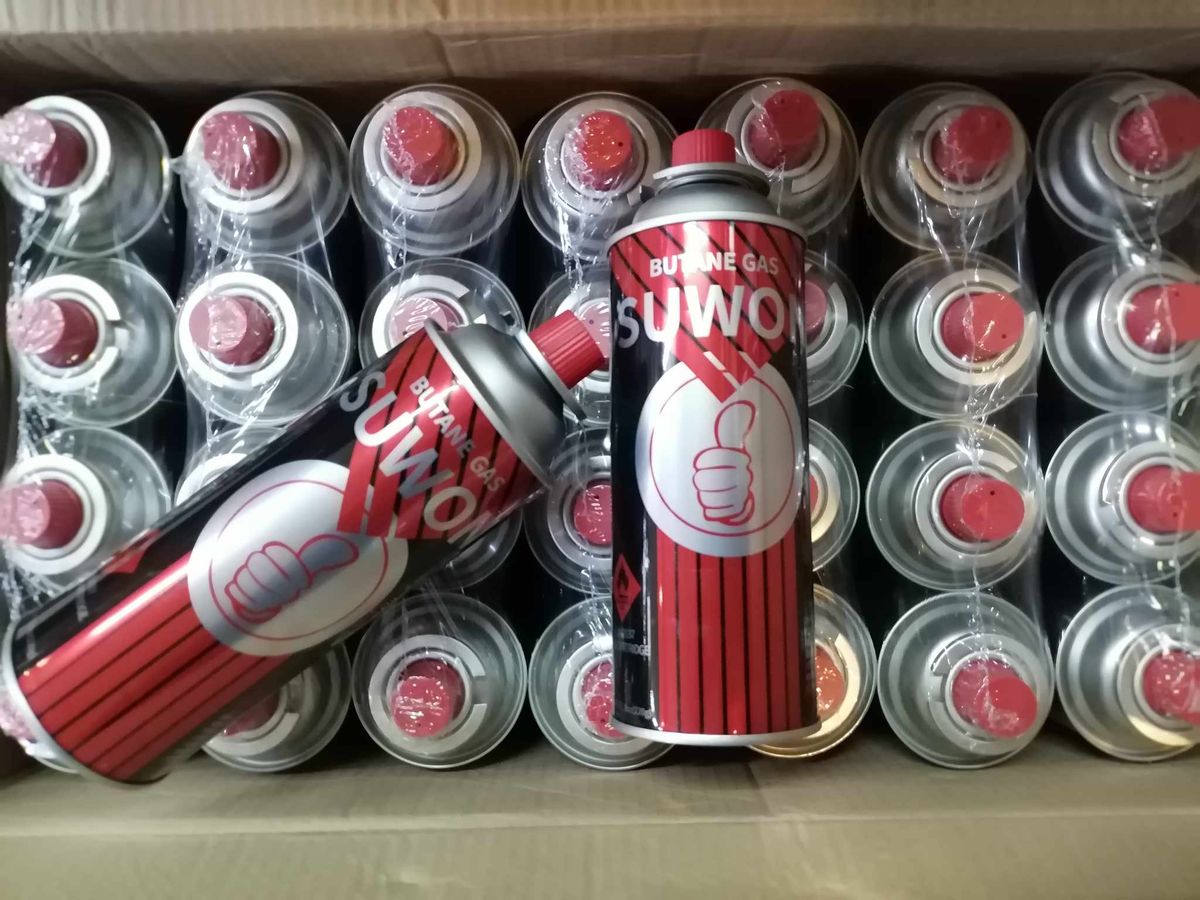
A butane can that looks empty in your garage can still hold enough pressure to rupture inside a garbage truck. That’s why so many homeowners search for how to dispose of butane cans instead of just tossing one in the bin. If you’ve ever shaken a canister, heard nothing, and still wondered whether it was safe to throw away, that instinct is correct.
At Junk Masterz, we deal with pressurized containers, propane cylinders, and leftover fuel canisters during almost every garage cleanout we run in Fresno. This guide walks through the same checklist our crews use before deciding where a can goes.
Quick Answer
- Empty can: Recycle it as scrap metal once you confirm it is safe, but check your local program’s rules first.
- Full or partially full can: Never place it in regular trash. Take it to a household hazardous waste facility.
- Damaged or leaking can: Stop handling it further and call a hazardous waste or junk removal service.
- Not sure which category it falls into? Treat it as full until you have confirmed otherwise.
What’s Actually Inside a Butane Can?
A butane can is a small pressurized metal container filled with liquefied butane gas. The liquid turns to vapor as pressure drops, which is what lets the gas flow steadily when you light a stove or torch. These canisters are common in camping stoves, kitchen torches used for searing or caramelizing, portable heaters, lighter refills, and small DIY torches.
Butane cans often get grouped with propane tanks and CO2 cartridges because they all look similar on a shelf, but they behave differently once they are empty. Propane tanks hold pressure longer and almost always require a hazardous waste facility even when “empty.” CO2 cartridges, by contrast, are usually accepted in household trash once vented because they don’t carry the same residual flammability risk. Knowing which container you actually have is the first step in figuring out how to dispose of a butane can correctly instead of applying rules meant for a different type of cylinder.
Why These Cans Are Treated as Hazardous Waste
The danger isn’t the empty shell; it’s what might still be inside it. Garbage trucks compress everything in the hopper, and a canister with residual gas can rupture under that pressure, especially near a spark or hot compactor blade.
This is why the EPA, OSHA, and DOT classify pressurized fuel containers like butane cans as hazardous waste when not fully empty. The takeaway for homeowners is simple: treat “hazardous waste” as a real category, not a formality, since sanitation workers have been injured by exactly this kind of preventable rupture. At Junk Masterz, this is why we ask customers to flag any pressurized containers before a pickup so our crew can handle them correctly.
Is a Butane Can Ever Safe for Regular Trash?
Sometimes, but only under specific conditions, and only if your local waste authority allows it.
The Shake-and-Weigh Test
Before you decide, run two quick checks:
- Shake it. Hold the can and give it a firm shake near your ear. A sloshing sound means liquid butane is still inside.
- Weigh it. Most canisters print both a gross weight (full) and a net weight (the empty can itself) on the label. Weigh the can on a kitchen scale and compare it to the printed empty weight. If the numbers are close, the can is genuinely empty. If it’s noticeably heavier, gas is still trapped inside.
This two-step check matters because “it feels light” is not proof of anything. A can with even a small residual charge can still be dangerously pressurized. It’s also the single most reliable way to answer how to dispose of a butane can without guessing, since everything else in this guide depends on knowing which category the can falls into.
When Local Rules Allow Empty Cans in Trash or Recycling
If both checks confirm the can is empty, many municipalities allow it in metal recycling, and some allow it in regular trash. This is the most common scenario people are asking about when they search for how to dispose of empty butane cans, and the honest answer is that it depends entirely on your city or county’s program. A quick call to your local recycling center settles it in under five minutes, which is faster than most people expect when they first start researching how to dispose of empty butane cans.
When They Never Belong There
Full cans, partially full cans, damaged cans, and anything you can’t confirm as empty should never go in curbside trash or recycling, no exceptions.
Signs of a Damaged or Leaking Can
This is a section most guides skip, and it’s one of the more important ones. Before you do anything else with a canister, look for:
- Dents or visible corrosion, especially around the valve
- Rust that has eaten through part of the metal
- A hissing sound, even faint, coming from the can
- Any smell of gas around the canister
If you notice any of these, stop. Do not attempt to puncture it, burn off the remaining gas, or transport it far. A damaged can is unpredictable, and the safest move is to call a professional hazardous waste hauler or a junk removal company equipped to handle it.
Step-by-Step: Emptying a Butane Can Before Disposal
If your shake-and-weigh check shows the can still has gas, here’s how to properly empty it before moving on to disposal.
Step 1: Burn Off Remaining Gas Outdoors
Attach the can to a stove, torch, or lighter and let it run outdoors, away from structures and other flammable materials, until the flame dies out on its own. If you don’t have an appliance to attach it to, release the gas outdoors in a well-ventilated, open area, well away from any ignition source.
Step 2: Confirm It’s Fully Empty
Repeat the shake-and-weigh test from earlier. Don’t skip this step just because you burned the can for a few minutes. Residual gas can hide in the valve mechanism longer than you’d expect.
Step 3: Decide Whether to Puncture the Can
This step trips up more people than any other part of the process, mainly because the answer genuinely depends on where you live.
Path A: Some recycling programs require you to puncture the can to prove it’s fully depressurized before they’ll accept it. If your program requires this, use a screwdriver or a dedicated fuel-canister puncturing tool, wear gloves, and do this outdoors, never near a flame or heat source.
Path B: Other programs accept sealed, empty cans as long as they’re clearly labeled “EMPTY” with a marker.
Call your local facility and ask which path applies before you do either. Never puncture a can you haven’t already confirmed is empty, and never do it indoors.
How to Safely Transport a Butane Can
Getting the can to the right facility matters just as much as emptying it correctly.
- Keep the can upright in your vehicle, not rolling around in a trunk
- Secure it so it can’t shift, tip, or get crushed under other items
- Never leave it in a hot car, even briefly, since heat increases internal pressure
- If you’re transporting multiple cans, keep full and empty ones separated and clearly marked
Where Empty Cans Can Go
Once you’ve confirmed a can is empty, you generally have a few options:
- Scrap metal recyclers, who process it as recyclable steel or aluminum
- Curbside metal recycling, but only where your program explicitly permits it
- Outdoor and camping retailers, some of which take back used fuel canisters as part of their own recycling programs, especially if you bought the can there originally
To find the right option in your area, check your city’s waste management or environmental services website, search for “household hazardous waste collection” in your county, or call your local recycling facility directly and ask specifically about how to dispose of butane fuel cans in your zip code. The EPA’s household hazardous waste guide is also a reliable starting point if you want a national overview before narrowing down local options. Retailers that sell fuel canisters can often answer this faster than a general search, since they deal with how to dispose of butane fuel cans on a regular basis as part of their own inventory turnover.
Where Full or Partially Full Cans Must Go
If your can still has gas after burning it off, or if you’d rather not attempt that step yourself, here’s where it needs to go instead.
- Household Hazardous Waste (HHW) facilities or seasonal collection events run by your city or county
- Manufacturer or retailer take-back programs, which some brands offer for unused or lightly used canisters
- Licensed hazardous waste haulers or junk removal companies, particularly useful if you have several cans, damaged units, or simply don’t want to handle them yourself
Most municipal HHW drop-off events are free to residents. If you hire a hauler for pickup, expect a service fee, especially for larger quantities. This is one of the more overlooked parts of how to dispose of full butane cans: people assume disposal always costs money, when in most areas the municipal route is free, and the paid route is optional convenience. If you’re weighing whether to make the drive yourself or hire it out, that cost difference is usually the deciding factor in how to dispose of full butane cans without wasting a weekend on it.
Butane Can vs. Propane Tank vs. CO2 Cartridge
| Butane Can | Small Propane Tank | CO2 Cartridge | |
| Trash allowed when empty? | Sometimes; check local rules | Rarely | Often yes |
| Puncture required? | Sometimes | No | No |
| Where full ones go | HHW facility | HHW facility or exchange program | Usually household trash |
Keep in mind these are general patterns, not universal rules. Always confirm with your local program since requirements shift by city and county.
How Long Does It Take a Can to Fully Empty?
Burn-off time depends on how much gas remains and the outdoor temperature. A nearly empty can might finish in under a minute attached to a stove. A can with a noticeable amount left could take several minutes of continuous burning. Cold weather slows the process because lower temperatures reduce internal pressure, which is another reason the shake-and-weigh test matters more than a stopwatch. “It feels light” or “it’s been burning a while” are not substitutes for actually checking.
Eco-Friendly Recycling: Where the Metal Actually Goes
Once a butane can is confirmed empty and processed correctly, the steel or aluminum shell gets melted down and reused in new metal products, the same stream as other scrap metal recycling. That’s a meaningfully better outcome than sending it to a landfill, where a punctured or corroding canister can slowly leach residue into the surrounding soil. Recycling responsibly is a small effort that keeps usable metal in circulation instead of buried.
Safety Practices for Storing and Handling Butane Cans
- Store cans in a cool, ventilated space, away from direct sunlight and heat sources
- Keep them out of reach of children and pets
- Never puncture, burn off, or tamper with a can indoors
- Wear gloves and eye protection when handling old, rusted, or leaking cans
Mistakes That Lead to Accidents
- Throwing an “almost empty” can straight in the trash without checking
- Puncturing a can in a garage or basement instead of outdoors
- Skipping the shake-and-weigh test because the can feels light
- Assuming every city follows the same disposal rules
Most incidents involving these canisters trace back to one of these shortcuts, not to the disposal process itself being unusually dangerous.
When to Call a Professional Instead of DIY
DIY disposal works fine for one or two confirmed-empty cans. It stops making sense when you’re dealing with a garage full of leftover camping gear, a batch of canisters after an event, or anything damaged, rusted, or unlabeled. In those cases, a professional service can remove them safely without you needing to sort, test, or transport anything yourself. If you’re clearing out a garage, shed, or storage unit and want the whole job handled at once, our Waste Removal Services Fresno, CA team can take care of butane cans alongside everything else you’re getting rid of.
Final Thought
Figuring out how to dispose of butane cans really comes down to one decision: is the can empty, full, or damaged? Confirm that first with a shake and a weigh check, then follow the path that matches, whether that’s scrap metal recycling, a hazardous waste facility, or a professional pickup. If you’d rather skip the sorting altogether, contact Junk Masterz and we’ll take care of it safely as part of your next cleanout.
FAQs
Can I throw empty butane cans in the regular trash?
Only if your local waste authority explicitly allows it after you’ve confirmed the can is empty. Otherwise, recycling it as scrap metal or taking it to a hazardous waste facility is the safer route.
How do I know for sure my can is empty?
Shake it to check for leftover liquid, then weigh it and compare that to the empty weight printed on the label. If both checks come back clean, it’s genuinely empty.
Do I need to puncture a butane can before recycling it?
It depends on your local program. Some require puncturing to prove the can is depressurized, while others accept a sealed, clearly labeled empty can.
Is it safe to store used butane cans at home, and for how long?
Yes, as long as you store them in a cool, ventilated area away from heat and children, but it’s best not to let them pile up indefinitely. Disposing of confirmed-empty cans promptly reduces clutter and risk.
Who should I call for large quantities or damaged cans?
A licensed hazardous waste hauler or a junk removal company that handles pressurized containers is your safest option. They have the training and equipment to manage damaged or bulk quantities without the guesswork.