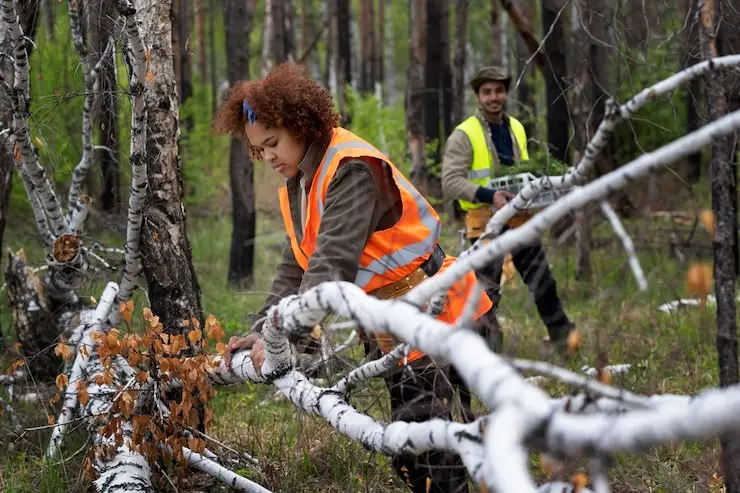
Tree branches can pile up quickly after pruning, landscaping projects, storms, or tree removal. While it may be tempting to leave them at the curb or toss them into the woods, improper disposal can create safety hazards, attract pests, and even result in fines in some areas. The good news is that there are several easy, responsible ways to get rid of branches while protecting the environment.
Whether you’re dealing with a few small limbs or a large pile of debris, choosing the right disposal method depends on the size of the branches, local regulations, and your available resources. In this guide, you’ll learn how to dispose of tree branches safely, legally, and efficiently, along with the best options for recycling, composting, and professional removal.
Why Proper Tree Branch Disposal Matters
Getting rid of tree branches the right way is about more than keeping your yard tidy. Proper disposal benefits both your property and the environment.
Protects the Environment
Tree branches are biodegradable and can often be recycled into mulch, compost, or biomass instead of ending up in a landfill. Recycling organic waste helps reduce landfill use and supports sustainable landscaping practices.
Prevents Safety Hazards
Large piles of branches can block sidewalks, create fire risks during dry seasons, and become hiding places for rodents, insects, and snakes. Keeping your yard free of debris makes it safer for your family and neighbors.
Helps You Avoid Legal Issues
Many municipalities prohibit dumping tree branches on roadsides, vacant lots, parks, or wooded areas. Illegal dumping may result in cleanup costs and fines, so it’s always best to use approved disposal methods.
How to Dispose of Tree Branches: 9 Safe & Eco-Friendly Methods
1. Use Your Local Yard Waste Collection Program
One of the easiest ways to dispose of tree branches is through your city’s curbside yard waste collection service. Many communities offer weekly or seasonal pickup for branches, leaves, and other yard debris.
Before placing branches at the curb:
- Cut branches to the required length.
- Bundle them securely with natural twine if required.
- Follow local weight and size limits.
- Place them out on the scheduled collection day.
This option is often included in regular waste collection services and is ideal for homeowners with small to moderate amounts of yard waste.Proper disposal helps keep your yard clean and supports recycling efforts. For sustainable yard waste practices and community guidance, you can also check a reliable resource, What Is Yard Waste?, by the Institute for Environmental Research and Education
2. Take Them to a Green Waste Recycling Center
If curbside pickup isn’t available, a green waste recycling facility is another excellent option.
These facilities accept tree branches, leaves, grass clippings, and other organic materials that are processed into mulch or compost. Some locations accept residential yard waste for free, while others charge a small fee based on volume.
If you’re wondering where to get rid of tree branches, your local recycling or public works department can usually direct you to the nearest approved green waste facility.
3. Turn Tree Branches Into Mulch
If you have access to a wood chipper, tree branches can become valuable mulch for your garden.
Wood mulch helps:
- Retain soil moisture
- Reduce weed growth
- Protect plant roots
- Improve the appearance of landscaping
- Slowly add organic matter to the soil
Creating your own mulch is one of the most environmentally friendly ways to reuse tree branches instead of throwing them away.
4. Compost Small Branches
Small twigs and thin branches can be composted after being chipped or shredded into smaller pieces.
Composting works best with branches less than an inch thick because they break down much faster than larger limbs. Mix shredded wood with grass clippings, leaves, and kitchen scraps to maintain a healthy balance of carbon and nitrogen.
Among the best methods for disposing of dead branches, composting is an excellent choice if the wood is free of pests and disease. However, diseased branches should not be added to compost piles, as harmful organisms may survive and spread to healthy plants.
5. Reuse Tree Branches Around Your Property
Not every branch needs to be thrown away. Depending on their size and condition, many branches can be reused for landscaping or outdoor projects.
Here are a few creative ideas:
- Build natural garden borders.
- Create raised garden beds.
- Use larger branches as firewood after they’ve dried (if the wood type is suitable).
- Make trellises or plant supports.
- Stack branches to create wildlife habitats for birds and beneficial insects.
Reusing branches reduces waste and gives your yard a natural, rustic look.
6. Hire a Junk Removal Company
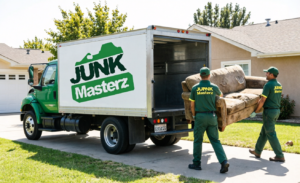
If you’re dealing with a large pile of branches after tree trimming, storm damage, or property cleanup, hiring a junk removal company can save significant time and effort.
Professional crews can:
- Load heavy branches for you.
- Remove large volumes quickly.
- Dispose of debris responsibly.
- Recycle green waste whenever possible.
This option is especially helpful if you don’t own a truck or if local yard waste collection can’t handle the amount of debris you have.
7. Rent a Dumpster for Large Cleanup Projects
For major landscaping projects or tree removal, renting a dumpster can be one of the most convenient disposal options.
A dumpster allows you to dispose of branches gradually without making multiple trips to a recycling facility. Before renting, verify that the company accepts yard waste and ask whether branches must be separated from other construction debris.
Dumpster rentals are often the best way to get rid of tree branches during large property renovations or extensive yard cleanups.
8. Burn Tree Branches (Only Where It’s Legal)
Some rural areas allow property owners to burn tree branches, but open burning is heavily regulated in many cities and counties.
Before burning:
- Check local laws and burn bans.
- Obtain any required permits.
- Burn only dry, untreated wood.
- Never burn near buildings, trees, or dry vegetation.
- Keep water or a fire extinguisher nearby.
Avoid burning painted, treated, or chemically treated wood, as it can release harmful pollutants into the air.
9. Take Them to the Landfill as a Last Resort
If recycling or composting isn’t available, you may be able to take tree branches to your local landfill.
However, this should generally be your last option because organic waste can often be recycled instead of occupying valuable landfill space. Some landfills charge disposal fees based on weight or vehicle size, so it’s worth checking before making the trip.
Best Methods for Disposing of Dead Branches
Let’s break down the best methods for disposing of dead branches so you can choose what works best for you.
1. Curbside Yard Waste Collection
Many cities offer yard waste pickup services.
How it works:
- Bundle your branches (usually under a certain size)
- Place them at the curb on collection day
Best for: Small to medium branch piles
Tip: Check your local rules for size limits and schedules.
2. Composting (Eco-Friendly Option)
If the branches are small, composting is a great solution.
What you can do:
- Break branches into smaller pieces
- Mix with leaves and grass
Over time, they turn into nutrient-rich soil.
Best for: Homeowners who want sustainable solutions
3. Renting a Wood Chipper
A wood chipper turns branches into mulch.
Benefits:
- Reduces waste volume
- Creates useful mulch for gardens
Best for: Large amounts of branches
4. Drop-Off at Recycling Centers
Many recycling centers accept yard waste.
If you’re asking:
- Where can I dump tree branches
- Where can I get rid of tree branches
This is often your answer. Look for official environmental sites, such as the Environmental Protection Agency, for general waste guidelines and eco-friendly practices.
5. Hire a Junk Removal Service
If you don’t want the hassle, this is the easiest option.
Professional teams handle:
- Tree branch clean up
- Loading and hauling
- Proper disposal
You can also explore affordable junk removal services for large yard debris.
Best for: Big cleanups or no time to DIY
Tree Trunk Disposal vs Tree Branch Disposal
Tree trunks require different handling than branches.
Tree branch disposal:
- Easier to compost
- Can be chipped or bundled
- Suitable for curbside pickup
Tree trunk disposal:
- Requires cutting into logs
- May need heavy equipment
- Often handled by professionals
Understanding the difference helps you plan better cleanup strategies.
What Junk Removal Options Exist for Leaves, Branches, and Soil?
Yard waste isn’t just branches—you might also have leaves and soil.
Here are your main options:
- Handles everything in one go
- Saves time and effort
- Hire a certified company: Always choose a licensed and insured junk removal company to ensure safe handling, proper disposal, and compliance with local regulations
Tip: Certified companies follow eco-friendly practices and reduce the risk of fines or improper dumping, making your tree branch clean-up hassle-free.
Dumpster Rental
- Average dumpster rental cost
- You fill it at your own pace
- Great for ongoing projects
Tip: Smaller dumpsters (10–15 yards) are cheaper, while larger ones (20–30 yards) cost more but handle bigger tree branch clean-up jobs more efficiently. Always confirm the average dumpster rental cost in your local area, as prices can vary based on demand, disposal fees, and location
Municipal Yard Waste Programs
- Low-cost or free
- Scheduled pickups
Landscaping Companies
- Often include disposal in their service
How to Safely Prepare Tree Branches for Removal
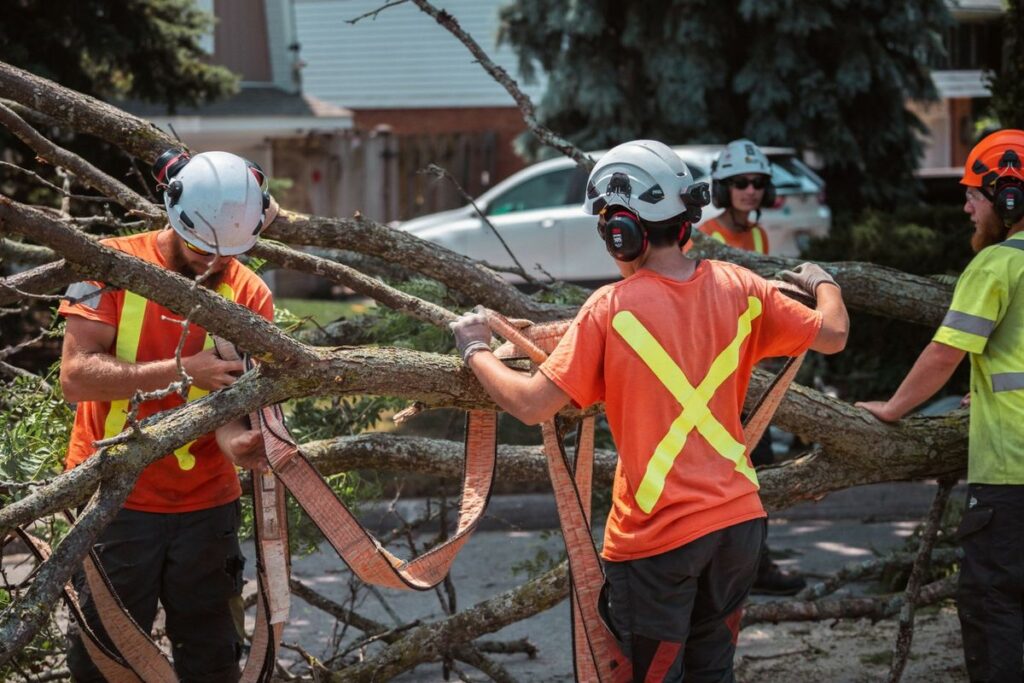
No matter which disposal method you choose, preparation is key. Poor handling leads to injuries and rejected pickups.
Step 1: Cut Branches to Size
Most programs require branches to be cut between 3 and 6 feet long. Thick limbs may need splitting.
Step 2: Follow Branch Bundling Guidelines
Use natural twine or jute rope. Avoid plastic ties. Bundles should be light enough to lift safely.
Step 3: Wear Safety Gear
Gloves, eye protection, and closed-toe shoes reduce injury risk. Never drag branches across driveways where they can damage surfaces.
Step 4: Separate Debris Types
Keep branches separate from leaves, grass, and soil. Mixed waste often gets rejected by municipal yard waste programs.
How to Get Rid of Tree Branches After a Storm
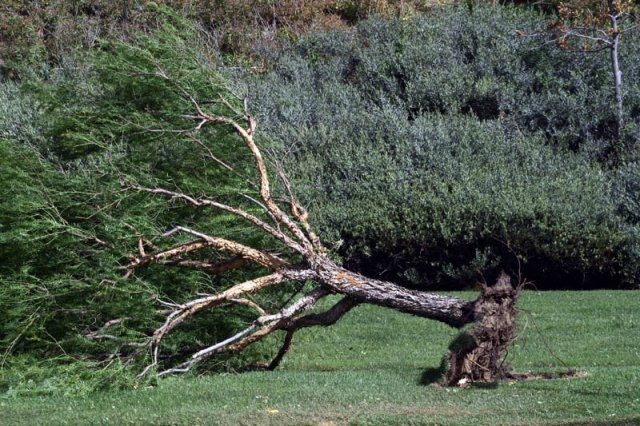
Storms can leave behind a huge mess.
Here’s what to do:
- Start with safety (watch for sharp or hanging branches)
- Clear pathways first
- Separate large and small debris
- Call professionals if the pile is too big
This is where services like Junk Masterz can help make the process faster and safer.
Where to Dump Tree Branches Near You
If you’re searching:
- where to dump tree branches
- Where can I dump tree branches
Here are common places:
- Local recycling centers
- Landfills that accept yard waste
- Green waste facilities
Always check local rules before dumping.
Cost Comparison Table: 2026 Price Estimates
Choosing the right method often comes down to your budget and your time. Here is how the costs stack up:
| Method | Estimated Cost | Effort Level | Best For |
| Curbside Pickup | Free / Small Monthly Fee | High (Must bundle) | Small prunings |
| DIY Wood Chipper Rental | $75 – $150 per day | High | Creating garden mulch |
| Green Waste Drop-Off | $20 – $50 per load | Medium | Medium loads with a truck |
| Junk Removal | $100 – $400+ | Low (None) | Large piles, convenience |
| Professional Tree Service | $200 – $2,000+ | Low (None) | Large trees, dangerous limbs |
| Dumpster Rental | $300 – $600 | Medium | Major landscape clearing |
Common Mistakes to Avoid
Many people make these errors:
- Throwing branches in regular trash
- Burning treated or painted wood
- Ignoring local disposal rules
- Overloading bins
Avoiding these mistakes saves time and money.
Final Thoughts
Disposing of tree branches properly is an important part of maintaining a clean, safe, and environmentally responsible property. Whether you choose municipal pickup, composting, recycling centers, or professional services, each method offers a practical solution depending on your situation.
Learning how to dispose of tree branches correctly helps prevent hazards, reduces environmental impact, and keeps your outdoor space well-maintained. Eco-friendly methods like mulching and composting are especially valuable for long-term sustainability.
Always check your local regulations before deciding where to dump tree branches, and avoid illegal or unsafe disposal practices. With the right approach, your tree branch clean-up can be simple, efficient, and environmentally responsible.
If you’re dealing with a large pile of branches and don’t want the hassle, contact us for quick, stress-free removal handled by professionals. By following the tips in this guide, you’ll not only master how to get rid of tree branches but also make smarter decisions that save time, money, and effort in the long run.
FAQs
Can I put yard waste in my garbage can?
In most cities, yard waste cannot go in your regular garbage can. Tree branches, leaves, and grass are usually handled through municipal yard waste programs or yard waste pickup. Putting yard waste in the trash can lead to rejected collection or fines because it is considered biodegradable waste that should be recycled, not landfilled.
Can wood be put in the general waste?
No, wood and tree branches are typically not allowed in general household waste. Untreated wood is classified as yard or green waste, while treated or painted wood may require special disposal. Always check local rules before placing wood in the trash.
How to properly dispose of yard waste?
The proper way to dispose of yard waste is to use curbside yard waste pickup, take it to a green waste facility or drop-off center, compost it, or hire a yard debris removal service. Branches should be cut to size and bundled according to local guidelines to ensure acceptance.
How to get rid of sticks and branches?
You can get rid of sticks and branches by bundling them for yard waste pickup, taking them to a green waste drop-off site, chipping them into mulch, or hiring a professional tree service or junk removal company for larger amounts.
What to do with cut-down tree branches?
Cut down tree branches can be reused as mulch, composted if small, stacked into a habitat pile, dropped off at a green waste facility, or removed through curbside pickup or professional branch removal services.
Can tree branches go in a dumpster?
Yes, tree branches can go in a dumpster, but only if the rental company allows yard waste. Some dumpsters restrict organic or green waste, so it’s important to confirm rules before loading branches to avoid extra fees.
How much does it cost to dispose of tree branches?
The cost to dispose of tree branches depends on the method:
- Yard waste pickup: often free or low cost
- Green waste drop-off: low fee or free
- Wood chipper rental: moderate cost
- Dumpster rental or professional removal: higher cost
Prices vary by location and volume, but larger loads cost more.
Are branches considered yard waste?
Yes, tree branches are considered yard waste in most municipalities. They fall under organic or green waste categories and must follow specific disposal rules, such as bundling, size limits, or approved drop-off locations.
Can I burn tree branches in my yard?
In many areas, burning tree branches is restricted due to fire hazards. Always check local regulations before considering this method.
How can I recycle tree branches?
You can recycle tree branches by chipping them into mulch, composting, or donating them to community recycling programs.