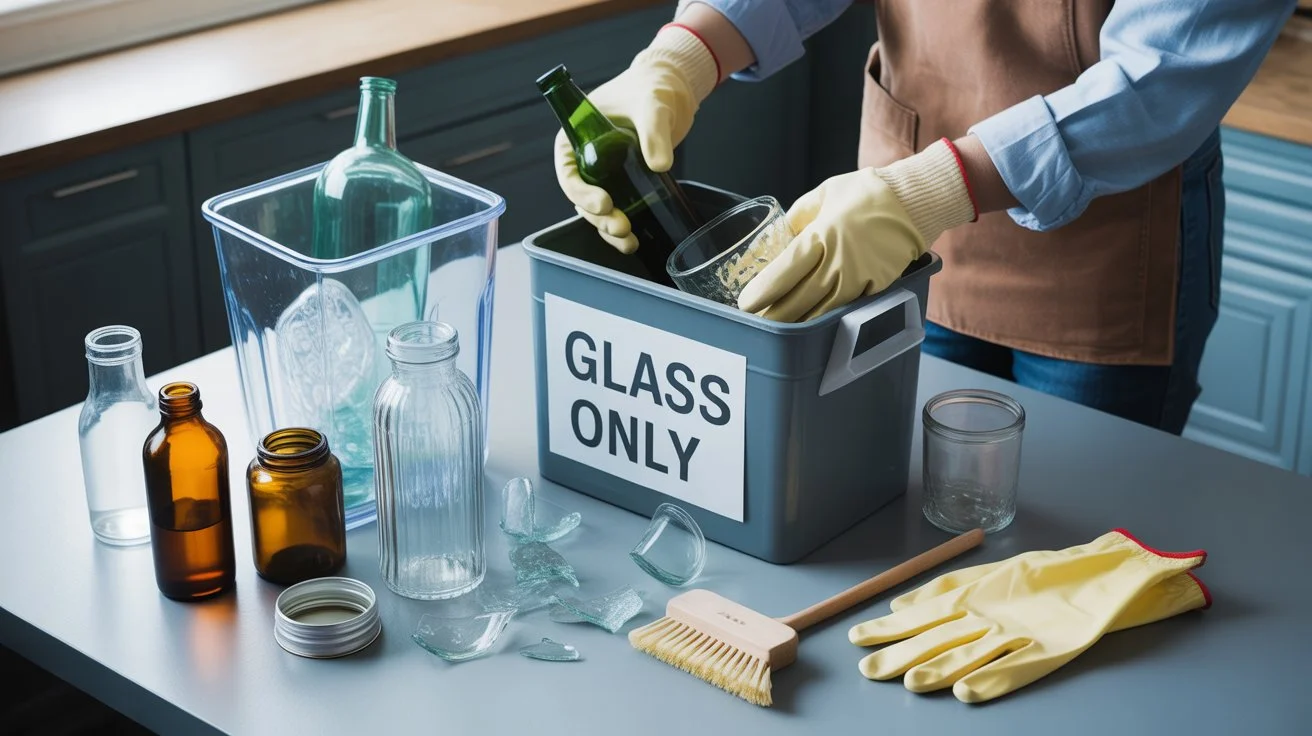
Glass is a material most households rely on every day. From food storage jars and beverage bottles to mirrors and windows, it plays an essential role in daily life. Many people are unsure how to dispose of glass properly. However, once it becomes damaged, broken, or no longer needed, it can quickly turn into a safety hazard if not handled correctly.
Many people are unsure how to dispose of glass properly. Some assume all glass can be recycled, while others simply throw it in the trash without considering the risks. In reality, knowing the best way to dispose of glass depends on the type of glass and its condition.
Improper disposal can lead to serious issues. Broken glass can cause injuries, especially if it is not packaged correctly. At the same time, placing the wrong type of glass in recycling bins can contaminate entire batches, making them unusable. This is why learning how to properly dispose of glass is essential for both safety and environmental responsibility.
Why Proper Glass Disposal Matters
Proper glass disposal is essential for both safety and environmental protection.
Safety Considerations
Broken or loosely discarded glass can:
-
Cause serious cuts and injuries
-
Put sanitation workers at risk
-
Harm pets and wildlife
Environmental Impact
Glass does not biodegrade, which means it can remain in landfills for thousands of years without breaking down. When recyclable glass is thrown away instead of being processed properly, valuable raw materials are lost, and more energy is required to produce new glass.
Recycling glass is an essential way to reduce this impact. It conserves natural resources, lowers energy consumption, and reduces greenhouse gas emissions. According to the Glass Packaging Institute, recycling glass significantly reduces the need for raw materials and supports a more sustainable production cycle.
Types of Glass and Their Disposal Methods
Not all glass can be treated the same way. Identifying the type of glass is the first step in proper disposal.
Recyclable Glass (Container Glass)
The following items are typically accepted in recycling programs:
-
Beverage bottles (soda, wine, beer)
-
Food jars (sauces, pickles, jams)
-
Condiment containers
These are made from soda-lime glass, which can be recycled repeatedly without losing quality.
Recyclable Glass (Container Glass)
Certain types of glass can be safely recycled and reused, reducing waste and conserving natural resources. Common recyclable glass includes:
-
Beverage bottles (soda, wine, beer)
-
Food jars (sauces, pickles, jams)
-
Condiment containers
These items are typically made from soda-lime glass, which can be recycled repeatedly without losing quality. Proper recycling of glass conserves raw materials such as sand, soda ash, and limestone, while also reducing greenhouse gas emissions.
To ensure that recyclable glass is processed correctly, follow your local recycling program’s guidelines. Steps such as rinsing containers, removing lids, and keeping glass intact improve recycling efficiency and safety.
For additional guidance on recycling glass and other materials, the U.S. Environmental Protection Agency (EPA) provides comprehensive recommendations.
Properly identifying and recycling container glass helps prevent contamination, supports sustainable practices, and ensures that glass waste is reused effectively rather than ending up in landfills.
Best Way to Dispose of Glass Bottles and Jars
Recycling is the best way to dispose of glass when it is clean and intact. Follow these steps to ensure proper processing.
Step 1: Empty and Rinse
Remove any remaining food or liquid. A quick rinse is sufficient to prevent contamination.
Step 2: Remove Lids and Caps
Separate metal and plastic components. These may be recyclable through different processes.
Step 3: Keep Glass Intact
Avoid breaking bottles or jars. Intact items are safer to handle and easier to process at recycling facilities.
Step 4: Sort by Color (If Required)
Some programs require separation into clear, green, and brown glass.
Step 5: Place in Recycling Bin
Follow local guidelines for placement and collection.
Proper recycling ensures that glass is reused efficiently and does not end up in landfills unnecessarily.
How to Dispose of Glass?
Handling broken glass requires extra care. Simply placing it in a trash bag can create serious hazards.
Step 1: Wear Protective Gear
Use thick gloves and closed footwear to prevent injuries.
Step 2: Collect the Glass Carefully
Use a broom and dustpan to gather larger pieces. For smaller shards, use a damp paper towel or cloth.
Step 3: Use a Strong Container
Place the glass in a rigid container such as:
-
A cardboard box
-
A durable plastic container
Avoid using thin plastic bags, as they can tear easily.
Step 4: Seal and Label the Container
Clearly mark the package as “Broken Glass.” This alerts waste handlers to the contents.
Step 5: Dispose of General Waste
Most curbside recycling programs do not accept broken glass because loose shards can injure workers and contaminate other recyclables. Always check your local regulations before attempting to place broken glass in your recycling bin.
To safely handle broken glass at home, follow best practices: wear thick gloves, collect shards carefully with a broom or dustpan, and place them in a rigid container with multiple layers of wrapping. Clearly label the container as “Broken Glass” to alert anyone handling it.
For homeowners or businesses dealing with larger amounts of glass, mirrors, or other non-recyclable items, the best way to get rid of junk removal is to hire professional services. These experts ensure that glass and other waste are collected, transported, and disposed of safely, reducing the risk of injury and making the process much more efficient. Professional junk removal services can also handle bulk pickups, renovation debris, and specialty items that are otherwise difficult to dispose of, giving you peace of mind and saving time..
What to Do With Broken Glass at Home
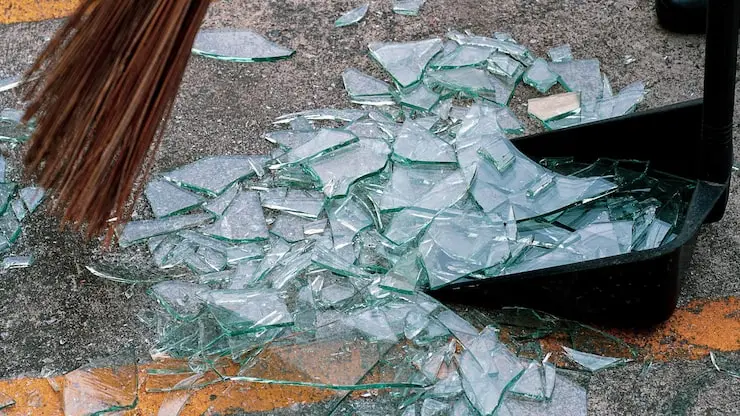
Many home unsure what to do with broken glass after cleaning it up.
The safest approach includes:
-
Wrapping the glass in multiple layers
-
Using a rigid container
-
Labeling it clearly before disposal
If your local recycling center accepts broken glass, you may take it to a designated drop-off location.
If recycling is not available, place it in the trash following safety precautions.
How Do You Get Rid of Non-Recyclable Glass
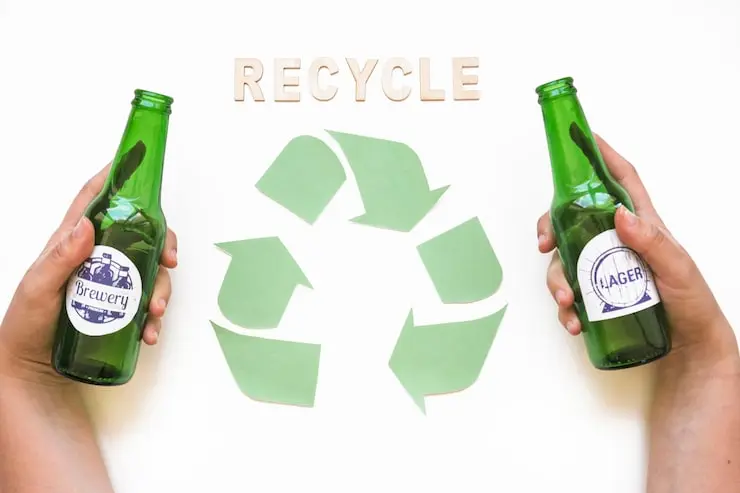
Some glass items cannot be recycled and must be handled differently.
Mirrors
Mirrors contain coatings that prevent recycling. If intact, consider donating them. If broken, wrap securely before disposal.
Window Glass
Window panes and flat glass require special handling. Contact your local waste authority or schedule bulk pickup if necessary.
Drinkware and Decorative Glass
Items such as mugs and crystal glassware should be donated if usable or disposed of carefully if damaged.
Understanding how to get rid of glass that cannot be recycled helps prevent contamination in recycling systems.
Environmental Impact of Improper Glass Disposal
Improper disposal has long-term consequences.
Landfill Issues
Glass does not break down naturally. It occupies landfill space indefinitely.
Safety Hazards
Loose glass can injure workers, animals, and the public.
Recycling Contamination
Non-recyclable glass mixed with recyclable materials can ruin entire batches.
Benefits of Proper Glass Disposal
Properly disposing of glass offers numerous benefits, not only for your household but also for the environment and your community. Key advantages include:
-
Reduces Environmental Pollution
When glass is disposed of correctly, it prevents contamination of landfills and recycling streams. Broken or non-recyclable glass that is thrown away carelessly can injure wildlife, pollute soil, and contribute to long-term waste problems. -
Conserves Natural Resources
Recycling glass reduces the need to extract raw materials like sand, soda ash, and limestone. By keeping glass in the production cycle, fewer natural resources are depleted, helping preserve ecosystems and biodiversity. -
Lowers Energy Consumption
Producing new glass from recycled materials requires significantly less energy than creating it from raw ingredients. According to the Glass Packaging Institute, recycling glass saves energy and reduces greenhouse gas emissions. -
Prevents Recycling Contamination
Proper sorting and disposal ensure that only recyclable glass enters recycling streams. This prevents contamination that can ruin entire batches of recycled material, making the recycling process more efficient and effective. -
Enhances Safety
Properly disposing of broken or non-recyclable glass protects sanitation workers, family members, and pets from injuries caused by sharp edges. Safe packaging and labeling of broken glass is a critical part of responsible waste management. -
Supports Sustainable Practices
By following correct disposal methods, you contribute to a circular economy where materials are reused instead of discarded. This helps communities reduce landfill waste, lower emissions, and promote sustainable living. -
Saves Money in the Long Run
Proper disposal, including the use of professional junk removal services for large or hazardous glass items, can prevent costly accidents, property damage, and inefficiencies in waste management systems.
Professional Glass Disposal Options
In some cases, handling glass waste on your own may not be practical.
When to Consider Professional Services
-
Large quantities of glass
-
Renovation or construction debris
-
Large mirrors or windows
Advantages
-
Safe handling and transport
-
Time-saving convenience
-
Environmentally responsible disposal.
A professional services provider can help manage residential junk removal efficiently.
Practical Tips for Safe Glass Disposal
-
Never place loose glass in trash bags
-
Always use protective gloves when handling broken glass
-
Double-wrap sharp materials
-
Keep glass waste away from children and pets
-
Follow local recycling and disposal guidelines
These practices ensure safety at every stage of disposal.
Conclusion
Understanding how to dispose of glass correctly is an important step toward maintaining a safe home and protecting the environment. While glass is highly recyclable, not every type can be processed the same way, and improper handling—especially with broken pieces—can create unnecessary risks.
By following the right methods, you can confidently manage all types of glass waste. Recycling intact bottles and jars remains the best way to dispose of glass, while damaged items require extra care. Knowing how to dispose of broken glass safely ensures that you avoid injuries and protect others involved in the waste collection process.
Improper disposal can lead to serious issues. Broken glass can cause injuries, especially if it is not packaged correctly. At the same time, placing the wrong type of glass in recycling bins can contaminate entire batches, making them unusable. This is why learning how to properly dispose of glass is essential for both safety and environmental responsibility.
Ultimately, responsible glass disposal is not complicated, but it does require awareness and consistency. By following the best practices outlined in this guide, you can confidently handle any type of glass waste while protecting your household, supporting recycling efforts, and minimizing environmental harm.
If you are looking for a convenient and safe solution for large-scale glass disposal, professional services such as Junk Masterz can help simplify the process and ensure everything is handled correctly from start to finish.
By following the steps outlined in this guide, you can prevent injuries, reduce waste, and ensure that recyclable materials are reused effectively. For larger or more complex disposal needs, professional services provide a safe and reliable solution.
Frequently Asked Questions
Is broken glass recyclable?
Most curbside programs do not accept broken glass. Some specialized recycling centers may accept it.
Can I throw glass in regular trash?
Yes, but it must be properly wrapped and labeled to prevent injuries.
What is the best way to dispose of glass?
Recycling intact bottles and jars is the most effective method. Broken glass should be safely packaged and disposed of in the general waste bin.
How should broken glass be disposed of safely?
Wear gloves, collect carefully, use a rigid container, and label it clearly before disposal.
Can mirrors be recycled?
No, due to their reflective coating. They should be donated if usable or disposed of safely.
Do I need to remove labels before recycling glass?
This is not required in most programs, as labels burn off during processing.