
Archive for David Harlan

How Much Does Mattress Removal Cost? Average Prices & Tips

When it’s time to replace your mattress, one of the most common questions homeowners face is: how much does mattress removal cost? From DIY disposal to hiring a professional junk removal service, costs can vary significantly based on mattress size, location, and disposal method. In this guide, we’ll break down everything you need to know, including average prices, hidden fees, tips to save money, and how to get your mattress disposed of safely and responsibly. What Determines Mattress Removal Cost? The cost of mattress removal depends on multiple factors. Understanding these can help you budget appropriately and choose the best disposal method. 1. Mattress Size Mattresses come in various sizes, and larger mattresses are heavier and harder to handle. Here’s how size impacts removal cost: Mattress Size Average Removal Cost Twin $40 – $80 Full $50 – $90 Queen $60 – $120 King $80 – $150 Why it matters: Larger mattresses require more manpower and space for transportation, which drives up costs. 2. Location & Accessibility Where your mattress is located also affects the cost. Consider these factors: Apartment vs. House: Apartments may require elevators or stair carries, adding labor fees. City vs. Suburbs: Urban areas often have higher disposal fees due to landfill and recycling costs. Distance to Disposal Center: Longer travel for removal services may increase your price. 3. Disposal Method Your mattress can be disposed of in different ways: Professional Junk Removal Service: Convenient but comes at a higher price. DIY Recycling or Landfill Drop-off: Often cheaper, but requires time and effort. Donation Programs: Some charities accept gently used mattresses, sometimes free or for a nominal fee. 4. Additional Services Certain services can increase the cost: Same-Day Pickup: Immediate service often adds 20–50% more to your bill. Bulk Pickup: Removing multiple pieces of furniture simultaneously may be cheaper per item but has upfront costs. Removal from Upstairs or Difficult Locations: Extra labor fees apply. Average Mattress Removal Costs To help you budget, here’s a detailed breakdown of costs based on method and mattress type. Mattress Size DIY Drop-off Professional Removal Recycling Service Twin $20 – $50 $40 – $80 $30 – $60 Full $25 – $60 $50 – $90 $35 – $70 Queen $30 – $80 $60 – $120 $40 – $90 King $40 – $100 $80 – $150 $50 – $120 Pro Tip: Always call ahead to confirm pricing, as fees vary by city and service provider. DIY Mattress Removal: Pros and Cons If you’re looking to save money, DIY mattress removal might be a good option. However, it comes with its own challenges. Pros Lower Cost: Often just the landfill or recycling fee. Flexible Timing: You can remove the mattress at your convenience. Eco-Friendly Options: You can choose to recycle or donate. Cons Labor-Intensive: Lifting and transporting heavy mattresses can be physically demanding. Transportation Required: You need a vehicle capable of carrying a mattress. Disposal Rules: Some cities have strict regulations for mattress disposal. Tip: Many recycling centers require the mattress to be wrapped in plastic for hygiene purposes. Professional Mattress Removal: Pros and Cons Hiring a junk removal service is convenient but pricier. Pros Hassle-Free: Professionals do all the lifting, loading, and disposal. Fast Service: Same-day pickup is often available. Safe & Compliant: Services ensure proper disposal according to local regulations. Cons Higher Cost: $40–$150 depending on size and location. Scheduling Required: You may need to book in advance for the best rates. Hidden Fees: Extra charges for difficult access or bulk pickups. Tips to Reduce Mattress Removal Costs Even if you hire a professional, there are ways to lower your expenses. Schedule Pickup in Advance: Avoid same-day fees. Bundle Items: Combine with other furniture for a single service call. Check Local Recycling Centers: Some cities offer free or low-cost disposal. Donate if Possible: Charities sometimes pick up mattresses for free. Compare Quotes: Multiple junk removal companies may offer different rates. Hidden Fees to Watch Out For Many homeowners are surprised by additional charges. Here’s what to look for: Disposal Fees: Landfills or recycling centers may charge $10–$50 per mattress. Stairs & Difficult Access: Extra labor fees for apartments or upstairs bedrooms. Same-Day Service Fees: Up to 50% surcharge for urgent removal. Condition of Mattress: Wet, moldy, or damaged mattresses may incur extra charges. Eco-Friendly Mattress Disposal Proper disposal of mattresses is important for the environment. Here are eco-friendly options: Recycling Centers: Mattresses are separated into metal, foam, and fabric for recycling. Donation Programs: Nonprofit organizations may accept gently used mattresses. Retailer Take-Back: Some stores offer disposal when you buy a new mattress. Fact: Millions of mattresses end up in landfills each year, but recycling programs help reduce waste. Cost Comparison: DIY vs Professional Services Feature DIY Removal Professional Removal Cost $20 – $100 $40 – $150 Convenience Moderate High Labor Required High Low Eco-Friendly Options Limited by local centers High (recycling included) Scheduling Flexibility High Moderate Observation: DIY is cheaper but requires effort and planning. Professional services are more convenient, especially for large or heavy mattresses. Mattress Disposal Laws You Should Know Certain states or cities regulate mattress disposal to prevent environmental harm: California: Banned from landfills since 2010; must be recycled. New York City: Landfill disposal is prohibited; recycling or donation is required. Other Cities: Local ordinances may impose fees or require pickup by certified recyclers. Tip: Always check local rules before disposing of a mattress. Conclusion Mattress removal costs can range from $40 to $150, depending on mattress size, disposal method, and location. Whether you choose DIY disposal, professional services, or eco-friendly recycling, understanding these factors helps you save time, money, and effort. For residents in Fresno looking for reliable and hassle-free options, Junk Masterz offers top-notch mattress removal services in Fresno, handling everything from lifting and transportation to proper disposal. Our team ensures your mattress is removed safely, efficiently, and in compliance with local recycling regulations. Ready to get rid of your old mattress today? Schedule your mattress removal and enjoy a clean, clutter-free space! FAQs How much does

How to Get Rid of an Old TV – Complete Guide

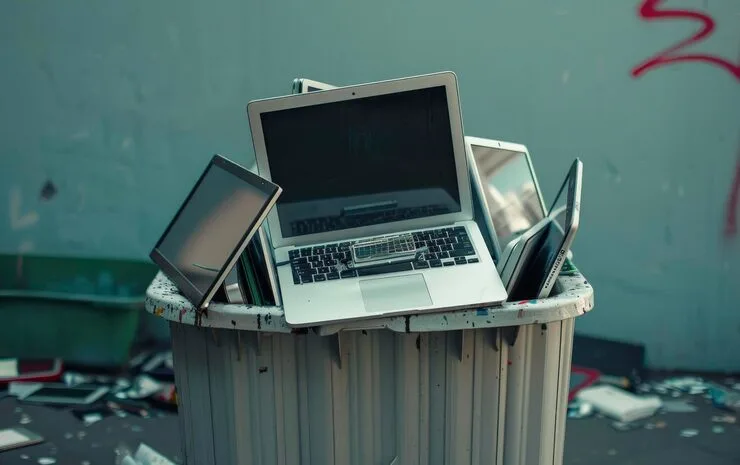
Old TVs are more than just outdated technology they can take up space, collect dust, and sometimes even become a safety hazard. If you’ve been asking yourself, “how to get rid of an old TV,” you’re not alone. Many households struggle with what to do with their old electronics once they’re no longer useful. From recycling to donating or selling, there are several responsible ways to dispose of your television. This guide walks you through each option step by step. Can I Throw My Old TV in the Trash? It might seem easy to toss your old television in the trash, but that’s not usually a safe or legal option. Most TVs, especially older CRT models, contain hazardous materials like lead and mercury. Dumping them in the regular garbage can cause environmental damage and may violate local laws. Here’s what to know: Flat-screen TVs: Some smaller LCD and LED TVs may be accepted by certain municipal e-waste programs, but always check first. CRT TVs: Older tube TVs contain heavy metals and should never go into a landfill. Broken TVs: Even if your TV is no longer functional, proper e-waste disposal is required to handle hazardous components safely. In short, throwing an old TV in the trash is rarely a good idea. Instead, consider recycling, donating, or selling. These methods are safer for the environment and often free or low-cost. How to Recycle Your Old TV If you want a responsible way to get rid of your television, electronics recycling is the answer. Recycling helps recover valuable materials like copper and glass and prevents hazardous substances from harming the environment. Steps to Recycle Your TV: Find a certified e-waste recycler: Search online for “TV recycling near me” or check your city’s waste management website. Many cities offer drop-off centers or special collection events. Prepare your TV: Unplug it, remove cables, and pack it safely for transport. Drop off or schedule a pickup: Some recyclers offer curbside pickup for bulky electronics. Get proof of recycling: A receipt or confirmation helps verify that your TV was disposed of responsibly. Common recycling options include: Option Notes Local e-waste centers Search for municipal or private facilities in your area Retail take-back programs Stores like Best Buy or Staples accept certain TVs Community collection events Often free and safe for hazardous electronics Recycling not only helps the environment but also ensures that your old TV won’t contribute to electronic waste buildup. How to Donate or Sell Your Old TV If your television still works, you have options beyond recycling. Donating or selling your TV gives it a second life and benefits someone else in the process. Donation Options: Schools and libraries: Many educational institutions accept working electronics. Charities: Organizations like Goodwill or Salvation Army often take televisions in good condition. Community centers: Nonprofits sometimes provide electronics to families who can’t afford new ones. Selling Options: Online marketplaces: Facebook Marketplace, Craigslist, and eBay are great for selling old TVs locally or online. Trade-in programs: Some stores accept TVs for store credit or discounted purchases of new electronics. Tips for Selling or Donating: Clean your TV to improve appearance Include all necessary cables and the remote If it’s a smart TV, reset it to factory settings to remove personal information Donating or selling can be a win-win: your TV avoids the landfill, and someone else can enjoy a fully functional device. How to Safely Dispose of Broken TVs Broken TVs present a bigger challenge because they often contain hazardous materials. CRT TVs, in particular, can release lead and other toxins if handled incorrectly. Steps to Dispose of a Broken TV Safely: Handle with care: CRT screens can shatter, so wear gloves and avoid dropping the device. Locate certified e-waste recyclers: Only certain facilities are equipped to safely dismantle and process broken TVs. Do not attempt DIY dismantling: Hazardous components can be dangerous without proper safety measures. Some municipalities offer special collection days for broken electronics, and some private recyclers will pick up broken TVs from your home. Always check local e-waste disposal options before attempting to dispose of a broken device yourself. Extra Tips for Getting Rid of an Old TV Besides recycling, donating, or selling, there are other ways to deal with old TVs responsibly. Refurbishing: Some repair shops or companies specialize in refurbishing old TVs for resale. This can be an eco-friendly option and may even give you some extra cash. Trade-in Programs: Retailers sometimes offer store credit for old electronics, which can be used toward a new TV or other devices. Creative Upcycling: Old TVs can be repurposed into furniture, storage, or even an aquarium. This isn’t for everyone, but it’s a way to give new life to a device that would otherwise be discarded. Proper Preparation for Disposal: Remove batteries from remotes Detach cords and cables Protect screens during transport to avoid breakage Conclusion Knowing how to get rid of an old TV responsibly not only helps keep your home clutter-free but also protects the environment. If you’re in Fresno and want a hassle-free way to dispose of your old electronics, Junk Masterz offers professional eco-friendly recycling services that handle TVs and other electronics safely. By choosing certified recycling options, you ensure hazardous materials are managed properly while giving your old devices a second life. Ready to get rid of your old TV the right way? Contact Junk Masterz today for eco-friendly recycling in Fresno and make your electronics disposal simple and responsible! FAQs How do I get rid of a broken TV? Take broken TVs to certified e-waste recyclers or special municipal collection events. Do not attempt to dismantle CRT TVs yourself. Can I throw an old TV in the trash? Throwing a TV in the trash is generally not allowed, especially for CRT or large TVs, due to hazardous materials. Recycling or donation is a safer alternative. What to do with old electronics? For electronics in general, recycling, donation, or selling are the best options. Many electronics stores accept old devices

Do You Tip Junk Removal Guys? The Complete Guide

Hiring a junk removal service can make clearing out your home or office feel effortless. But one question often lingers: do you tip junk removal guys? It’s something many people wonder about, especially if you’ve never hired a hauling crew before. While tipping is never mandatory, it is a way to show appreciation for hard work. Let’s break it down so you know exactly what to do when the job is done. Why Tipping Junk Removal Workers Matters Junk removal workers often handle heavy lifting, maneuvering large items, and working in challenging environments. Unlike some service jobs, the effort they put in isn’t always obvious from a casual glance. That’s why tipping can make a real difference. Showing appreciation with a tip does more than reward the team =it helps foster goodwill and encourages excellent service. Workers who feel recognized are likely to provide even better service next time. Many homeowners feel good about tipping because it’s a tangible way to say “thank you” for the effort that goes into clearing your space. It’s also worth noting that tipping norms for junk removal vary across regions. Some areas have a strong culture of tipping service workers, while in others, it’s less common. Knowing local expectations can help you decide whether to tip and how much. How Much Should You Tip Junk Haulers One of the most common follow-up questions after asking do you tip junk removal guys is, “How much should I give?” The answer depends on the size of the job, the difficulty involved, and the number of workers on site. Suggested Ranges Here’s a helpful guideline to determine how much to tip junk removal: Job Type Suggested Tip Notes Small haul (<1 hour) $10–20 Light items, minimal effort Medium haul (1–3 hours) $20–50 Includes furniture or heavier items Large/multiple rooms 10–15% of total cost Consider extra for exceptionally heavy lifting or challenging spaces These numbers are similar to tipping norms for other service workers. For instance, asking how much to tip cleaning crew or how much to tip trash collector often falls into a comparable range. The key is to match the tip to the effort and complexity of the task. Factors That Affect the Tip Several factors can influence your decision on tip junk removal: Difficulty of the job: Moving heavy furniture or navigating narrow stairways deserves a higher tip. Size of the crew: Divide the tip fairly among workers. If you have a team of three, make sure each person gets a share. Speed and professionalism: Efficient, careful, and courteous service can warrant a larger tip. Special circumstances: For instance, emergency jobs or last-minute requests might justify a higher tip than usual. How to Tip Junk Removal Guys Once you’ve decided on an amount, the next question is, “How do I give the tip?” Here are some practical junk removal tips for tipping properly: Cash in hand Most workers prefer cash, as it’s immediate and flexible. Handing each worker their portion personally adds a personal touch. If you’ve asked do you tip junk haulers and want to show appreciation without awkwardness, having cash ready is simple and effective. Digital Options Some services now allow tips through apps like Venmo or PayPal. If you choose this method, make sure the tip goes directly to the workers and not the company. A quick confirmation from the crew can prevent misunderstandings. Timing Matters Tipping is typically done after the job is completed, once you’ve seen the service in action. This ensures that you are tipping for the actual quality and effort, not just the expectation. Be Specific When giving a tip, a simple “thank you for your hard work” can go a long way. It shows that your tip is not just money but also a genuine acknowledgment of the effort. Many homeowners ask for advice from professionals on junk removal tips, and emphasizing politeness always comes up as a recommendation. Do You Have to Tip? One of the biggest misconceptions about tipping is that it’s required. In reality, tipping junk removal workers is optional. However, if the team goes above and beyond, a tip is a kind gesture that can make their day. Situations When Tipping May Not Be Necessary Promotions or discounts: If the service is already discounted or part of a special offer, tipping is still appreciated but not required. Self-service options: Some junk removal services let you do the loading yourself. Since workers aren’t physically lifting, tipping may not apply. Company policy: A few companies include gratuity in the total cost. Checking this upfront helps avoid double-tipping. Even when tipping isn’t mandatory, small gestures like offering water or snacks can also show appreciation. It’s about respect and acknowledgment rather than obligation. Tips for Making Tipping Easy and Comfortable Some homeowners feel awkward about tipping. These simple strategies can help: Include the tip in your budget: Factor in the cost of tipping when planning the service. Divide among workers: If you have a crew, ensure each worker gets their fair share. Use a tip envelope: Handing an envelope with each person’s name can be a simple and polite approach. Consider job complexity: If the team handles heavy or awkward items, a higher tip reflects the added effort. Additional Junk Removal Tips Beyond tipping, there are other ways to make your junk removal experience smoother: Prep Your Space: Remove obstacles to make hauling easier and safer. Label Items: Clearly indicate which items are being removed to avoid confusion. Communicate Special Needs: Let the crew know if any items are fragile, heavy, or hazardous. Provide Parking Access: A clear route for trucks and equipment helps the crew work efficiently. These small steps can make the job faster, safer, and more efficient. And when the team sees you’ve prepared and appreciated their effort, tipping becomes a natural extension of gratitude. Conclusion So, do you tip junk removal guys? The answer is yes, if you feel the service warrants it. Tipping is optional but appreciated, and it recognizes the

How to Keep a Garage Clean: The Only Maintenance System You’ll Ever Need

Garages often turn into catch-all spots for everything from holiday decorations to old sports gear. If yours feels overwhelming, you’re not alone. Many folks struggle with a garage dirty from years of buildup, but simple habits make a big difference. This guide walks you through how to keep a garage clean with practical steps that fit real life. Picture walking into a space where you grab what you need without digging through piles. That’s the goal. Start small, stay consistent, and watch clutter vanish. Over time, your garage becomes a functional area again, not just storage for forgotten stuff. Why Garages Get Dirty Fast Garages are unique compared to other parts of a home because they serve multiple purposes. They are not just for parking vehicles but also for storage, hobbies, and sometimes even as a workshop. Several factors contribute to why garages become messy quickly: High Traffic Areas: Garages often act as the main entry for family members or pets, bringing in dirt, dust, and debris from outside. Clutter Accumulation: Many homeowners use garages as storage for items they don’t need daily, which leads to piles of boxes, old furniture, and unused equipment. Limited Cleaning Routines: Garages usually receive less cleaning attention than kitchens or living rooms. Dust, cobwebs, and grime accumulate over time. Seasonal Changes: Leaves, mud, and rainwater can make a garage floor messy, especially in the fall and winter. Understanding why your garage gets dirty helps in designing a system that keeps it clean and organized for the long term. The 5-Part Garage Cleanliness System Keeping a garage clean is easier when you follow a clear and repeatable system. The 5-Part Garage Cleanliness System focuses on decluttering, deep cleaning, organizing, maintaining, and monitoring. Here’s how it works: Declutter – Remove items you no longer need. Separate things into keep, donate, recycle, and discard piles. Deep Clean – Clean floors, walls, and surfaces thoroughly. Sweep, mop, and tackle stains and spills. Organize – Use storage solutions like shelves, hooks, and bins to create a functional layout. Maintain – Schedule weekly, monthly, and seasonal cleaning tasks to prevent buildup. Monitor – Regularly check for dirt, damage, or clutter and address problems immediately. This system provides a structured approach to garage clean ups, making it easier to manage a space that tends to get messy. Step-by-Step Deep Clean A deep clean is essential to get your garage from cluttered to clean. Here’s a practical, step-by-step approach for cleaning out the garage: Step 1: Empty the Garage Start by removing everything from the garage. This may seem daunting, but it’s necessary for a thorough cleaning. As you remove items, sort them into piles: keep, donate, sell, and trash. This step addresses the core issue of clutter that leads to a garage dirty and messy appearance. Step 2: Dust and Sweep Once the garage is empty, dust all surfaces, including shelves, corners, and ceiling edges. Sweep the entire floor to remove loose dirt and debris. Pay attention to corners and under shelving, as dust and cobwebs tend to accumulate in these areas. Step 3: Clean Walls and Surfaces Wipe down walls, doors, and windows with a damp cloth and mild detergent. For stubborn stains, consider using a degreaser. This is particularly important if you have a garage used as a workshop, where oil or grease may have collected over time. Step 4: Floor Cleaning Garage floors are prone to stains from oil, mud, and spills. Use a stiff-bristled brush and a floor cleaner designed for concrete. For tough oil stains, baking soda or commercial degreasers can be effective. Don’t forget to rinse thoroughly and let the floor dry completely before returning items. Step 5: Organize Tools and Storage Before returning items to the garage, decide on a layout that maximizes space. Use shelves, hooks, and clear bins to keep items organized. Labeling bins can save time when looking for specific items. This step turns a once messy garage into a functional and clean space. How to Keep a Garage Clean Year-Round Once your garage is deep cleaned, the next challenge is keeping it that way. A clean garage requires ongoing attention. Here’s how to maintain a garage clean consistently: 1. Weekly Quick Sweep Spend 10–15 minutes each week sweeping the floor, removing debris, and checking for misplaced items. This prevents dirt from accumulating and keeps the garage looking tidy. 2. Monthly Maintenance Check shelves, storage bins, and corners for dust or clutter. Wipe down surfaces and reorganize any items that have been moved out of place. This step is particularly helpful for cleaning garage spaces that often get cluttered with seasonal items. 3. Seasonal Deep Clean At least twice a year, perform a deep clean similar to the process described above. This includes checking for pests, cleaning windows, and washing the floor thoroughly. Seasonal garage clean ups prevent long-term buildup and help maintain a clean and functional space. 4. Keep a System for New Items Whenever new items enter your garage, have a plan for storing them immediately. Avoid leaving boxes or tools on the floor. This proactive approach helps prevent clutter from taking over again. Tips for a Proper Garage Clean Out Cleaning out the garage can be overwhelming, but these tips make the process smoother and more efficient: 1. Start Small If your garage is extremely messy, begin with one section at a time. This approach makes the task manageable and less stressful. 2. Use Storage Solutions Install wall hooks, ceiling racks, or modular shelves. Storage solutions create more space and make it easier to maintain clean garages. 3. Sort Items by Category Group items by type tools, sports equipment, gardening supplies, etc. Keeping similar items together simplifies cleaning and organizing in the future. 4. Dispose of Hazardous Materials Safely Old paints, chemicals, or solvents should be handled carefully and disposed of according to local regulations. Keeping hazardous items out of your garage helps maintain a safe and clean environment. 5. Donate or Sell Unused Items Clutter often

How to Dispose of Small Refrigerator the Right Way (Safe, Legal & Affordable Guide for 2025)

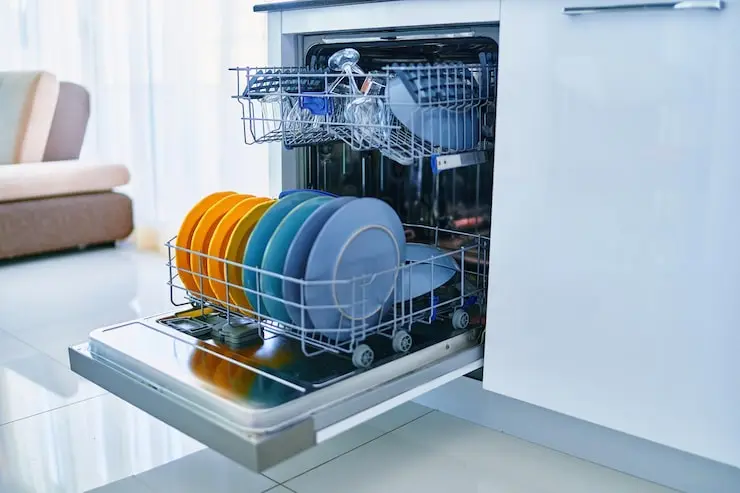
More than 9 million household appliances are thrown away in the U.S. every year, and a lot of them are small equipment like dorm fridges, workplace coolers, and mini refrigerators. But here’s something a lot of folks don’t know: getting rid of a tiny fridge is not the same as throwing away a microwave or a typical piece of trash. Even the smallest micro fridge has metals, insulation foam, and refrigerants that need to be handled in a certain way. You can’t just throw one in the trash or drag it to the curb. If you’re searching for how to dispose of small refrigerator, or want to know how to get rid of a mini fridge safely, legally, and without getting fined you’re in the right place. Prep Steps Before Disposal (Do These First) Before you decide how to dispose of mini fridge or where to take it, you need to prep the appliance. Proper preparation prevents leaks, mold, and mess and in some states, it’s legally required. Step 1: Unplug and Defrost Unplug the unit at least 12 to 24 hours before moving it. This allows ice in the freezer compartment to melt naturally. Place a towel underneath to catch dripping water. Step 2: Clean and Sanitize Remove all shelves and drawers. Wash with warm water and soap. This step is crucial if you plan to: Donate Sell Recycle A clean appliance has a much better chance of being accepted. Step 3: Remove or Tape the Door For safety especially for curbside pickups you must tape the door shut or remove it completely. Loose refrigerator doors are a major hazard for children and pets. Step 4: Inspect Power Cord and Exterior Damage Take note of: Loose wires Cracked plastic Rust Dents Mold smell These details help you determine if the unit is salvageable or if recycling is your only option. Test if the Mini Fridge is Still Working Not every small fridge is ready for the scrap heap test it first to see if it deserves a second life. Plug it back into a working outlet and let it run for 30-60 minutes. Listen for the low hum of the fan, check if it cools properly, and see if lights flicker on without issues. Watch for red flags like leaks, funky odors, poor door seals, loud buzzing, or random defrosting. Age matters too: under 5 years old? It might fetch $25-75 on resale. Between 6-10 years? Energy hogs, but possibly fixable. Over 10? Time to move on. A quick Google on your model number often reveals common fixes or recalls. This check helps decide between reuse or full disposal. Reuse Options: Donate, Sell, or Repurpose If your test shows it’s humming along, why trash it? Donating or selling turns clutter into cash or karma. Clean and working units under 10 years old appeal to students, apartments, or families in need. Donate locally: Drop at homeless shelters, churches, community centers, or college campuses they snap up mini fridges fast. Sell online: List on Facebook Marketplace, Craigslist, or Offer Up for $25-75, depending on size and condition. Snap clear photos and note “tested and working.” Give away free: Post in Fresno Buy Nothing groups or neighborhood apps; someone nearby always needs one. These steps for can i throw a mini fridge away responsibly extend its life and cut waste. Platforms like these move units quick, often same-day. Disposal Methods: The Complete Guide When reuse isn’t an option, pick a method that handles refrigerants legally. Here’s a breakdown tailored to California, with real 2025 costs for Fresno-area folks: Method Description CA/Fresno Cost Estimate Pros Cons Appliance Recycling EPA-certified centers drain Freon, recycle metals/plastics. Free-$30 drop-off ​ Eco-friendly, no hassle Must transport yourself Curbside Pickup City bulk waste days via waste management. $20-50 fee, schedule ahead Convenient Limited slots, prep required Retailer Haul-Away Best Buy/Home Depot during new buy or standalone. $25-100, often free with purchase ​ Pros handle everything Availability varies Junk Haulers Full-service pickup, recycling included. $75-150 for small fridge Door-to-door, eco-compliant Slightly higher cost Scrap Yards Metal value after Freon removal. $5-20 payout possible Earn a bit Need pro drain first For mini fridge recycling, always confirm Freon handling it’s illegal otherwise. In Fresno, curbside works for most, but haulers shine for stairs or heavy lifts. Legal Rules You Must Follow (EPA + State Laws) Dumping appliances willy-nilly? Big no in 2025. EPA bans unhandled refrigerants nationwide, mandating certified recovery to curb ozone damage. California amps it up: landfills reject fridges entirely, with fines up to $1,000 for illegal dumps. Can you throw a mini fridge in the dumpster? Absolutely not most complexes ban it due to hazards.​ Labeling matters too; some cities require “Freon” tags for pickup. Where to dispose of a refrigerator? Stick to certified spots. Violators face tickets, so skip the DIY refrigerant hacks they’re dangerous and void warranties. How to throw away a mini fridge legally boils down to pros who follow Clean Air Act rules. Stay compliant, and you’re golden. Why Choose Junk Masterz for Fresno Small Fridge Removal Living in Fresno or nearby? Junk Masterz junk removal makes disposing of a small refrigerator effortless. As local pros with years hauling appliances, we specialize in eco-friendly pickups Freon drained, 80% recycled. No hidden fees: a solo mini fridge runs $75-125, including labor and disposal. Our team arrives on time, handles the heavy lifting (even up stairs), and leaves your space spotless. We’ve cleared thousands of small fridges from garages, offices, and rentals without a hitch. David Harlan here I’ve overseen Fresno cleanouts for over a decade, ensuring every job meets CA regs. Ready? Get a free quote today at junkmasterzca.com or call (559) 908-2189. We beat big chains on price and service. Final Tips for Safe and Easy Mini Fridge Disposal Nail it with this at-a-glance list for how do I dispose of a fridge: Unplug 24+ hours, defrost fully. Clean inside/out, remove shelves/door. Test function; reuse if possible. Choose recycling/hauler over dumpster. Schedule

How Much Does Junk Removal Cost? [2026 Complete Pricing Guide + Calculator]

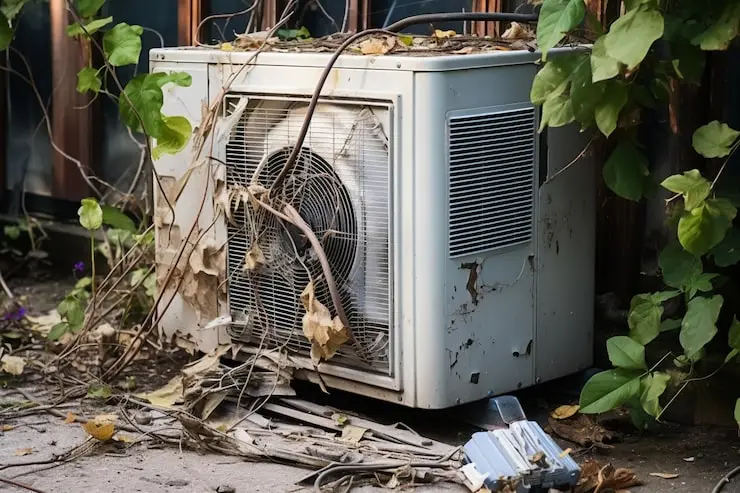
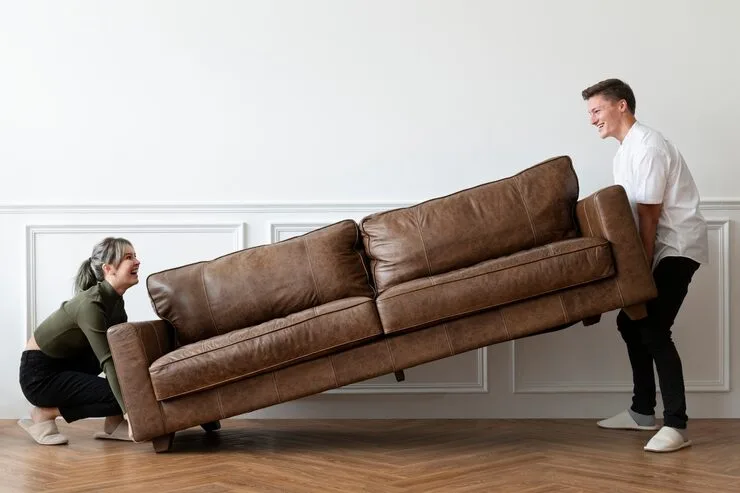
Getting rid of unwanted items from your home shouldn’t feel like solving a puzzle. Yet, many people find themselves confused when trying to figure out what they’ll actually pay for junk removal services. Whether you’re clearing out your garage after years of accumulation, finally getting rid of that old couch, or tackling a complete home cleanout, understanding the costs helps you budget properly. The pricing can vary wildly based on what you’re tossing, how much space it takes up, and where you live. Most homeowners spend between $150 and $450 for typical junk removal jobs in 2026. But that’s just the starting point. Some projects might only cost $75, while others can reach $850 or more. Let’s break down exactly what you’ll pay and why. How Much Does Junk Removal Cost? Quick Answer Junk removal pricing in 2026 ranges from $70 to $850, depending on volume and item type. Here’s what most people pay: Single item removal: $70–$150 Quarter truck load: $120–$200 Half truck load: $200–$450 Three-quarter load: $400–$600 Full truck load: $600–$850 National average: $150–$450 The cost of junk removal depends on three main factors: how much stuff you have, what type of items need removal, and your location. Companies typically charge based on how much space your junk takes up in their truck, not by the hour. 2026 Junk Removal Cost Breakdown Understanding the pricing structure helps you avoid surprises when the truck arrives. Costs by Load Size Professional junk removal companies measure loads in cubic yards. A standard pickup truck holds about 2-3 cubic yards, while a full-size junk removal truck can fit 13-17 cubic yards. Quarter Load (3–5 cubic yards): $120–$200. Ideal for a couch, dining table, or a few trash bags. Best for small cleanouts or single-room projects. Half Load (5–10 cubic yards): $200–$450. Fits an entire bedroom set, multiple appliances, or yard debris. Handles most standard home projects. Full Truck (13–17 cubic yards): $600–$850. Holds contents of a two-bedroom apartment. Suitable for major cleanouts, estate clearing, or post-renovation debris. Furniture Removal Pricing Getting rid of old furniture represents one of the most common junk removal needs. A standard couch costs $100-$200 to remove, while sectional sofas run $175-$350 depending on the number of pieces. Mattress disposal costs $80-$160 per piece. Many states require special recycling for mattresses, which adds to the expense. Dressers and chest of drawers cost $75-$150 each. Large items like armoires and entertainment centers run $100-$250. The weight and difficulty of moving these pieces influences the final price. Dining tables cost $100-$200, while dining chairs run $25-$50 each. Appliance Removal Costs Old appliances need careful disposal due to refrigerants, heavy metals, and electronic components. Refrigerator removal costs $50-$150, with chest freezers running slightly higher at $100-$200 due to their size. Washing machines and dryers cost $75-$200 each. Water heaters run $90-$200 for removal. Dishwashers typically cost $75-$150. Hot tubs represent a major removal challenge, costing $200-$600 depending on size and access. The crew needs to drain, dismantle, and haul away heavy fiberglass or acrylic components. Debris and Construction Waste Construction debris removal costs $100-$800 per truckload. The price varies based on material type and weight. Light materials like drywall and insulation cost less than heavy concrete or tile. Yard waste removal runs $150-$190 per ton. This includes branches, leaves, soil, and general landscaping debris. Many areas offer seasonal pickup for yard waste, which can save you money. Carpet and rug removal costs $70-$280 per room. The price depends on carpet thickness, padding, and whether tack strips need removal. Electronics Disposal Electronics contain hazardous materials that require special handling. TV removal costs $75-$150 for larger models. Desktop computers run $50-$100, while laptops cost $30-$75. Printers cost around $50-$100 to dispose of properly. Many junk removal services include small electronics like phones and tablets in their standard pickup fee. How Location Affects Junk Removal Costs Where you live significantly impacts your final bill. Urban areas typically charge 10-20% more than rural locations due to higher operating costs and disposal fees. Regional Price Variations West Coast cities like Los Angeles and Seattle show the highest average costs at $450-$1,000 for full loads. New York City and other Northeast metros run similarly high, with full trucks costing $500-$1,000. Midwest cities like Chicago and St. Cloud offer more moderate pricing, with full loads running $300-$700. Southern cities like Houston and Atlanta fall somewhere in the middle at $350-$650. Disposal Fee Differences Landfill tipping fees vary dramatically by region. Some areas charge $40 per ton, while others charge $120 or more. These fees directly impact what junk removal companies charge you. States with strict environmental regulations often have higher disposal costs. California, Massachusetts, and Washington tend to charge more due to stricter recycling requirements and limited landfill space. Access and Location Challenges Your property’s accessibility affects labor costs. First-floor pickups with easy truck access cost less than jobs requiring stair climbing or navigating tight hallways. Apartments above the third floor might incur a $50-$100 surcharge per floor. Narrow staircases, tight corners, and elevator usage all add time and difficulty to the job. Rural properties far from disposal facilities might face distance fees. Some companies charge extra for travel beyond their standard service area. Hidden Junk Removal Costs to Watch For Many homeowners get surprised by additional charges that weren’t mentioned in the initial quote. Knowing these potential fees helps you budget accurately. Stair Fees Moving heavy items down stairs takes extra time and increases injury risk. Companies typically charge $25-$100 for stair fees, depending on the number of floors and item weight. A single couch down one flight might add $25-$50, while moving a piano down three flights could add $100 or more. Heavy Item Surcharges Items over 100 pounds often carry extra fees. Pianos cost $200-$500 to remove, with grand pianos at the higher end. Safes run $150-$400 depending on size and weight. Pool tables require disassembly and careful handling, costing $200-$400 for removal. Exercise equipment like treadmills and weight benches might add $50-$150 to

Cheapest Ways to Get Rid of Junk

Your garage is packed, the basement is overflowing, and boxes are creeping into the hallway. If that sounds familiar, you’re not alone. The average American home holds more than 300,000 items, many of which haven’t been used in years. Over time, clutter builds quietly until it starts costing you space, time, and peace of mind. The hardest part isn’t realizing you have too much stuff. It’s figuring out how to get rid of it without hurting your wallet or your back. After spending the last ten years helping families declutter, downsize, and prepare for major life changes, one thing is clear: there’s no single solution that works for everyone. The best way to get rid of junk depends on your budget, how quickly you need it gone, and how much physical work you can handle. In this guide, you’ll find 11 proven methods, ranging from completely free options to full-service professional help, with clear breakdowns of cost, time, and best use cases so you can choose a plan that actually fits your situation. What You Need to Know Before You Start Before diving into specific methods, let’s establish some baseline knowledge that will help you make informed decisions. Understanding Your Options Getting rid of junk boils down to three main approaches: DIY Methods: You handle everything yourself, from sorting to hauling to disposal. These options cost little to nothing but require significant time and physical effort. Best for people who are able-bodied, have access to a vehicle, and aren’t in a rush. Affordable Services: A middle ground where you might fill a bag or dumpster yourself, but professionals handle the heavy lifting and disposal. Costs typically range from $50-$300 and offer a good balance of savings and convenience. Full-Service Solutions: Professionals do everything from loading to hauling to disposal. You simply point at what goes, and they make it disappear. Expect to pay $300-$600 for average projects, but you’ll save your time, back, and sanity. The Real Cost of Junk Removal Let’s talk numbers. Here’s what you can expect to pay: Method Type Average Cost Time Required Best For Free DIY $0-$50 2-6 hours Small amounts, patient people Budget-Friendly $50-$200 1-4 hours Moderate amounts, some DIY ability Professional Service $300-$600 1-2 hours Large volumes, convenience priority But cost isn’t just about money. Consider these hidden factors: DIY hauling costs $60-$110 in hard dollars (truck rental plus dump fees), but requires 4-8 hours of heavy physical labor. If you value your time at $25 per hour, that’s really $160-$310 total cost. Professional services might seem expensive at $400, but when you factor in the time saved, no physical strain, and guaranteed completion, many people find it’s actually the better value. What Type of Junk Do You Have? Not all junk is created equal. Your disposal method often depends on what you’re getting rid of: General Household Items: Furniture, boxes, clothes, toys, books, kitchen items. These are the easiest to dispose of through almost any method. Large Appliances: Refrigerators, washers, dryers, dishwashers. Many require special handling, especially items with refrigerants. Some retailers offer free removal with new appliance delivery. Electronics (E-Waste): Computers, TVs, monitors, printers, phones. These contain toxic materials and valuable metals. Many states ban them from regular trash. Free recycling is widely available. Yard Waste: Branches, leaves, old outdoor furniture, planters. Often accepted in yard waste pickup or compost facilities. Some communities offer free seasonal collection. Hazardous Materials: Paint, chemicals, batteries, fluorescent bulbs, automotive fluids. These require special disposal through municipal hazardous waste programs. Never put these in regular trash. Construction Debris: Drywall, flooring, lumber, fixtures, concrete. Usually measured by weight (tons) rather than volume. Requires special construction and demolition facilities. Important: Some items require special disposal methods due to environmental regulations. Never dispose of hazardous materials with regular trash. Penalties range from $500-$5,000 for illegal dumping. Top 11 Cheapest Ways to Get Rid of Junk Here are ten actionable, budget-friendly strategies to declutter your home or office while saving money. Method #1: Post Items for Free on Facebook Marketplace & Craigslist   I’ve used this method dozens of times, and it’s honestly magical how quickly people will come grab things you’re about to throw away. Last month, I posted a worn sofa, and within two hours, three people had messaged me. It was gone by that afternoon. How to do it right: Take clear photos from multiple angles in good lighting. People won’t pick up items they can’t clearly see. Write honest descriptions including exact dimensions and any flaws. “Blue sofa, 7 feet long, small stain on right cushion” works better than just “free sofa.” Use magic keywords: “Free – curb pickup” or “Free – must pick up today” signal that you’re serious and in a hurry. List everywhere: Facebook Marketplace, Craigslist, and local Facebook groups. More eyes = faster removal. Set it outside: Tell people to grab it from your porch or driveway. You avoid scheduling hassles and having strangers enter your home. What actually works: Based on my experience and tracking 200+ successful giveaways in our local community, here’s what disappears fastest: Furniture in decent condition (even with minor wear) Working appliances (even older models) Building materials (people love free lumber and doors) Kids’ items (toys, equipment, furniture) Exercise equipment (treadmills, weights, bikes) Functional electronics (older TVs, computers, speakers) Reality check: About 40% of people who say “I’ll pick it up today” never show up. This is frustrating but normal. Just keep the listing active and move on to the next person. Method #2: Join Buy Nothing Groups & Freecycle Networks If Facebook Marketplace is the wild west of free stuff, Buy Nothing groups are the friendly neighborhood gathering. I’ve been part of my local Buy Nothing group for three years, and it’s changed how I think about disposal entirely. Getting started: Find your group: Search Facebook for “Buy Nothing [Your Neighborhood]” or visit TheBuyNothingProject.org. Most urban and suburban areas have active groups. Join Freecycle too: Visit Freecycle.org and find your local network. It’s similar but

Color Palette