Dispose

How to Dispose of Isopropyl Alcohol Safely: Complete Disposal Guide for Homes & Businesses

Isopropyl alcohol, also known as rubbing alcohol, is one of the most common household and industrial chemicals. People use it for disinfecting surfaces, cleaning electronics, removing stains, sanitizing tools, and even in automotive and medical settings. However, many people are unsure about how to dispose of isopropyl alcohol safely and legally. Improper disposal can create serious risks. Since isopropyl alcohol is highly flammable, pouring large amounts down drains, tossing soaked materials in the trash, or dumping it outdoors can lead to environmental contamination, fire hazards, and health concerns. By the end of this article, you’ll understand the safest and most responsible ways to handle used or unwanted isopropyl alcohol. What Is Isopropyl Alcohol? Isopropyl alcohol (IPA) is a colorless, fast-evaporating liquid commonly sold in concentrations such as: 70% isopropyl alcohol 91% isopropyl alcohol 99% isopropyl alcohol It is widely used in: Household Cleaning Many homeowners use rubbing alcohol for: Cleaning mirrors and glass Sanitizing countertops Removing sticky residue Cleaning electronics Medical and First Aid Use It is commonly found in: First aid kits Clinics Medical facilities Sanitizing stations Industrial Applications Businesses often use isopropyl alcohol for: Manufacturing Equipment cleaning Automotive detailing Printing operations Because of its chemical properties, disposal must be handled carefully. Why Proper Disposal Matters Understanding how to properly dispose of isopropyl alcohol is important for protecting: Human health Plumbing systems Wastewater facilities Soil and groundwater Air quality Fire Hazard Risks Isopropyl alcohol is extremely flammable. Improper disposal can create dangerous vapors that may ignite from: Electrical sparks Open flames Hot surfaces Even small amounts can become hazardous in enclosed areas. Environmental Concerns Pouring alcohol outdoors or into storm drains may contaminate: Rivers Lakes Soil Groundwater Wastewater treatment plants may also struggle to process concentrated chemical liquids. Health Risks Direct exposure to concentrated alcohol vapors may cause: Headaches Dizziness Eye irritation Respiratory discomfort This is especially important in poorly ventilated spaces. Can You Pour Isopropyl Alcohol Down the Drain? This is one of the most common questions people ask. The answer depends on the amount and concentration. Small Household Amounts In many areas, very small quantities of diluted isopropyl alcohol may be safely flushed down the drain with plenty of running water. For example: A few tablespoons Residue from cleaning wipes Small leftover amounts from household use However, local regulations may vary. Large Quantities Should Never Go Down Drains You should never pour large amounts into: Kitchen sinks Toilets Storm drains Outdoor gutters Large quantities increase fire risks and may damage plumbing or wastewater systems. If you have more than a small amount, use hazardous waste disposal services instead. How to Dispose of Isopropyl Alcohol at Home If you are wondering how to safely dispose of isopropyl alcohol, follow these steps carefully. Step 1: Identify the Amount First determine: How much alcohol you have Its concentration level Whether it is contaminated Small household quantities may be treated differently than industrial amounts. Step 2: Check Local Regulations Many cities classify isopropyl alcohol as household hazardous waste (HHW). Check with: Local waste management departments Recycling centers Hazardous waste facilities Some communities offer scheduled chemical collection events. Step 3: Store It Properly Until Disposal Before transporting or disposing of it: Keep it in its original container Seal the lid tightly Store away from heat Keep away from children and pets Never mix alcohol with other chemicals. Step 4: Transport Carefully When taking alcohol to a disposal facility: Keep containers upright Use a ventilated vehicle Avoid direct sunlight Secure containers to prevent spills How to Dispose of Used Isopropyl Alcohol Many people ask how to dispose of used isopropyl alcohol after cleaning or industrial use. The answer depends on contamination levels. Lightly Used Alcohol If the alcohol was used for simple household cleaning and contains minimal contamination, local guidelines may allow: Evaporation in a well-ventilated area Disposal in small diluted quantities Always verify local regulations first. Contaminated Isopropyl Alcohol Alcohol contaminated with: Oil Paint Grease Chemicals Biological materials should always be treated as hazardous waste. Never pour contaminated alcohol into drains or onto the ground. Safe Evaporation Method for Small Amounts In some regions, allowing tiny amounts of isopropyl alcohol to evaporate safely is permitted. Important Safety Precautions If local laws allow evaporation: Use a well-ventilated outdoor space Keep away from flames and sparks Use a shallow container Keep children and pets away Never evaporate large quantities indoors. This method should only be used for very small amounts. Household Hazardous Waste Facilities The safest answer for how to properly dispose of isopropyl alcohol is usually a hazardous waste collection center. What These Facilities Accept Most HHW facilities accept: Rubbing alcohol Cleaning solvents Paint chemicals Automotive fluids Flammable liquids Benefits of Professional Disposal Using professional facilities helps ensure: Environmental protection Legal compliance Safe handling Proper recycling or treatment This is especially important for businesses handling larger volumes. Can You Throw Isopropyl Alcohol in the Trash? Generally, liquid isopropyl alcohol should not be thrown directly into household trash. Why It’s Unsafe Trash disposal creates risks such as: Fire hazards in garbage trucks Vapor buildup Leaking containers Chemical exposure What About Empty Containers? Completely empty containers may sometimes be discarded or recycled according to local guidelines. However: The container must be fully dry No liquid should remain Labels should stay attached if required locally How Businesses Should Dispose of Isopropyl Alcohol Commercial disposal rules are usually stricter than household regulations. Businesses That Commonly Use IPA Industries include: Medical offices Automotive shops Printing companies Janitorial services Electronics repair facilities Commercial Disposal Requirements Businesses may need: Licensed hazardous waste haulers Documentation records Approved storage containers OSHA and EPA compliance Failure to follow regulations may result in fines or environmental violations. Common Mistakes to Avoid Understanding what NOT to do is just as important. Pouring Large Quantities Down the Sink This is one of the biggest disposal mistakes and can create plumbing and fire hazards. Mixing Chemicals Together Never mix isopropyl alcohol with: Bleach Ammonia Acids Unknown chemicals Dangerous reactions may occur. Storing Near Heat Sources Avoid

How to Dispose of Paint Thinner Safely and Legally (Complete Homeowner Guide)

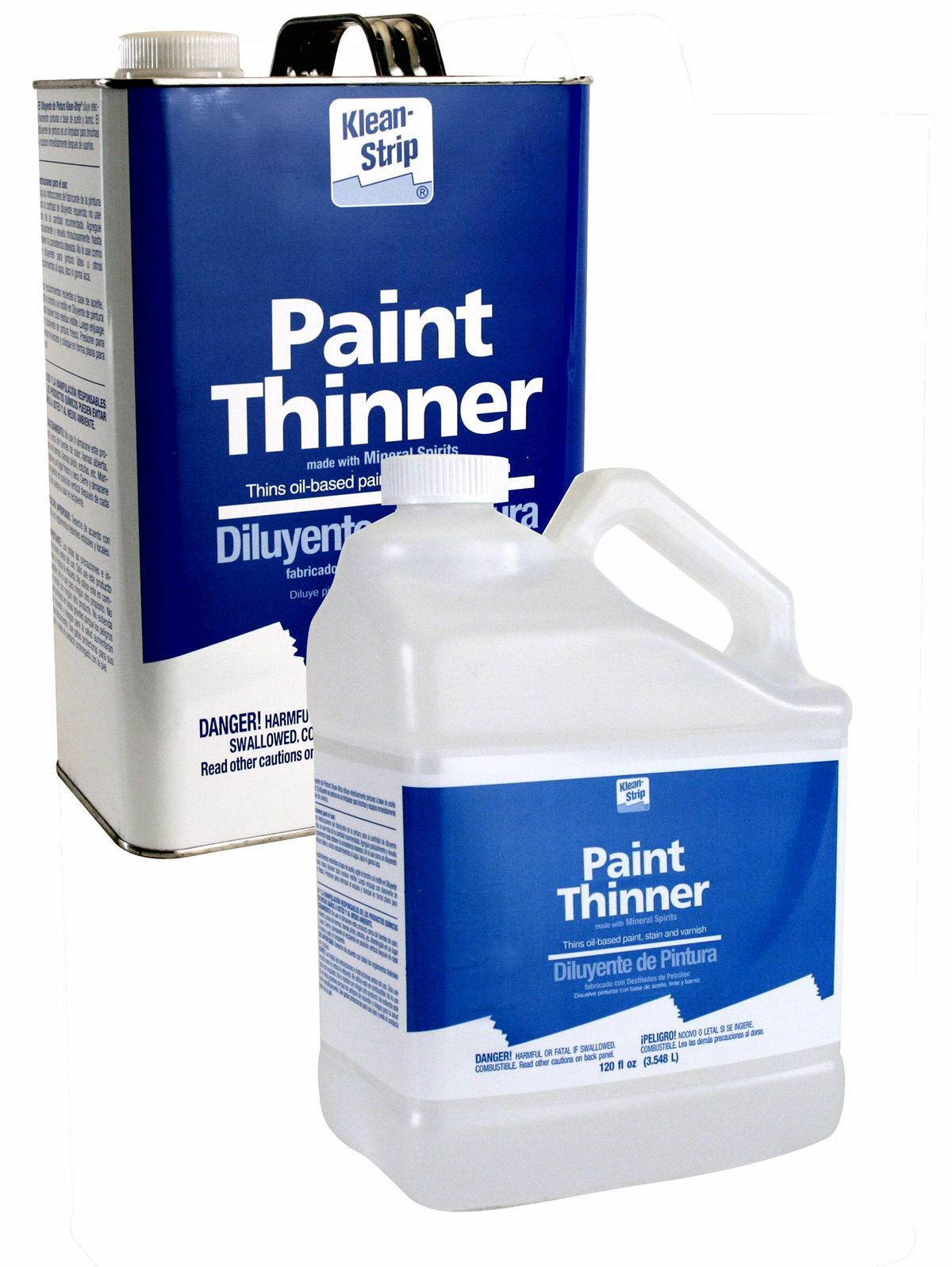
Paint thinner is a common tool in many households, used for thinning oil-based paints, cleaning brushes, and removing stubborn paint stains. This makes understanding how to dispose of paint thinner safely an essential part of any painting or renovation project.While it is incredibly useful, it also comes with serious risks if not handled or disposed of correctly. Many homeowners are unaware that improper disposal of paint thinner can lead to environmental contamination, health hazards, and even fire risks.  In this guide, we will walk you through safe and effective methods for disposing of used paint thinner, including how to reuse it, how to handle oil-based variants, and where to take larger quantities for legal disposal. By following these steps, you can protect your home, your community, and the environment while staying compliant with local regulations. What Is Paint Thinner and Why Is It Hazardous? Paint thinner is a petroleum-based solvent used to: Thin oil-based paints Clean brushes and rollers Remove paint spills Degrease surfaces Most paint thinners contain volatile organic compounds (VOCs). These chemicals evaporate quickly and can: Pollute air Contaminate soil and groundwater Cause health issues if inhaled Ignite easily (highly flammable) Because of these risks, paint thinner should never be poured down the drain, into the ground, or into regular trash unless fully dried and approved by local regulations. How to Dispose of Paint Thinner (Step-by-Step Guide) Here is the safest and most recommended process. Step 1: Determine If It Can Be Reused Before disposal, check if the paint thinner can be recycled at home. How to reuse paint thinner: Pour used thinner into a clear glass or metal container. Seal it tightly. Let it sit undisturbed for 24–48 hours. Paint residue will settle at the bottom. Carefully pour the clear liquid into a new container. The clear liquid can often be reused for cleaning tools again. This method is ideal when learning how to dispose of used paint thinner responsibly, since reuse reduces waste. Step 2: Dry Small Amounts Safely If you have a small leftover amount: Pour it into a metal tray lined with kitty litter or sawdust. Let it evaporate in a well-ventilated outdoor area away from flames. Once completely dry, the solid residue may be disposed of in regular trash (check local rules). Never dry paint thinner indoors. Step 3: Take It to a Household Hazardous Waste Facility For larger quantities, the safest answer to how to properly dispose of paint thinner is: Take it to your local Household Hazardous Waste (HHW) facility. Most cities operate drop-off centers several times a year. Some offer permanent facilities. These centers are equipped to: Neutralize chemicals Recycle solvents Dispose of hazardous materials safely How to Dispose of Oil Paint Thinner Oil paint thinner is more toxic than water-based alternatives. If you’re wondering how to dispose of oil paint thinner, follow these rules: Never mix it with other chemicals. Keep it in its original container if possible. Label it clearly if transferring to a new container. Store it away from heat sources. Oil-based thinners must be handled as hazardous waste in almost all regions. You May Also Read:How to Dispose of gasoline How to Dispose of Paint Thinner After Use If you need a fast summary: Let solids settle and reuse clear liquid. Dry small amounts outdoors with absorbent material. Never pour down sink, toilet, storm drain, or soil. Take larger quantities to hazardous waste collection. Store in sealed, fire-safe container until disposal. Mid-project cleanups can be overwhelming, and companies like Junk Masterz assist with sorting, transporting, and ensuring materials go to approved disposal facilities. Can You Pour Paint Thinner Down the Drain? No. Paint thinner damages: Plumbing systems Septic tanks Municipal wastewater systems It can also: Enter rivers and groundwater Kill aquatic life Release toxic fumes inside pipes Most municipalities fine residents for illegal disposal of hazardous solvents. Can Paint Thinner Go in Regular Trash? Only if: It has fully evaporated. It is completely dry. Local waste regulations allow it. Liquid paint thinner should never go in household garbage. Safe Storage Tips Before Disposal If you cannot dispose of it immediately: Store in original container. Keep tightly sealed. Place in cool, dry area. Keep away from children and pets. Avoid direct sunlight. Proper storage reduces fire risk and chemical leaks. Environmental Impact of Improper Disposal Improper disposal can: Pollute groundwater for decades Harm wildlife Increase indoor air pollution Create fire hazards in landfills Even small amounts can contaminate thousands of gallons of water. Responsible disposal protects both your household and the community. What happens if paint thinner goes down the drain? It can: Damage plumbing Contaminate groundwater Harm wastewater treatment systems Lead to fines It should never be poured into household drains. When to Call a Professional Removal Service If you have: Large quantities Garage cleanouts Commercial renovation waste Mixed hazardous materials It may be safer to contact professionals. Junk Masterz is offering affordable junk removal services that help homeowners safely remove unwanted materials, including paint-related waste. Frequently Asked Questions (FAQs) Is paint thinner considered hazardous waste? Yes. In most municipalities, paint thinner is classified as household hazardous waste due to its flammable and toxic chemical composition. How long does paint thinner take to evaporate? Small amounts may evaporate within 24–48 hours in a well-ventilated outdoor area. Larger quantities take longer and should not be left in enclosed spaces. Can you reuse paint thinner? Yes. After allowing solids to settle at the bottom of a container, the clear liquid on top can often be reused for cleaning brushes and tools. How do you neutralize paint thinner? Paint thinner cannot be chemically neutralized safely at home. The safest approach is evaporation of small quantities or disposal at a hazardous waste facility. Can I mix paint thinner with cat litter and throw it away? Yes, for small quantities. Once fully absorbed and completely dry, some municipalities allow disposal in regular trash. Always verify local regulations. How to dispose of used paint thinner from brushes? Let the thinner settle

How to Dispose of Coolant : Safely and Legally

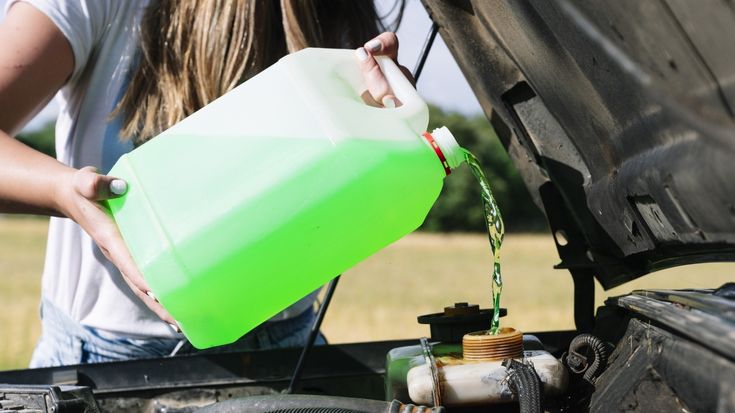
If you own a car, truck, or SUV, coolant maintenance is unavoidable. Whether you’re performing a routine radiator flush, replacing a water pump, or repairing a leaking hose, one question always comes up: how to dispose of coolant?  Many vehicle owners focus on how to change coolant — but very few think about what happens after it’s drained. Used antifreeze doesn’t just “go away.” It becomes chemical waste that must be handled responsibly. Failing to dispose of it correctly can lead to environmental damage, health risks, and even legal penalties. Engine coolant may look harmless, but most formulas contain ethylene glycol — a toxic chemical that can contaminate groundwater and attract pets due to its sweet taste. Just a small spill can pose serious risks. That’s why understanding how to dispose of engine coolant the right way is not optional — it’s essential. Why Proper Coolant Disposal Matters Engine coolant (also called antifreeze) typically contains ethylene glycol or propylene glycol. Ethylene glycol is toxic to humans and animals. Even small amounts can cause serious harm. When dumped improperly: It can contaminate groundwater It can poison pets and wildlife It may enter storm drains and waterways It can violate environmental laws That’s why understanding how to dispose of used coolant properly is essential. What Is Coolant and Why Is It Hazardous? Coolant is a chemical mixture used to regulate engine temperature. It prevents overheating in summer and freezing in winter, keeping your radiator and engine operating within a safe range. Common Ingredients: Ethylene glycol (toxic) Propylene glycol (less toxic but still regulated) Corrosion inhibitors Additives and dyes While new coolant already requires careful handling, used coolant becomes even more hazardous over time because it may contain: Heavy metals Oil residue Fuel contaminants These contaminants accumulate as the fluid circulates through the engine. That means used antifreeze is no longer just a temperature-control liquid — it becomes chemically polluted waste that can harm soil, water systems, pets, and wildlife. This is why knowing how to dispose of old coolant responsibly is important. It’s not just automotive maintenance — it’s environmental responsibility. In situations where coolant containers are leaking, mixed with other garage waste, or part of a larger cleanup project, proper handling becomes even more critical. Automotive fluids fall under regulated junk removal liquid waste, meaning they must be separated, transported, and processed according to local environmental guidelines rather than being treated like regular household trash. You May Also Read: Junk removal disposal Step-by-Step: How to Dispose of Coolant Safely Step 1: Collect the Coolant Properly When draining coolant: Use a drain pan designed for automotive fluids Avoid spilling onto the driveway or soil Transfer the fluid into a sealed, leak-proof container Label the container clearly Never mix coolant with oil, brake fluid, or other chemicals. Step 2: Store It Safely Until Disposal Keep the container: Tightly sealed Away from children and pets Stored in a cool, dry place If you’re wondering how to dispose of coolant fluid safely before transport — proper storage is critical. Step 3: Take It to an Approved Disposal Location You cannot throw coolant in the trash or pour it down the drain. Approved disposal options include: 1. Local Household Hazardous Waste (HHW) Facilities Most cities operate HHW collection centers that accept antifreeze. 2. Auto Parts Stores Some auto shops and retailers accept used antifreeze for recycling. 3. Automotive Repair Shops Many garages accept used coolant for a small fee. This is the safest answer to how to dispose of auto coolant legally. Can You Recycle Coolant? Yes — in many cases, coolant can be recycled. Recycling facilities remove contaminants and restore coolant to reusable condition. Recycled antifreeze is often just as effective as new coolant. If you’re researching how to dispose of used engine coolant, recycling is often the best environmental option. How to Dispose of Coolant in Large Quantities If you are: Closing a repair shop Cleaning out a commercial garage Managing fleet vehicle maintenance You may need a licensed hazardous waste transporter. In these cases, working with professional removal providers such as Junk Masterz offering junk removal services, ensures fluids are transported to approved facilities safely and legally. What NOT to Do With Coolant Never: Pour it down the sink Dump it into storm drains Throw it into household garbage Pour it onto soil or gravel Burn it These methods are illegal in many areas and can lead to fines. Environmental Impact of Improper Disposal Ethylene glycol has a sweet taste, which attracts animals. Even a small puddle can be deadly to pets. Improper disposal can also: Contaminate drinking water Harm aquatic life Damage septic systems Pollute soil Understanding how to dispose of engine coolant protects both your community and the environment. Is Coolant Considered Hazardous Waste? For households, used coolant is typically classified as household hazardous waste. For businesses, it may be regulated as hazardous waste depending on contamination levels. Commercial auto shops must follow stricter guidelines under federal and state environmental laws. How Much Does Coolant Disposal Cost? In many cities: Household hazardous waste drop-off is free Some auto shops may charge $5–$15 Large commercial quantities may require licensed waste handlers If you’re handling large amounts or cleaning out a garage, professional junk removal service can help coordinate safe disposal while ensuring compliance with local regulations. Conclusion: Safe Coolant Disposal Protects Your Engine — and the Environment Understanding how to dispose of coolant properly is a small responsibility that makes a big difference. Engine coolant is essential for vehicle performance, but once it becomes used or contaminated, it turns into a potentially dangerous chemical that must be handled with care. Whether you’re researching how to dispose of engine coolant after a DIY flush, figuring out how to dispose of used coolant from routine maintenance, or dealing with how to dispose of old coolant sitting in your garage for years, the solution is always the same: never dump it — always use approved disposal or recycling facilities. Coolant contains toxic substances that can:

Where to Dispose of Pressure Treated Wood: Safe, Easy, and Legal Disposal Methods

Pressure-treated wood is designed to last for decades, but disposing of it isn’t as simple as tossing it into your regular trash pile. Whether you’re replacing an old deck, removing a fence, or completing a renovation project, knowing where to dispose of pressure treated wood helps protect the environment and keeps you compliant with local disposal regulations. Many homeowners mistakenly burn treated lumber or place it in yard waste bins, unaware that modern and older treated wood contain preservatives that require special handling. Improper disposal can contaminate soil, water, and air while exposing people to potentially harmful chemicals. This guide explains how to dispose of pressure-treated wood, where you can legally take it, what disposal options are available across the United States, and when hiring professionals like  Junk Masterz can save time and effort. What Is Pressure-Treated Wood? Pressure-treated wood is lumber infused with chemical preservatives that protect it from rot, termites, fungal decay, and moisture damage. Because of these preservatives, treated lumber should be disposed of in accordance with local waste management regulations rather than burned or recycled with untreated wood. Pressure-treated lumber is widely used in outdoor construction because it withstands harsh weather conditions much longer than untreated wood. Common applications include: Decks Fence posts Retaining walls Utility poles Landscaping timbers Playsets Garden structures Outdoor staircases Modern pressure-treated wood is commonly treated with preservatives such as: Alkaline Copper Quaternary (ACQ) Copper Azole (CA) Micronized Copper preservatives Older treated wood, especially material installed before 2004, may contain Chromated Copper Arsenate (CCA), which includes arsenic and chromium. Because older lumber may contain more hazardous preservatives, it requires even greater care during disposal. Why Pressure-Treated Wood Requires Special Disposal Pressure-treated wood contains preservatives that can release harmful chemicals if burned, chipped into mulch, or disposed of improperly. Approved disposal methods help prevent contamination of soil, groundwater, and the surrounding environment. Unlike natural lumber, treated wood is engineered using chemical preservatives under high pressure. These preservatives make the wood: Resistant to insects Resistant to fungal decay Long-lasting outdoors More durable in wet environments However, those same chemicals mean disposal rules differ from ordinary wood waste. Why You Should Never Burn Treated Lumber Burning pressure-treated wood is one of the most dangerous disposal mistakes. When burned, treated lumber can release toxic substances into the air and produce ash containing concentrated heavy metals. Potential risks include: Air pollution Toxic smoke exposure Soil contamination from ash Health hazards for people and animals According to the U.S. Environmental Protection Agency (EPA), pressure-treated wood should never be burned because it can release harmful chemicals into the air and leave behind toxic ash. Can You Recycle Pressure-Treated Wood? Generally, no. Most wood recycling facilities reject treated lumber because preservatives can contamingle recycled wood products. Pressure-treated wood should never be processed into: Mulch Compost Animal bedding Playground material Biomass fuel Instead, approved disposal facilities separate treated lumber from recyclable wood waste. Where to Dispose of Pressure Treated Wood The safest places to dispose of pressure-treated wood include approved construction and demolition (C&D) landfills, municipal transfer stations, hazardous waste collection programs (where accepted), dumpster rental services, and professional junk removal companies. If you’re wondering where can I dispose of pressure treated wood, several disposal options are available depending on your location.If your municipality doesn’t provide clear disposal instructions, resources like Earth911 can help you locate recycling centers and disposal facilities that accept construction and demolition waste. 1. Construction & Demolition Landfills Construction and demolition landfills are the most common destination for pressure-treated lumber. These facilities are designed to handle building materials that cannot be recycled safely. Ideal for: Deck demolition Fence removal Shed demolition Home remodeling Large renovation projects Many facilities charge based on: Weight Vehicle size Cubic yard volume Always call ahead because acceptance policies vary by county. 2. Municipal Transfer Stations Many local waste management departments operate transfer stations that accept treated lumber. Transfer stations consolidate waste before transporting it to approved disposal facilities. Some locations require: Resident identification Disposal permits Disposal fees Load inspections Check with your city or county public works department before transporting treated lumber. 3. Professional Junk Removal Services Hiring a professional residential junk removal service is often the easiest solution for homeowners. Rather than loading heavy lumber yourself, trained crews remove, haul, and dispose of the material in accordance with local regulations. Professional removal is especially helpful for: Large decks Fence replacements Landscaping projects Property cleanouts Construction debris 4. Dumpster Rental If you’re completing a major renovation, renting a construction dumpster can be the most cost-effective option. Pressure-treated lumber can usually be placed inside dumpsters designated for construction debris. Dumpster rental works well for: Contractors DIY renovators Deck replacements Roof replacements Full property remodels Before renting, confirm whether the provider accepts treated wood, as prohibited materials vary by company. 5. Hazardous Waste Collection Programs Although pressure-treated lumber is generally managed as construction debris rather than hazardous household waste, some municipalities offer special collection events for treated materials. These programs are less common but may be available for: Older CCA-treated wood Utility poles Railroad ties Large treated timbers Contact your local waste authority to determine eligibility. Pressure-Treated Wood Disposal Options Disposal Option Best For Typical Cost Construction & Demolition Landfill Large quantities $$ Municipal Transfer Station Homeowners $ Professional Junk Removal Fast, hassle-free disposal $$$ Dumpster Rental Renovation projects $$$ Hazardous Waste Program Older treated lumber Varies How to Dispose of Pressure-Treated Wood Step by Step To dispose of pressure-treated wood safely, identify the lumber, avoid burning it, separate it from recyclable wood, transport it to an approved disposal facility, or hire a professional junk removal company. Step 1: Identify the Wood Look for: End tags Treatment stamps Green or brown tint Outdoor construction use Older lumber installed before 2004 may contain CCA preservatives and should be handled carefully. Step 2: Wear Protective Equipment When handling old treated lumber, use: Work gloves Safety glasses Dust mask Long sleeves Avoid breathing sawdust, especially when cutting or breaking boards. Step 3: Separate Treated Lumber Keep treated

Can You Fix a Garbage Disposal Leaking from the Bottom? A Complete Homeowner’s Guide

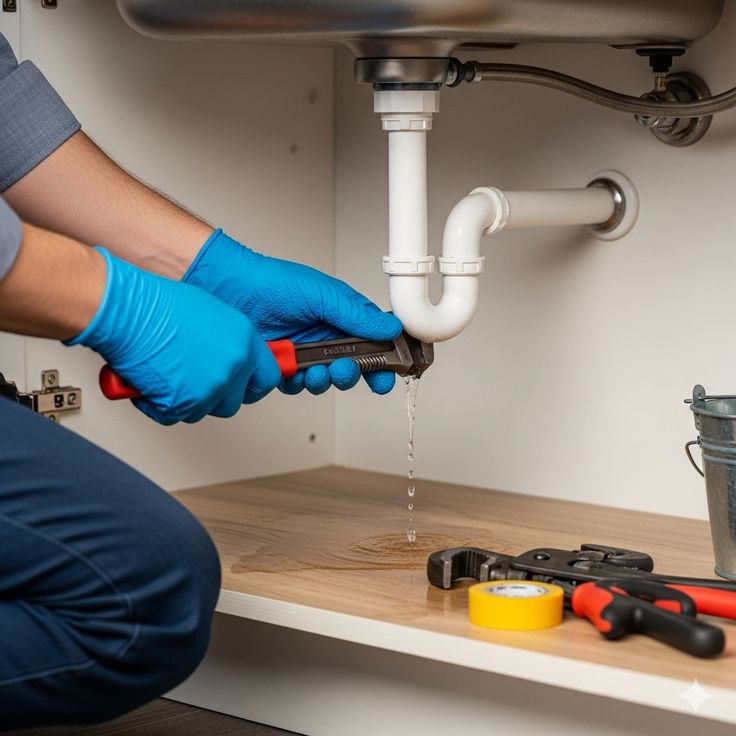
A leaking garbage disposal is more than just a small inconvenience. When you notice water dripping under your sink, especially from the base of the unit, it can quickly turn into a stressful situation. Many homeowners immediately search online asking, “can you fix a garbage disposal leaking from the bottom?” The reason this question is so common is because bottom leaks are confusing. Sometimes the issue is minor — like a loose pipe or worn gasket. Other times, a garbage disposal leaking from the bottom signals internal damage that cannot be repaired. If ignored, even a small leak can lead to: Water damage inside your kitchen cabinet Mold growth in hidden areas Electrical hazards near the motor Expensive plumbing repairs That’s why accurate diagnosis matters. You need to know whether your garbage disposal is leaking from the bottom due to a simple connection issue or a failed internal seal. How a Garbage Disposal Works (And Why the Bottom Matters) A garbage disposal is a sealed unit installed beneath your kitchen sink. It connects to: The sink flange (top mounting assembly) The dishwasher drain hose (if connected) The main drain pipe An internal grinding chamber A motor located at the bottom When food waste enters the chamber, spinning components break it down into small particles. Water flushes the particles into your plumbing system. If my garbage disposal is leaking from the bottom, the leak is usually coming from the motor housing area  which is more serious than a simple pipe leak. Why Is My Garbage Disposal Leaking from the Bottom? When homeowners say “my garbage disposal is leaking from the bottom”, they typically notice water dripping near the reset button or from the very base of the unit. Let’s break down the most common causes in detail. 1. Worn Internal Seal (Most Common Cause) Inside every disposal is a watertight seal that protects the motor from water exposure. Over time: Constant moisture weakens the seal Heat from the motor causes expansion and contraction Food acids slowly degrade rubber components Once this seal fails, water escapes into the motor housing and begins dripping from the bottom. Unfortunately, this is not an easy repair. Most manufacturers design disposals as sealed units, which means replacing the seal alone is usually not practical. In this case, if your garbage disposal is leaking from the bottom, replacement is typically recommended. 2. Cracked or Rusted Internal Housing As disposals age, the internal grinding chamber can corrode. This happens because: Food waste contains acids Metal components slowly rust Hard objects can cause stress fractures If a crack forms in the internal housing, water will escape directly through the bottom. When you see garbage disposal leaking water from bottom, and the unit is over 8–10 years old, corrosion is often the cause. A cracked chamber cannot be safely sealed. Replacement is the safest long-term solution. 3. Loose Sink Flange or Drain Connection (Sometimes Misdiagnosed) Sometimes what appears to be a garbage disposal leaking from the bottom is actually water traveling downward from above. This can happen if: The sink flange seal fails The dishwasher hose clamp is loose The drain pipe connection is not tight Water runs down the outside of the disposal and collects at the bottom, making it look like the base is leaking. The good news? These types of leaks are usually repairable. For homeowners who prefer professional help, services like Junk Masterz can inspect and fix these issues efficiently, ensuring your kitchen stays safe and leak-free. Step-by-Step: How to Diagnose the Leak Properly Before assuming the worst, follow these careful steps. Step 1: Turn Off Power Completely Never inspect a disposal while it’s powered. Unplug the unit from the outlet Or turn off the breaker Water and electricity are dangerous together. Safety always comes first. Step 2: Dry the Entire Unit Thoroughly Use paper towels or a dry cloth to wipe: The top mounting area All pipe connections The entire body of the disposal Drying everything allows you to clearly see where new water forms. Step 3: Run Water Without Turning on the Disposal Turn on the faucet and watch carefully. If water appears: Near the top → sink flange issue At pipe joints → drain connection problem Directly from the bottom housing → internal failure If your garbage disposal is leaking from the bottom, you’ll see fresh water forming around the motor area. Can You Fix a Garbage Disposal Leaking from the Bottom? Now let’s answer the main question clearly. If the Leak Is Internal (Seal or Housing Damage) In most cases, no. Internal seals are not designed to be replaced easily. Opening the disposal: Voids manufacturer warranties Risks damaging wiring Often costs more in labor than a new unit When garbage disposal leaking from the bottom is confirmed as internal, professional plumbers usually recommend full replacement. If the Leak Is from a Connection Yes, repair is possible. Common fixes include: Replacing plumber’s putty at the flange Tightening mounting bolts Installing a new rubber gasket Tightening dishwasher hose clamps These repairs are affordable and manageable. When Replacement Is the Smarter Option If you notice more than one of the following, replacement makes sense: Frequent clogs Loud grinding noises Reset button trips often Rust flakes inside chamber Unit older than 8–10 years Persistent garbage disposal leaking water from bottom Replacing an aging unit often prevents future plumbing damage. Cost Comparison: Repair vs Replacement Repair Minor connection fix → Low cost Internal repair → Often impractical Labor fees can exceed value of old unit Replacement New disposal → Moderate investment Modern models are quieter and more efficient Long-term reliability improves If my garbage disposal is leaking from the bottom, and the unit is old, replacement is usually more cost-effective. How to Prevent Future Bottom Leaks Maintenance makes a big difference. Here’s how to extend the life of your disposal: Avoid Pouring Grease Grease solidifies inside the chamber and strains internal seals. Run Cold Water While Operating Cold water keeps grease solid so it flushes properly

How to Dispose of Old Gasoline Safely and Legally?

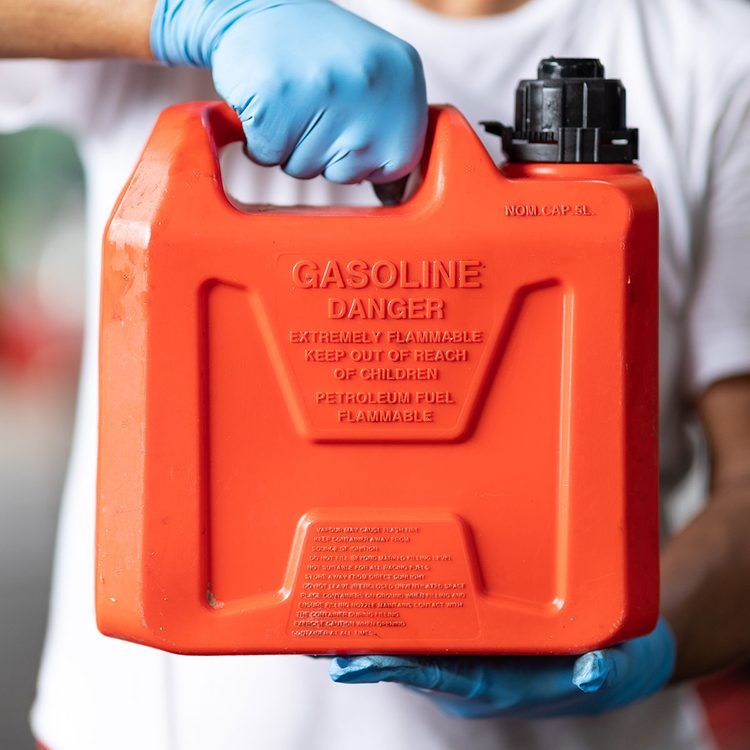
Old gasoline sitting in your garage, shed, or storage area is more than just clutter — it can become a serious safety and environmental hazard. Many homeowners search for how to dispose of old gasoline but find confusing or incomplete answers. This comprehensive guide explains how to properly dispose of old gasoline, step by step, in a safe, legal, and environmentally responsible way. It also answers the most common questions people ask on Google, helping you make the right decision without risking fines, contamination, or fire hazards. Why Proper Gasoline Disposal Matters? Gasoline is a highly flammable petroleum product made from refined crude oil. Over time, it breaks down and loses its combustibility. When gasoline becomes old or contaminated, it: Emits strong, harmful fumes Can damage engines Poses a fire and explosion risk Pollutes soil and groundwater Improper disposal — like pouring it down a drain, onto the ground, or into storm sewers — can contaminate drinking water and may violate environmental regulations. That’s why learning how to safely dispose of old gasoline is essential for both safety and environmental protection. How Long Does Gasoline Last? Before disposing of gasoline, it’s important to determine whether it’s actually expired. Shelf Life of Gasoline Regular gasoline: 3–6 months Gasoline with stabilizer: Up to 12 months Ethanol-blended fuel: Often degrades faster Signs Gasoline Has Gone Bad Sour or varnish-like smell Darkened color Cloudy appearance Engine won’t start or runs rough If your fuel shows these signs, it’s time to consider how to dispose of old gasoline properly. Is It Legal to Throw Away Old Gasoline? In most regions, gasoline is classified as household hazardous waste (HHW). Local environmental agencies require residents to use designated collection facilities or special disposal events to ensure it is handled safely and legally. Failing to follow proper disposal procedures may result in environmental damage, local fines, and serious safety hazards, including fire risks and water contamination. If you are unsure about the proper steps or dealing with larger cleanouts, Junk Masterz can help guide you toward safe and responsible disposal options. Always check your city or county waste management website for approved facilities and current regulations before taking action. How to Dispose Of Old Gasoline Safely? Here’s the safest and most responsible method: Step 1: Confirm the Gasoline Is Unusable If gasoline is only slightly old, it may still be usable when mixed with fresh fuel (in small ratios). However, heavily degraded fuel should not be reused. Step 2: Store It in an Approved Container Transfer gasoline into a certified fuel container if it’s not already in one. Containers should be: Clearly labeled Sealed tightly Stored away from heat and flames Step 3: Locate a Household Hazardous Waste Facility Search for: “Household hazardous waste disposal near me” “Gasoline disposal site near me” “Hazardous waste collection event” Many municipalities provide free drop-off services. Step 4: Transport It Safely When transporting gasoline: Keep containers upright Avoid leaving them in a hot vehicle Secure them to prevent tipping Step 5: Drop It Off at an Approved Facility Staff at HHW centers are trained to handle flammable materials safely. They may recycle or properly treat the fuel according to environmental guidelines, ensuring it does not harm the environment or pose safety risks. This is the safest way to dispose of old gasoline safely and legally. If you are unsure about the process and wondering how junk removal works in cases involving hazardous materials, it typically begins with identifying and separating the fuel, followed by safe collection in approved containers, secure transportation, and delivery to an authorized hazardous waste facility for proper treatment or recycling. What NOT to Do With Old Gasoline Many online myths suggest unsafe methods. Avoid these mistakes: Do not pour gasoline down the drain Do not dump it in soil or gutters Do not evaporate it intentionally Do not burn it  Do not mix it with household trash These actions are dangerous and environmentally harmful. Can Old Gasoline Be Recycled? Yes — in many cases. Hazardous waste facilities often: Reprocess gasoline for industrial use Blend it with other fuels Safely incinerate it in controlled facilities This prevents contamination and reduces environmental impact. Environmental Impact of Improper Gasoline Disposal Even small amounts of gasoline can contaminate large volumes of water. Gasoline contains toxic compounds such as benzene and toluene, which: Harm aquatic life Pollute drinking water Create long-term soil contamination Proper disposal protects your local ecosystem and community health. Safety Tips When Handling Old Gasoline Before you begin disposal, follow these precautions: Wear gloves and eye protection Work in a well-ventilated area Avoid sparks, flames, and smoking Keep children and pets away Never mix gasoline with other chemicals Gasoline vapors are heavier than air and can travel to ignition sources unexpectedly. When to Call a Professional Waste Removal Service If you have: Large volumes of gasoline Mixed hazardous liquids Commercial fuel storage Leaking containers You may need professional help. In such cases, Junk Masterz provides affordable waste removal services that ensure materials are handled in full compliance with environmental and safety regulations. Professional services are especially useful for businesses, mechanics, property cleanouts, or estate cleanups where hazardous materials are present. Final Thoughts: Dispose of Old Gasoline the Right Way Old gasoline is more than just unwanted fuel — it’s a potential fire hazard and environmental threat. Understanding how to dispose of old gasoline  safely protects your home, your family, and your community. The key takeaway is simple: Never dump gasoline Never burn it Always use approved hazardous waste facilities Seek professional help when necessary By taking responsible action, you prevent environmental harm and ensure compliance with local regulations. Safe disposal is not complicated — it just requires the right steps. Frequently Asked Questions (FAQs) How do I dispose of old gasoline safely at home? You should not attempt to dispose of gasoline at home. Gasoline is highly flammable and classified as household hazardous waste. The safest option is to take it to a certified household hazardous waste facility where trained professionals

How to Dispose of Old Light Bulbs Safely: Complete 2026 Recycling & Disposal Guide

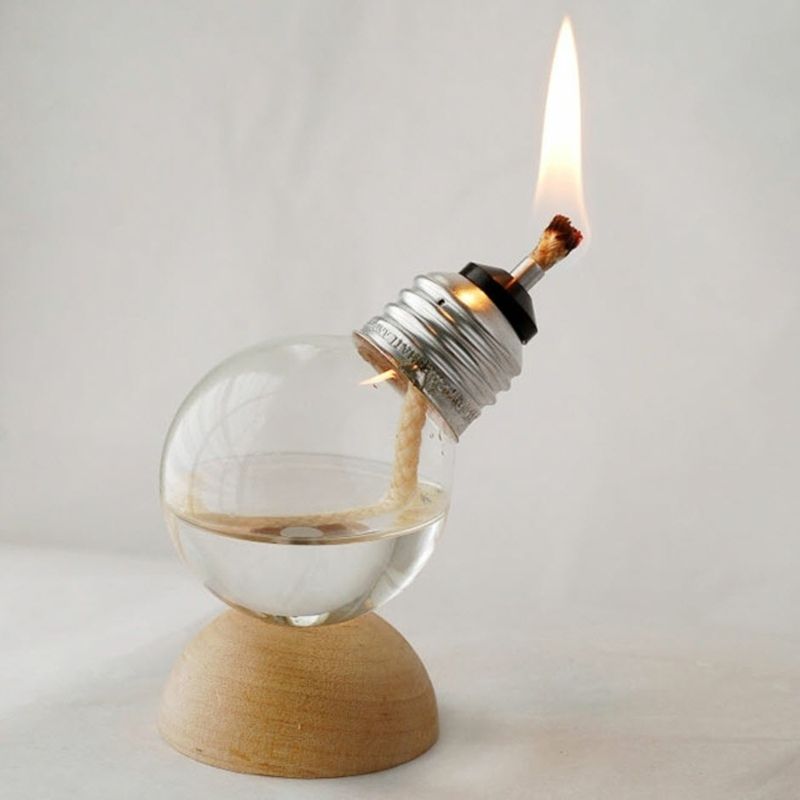
Light bulbs are a common household item, but disposing of them isn’t always as simple as tossing them in the trash. Different types of bulbs are made from different materials, and some contain hazardous substances that require special handling. Throwing the wrong type of bulb into your regular garbage can harm the environment, create safety risks, and even violate local disposal regulations. Whether you’re replacing a burned-out bulb, upgrading to energy-efficient LEDs, or cleaning out old storage boxes full of unused lighting, knowing how to dispose of old light bulbs properly helps reduce waste and protects both people and the environment. In this guide, you’ll learn which bulbs can go in the trash, which should be recycled, where to take them, and how to safely handle broken bulbs. We’ll also explain when hiring a professional junk removal service is the easiest solution for disposing of large quantities of old lighting. Why Proper Light Bulb Disposal Matters Old light bulbs may seem harmless, but throwing them away incorrectly can create environmental and safety problems. Different bulbs are made from different materials, and each requires its own disposal method. Proper disposal helps: Prevent broken glass injuries Reduce waste sent to landfills Recover recyclable materials like glass and metal Keep hazardous substances out of the environment Support local recycling programs Many newer light bulbs, especially LED bulbs, contain electronic components that can be recycled instead of discarded. CFLs and fluorescent tubes contain a small amount of mercury, making proper recycling even more important. Taking a few extra minutes to dispose of bulbs correctly helps protect both your community and the environment. Identify the Type of Light Bulb Before Disposal Before deciding where to throw away a bulb, identify what type it is. The proper way to dispose of light bulbs depends entirely on the bulb’s design and materials. Incandescent Bulbs Incandescent bulbs are the traditional glass light bulbs found in many older homes. They contain a glass shell, metal filament, and small metal base. In many communities, incandescent bulbs can be placed in household trash because they do not contain hazardous materials. However, wrapping them in paper or placing them in a small box helps prevent broken glass from causing injuries. LED Bulbs LED (Light Emitting Diode) bulbs are energy efficient and last much longer than traditional bulbs. Although LEDs do not contain mercury, they do contain electronic parts and valuable metals that can often be recycled. Recycling helps recover these materials and reduces electronic waste. Whenever possible, recycle LED bulbs through an electronics recycling program or a participating retailer. Compact Fluorescent Lamps (CFLs) CFL bulbs use much less electricity than incandescent bulbs, but they contain a very small amount of mercury. Because of this, they should never be thrown into regular household trash where prohibited by local regulations. Instead, take them to a household hazardous waste facility or an approved recycling location. Fluorescent Tubes Long fluorescent tubes are commonly found in garages, offices, workshops, and commercial buildings. Like CFLs, fluorescent tubes contain mercury and require special disposal. Handle them carefully to avoid breaking the glass during transport to a recycling center. Halogen Bulbs Halogen bulbs are similar to incandescent bulbs but burn hotter and last longer. If you’re wondering how to dispose of halogen bulbs, the process is usually straightforward. In many areas, they can be placed in household trash after they have cooled completely. Wrapping them first helps prevent injuries from broken glass. Some recycling facilities also accept halogen bulbs, so checking local guidelines is always a good idea. Can You Throw Light Bulbs in the Trash? The answer depends on the type of light bulb. Some light bulbs can usually be placed in household trash, while others should always be recycled because they contain hazardous materials or recyclable electronic components. Light Bulb Type Household Trash Recycling Recommended Incandescent Usually Yes Optional Halogen Usually Yes Recommended if available LED Not Recommended Yes CFL No Yes Fluorescent Tube No Yes If you’re unsure, check your local recycling or waste management guidelines before disposing of any light bulb. How to Dispose of Different Types of Light Bulbs Different light bulbs require different disposal methods. Following the correct process helps protect sanitation workers, prevents environmental contamination, and ensures recyclable materials are recovered whenever possible. How to Dispose of Incandescent Bulbs Incandescent bulbs are among the easiest bulbs to dispose of because they do not contain hazardous chemicals. To dispose of them safely: Allow the bulb to cool completely. Wrap it in newspaper, cardboard, or its original packaging. Place it carefully in your household trash. Never place loose glass bulbs directly into the garbage. Wrapping the bulb helps prevent broken glass from injuring sanitation workers or damaging trash bags. How to Dispose of LED Light Bulbs Although LEDs are often mistaken for regular bulbs, they are actually small electronic devices. The best way to dispose of light bulbs like LEDs is through an electronics recycling program. Many home improvement stores, municipal recycling centers, and electronic waste collection events accept LED bulbs for recycling. Recycling allows valuable metals and electronic components to be recovered and reused instead of ending up in landfills. How to Dispose of CFL Bulbs Because CFL bulbs contain mercury, they require extra care. Follow these steps: Do not throw them into household trash where prohibited. Keep the bulb intact during transport. Take it to a household hazardous waste facility or approved recycling center. Some retailers also offer collection programs for used CFL bulbs. If a CFL breaks accidentally, avoid sweeping it directly into the trash or vacuuming immediately. Follow official cleanup recommendations to safely collect the broken pieces and ventilate the area. How to Dispose of Halogen Bulbs If you’re searching for how to dispose of halogen bulbs, the process is generally similar to incandescent bulbs. First, allow the bulb to cool completely since halogen bulbs become extremely hot during use. Next, wrap the bulb in paper or cardboard to reduce the risk of broken glass. Finally, place it in your

How to Dispose of Box Spring Quickly and Legally

Disposing of an old box spring may seem simple, but throwing it in the trash isn’t always the right—or legal—solution. Many cities have strict rules about disposing of bulky furniture, and because box springs are made from wood, metal, and fabric, they often require special handling. Whether you’re replacing your bed, moving to a new home, or clearing out unwanted furniture, knowing how to dispose of  box spring properly can save you time, prevent fines, and reduce environmental waste. The good news is that there are several convenient ways to get rid of an old box spring. If it’s still in good condition, you may be able to donate or sell it. If it’s damaged beyond repair, recycling is often the most environmentally friendly option. Many communities also offer bulk waste collection, while professional junk removal companies provide fast and hassle-free pickup services. This guide explains how to properly dispose of a box spring, the best disposal methods, estimated costs, recycling options, and common mistakes to avoid. You’ll also learn how to get rid of a box spring responsibly while following local disposal regulations and keeping recyclable materials out of landfills. Table of Contents How Do You Dispose of a Box Spring? Can You Throw a Box Spring in the Trash? 8 Best Ways to Dispose of a Box Spring How to Break Down a Box Spring for Disposal Mattress and Box Spring Disposal How Much Does Box Spring Disposal Cost? Common Mistakes to Avoid Frequently Asked Questions Conclusion How Do You Dispose of a Box Spring? The best way to dispose of a mattress depends on its condition and your local waste disposal regulations. If it’s clean and structurally sound, consider donating or selling it. If it’s broken or heavily worn, recycling is usually the most environmentally responsible option. Whenever possible, separate recyclable materials like metal springs and wood before disposal to reduce landfill waste and improve recycling opportunities. Can You Throw a Box Spring in the Trash? In most cases, no. Box springs are considered bulky household waste and are too large for regular curbside garbage collection. Many municipalities prohibit placing oversized furniture in standard trash bins because these items require special handling. Some cities offer scheduled bulk waste collection days, while others require residents to make an appointment for pickup. If you leave a box spring on the curb without following local guidelines, it may not be collected, and you could even receive a fine. Before disposing of your box spring, check your city’s waste management website or contact your local sanitation department to learn about the available disposal options and any preparation requirements. 8 Best Ways to Dispose of a Box Spring 1. Recycle Your Box Spring Recycling is one of the best answers to how to properly dispose of a box spring because it keeps reusable materials out of landfills. Traditional box springs are made from steel coils, wood frames, and fabric coverings. Recycling facilities can recover the metal and wood, reducing waste and conserving natural resources. If a recycling center isn’t available nearby, a professional mattress recycling service is the next best option, ensuring your box spring is recycled responsibly. Some recycling centers accept whole box springs, while others require you to remove the fabric and separate the materials before dropping them off. Although this takes a little extra time, recycling is one of the most environmentally friendly disposal methods available. For additional guidance on recycling box springs and mattresses, you can also refer to the Mattress Recycling Council (MRC). If you’re unsure whether your local recycling center accepts box springs, call ahead to confirm their requirements. 2. Schedule a Municipal Bulk Waste Pickup Many cities provide bulk item collection for furniture, mattresses, and box springs. Depending on where you live, this service may be free or require a small fee. Some municipalities offer scheduled pickup dates throughout the year, while others require residents to make an appointment. You may also need to wrap or prepare the box spring according to local regulations before placing it at the curb. Bulk pickup is an excellent option if you don’t have a truck or trailer to transport the box spring yourself. 3. Hire a Professional Junk Removal Company If convenience is your priority, hiring a junk removal service is often the easiest solution. Professional crews handle all the heavy lifting, loading, transportation, and proper disposal. Many reputable junk removal companies recycle or donate usable furniture whenever possible, making this option both convenient and environmentally responsible. This method is especially useful if you’re disposing of multiple bulky items, cleaning out an entire home, or replacing bedroom furniture during a renovation. 4. Donate a Usable Box Spring If your box spring is still clean, sturdy, and free from stains, mold, odors, or bed bugs, donating it may help someone in need while reducing landfill waste. Some charities, shelters, churches, and nonprofit organizations accept gently used box springs, although many have strict health and safety guidelines. Always contact the organization before dropping off your donation to confirm they currently accept box springs. Donating is one of the most sustainable ways to get rid of a box spring, giving it a second life instead of sending it to a landfill. Donating is one of the best ways to give your box spring a second life while helping someone in need. You can understand how to donate an old mattress by following the simple steps above. 5. Sell Your Box Spring If the box spring remains in excellent condition, consider selling it through local online marketplaces or community groups. Many people look for affordable bedroom furniture, especially when furnishing apartments, guest rooms, or temporary housing. Clean the box spring thoroughly, take clear photographs from multiple angles, and provide accurate dimensions and condition details. Honest listings typically attract more buyers and reduce unnecessary questions. Selling your box spring not only prevents waste but can also help offset the cost of purchasing a new one. 6. Repurpose the Materials Instead of disposing

How to Dispose of a Hot Tub: Safe and Easy Methods

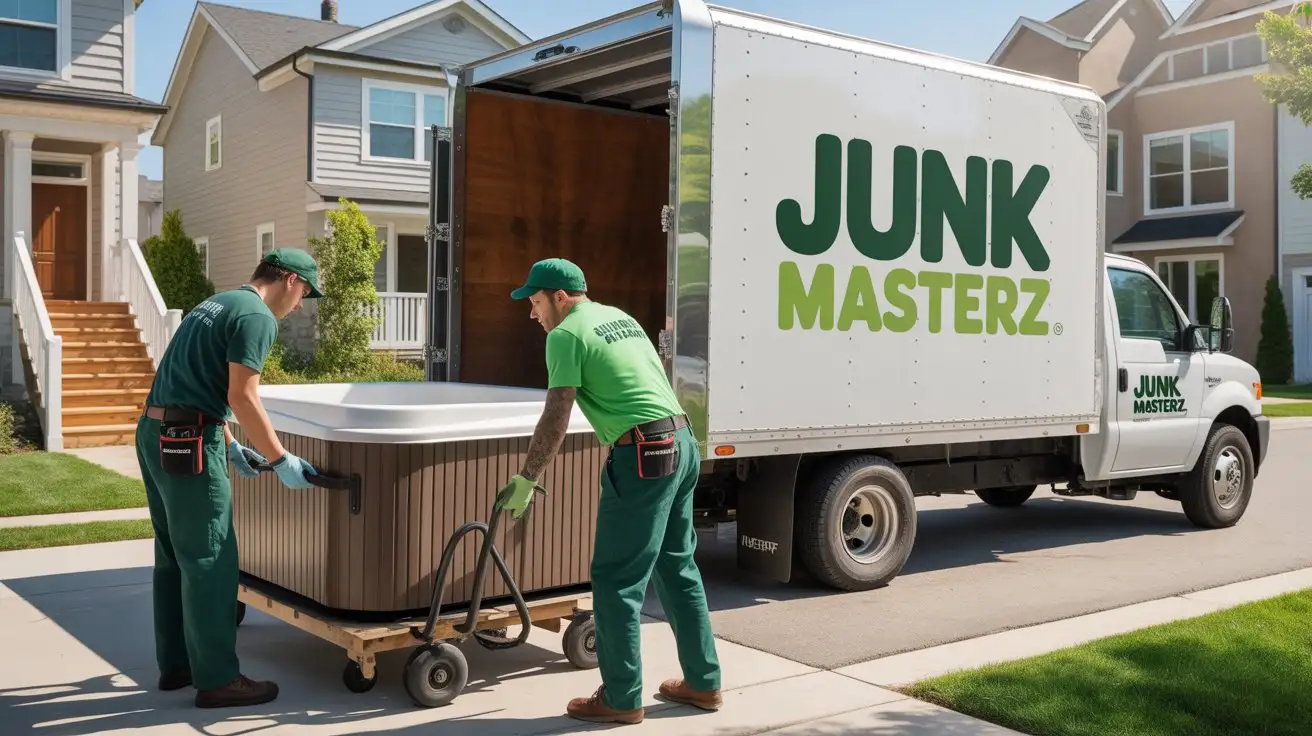
So, your backyard hot tub has outlived its glory days, and you’re staring at it thinking, “Now what?” Knowing how to dispose of a hot tub properly can save you a lot of hassle. These units are heavy, awkward, and made from a mix of plastics, metal, and foam materials that aren’t just “trash.” Mishandling them can lead to injuries, fines, or environmental headaches. In this guide, we’ll show you exactly how to get rid of a hot tub, whether you want to tackle it yourself, donate, recycle, or hire a professional. By the time you finish reading, you’ll have a clear, safe, and realistic plan to remove your old spa without stress or surprises. Think of it as your step-by-step roadmap to reclaiming your yard and disposing of your hot tub the right way. Why Hot Tub Disposal Is Challenging Hot tubs aren’t like old chairs you can toss onto the curb. Most of these units weigh hundreds of pounds and are full of complicated materials. Manufacturers build them with acrylic shells, metal frames, foam insulation and electrical components. That mix makes them awkward to lift and tricky to break down for disposal. Simply dumping an old unit at the landfill may not be allowed in your area, and leaving leftover water with chemicals like chlorine or bromine running into the soil can create real environmental problems. Most municipal garbage services don’t accept bulky items like hot tubs on regular pickup days. Some areas even require that water flushed from pools or spas drain only to specific sewer lines, not to storm drains or natural water sources. That’s why many homeowners who ask how to dispose of an old hot tub find themselves juggling rules, safety steps, and a lot of heavy pieces. How to Get Ready for a Hassle-Free Hot Tub Removal Preparing before your hot tub is removed makes the process smoother, safer, and faster. Whether you plan a DIY approach or are waiting for a professional team, taking a few careful steps upfront saves time, reduces risk, and prevents unexpected costs. Here’s a complete checklist to get ready for hassle-free hot tub removal. Clear the Surrounding Area Hot tubs are bulky and heavy. Remove all obstacles around the unit, including furniture, planters, decorative rocks, or garden features. Clearing a path of at least four feet ensures easy access for lifting equipment or moving the tub. Protect delicate surfaces with boards or blankets to prevent scratches or damage during the removal process. Turn Off Power and Water Electricity and water make hot tubs dangerous if handled carelessly. Switch off the dedicated breaker and unplug the hot tub if possible. Also, turn off any connected water lines. If your hot tub is hardwired, having a licensed electrician inspect the wiring ensures safety during removal. This is especially important for older tubs with unknown electrical modifications. Drain the Water Completely A full tub can weigh hundreds of pounds more than an empty one. Use the tub’s drainage valve or a submersible pump to remove all water. Make sure the water drains into a proper sewer line or approved area—never into storm drains or natural waterways. Residual chemicals like chlorine or bromine can contaminate soil and water if discharged improperly. Check Local Permits and Disposal Rules Many cities and municipalities require permits or scheduled bulky waste pickups for hot tub disposal. Check your local ordinances to confirm whether you need a permit or must use specific disposal facilities. Compliance avoids fines and ensures your hot tub ends up in a responsible, environmentally-friendly way. Communicate Special Access or Equipment Needs If your hot tub is in a tight corner, on a slope, or behind landscaping obstacles, let your removal team know in advance. They may need ramps, dollies, or additional personnel to safely handle the tub. Providing these details reduces delays, prevents damage, and keeps the removal process smooth. Additional tip: Taking photos of the tub and surroundings for your team can help them plan equipment and manpower needs ahead of time. Optional: DIY Prep Tips Even if hiring a team, doing small prep work like detaching removable panels, clearing debris, or organizing helpers can reduce labor time. These steps ensure a safer and quicker hot tub removal while giving you a chance to handle any unexpected obstacles before the team arrives. Hot Tub Disposal Methods There isn’t one single answer to how to get rid of a hot tub. The right choice depends on the tub’s condition, your budget, and how much effort you want to invest. Sell or Give It Away If the hot tub still works or only needs minor repairs, selling it can offset removal costs. Functional units can fetch a fair price on local classifieds sites, and willing buyers might handle removal themselves. Another idea is to offer it for free. Some people are happy to pick up a tub if they think they can fix or reuse it. Make sure they actually move it and don’t just leave it in your yard longer. Donate Some community groups or hobbyists accept hot tubs that are still operable. Donation centers might even offer pick-up services for large items. Always check first with the organization about condition and transport requirements. Professional Removal Service Paying for a removal crew is the easiest way to get rid of hot tub without handling the heavy work yourself. Professionals take care of disconnecting power, cutting apart the unit if needed, hauling it out, and disposing of materials in compliance with local regulations.  Typical costs range widely depending on where you live and how hard the job is, but most homeowners spend somewhere between $300 and $800 for full removal and disposal. Also Read: How Much Does It Cost to Remove a Hot Tub Recycling Hot tubs contain materials that recycling facilities will accept, such as metal frames and some plastics. Recycling keeps those materials out of landfills. It can take a bit of planning because different parts may need to go

How to Dispose of Exercise Equipment: The Complete Guide to Recycling, and Removing Old Gym Equipment

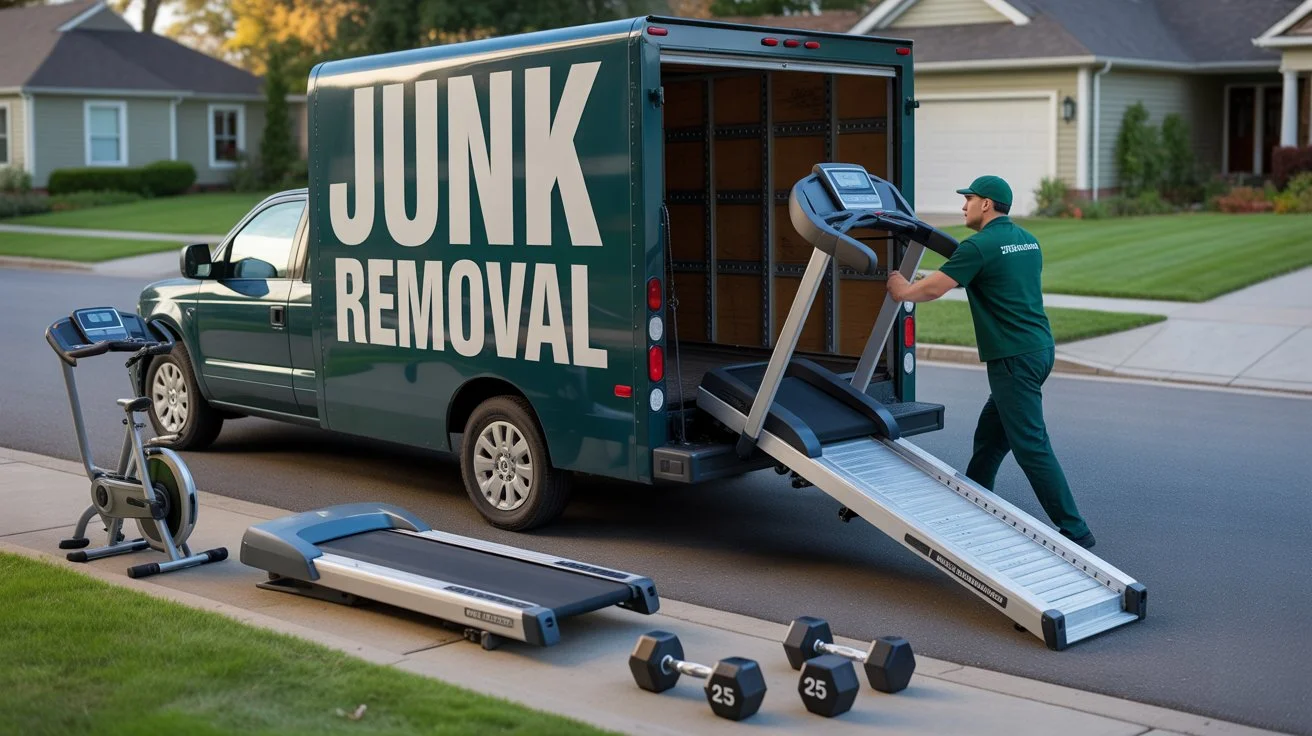
Old exercise equipment can take up valuable space in your home, garage, or basement. Whether you’re replacing a worn-out treadmill, downsizing your home gym, or simply clearing clutter, knowing how to dispose of exercise equipment can save time, reduce waste, and even help others in your community. Many fitness machines contain recyclable materials such as steel, aluminum, plastic, and electronic components. Instead of sending them directly to a landfill, consider donation, resale, recycling, or professional junk removal services. This guide explains the best ways to get rid of exercise equipment responsibly while protecting the environment and staying compliant with local disposal regulations. Why Proper Exercise Equipment Disposal Matters Getting rid of old gym equipment isn’t as simple as placing it at the curb. Most exercise machines are made from multiple materials that require special handling. Environmental Impact of Fitness Equipment Waste Large exercise machines contain metal frames, rubber belts, plastic coverings, and electronic parts. When these items end up in landfills, valuable materials are wasted, and electronic components may contribute to environmental pollution. Local Disposal Regulations Many cities have rules regarding bulky item disposal and electronic waste. Before throwing away equipment, check your local waste management guidelines to determine whether special collection or recycling programs are available. Benefits of Responsible Disposal Proper disposal offers several advantages: Reduces landfill waste Conserves recyclable materials Supports local charities and community programs Keeps neighborhoods clean May qualify for tax deductions when donated Identify the Type of Exercise Equipment You Need to Remove The disposal method often depends on the type and condition of the equipment. Large Cardio Machines Examples include: Treadmills Ellipticals Stationary bikes Rowing machines Stair climbers These machines often contain electronic components and heavy metal frames that can be recycled. Strength Training Equipment Examples include: Weight benches Home gym systems Squat racks Dumbbells Barbells Most strength equipment contains significant amounts of recyclable metal. Small Fitness Accessories These include: Resistance bands Yoga mats Kettlebells Medicine balls Foam rollers Some items can be donated, while others may require specialized recycling. How to Dispose of Exercise Equipment Through Donation If your equipment still works properly, donation is one of the best disposal options. Where to Donate Fitness Equipment Many organizations accept used fitness equipment, including: Community centers Schools Youth sports organizations Local charities Nonprofit fitness programs Churches and recreation centers If you’re wondering where to donate fitness equipment, start by contacting local organizations to confirm acceptance requirements. Equipment Donation Requirements Most donation centers prefer equipment that is: Fully functional Clean and sanitized Safe to operate Complete with accessories and manuals when available Benefits of Donating Old Gym Equipment Donating allows others to benefit from equipment you no longer need. It also extends the life of the product and helps reduce environmental waste. Sell Your Used Exercise Equipment Before Disposal Selling is a smart option if your equipment is still in good condition. Best Platforms to Sell Fitness Equipment Popular platforms include: Facebook Marketplace Craigslist OfferUp Local classified websites Community buy-and-sell groups Tips for Selling Faster To attract buyers: Clean equipment thoroughly Take clear photos Include dimensions and weight Describe the condition honestly Mention any maintenance history Factors Affecting Resale Value Several factors influence resale prices: Brand reputation Equipment age Condition Market demand Original purchase price Premium brands typically retain value better than entry-level models. How to Recycle Exercise Equipment Responsibly Recycling is one of the most environmentally friendly ways to dispose of fitness equipment. Metal Components That Can Be Recycled Many parts can be recycled, including: Steel frames Aluminum components Weight plates Metal brackets Hardware and fasteners Scrap metal facilities often accept these materials. Recycling Electronic Components Modern fitness machines frequently contain: Digital displays Circuit boards Motors Power cords Sensors These components should be processed through approved electronic waste recycling programs. Finding Local Recycling Centers Look for: Scrap Metal Recyclers – Search for local scrap yards that accept steel, aluminum, and other metals commonly found in exercise equipment. The Institute of Scrap Recycling Industries (ISRI) offers a directory of recycling facilities: https://www.isri.org E-Waste Recycling Facilities – For treadmills, exercise bikes, and other machines with electronic displays or motors, find certified e-waste recyclers through Earth911 Municipal Recycling Centers – Many local governments operate recycling programs for bulky items and metal waste. Check your city’s recycling guidelines through the EPA’s recycling resources: Specialized Appliance Recyclers – Some appliance recycling companies accept large exercise machines because they contain metal, wiring, and electrical components. Many recycling facilities will accept dismantled equipment, making transportation easier and potentially reducing disposal costs. These resources can help you find environmentally responsible recycling options near your location. How to Dispose of Broken Exercise Equipment Broken equipment may not be suitable for donation or resale, but several disposal options still exist. Determine Whether Repairs Are Worthwhile Before disposal, compare repair costs to replacement costs. Minor repairs may make equipment suitable for donation or sale. Disassemble Equipment Safely When preparing equipment for disposal: Unplug all electrical components. Remove batteries. Separate metal, plastic, and electronic parts. Follow manufacturer instructions when possible. Disposal Options for Non-Repairable Equipment For equipment beyond repair, consider: Scrap metal recycling Electronic recycling Bulk waste pickup Professional junk removal services If you’re searching for how to dispose of broken exercise equipment, recycling is often the most responsible solution. How to Get Rid of a Treadmill or Exercise Equipment Treadmills are among the most difficult pieces of fitness equipment to remove because of their size and weight. Challenges of Removing Large Machines Common obstacles include: Narrow doorways Staircases Heavy components Transportation limitations Many treadmills weigh between 200 and 350 pounds, requiring multiple people for safe movement. Treadmill Disposal Methods Several options are available: Donate It If the treadmill still works, consider donating it to local charities, community centers, or schools. Organizations like Goodwill Industries International may accept used fitness equipment at participating locations. For more details, see our guide on how to donate exercise equipment, where you’ll learn which organizations accept fitness equipment, donation requirements, and tips for arranging pickup or drop-off services. Sell It Used treadmills

  • 1
  • 2
Color Palette