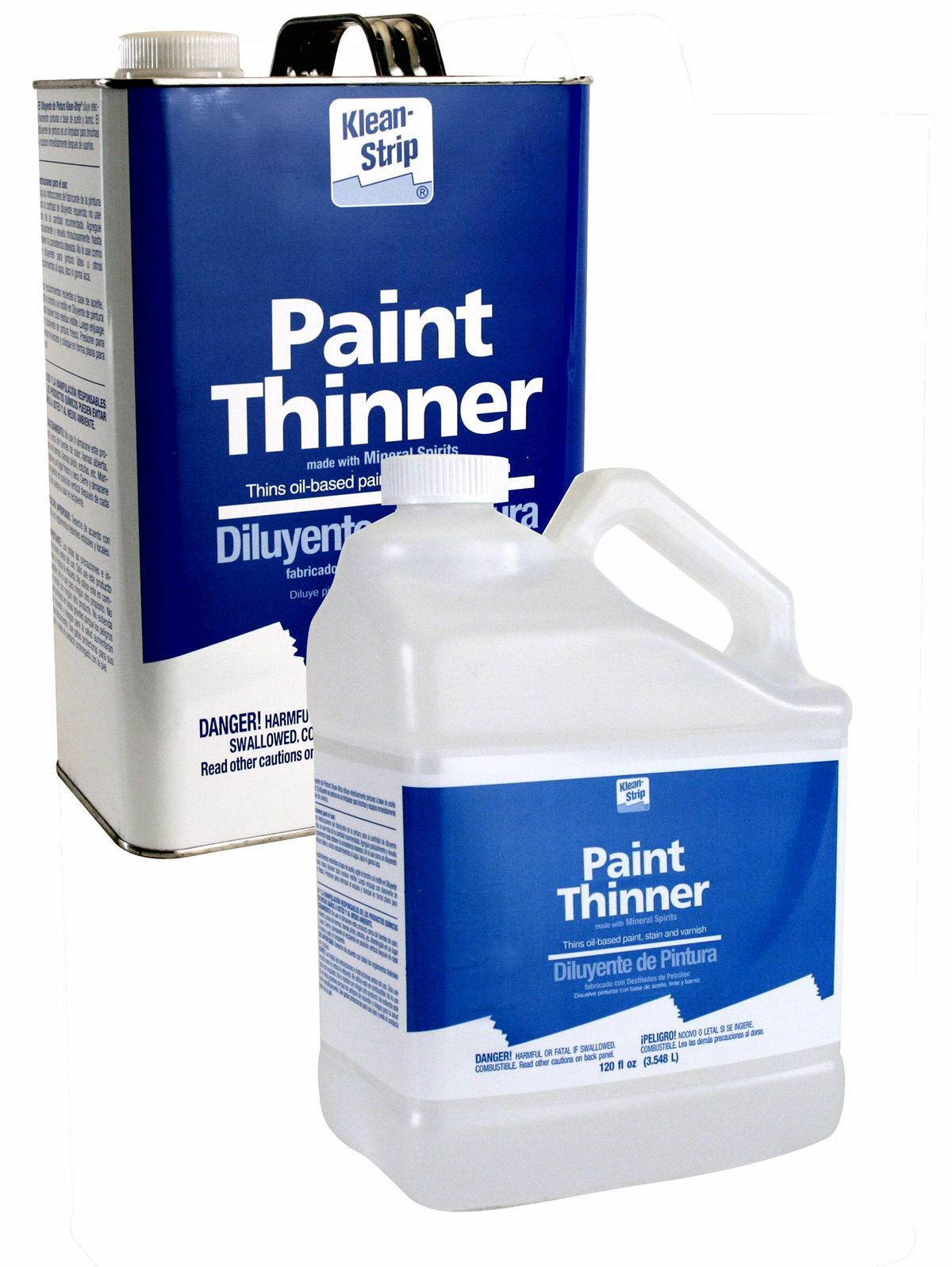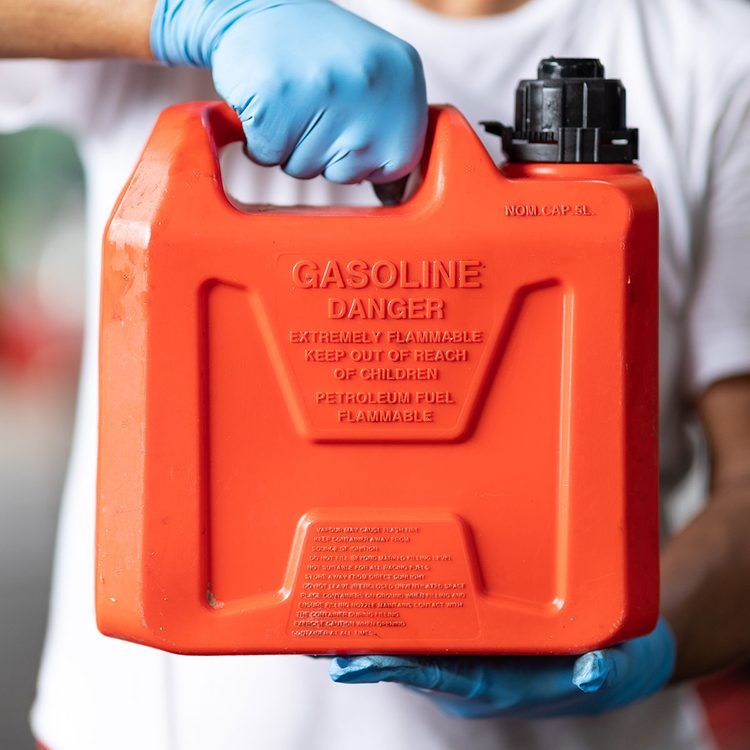
Isopropyl alcohol, also known as rubbing alcohol, is one of the most common household and industrial chemicals. People use it for disinfecting surfaces, cleaning electronics, removing stains, sanitizing tools, and even in automotive and medical settings. However, many people are unsure about how to dispose of isopropyl alcohol safely and legally. Improper disposal can create serious risks. Since isopropyl alcohol is highly flammable, pouring large amounts down drains, tossing soaked materials in the trash, or dumping it outdoors can lead to environmental contamination, fire hazards, and health concerns. By the end of this article, you’ll understand the safest and most responsible ways to handle used or unwanted isopropyl alcohol. What Is Isopropyl Alcohol? Isopropyl alcohol (IPA) is a colorless, fast-evaporating liquid commonly sold in concentrations such as: 70% isopropyl alcohol 91% isopropyl alcohol 99% isopropyl alcohol It is widely used in: Household Cleaning Many homeowners use rubbing alcohol for: Cleaning mirrors and glass Sanitizing countertops Removing sticky residue Cleaning electronics Medical and First Aid Use It is commonly found in: First aid kits Clinics Medical facilities Sanitizing stations Industrial Applications Businesses often use isopropyl alcohol for: Manufacturing Equipment cleaning Automotive detailing Printing operations Because of its chemical properties, disposal must be handled carefully. Why Proper Disposal Matters Understanding how to properly dispose of isopropyl alcohol is important for protecting: Human health Plumbing systems Wastewater facilities Soil and groundwater Air quality Fire Hazard Risks Isopropyl alcohol is extremely flammable. Improper disposal can create dangerous vapors that may ignite from: Electrical sparks Open flames Hot surfaces Even small amounts can become hazardous in enclosed areas. Environmental Concerns Pouring alcohol outdoors or into storm drains may contaminate: Rivers Lakes Soil Groundwater Wastewater treatment plants may also struggle to process concentrated chemical liquids. Health Risks Direct exposure to concentrated alcohol vapors may cause: Headaches Dizziness Eye irritation Respiratory discomfort This is especially important in poorly ventilated spaces. Can You Pour Isopropyl Alcohol Down the Drain? This is one of the most common questions people ask. The answer depends on the amount and concentration. Small Household Amounts In many areas, very small quantities of diluted isopropyl alcohol may be safely flushed down the drain with plenty of running water. For example: A few tablespoons Residue from cleaning wipes Small leftover amounts from household use However, local regulations may vary. Large Quantities Should Never Go Down Drains You should never pour large amounts into: Kitchen sinks Toilets Storm drains Outdoor gutters Large quantities increase fire risks and may damage plumbing or wastewater systems. If you have more than a small amount, use hazardous waste disposal services instead. How to Dispose of Isopropyl Alcohol at Home If you are wondering how to safely dispose of isopropyl alcohol, follow these steps carefully. Step 1: Identify the Amount First determine: How much alcohol you have Its concentration level Whether it is contaminated Small household quantities may be treated differently than industrial amounts. Step 2: Check Local Regulations Many cities classify isopropyl alcohol as household hazardous waste (HHW). Check with: Local waste management departments Recycling centers Hazardous waste facilities Some communities offer scheduled chemical collection events. Step 3: Store It Properly Until Disposal Before transporting or disposing of it: Keep it in its original container Seal the lid tightly Store away from heat Keep away from children and pets Never mix alcohol with other chemicals. Step 4: Transport Carefully When taking alcohol to a disposal facility: Keep containers upright Use a ventilated vehicle Avoid direct sunlight Secure containers to prevent spills How to Dispose of Used Isopropyl Alcohol Many people ask how to dispose of used isopropyl alcohol after cleaning or industrial use. The answer depends on contamination levels. Lightly Used Alcohol If the alcohol was used for simple household cleaning and contains minimal contamination, local guidelines may allow: Evaporation in a well-ventilated area Disposal in small diluted quantities Always verify local regulations first. Contaminated Isopropyl Alcohol Alcohol contaminated with: Oil Paint Grease Chemicals Biological materials should always be treated as hazardous waste. Never pour contaminated alcohol into drains or onto the ground. Safe Evaporation Method for Small Amounts In some regions, allowing tiny amounts of isopropyl alcohol to evaporate safely is permitted. Important Safety Precautions If local laws allow evaporation: Use a well-ventilated outdoor space Keep away from flames and sparks Use a shallow container Keep children and pets away Never evaporate large quantities indoors. This method should only be used for very small amounts. Household Hazardous Waste Facilities The safest answer for how to properly dispose of isopropyl alcohol is usually a hazardous waste collection center. What These Facilities Accept Most HHW facilities accept: Rubbing alcohol Cleaning solvents Paint chemicals Automotive fluids Flammable liquids Benefits of Professional Disposal Using professional facilities helps ensure: Environmental protection Legal compliance Safe handling Proper recycling or treatment This is especially important for businesses handling larger volumes. Can You Throw Isopropyl Alcohol in the Trash? Generally, liquid isopropyl alcohol should not be thrown directly into household trash. Why It’s Unsafe Trash disposal creates risks such as: Fire hazards in garbage trucks Vapor buildup Leaking containers Chemical exposure What About Empty Containers? Completely empty containers may sometimes be discarded or recycled according to local guidelines. However: The container must be fully dry No liquid should remain Labels should stay attached if required locally How Businesses Should Dispose of Isopropyl Alcohol Commercial disposal rules are usually stricter than household regulations. Businesses That Commonly Use IPA Industries include: Medical offices Automotive shops Printing companies Janitorial services Electronics repair facilities Commercial Disposal Requirements Businesses may need: Licensed hazardous waste haulers Documentation records Approved storage containers OSHA and EPA compliance Failure to follow regulations may result in fines or environmental violations. Common Mistakes to Avoid Understanding what NOT to do is just as important. Pouring Large Quantities Down the Sink This is one of the biggest disposal mistakes and can create plumbing and fire hazards. Mixing Chemicals Together Never mix isopropyl alcohol with: Bleach Ammonia Acids Unknown chemicals Dangerous reactions may occur. Storing Near Heat Sources Avoid
- (559) 908-2189
- junkmasterz@yahoo.com
- Fresno, CA 93725
- (239)-543-217-0108