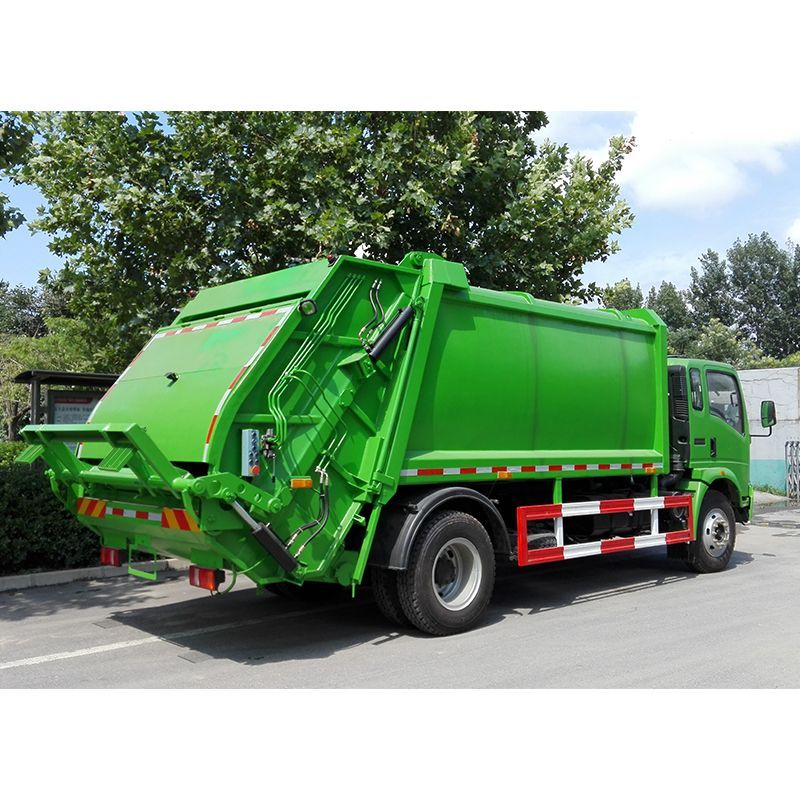
Whether you’re remodeling your home, cleaning out a garage, or managing a construction project, dealing with large amounts of waste can quickly become overwhelming. That’s where a roll-off dumpster comes in. Renting one gives you a convenient place to collect debris, old furniture, construction materials, and other bulky items without making multiple trips to the landfill.
So, what is a roll-off dumpster? A roll-off dumpster is a large, open-top waste container delivered to your property for temporary use. Once you’ve filled it, the rental company picks it up and disposes of or recycles the contents according to local regulations.
In this guide, you’ll learn how roll-off dumpsters work, what they’re used for, when you should rent one, and how to choose the right size for your cleanup project.
What Is a Roll-Off Dumpster?
A roll-off dumpster is a large rectangular container designed to handle significant amounts of waste and debris. Unlike the small dumpsters you often see behind restaurants or businesses, roll-off dumpsters are meant for temporary projects. They are delivered to your location, left for a set rental period, and picked up when you’re finished.
The name “roll-off” comes from the way the container is loaded onto and unloaded from a specialized truck. Instead of being lifted by a garbage truck, the dumpster rolls off the back of the truck onto your driveway, job site, or other designated location.
A roll off dumpster unit is available in several sizes, making it suitable for projects ranging from small home cleanouts to large commercial construction jobs.
Quick Answer
A roll-off dumpster is a temporary, open-top waste container used for construction, renovation, landscaping, and large cleanup projects. It is delivered by a specialized truck, filled with debris, and hauled away when the project is complete.
How Do Roll-Off Dumpsters Work?
If you’ve never rented a dumpster before, the process is surprisingly simple. Understanding how do roll off dumpsters work can help you choose the right container and avoid unnecessary costs.
Step 1: Choose the Right Dumpster Size
The first step is selecting a dumpster that matches your project. Rental companies typically offer several sizes, including:
- 10-yard dumpsters for small cleanups
- 15-yard dumpsters for medium-sized remodeling projects
- 20-yard dumpsters for home renovations
- 30-yard dumpsters for major construction jobs
- 40-yard dumpsters for commercial demolition and large-scale cleanouts
Choosing the right size helps you avoid paying for unused space or needing a second dumpster.
Step 2: Schedule Delivery
Once you’ve selected a size, the rental company delivers the dumpster to your property. Most homeowners place it in a driveway, while contractors often position it near the work area for easy access.
Before delivery, make sure the area is flat, clear of vehicles, and has enough room for the truck to safely unload the container.
Step 3: Fill the Dumpster
After delivery, you can begin loading debris into the dumpster. Roll-off dumpsters are designed with open tops, making it easy to toss in bulky items.
For best results:
- Load heavy materials first.
- Break down large furniture and boxes.
- Spread weight evenly.
- Never fill above the top edge of the container.
Following these simple practices helps ensure safe transportation when the dumpster is picked up.
Step 4: Pickup and Disposal
When your project is finished, contact the rental company for pickup. The driver returns with a specialized truck, loads the dumpster, and transports the waste to the appropriate disposal or recycling facility.
Many rental companies sort recyclable materials such as metal, wood, cardboard, and concrete whenever possible, helping reduce the amount of waste sent to landfills.
What Is a Roll-Off Truck?
A common question people ask is, what is a roll-off truck?
A roll-off truck is a heavy-duty vehicle specifically designed to transport roll-off dumpsters. It uses a hydraulic lifting system that allows the container to slide or roll onto the back of the truck during pickup and roll off safely during delivery.
Unlike traditional garbage trucks that empty permanently installed dumpsters, roll-off trucks transport the entire container from one location to another.
Key Features of a Roll-Off Truck
- Hydraulic lifting system
- Heavy-duty steel rails
- Large carrying capacity
- Designed for temporary waste containers
- Safe loading and unloading system
Because of their design, roll-off trucks can deliver dumpsters to residential driveways, commercial properties, construction sites, and industrial facilities.
What Is a Roll-Off Dumpster Used For?
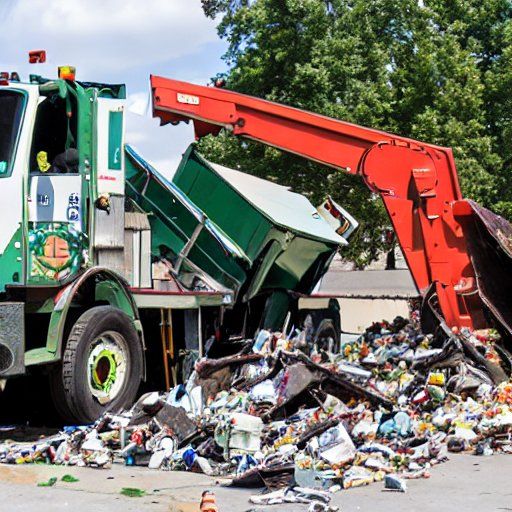
One of the biggest advantages of renting a dumpster is its versatility. If you’re wondering what is a roll off dumpster used for, the answer depends on your project. These containers are suitable for almost any cleanup that produces more waste than your regular trash service can handle.
Home Renovation Projects
Home remodeling often creates piles of drywall, flooring, cabinets, tile, insulation, and other construction debris. A roll-off dumpster keeps everything in one place, making the work area cleaner and safer.
Popular renovation projects include:
- Kitchen remodels
- Bathroom renovations
- Flooring replacement
- Window installation
- Basement finishing
Roofing Projects
Replacing a roof generates thousands of pounds of shingles, nails, and underlayment. Instead of stacking debris around your yard, contractors can toss everything directly into a nearby dumpster.
This speeds up the project while reducing cleanup time.
Construction Sites
Builders rely on roll-off dumpsters to collect waste throughout construction projects.
Common construction materials include:
- Lumber
- Drywall
- Concrete
- Brick
- Meta
- Packaging materials
Keeping debris contained improves job site safety and makes construction debris removal faster and more efficient.
Garage, Basement, and Estate Cleanouts
Years of accumulated belongings can quickly fill dozens of trash bags. A roll-off dumpster makes it much easier to remove unwanted furniture, boxes, broken appliances, toys, and household clutter in one trip.
Whether you’re preparing for a move, downsizing, or helping a family member clean out an estate, having a dumpster on-site saves both time and effort.
Yard Cleanup and Landscaping
Large landscaping projects produce more waste than most curbside collection programs accept.
A roll-off dumpster is ideal for disposing of:
- Tree branches
- Shrubs
- Leaves
- Sod
- Soil
- Fencing materials
- Outdoor debris
It also helps keep your property organized throughout the project.
Commercial and Business Projects
Businesses often rent roll-off dumpsters during office renovations, warehouse cleanouts, retail remodels, and property maintenance projects.
Instead of allowing waste to pile up, employees can dispose of materials immediately, creating a cleaner and more efficient workspace.
No matter the size of your project, renting a roll-off dumpster simplifies waste removal and helps keep your property clean from start to finish.
When Should You Rent a Roll-Off Dumpster?
Not every cleanup project requires a dumpster, but there are many situations where renting one can save you time, money, and effort. If you’re wondering when should you rent a roll off dumpster, the answer is simple: whenever your project will create more waste than your regular curbside trash service can handle.
A roll-off dumpster is a smart choice for:
- Home remodeling and renovation projects
- Roof replacements
- Garage, attic, or basement cleanouts
- Estate cleanouts
- Moving or downsizing
- Yard and landscaping projects
- Construction and demolition work
- Storm damage cleanup
- Commercial property renovations
Having a dumpster on-site keeps your work area organized and allows you to dispose of debris as you go instead of letting it pile up around your property.
Common Roll-Off Dumpster Sizes Explained
Choosing the right dumpster size helps you avoid paying for more space than you need while ensuring there’s enough room for your debris.
| Dumpster Size | Best For | Approximate Pickup Truck Loads |
|---|---|---|
| 10 Yard | Small cleanouts, yard debris | 3 |
| 15 Yard | Bathroom remodels, flooring | 4–5 |
| 20 Yard | Kitchen renovations, roofing | 6 |
| 30 Yard | Large home additions, construction | 9 |
| 40 Yard | Commercial demolition, major cleanouts | 12 |
If you’re unsure which size to rent, it’s often better to choose one size larger than you think you’ll need. Running out of space halfway through a project can lead to additional rental fees.
What Is Not Allowed in a Roll-Off Dumpster?
Although roll-off dumpsters can hold many different types of waste, certain materials are restricted because they pose environmental or safety risks. Knowing what is not allowed in a roll off dumpster can help you avoid extra charges and ensure your waste is disposed of properly.
Items that are commonly prohibited include:
- Paints and stains
- Motor oil and automotive fluids
- Gasoline and diesel fuel
- Propane tanks
- Car batteries
- Household and industrial chemicals
- Pesticides
- Asbestos-containing materials
- Medical waste
- Tires (in many locations)
- Electronics, where local regulations require separate recycling
Rules vary by city and state, so always ask your dumpster rental company about local disposal requirements before loading restricted items.
Safety Tip
Never place hazardous materials in a roll-off dumpster without approval. Improper disposal can result in environmental damage, additional disposal fees, or fines. For safe disposal guidelines, visit the Solid Waste Association of North America
Tips for Loading a Roll-Off Dumpster Efficiently
Loading your dumpster the right way helps maximize space and makes pickup safer.
Follow these simple tips:
- Place heavy materials like concrete or bricks on the bottom.
- Break down furniture, cabinets, and cardboard boxes.
- Fill empty spaces with smaller debris.
- Spread weight evenly throughout the container.
- Keep debris below the top edge of the dumpster.
- Don’t block the swinging door if your dumpster has one.
- Avoid overloading the container beyond its weight limit.
Taking a few extra minutes to load the dumpster carefully can help you fit more material into a single rental.
Roll-Off Dumpster vs. Front-Load Dumpster
Although both are designed to collect waste, they serve very different purposes.
| Feature | Roll-Off Dumpster | Front-Load Dumpster |
|---|---|---|
| Purpose | Temporary projects | Ongoing trash collection |
| Best For | Construction, remodeling, cleanouts | Businesses and apartments |
| Design | Open top | Closed lid |
| Pickup | One-time removal | Scheduled weekly service |
| Capacity | Large volumes of debris | Everyday garbage |
If you’re planning a one-time cleanup or renovation, a roll-off dumpster is usually the better option.
How Much Does It Cost to Rent a Roll-Off Dumpster?
Dumpster rental costs vary depending on several factors rather than one fixed price.
The most common pricing factors include:
- Dumpster size
- Rental period
- Weight allowance
- Type of debris
- Disposal fees
- Your location
- Local landfill rates
Some companies include delivery, pickup, and disposal in one flat-rate price, while others charge separately for overweight loads or extended rental periods.
Before booking, ask for a written quote so you understand exactly what’s included.
Environmental Benefits of Renting a Roll-Off Dumpster
Using a roll-off dumpster isn’t just convenient it can also support responsible waste management.
Many dumpster rental companies sort materials after pickup to recover recyclable items such as:
- Metal
- Cardboard
- Wood
- Concrete
- Asphalt
- Green waste
This reduces the amount of debris sent to landfills and helps conserve valuable natural resources.
Renting a dumpster also discourages illegal dumping and keeps neighborhoods, construction sites, and public spaces cleaner.
How to Choose the Right Roll-Off Dumpster Rental Company
Not all dumpster rental companies offer the same level of service. Choosing a reliable provider can make your project much smoother.
Look for a company that offers:
- Clear, upfront pricing
- Flexible rental periods
- Prompt delivery and pickup
- Multiple dumpster sizes
- Positive customer reviews
- Licensed and insured service
- Responsible recycling and disposal practices
- Friendly customer support
Working with an experienced company can help you select the right dumpster size and avoid unnecessary rental costs.
Conclusion
Now that you know what is a roll-off dumpster, it’s easy to see why these containers are one of the most practical solutions for handling large amounts of waste. Whether you’re remodeling your home, replacing a roof, cleaning out a garage, or managing a construction site, a roll-off dumpster keeps debris contained and makes cleanup much easier.
Understanding how roll-off dumpsters work, what they’re used for, which materials are prohibited, and how to choose the right size can help you plan your project with confidence. Before renting, compare dumpster sizes, review local disposal rules, and work with a trusted rental company that offers transparent pricing and reliable service.
With the right dumpster in place, you can spend less time worrying about waste and more time focusing on completing your project.
Frequently Asked Questions
What is a roll-off dumpster?
A roll-off dumpster is a large, open-top waste container used for temporary cleanup projects. It’s delivered to your property, filled with debris, and hauled away when you’re finished.
What is a roll-off dumpster used for?
Roll-off dumpsters are commonly used for home renovations, roofing projects, construction work, landscaping, garage cleanouts, estate cleanouts, and large residential or commercial cleanup jobs.
How do roll-off dumpsters work?
A rental company delivers the dumpster to your location. You fill it with approved waste materials, and once your project is complete, the company picks it up and transports the contents for disposal or recycling.
What is a roll-off truck?
A roll-off truck is a specialized vehicle equipped with a hydraulic system that loads and unloads roll-off dumpsters safely during delivery and pickup.
What is not allowed in a roll-off dumpster?
Most rental companies prohibit hazardous materials such as chemicals, paint, motor oil, gasoline, propane tanks, batteries, asbestos, medical waste, and certain electronics. Always check local regulations before disposing of restricted items.
When should you rent a roll-off dumpster?
You should rent a roll-off dumpster for projects that generate large amounts of waste, including remodeling, moving, roofing, demolition, landscaping, and major cleanouts.
What size roll-off dumpster do I need?
The right size depends on your project. A 10-yard dumpster works well for small cleanups, while 20- to 40-yard dumpsters are better suited for renovations, construction, and commercial projects.
How long can I keep a roll-off dumpster?
Most rental companies offer rental periods ranging from several days to a few weeks. Longer rental periods are often available for an additional fee.
Can I throw furniture in a roll-off dumpster?
Yes. Most furniture, including sofas, tables, chairs, mattresses, and dressers, can usually be placed in a roll-off dumpster unless restricted by local disposal regulations.
Do I need a permit for a roll-off dumpster?
A permit is typically not required if the dumpster is placed on private property, such as your driveway. However, a permit may be needed if it will be placed on a public street or sidewalk. Check with your local municipality before delivery.