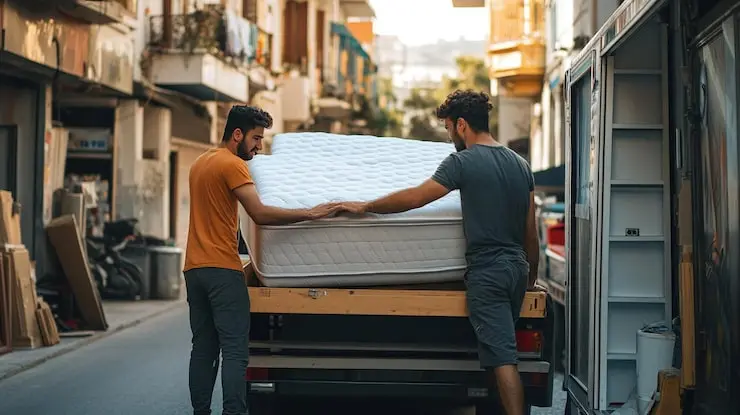
Getting rid of an old mattress can feel harder than it should. You want to be responsible — to help others, keep waste out of landfills, and follow the rules — but questions like “Where can I donate mattress?” or “Who takes used mattresses?” often leave people unsure where to start. This guide breaks down how to donate a mattress, step by step, including requirements, locations, tips, and alternatives when donation isn’t possible. This guide breaks down how to donate a mattress in a clear, step-by-step way. You’ll learn what condition your mattress must be in, which organizations accept used mattress donations, and what to do when donation isn’t an option. From furniture banks and thrift stores to community groups and online platforms, you’ll get practical, up-to-date information to make your donation effective and stress-free. Whether your motivation is sustainability, helping someone in need, or simply freeing up space in your home, this guide provides everything you need. You’ll also find tips on cleaning, wrapping, scheduling pickup, and even alternative ways to dispose of old mattresses responsibly if donation isn’t possible. By the end, you’ll know exactly what to do with your old mattress — and you can feel confident that it’s going to a good home or recycled in an eco-friendly way. Why Donating a Mattress Matters Mattresses are bulky, heavy, and not easy to dispose of. Many end up in landfills — where they take decades to break down — simply because people aren’t sure about donation options. When you donate mattress items that are in good shape, you help: Low‑income families, refugees, and people transitioning from homelessness Community shelters and housing programs Environmental causes by keeping large items out of waste streams Many charities and community programs rely on donations of household items. A mattress that’s still usable can make a big difference to a family setting up a new home. Understanding the Rules: Can You Always Donate a Mattress? Not every organization accepts used mattresses. Hygiene and safety concerns — such as stains, pests, and structural damage — mean most charities are selective. Before trying to donate, know that: Cleanliness is key — mattresses must be free from stains, odors, bed bugs, and mold Structural integrity matters — no major sagging, tears, springs sticking out, or broken frames Packaging requirements often apply — many organizations require mattresses to be bagged before acceptance Because rules vary, the first step in knowing how to donate a mattress is to check with the organization you plan to give it to. If your mattress isn’t eligible for donation due to age, damage, or hygiene concerns, you should explore safe ways to dispose of old mattresses, such as recycling programs, retailer take-back services, professional junk removal, or municipal bulk pickup options. Who Takes Used Mattresses? Here are the main places that may accept your mattress: 1. Furniture Banks Furniture banks help families in need by giving out gently used home items. Many accept mattresses that: Are clean Show minimal wear Are wrapped in protective plastic They often provide pickup services too. Search for local furniture banks through networks like Furniture Bank Network. 2. Homeless Shelters and Transitional Housing Some shelters accept mattress donations when supplies are low. Needs change based on inventory and local regulations, so calling ahead is essential. Example organizations include: Local homeless shelters listed at Homeless Shelter Directory City social services programs 3. Charitable Thrift Stores Stores like Goodwill or Habitat for Humanity ReStore may accept mattresses. However: Policies vary by location Some stores have stopped accepting mattresses due to sanitation costs Always contact your local store before dropping off. 4. Faith‑Based & Community Aid Groups Churches, community centers, and mutual‑aid groups often organize donation drives. These groups may be more flexible and community‑focused when it comes to used mattress donation, and you can find local programs and resources through the National Furniture Bank Network. 5. Online Community Platforms Platforms such as Facebook Marketplace, Craigslist, or freecycle groups allow you to donate directly to individuals in need. These require more caution but can be fast and effective when used responsibly. How to Donate a Mattress? Step By Step Use this checklist to make sure your donation is smooth and accepted: Step 1: Evaluate the Mattress Condition Inspect your mattress thoroughly: Look for stains, rips, or odors Sit/press in the middle to check for sagging Feel seams and edges for tears If it looks dirty or worn, it may be better to recycle than donate. Step 2: Clean and Prepare A clean mattress stands a much higher chance of being accepted. Here’s what to do: Vacuum thoroughly with an upholstery attachment Spot‑clean stains with mild soap and water Let it dry completely (a damp mattress is almost always rejected) Most organizations require the mattress to be fully dry and clean before donation. Step 3: Wrap the Mattress Place the mattress in a mattress bag or heavy‑duty plastic cover. This protects it from dirt, moisture, and pests during transport. Many donation programs, including shelters and thrift stores, won’t accept an unwrapped mattress — so this step is essential. Step 4: Research Local Options Make a list of nearby organizations that accept mattresses. Be sure to ask: Do you accept used mattresses? What condition must the mattress be in? Do you offer pickup, or is drop‑off required? Do you provide donation receipts? This helps you know where to donate a mattress without wasting time or effort. Step 5: Schedule Donation or Pickup Once you find a place that accepts your mattress: Confirm the date, time, and procedures Get clear instructions on where to leave it Ask for the name of the contact person Good communication ensures that your donation efforts succeed without confusion. Step 6: Get a Donation Receipt If you plan to claim a tax deduction, most non‑profits will give you a written receipt listing: The item donated The date of donation The organization’s tax ID Keep this receipt with your tax records. Step 7: Deliver or Arrange Pickup
- (559) 908-2189
- junkmasterz@yahoo.com
- Fresno, CA 93725
- (239)-543-217-0108