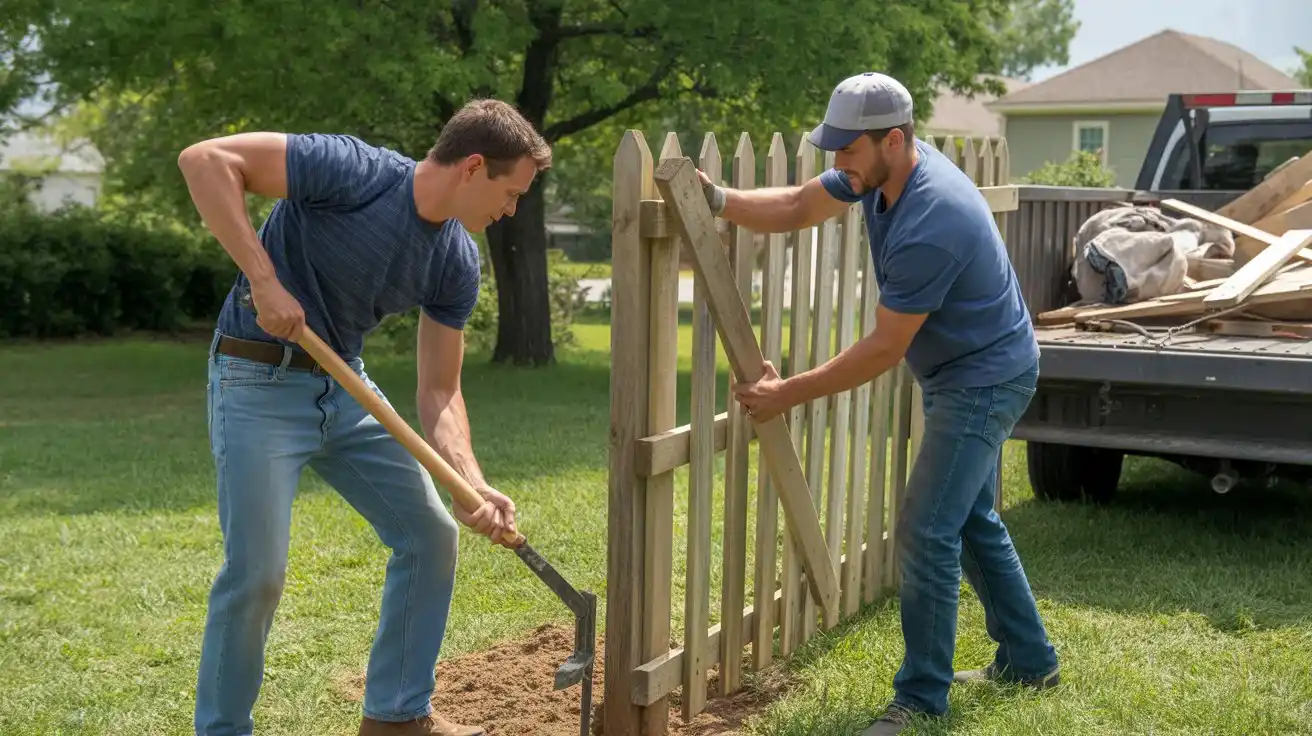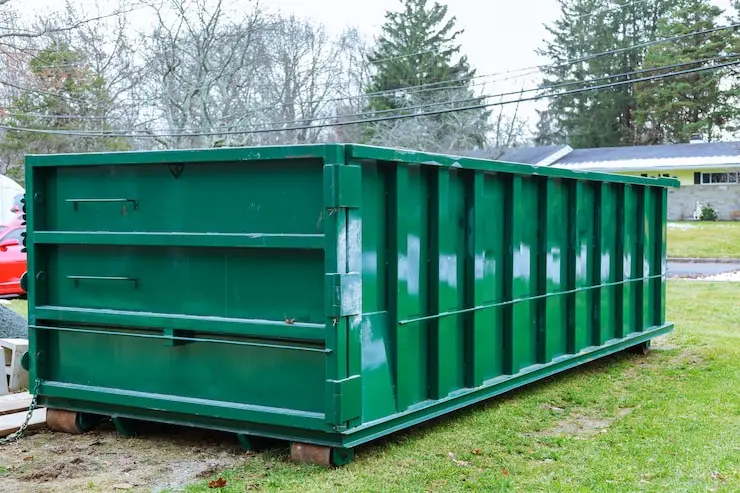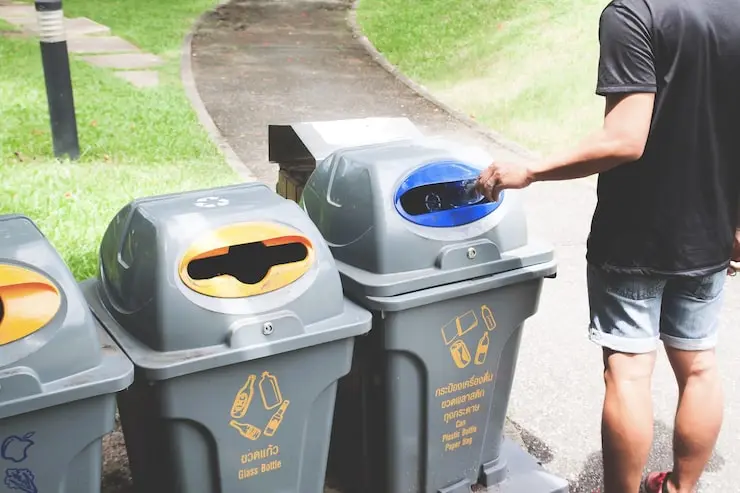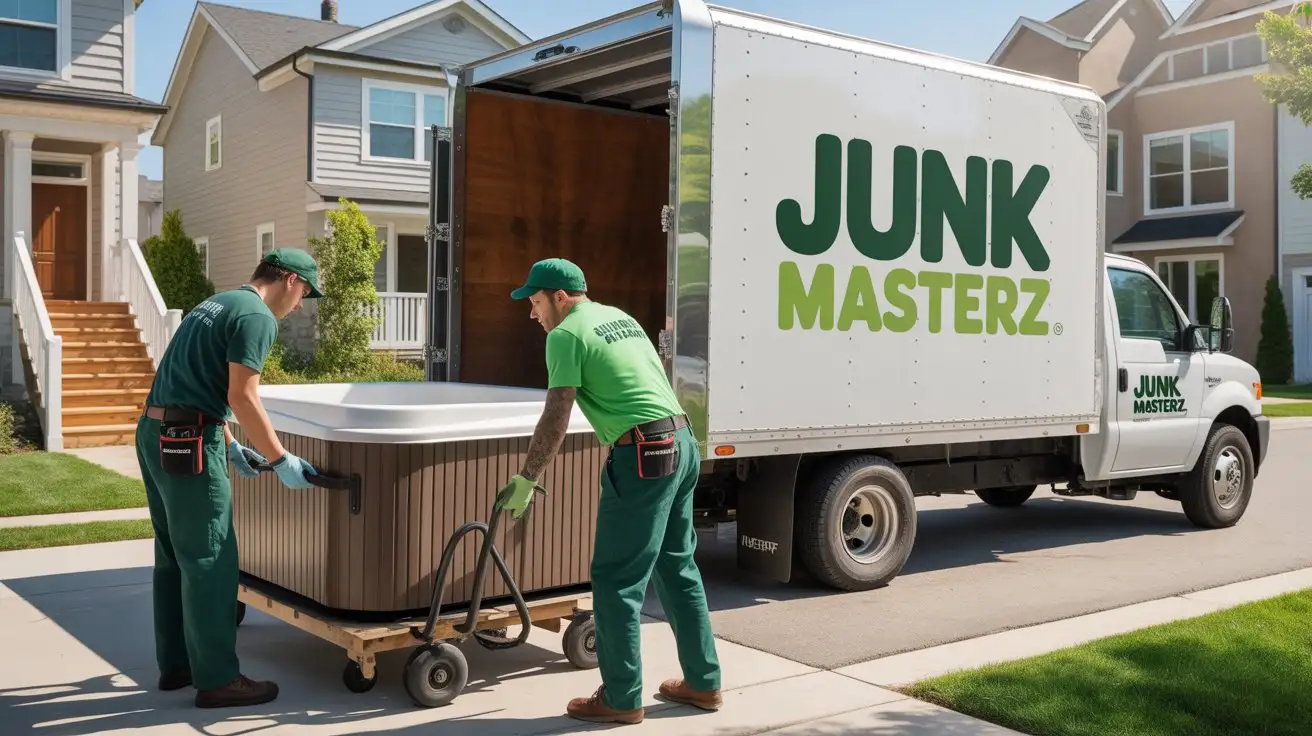
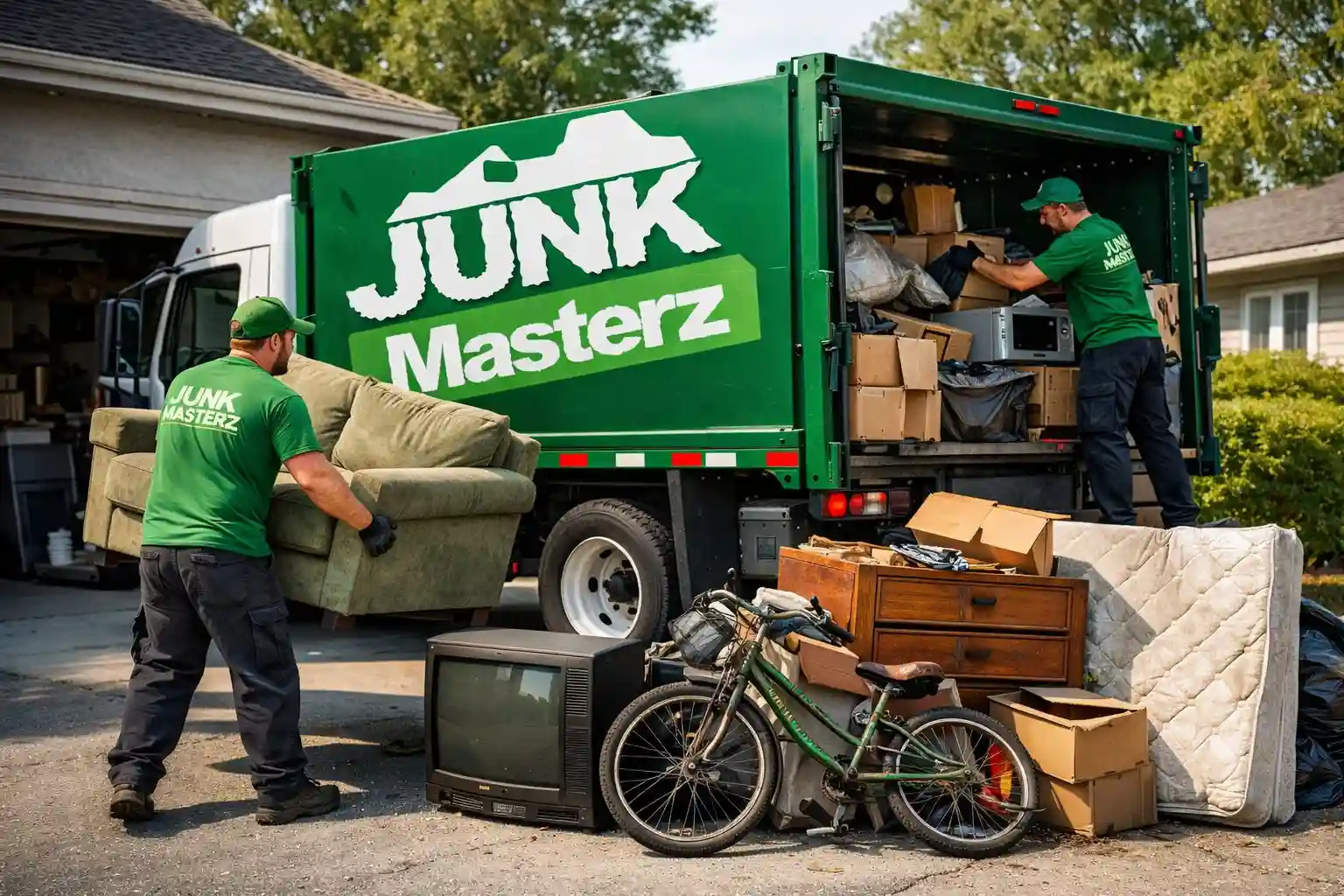
When a truck pulls up to haul away your old furniture, broken appliances, or piles of clutter, it is easy to think it all ends up in a landfill. In reality, the story is much bigger. Understanding what do junk removal companies do with your junk helps you make smarter, more responsible choices for your home, business, and the environment. Junk removal today is about more than clearing space. It involves sorting, recycling, donating, and following strict disposal rules. In this guide, we break down the full junk removal process in simple terms, explain where items actually go after pickup, and show how responsible junk removal fits into eco-friendly living. Why Junk Removal Is More Than Just Trash Pickup Junk removal is often confused with basic trash pickup, but they are very different services. Regular trash service is designed for everyday waste. Junk removal companies handle large, bulky, or unusual items that trash trucks cannot take. When you hire junk removal services, you are paying for labor, transportation, sorting, and proper junk disposal. This includes heavy lifting, loading, and making decisions about where each item belongs. Junk hauling companies also need to follow local rules about recycling, donations, and hazardous waste handling. Junk removal is also about waste diversion. Many companies aim to keep usable items out of landfills by donating junk or recycling junk whenever possible. This reduces environmental impact and supports local communities. In short, junk removal is a system, not a dump run. What Happens to the Junk? To fully answer what do junk removal companies do with the junk, you need to understand what happens after items leave your property. The process usually follows several clear steps. Step 1: Pickup and Initial Sorting Once the junk is loaded onto the truck, the first level of sorting often begins right away. Experienced crews can quickly identify items that may be donated, recycled, or require special disposal. This material sorting process saves time later and helps ensure responsible junk removal. Step 2: Transport to Sorting Facilities After pickup, the junk is transported to a transfer station, recycling center, donation hub, or company warehouse. At this stage, items are separated more carefully. Furniture, electronics, metals, and mixed waste are divided into categories. Step 3: Donation of Usable Items Many junk removal services work with local charities and thrift stores. Items like gently used furniture, clothing, toys, and household goods may be donated. This supports families in need and extends the life of usable products. Donating junk is a key part of eco-friendly junk removal. Step 4: Recycling Materials Recycling junk is one of the most important steps. Metals, cardboard, plastics, and electronics are sent to recycling centers. E-waste recycling ensures that harmful materials like lead or mercury are handled safely. Step 5: Final Disposal Only items that cannot be reused or recycled are sent to landfill junk removal facilities. Responsible companies aim to reduce this as much as possible. This is where landfill reduction efforts make a real difference. This behind-the-scenes process is what most people never see, yet it defines the quality of a junk removal service. Types of Junk Removal Not all junk removal jobs are the same. Understanding the different types helps you choose the right service and set clear expectations. Residential Junk Removal Residential junk removal focuses on homes and apartments. This includes garage cleanouts, attic cleanouts, yard debris, old furniture, and appliance removal. Homeowners often ask what do junk removal companies do with your junk because personal items feel more meaningful. Commercial Junk Removal Businesses generate different kinds of waste. Office furniture, electronics, shelving, and renovation debris are common. Junk hauling companies working with businesses must follow stricter rules, especially for data security and e-waste recycling. Construction and Renovation Debris Construction junk removal deals with drywall, wood, concrete, and metal. Recycling junk in this category is especially important since construction waste makes up a large portion of landfills. Specialty Junk Removal Some services focus on specialty items such as hoarding cleanouts, estate cleanouts, or hazardous waste handling. These jobs require experience and careful planning to ensure safety and compliance. Each type of junk removal follows the same core principles but uses different disposal paths based on the material involved. Read More: How Much Does Junk Removal Cost? Items Most Companies Accept Knowing what junk removal companies accept helps avoid surprises on pickup day. While policies vary, most junk removal services handle a wide range of items. Commonly Accepted Items Furniture like couches, chairs, tables, and mattresses Appliances such as refrigerators, washers, dryers, and stoves Electronics, including TVs, computers, and printers Yard waste like branches, leaves, and fencing Household clutter from basements, garages, and sheds These items are often reused, recycled, or responsibly disposed of, depending on condition. Items Often Recycled Scrap metal Cardboard and paper Certain plastics Electronics through e-waste recycling programs Recycling junk reduces the need for new raw materials and lowers environmental impact. Items With Restrictions Some items require special handling or may not be accepted at all: Paint, chemicals, and solvents Batteries and propane tanks Medical waste Asbestos-containing materials Hazardous waste handling is tightly regulated. Always ask in advance so the company can plan safe disposal or guide you to proper facilities. How to Choose the Right Junk Removal Service Choosing the right company matters just as much as understanding the junk removal process. A good provider is transparent, responsible, and experienced. Look for Clear Disposal Practices Ask direct questions about what do junk removal companies do with the junk they collect. A trustworthy company should clearly explain their recycling, donation, and landfill policies. Check Experience and Reputation Experience shows in how crews handle items, communicate, and follow regulations. Reviews and testimonials help confirm reliability. Ask About Recycling and Donations If eco-friendly junk removal matters to you, confirm how the company approaches waste diversion. Do they partner with local charities and thrift stores? Do they use certified recycling centers? Transparent Pricing Clear pricing builds trust. Avoid companies that are vague
- (559) 908-2189
- junkmasterz@yahoo.com
- Fresno, CA 93725
- (239)-543-217-0108