
Have you recently replaced your old blender and are wondering what to do with the old one? You’re not alone. Many homeowners upgrade their kitchen appliances without knowing the best way to dispose of them. While it may be tempting to toss a broken blender into the trash, doing so isn’t always the safest or most environmentally friendly option.
Learning how to recycle a blender helps reduce landfill waste, conserves valuable materials, and keeps electronic components out of the environment. Most blenders contain recyclable materials such as stainless steel, copper wiring, plastic, and glass, making them suitable for recycling through the proper channels.
In this guide, you’ll learn how to recycle a blender, where to take it, whether you can throw it in the trash, and what to do if it still works. By following these simple steps, you can dispose of your old blender responsibly while helping protect the environment.
Can You Recycle a Blender?
Yes. Most blenders can be recycled, but they usually need to go to an electronic waste (e-waste) recycling facility or appliance recycling program instead of your curbside recycling bin.
A typical blender combines several materials:
| Blender Component | Recyclable? |
|---|---|
| Plastic housing | Usually |
| Glass jar | Yes |
| Stainless steel blades | Yes |
| Aluminum parts | Yes |
| Electric motor | Yes (e-waste) |
| Copper wiring | Yes |
| Rubber seals | Sometimes |
| Power cord | Yes (e-waste) |
Because these materials are permanently assembled together, recycling facilities separate them using specialized equipment.
Can I Throw a Blender in the Garbage?
Technically, you can throw a blender in the garbage in some locations, but it is not recommended. Because blenders contain electrical components and recyclable metals, they should be taken to an e-waste recycling center or appliance recycling facility whenever possible.
Many homeowners ask:
- Can I throw a blender in the garbage?
- Can you throw a blender in the trash?
The answer depends on your local waste regulations.
Some municipalities allow small appliances in household trash, while others prohibit electronic devices from entering landfills.
Even when allowed, trash disposal should always be the last option.
Why Throwing a Blender Away Isn’t Ideal
Sending a blender to the landfill means valuable materials cannot be recovered.
These materials include:
- Steel
- Copper
- Aluminum
- Glass
- High-quality plastics
Manufacturers use these raw materials to build new products. Recycling helps reduce mining, manufacturing emissions, and landfill waste.
Why You Shouldn’t Throw Your Blender in the Trash
Short Answer
Recycling protects the environment, conserves natural resources, and keeps electronic waste out of landfills.
A blender may seem like a simple kitchen appliance, but it contains several recyclable materials.
Improper disposal can result in:
- Increased landfill waste
- Lost recyclable metals
- Wasted plastic materials
- Unnecessary resource extraction
- Higher environmental impact
Professionals in appliance recycling carefully dismantle blenders so reusable materials can be processed into new products.
Options for Recycling or Disposing of a Blender
There are several avenues to get rid of your old or broken blender responsibly.
1. Local Recycling Programs
Many cities and municipalities have special programs for e-waste or small appliances. These programs often provide:
- Drop-off locations for small electronics.
- Scheduled curbside pick-up days for e-waste.
- Guidelines for separating materials (plastics, metals, electronics).
How to check: Visit your city’s waste management website or call your local recycling office. They can tell you if your blender qualifies for their program.
2. Electronic Waste Centers
E-waste centers specialize in recycling electronics safely and efficiently. They:
- Properly dismantle motors, wiring, and electronic circuits.
- Recycle metals and plastics to create new products.
- Often accept items free of charge or for a small fee.
Some e-waste centers also provide tax credits or trade-in incentives, making it easier to get rid of appliances responsibly.
3. Retail Take-Back Programs
Many retailers and appliance brands offer take-back programs for old electronics and appliances. Examples include:
- Best Buy: Offers in-store drop-offs for small appliances and electronics.
- Major blender brands: Some accept old appliances through mail-in or in-store recycling.
Check your local store or the manufacturer’s website to confirm whether your blender is eligible. This method is convenient if your appliance is too heavy or bulky to transport to a recycling center.
4. Donation or Repurposing
If your blender is still functional but old, donation can be a great option:
- Donation options: Schools, shelters, or community centers. Goodwill accepts small appliances.
- Repurposing: Even broken blenders can be repurposed. Glass jars can become storage containers, or motors can be used in DIY projects.
This not only keeps appliances out of landfills but also benefits communities or hobbyists looking for inexpensive materials.
Step-by-Step Guide to Prepare Your Blender for Recycling
Before taking your blender to a recycling facility or drop-off location, follow these steps to ensure safe and effective disposal:
- Unplug and disassemble: Remove the jar, lid, blades, and base.
- Clean thoroughly: Any leftover food can contaminate the recycling process.
- Separate components: Divide plastics, metals, glass, and electronic parts.
- Package safely: Wrap sharp blades and motors to prevent injury during transport.
Choose the right recycling method: Take each part to the appropriate facility or program.
Environmental and Practical Benefits of Recycling Blenders
Recycling blenders has both environmental and practical benefits:
- Reduces landfill waste: Electronics and plastics take decades to decompose. Proper disposal prevents this buildup.
- Recovers valuable materials: Metals, plastics, and glass can be recycled into new products, reducing the need for virgin resources.
- Supports sustainable living: By properly disposing of appliances, you contribute to a circular economy where materials are reused rather than wasted.
Even a small appliance like a blender can make a noticeable difference when disposed of responsibly.
Common Mistakes to Avoid
When recycling a blender, people often make mistakes that reduce efficiency or cause safety issues:
- Throwing it in the curbside bin: Most curbside programs do not accept electronics.
- Not cleaning the blender: Food residue can contaminate recycling streams.
- Leaving blades exposed: Sharp components can injure workers at recycling facilities.
- Mixing electronics with general plastics or metals: This complicates recycling and may lead to contamination.
Following proper steps ensures your blender is recycled safely and effectively.
We Take All kind of Junk
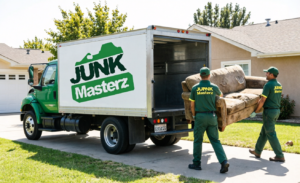
At Junk Masterz, we make it simple to get rid of unwanted items, no matter the size or type. Whether it’s a broken blender, old kitchen appliances, furniture, electronics, or general household junk, we handle it all safely and responsibly. Our team ensures that everything we collect is recycled or disposed of properly, helping you declutter while protecting the environment.
Wondering exactly what we accept? Visit our What We Take page to see the full list of items we remove. From small appliances like blenders to large furniture, we take care of everything so you don’t have to lift a finger.
Ready to get rid of your old blender or other junk? Contact us today and schedule a pickup. Let us help you make your space clean, safe, and clutter-free!
Conclusion
Recycling or disposing of a blender doesn’t have to be complicated. Whether your blender is broken, outdated, or still functional, there are several options: municipal recycling programs, e-waste centers, retail take-back programs, or donations. By following the steps outlined in this guide, you can safely handle your appliance, recover valuable materials, and help the environment.
Even small actions, like properly recycling a broken blender, contribute to a more sustainable lifestyle. Take the time to check your local programs today and give your old blender a responsible new life.
FAQs
Can I put a blender in the recycling bin?
Most curbside recycling programs do not accept blenders due to electronic components. Use an e-waste facility, retail take-back program, or municipal recycling option instead.
What do I do if my blender is broken?
Broken blenders should be handled like any small electronic appliance. Separate materials where possible and take them to a certified e-waste center.
How to dispose of a blender safely at home?
Avoid tossing it in the trash. Disassemble it, separate materials, and use one of the recycling options above.
Are there any costs associated with recycling a blender?
Costs vary by program. Some municipal programs are free, while certain e-waste centers or retail drop-offs may charge a small fee.
Can parts of the blender be reused?
Yes. Glass jars can be reused for storage, blades and screws for DIY projects, and functional motors may be repurposed for crafts or repairs.