Removing concrete can be a daunting task, whether it’s an old driveway, patio, sidewalk, or foundation. If you’re planning a home renovation or just want to refresh your outdoor space, knowing how much does it cost to remove concrete is crucial for budgeting and planning. In this guide, we’ll break down the average costs, factors that influence pricing, and tips for reducing expenses while ensuring safety and efficiency.
Concrete removal might seem straightforward, but the process involves careful planning, the right equipment, and proper disposal. By understanding the variables that impact the cost of concrete removal, you can make informed decisions and avoid unexpected expenses.
What Is Concrete Removal?
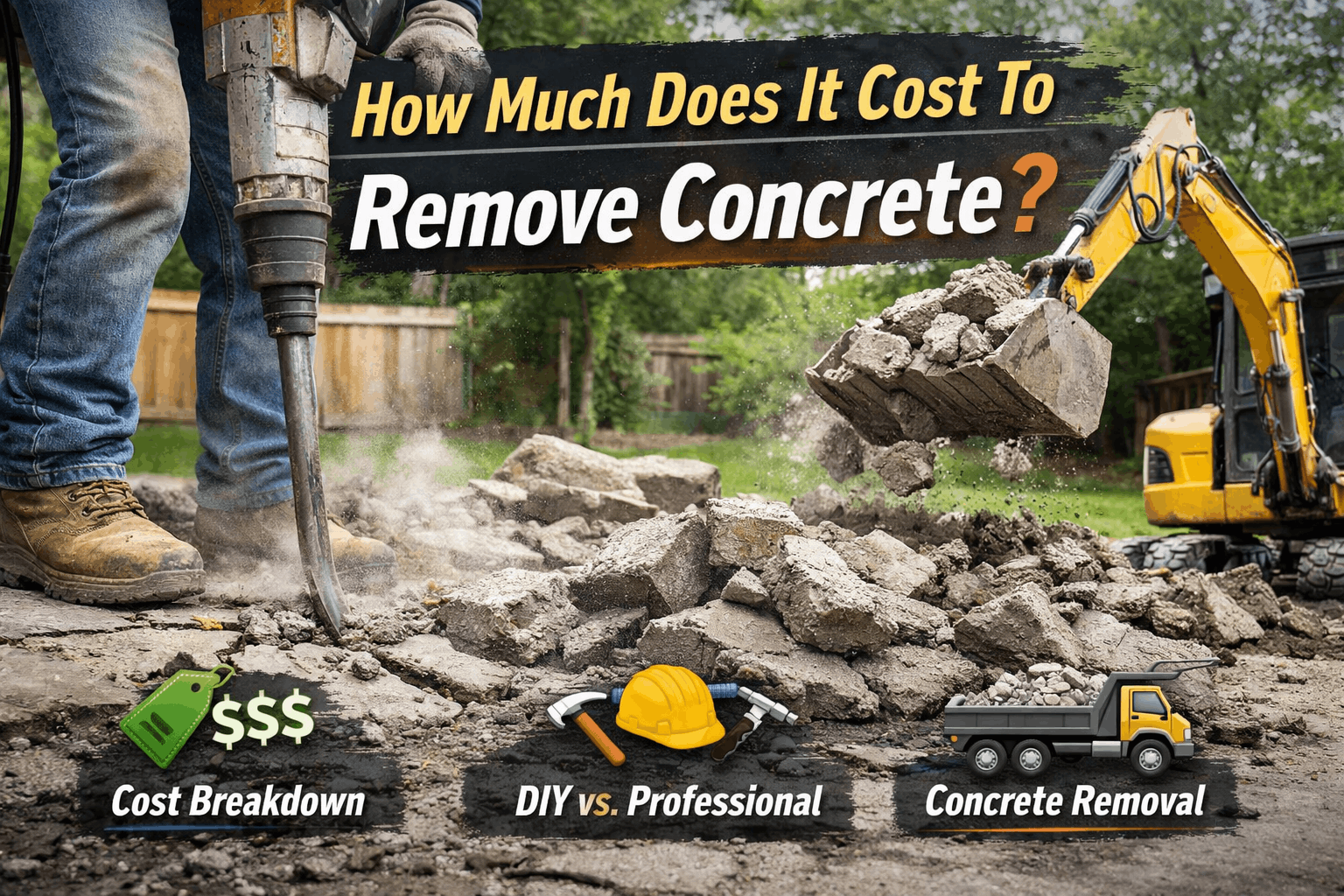
Concrete removal involves breaking up, demolishing, and hauling away old or unwanted concrete structures. This process is essential in many home improvement projects, including replacing driveways, patios, sidewalks, and even foundations.
There are two main approaches to concrete removal:
-
DIY Removal – Using hand tools, sledgehammers, or rented equipment to break and remove concrete yourself.
-
Professional Removal – Hiring licensed contractors who bring heavy machinery and handle disposal efficiently.
Choosing the right method often depends on the size of the project, accessibility, and your budget. The concrete demolition and removal cost can vary widely depending on these factors.
Why People Remove Concrete
Homeowners remove concrete for various reasons:
-
Renovation and Remodeling: Upgrading driveways, patios, or garden pathways.
-
Safety Concerns: Cracked or uneven concrete can pose tripping hazards.
-
Landscaping Improvements: Removing concrete allows more natural space for gardens, lawns, or outdoor living areas.
-
Structural Repairs: Old foundations may need removal to support new construction.
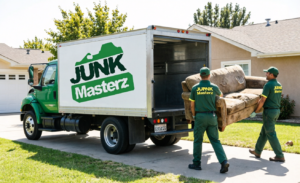
Understanding why you need removal helps determine the method and scope of the project, which directly influences the cost of removing concrete.A well-planned schedule prevents surprise costs from rushed labor or last-minute disposal fees, and using Junk Masterz ensures your concrete debris is removed safely and responsibly.
Factors That Affect the Cost of Concrete Removal
The price of removing concrete is not one-size-fits-all. Several variables can influence the final cost:
1. Size and Thickness of Concrete
Larger slabs require more labor and equipment. Similarly, thicker concrete takes more time and effort to break, increasing both labor and disposal costs.
2. Type of Concrete Structure
Different structures have varying levels of complexity:
-
Driveways: Often 4–6 inches thick, accessible, and easier to remove.
-
Patios: May include irregular shapes, landscaping integration, or decorative finishes. This can increase the cost to remove concrete patio.
-
Sidewalks and Pathways: Narrow and sometimes reinforced, requiring careful handling.
-
Foundations: Often the most labor-intensive and expensive due to depth and reinforcement.
3. Accessibility and Location
If the concrete is in a tight space, near obstacles, or on multiple levels, the job becomes more labor-intensive. Urban locations can also increase pricing due to disposal regulations and limited equipment access.
4. Labor and Equipment
Manual removal is cheaper but more physically demanding and time-consuming. Hiring professionals usually involves heavy machinery like jackhammers, skid steers, or excavators, which increases the overall cost.
5. Disposal and Environmental Considerations
Hauling away concrete to a landfill or recycling center adds to the price. Some local regulations may require specific disposal methods, especially for large projects. Using recycled concrete can sometimes reduce costs.
Average Costs of Concrete Removal
While prices vary by region and project size, here are some general estimates:
1. National Average
-
Small slabs (under 100 sq. ft.): $150–$500
-
Medium slabs (100–500 sq. ft.): $500–$1,200
-
Large slabs (over 500 sq. ft.): $1,200–$4,000
On average, homeowners can expect to pay $2–$6 per square foot for residential concrete removal. These numbers include demolition, labor, and disposal, but not any additional site preparation or landscaping work.
2. Cost Breakdown by Project Type
-
Driveway Removal: $800–$3,000 depending on size and thickness.
-
Patio Removal: $300–$1,500, factoring in shapes and decorative finishes.
-
Sidewalk Removal: $200–$800.
-
Foundation Removal: $2,000–$5,000 or more, depending on depth and reinforcement.
3. DIY vs. Professional Costs
DIY removal can save money, with small projects potentially costing only $50–$200 for tool rentals and disposal fees. However, for larger slabs or reinforced concrete, professional services ensure safety, efficiency, and compliance with local regulations.
You May Also Read:How much is post construction cleaning
How to Reduce the Cost of Concrete Removal
Even professional removal doesn’t have to break the bank. Here are some ways to lower costs:
-
Recycle Concrete: Many facilities accept concrete for reuse, reducing landfill fees.
-
Get Multiple Quotes: Compare at least 3–4 professional estimates to find competitive pricing.
-
Break Projects Into Sections: Smaller demolition sections may be cheaper and easier to handle.
-
DIY Preparations: Removing furniture, landscaping, or non-structural obstacles before professionals arrive can save labor costs.
Being proactive and planning carefully can significantly reduce the concrete demolition and removal cost while ensuring safety.
Planning Your Concrete Removal Project
Proper planning is key to staying within budget and avoiding delays.
1. Preparing the Site
-
Remove obstacles and secure surrounding areas.
-
Check for permits if local regulations require them.
-
Ensure safety measures such as protective gear and proper signage are in place.
2. Hiring Professionals
When choosing contractors:
-
Look for licensed, insured, and experienced companies.
-
Ask for detailed estimates that include labor, equipment, and disposal costs.
-
Check references and online reviews to confirm credibility.
3. Timeline and Expectations
-
Small projects may take a few hours; larger projects could take several days.
-
Allow time for disposal and cleanup.
-
A well-planned schedule prevents surprise costs from rushed labor or last-minute disposal fees.
-
Small projects may take a few hours; larger projects could take several days.
Allow time for disposal and cleanup. Junk Masterz offers professional Debris Construction Removal services to handle hauling and disposal efficiently, saving you time and effort.
Conclusion
Removing concrete doesn’t have to be overwhelming if you understand the costs and plan properly. By considering factors such as slab size, type, accessibility, labor, and disposal, homeowners can budget effectively and make informed decisions.
Whether you choose DIY removal or hire professionals, knowing how much does it cost to remove concrete ensures your project runs smoothly without unexpected expenses. Remember to request multiple quotes, consider recycling options, and prioritize safety throughout the process.
With careful planning and the right approach, your concrete removal project can transform your space efficiently and affordably.
FAQs
1. How much does it cost to remove a concrete patio?
The cost to remove a concrete patio usually ranges from $300 to $1,500, depending on its size, thickness, and whether it includes decorative finishes or embedded features like lighting or planters. Patios with irregular shapes or difficult access points may require more labor, which increases the overall price. Professional services often include demolition, hauling, and disposal in their estimates, making it easier to budget accurately.
2. Can I remove concrete myself to save money?
Yes, small projects can be done DIY, which may reduce costs significantly, often just covering equipment rental and disposal fees. However, removing thick or reinforced concrete can be physically demanding and time-consuming. Professionals bring heavy machinery and expertise, ensuring the job is completed safely and efficiently, which can sometimes save money in the long run by avoiding injuries or delays.
3. What factors make concrete removal more expensive?
The cost of concrete removal is influenced by several key factors: the size and thickness of the slab, the type of concrete structure, accessibility, labor required, and disposal fees. For example, removing a driveway or foundation is more expensive than a sidewalk due to its larger size and structural complexity. Additionally, concrete that is reinforced with rebar or embedded with other materials takes more effort to demolish.
4. How long does it take to remove concrete?
The duration of a concrete removal project depends on size, thickness, and method. Small slabs, like a backyard patio, may take a few hours, while larger projects, such as driveways or foundations, can take several days. Hiring professionals with the right equipment significantly speeds up the process compared to a DIY approach.
5. Can concrete be recycled after removal?
Yes, concrete can be recycled and repurposed for other construction projects, such as gravel or road base. Recycling reduces landfill waste and can sometimes lower disposal costs. Many professional contractors offer recycling options as part of their service, making it both eco-friendly and cost-effective.
6. Do I need a permit to remove concrete?
Permit requirements vary by location. Small projects, like removing a patio or sidewalk, usually don’t require a permit, while larger or structural projects, such as removing a driveway or foundation, may. It’s important to check with your local municipality to ensure compliance and avoid fines.
7. Is breaking concrete noisy or disruptive?
Concrete removal is typically loud, especially when using jackhammers or heavy machinery. Dust and debris can also spread, so proper safety measures, such as barriers and protective gear, are necessary. Hiring professionals ensures the work is conducted safely and with minimal disruption to neighbors.
8. What is the average cost per square foot for concrete removal?
On average, residential concrete removal ranges between $2 and $6 per square foot. This includes labor, demolition, and disposal. Prices vary by region, slab thickness, and complexity, so getting multiple quotes from local contractors is recommended for accurate budgeting.
9. Can old concrete be left in place instead of removed?
In some cases, old concrete can be covered with new layers, such as asphalt or new concrete overlays. However, this approach may not be suitable if the slab is cracked, uneven, or structurally compromised. Removing the old concrete ensures a solid, long-lasting foundation for your new project.
10. How can I prepare my property before concrete removal?
Preparation helps reduce costs and speeds up the project. Clear furniture, plants, and debris from the area. Mark utility lines to avoid damage during demolition. Providing contractors with clear access and a tidy site can lower labor time and prevent additional charges.
|