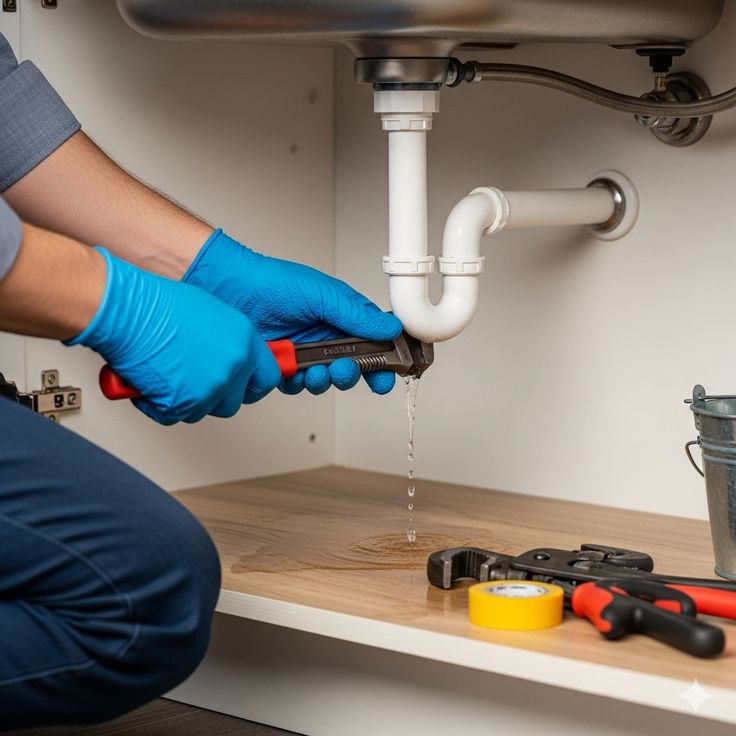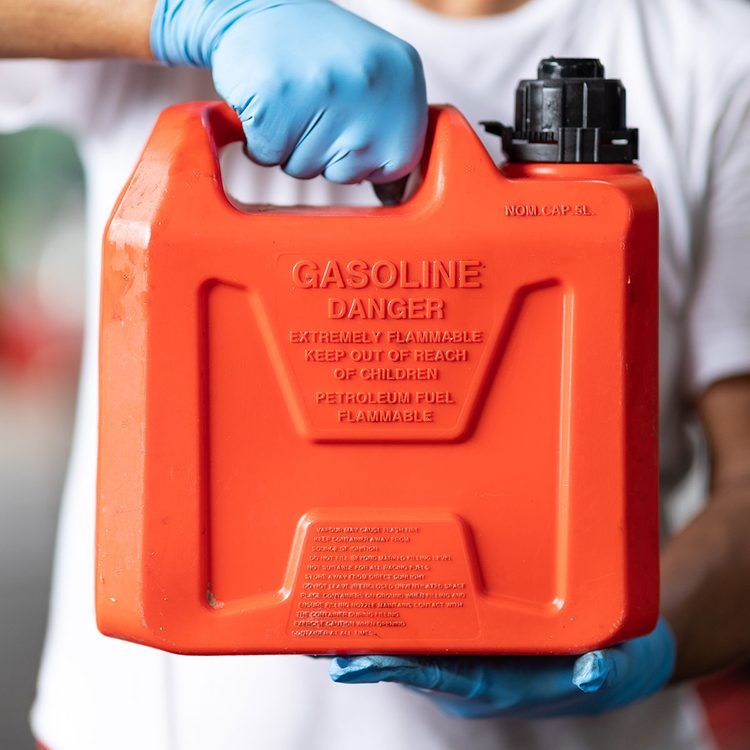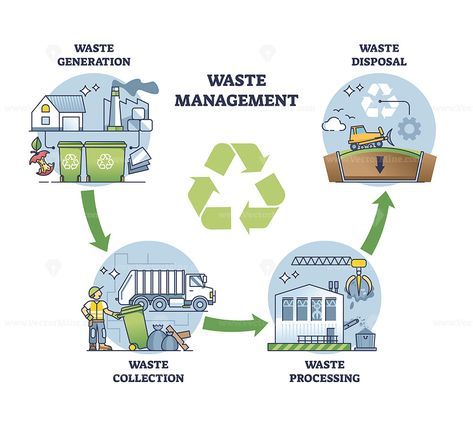
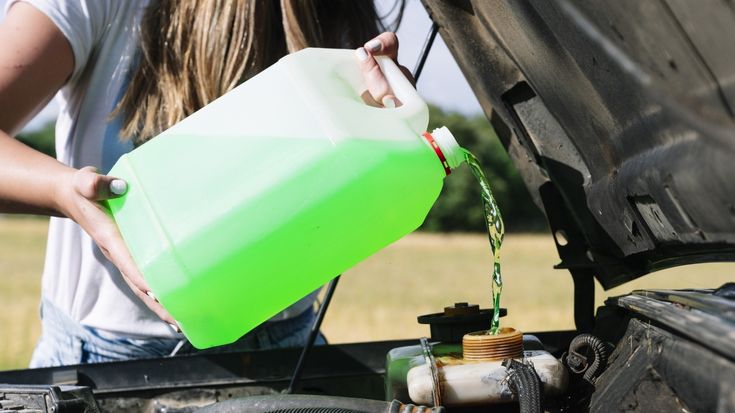
If you own a car, truck, or SUV, coolant maintenance is unavoidable. Whether you’re performing a routine radiator flush, replacing a water pump, or repairing a leaking hose, one question always comes up: how to dispose of coolant? Many vehicle owners focus on how to change coolant — but very few think about what happens after it’s drained. Used antifreeze doesn’t just “go away.” It becomes chemical waste that must be handled responsibly. Failing to dispose of it correctly can lead to environmental damage, health risks, and even legal penalties. Engine coolant may look harmless, but most formulas contain ethylene glycol — a toxic chemical that can contaminate groundwater and attract pets due to its sweet taste. Just a small spill can pose serious risks. That’s why understanding how to dispose of engine coolant the right way is not optional — it’s essential. Why Proper Coolant Disposal Matters Engine coolant (also called antifreeze) typically contains ethylene glycol or propylene glycol. Ethylene glycol is toxic to humans and animals. Even small amounts can cause serious harm. When dumped improperly: It can contaminate groundwater It can poison pets and wildlife It may enter storm drains and waterways It can violate environmental laws That’s why understanding how to dispose of used coolant properly is essential. What Is Coolant and Why Is It Hazardous? Coolant is a chemical mixture used to regulate engine temperature. It prevents overheating in summer and freezing in winter, keeping your radiator and engine operating within a safe range. Common Ingredients: Ethylene glycol (toxic) Propylene glycol (less toxic but still regulated) Corrosion inhibitors Additives and dyes While new coolant already requires careful handling, used coolant becomes even more hazardous over time because it may contain: Heavy metals Oil residue Fuel contaminants These contaminants accumulate as the fluid circulates through the engine. That means used antifreeze is no longer just a temperature-control liquid — it becomes chemically polluted waste that can harm soil, water systems, pets, and wildlife. This is why knowing how to dispose of old coolant responsibly is important. It’s not just automotive maintenance — it’s environmental responsibility. In situations where coolant containers are leaking, mixed with other garage waste, or part of a larger cleanup project, proper handling becomes even more critical. Automotive fluids fall under regulated junk removal liquid waste, meaning they must be separated, transported, and processed according to local environmental guidelines rather than being treated like regular household trash. You May Also Read: Junk removal disposal Step-by-Step: How to Dispose of Coolant Safely Step 1: Collect the Coolant Properly When draining coolant: Use a drain pan designed for automotive fluids Avoid spilling onto the driveway or soil Transfer the fluid into a sealed, leak-proof container Label the container clearly Never mix coolant with oil, brake fluid, or other chemicals. Step 2: Store It Safely Until Disposal Keep the container: Tightly sealed Away from children and pets Stored in a cool, dry place If you’re wondering how to dispose of coolant fluid safely before transport — proper storage is critical. Step 3: Take It to an Approved Disposal Location You cannot throw coolant in the trash or pour it down the drain. Approved disposal options include: 1. Local Household Hazardous Waste (HHW) Facilities Most cities operate HHW collection centers that accept antifreeze. 2. Auto Parts Stores Some auto shops and retailers accept used antifreeze for recycling. 3. Automotive Repair Shops Many garages accept used coolant for a small fee. This is the safest answer to how to dispose of auto coolant legally. Can You Recycle Coolant? Yes — in many cases, coolant can be recycled. Recycling facilities remove contaminants and restore coolant to reusable condition. Recycled antifreeze is often just as effective as new coolant. If you’re researching how to dispose of used engine coolant, recycling is often the best environmental option. How to Dispose of Coolant in Large Quantities If you are: Closing a repair shop Cleaning out a commercial garage Managing fleet vehicle maintenance You may need a licensed hazardous waste transporter. In these cases, working with professional removal providers such as Junk Masterz offering junk removal services, ensures fluids are transported to approved facilities safely and legally. What NOT to Do With Coolant Never: Pour it down the sink Dump it into storm drains Throw it into household garbage Pour it onto soil or gravel Burn it These methods are illegal in many areas and can lead to fines. Environmental Impact of Improper Disposal Ethylene glycol has a sweet taste, which attracts animals. Even a small puddle can be deadly to pets. Improper disposal can also: Contaminate drinking water Harm aquatic life Damage septic systems Pollute soil Understanding how to dispose of engine coolant protects both your community and the environment. Is Coolant Considered Hazardous Waste? For households, used coolant is typically classified as household hazardous waste. For businesses, it may be regulated as hazardous waste depending on contamination levels. Commercial auto shops must follow stricter guidelines under federal and state environmental laws. How Much Does Coolant Disposal Cost? In many cities: Household hazardous waste drop-off is free Some auto shops may charge $5–$15 Large commercial quantities may require licensed waste handlers If you’re handling large amounts or cleaning out a garage, professional junk removal service can help coordinate safe disposal while ensuring compliance with local regulations. Conclusion: Safe Coolant Disposal Protects Your Engine — and the Environment Understanding how to dispose of coolant properly is a small responsibility that makes a big difference. Engine coolant is essential for vehicle performance, but once it becomes used or contaminated, it turns into a potentially dangerous chemical that must be handled with care. Whether you’re researching how to dispose of engine coolant after a DIY flush, figuring out how to dispose of used coolant from routine maintenance, or dealing with how to dispose of old coolant sitting in your garage for years, the solution is always the same: never dump it — always use approved disposal or recycling facilities. Coolant contains toxic substances that can:
- (559) 908-2189
- junkmasterz@yahoo.com
- Fresno, CA 93725
- (239)-543-217-0108