
Archive for David Harlan

How Much Does an Estate cleanout Cost in 2026?

Dealing with an estate cleanout can be an overwhelming and emotional task. Whether you’re managing a loved one’s property, preparing a home for sale, or just decluttering, understanding the costs involved is crucial. Many people underestimate the time, labor, and hidden fees associated with estate cleanouts. That’s where professional services come in. In this guide, we’ll break down everything you need to know about how much Estate Cleanout Services Cost, including average prices, cost factors, and tips to make the process smoother and more cost-effective. By the end, you’ll have a clear roadmap to budget your estate cleanout without stress. What Is an Estate Cleanout Service? An estate cleanout service is a professional solution for removing unwanted items from a home, apartment, or property, usually after a major life event. This can include the passing of a loved one, downsizing, foreclosure, or preparing a property for sale. Unlike basic cleaning or junk removal, estate cleanouts focus on clearing out everything that is no longer needed. The goal is to leave the property empty, safe, and ready for its next use. Many property cleanouts involve large volumes of furniture, personal belongings, and household items that require careful handling and proper disposal. The Difference Between Estate Cleanouts and Regular Cleaning Regular cleaning focuses on surfaces like floors, kitchens, and bathrooms. Estate cleanouts deal with contents, not cleanliness. An estate cleanout involves removing furniture, clothing, boxes, appliances, and debris. Regular cleaning might take a few hours, while an estate cleanout can take a full day or longer depending on the property. This difference is a major reason why estate cleanout service cost is higher than standard cleaning services. What’s Included in Professional Estate Cleanup Most professional estate cleanup services include: Sorting and removing household items Loading and hauling materials off-site Disposal, recycling, and donation drop-offs Sweeping and basic debris removal Some companies also offer clean out apartment service options, partial cleanouts, or post-cleanout cleaning. A thorough property cleanout should leave the space empty and safe to walk through, even if deep cleaning is not included. When You Need a Fast Property Cleanout A fast property cleanout is often needed when there is a tight deadline. This might involve a real estate closing, foreclosure, landlord turnover, or probate timeline. Rush cleanouts typically require larger crews and extended hours, which can increase overall costs. However, speed and efficiency can be worth the expense when time-sensitive situations are involved. How Much Does an Estate Cleanout Cost? Estate cleanout costs vary widely based on property size, contents, and location. There is no flat rate that applies to every situation, but understanding common pricing models helps set realistic expectations. National Average Pricing Ranges Across the U.S., most estate cleanout services fall within these general ranges: Small apartments or partial cleanouts: $500 to $1,500 Average single-family homes: $2,000 to $4,000 Large homes or heavy-content cleanouts: $5,000 and up These prices typically include labor, hauling, and disposal fees. Specialty services or unusual items may raise the estate cleanup cost. Estate Cleanout Cost Per Square Foot Some companies price jobs by square footage, especially for full-home cleanouts. The average estate cleanout cost per square foot usually falls between $1.00 and $3.00, depending on how full the property is. Heavily packed homes, hoarding situations, or poor property conditions can push that number higher. Square-foot pricing is helpful for larger properties because it provides a clearer estimate upfront. Hourly Rate for Estate Cleanout Services Hourly pricing is common for smaller jobs or clean out apartment service requests. The typical hourly rate for estate cleanout services ranges from $75 to $150 per worker. The final cost depends on how many workers are assigned and how long the job takes. Hourly pricing can be cost-effective, but it is important to confirm what is included. Always ask whether dumping fees, fuel, and donation handling are part of the hourly rate. What Determines Your Estate Cleanup Cost? Several factors work together to determine the final cost of an estate cleanout. Understanding these elements helps explain why estimates can vary so much from one property to another. Property Size and Layout Larger homes take more time and labor to clear. Multi-story properties, basements, attics, and garages increase the workload. Tight hallways or narrow staircases can also slow down removal and increase labor costs. Volume and Type of Items The more items in a property, the higher the cost. Heavy furniture, electronics, and large appliances require more labor and truck space. Specialty items like pianos, safes, or gym equipment may require additional equipment and increase estate cleanup cost. Property Condition Properties in poor condition such as those with mold, pests, or hoarding require extra care. Protective gear and more time are needed, raising labor costs. A thorough property cleanout of a hoarder home can be two to three times more expensive than a standard cleanout. Location and Accessibility Urban areas tend to have higher costs due to labor rates and dumping fees. Accessibility also matters. Limited parking, long carry distances, or walk-up apartments can increase labor time. Special Services and Add-Ons Optional services can raise the final price, including: Deep cleaning Carpet removal Appliance removal Hazardous material handling While these services increase cost, they may reduce the need for additional contractors later. Timeline Requirements Rush jobs and fast property cleanouts often cost more. When crews need to rearrange schedules or work extended hours, those costs are passed on to the client. Where Your Money Goes in an Estate Cleanout Understanding how your money is allocated helps you evaluate quotes more accurately. Labor Costs Labor is the largest portion of most estate cleanout bills. This includes lifting, sorting, loading, and onsite supervision. Skilled crews work efficiently while minimizing damage to the property. Disposal and Dumping Fees Landfill fees vary by region and are often charged by weight or volume. Items like mattresses, electronics, and appliances may have additional disposal charges. Proper disposal ensures compliance with local regulations. Transportation and Equipment Trucks, fuel, lifting equipment, and protective gear are all

How to Get Rid of Pallets: A Complete Guide

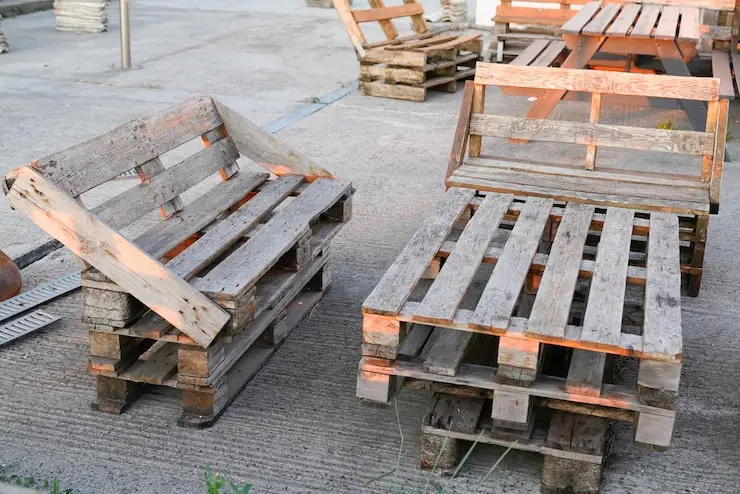
Stacks of old pallets can pile up faster than you expect. Whether they’re left over from a delivery, construction project, warehouse cleanup, or business operations, pallets quickly become a nuisance. They take up space, attract pests, and can even become a safety hazard if ignored. Many people ask the same question: what’s the smartest, fastest, and most responsible way to deal with them? This guide breaks it all down. You’ll learn how to get rid of pallets legally, affordably, and without harming the environment. From recycling and pickup services to creative reuse ideas, this article walks you through every realistic option so you can choose what actually works for your situation. What Are Pallets and Why Disposal Matters Pallets are flat wooden or plastic platforms used to transport and store goods. Most commonly made from timber, they are designed for durability, not disposal. That durability is exactly why improper disposal causes problems. Leaving pallets outside can lead to: Safety hazards from broken boards and nails Fire risks, especially in dry climates Code violations or fines in certain cities Environmental waste when pallets end up in landfills Many pallets are treated, repaired, and reused multiple times before disposal becomes necessary. That’s why knowing where to dispose of pallets responsibly matters not just for cleanliness, but for environmental and legal reasons as well. 9 Best Ways to Get Rid of Pallets There’s no one-size-fits-all solution. The best method depends on pallet condition, quantity, and location. Below are the most effective options. 1. Pallet Removal Services Professional pallet removal services are one of the easiest and fastest options, especially for businesses. These companies handle pickup, hauling, and proper disposal or recycling. It’s ideal if you have a large volume or limited time. 2. Timber Pallet Recycling Timber pallet recycling facilities specialize in reclaiming usable wood and responsibly processing damaged pallets. Some even offer free drop-off or pickup for bulk loads. This option is eco-friendly and often cost-effective. 3. Return Pallets to Suppliers Some pallets are owned by manufacturers or distributors. If they’re stamped or branded, you may be able to return them for reuse at no cost. 4. Sell or Give Them Away Usable pallets are in demand. Contractors, gardeners, and DIYers often look for free or low-cost pallets online. Listing them locally can clear space quickly. 5. Donate to Schools or Nonprofits Many schools and community groups use pallets for projects, art installations, or workshops. Donation keeps them out of landfills and helps others. 6. Break Them Down for Disposal If recycling or reuse isn’t an option, dismantling pallets can make disposal easier. (More on that below.) 7. Use Junk Removal Services Junk removal companies like Junk Masterz can take pallets along with other debris. This is helpful during renovations or cleanouts. 8. Municipal Bulk Pickup Some cities allow pallets in bulk waste pickup programs. Always check size and quantity limits first. 9. Repurpose Them at Home If you enjoy hands-on projects, pallets can become furniture, décor, or garden structures. How to Get Rid of Wood Pallets (Step-by-Step) If you’re dealing specifically with wooden pallets, here’s a practical process that minimizes hassle and maximizes responsible disposal. Step 1: Inspect the Pallets Check for rot, mold, broken boards, or chemical treatment stamps. Clean, untreated pallets are easier to recycle or reuse. Step 2: Decide Reuse vs Disposal Ask yourself: can these pallets be reused, donated, or sold? If yes, that’s usually the best route. Step 3: Choose a Removal or Recycling Option For multiple pallets, recycling or professional pallet removal saves time. For a few pallets, donation or DIY reuse might be more practical. Step 4: Prepare for Transport Stack pallets neatly and remove loose nails. Some recyclers require pallets to be sorted or bundled. Step 5: Follow Local Rules Different municipalities have different disposal guidelines. Confirm before dropping pallets off. This approach ensures you’re disposing of pallets legally and responsibly. Read More: How to Dispose of Tree Branches Eco-Friendly Pallet Disposal Options Sustainable disposal is more important than ever. Here are eco-friendly ways to handle pallets responsibly: Timber Pallet Recycling: Wood pallets can be chipped and reused in mulch, particleboard, or new pallets. Reusing Pallets for DIY Projects: Transform old pallets into furniture, raised garden beds, or storage solutions. This extends their life and reduces waste. Donations: Giving pallets to schools, community groups, or small businesses keeps them out of landfills. Composting Untreated Wood: Small pieces of untreated wood can be composted or shredded for garden use. Choosing eco-friendly methods not only benefits the environment but also enhances community engagement and promotes sustainable living. What NOT to Do When Getting Rid of Pallets Mistakes can be costly. Avoid these common errors: Don’t Burn Pallets: Burning pallets especially treated ones releases harmful toxins. Don’t Dump Illegally: Illegal dumping can lead to hefty fines and environmental damage. Don’t Assume All Pallets Are the Same: Some pallets contain chemicals that require special handling. Don’t Overload Dumpsters: Most dumpsters aren’t designed for bulky pallet waste. Knowing how to dispose of pallets correctly protects you from unnecessary trouble and keeps disposal efficient. How Much Does Pallet Disposal Cost? Understanding the cost of disposal helps you plan and choose the most suitable method: Professional Removal Services: Prices vary depending on volume, location, and whether the pallets are wood or plastic. On average, expect $2–$5 per pallet, with bulk discounts available. Recycling Centers: Some accept pallets for free, while others may charge a nominal fee per pallet. DIY Disposal: Minimal cost if transporting yourself, but consider fuel, labor, and tools for dismantling. Selling or Giving Away: Can offset costs or even provide profit if pallets are in good condition. When budgeting for pallet removal, consider the method, condition of the pallets, and your location. Services like Junk Masterz can provide transparent pricing and hassle-free pickup, making disposal easier and more affordable. Conclusion Clearing out old pallets doesn’t have to be a headache. Knowing how to get rid of pallets efficiently makes a big difference, whether you choose to recycle,

How to Get Free Junk Removal: The Complete Guide (8 Proven Methods That Actually Work)

Clutter can take over your home or office faster than you think. Old furniture, broken appliances, yard debris, and miscellaneous household items pile up until they become overwhelming. You might be asking yourself: where can I dump junk for free? or who will pick up junk for free? The truth is, you don’t always need to spend money to declutter. Free junk removal is a real option when you know where to look, how to prepare your items, and how to take advantage of municipal programs, nonprofit organizations, and community-based solutions. In this comprehensive guide, we’ll break down eight proven methods for free junk removal, provide location-specific tips, highlight hidden costs, explain common mistakes to avoid, and introduce smarter alternatives when “free” isn’t actually free. By the end, you’ll know how to haul away junk for free, reclaim your space, and even help your community in the process. The Truth About “Free” Junk Removal Before diving into methods, it’s important to understand what “free” really means. Many services advertise free junk removal, but there are nuances to consider: Eligibility Rules – Not every item qualifies. Most free pickups focus on furniture, appliances, clothing, and household items. Hazardous materials like paint, chemicals, and certain electronics usually require special disposal. Geographic Limitations – Free junk removal is often available only in certain cities or counties. Rural areas may have fewer options, while urban areas may have multiple nonprofits and municipal programs available. Scheduling Requirements – Many nonprofits and municipal programs require advanced scheduling or have seasonal pickup windows. Some may only collect items on specific days of the week or month. Condition Requirements – Donation-based services will often only pick up items in good condition. Broken, heavily damaged, or unsanitary items may be rejected. Why this matters: Understanding these caveats upfront can save frustration, prevent wasted time, and help you plan effectively. Free junk removal isn’t a magic solution, it works best when you understand the rules. 8 Proven Free Junk Removal Methods If you’re ready to clear out your space without breaking the bank, here are five effective strategies for how to get free junk removal: Method #1: Municipal Bulk Trash Pickup Programs Success Rate: 95% | Timeline: 2-4 weeks | Best For: Large furniture and appliances This is the single most reliable way to get free garbage pick up, and it’s available in approximately 85% of U.S. cities and suburbs. Your tax dollars already pay for this service you just need to know how to access it. How It Works Municipal bulk trash pickup programs allow residents to place large items curbside for collection on scheduled dates. Unlike regular trash service, these programs accept furniture, appliances, and other bulky items that won’t fit in your garbage bin. Step-by-Step Process: Visit your city’s official website and search for “bulk pickup,” “large item collection,” or “solid waste services” Check your scheduled pickup dates (usually monthly or quarterly depending on your area) Review the list of accepted and prohibited items Place items at the curb by 6 AM on your collection day Ensure items are visible and accessible from the street What They Accept Most municipal programs will take: Furniture (couches, tables, chairs, dressers, mattresses) Large appliances (refrigerators, washers, dryers, stoves, dishwashers) Yard waste and tree branches Exercise equipment (treadmills, weight benches, ellipticals) Small amounts of construction debris (policies vary) Water heaters and HVAC units Carpeting and padding What They DON’T Accept Common exclusions include: Hazardous materials (paint, chemicals, pesticides, motor oil) Automotive tires Concrete, bricks, and heavy masonry Electronics in some areas (check local e-waste rules) Business or commercial waste Anything containing freon (unless properly tagged by a technician) Pro Tips for Success Set Multiple Reminders: Most people forget their bulk pickup date and miss the opportunity for months. Set a calendar reminder two days before your scheduled date, and create an annual recurring reminder so you never miss future pickups. Prepare Items Properly: Break down furniture when possible. Disassemble bed frames. Bundle branches and tie them with twine. The easier you make it for the collection crew, the more likely everything gets taken. Take Photos: Before and after photos serve as proof if there’s ever a dispute about whether items were collected or if you’re accused of illegal dumping. Call for Special Requests: Many cities allow you to schedule additional pickups between regular dates for a small fee or sometimes free if you call and explain your situation (moving, estate cleanout, etc.). Method #2: Donation Pickup Services Success Rate: 60-70% | Timeline: 2-3 weeks | Best For: Usable items in good condition If you have furniture, appliances, or household items that still work and look decent, donation pickups can be an excellent way to get rid of junk for free while helping people in need. The Reality Check Before we dive into the details, let’s be honest about the limitations. Donation services are selective because they need to resell or give away items to families. They can’t accept anything that’s broken, heavily stained, missing parts, or otherwise unusable. Additionally, these organizations sometimes cancel pickups if their trucks fill up before reaching your address, if your items don’t meet their standards upon arrival, or if weather impacts their schedule. Always have a backup plan. Major Organizations Offering Free Junk Pick Up Goodwill Industries Goodwill offers pickup service in most major metropolitan areas. You can schedule online through their website, typically with 2-3 weeks advance notice. They accept furniture, working appliances, clothes, housewares, books, and toys. Minimum donation requirements vary by location—some need at least 3 large items, while others have no minimum. Check your local Goodwill’s website for specific guidelines. Salvation Army The Salvation Army operates in over 70 U.S. markets with free pickup services. They tend to be slightly more flexible than Goodwill regarding item condition and often accept items that show minor wear. Schedule at least 2 weeks in advance through satruck.org or by calling their local number. They accept furniture, appliances, clothes, toys, books, and most household items

How Much Does It Cost to Remove a Hot Tub

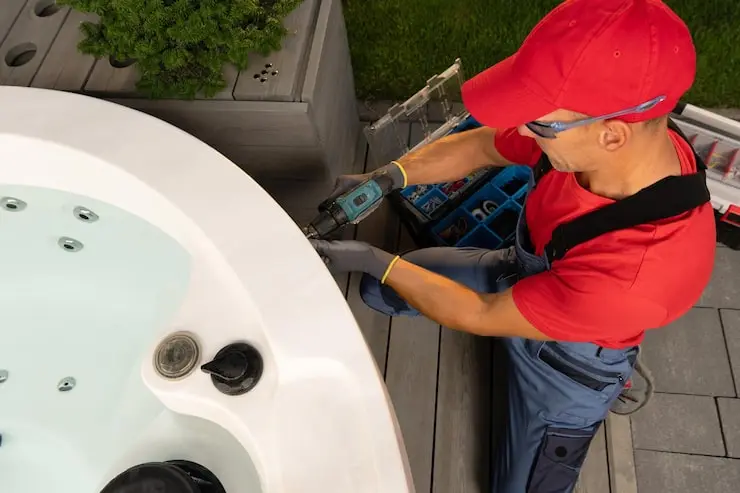
Removing a hot tub is not as simple as rolling it to the curb. Many homeowners search for hot tub removal cost because they are surprised by the work involved. A hot tub is heavy, bulky, and often tied into electrical and plumbing systems. If it sits on a deck or in a tight backyard, the job becomes even harder. This guide explains what you should expect to pay, why prices vary, and how different situations change the final number. It also helps you decide between doing it yourself or hiring a professional. We will look at what pros charge, how to do it yourself, and how to get the best deal. Let’s look at the real numbers for your project. Average Hot Tub Removal Cost The average cost to remove a hot tub in the United States typically ranges from $300 to $800. This price applies to most above-ground hot tubs with clear access and no major obstacles. Smaller spas often fall on the lower end of the range, while large units cost more. Several costs are included in this range. Labor costs cover lifting, loading, and transport. Disposal fees account for landfill or recycling charges. Equipment costs may apply if cutting tools are required. Many homeowners are surprised to learn that even drained hot tubs remain extremely heavy. The weight of a hot tub alone can require multiple workers. When people search “cost to remove a hot tub,” they often see wide estimates. That happens because removal is not one-size-fits-all. Access, location, and tub type all change the final number. Understanding those details makes pricing easier to predict. Hot Tub Removal Cost by Scenario The price changes a lot depending on where the tub is sitting. No two backyards are the same. Some tubs are easy to get to, while others are hidden away. Standard Backyard Access: If your tub is sitting on a flat concrete pad and there is a wide gate nearby, you are in luck. This is the best-case scenario. The crew can use a spa dolly to roll the tub right to the truck. This keeps the hot tub removal and disposal quick. You might only pay $200 to $350 for this. There is no need for dismantling a hot tub if it fits through the gate in one piece. Hot Tub Removal Cost with Deck Complications: Many people build decks around their spas. This looks great, but it makes the cost to remove hot tub much higher. If the tub is sitting on top of the deck, the crew must make sure they do not crack the wood. They have to use special boards to roll the tub. If the tub is sunken into the deck, the job is even harder. The crew might have to take part of the deck apart. This adds hours of labor. You can expect the hot tub removal cost with deck issues to be between $400 and $800. Indoor or Sunroom Removal: Taking a tub out of a house is the most difficult job. If the tub was put in while the house was being built, it might be wider than the doors. This means the crew must perform cutting up a hot tub inside your home. They use saws to break the fiberglass shell into small bits. They have to be very careful with the dust and noise. Because this takes a lot of time and skill, the jacuzzi removal cost for an indoor tub often starts at $600 and goes up from there. Cost to Remove Hot Tub from Backyard with Stairs: If your yard has a lot of steps, the price goes up. Carrying a 600-pound object up or down stairs is dangerous. It requires more people and more time. Each step can add to the total bill. If you are looking for the cost to remove hot tub from backyard locations with steep hills, be ready for a higher quote. Safety is the main reason for the extra charge. What Affects Hot Tub Disposal Cost? There are many moving parts that decide the final hot tub disposal cost. Here is a breakdown of what the pros look at when they give you a price. Size and Weight The weight of a hot tub is the biggest factor. A small “plug and play” tub might only weigh 300 pounds. A large luxury spa can weigh 1,000 pounds or more. The heavier the tub, the harder it is to move. If the tub is extra heavy, the company might need to send four workers instead of two. This doubles the labor costs. Also, the size determines how much space it takes in the truck. A big tub might fill the whole truck, which means the company cannot pick up other junk on the same trip. This is why a larger spa removal cost is normal for big units. Type of Hot Tub Not all tubs are made the same way. Some are simple plastic shells. Others have heavy wood cabinets or metal frames. An old hot tub removal project might involve a tub that has a lot of extra parts. If the tub has a heavy brick or stone surround, that has to be broken down too. This is called hot tub demolition cost. The more materials there are, the more there is to haul away. Location and Accessibility How close can the truck get? If the truck can park right next to the tub, the job is fast. If the crew has to walk 200 feet through a garden, the price goes up. Access issues like narrow walkways, low-hanging trees, or soft mud make the work harder. Sometimes, a gate is just one inch too narrow. In those cases, the crew has to take the gate off or cut the tub. If the tub is on a balcony, you might even need a crane service. A crane is very expensive and can add $1,000 to your total hot tub removal pricing. Type of

How Much Does It Cost to Rent a Dumpster in 2026?

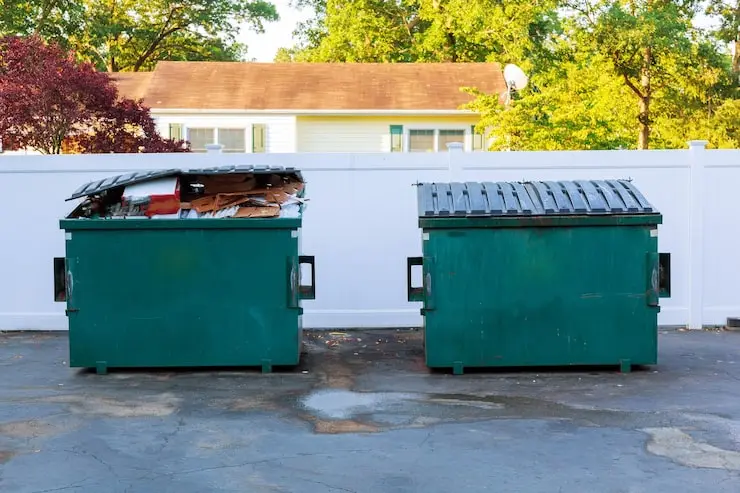
If you’re planning a cleanup, renovation, or construction project, one of the first questions is: how much does dumpster rental cost? The answer depends on a few key factors. The size of the dumpster, how long you need it, and where you’re located all play a role in pricing. Small projects, like clearing out a garage or yard, usually require a smaller dumpster, which is cheaper. Bigger construction or commercial projects need larger dumpsters, which cost more. This guide breaks down everything you need to know about dumpster rental costs, including average pricing, size-based costs, hidden fees, and tips for getting the best value. Whether you are a homeowner renting a dumpster for the first time or a contractor managing ongoing projects, this article will help you understand what you are paying for and how to avoid surprises. Dumpster Types and How Each One Changes the Price Not all dumpsters are created equal. The type you choose can drastically affect your dumpster rental cost by size, duration, and overall price. Here’s a breakdown of the most common dumpster types: 1. Roll-Off Dumpsters Roll-off dumpsters are the most popular choice for large projects like construction, major renovations, or commercial cleanouts. They come in various sizes, typically ranging from 10 to 40 yards, and are delivered directly to your site. 10-yard dumpsters: Perfect for small cleanouts or minor home projects. 20-yard dumpsters: Ideal for medium-sized renovations, such as kitchen remodels. 30–40-yard dumpsters: Best suited for large construction projects or commercial use. Because of their versatility and size, roll-off dumpsters usually have higher rental prices than smaller, residential-specific options. 2. Front-Load Dumpsters Front-load dumpsters are commonly used by businesses, apartment complexes, and retail establishments. These dumpsters are emptied by garbage trucks on a scheduled basis, making them a convenient choice for ongoing waste management. Since they’re typically smaller and designed for frequent pickups, front-load dumpsters generally have lower rental costs per pickup but may incur additional charges depending on pickup frequency. 3. Specialty Dumpsters For certain projects, like roofing or concrete removal, you may need specialty dumpsters designed to handle heavier materials. These can be more expensive due to weight restrictions and disposal requirements. The 6 Factors That Determine Your Dumpster Rental Cost   While dumpster size is important, it’s not the only thing that affects dumpster rental prices. Here are the five main factors that determine your final cost: 1. Dumpster Size Dumpsters are measured in cubic yards, which refers to how much material they can hold. A 10-yard dumpster holds 10 cubic yards of debris that’s about three to four pickup truck loads. The bigger the dumpster, the more you’ll pay, but choosing the right size from the start saves you from needing a second rental. 2. Rental Duration Most companies include seven to fourteen days in their base price. Need it longer? You’ll typically pay an additional daily fee ranging from $5 to $15 per day. Some projects wrap up quickly, while others drag on understanding your timeline helps you budget accurately. 3. Type of Debris Not all trash is created equal. Certain materials are heavier or require special disposal methods, which can raise your cost to rent a dumpster. Household junk: Cheapest and easiest to dispose of. Construction debris: Often comes with higher fees. Concrete, dirt, or roofing shingles: Heavier materials may lead to overage charges or higher base rates. 4. Location and Local Fees Where you live has a massive impact on pricing. Urban areas generally cost more due to higher disposal fees and permit requirements. Rural locations might have lower disposal costs but could face higher delivery charges if you’re far from the rental company’s depot. Most companies include delivery within a certain radius, usually 15 to 30 miles. 5. Weight Limits and Overages Dumpster rentals typically include a maximum weight limit. Exceeding this limit can lead to additional charges per ton. Being mindful of weight restrictions is an easy way to prevent unexpected costs. 6. Local Disposal Fees Landfills and transfer stations charge different rates depending on your region. Some areas have strict environmental regulations that drive up disposal costs. These fees are usually built into your rental price, but it’s worth asking about them upfront. Dumpster Rental Prices by Size Choosing the right dumpster size is crucial for controlling costs. Order too small, and you’ll need a second rental that doubles your expense. Order too large, and you’re paying for empty space you don’t need. Let’s break down what each size costs and when to use it. 10 Yard Dumpster Rental Cost Price Range: $250 to $450 Best For: Small cleanouts, bathroom remodels, garage decluttering, minor landscaping projects A 10-yard dumpster is the smallest option most rental companies offer. At approximately 12 feet long, 8 feet wide, and 3.5 feet tall, it holds about three to four pickup truck loads of debris. This size works perfectly for that weekend garage cleanout you’ve been putting off for months. It’s also ideal for small bathroom renovations where you’re removing a vanity, toilet, and some tiles. Many homeowners underestimate how much a 10-yard dumpster can actually hold—it’s surprisingly spacious for focused projects. The 10 yard dumpster rental cost is the most affordable option, making it attractive for budget-conscious homeowners. Just remember that if your project grows beyond what you initially planned, you might need to upgrade or order a second container. 15 Yard Dumpster Rental Cost Price Range: $300 to $500 Best For: Medium renovations, flooring removal, deck demolition, basement cleanouts Step up to a 15-yard dumpster, and you’re looking at capacity for four to five pickup truck loads. This size bridges the gap between small projects and major renovations. Removing carpet throughout your home? A 15-yard dumpster handles it comfortably. Tearing down an old wooden deck? This size accommodates the lumber and supporting beams. It’s also perfect for clearing out a cluttered basement where you’ve accumulated years of items you no longer need. The price increase from a 10-yard to a 15-yard dumpster is relatively modest

How Does Junk Removal Work: Your Complete 2026 Guide

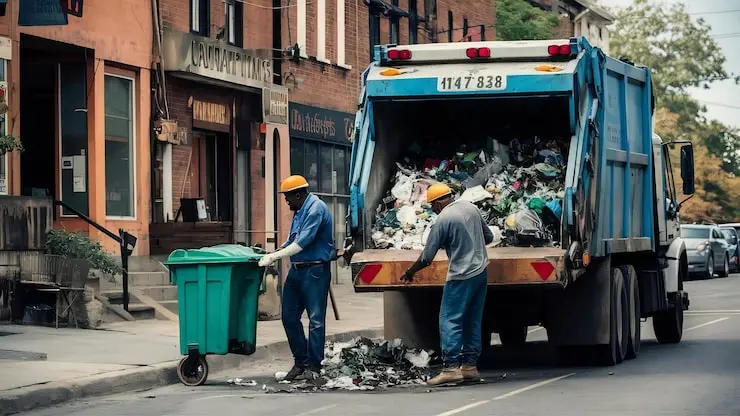
If you have ever looked around your home, office, or property and felt overwhelmed by clutter, you are not alone. Old furniture, broken appliances, renovation debris, and piles of unwanted items can quickly take over your space. That is where junk removal comes in. Many people search online asking, “How does junk removal work?” because they want a fast, stress-free way to get rid of bulky items without heavy lifting or multiple trips to the dump. This guide explains the full junk removal process from start to finish. You will learn what junk removal services do, what items can and cannot be removed, how pricing works, and how to prepare for pickup. We will also help you decide whether professional junk removal is better than doing it yourself. What Is Junk Removal? Junk removal is a service that helps people get rid of unwanted items safely and efficiently. A junk removal service sends a trained crew and a truck to your location to haul away clutter, debris, and bulky items. Instead of lifting heavy objects, renting a truck, or visiting a landfill yourself, the junk removal company handles everything. There are different types of junk removal services. Residential junk removal focuses on homes, apartments, garages, and yards. Commercial junk removal helps businesses, offices, retail stores, and property managers clear out unwanted items. Many companies also offer full-service junk removal, which means they do all the lifting, loading, hauling, and cleanup. Professional junk removal is often used for spring cleaning, moving, downsizing, renovations, estate cleanouts, and hoarding cleanup. Some companies also offer same-day junk removal and local junk removal, which is helpful when you need fast service. A licensed junk removal provider follows proper waste management rules and uses responsible disposal methods like recycling and donation whenever possible. How Does Junk Removal Work: Complete Step-by-Step Process Understanding how does junk removal work step by step can help you feel confident before booking a service. While details vary slightly by company, the process usually follows these steps. Step 1: Schedule Junk Removal The first step is to schedule junk removal. Many companies let you book junk removal online, by phone, or through a contact form. You choose a date and time window that works for you. Some providers offer same-day or next-day service, depending on availability. When scheduling, you will be asked basic questions about the items you want removed. This helps the company prepare the right truck size and crew. Step 2: Free Estimate or Quote Most professional junk removal companies offer a free estimate or quote. Pricing is often based on volume, meaning how much space your junk takes up in the truck. This is known as volume-based pricing, measured in cubic feet or cubic yards. Some companies give ballpark estimates over the phone or online. The final price is usually confirmed after an on-site assessment. Step 3: On-Site Assessment When the crew arrives, they review the items you want removed. They calculate how much truckload capacity your junk will use. This is when the final price is set, so there are no surprises. You can ask questions at this stage, including how much does junk removal cost for specific items like furniture or appliances. Step 4: Heavy Lifting and Loading Once you approve the price, the crew gets to work. This is the biggest benefit of professional junk removal. The team handles all the heavy lifting and loading, even for bulky items like sofas, mattresses, refrigerators, or construction debris. You do not need to move items to the curb unless you want to. Full-service junk removal means items can be removed from inside your home, garage, basement, or office. Step 5: Hauling and Proper Disposal After loading the truck, the crew hauls everything away. A responsible junk removal company uses proper disposal methods. Items are sorted for recycling, donation pickup, e-waste recycling, or landfill disposal when necessary. This step is important for environmental responsibility. Eco-friendly junk removal reduces waste and keeps usable items out of landfills. Step 6: Final Cleanup Before leaving, the crew does a quick sweep of the area to make sure no debris is left behind. Your space is now clutter-free and ready to use again. What Can (and Can’t) Be Removed? One of the most common questions people have is “what items can be removed?” The good news is that professional junk removal companies can take almost anything you might have sitting around your property. However, there are some important exceptions for safety and legal reasons. Items Commonly Accepted by Junk Removal Services Furniture: Old couches, chairs, dining tables, dressers, bed frames, mattresses, desks, filing cabinets, bookshelves, entertainment centers, and outdoor patio furniture. Even if the furniture is broken or damaged beyond repair, junk removal teams will take it. Items in good condition often get donated to families in need. Appliances: Refrigerators, freezers, washing machines, dryers, dishwashers, stoves, ovens, microwaves, air conditioners, water heaters, and dehumidifiers. Many appliances contain recyclable metals and must be disposed of properly according to environmental regulations, especially those containing refrigerants like AC units and refrigerators. Electronics and E-Waste: Televisions, computer monitors, desktop computers, laptops, printers, copiers, stereo equipment, gaming consoles, and old phones. Electronic waste contains valuable materials that can be recovered through recycling, as well as toxic substances that shouldn’t go to regular landfills. Responsible junk removal companies partner with certified e-waste recycling facilities. Yard Waste and Outdoor Items: Tree branches, leaves, grass clippings, dirt, rocks, mulch, old playground equipment, trampolines, hot tubs, swimming pools, lawn furniture, grills, and shed materials. Organic yard waste often goes to composting facilities, while metal items get recycled. Construction and Renovation Debris: Drywall, lumber, flooring materials, tiles, fixtures, cabinets, countertops, windows, doors, and general construction waste. If you’re remodeling your home or business, junk removal services can clear out all the debris so you don’t have to worry about disposal. Miscellaneous Items: Boxes, bags of clothing, toys, books, sports equipment, exercise machines, tools, decorations, and general household clutter. Basically, if it’s taking

Is It Cheaper to Rent or Hire a Junk Removal Service? The Complete 2025 Cost Guide

Most homeowners reach a point where they need to clear out a large amount of unwanted items. It might be old furniture, construction debris from a remodel, boxes of storage items, or a mix of everything. When that moment comes, the first question is usually the same: is it cheaper to rent or hire a junk removal service? The answer depends on the size of the project, the type of items you are getting rid of, how much time you have, and whether you want to do the physical labor yourself. This guide breaks down the real pricing differences and explains which option makes the most financial sense for different situations. Which Option Is Cheaper? Determining which option is cheaper isn’t always straightforward. The answer depends on the type and amount of junk you’re disposing of, your timeline, and whether you prefer a DIY approach or professional assistance. Dumpster rental prices can vary depending on the size of the dumpster, the rental period, and any required permits. Hiring a junk removal service typically comes with labor costs but offers convenience and efficiency, especially for heavy or bulky items. While DIY junk removal using a rented dumpster might save money in some cases, hidden costs and the effort required often shift the balance. In many scenarios, professional junk removal can actually be more cost-effective than it appears. What Actually Affects the Total Cost? Several factors influence whether dumpster rentals or hiring a junk removal service is cheaper: Volume and Type of Junk – Large, heavy, or hazardous items may require professional handling. Renting a dumpster may not cover disposal fees for certain materials. Rental Period vs Service Time – Dumpster rental usually charges by the week, and exceeding that time can add hidden fees. Junk removal services often charge per truckload or per hour. Labor – Dumpster rentals put all the work on you. Lifting, loading, and hauling are your responsibility. A junk removal service handles this efficiently, saving time and effort. Permits and Local Regulations – Some cities require permits for dumpster placement, which can increase costs. A junk removal company often manages permits for you. Disposal and Recycling Fees – Dumpster rental companies sometimes charge extra for eco-friendly junk disposal or certain materials like electronics, tires, and appliances. Understanding these factors is essential before making a decision. Sometimes, the cheapest upfront option isn’t the most cost-effective in the long run. Cost Comparison: Dumpster vs Junk Removal Here’s a closer look at the junk removal cost comparison: Factor Dumpster Rental Junk Removal Service Average Cost $300–$600 per week (small-medium) $150–$500 per truckload Labor DIY Included Convenience Medium High Permits Often required Usually handled by company Hidden Fees Possible (overweight, over time) Usually included Eco-Friendly Disposal Limited Some services specialize As you can see, if your project is small and you’re willing to do the heavy lifting, dumpster rental may be cheaper. For larger projects, professional junk removal can save you money when factoring in labor, time, and hidden fees. Pros and Cons of Dumpster Rental Dumpster rentals are a popular choice for homeowners and contractors, but they come with advantages and disadvantages. Pros: Cost Control: You can choose the dumpster size that fits your project. Flexibility: You can take your time filling the dumpster within the rental period. DIY Approach: Ideal for those who prefer hands-on work. Cons: Labor Intensive: Loading a dumpster yourself can be physically demanding. Hidden Fees: Overweight charges, extended rental periods, or prohibited items can increase costs. Permits and Placement: Some cities require permits for street placement, which adds extra steps and costs. Dumpster rentals are ideal for homeowners with moderate amounts of junk, enough time to handle heavy lifting, and a desire to save money upfront. Pros and Cons of Hiring a Junk Removal Service Professional junk removal services like Junk Masterz offer a convenient alternative. Here’s what to consider: Pros: Convenience: Experts handle the lifting, loading, and disposal. Time-Saving: Jobs that would take days with a dumpster can be completed in hours. Eco-Friendly Junk Disposal: Many companies recycle or donate items responsibly. No Hidden Fees: Most services provide transparent pricing upfront. Cons: Upfront Cost: May be higher than renting a small dumpster. Scheduling: You may need to work around the company’s availability. If you value convenience, efficiency, and eco-friendly disposal, hiring a junk removal service can often provide better overall value. How to Decide: Dumpster or Junk Removal? When deciding between dumpster rental and hiring a junk removal service, consider these factors: Project Size: Large-scale cleanouts or renovations may be easier with a professional service. Labor Availability: Do you have time, tools, and manpower to fill and manage a dumpster? Budget Flexibility: Include potential hidden fees, labor, and disposal costs. Environmental Concerns: Some junk removal companies prioritize recycling and responsible disposal. Money-Saving Tips for Junk Removal Regardless of which option you choose, here are tips to save money: Sort Your Junk: Separate recyclables, donations, and trash to minimize disposal costs. Compare Dumpster Rental Prices: Check multiple companies for the best deal and hidden fees. Bundle Services: Some junk removal companies offer discounts for multiple truckloads. DIY Certain Items: Move lightweight or small items yourself to reduce service charges. Ask About Eco-Friendly Junk Disposal Discounts: Companies like Junk Masterz may offer reduced rates for items that can be recycled or donated. By planning ahead and knowing the costs involved, you can maximize savings without compromising convenience or environmental responsibility. Conclusion So, is it cheaper to rent or hire a junk removal service? The answer varies based on your project size, timeline, and personal preferences. Dumpster rental can save money for small, manageable projects if you’re willing to do the work yourself. On the other hand, hiring a professional junk removal service often provides convenience, time savings, and eco-friendly disposal options that make it worth the investment for larger or more complex cleanouts. If you’re in Fresno and need a reliable solution, Junk Masterz offers professional, eco-friendly junk removal services. Check out our  Commercial Junk

What Is Haul Away Service? The Complete 2026 Guide

Have you ever looked around your home and felt overwhelmed by all the stuff you need to get rid of? Maybe it’s that old couch sitting in your garage, broken appliances taking up space, or piles of junk from a recent renovation. Getting rid of large, heavy items can feel like an impossible task when you’re doing it alone. This is where haul away service comes to the rescue. A haul away service is a professional solution that removes unwanted items from your property and disposes of them responsibly. Instead of struggling with heavy lifting, renting trucks, or making multiple trips to the dump, you simply schedule a pickup and let the professionals handle everything. Companies like Junk Masterz specialize in making this process smooth and stress-free, transforming cluttered spaces into clean, organized areas in just hours. What Is Haul Away Service? Haul away service meaning is straightforward: it’s a professional junk removal solution where trained crews come to your location, load your unwanted items onto their trucks, and dispose of everything properly. When you hear someone say they’ll “haul stuff away,” they’re talking about removing items you no longer need from your property. The beauty of haulaway services lies in their simplicity. You don’t need to sort, carry, or transport anything yourself. Professional teams arrive with the right equipment, manpower, and vehicles to handle items of all sizes. Whether you need to haul old couch away, remove construction debris, or clear out an entire estate, these services manage the entire process from start to finish. What sets professional haul away junk services apart from regular trash pickup is their comprehensive approach. They handle items that regular garbage collectors won’t touch, including furniture, appliances, electronics, yard waste, and construction materials. Plus, responsible companies prioritize recycling and donation disposal whenever possible, ensuring your items don’t automatically end up in landfills. What Items Can Be Hauled Away Professional junk hauling services accept a wide variety of items that homeowners and businesses need removed. Understanding what can be hauled away helps you plan your cleanout project effectively. Furniture ranks among the most commonly removed items. Old sofas, mattresses, dining tables, chairs, dressers, and entertainment centers are all fair game. These bulky pieces often create the biggest headaches during DIY removal attempts, making professional heavy item removal incredibly valuable. Appliance haul away covers refrigerators, washing machines, dryers, dishwashers, stoves, and microwaves. Many of these contain materials that require special handling and recycling processes, which professional services manage according to environmental regulations. Electronics and e-waste include televisions, computers, monitors, printers, and outdated office equipment. These items contain valuable materials for recycling center processing and often can’t go in regular trash due to environmental concerns. Yard debris removal encompasses branches, leaves, grass clippings, old fencing, and landscaping materials. Seasonal cleanups generate substantial amounts of organic waste that disposal services can efficiently remove and properly compost or recycle. Construction debris from renovations includes drywall, lumber, flooring, tiles, cabinets, and fixtures. These materials accumulate quickly during home improvement projects and require proper disposal at designated facilities. However, there are limitations. Most services won’t accept hazardous materials like paint, chemicals, asbestos, or medical waste. These require specialized disposal services that follow strict safety protocols. How Haul Away Service Works Understanding how haul away service works demystifies the process and shows just how convenient professional junk removal can be. The typical experience involves just a few simple steps that transform your cluttered space. Step 1: Contact and Get an Estimate First, you contact the service provider through their website, phone, or app. During this initial conversation, you’ll describe what items need removal. Many companies offer upfront pricing based on your description, though some prefer providing estimates after seeing the items in person. Step 2: Schedule Your Pickup Scheduling pickup happens according to your convenience. Most companies offer flexible appointment windows, with many providing same day haul away service for urgent needs. When booking, you’ll receive a time frame when the professional crew will arrive, typically within a two-hour window. Step 3: Crew Arrival and Assessment On service day, the crew arrives ready to work. They’ll assess the items, confirm pricing if not already established, and get your approval before starting. This transparency ensures no surprises when it comes to costs. Step 4: Professional Loading The heavy lifting begins once you approve. The professional crew handles all the work—you literally don’t lift a finger. They’ll navigate stairs, tight corners, and doorways while protecting your property from damage. Their experience with heavy item removal makes tasks that seem impossible for homeowners look effortless. Step 5: Responsible Disposal After loading everything onto their haul away truck service, the crew sweeps up any debris left behind, leaving your space clean. They then transport items to appropriate facilities—recycling centers for recyclable materials, donation partners for usable items, and disposal facilities for everything else. Step 6: Payment and Completion Payment typically happens after the job is complete. Many services accept various payment methods, making the transaction simple and convenient. The entire process, from arrival to departure, often takes just 30 minutes to a few hours depending on the volume. Benefits of Using Haul Away Services Choosing professional junk removal over DIY methods delivers numerous advantages that go beyond simple convenience. These benefits impact your time, safety, finances, and even the environment. Safety and Injury Prevention Safety and injury prevention stand out as primary advantages. Heavy furniture and appliances cause thousands of injuries annually when people attempt moving them without proper equipment or training. Professional crews have the right tools, techniques, and experience to handle dangerous items safely, protecting you from potential back injuries, cuts, or worse. Significant Time Savings Time savings prove substantial when you consider the full DIY process. Renting a truck, loading items, driving to disposal facilities, unloading, and returning the rental easily consumes an entire day or weekend. Professional services complete the same job in a fraction of the time, freeing you for activities you actually enjoy. Immediate Space Reclaiming Space reclaiming

How Much Does Mattress Removal Cost in 2026

When it comes to getting rid of an old mattress, many people are surprised by the costs involved. Mattress removal cost can vary widely depending on several factors, including the mattress size, material, and the disposal method you choose. Understanding these costs in advance can help you plan better and avoid unexpected fees. In this guide, we’ll break down everything you need to know about mattress disposal cost, professional services, and DIY options. We’ll also explore ways to save money and discuss eco-friendly solutions like mattress recycling programs. Cost Factors That Affect Mattress Removal Pricing Several key elements determine how much you’ll pay for mattress haul away cost. Understanding these factors helps you get accurate quotes and avoid surprise charges. Size The size of your mattress directly impacts removal pricing. Larger mattresses weigh more and take up more space in disposal trucks, which means higher fees. Here’s what you can expect to pay based on mattress size: Mattress Size Professional Removal Cost (USD) DIY Disposal Cost (USD) Average Weight (lbs.) Notes/Extra Fees Twin $75 – $90 $20 – $30 40 – 50 Easiest to handle Twin XL $75 – $90 $20 – $30 43 – 48 Small and lightweight Full/Double $85 – $110 $25 – $35 50 – 65 Harder to move through doorways/stairs Queen $100 – $130 $30 – $40 60 – 80 Often requires two people for safe handling King $120 – $160 $35 – $50 70 – 90 Extra charge for truck space and handling California King $130 – $175 $40 – $60 100+ Largest size, may incur access/difficulty fees Material The material composition of your mattress affects both weight and disposal method, influencing the final price. Mattress Type Professional Removal Cost Weight & Density Profile Recycling & Disposal Notes Innerspring $90 – $120 Lightest; easiest to move. Cheapest to recycle. Metal coils have resale value, which often lowers the fee. Memory Foam $110 – $140 Very dense; 20-30 lbs heavier than innerspring. Harder to process. Special machines are needed to shred the foam for repurposing. Hybrid $105 – $135 Moderately heavy; bulky. Labor-intensive. Facilities must manually separate the metal springs from the foam layers. Latex $125 – $150 Heaviest (90-100 lbs for a Queen). Biodegradable but difficult. Extreme density makes it the most expensive to haul and process. Pillow/Euro Top $95 – $130 Extra bulk; thick cushioning. Fit issues. The extra height doesn’t add much weight but makes it harder to fit through tight hallways. Access and Removal Difficulty To ensure your budget is as accurate as possible, it is vital to account for the “logistics” of your home. Often, the average cost to remove a mattress increases not because of the bed itself, but because of the difficulty of the path to the truck. Below is a detailed breakdown of how stairs/access fees and other property factors influence your final mattress disposal price. Access Factor Estimated Surcharge Impact on Labor & Equipment Stairs (Walk-ups) $15 – $30 per flight Significant. A 3rd-floor walk-up can add $45–$90. Requires more stamina and often a 3-person crew for safety. Narrow Hallways / Doorways $20 – $40 High Risk. Workers must angle the mattress to avoid wall damage. King-size beds often require “creative” manipulation. Elevator Access $0 – $20 Variable. Freight elevators are usually free; passenger elevators may incur a fee if they slow down the team’s efficiency. Long Carry Distance $15 – $25 per 50 ft. Calculated. Most companies include the first 25–50 feet. Distances beyond that require extra time and increased transit fees. Restricted Property Access $20 – $50 Coordination. Gated communities, security systems, or building management check-ins increase the total time on-site. Geographic Location Factors Where you live dramatically affects mattress removal cost by size and service type. Urban, suburban, and rural areas have different pricing structures. Major metropolitan areas typically charge the highest rates. Cities like New York, San Francisco, Los Angeles, and Boston see prices from $150 to $200 for standard removal. Higher operating costs, parking challenges, and increased demand drive up prices. However, these cities also have more competition, which can lead to better deals if you shop around. Suburban areas  offer moderate pricing, usually $90 to $140 for professional removal. Suburbs have easier parking and access but may lack the intense competition of cities. Many national junk removal companies operate primarily in suburban markets. Rural areas show mixed pricing. Some rural regions charge less ($70 to $110) because of lower operating costs. However, others charge more ($120 to $180) due to long travel distances between jobs. Recycling center fees in rural areas can be higher if facilities are scarce, requiring longer drives to disposal sites. State and local regulations  impact costs significantly. California, Connecticut, and Rhode Island have mattress recycling programs funded by small fees at purchase. These states often provide free or low-cost recycling drop-off sites. Other states without such programs may have higher disposal fees. Disposal facility availability matters too. Areas with numerous recycling centers and donation sites offer more options, creating competitive pricing. Regions with limited facilities face higher mattress disposal price points because removal companies have fewer choices for responsible disposal. Condition Your mattress’s condition affects whether you can donate it, recycle it, or must pay for landfill disposal. Good condition mattresses that are clean, stain-free, and structurally sound qualify for donation. This is your best-case scenario. Many charities offer free pickup for donations, saving you $75 to $150 in removal costs. Organizations like Salvation Army, Goodwill, and local shelters accept gently used mattresses. The mattress should have no tears, significant stains, or odors. Minor wear and tear still allows for standard removal pricing. Slight stains, normal wear, or small tears don’t usually trigger extra fees. The mattress goes to recycling facilities where condition matters less than material composition. Expect standard rates of $90 to $130 for professional removal. Bed bugs or pest infestations dramatically increase costs. Most removal companies charge $50 to $100 extra for infested mattresses because of contamination risks. The mattress must be sealed

How to Get Rid of an Old TV – Complete Guide

Old TVs are more than just outdated technology they can take up space, collect dust, and sometimes even become a safety hazard. If you’ve been asking yourself, “how to get rid of an old TV,” you’re not alone. Many households struggle with what to do with their old electronics once they’re no longer useful. From recycling to donating or selling, there are several responsible ways to dispose of your television. This guide walks you through each option step by step. Can I Throw My Old TV in the Trash? It might seem easy to toss your old television in the trash, but that’s not usually a safe or legal option. Most TVs, especially older CRT models, contain hazardous materials like lead and mercury. Dumping them in the regular garbage can cause environmental damage and may violate local laws. Here’s what to know: Flat-screen TVs: Some smaller LCD and LED TVs may be accepted by certain municipal e-waste programs, but always check first. CRT TVs: Older tube TVs contain heavy metals and should never go into a landfill. Broken TVs: Even if your TV is no longer functional, proper e-waste disposal is required to handle hazardous components safely. In short, throwing an old TV in the trash is rarely a good idea. Instead, consider recycling, donating, or selling. These methods are safer for the environment and often free or low-cost. How to Recycle Your Old TV If you want a responsible way to get rid of your television, electronics recycling is the answer. Recycling helps recover valuable materials like copper and glass and prevents hazardous substances from harming the environment. Steps to Recycle Your TV: Find a certified e-waste recycler: Search online for “TV recycling near me” or check your city’s waste management website. Many cities offer drop-off centers or special collection events. Prepare your TV: Unplug it, remove cables, and pack it safely for transport. Drop off or schedule a pickup: Some recyclers offer curbside pickup for bulky electronics. Get proof of recycling: A receipt or confirmation helps verify that your TV was disposed of responsibly. Common recycling options include: Option Notes Local e-waste centers Search for municipal or private facilities in your area Retail take-back programs Stores like Best Buy or Staples accept certain TVs Community collection events Often free and safe for hazardous electronics Recycling not only helps the environment but also ensures that your old TV won’t contribute to electronic waste buildup. How to Donate or Sell Your Old TV If your television still works, you have options beyond recycling. Donating or selling your TV gives it a second life and benefits someone else in the process. Donation Options: Schools and libraries: Many educational institutions accept working electronics. Charities: Organizations like Goodwill or Salvation Army often take televisions in good condition. Community centers: Nonprofits sometimes provide electronics to families who can’t afford new ones. Selling Options: Online marketplaces: Facebook Marketplace, Craigslist, and eBay are great for selling old TVs locally or online. Trade-in programs: Some stores accept TVs for store credit or discounted purchases of new electronics. Tips for Selling or Donating: Clean your TV to improve appearance Include all necessary cables and the remote If it’s a smart TV, reset it to factory settings to remove personal information Donating or selling can be a win-win: your TV avoids the landfill, and someone else can enjoy a fully functional device. How to Safely Dispose of Broken TVs Broken TVs present a bigger challenge because they often contain hazardous materials. CRT TVs, in particular, can release lead and other toxins if handled incorrectly. Steps to Dispose of a Broken TV Safely: Handle with care: CRT screens can shatter, so wear gloves and avoid dropping the device. Locate certified e-waste recyclers: Only certain facilities are equipped to safely dismantle and process broken TVs. Do not attempt DIY dismantling: Hazardous components can be dangerous without proper safety measures. Some municipalities offer special collection days for broken electronics, and some private recyclers will pick up broken TVs from your home. Always check local e-waste disposal options before attempting to dispose of a broken device yourself. Extra Tips for Getting Rid of an Old TV Besides recycling, donating, or selling, there are other ways to deal with old TVs responsibly. Refurbishing: Some repair shops or companies specialize in refurbishing old TVs for resale. This can be an eco-friendly option and may even give you some extra cash. Trade-in Programs: Retailers sometimes offer store credit for old electronics, which can be used toward a new TV or other devices. Creative Upcycling: Old TVs can be repurposed into furniture, storage, or even an aquarium. This isn’t for everyone, but it’s a way to give new life to a device that would otherwise be discarded. Proper Preparation for Disposal: Remove batteries from remotes Detach cords and cables Protect screens during transport to avoid breakage Conclusion Knowing how to get rid of an old TV responsibly not only helps keep your home clutter-free but also protects the environment. If you’re in Fresno and want a hassle-free way to dispose of your old electronics, Junk Masterz offers professional eco-friendly recycling services that handle TVs and other electronics safely. By choosing certified recycling options, you ensure hazardous materials are managed properly while giving your old devices a second life. Ready to get rid of your old TV the right way? Contact Junk Masterz today for eco-friendly recycling in Fresno and make your electronics disposal simple and responsible! FAQs How do I get rid of a broken TV? Take broken TVs to certified e-waste recyclers or special municipal collection events. Do not attempt to dismantle CRT TVs yourself. Can I throw an old TV in the trash? Throwing a TV in the trash is generally not allowed, especially for CRT or large TVs, due to hazardous materials. Recycling or donation is a safer alternative. What to do with old electronics? For electronics in general, recycling, donation, or selling are the best options. Many electronics stores accept old devices

Color Palette