Junk Removal

$99 Junk Removal: Affordable Junk Removal Services Near Me That Save You Time and Money

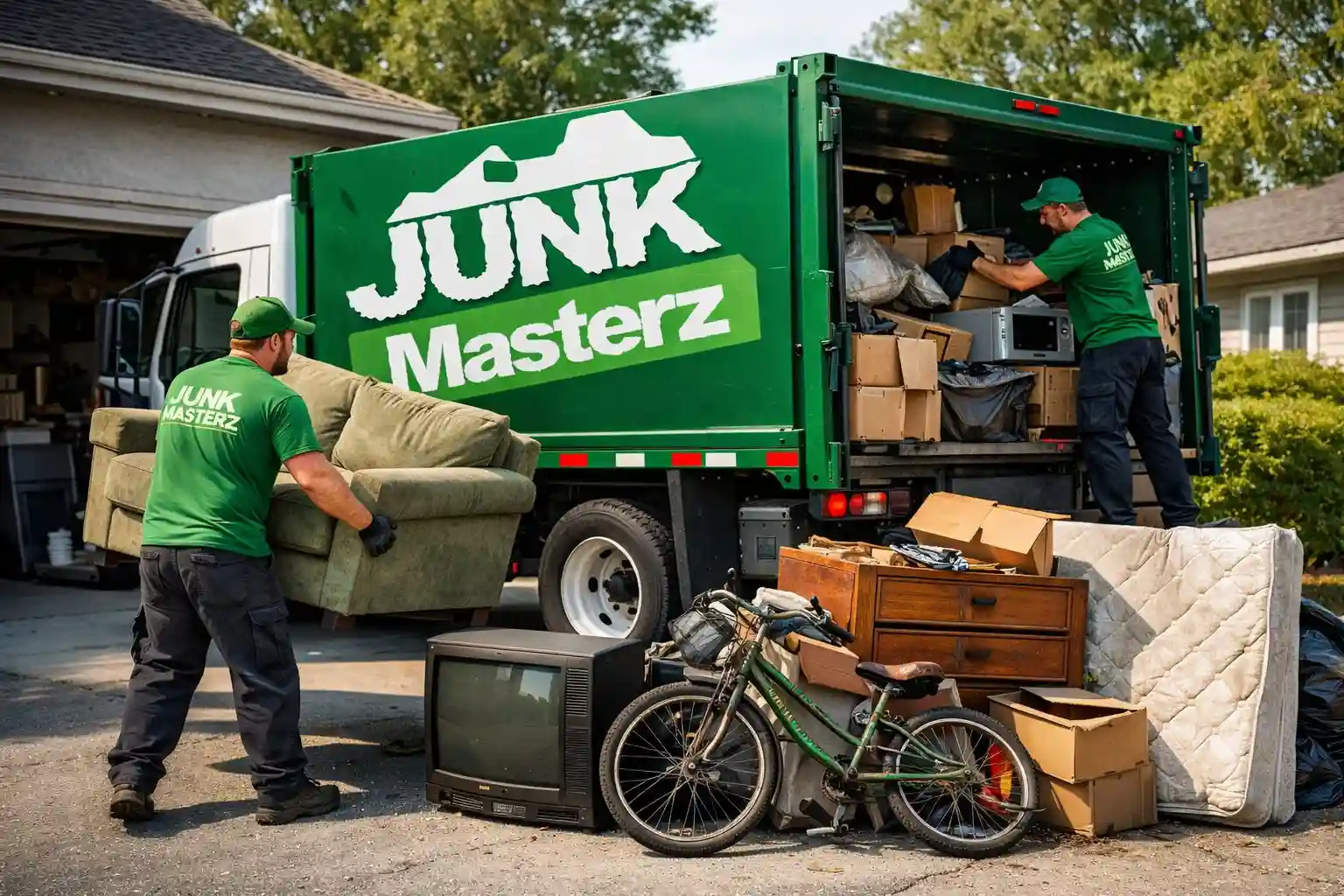
Getting rid of unwanted items doesn’t have to be expensive. Whether you’re clearing out a garage, removing old furniture, or preparing for a move, many homeowners search for affordable options like $99 junk removal near me. The idea of paying just $99 for junk removal sounds appealing, but what does that price actually cover? Are there hidden fees? How does it compare to national companies and their pricing structures? In this guide, we’ll break down everything you need to know about $99 junk removal, explain how pricing works, compare costs with major providers, and help you determine whether a budget-friendly junk removal service is right for your project. What Is $99 Junk Removal? Understanding the $99 Junk Removal Offer A $99 junk removal service is typically a promotional or minimum-load pricing option offered by local junk removal companies. It is designed for customers who need to dispose of a small amount of junk without paying for a full truckload. Common Items Included in a $99 Load Small Furniture Pieces Small Furniture Pieces Many $99 junk removal services can accommodate smaller furniture items such as chairs, coffee tables, end tables, nightstands, and small bookshelves. If you’re disposing of old furniture, it’s important to understand how to get rid of furniture responsibly through donation, recycling, or professional removal services. These items typically take up minimal truck space and are ideal for a $99 junk removal load. Boxes and Household Clutter Cardboard boxes, old clothing, toys, kitchenware, decorations, and other miscellaneous household items are commonly included in a basic junk removal load. This makes $99 junk removal a great option for decluttering your home. Yard Debris Light yard waste such as bagged leaves, small branches, grass clippings, and garden debris may qualify for a $99 removal service, depending on the volume and local disposal regulations. You can get more guidance through  how Small Appliances Compact appliances like microwaves, toasters, coffee makers, vacuum cleaners, and fans are often accepted within the promotional pricing range. It’s important to understand how to get rid of small appliances properly, as many items can be recycled or donated instead of being sent to a landfill. Larger appliances may require additional fees. Garage Cleanout Leftovers Old tools, storage bins, broken household items, sports equipment, and general garage clutter can usually be removed as part of a small junk load. A garage cleanout helps free up valuable space and keep your garage organized, making $99 junk removal a convenient option for smaller cleanout projects. Office Junk Businesses can use $99 junk removal services to dispose of outdated office furniture like chairs, small desks, filing cabinets, printers, paperwork, and other non-hazardous office waste. Items That May Cost Extra Mattresses Mattresses Many junk removal companies charge additional fees for mattress disposal because of recycling requirements and landfill regulations. Working with a reputable company that offers mattress removal services can help ensure proper disposal. It’s also important to learn how to dispose of an old mattress responsibly through recycling, donation, or professional removal whenever possible. Refrigerators Refrigerators and freezers often require special disposal procedures due to refrigerants and environmental regulations, which can increase removal costs. Construction Debris Materials such as drywall, lumber, tiles, roofing shingles, and renovation waste are generally heavier and more difficult to dispose of, resulting in higher pricing. Concrete and Dirt Concrete, bricks, rocks, soil, and other dense materials add significant weight to a load. Because disposal facilities often charge by weight, these materials typically incur additional fees. Electronics Requiring Special Disposal Televisions, computer monitors, printers, and other electronic devices may need to be recycled according to local e-waste regulations, which can increase disposal costs. Hazardous Materials Items such as paint, chemicals, pesticides, batteries, motor oil, propane tanks, and other hazardous substances are generally not accepted by standard junk removal companies due to safety and environmental concerns. Specialized disposal services are usually required How Much Junk Can You Get Removed for $99? Typical Volume Covered Most companies offering $99 junk removal provide service for: 1/8 truckload 1/10 truckload A few bulky items Several bags or boxes of household waste Why Load Size Matters Junk removal pricing is usually based on: Volume Weight Disposal costs Labor requirements Travel distance The larger the load, the higher the overall cost. Why Homeowners Search for “$99 Junk Removal Near Me.” People often choose affordable junk removal services because they: Save Money Small cleanouts don’t justify paying hundreds of dollars. Need Fast Service Many local companies offer same-day or next-day pickup. Avoid DIY Hauling Renting a truck, loading junk, and visiting a landfill can take an entire day. Prefer Professional Help Professionals handle heavy lifting safely and efficiently. What Factors Affect Junk Removal Pricing? Understanding pricing helps avoid surprises. Volume of Junk The amount of space your junk occupies in the truck is usually the biggest factor in pricing. Weight of Materials Heavy materials like: Concrete Roofing shingles Bricks Dirt Often cost more due to disposal fees. Labor Requirements Additional labor may be needed for: Stairs Large furniture Multi-story homes Tight spaces Disposal and Recycling Fees Many companies prioritize recycling and donation whenever possible, which can impact pricing. $99 Junk Removal vs. Full-Service Junk Removal Feature $99 Junk Removal Full-Service Removal Small Loads Yes Yes Large Cleanouts Limited Ideal Cost Lower Higher Truck Capacity Small Portion Full Truck Labor Included Usually Yes Best For Minor Decluttering Estate, Garage & Property Cleanouts Comparing Local $99 Services with National Brands Understanding Junk King Prices Many homeowners researching junk removal compare local pricing with larger companies. Junk removal prices generally depend on the amount of truck space used and can vary based on location and disposal costs. Benefits often include: Eco-friendly disposal Recycling programs Full-service loading Large-scale cleanout capabilities Comparing with Other National Providers Similarly, many consumers research junk removal prices before booking a service. National providers often charge more for small loads because they operate with higher overhead costs. Local junk removal companies may offer more competitive pricing, especially for smaller projects that qualify for promotional

How Much Does Popcorn Ceiling Removal Cost? Complete Pricing Guide 2026

Popcorn ceilings were popular in the 1970s and 1980s. Today, many homeowners want them gone. If you are asking how much does popcorn ceiling removal cost, you are not alone.Builders used this textured finish to save time and reduce labor costs. At the time, it was considered stylish and practical. Today, however, most homeowners prefer smooth, modern ceilings. Popcorn texture can make a home look outdated. It also collects dust, is harder to clean, and can make rooms feel darker because the rough surface absorbs light instead of reflecting it. In some older homes, popcorn ceilings may even contain asbestos, which raises health concerns if disturbed. You are not alone in asking this. It’s one of the most searched home improvement questions online. The cost can vary depending on: The size of the room or house Whether asbestos testing is needed The height of the ceiling Repairs required after scraping Painting and finishing work Cleanup and debris removal How Much Does Popcorn Ceiling Removal Cost in 2026? On average, how much does popcorn ceiling removal cost depends on size, condition, and finishing. National Average: $1 to $3 per square foot (basic scraping only) $3 to $6 per square foot (removal + refinishing + paint) $1,500 to $3,500 for a 1,500 sq. ft. home If you’re wondering how much is to remove popcorn ceiling, most homeowners pay between $1,800 and $2,800 for standard removal without asbestos. However, the cost of popcorn ceiling removal increases if repairs or asbestos removal are needed. Average Cost by Room Size Below is a detailed table to help you understand how much cost to remove popcorn ceiling based on room size. Room Type Room Size (Approx.) Estimated Cost Range Small Bedroom 10×10 (100 sq. ft.) $300 – $900 Medium Bedroom 12×12 (144 sq. ft.) $400 – $1,200 Living Room 15×20 (300 sq. ft.) $900 – $2,000 Kitchen 150–200 sq. ft. $450 – $1,200 Master Bedroom 200–250 sq. ft. $600 – $1,500 Basement Ceiling 400–800 sq. ft. $1,200 – $3,500 Whole House 1,000–1,500 sq. ft. $1,500 – $3,500+ If you’re still calculating how much does popcorn ceiling removal cost, remember that refinishing and painting can add 30–50% more to these numbers. Is Popcorn Ceiling Removal Worth It? Yes, in most cases. Benefits include: Modern appearance Better lighting reflection Increased home value Easier cleaning Better buyer appeal Real estate agents report smoother ceilings help homes sell faster. So even though you’re focused on how much does popcorn ceiling removal cost, think about long-term benefits.If you are planning a renovation, remember that debris management is just as important as removal. Reliable companies like Junk Masterz can assist with heavy renovation waste, keeping your home safe and clean after the project. What Affects the Cost to Remove a Popcorn Ceiling? Understanding pricing helps you avoid surprises. Here are the biggest cost factors explained clearly. 1. Size of the Area The larger the room, the more labor and materials are required. Contractors usually charge per square foot. Even small increases in space can raise the final bill significantly. For example: 100 sq. ft. room = lower labor time 500 sq. ft. open area = longer scraping and refinishing time This directly impacts the overall cost of popcorn ceiling removal. 2. Asbestos Testing and Removal If your home was built before 1985, asbestos may be present. Testing costs: $200–$800 Professional asbestos removal: $5–$10 per sq. ft. If asbestos is found, the cost to remove a popcorn ceiling can double or triple. Certified specialists are required for safety and legal reasons. 3. Ceiling Height High ceilings require ladders or scaffolding. This increases labor time and safety precautions, which increases cost. Vaulted ceilings usually cost more than standard 8-foot ceilings. 4. Ceiling Repairs After Scraping Once the popcorn texture is removed, the surface often needs: Patching cracks Sanding rough spots Skim coating Priming and painting Many homeowners forget this step when calculating how much cost to remove popcorn ceiling, but finishing work can add 40% more to your total. 5. Furniture Protection and Prep Work Before removal starts, workers must: Cover floors Protect walls Move furniture Seal vents Preparation takes time and labor. More prep = higher cost. How to Save Money on Popcorn Ceiling Removal Schedule During Off-Peak Season Home improvement projects are usually busiest during spring and summer. Demand is high, and prices may be less flexible. Why this helps:During slower months (late fall or winter), contractors may offer discounts to keep their schedule full. Booking during off-peak times can help you negotiate a better rate. Tip: Ask contractors if they have seasonal promotions or off-season pricing. Combine With Painting Projects After popcorn texture is removed, ceilings often need priming and painting. Why this helps:If you hire the same contractor to handle removal and painting together, you avoid paying separate setup fees and duplicate labor charges. Combining projects reduces overall labor overlap costs. Tip: Ask for a bundled quote for removal + repair + painting.  Get Multiple Quotes Never settle for the first estimate. Why this helps:Prices can vary widely between contractors. Getting at least three quotes allows you to compare pricing, services included, timelines, and experience levels. This helps you avoid overpaying. Tip: Make sure each quote clearly lists what is included — removal, repairs, painting, and cleanup. Plan Waste Disposal Ahead Many homeowners forget about debris removal costs. Why this helps:If disposal is not included in the quote, you may face surprise charges at the end of the project. Planning ahead ensures you understand who handles the waste and how it will be removed. For example, arranging professional hauling services in advance can prevent delays and unexpected landfill trips. You May Also Read: Debris removal cost DIY vs Professional: Which Is Cheaper? DIY Removal Estimated cost: $100–$300 for tools and supplies. Pros: Lower upfront cost Flexible timing Cons: Extremely messy Physically demanding Risk of ceiling damage Dangerous if asbestos is present DIY may look cheaper, but mistakes can increase long-term repair costs. Professional Removal Estimated cost: $1–$6 per sq.

Dumpster Rental vs Junk Removal: Which Is Best for Your Project?

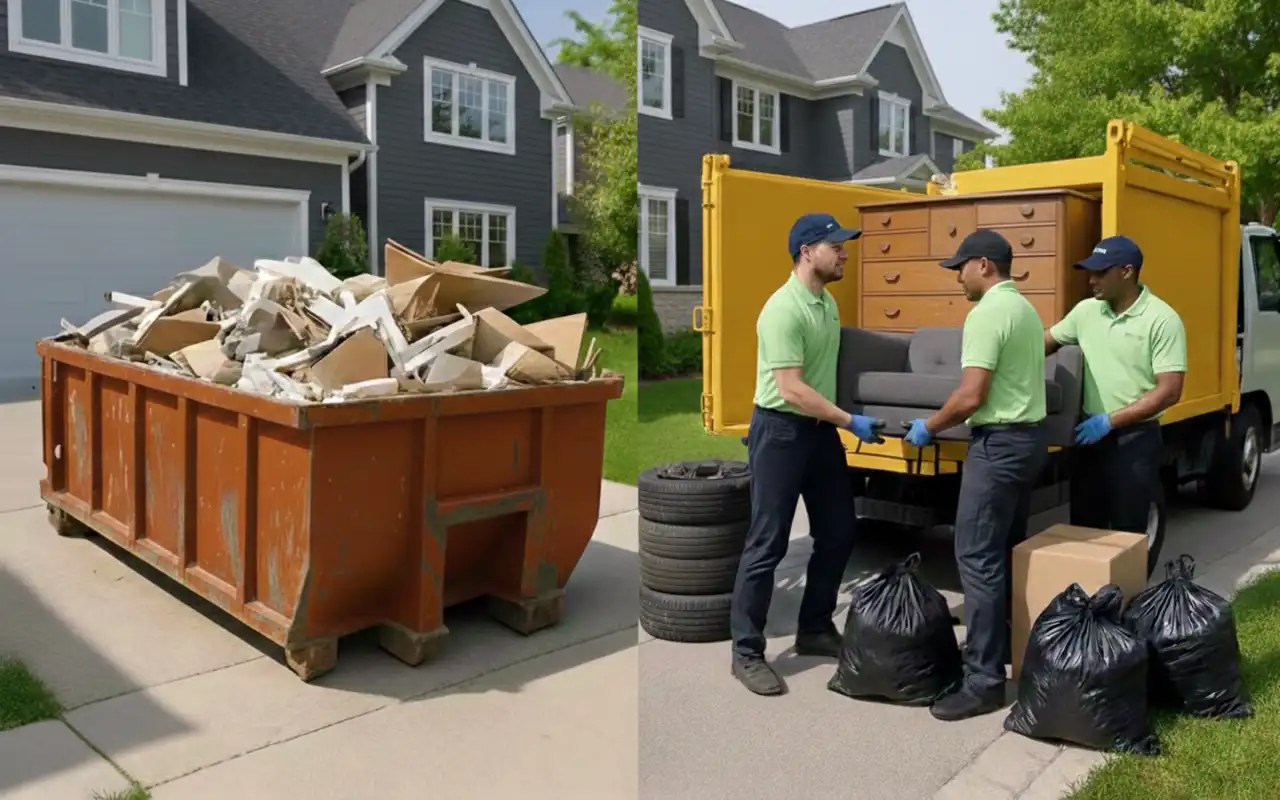
When you have a lot of stuff to get rid of, it can be hard to know whether to rent a dumpster or hire a junk removal company. Both options can help you clean up, but they work very differently. If you want a quick, easy way to get rid of things, junk removal may be best.  If you have a big project like a renovation or construction cleanup, a dumpster rental might make more sense. In this guide, we will explain the difference between dumpster rental vs junk removal, including costs, timing, and what works best for your situation.  What is Junk Removal? Junk removal is a full-service waste disposal solution where a professional crew handles the labor of lifting, loading, and hauling away unwanted items from your property. Unlike DIY options, you do not have to move your items to the curb. You simply point to what you want gone, and the junk removal company transports the debris to a landfill, recycling center, or donation site using a specialized truck. When you hire a service like Junk Masterz, you are paying for convenience vs control. This service is ideal for people who want a “one-and-done” solution. Most projects are completed within two hours. The junk removal service price is typically based on volume pricing, meaning you only pay for the amount of space your items take up in the truck. This makes it a great choice for bulky items like old mattresses, heavy appliances, or furniture that you cannot move by yourself. Types of Junk Removal Services Residential Junk Removal: Clearing out household clutter, toys, and attic storage. Full-Service Appliance Removal: Specialized handling of refrigerators, washers, and dryers. E-Waste Disposal: Responsible recycling of old TVs, computers, and monitors. Estate and Foreclosure Cleanouts: Large-scale removal for entire properties. Curbside Pickup: A cheaper option where you leave items outside for the crew. Commercial Hauling: Removing office furniture and electronic waste for businesses. What is Dumpster Rental? A dumpster rental is a DIY waste management service where a roll off dumpster is delivered to your location for a set rental period. This self-service option requires you to handle all the loading and physical labor yourself. Once you finish filling the bin, the company returns to pick it up and dispose of the waste. It is primarily used for long-term projects like renovation waste or large construction debris. The dumpster rental pricing is usually a flat rate pricing model. This fee covers the delivery, the pickup, and a specific dumpster rental period (often 7 to 10 days). You must choose between different dumpster sizes, ranging from small 10-yard bins to massive 40-yard containers. While the dumpster rental cost is often lower for large amounts of heavy debris, you must be aware of weight limits and permit requirements. If you place the bin on a public street, you will likely need to pay permit fees to your local city office. Types of Dumpster Rentals Roll-Off Dumpsters: Large, open-top containers used for major home projects. Construction Dumpsters: Heavy-duty bins meant for shingles, concrete, and dirt. Residential-Friendly Dumpsters: Bins with smaller footprints designed not to damage driveways. Front-Load Dumpsters: Small, permanent bins used by businesses for daily trash. Bag-Style Dumpsters: Single-use fabric bags that you buy at a store and pay to have hauled away. 7 Key Differences Between Junk Removal and Dumpster Rental To truly understand dumpster rental vs junk removal, we need to look at the details. Since the Google December 2025 Core Update, search engines want to see real-world experience and deep expertise. Here are the seven biggest differences that will help you make a smart choice. 1. Labor and Effort  The most obvious difference is who does the work. With junk removal, the crew handles the loading. This is perfect if you have a bad back or just don’t want to spend your Saturday carrying heavy bulky items. With a roll off dumpster, the labor is 100% on you. You have to lift, carry, and stack everything. If you enjoy a workout and want to save money on labor, the dumpster is a great tool. 2. Pricing Structures Junk removal service price is based on how much of the truck you fill. If you only have a small pile, you only pay for that small pile. Dumpster rental pricing is usually a flat fee for the whole bin, whether you fill it halfway or all the way. However, dumpsters have strict weight limits. If your renovation waste is heavy, like tile or dirt, the dumpster can quickly become more expensive due to overage charges. 3. Time and Flexibility How long do you need to get rid of your trash? Junk removal is a “one-and-done” event. The truck comes, the junk goes. A dumpster rental period gives you days or weeks. This is better for renovation waste because you create trash as you work. You don’t want a junk removal crew standing around while you pull up old carpet! 4. Space and Aesthetics A dumpster takes up a lot of room. It can block your driveway or kill your grass. It also looks like a giant metal box of trash sitting in front of your house. Junk removal requires no permanent space. The truck parks, loads, and leaves. If you live in a tight neighborhood with a strict HOA, you might not even be allowed to have a dumpster, making junk removal your only choice. 5. Prohibited Items Both services have rules about what they can take. Generally, you cannot put hazardous waste (like wet paint, oil, or chemicals) in either. However, a junk removal company might be more flexible with things like tires or old TVs because they can take them to specific recycling centers. Dumpster companies often have very strict lists because they dump the whole bin at once. 6. Environmental Impact If you want to ensure your stuff is handled responsibly, junk removal often wins. They actively look for donation vs landfill opportunities. When you rent a dumpster,

What Do Junk Removal Companies Do With Your Junk? The Truth Behind Responsible Disposal

Have you ever watched a junk removal truck drive away with an old couch, broken appliance, or pile of household clutter and wondered where it all goes? Many people assume that everything collected by junk removal companies ends up in a landfill. In reality, reputable junk removal providers follow a much more responsible process. They sort items for recycling, donation, resale, and proper disposal whenever possible. Their goal is to reduce landfill waste and give reusable materials a second life. If you’ve ever asked yourself What Do Junk Removal Companies Do With Your Junk? this guide will walk you through the entire process and explain how professional junk haulers prioritize environmental responsibility. Quick Answer: What Happens to Your Junk After Pickup? Most professional junk removal companies sort collected items into several categories: Recyclable materials Donatable items Reusable goods Yard waste Construction debris Landfill-bound materials Instead of dumping everything, responsible companies aim to divert as much waste as possible from landfills through recycling programs, donation partnerships, and proper disposal methods. How Junk Removal Companies Handle Waste The journey of your unwanted items doesn’t end when they leave your property. Professional junk removal companies follow a systematic process to determine the best destination for every item. Step 1: Collection and Transportation The first step involves removing unwanted items safely and efficiently from homes, offices, garages, storage units, or construction sites. Common items collected include: Furniture Mattresses Appliances Electronics Yard debris Construction waste Household junk If you’re replacing old furniture, you may also find our guide on How to Get Rid of Old Furniture Responsibly helpful for understanding your disposal options before scheduling a pickup. Step 2: Sorting and Evaluation After collection, materials are transported to a sorting facility where they are evaluated based on: Condition Material type Reusability Recyclability Safety requirements This sorting process helps maximize recovery rates and supports responsible disposal practices. Do Junk Removal Companies Recycle or Dump Everything? One of the most common questions homeowners ask is: Do junk removal companies recycle or dump everything? The answer is no. Most reputable companies actively work to recycle and reuse materials whenever possible. Materials Commonly Recycled Metal Items Metals are among the easiest materials to recycle. Examples include: Steel furniture Aluminum frames Copper wiring Metal shelving These materials can be processed and used to manufacture new products. Electronics Electronics contain valuable materials that can often be recovered. Items commonly recycled include: Computers Printers Televisions Audio equipment Many junk removal companies partner with certified e-waste facilities to ensure safe processing. For more information about handling old electronics, check out our article on How to Dispose of Electronics Safely. Paper and Cardboard Paper products are frequently recovered and recycled into new packaging materials. Examples include: Cardboard boxes Office paper Newspapers Magazines Plastics Depending on local recycling capabilities, many plastic items can also be diverted from landfills. What Happens to Furniture After Junk Removal? Furniture often represents a large portion of residential junk removal jobs. Fortunately, many furniture items still have value. Donation Opportunities When furniture remains in good condition, it may be donated to: Local charities Community organizations Shelters Nonprofit furniture banks Organizations such as Habitat for Humanity ReStore accept gently used furniture and household goods, helping families in need while reducing waste. Furniture Recycling Damaged furniture may still contain recyclable materials, including: Metal frames Wood components Fabric materials Foam padding Separating these materials helps keep bulky items out of landfills. What Happens to Old Mattresses? Mattresses are one of the most challenging household items to dispose of because they contain multiple materials. A typical mattress includes: Steel springs Foam Fabric Wood Specialized recycling facilities dismantle mattresses and recover these materials for reuse. If you’re replacing an old bed, our Mattress Recycling Guide explains how mattresses are recycled and why proper disposal is important. Appliance Disposal and Recycling Large appliances contain valuable materials that should not be wasted. Appliances Commonly Recycled Refrigerators Freezers Washers Dryers Dishwashers Stoves Many appliance recycling programs recover: Steel Aluminum Copper Plastic components Some appliances also contain refrigerants that must be removed safely according to environmental regulations. For a deeper look at appliance disposal, see our guide on How to Dispose of Appliances Responsibly. What Happens to Construction Debris? Home renovation and construction projects generate large amounts of waste. Rather than sending everything to a landfill, professional junk removal companies often separate recyclable materials. Recyclable Construction Materials Concrete Asphalt Metal scraps Wood Drywall Many recycling facilities process these materials into products that can be reused in future construction projects. According to the U.S. Environmental Protection Agency (EPA), construction and demolition recycling helps conserve natural resources and reduce landfill demand. How Yard Waste Is Handled Yard debris requires a different disposal process than household junk. Common yard waste includes: Tree branches Leaves Grass clippings Shrubs Garden waste Composting and Mulching Many municipalities and processing facilities convert organic waste into: Compost Mulch Soil amendments This approach turns green waste into useful landscaping products rather than allowing it to occupy landfill space. What Happens to Items That Cannot Be Recycled? Even with advanced recycling programs, some materials cannot be reused or recovered. Examples include: Contaminated materials Certain composite products Severely damaged furniture Non-recyclable plastics In these cases, reputable junk removal companies use licensed disposal facilities and follow local environmental regulations to ensure safe handling. Landfill disposal is generally considered a last resort after all recycling and donation opportunities have been explored. Environmental Benefits of Professional Junk Removal Hiring a responsible junk removal company and get their affordable junk pickup services does more than clear clutter from your property. Reduced Landfill Waste More materials are recycled and reused instead of being discarded. Resource Conservation Recovered materials reduce the need for extracting new raw resources. Lower Environmental Impact Recycling often requires less energy than manufacturing products from virgin materials. Community Support Donated items help local families and charitable organizations. Organizations such as Earth911 provide valuable information about recycling opportunities and sustainable disposal practices. How to Choose an Eco-Friendly Junk Removal Company Not all

Where Can I Throw Away A Couch? A Complete, Practical Guide For Homeowners’

Getting rid of an old couch can be challenging. Whether your sofa is worn out, damaged, stained, or simply no longer fits your space, you may be wondering, “Where can I throw away a couch?” Unlike regular household trash, couches are bulky items that often require special disposal methods. That old couch sitting in your living room might not look like a big problem—until it’s time to get rid of it. Suddenly, you’re faced with a confusing question: where can I throw away a couch without breaking the rules, wasting money, or harming the environment? There’s also a growing shift toward smarter, eco-conscious disposal. More homeowners are now looking for ways to reduce waste and give furniture a second life instead of sending it straight to the landfill. For how to dispose of a couch or wondering what to do with old couches, this guide gives you clear, practical solutions that actually work. If you’ve been wondering what to do with old couches in a way that benefits both you and the environment, you’re in the right place. This guide doesn’t just help you get rid of your couch—it helps you do it. Why Proper Couch Disposal Matters Many homeowners are tempted to leave old furniture on the curb or in an alleyway. However, improper furniture disposal can lead to fines, environmental issues, and neighborhood complaints. A typical couch contains materials such as: Wood Metal springs Foam cushions Fabric upholstery Plastic components Many of these materials can be recycled or reused. Choosing the right disposal method helps reduce landfill waste while keeping your community clean. What to Do With Old Couches An old couch doesn’t always have to end up in the trash. In fact, there are several smart and responsible ways to handle it depending on its condition. Whether your goal is to save money, help others, or reduce waste, knowing what to do with old couches can make the process much easier. If you’re unsure where to start, check out our complete guide on where can I throw away a couch to explore all available options. If your couch is still in good shape, consider donating or giving it away. Many families, students, or local charities are happy to accept gently used furniture. This is one of the best solutions for those searching for how to get rid of a sofa for free while making a positive impact. You can also read our detailed post on how to donate furniture locally to find the best places near you. For couches that are worn out or damaged, recycling is a great option. Many parts—such as wood frames, metal springs, and foam—can be separated and reused. This reduces landfill waste and supports eco-friendly practices. According to the Environmental Protection Agency, recycling large furniture helps minimize landfill impact and conserve valuable resources. Another practical option is selling or giving your couch away online. Even older furniture can attract buyers if priced reasonably. Platforms like Facebook Marketplace make it easy to connect with local buyers. For tips on faster results, visit our article on how to sell used furniture quickly. Where Can I Throw Away a Couch? 7 Smart Ways to Dispose of a Couch  Option 1: Municipal Bulk Waste Pickup How It Works Most cities offer bulk trash or bulk pickup services for large items like couches. What You Should Know You may need to schedule a pickup in advance Some cities offer this service for free; others charge a fee There may be limits on how many items you can dispose of Best For Homeowners looking for a simple, legal solution People are asking how to throw a couch away with minimal effort Pro Tip Place your couch at the curb only on designated days to avoid fines. Option 2: Donate Your Couch (If It’s Still Usable) If your couch is in decent condition, donation is one of the best options. Where to Donate Local charities Non-profit thrift stores Community shelters Benefits Free pickup is often available Helps people in need Keeps furniture out of landfills This is a great answer if you’re wondering how to get rid of a sofa for free while doing something positive. Important Most organizations won’t accept: Torn or heavily stained couches Broken frames Pest-infested furniture Option 3: Sell or Give It Away Online Platforms to Use Facebook Marketplace Craigslist Freecycle groups How It Helps You can either sell your couch or list it for free. Many people are willing to pick up furniture at no cost. Why This Works Fast and convenient No disposal fees Ideal for people searching for where to throw away a couch for free Tip for Better Results Take clear photos and describe the condition honestly to attract more interest. Option 4: Take It to a Landfill or Transfer Station What This Means You transport the couch yourself to a local landfill or waste facility. Costs Usually involves a disposal fee Fees vary based on size and weight When to Use This Option The couch is damaged beyond repair No pickup services available This is a straightforward solution if you’re focused on how to dispose of a couch quickly. Option 5: Hire a Junk Removal Service What They Do Professional companies’ workers come to your home, remove the couch, and remove the residential junk. Advantages No heavy lifting required Same-day or next-day service available They often recycle or donate items when possible Downside Costs more than DIY options Best For Busy homeowners or those dealing with multiple items. Option 6: Recycling Your Couch Is It Possible? Yes, but not always easy. Couches contain materials like: Wood Metal springs Foam Fabric Some recycling centers accept these materials separately. Why It Matters Recycling reduces landfill waste and supports environmental sustainability. Option 7: Upcycle or Repurpose the Couch If you’re creative, your old couch can get a second life. Ideas Turn cushions into outdoor seating Use wood for DIY furniture Repurpose fabric for home projects Benefits Saves money Reduces waste Adds a personal

How Does Junk Removal Work: Your Complete 2026 Guide

Junk has a way of piling up faster than most people expect. Old furniture, broken appliances, yard debris, renovation materials, and unwanted household items can quickly take over valuable space in your home or yard. That is where professional junk removal services come in. Many homeowners wonder, “How does junk removal work?” especially if they have never hired a removal company before. Understanding the process can help you save time, avoid hidden costs, and choose the right service for your cleanup project. Whether you are clearing out a garage, removing outdoor debris, or preparing for a move, this guide explains everything you need to know about the junk removal process, including how companies handle waste, what happens after pickup, and how outdoor waste removal works. What Is Junk Removal? Junk Removal Meaning (Simple Explanation) Junk removal is a service that helps homeowners and businesses remove unwanted items quickly and safely. Instead of hauling heavy debris yourself, a professional crew handles the lifting, loading, transportation, and disposal. Unlike regular trash pickup, junk removal services handle large, bulky, or hard-to-dispose-of items such as: Old furniture Mattresses Appliances Electronics Yard waste  At Junk Masterz, we provide complete junk removal solutions for all these materials, ensuring safe, efficient, and responsible disposal every time. Understanding what junk removal is helps you see that it’s not just about throwing things away—it’s about proper handling, recycling, and responsible disposal. According to The World Bank, global waste is expected to increase significantly in the coming years, making responsible waste management more important than ever. You can explore more about global waste trends here: Why Junk Removal Services Are in High Demand Junk removal services are growing rapidly due to changes in lifestyle and environmental awareness. 1. Busy Lifestyles People simply don’t have time to handle large cleanouts themselves. 2. Home Renovations Remodeling projects generate a lot of debris that cannot go in regular bins. 3. Environmental Concerns More people want eco-friendly disposal options instead of sending everything to landfills. 4. Urban Living Smaller spaces mean clutter becomes a problem faster. Organizations like the United Nations Environment Programme emphasize the importance of sustainable waste practices to reduce environmental impact.   How Does Junk Removal Work: Complete Step-by-Step Process Understanding how does junk removal work step by step can help you feel confident before booking a service. While details vary slightly by company, the process usually follows these steps. Step 1: Schedule Junk Removal The first step is to schedule junk removal. Many companies let you book junk removal online, by phone, or through a contact form. You choose a date and time window that works for you. Some providers offer same-day or next-day service, depending on availability. When scheduling, you will be asked basic questions about the items you want removed. This helps the company prepare the right truck size and crew. Step 2: Free Estimate or Quote Most professional junk removal companies offer a free estimate or quote. Pricing is often based on volume, meaning how much space your junk takes up in the truck. This is known as volume-based pricing, measured in cubic feet or cubic yards. Some companies give ballpark estimates over the phone or online. The final price is usually confirmed after an on-site assessment. Step 3: On-Site Assessment When the crew arrives, they review the items you want removed. They calculate how much truckload capacity your junk will use. This is when the final price is set, so there are no surprises. You can ask questions at this stage, including how much does junk removal cost for specific items like furniture or appliances. Step 4: Heavy Lifting and Loading Once you approve the price, the crew gets to work. This is the biggest benefit of professional junk removal. The team handles all the heavy lifting and loading, even for bulky items like sofas, mattresses, refrigerators, or construction debris. You do not need to move items to the curb unless you want to. Full-service junk removal means items can be removed from inside your home, garage, basement, or office. Step 5: Hauling and Proper Disposal After loading the truck, the crew hauls everything away. A responsible junk removal company uses proper disposal methods. Items are sorted for recycling, donation pickup, e-waste recycling, or landfill disposal when necessary. This step is important for environmental responsibility. Eco-friendly junk removal reduces waste and keeps usable items out of landfills. Step 6: Final Cleanup Before leaving, the crew does a quick sweep of the area to make sure no debris is left behind. Your space is now clutter-free and ready to use again. What Can (and Can’t) Be Removed? One of the most common questions people have is “what items can be removed?” The good news is that professional junk removal companies can take almost anything you might have sitting around your property. However, there are some important exceptions for safety and legal reasons. Items Commonly Accepted by Junk Removal Services Furniture: Old couches, chairs, dining tables, dressers, bed frames, mattresses, desks, filing cabinets, bookshelves, entertainment centers, and outdoor patio furniture. Even if the furniture is broken or damaged beyond repair, residential junk removal teams will take it. Items in good condition often get donated to families in need. Appliances: Refrigerators, freezers, washing machines, dryers, dishwashers, stoves, ovens, microwaves, air conditioners, water heaters, and dehumidifiers. Many appliances contain recyclable metals and must be disposed of properly according to environmental regulations, especially those containing refrigerants like AC units and refrigerators. Electronics and E-Waste: Televisions, computer monitors, desktop computers, laptops, printers, copiers, stereo equipment, gaming consoles, and old phones. Electronic waste contains valuable materials that can be recovered through recycling, as well as toxic substances that shouldn’t go to regular landfills. Responsible junk removal companies partner with certified e-waste recycling facilities. Yard Waste and Outdoor Items: Tree branches, leaves, grass clippings, dirt, rocks, mulch, old playground equipment, trampolines, hot tubs, swimming pools, lawn furniture, grills, and shed materials. Organic yard waste often goes to composting facilities, while metal items get recycled.

Is It Cheaper to Rent or Hire a Junk Removal Service? The Complete 2026 Cost Guide

Most homeowners reach a point where they need to clear out a large amount of unwanted items. It might be old furniture, construction debris from a remodel, boxes of storage items, or a mix of everything. When that moment comes, the first question is usually the same: Is it cheaper to rent or hire a junk removal service? The answer depends on the size of the project, the type of items you are getting rid of, how much time you have, and whether you want to do the physical labor yourself. This guide breaks down the real pricing differences and explains which option makes the most financial sense for different situations. Which Option Is Cheaper? Determining which option is cheaper isn’t always straightforward. The answer depends on the type and amount of junk you’re disposing of, your timeline, and whether you prefer a DIY approach or professional assistance. Dumpster rental prices can vary depending on the size of the dumpster, the rental period, and any required permits. Hiring a junk removal service typically comes with labor costs but offers convenience and efficiency, especially for heavy or bulky items. While DIY junk removal using a rented dumpster might save money in some cases, hidden costs and the effort required often shift the balance. In many scenarios, professional junk removal can actually be more cost-effective than it appears. What Actually Affects the Total Cost? Several factors influence whether dumpster rentals or hiring a junk removal service is cheaper: Volume and Type of Junk – Large, heavy, or hazardous items may require professional handling. Renting a dumpster may not cover disposal fees for certain materials. Rental Period vs Service Time – Dumpster rental is usually charged by the week, and exceeding that time can add hidden fees. Junk removal services often charge per truckload or per hour. Labor – Dumpster rentals put all the work on you. Lifting, loading, and hauling are your responsibility. A junk removal service handles this efficiently, saving time and effort. Permits and Local Regulations – Some cities require permits for dumpster placement, which can increase costs. A junk removal company often manages permits for you. Disposal and Recycling Fees – Dumpster rental companies sometimes charge extra for eco-friendly junk disposal or certain materials like electronics, tires, and appliances. Understanding these factors is essential before making a decision. Sometimes, the cheapest upfront option is not always the most cost-effective in the long run. When comparing dumpster rentals and full-service hauling, many homeowners ask:is it cheaper to rent or hire a junk removal service? The answer depends on labor, disposal fees, project size, and how quickly you need the junk removed. Cost Comparison: Dumpster vs Junk Removal Here’s a closer look at the junk removal cost comparison: Factor Dumpster Rental Junk Removal Service Average Cost $300–$600 per week (small-medium) $150–$500 per truckload Labor DIY Included Convenience Medium High Permits Often required Usually handled by the company Hidden Fees Possible (overweight, over time) Usually included Eco-Friendly Disposal Limited Some services specialize As you can see, if your project is small and you’re willing to do the heavy lifting, dumpster rental may be cheaper. For larger projects, professional junk removal can save you money when factoring in labor, time, and hidden fees. Pros and Cons of Dumpster Rental Dumpster rentals are a popular choice for homeowners and contractors, but they come with advantages and disadvantages. Pros: Cost Control: You can choose the dumpster size that fits your project. Flexibility: You can take your time filling the dumpster within the rental period. DIY Approach: Ideal for those who prefer hands-on work. Cons: Labor Intensive: Loading a dumpster yourself can be physically demanding. Hidden Fees: Overweight charges, extended rental periods, or prohibited items can increase costs. Permits and Placement: Some cities require permits for street placement, which adds extra steps and costs. Dumpster rentals are ideal for homeowners with moderate amounts of junk, enough time to handle heavy lifting, and a desire to save money upfront. The Environmental Protection Agency (EPA) also recommends responsible waste handling and recycling practices to reduce landfill waste during cleanup projects. Pros and Cons of Hiring a Junk Removal Service Professional junk removal services like Junk Masterz offer a convenient alternative. Here’s what to consider: Pros: Convenience: Experts handle the lifting, loading, and disposal. Time-Saving: Jobs that would take days with a dumpster can be completed in hours. Eco-Friendly Junk Disposal: Many companies recycle or donate items responsibly. No Hidden Fees: Most services provide transparent pricing upfront. Cons: Upfront Cost: May be higher than renting a small dumpster. Scheduling: You may need to work around the company’s availability. If you value convenience, efficiency, and eco-friendly disposal, hiring a junk removal service can often provide better overall value. How to Decide: Dumpster Rental or Junk Removal? When deciding between a dumpster rental and hiring a junk removal service, consider these important factors: Project Size Large cleanouts, renovations, or bulky furniture removal projects are often easier with a professional junk removal team that handles all the heavy lifting for you. Labor Availability Ask yourself if you have the time, equipment, and manpower needed to load a dumpster safely. Junk removal services save effort because crews do all the loading and hauling. Budget Flexibility Compare total costs, including rental periods, landfill fees, labor, and transportation. In many cases, junk removal can be more cost-effective for smaller or single-day projects. Environmental Concerns Many junk removal companies focus on recycling, donation, and responsible disposal to reduce landfill waste. If you want to understand the full process, this guide explains how junk removal works and what happens after your items are hauled away. Money-Saving Tips for Junk Removal Regardless of which option you choose, here are tips to save money: Sort Your Junk: Separate recyclables, donations, and trash to minimize disposal costs. Compare Dumpster Rental Prices: Check multiple companies for the best deal and hidden fees. Bundle Services: Some junk removal companies offer discounts for multiple truckloads. DIY Certain Items: Move lightweight or small items

How Much Does Mattress Removal Cost in 2026

Getting rid of an old mattress sounds simple until you actually try to move one. Mattresses are large, awkward, heavy, and often difficult to transport without the right vehicle. Whether you are replacing your current bed, cleaning out a rental property, downsizing, or clearing space in your garage, one of the first questions most people ask is: how much does mattress removal cost? The answer depends on where you live, the size of the mattress, the type of service you choose, and local disposal rules. In some areas, you may be able to schedule free curbside pickup. In other places, you may need to pay landfill fees or hire a junk removal company. Many homeowners also want to know whether recycling is cheaper than dumping, if donation is possible, and what hidden charges to watch for before booking a pickup. This complete 2026 pricing guide explains everything you need to know. You will learn average costs, what impacts the final price, affordable disposal methods, and how to save money while removing your mattress responsibly. Cost Factors That Affect Mattress Removal Pricing Several key elements determine how much you’ll pay for mattress haul away cost. Understanding these factors helps you get accurate quotes and avoid surprise charges. Size The size of your mattress directly impacts removal pricing. Larger mattresses weigh more and take up more space in disposal trucks, which means higher fees. Here’s what you can expect to pay based on mattress size: Mattress Size Professional Removal Cost (USD) DIY Disposal Cost (USD) Average Weight (lbs.) Notes/Extra Fees Twin $75 – $90 $20 – $30 40 – 50 Easiest to handle Twin XL $75 – $90 $20 – $30 43 – 48 Small and lightweight Full/Double $85 – $110 $25 – $35 50 – 65 Harder to move through doorways/stairs Queen $100 – $130 $30 – $40 60 – 80 Often requires two people for safe handling King $120 – $160 $35 – $50 70 – 90 Extra charge for truck space and handling California King $130 – $175 $40 – $60 100+ Largest size, may incur access/difficulty fees Material The material composition of your mattress affects both weight and disposal method, influencing the final price. Mattress Type Professional Removal Cost Weight & Density Profile Recycling & Disposal Notes Innerspring $90 – $120 Lightest; easiest to move. Cheapest to recycle. Metal coils have resale value, which often lowers the fee. Memory Foam $110 – $140 Very dense; 20-30 lbs heavier than innerspring. Harder to process. Special machines are needed to shred the foam for repurposing. Hybrid $105 – $135 Moderately heavy; bulky. Labor-intensive. Facilities must manually separate the metal springs from the foam layers. Latex $125 – $150 Heaviest (90-100 lbs for a Queen). Biodegradable but difficult. Extreme density makes it the most expensive to haul and process. Pillow/Euro Top $95 – $130 Extra bulk; thick cushioning. Fit issues. The extra height doesn’t add much weight but makes it harder to fit through tight hallways. Access and Removal Difficulty To ensure your budget is as accurate as possible, it is vital to account for the “logistics” of your home. Often, the average cost to remove a mattress increases not because of the bed itself, but because of the difficulty of the path to the truck. Below is a detailed breakdown of how stairs/access fees and other property factors influence your final mattress disposal price. Access Factor Estimated Surcharge Impact on Labor & Equipment Stairs (Walk-ups) $15 – $30 per flight Significant. A 3rd-floor walk-up can add $45–$90. Requires more stamina and often a 3-person crew for safety. Narrow Hallways / Doorways $20 – $40 High Risk. Workers must angle the mattress to avoid wall damage. King-size beds often require “creative” manipulation. Elevator Access $0 – $20 Variable. Freight elevators are usually free; passenger elevators may incur a fee if they slow down the team’s efficiency. Long Carry Distance $15 – $25 per 50 ft. Calculated. Most companies include the first 25–50 feet. Distances beyond that require extra time and increased transit fees. Restricted Property Access $20 – $50 Coordination. Gated communities, security systems, or building management check-ins increase the total time on-site. Geographic Location Factors Where you live dramatically affects mattress removal cost by size and service type. Urban, suburban, and rural areas have different pricing structures. Major metropolitan areas typically charge the highest rates. Cities like New York, San Francisco, Los Angeles, and Boston see prices from $150 to $200 for standard removal. Higher operating costs, parking challenges, and increased demand drive up prices. However, these cities also have more competition, which can lead to better deals if you shop around. Suburban areas  offer moderate pricing, usually $90 to $140 for professional removal. Suburbs have easier parking and access but may lack the intense competition of cities. Many national junk removal companies operate primarily in suburban markets. Rural areas show mixed pricing. Some rural regions charge less ($70 to $110) because of lower operating costs. However, others charge more ($120 to $180) due to long travel distances between jobs. Recycling center fees in rural areas can be higher if facilities are scarce, requiring longer drives to disposal sites. State and local regulations  impact costs significantly. California, Connecticut, and Rhode Island have mattress recycling programs funded by small fees at purchase. These states often provide free or low-cost recycling drop-off sites. Other states without such programs may have higher disposal fees. Disposal facility availability matters too. Areas with numerous recycling centers and donation sites offer more options, creating competitive pricing. Regions with limited facilities face higher mattress disposal price points because removal companies have fewer choices for responsible disposal. Condition Your mattress’s condition affects whether you can donate it, recycle it, or must pay for landfill disposal. Good condition mattresses that are clean, stain-free, and structurally sound qualify for donation. This is your best-case scenario. Many charities offer free pickup for donations, saving you $75 to $150 in removal costs. Organizations like Salvation Army, Goodwill, and local shelters accept

How to Dispose of Small Refrigerator Safely and Legally in 2026

Small refrigerators are common in dorm rooms, garages, offices, bedrooms, and apartments. They are convenient, compact, and useful for storing drinks, snacks, and frozen items. But when the unit stops working or you no longer need it, many people ask the same question:  how to dispose of small fridge Unlike regular household waste, refrigerators contain metal, plastic, insulation, and refrigerants that need special handling. Throwing one away incorrectly can harm the environment and may even violate local disposal rules. In this complete guide, you will learn how to dispose of a mini fridge, whether you can throw a mini fridge in the dumpster, disposal costs, and the best eco-friendly options in 2026. Why Small Refrigerators Need Special Disposal Mini fridges may look small, but they contain materials that should not be placed in standard trash bins. Refrigerants Can Harm the Environment Many older refrigerators contain Freon or similar cooling chemicals. These gases must be removed safely by certified technicians. Valuable Materials Can Be Recycled Most small refrigerators contain: Steel Copper Aluminum Plastic Wiring components These materials can often be reused. Local Laws May Restrict Disposal Some cities ban appliances from landfills or regular trash collection. Always check local regulations first.  How to dispose of small fridge: 7 Best Ways 1. Take It to an Appliance Recycling Center Recycling centers are one of the best options for disposing of broken or old refrigerators. They safely remove refrigerants and recycle usable materials. Best For: Broken mini fridges Non-working units Eco-friendly disposal Average Cost: Free to $50 2. Schedule Bulk Trash Pickup Many cities offer large-item pickup services for appliances. Contact your local sanitation department to ask: Do they accept mini fridges? Is an appointment required? Does Freon need to be removed first? This is often an affordable option. 3. Donate a Working Mini Fridge If the unit still works, donation is a smart choice. Possible donation places: Local charities Shelters Churches Community groups College students You can also check national donation organizations such as Habitat for Humanity ReStore and The Salvation Army to see if they accept working appliances in your area. This is one of the easiest ways for how to get rid of a mini fridge responsibly. 4. Sell It Online Used mini fridges often sell quickly if they still cool properly. Popular places to sell: Facebook Marketplace Craigslist OfferUp Local community groups Even older models may have value. 5. Use Retailer Haul-Away Service If buying a new refrigerator, many retailers will remove the old unit when delivering the replacement. Typical Cost: Free to $40, depending on promotions. 6. Hire a Junk Removal Company If you need fast service and no heavy lifting, junk removal companies can remove the fridge from anywhere in the home. Best For: Upstairs apartments Condos Garages Same-day pickup Broken appliances 7. Scrap Metal Recycling Some scrap yards accept refrigerators after refrigerants have been professionally removed. Call ahead before transporting the unit. Can You Throw a Mini Fridge in the Dumpster? Many homeowners ask: Can you throw a mini fridge in the dumpster? Usually, the answer is no unless certain conditions are met. Most dumpsters do not allow refrigerators because they contain refrigerants, insulation materials, and bulky metal parts that require special handling. It is also important to learn how to dispose of small appliances properly, since many household items contain recyclable materials or components that should not go into standard waste containers. Before placing a mini fridge in a dumpster, always check with your dumpster rental company or local waste authority. In many cases, recycling centers, appliance pickup services, or junk removal companies are the safer and legal disposal options. Reasons Dumpsters Often Reject Mini Fridges Cooling chemicals inside Environmental regulations Appliance disposal bans Weight restrictions Recycling requirements Before doing this, always ask your dumpster rental company. Can I Put a Mini Fridge in the Dumpster? If you are asking can I put a mini fridge in the dumpster, it depends on: Local laws Dumpster company rules Whether Freon was removed Type of construction debris container Never assume it is allowed. Can I Throw Away a Mini Fridge in the trash? Another common question is can I throw away a mini fridge in trash? In most cities, regular weekly trash pickup does not accept refrigerators. Mini fridges are considered bulky appliances and need special disposal. Do not leave one beside trash bins unless approved by your waste provider. How to Dispose of a Mini Fridge in an Apartment Apartment disposal can be harder due to stairs, elevators, and building rules. Best Options Ask Property Management Many buildings have approved appliance removal vendors. Check Bulk Pickup Days Some apartment communities schedule monthly junk collection. Hire Valet Junk Removal Fastest option if you need the fridge removed from inside the unit. How Much Does It Cost to Dispose of a Small Refrigerator? Disposal Method Average Cost Recycling Center Free – $50 Bulk Pickup Free – $35 Donation Free Junk Removal $75 – $180 Retailer Haul Away Free – $40 Scrap Yard Sometimes pays small amount Prices depend on location, stairs, weight, and urgency. How to Prepare a Mini Fridge for Disposal Before removing the refrigerator, follow these steps. Empty All Food Items Remove drinks, frozen food, and shelves. Unplug 24 Hours Before Allow time to defrost and prevent leaks. Clean the Interior Wipe odors, spills, and mold. Secure the Door Tape doors shut or remove doors if required by local safety rules. Measure Doorways Make sure the fridge can fit through hallways and stairs. Eco-Friendly Ways to Get Rid of a Fridge If you want the most responsible solution, choose one of these: Donate a working fridge Recycle through certified center Use retailer take-back service Sell locally for reuse These options reduce landfill waste. Common Mistakes to Avoid Leaving It on the Curb Without Approval Some cities fine illegal dumping. Putting It in a Dumpster Without Permission This may create extra fees. Cutting Refrigerant Lines Yourself Only licensed technicians should remove Freon. Ignoring Local Rules Every

How Much Does Junk Removal Cost? [2026 Complete Pricing Guide + Calculator]

Getting rid of unwanted items from your home shouldn’t feel like solving a puzzle. Yet, many people find themselves confused when trying to figure out what they’ll actually pay for junk removal services. Whether you’re clearing out your garage after years of accumulation, finally getting rid of that old couch, or tackling a complete home cleanout, understanding the costs helps you budget properly. The pricing can vary wildly based on what you’re tossing, how much space it takes up, and where you live. Most homeowners spend between $150 and $450 for typical junk removal jobs in 2026. But that’s just the starting point. Some projects might only cost $75, while others can reach $850 or more. Let’s break down exactly what you’ll pay and why. How Much Does Junk Removal Cost? Quick Answer Junk removal pricing in 2026 ranges from $70 to $850, depending on volume and item type. Here’s what most people pay: Single item removal: $70–$150 Quarter truck load: $120–$200 Half truck load: $200–$450 Three-quarter load: $400–$600 Full truck load: $600–$850 National average: $150–$450 The cost of junk removal depends on three main factors: how much stuff you have, what type of items need removal, and your location. Companies typically charge based on how much space your junk takes up in their truck, not by the hour. 2026 Junk Removal Cost Breakdown Understanding the pricing structure helps you avoid surprises when the truck arrives. Costs by Load Size Professional junk removal companies measure loads in cubic yards. A standard pickup truck holds about 2-3 cubic yards, while a full-size junk removal truck can fit 13-17 cubic yards. Quarter Load (3–5 cubic yards): $120–$200. Ideal for a couch, dining table, or a few trash bags. Best for small cleanouts or single-room projects. Half Load (5–10 cubic yards): $200–$450. Fits an entire bedroom set, multiple appliances, or yard debris. Handles most standard home projects. Full Truck (13–17 cubic yards): $600–$850. Holds contents of a two-bedroom apartment. Suitable for major cleanouts, estate clearing, or post-renovation debris. Furniture Removal Pricing Getting rid of old furniture represents one of the most common junk removal needs. A standard couch costs $100-$200 to remove, while sectional sofas run $175-$350 depending on the number of pieces. Mattress disposal costs $80-$160 per piece. Many states require special recycling for mattresses, which adds to the expense. Dressers and chest of drawers cost $75-$150 each. Large items like armoires and entertainment centers run $100-$250. The weight and difficulty of moving these pieces influences the final price. Dining tables cost $100-$200, while dining chairs run $25-$50 each. Appliance Removal Costs Old appliances need careful disposal due to refrigerants, heavy metals, and electronic components. Refrigerator removal costs $50-$150, with chest freezers running slightly higher at $100-$200 due to their size. Washing machines and dryers cost $75-$200 each. Water heaters run $90-$200 for removal. Dishwashers typically cost $75-$150. Hot tubs represent a major removal challenge, costing $200-$600 depending on size and access. The crew needs to drain, dismantle, and haul away heavy fiberglass or acrylic components. Debris and Construction Waste Construction debris removal costs $100-$800 per truckload. The price varies based on material type and weight. Light materials like drywall and insulation cost less than heavy concrete or tile. Yard waste removal runs $150-$190 per ton. This includes branches, leaves, soil, and general landscaping debris. Many areas offer seasonal pickup for yard waste, which can save you money. Carpet and rug removal costs $70-$280 per room. The price depends on carpet thickness, padding, and whether tack strips need removal. Electronics Disposal Electronics contain hazardous materials that require special handling. TV removal costs $75-$150 for larger models. Desktop computers run $50-$100, while laptops cost $30-$75. Printers cost around $50-$100 to dispose of properly. Many junk removal services include small electronics like phones and tablets in their standard pickup fee. How Location Affects Junk Removal Costs Where you live significantly impacts your final bill. Urban areas typically charge 10-20% more than rural locations due to higher operating costs and disposal fees. Regional Price Variations West Coast cities like Los Angeles and Seattle show the highest average costs at $450-$1,000 for full loads. New York City and other Northeast metros run similarly high, with full trucks costing $500-$1,000. Midwest cities like Chicago and St. Cloud offer more moderate pricing, with full loads running $300-$700. Southern cities like Houston and Atlanta fall somewhere in the middle at $350-$650. Disposal Fee Differences Landfill tipping fees vary dramatically by region. Some areas charge $40 per ton, while others charge $120 or more. These fees directly impact what junk removal companies charge you. States with strict environmental regulations often have higher disposal costs. California, Massachusetts, and Washington tend to charge more due to stricter recycling requirements and limited landfill space. Access and Location Challenges Your property’s accessibility affects labor costs. First-floor pickups with easy truck access cost less than jobs requiring stair climbing or navigating tight hallways. Apartments above the third floor might incur a $50-$100 surcharge per floor. Narrow staircases, tight corners, and elevator usage all add time and difficulty to the job. Rural properties far from disposal facilities might face distance fees. Some companies charge extra for travel beyond their standard service area. Hidden Junk Removal Costs to Watch For Many homeowners get surprised by additional charges that weren’t mentioned in the initial quote. Knowing these potential fees helps you budget accurately. Stair Fees Moving heavy items down stairs takes extra time and increases injury risk. Companies typically charge $25-$100 for stair fees, depending on the number of floors and item weight. A single couch down one flight might add $25-$50, while moving a piano down three flights could add $100 or more. Heavy Item Surcharges Items over 100 pounds often carry extra fees. Pianos cost $200-$500 to remove, with grand pianos at the higher end. Safes run $150-$400 depending on size and weight. Pool tables require disassembly and careful handling, costing $200-$400 for removal. Exercise equipment like treadmills and weight benches might add $50-$150 to

Color Palette