Junk Removal

What Do Junk Removal Companies Do With Your Junk

When a truck pulls up to haul away your old furniture, broken appliances, or piles of clutter, it is easy to think it all ends up in a landfill. In reality, the story is much bigger. Understanding what do junk removal companies do with your junk helps you make smarter, more responsible choices for your home, business, and the environment. Junk removal today is about more than clearing space. It involves sorting, recycling, donating, and following strict disposal rules. In this guide, we break down the full junk removal process in simple terms, explain where items actually go after pickup, and show how responsible junk removal fits into eco-friendly living. Why Junk Removal Is More Than Just Trash Pickup Junk removal is often confused with basic trash pickup, but they are very different services. Regular trash service is designed for everyday waste. Junk removal companies handle large, bulky, or unusual items that trash trucks cannot take. When you hire junk removal services, you are paying for labor, transportation, sorting, and proper junk disposal. This includes heavy lifting, loading, and making decisions about where each item belongs. Junk hauling companies also need to follow local rules about recycling, donations, and hazardous waste handling. Junk removal is also about waste diversion. Many companies aim to keep usable items out of landfills by donating junk or recycling junk whenever possible. This reduces environmental impact and supports local communities. In short, junk removal is a system, not a dump run. What Happens to the Junk? To fully answer what do junk removal companies do with the junk, you need to understand what happens after items leave your property. The process usually follows several clear steps. Step 1: Pickup and Initial Sorting Once the junk is loaded onto the truck, the first level of sorting often begins right away. Experienced crews can quickly identify items that may be donated, recycled, or require special disposal. This material sorting process saves time later and helps ensure responsible junk removal. Step 2: Transport to Sorting Facilities After pickup, the junk is transported to a transfer station, recycling center, donation hub, or company warehouse. At this stage, items are separated more carefully. Furniture, electronics, metals, and mixed waste are divided into categories. Step 3: Donation of Usable Items Many junk removal services work with local charities and thrift stores. Items like gently used furniture, clothing, toys, and household goods may be donated. This supports families in need and extends the life of usable products. Donating junk is a key part of eco-friendly junk removal. Step 4: Recycling Materials Recycling junk is one of the most important steps. Metals, cardboard, plastics, and electronics are sent to recycling centers. E-waste recycling ensures that harmful materials like lead or mercury are handled safely. Step 5: Final Disposal Only items that cannot be reused or recycled are sent to landfill junk removal facilities. Responsible companies aim to reduce this as much as possible. This is where landfill reduction efforts make a real difference. This behind-the-scenes process is what most people never see, yet it defines the quality of a junk removal service. Types of Junk Removal Not all junk removal jobs are the same. Understanding the different types helps you choose the right service and set clear expectations. Residential Junk Removal Residential junk removal focuses on homes and apartments. This includes garage cleanouts, attic cleanouts, yard debris, old furniture, and appliance removal. Homeowners often ask what do junk removal companies do with your junk because personal items feel more meaningful. Commercial Junk Removal Businesses generate different kinds of waste. Office furniture, electronics, shelving, and renovation debris are common. Junk hauling companies working with businesses must follow stricter rules, especially for data security and e-waste recycling. Construction and Renovation Debris Construction junk removal deals with drywall, wood, concrete, and metal. Recycling junk in this category is especially important since construction waste makes up a large portion of landfills. Specialty Junk Removal Some services focus on specialty items such as hoarding cleanouts, estate cleanouts, or hazardous waste handling. These jobs require experience and careful planning to ensure safety and compliance. Each type of junk removal follows the same core principles but uses different disposal paths based on the material involved. Read More: How Much Does Junk Removal Cost? Items Most Companies Accept Knowing what junk removal companies accept helps avoid surprises on pickup day. While policies vary, most junk removal services handle a wide range of items. Commonly Accepted Items Furniture like couches, chairs, tables, and mattresses Appliances such as refrigerators, washers, dryers, and stoves Electronics, including TVs, computers, and printers Yard waste like branches, leaves, and fencing Household clutter from basements, garages, and sheds These items are often reused, recycled, or responsibly disposed of, depending on condition. Items Often Recycled Scrap metal Cardboard and paper Certain plastics Electronics through e-waste recycling programs Recycling junk reduces the need for new raw materials and lowers environmental impact. Items With Restrictions Some items require special handling or may not be accepted at all: Paint, chemicals, and solvents Batteries and propane tanks Medical waste Asbestos-containing materials Hazardous waste handling is tightly regulated. Always ask in advance so the company can plan safe disposal or guide you to proper facilities. How to Choose the Right Junk Removal Service Choosing the right company matters just as much as understanding the junk removal process. A good provider is transparent, responsible, and experienced. Look for Clear Disposal Practices Ask direct questions about what do junk removal companies do with the junk they collect. A trustworthy company should clearly explain their recycling, donation, and landfill policies. Check Experience and Reputation Experience shows in how crews handle items, communicate, and follow regulations. Reviews and testimonials help confirm reliability.  Ask About Recycling and Donations If eco-friendly junk removal matters to you, confirm how the company approaches waste diversion. Do they partner with local charities and thrift stores? Do they use certified recycling centers? Transparent Pricing Clear pricing builds trust. Avoid companies that are vague

Where Can I Throw Away a Couch?

An old couch can turn into a giant problem fast. It sits in your living room, blocks space, and silently judges your life choices. You want it gone, but one question keeps popping up: where can I throw away a couch without wasting money or breaking local rules? Couches pose a real disposal challenge. They feel too big for regular trash pickup and too worn for resale. Many people leave them on the curb and hope for magic. That plan often leads to fines, angry neighbors, or a soggy sofa after rain. This guide answers every practical question around couch disposal. You will learn where to throw away a couch for free, how to plan the process, what to do with old couches, and how much couch removal cost looks like when free options fail. The advice below relies on trusted public sources and real-world disposal practices, not guesses or myths. Where to Throw Away a Couch for Free   If your wallet is feeling a bit thin, you’re likely looking for where to throw away a couch for free. The good news? You can often move it without spending a dime if the piece is in decent shape or if you know who to call. 1. Municipal Bulk Pick-up Most cities offer a “bulk trash” day. This is usually a specific day of the month when the city sends a larger truck to collect items that don’t fit in a standard bin. The Catch: You usually have to schedule this in advance. The Win: It’s often included in your local utility taxes, meaning no extra fee. 2. Donation Centers If your sofa doesn’t have springs poking out like a Jack-in-the-box, consider donating it. Organizations like Habitat for Humanity Restore, Goodwill, or local thrift shops are great spots for how to get rid of a sofa for free. Pro Tip: Some of these organizations offer free pickup services. You get a tax receipt, and they get a piece of furniture to sell for charity. It’s a win-win. 3. Online Marketplaces List it on Facebook Marketplace, Nextdoor, or Craigslist as “Free if you pick it up.” You would be shocked at how fast people move when they see the word “free.” Just be prepared for three people to ask “Is this still available?” and then never reply again. It’s part of the process. How Do I Throw Away a Couch: Step-by-Step Guide When free pickup options fail, follow a clear process. This step-by-step guide explains how to throw a couch away responsibly and legally. Step 1: Check Local Disposal Rules Each city sets rules for large furniture disposal. Some allow curb placement on specific days. Others require scheduled pickup. Municipal waste departments publish clear guidelines for bulk items. The EPA encourages residents to follow local waste plans to reduce illegal dumping (EPA, Sustainable Materials Management). Skipping this step leads to fines faster than you expect. Step 2: Measure the Couch Disposal rules often include size limits. Measure length, width, and height. Some waste services require disassembly for oversized couches. A simple screwdriver and utility knife handle most jobs. Breaking the couch down saves space and reduces pickup issues. Step 3: Decide Between Drop-Off or Pickup If pickup costs money, drop-off sites may cost less or nothing. Landfills and transfer stations accept furniture. Fees depend on size and weight. Call ahead to confirm pricing and accepted materials. Many facilities publish rates online through county waste services. Step 4: Prepare the Couch Wrap loose fabric, remove cushions, and secure sharp edges. Preparation keeps workers safe and speeds removal. Some facilities reject couches with exposed springs unless wrapped. Preparation shows respect and avoids return trips. Step 5: Schedule Removal or Transport Book pickup or load the couch into a truck or trailer. Ask a friend for help lifting. Save your back for future mistakes. This process explains how to dispose of a couch without stress or surprise costs. Paid Options When Free Disposal Fails Free options for couch disposal are great, but sometimes they aren’t enough. When the couch is too large, damaged, or your city doesn’t offer bulk pickup, paid solutions become necessary. These services handle the lifting, hauling, and proper disposal, saving you time and effort while keeping the process legal and safe. Junk Removal Services Professional junk removal companies, like Junk Masterz, specialize in furniture removal. They manage every step, from picking up the couch to disposing of it according to regulations. According to HomeAdvisor, the average couch removal cost ranges from $75 to $150 depending on size and location. This option is ideal for heavy sectionals, awkward staircases, or situations where moving the couch on your own isn’t practical. Landfill and Transfer Station Fees Local landfills and transfer stations also accept furniture for disposal. Fees generally range from $10 to $40 per couch, depending on weight or item type, making this a more affordable option if you can transport the item yourself. These facilities ensure your couch is disposed of responsibly, keeping it out of unauthorized dumps. Retailer Take-Back Programs Some furniture retailers offer take-back or removal services when delivering a new couch. Policies vary by store and location, so it’s important to confirm details beforehand. This option works well if you are replacing your couch anyway, as it provides a convenient and often low-effort solution for disposing of your old furniture. What to Do With Old Couches That Still Have Life Maybe you don’t want to throw it away. Maybe you’re feeling creative or just want to explore what to do with old couches that have sentimental value but look terrible. Reupholster If the “bones” of the sofa are high quality (solid wood frame), getting it recovered can give you a brand-new piece of furniture for less than the cost of a high-end replacement. Animal Shelters Some local shelters or rescues take old cushions or fabric to use as bedding for larger kennels. Always call and ask first. Scrap Metal If your couch is a sleeper sofa, it

How Does Junk Removal Work?

Clutter can build up in our homes and offices faster than we realize. From old furniture to broken appliances, piles of junk not only take up space but also create stress and inconvenience. That’s where professional junk removal comes in. But you might be wondering: how does junk removal work? In this guide, we’ll break down the process, explain what junk removal companies do with your items, and give you all the information you need to make a smart decision. What Is Junk Removal? Junk removal is a professional service that collects, hauls, and responsibly disposes of unwanted items from homes, offices, construction sites, and commercial properties. The process typically includes pickup, loading, transportation, sorting, recycling, donation, and proper disposal. How Does Junk Removal Work? Step-by-Step Breakdown Understanding how does junk removal work becomes much easier when you see the process in real terms. While details may vary slightly by company, the overall workflow is usually consistent. Step 1: Booking the Service The process begins with scheduling an appointment. This can often be done online or over the phone. Customers describe the type and amount of junk they need removed, and in some cases, share photos for a preliminary estimate. Step 2: On-Site Assessment When the crew arrives, they assess the items in person. This ensures accurate pricing and allows them to plan safe removal, especially for heavy or bulky items. Step 3: Transparent Pricing Most junk removal services charge based on volume, weight, or item type. Pricing is typically shared upfront before any work begins, so there are no surprises. Step 4: Removal and Loading Once approved, the team handles all the heavy lifting. Items are carefully removed from homes, offices, yards, or construction sites and loaded into a truck. Step 5: Sorting and Disposal After pickup, items are sorted for donation, recycling, or disposal. This step is a key part of the responsible waste removal process and often overlooked by customers. This straightforward approach is why junk removal has become so popular—it’s fast, hands-off, and efficient. What Items Do Junk Removal Services Accept? One of the first things people ask is what a junk removal service can actually take away. The answer is: a lot! Junk removal services handle a wide variety of items, including: Furniture: Sofas, mattresses, chairs, tables, and cabinets. Appliances: Refrigerators, washing machines, dryers, and microwaves. Electronics: TVs, computers, printers, and other e-waste. Construction Debris: Wood, drywall, tiles, and other renovation leftovers. Yard Waste: Branches, leaves, and old garden equipment. Miscellaneous Items: Boxes of old clothes, toys, books, or anything you no longer need. Professional companies like Junk Masterz can even handle specialty removals, such as pianos, hot tubs, and large office equipment. By understanding the types of items that can be removed, you’ll know exactly how to prepare for your junk removal day. What Items Do Junk Removal Services Not Accept? While junk removal services are versatile, there are certain items they typically cannot take due to safety, legal, or environmental regulations. These include: Hazardous Materials: Chemicals, paints, asbestos, and medical waste. Explosives or Flammable Items: Fireworks, propane tanks, or gasoline. Certain Liquids: Oil, paint thinner, or other potentially toxic fluids. Biohazardous Waste: Human or animal waste, medical sharps. Before scheduling a junk removal service, it’s essential to ask about these restrictions. Handling hazardous materials improperly can lead to fines or health risks, which is why professional services follow strict disposal protocols. What Do Junk Removal Companies With the Junk? This is one of the most important and misunderstood parts of junk removal. Many people assume everything goes straight to a landfill, but that’s far from the truth. So, what does junk removal do with the junk after pickup? 1. Sorting and Evaluation Once items are loaded, crews sort materials based on condition and material type. This step determines where each item goes next. 2. Donation Usable items like furniture, clothing, and household goods are often donated to local charities, shelters, or reuse centers. This keeps items out of landfills and helps the community. 3. Recycling Materials such as metal, cardboard, electronics, wood, and some plastics are sent to recycling facilities. Responsible companies aim to recycle as much as possible. 4. Responsible Disposal Only items that cannot be reused or recycled are taken to approved disposal facilities. In short, what do junk removal companies do with the junk depends on local regulations, item condition, and sustainability practices. Reputable providers prioritize eco-friendly outcomes whenever possible. Where Do Junk Removal Companies Take the Junk? Another common question is where do junk removal companies take the junk after it leaves your property. Depending on the item, junk may be taken to: Recycling centers Donation facilities Transfer stations Waste processing facilities Licensed landfills Professional junk removal services follow local waste management laws to ensure everything is handled legally and responsibly. This is a major advantage over DIY dumping, which can lead to fines or environmental harm if done incorrectly. How Expensive is Junk Removal? Cost is a common concern when considering professional junk removal. Prices can vary based on: Volume of Junk: Larger loads cost more. Type of Items: Heavy appliances or hazardous materials may incur additional fees. Location: Prices can vary based on city regulations and disposal costs. Service Level: Same-day or emergency removal may be more expensive. On average, residential junk removal can range from $150 to $600, while larger commercial jobs can exceed $1,000. Many companies, including Junk Masterz, offer free estimates and transparent pricing, so you know exactly what to expect. Related Article: How Much Does Junk Removal Cost Why Professional Junk Removal Is Worth It If you’re debating between hauling junk yourself or hiring professionals, here’s why many people choose expert help: Saves time and physical effort  Prevents injury from heavy lifting Ensures legal and eco-friendly disposal Eliminates the need for truck rentals Reduces stress during cleanouts For many, the convenience alone makes junk removal a smart investment. Conclusion Understanding how does junk removal work makes it easier to choose a service with

Is It Cheaper to Rent or Hire a Junk Removal Service? The Complete 2025 Cost Guide

Most homeowners reach a point where they need to clear out a large amount of unwanted items. It might be old furniture, construction debris from a remodel, boxes of storage items, or a mix of everything. When that moment comes, the first question is usually the same: is it cheaper to rent or hire a junk removal service? The answer depends on the size of the project, the type of items you are getting rid of, how much time you have, and whether you want to do the physical labor yourself. This guide breaks down the real pricing differences and explains which option makes the most financial sense for different situations. Which Option Is Cheaper? Determining which option is cheaper isn’t always straightforward. The answer depends on the type and amount of junk you’re disposing of, your timeline, and whether you prefer a DIY approach or professional assistance. Dumpster rental prices can vary depending on the size of the dumpster, the rental period, and any required permits. Hiring a junk removal service typically comes with labor costs but offers convenience and efficiency, especially for heavy or bulky items. While DIY junk removal using a rented dumpster might save money in some cases, hidden costs and the effort required often shift the balance. In many scenarios, professional junk removal can actually be more cost-effective than it appears. What Actually Affects the Total Cost? Several factors influence whether dumpster rentals or hiring a junk removal service is cheaper: Volume and Type of Junk – Large, heavy, or hazardous items may require professional handling. Renting a dumpster may not cover disposal fees for certain materials. Rental Period vs Service Time – Dumpster rental usually charges by the week, and exceeding that time can add hidden fees. Junk removal services often charge per truckload or per hour. Labor – Dumpster rentals put all the work on you. Lifting, loading, and hauling are your responsibility. A junk removal service handles this efficiently, saving time and effort. Permits and Local Regulations – Some cities require permits for dumpster placement, which can increase costs. A junk removal company often manages permits for you. Disposal and Recycling Fees – Dumpster rental companies sometimes charge extra for eco-friendly junk disposal or certain materials like electronics, tires, and appliances. Understanding these factors is essential before making a decision. Sometimes, the cheapest upfront option isn’t the most cost-effective in the long run. Cost Comparison: Dumpster vs Junk Removal Here’s a closer look at the junk removal cost comparison: Factor Dumpster Rental Junk Removal Service Average Cost $300–$600 per week (small-medium) $150–$500 per truckload Labor DIY Included Convenience Medium High Permits Often required Usually handled by company Hidden Fees Possible (overweight, over time) Usually included Eco-Friendly Disposal Limited Some services specialize As you can see, if your project is small and you’re willing to do the heavy lifting, dumpster rental may be cheaper. For larger projects, professional junk removal can save you money when factoring in labor, time, and hidden fees. Pros and Cons of Dumpster Rental Dumpster rentals are a popular choice for homeowners and contractors, but they come with advantages and disadvantages. Pros: Cost Control: You can choose the dumpster size that fits your project. Flexibility: You can take your time filling the dumpster within the rental period. DIY Approach: Ideal for those who prefer hands-on work. Cons: Labor Intensive: Loading a dumpster yourself can be physically demanding. Hidden Fees: Overweight charges, extended rental periods, or prohibited items can increase costs. Permits and Placement: Some cities require permits for street placement, which adds extra steps and costs. Dumpster rentals are ideal for homeowners with moderate amounts of junk, enough time to handle heavy lifting, and a desire to save money upfront. Pros and Cons of Hiring a Junk Removal Service Professional junk removal services like Junk Masterz offer a convenient alternative. Here’s what to consider: Pros: Convenience: Experts handle the lifting, loading, and disposal. Time-Saving: Jobs that would take days with a dumpster can be completed in hours. Eco-Friendly Junk Disposal: Many companies recycle or donate items responsibly. No Hidden Fees: Most services provide transparent pricing upfront. Cons: Upfront Cost: May be higher than renting a small dumpster. Scheduling: You may need to work around the company’s availability. If you value convenience, efficiency, and eco-friendly disposal, hiring a junk removal service can often provide better overall value. How to Decide: Dumpster or Junk Removal? When deciding between dumpster rental and hiring a junk removal service, consider these factors: Project Size: Large-scale cleanouts or renovations may be easier with a professional service. Labor Availability: Do you have time, tools, and manpower to fill and manage a dumpster? Budget Flexibility: Include potential hidden fees, labor, and disposal costs. Environmental Concerns: Some junk removal companies prioritize recycling and responsible disposal. Money-Saving Tips for Junk Removal Regardless of which option you choose, here are tips to save money: Sort Your Junk: Separate recyclables, donations, and trash to minimize disposal costs. Compare Dumpster Rental Prices: Check multiple companies for the best deal and hidden fees. Bundle Services: Some junk removal companies offer discounts for multiple truckloads. DIY Certain Items: Move lightweight or small items yourself to reduce service charges. Ask About Eco-Friendly Junk Disposal Discounts: Companies like Junk Masterz may offer reduced rates for items that can be recycled or donated. By planning ahead and knowing the costs involved, you can maximize savings without compromising convenience or environmental responsibility. Conclusion So, is it cheaper to rent or hire a junk removal service? The answer varies based on your project size, timeline, and personal preferences. Dumpster rental can save money for small, manageable projects if you’re willing to do the work yourself. On the other hand, hiring a professional junk removal service often provides convenience, time savings, and eco-friendly disposal options that make it worth the investment for larger or more complex cleanouts. If you’re in Fresno and need a reliable solution, Junk Masterz offers professional, eco-friendly junk removal services. Check out our  Commercial Junk

How Much Does Mattress Removal Cost? Average Prices & Tips

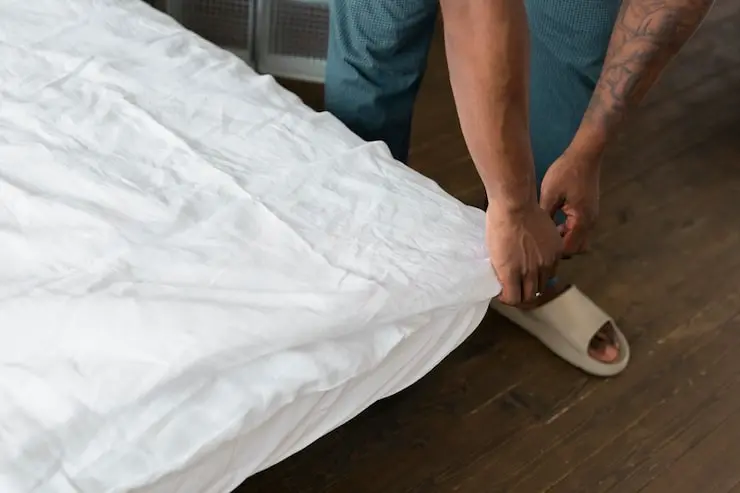
When it’s time to replace your mattress, one of the most common questions homeowners face is: how much does mattress removal cost? From DIY disposal to hiring a professional junk removal service, costs can vary significantly based on mattress size, location, and disposal method. In this guide, we’ll break down everything you need to know, including average prices, hidden fees, tips to save money, and how to get your mattress disposed of safely and responsibly. What Determines Mattress Removal Cost? The cost of mattress removal depends on multiple factors. Understanding these can help you budget appropriately and choose the best disposal method. 1. Mattress Size Mattresses come in various sizes, and larger mattresses are heavier and harder to handle. Here’s how size impacts removal cost: Mattress Size Average Removal Cost Twin $40 – $80 Full $50 – $90 Queen $60 – $120 King $80 – $150 Why it matters: Larger mattresses require more manpower and space for transportation, which drives up costs. 2. Location & Accessibility Where your mattress is located also affects the cost. Consider these factors: Apartment vs. House: Apartments may require elevators or stair carries, adding labor fees. City vs. Suburbs: Urban areas often have higher disposal fees due to landfill and recycling costs. Distance to Disposal Center: Longer travel for removal services may increase your price. 3. Disposal Method Your mattress can be disposed of in different ways: Professional Junk Removal Service: Convenient but comes at a higher price. DIY Recycling or Landfill Drop-off: Often cheaper, but requires time and effort. Donation Programs: Some charities accept gently used mattresses, sometimes free or for a nominal fee. 4. Additional Services Certain services can increase the cost: Same-Day Pickup: Immediate service often adds 20–50% more to your bill. Bulk Pickup: Removing multiple pieces of furniture simultaneously may be cheaper per item but has upfront costs. Removal from Upstairs or Difficult Locations: Extra labor fees apply. Average Mattress Removal Costs To help you budget, here’s a detailed breakdown of costs based on method and mattress type. Mattress Size DIY Drop-off Professional Removal Recycling Service Twin $20 – $50 $40 – $80 $30 – $60 Full $25 – $60 $50 – $90 $35 – $70 Queen $30 – $80 $60 – $120 $40 – $90 King $40 – $100 $80 – $150 $50 – $120 Pro Tip: Always call ahead to confirm pricing, as fees vary by city and service provider. DIY Mattress Removal: Pros and Cons If you’re looking to save money, DIY mattress removal might be a good option. However, it comes with its own challenges. Pros Lower Cost: Often just the landfill or recycling fee. Flexible Timing: You can remove the mattress at your convenience. Eco-Friendly Options: You can choose to recycle or donate. Cons Labor-Intensive: Lifting and transporting heavy mattresses can be physically demanding. Transportation Required: You need a vehicle capable of carrying a mattress. Disposal Rules: Some cities have strict regulations for mattress disposal. Tip: Many recycling centers require the mattress to be wrapped in plastic for hygiene purposes. Professional Mattress Removal: Pros and Cons Hiring a junk removal service is convenient but pricier. Pros Hassle-Free: Professionals do all the lifting, loading, and disposal. Fast Service: Same-day pickup is often available. Safe & Compliant: Services ensure proper disposal according to local regulations. Cons Higher Cost: $40–$150 depending on size and location. Scheduling Required: You may need to book in advance for the best rates. Hidden Fees: Extra charges for difficult access or bulk pickups. Tips to Reduce Mattress Removal Costs Even if you hire a professional, there are ways to lower your expenses. Schedule Pickup in Advance: Avoid same-day fees. Bundle Items: Combine with other furniture for a single service call. Check Local Recycling Centers: Some cities offer free or low-cost disposal. Donate if Possible: Charities sometimes pick up mattresses for free. Compare Quotes: Multiple junk removal companies may offer different rates. Hidden Fees to Watch Out For Many homeowners are surprised by additional charges. Here’s what to look for: Disposal Fees: Landfills or recycling centers may charge $10–$50 per mattress. Stairs & Difficult Access: Extra labor fees for apartments or upstairs bedrooms. Same-Day Service Fees: Up to 50% surcharge for urgent removal. Condition of Mattress: Wet, moldy, or damaged mattresses may incur extra charges. Eco-Friendly Mattress Disposal Proper disposal of mattresses is important for the environment. Here are eco-friendly options: Recycling Centers: Mattresses are separated into metal, foam, and fabric for recycling. Donation Programs: Nonprofit organizations may accept gently used mattresses. Retailer Take-Back: Some stores offer disposal when you buy a new mattress. Fact: Millions of mattresses end up in landfills each year, but recycling programs help reduce waste. Cost Comparison: DIY vs Professional Services Feature DIY Removal Professional Removal Cost $20 – $100 $40 – $150 Convenience Moderate High Labor Required High Low Eco-Friendly Options Limited by local centers High (recycling included) Scheduling Flexibility High Moderate Observation: DIY is cheaper but requires effort and planning. Professional services are more convenient, especially for large or heavy mattresses. Mattress Disposal Laws You Should Know Certain states or cities regulate mattress disposal to prevent environmental harm: California: Banned from landfills since 2010; must be recycled. New York City: Landfill disposal is prohibited; recycling or donation is required. Other Cities: Local ordinances may impose fees or require pickup by certified recyclers. Tip: Always check local rules before disposing of a mattress. Conclusion Mattress removal costs can range from $40 to $150, depending on mattress size, disposal method, and location. Whether you choose DIY disposal, professional services, or eco-friendly recycling, understanding these factors helps you save time, money, and effort. For residents in Fresno looking for reliable and hassle-free options, Junk Masterz offers top-notch mattress removal services in Fresno, handling everything from lifting and transportation to proper disposal. Our team ensures your mattress is removed safely, efficiently, and in compliance with local recycling regulations. Ready to get rid of your old mattress today? Schedule your mattress removal and enjoy a clean, clutter-free space! FAQs How much does

How to Dispose of Small Refrigerator the Right Way (Safe, Legal & Affordable Guide for 2025)

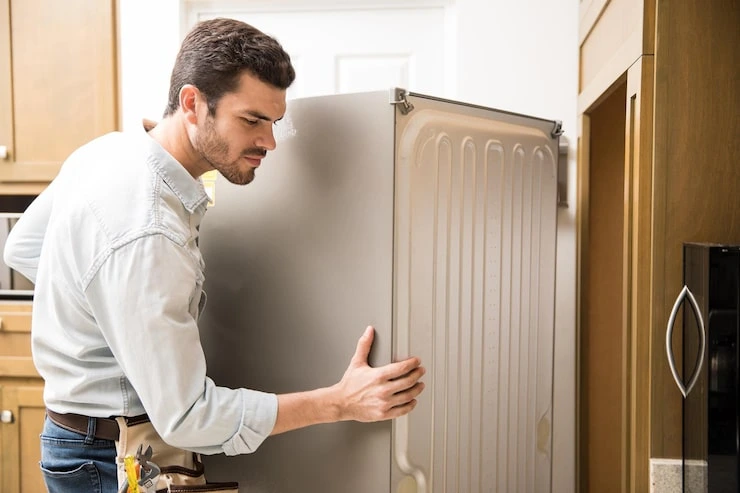
More than 9 million household appliances are thrown away in the U.S. every year, and a lot of them are small equipment like dorm fridges, workplace coolers, and mini refrigerators. But here’s something a lot of folks don’t know: getting rid of a tiny fridge is not the same as throwing away a microwave or a typical piece of trash. Even the smallest micro fridge has metals, insulation foam, and refrigerants that need to be handled in a certain way. You can’t just throw one in the trash or drag it to the curb. If you’re searching for how to dispose of small refrigerator, or want to know how to get rid of a mini fridge safely, legally, and without getting fined you’re in the right place. Prep Steps Before Disposal (Do These First) Before you decide how to dispose of mini fridge or where to take it, you need to prep the appliance. Proper preparation prevents leaks, mold, and mess and in some states, it’s legally required. Step 1: Unplug and Defrost Unplug the unit at least 12 to 24 hours before moving it. This allows ice in the freezer compartment to melt naturally. Place a towel underneath to catch dripping water. Step 2: Clean and Sanitize Remove all shelves and drawers. Wash with warm water and soap. This step is crucial if you plan to: Donate Sell Recycle A clean appliance has a much better chance of being accepted. Step 3: Remove or Tape the Door For safety especially for curbside pickups you must tape the door shut or remove it completely. Loose refrigerator doors are a major hazard for children and pets. Step 4: Inspect Power Cord and Exterior Damage Take note of: Loose wires Cracked plastic Rust Dents Mold smell These details help you determine if the unit is salvageable or if recycling is your only option. Test if the Mini Fridge is Still Working Not every small fridge is ready for the scrap heap test it first to see if it deserves a second life. Plug it back into a working outlet and let it run for 30-60 minutes. Listen for the low hum of the fan, check if it cools properly, and see if lights flicker on without issues. Watch for red flags like leaks, funky odors, poor door seals, loud buzzing, or random defrosting. Age matters too: under 5 years old? It might fetch $25-75 on resale. Between 6-10 years? Energy hogs, but possibly fixable. Over 10? Time to move on. A quick Google on your model number often reveals common fixes or recalls. This check helps decide between reuse or full disposal. Reuse Options: Donate, Sell, or Repurpose If your test shows it’s humming along, why trash it? Donating or selling turns clutter into cash or karma. Clean and working units under 10 years old appeal to students, apartments, or families in need. Donate locally: Drop at homeless shelters, churches, community centers, or college campuses they snap up mini fridges fast. Sell online: List on Facebook Marketplace, Craigslist, or Offer Up for $25-75, depending on size and condition. Snap clear photos and note “tested and working.” Give away free: Post in Fresno Buy Nothing groups or neighborhood apps; someone nearby always needs one. These steps for can i throw a mini fridge away responsibly extend its life and cut waste. Platforms like these move units quick, often same-day. Disposal Methods: The Complete Guide When reuse isn’t an option, pick a method that handles refrigerants legally. Here’s a breakdown tailored to California, with real 2025 costs for Fresno-area folks: Method Description CA/Fresno Cost Estimate Pros Cons Appliance Recycling EPA-certified centers drain Freon, recycle metals/plastics. Free-$30 drop-off ​ Eco-friendly, no hassle Must transport yourself Curbside Pickup City bulk waste days via waste management. $20-50 fee, schedule ahead Convenient Limited slots, prep required Retailer Haul-Away Best Buy/Home Depot during new buy or standalone. $25-100, often free with purchase ​ Pros handle everything Availability varies Junk Haulers Full-service pickup, recycling included. $75-150 for small fridge Door-to-door, eco-compliant Slightly higher cost Scrap Yards Metal value after Freon removal. $5-20 payout possible Earn a bit Need pro drain first For mini fridge recycling, always confirm Freon handling it’s illegal otherwise. In Fresno, curbside works for most, but haulers shine for stairs or heavy lifts. Legal Rules You Must Follow (EPA + State Laws) Dumping appliances willy-nilly? Big no in 2025. EPA bans unhandled refrigerants nationwide, mandating certified recovery to curb ozone damage. California amps it up: landfills reject fridges entirely, with fines up to $1,000 for illegal dumps. Can you throw a mini fridge in the dumpster? Absolutely not most complexes ban it due to hazards.​ Labeling matters too; some cities require “Freon” tags for pickup. Where to dispose of a refrigerator? Stick to certified spots. Violators face tickets, so skip the DIY refrigerant hacks they’re dangerous and void warranties. How to throw away a mini fridge legally boils down to pros who follow Clean Air Act rules. Stay compliant, and you’re golden. Why Choose Junk Masterz for Fresno Small Fridge Removal Living in Fresno or nearby? Junk Masterz junk removal makes disposing of a small refrigerator effortless. As local pros with years hauling appliances, we specialize in eco-friendly pickups Freon drained, 80% recycled. No hidden fees: a solo mini fridge runs $75-125, including labor and disposal. Our team arrives on time, handles the heavy lifting (even up stairs), and leaves your space spotless. We’ve cleared thousands of small fridges from garages, offices, and rentals without a hitch. David Harlan here I’ve overseen Fresno cleanouts for over a decade, ensuring every job meets CA regs. Ready? Get a free quote today at junkmasterzca.com or call (559) 908-2189. We beat big chains on price and service. Final Tips for Safe and Easy Mini Fridge Disposal Nail it with this at-a-glance list for how do I dispose of a fridge: Unplug 24+ hours, defrost fully. Clean inside/out, remove shelves/door. Test function; reuse if possible. Choose recycling/hauler over dumpster. Schedule

How Much Does Junk Removal Cost? [2026 Complete Pricing Guide + Calculator]

Getting rid of unwanted items from your home shouldn’t feel like solving a puzzle. Yet, many people find themselves confused when trying to figure out what they’ll actually pay for junk removal services. Whether you’re clearing out your garage after years of accumulation, finally getting rid of that old couch, or tackling a complete home cleanout, understanding the costs helps you budget properly. The pricing can vary wildly based on what you’re tossing, how much space it takes up, and where you live. Most homeowners spend between $150 and $450 for typical junk removal jobs in 2026. But that’s just the starting point. Some projects might only cost $75, while others can reach $850 or more. Let’s break down exactly what you’ll pay and why. How Much Does Junk Removal Cost? Quick Answer Junk removal pricing in 2026 ranges from $70 to $850, depending on volume and item type. Here’s what most people pay: Single item removal: $70–$150 Quarter truck load: $120–$200 Half truck load: $200–$450 Three-quarter load: $400–$600 Full truck load: $600–$850 National average: $150–$450 The cost of junk removal depends on three main factors: how much stuff you have, what type of items need removal, and your location. Companies typically charge based on how much space your junk takes up in their truck, not by the hour. 2026 Junk Removal Cost Breakdown Understanding the pricing structure helps you avoid surprises when the truck arrives. Costs by Load Size Professional junk removal companies measure loads in cubic yards. A standard pickup truck holds about 2-3 cubic yards, while a full-size junk removal truck can fit 13-17 cubic yards. Quarter Load (3–5 cubic yards): $120–$200. Ideal for a couch, dining table, or a few trash bags. Best for small cleanouts or single-room projects. Half Load (5–10 cubic yards): $200–$450. Fits an entire bedroom set, multiple appliances, or yard debris. Handles most standard home projects. Full Truck (13–17 cubic yards): $600–$850. Holds contents of a two-bedroom apartment. Suitable for major cleanouts, estate clearing, or post-renovation debris. Furniture Removal Pricing Getting rid of old furniture represents one of the most common junk removal needs. A standard couch costs $100-$200 to remove, while sectional sofas run $175-$350 depending on the number of pieces. Mattress disposal costs $80-$160 per piece. Many states require special recycling for mattresses, which adds to the expense. Dressers and chest of drawers cost $75-$150 each. Large items like armoires and entertainment centers run $100-$250. The weight and difficulty of moving these pieces influences the final price. Dining tables cost $100-$200, while dining chairs run $25-$50 each. Appliance Removal Costs Old appliances need careful disposal due to refrigerants, heavy metals, and electronic components. Refrigerator removal costs $50-$150, with chest freezers running slightly higher at $100-$200 due to their size. Washing machines and dryers cost $75-$200 each. Water heaters run $90-$200 for removal. Dishwashers typically cost $75-$150. Hot tubs represent a major removal challenge, costing $200-$600 depending on size and access. The crew needs to drain, dismantle, and haul away heavy fiberglass or acrylic components. Debris and Construction Waste Construction debris removal costs $100-$800 per truckload. The price varies based on material type and weight. Light materials like drywall and insulation cost less than heavy concrete or tile. Yard waste removal runs $150-$190 per ton. This includes branches, leaves, soil, and general landscaping debris. Many areas offer seasonal pickup for yard waste, which can save you money. Carpet and rug removal costs $70-$280 per room. The price depends on carpet thickness, padding, and whether tack strips need removal. Electronics Disposal Electronics contain hazardous materials that require special handling. TV removal costs $75-$150 for larger models. Desktop computers run $50-$100, while laptops cost $30-$75. Printers cost around $50-$100 to dispose of properly. Many junk removal services include small electronics like phones and tablets in their standard pickup fee. How Location Affects Junk Removal Costs Where you live significantly impacts your final bill. Urban areas typically charge 10-20% more than rural locations due to higher operating costs and disposal fees. Regional Price Variations West Coast cities like Los Angeles and Seattle show the highest average costs at $450-$1,000 for full loads. New York City and other Northeast metros run similarly high, with full trucks costing $500-$1,000. Midwest cities like Chicago and St. Cloud offer more moderate pricing, with full loads running $300-$700. Southern cities like Houston and Atlanta fall somewhere in the middle at $350-$650. Disposal Fee Differences Landfill tipping fees vary dramatically by region. Some areas charge $40 per ton, while others charge $120 or more. These fees directly impact what junk removal companies charge you. States with strict environmental regulations often have higher disposal costs. California, Massachusetts, and Washington tend to charge more due to stricter recycling requirements and limited landfill space. Access and Location Challenges Your property’s accessibility affects labor costs. First-floor pickups with easy truck access cost less than jobs requiring stair climbing or navigating tight hallways. Apartments above the third floor might incur a $50-$100 surcharge per floor. Narrow staircases, tight corners, and elevator usage all add time and difficulty to the job. Rural properties far from disposal facilities might face distance fees. Some companies charge extra for travel beyond their standard service area. Hidden Junk Removal Costs to Watch For Many homeowners get surprised by additional charges that weren’t mentioned in the initial quote. Knowing these potential fees helps you budget accurately. Stair Fees Moving heavy items down stairs takes extra time and increases injury risk. Companies typically charge $25-$100 for stair fees, depending on the number of floors and item weight. A single couch down one flight might add $25-$50, while moving a piano down three flights could add $100 or more. Heavy Item Surcharges Items over 100 pounds often carry extra fees. Pianos cost $200-$500 to remove, with grand pianos at the higher end. Safes run $150-$400 depending on size and weight. Pool tables require disassembly and careful handling, costing $200-$400 for removal. Exercise equipment like treadmills and weight benches might add $50-$150 to

Cheapest Ways to Get Rid of Junk

Your garage is packed, the basement is overflowing, and boxes are creeping into the hallway. If that sounds familiar, you’re not alone. The average American home holds more than 300,000 items, many of which haven’t been used in years. Over time, clutter builds quietly until it starts costing you space, time, and peace of mind. The hardest part isn’t realizing you have too much stuff. It’s figuring out how to get rid of it without hurting your wallet or your back. After spending the last ten years helping families declutter, downsize, and prepare for major life changes, one thing is clear: there’s no single solution that works for everyone. The best way to get rid of junk depends on your budget, how quickly you need it gone, and how much physical work you can handle. In this guide, you’ll find 11 proven methods, ranging from completely free options to full-service professional help, with clear breakdowns of cost, time, and best use cases so you can choose a plan that actually fits your situation. What You Need to Know Before You Start Before diving into specific methods, let’s establish some baseline knowledge that will help you make informed decisions. Understanding Your Options Getting rid of junk boils down to three main approaches: DIY Methods: You handle everything yourself, from sorting to hauling to disposal. These options cost little to nothing but require significant time and physical effort. Best for people who are able-bodied, have access to a vehicle, and aren’t in a rush. Affordable Services: A middle ground where you might fill a bag or dumpster yourself, but professionals handle the heavy lifting and disposal. Costs typically range from $50-$300 and offer a good balance of savings and convenience. Full-Service Solutions: Professionals do everything from loading to hauling to disposal. You simply point at what goes, and they make it disappear. Expect to pay $300-$600 for average projects, but you’ll save your time, back, and sanity. The Real Cost of Junk Removal Let’s talk numbers. Here’s what you can expect to pay: Method Type Average Cost Time Required Best For Free DIY $0-$50 2-6 hours Small amounts, patient people Budget-Friendly $50-$200 1-4 hours Moderate amounts, some DIY ability Professional Service $300-$600 1-2 hours Large volumes, convenience priority But cost isn’t just about money. Consider these hidden factors: DIY hauling costs $60-$110 in hard dollars (truck rental plus dump fees), but requires 4-8 hours of heavy physical labor. If you value your time at $25 per hour, that’s really $160-$310 total cost. Professional services might seem expensive at $400, but when you factor in the time saved, no physical strain, and guaranteed completion, many people find it’s actually the better value. What Type of Junk Do You Have? Not all junk is created equal. Your disposal method often depends on what you’re getting rid of: General Household Items: Furniture, boxes, clothes, toys, books, kitchen items. These are the easiest to dispose of through almost any method. Large Appliances: Refrigerators, washers, dryers, dishwashers. Many require special handling, especially items with refrigerants. Some retailers offer free removal with new appliance delivery. Electronics (E-Waste): Computers, TVs, monitors, printers, phones. These contain toxic materials and valuable metals. Many states ban them from regular trash. Free recycling is widely available. Yard Waste: Branches, leaves, old outdoor furniture, planters. Often accepted in yard waste pickup or compost facilities. Some communities offer free seasonal collection. Hazardous Materials: Paint, chemicals, batteries, fluorescent bulbs, automotive fluids. These require special disposal through municipal hazardous waste programs. Never put these in regular trash. Construction Debris: Drywall, flooring, lumber, fixtures, concrete. Usually measured by weight (tons) rather than volume. Requires special construction and demolition facilities. Important: Some items require special disposal methods due to environmental regulations. Never dispose of hazardous materials with regular trash. Penalties range from $500-$5,000 for illegal dumping. Top 11 Cheapest Ways to Get Rid of Junk Here are ten actionable, budget-friendly strategies to declutter your home or office while saving money. Method #1: Post Items for Free on Facebook Marketplace & Craigslist   I’ve used this method dozens of times, and it’s honestly magical how quickly people will come grab things you’re about to throw away. Last month, I posted a worn sofa, and within two hours, three people had messaged me. It was gone by that afternoon. How to do it right: Take clear photos from multiple angles in good lighting. People won’t pick up items they can’t clearly see. Write honest descriptions including exact dimensions and any flaws. “Blue sofa, 7 feet long, small stain on right cushion” works better than just “free sofa.” Use magic keywords: “Free – curb pickup” or “Free – must pick up today” signal that you’re serious and in a hurry. List everywhere: Facebook Marketplace, Craigslist, and local Facebook groups. More eyes = faster removal. Set it outside: Tell people to grab it from your porch or driveway. You avoid scheduling hassles and having strangers enter your home. What actually works: Based on my experience and tracking 200+ successful giveaways in our local community, here’s what disappears fastest: Furniture in decent condition (even with minor wear) Working appliances (even older models) Building materials (people love free lumber and doors) Kids’ items (toys, equipment, furniture) Exercise equipment (treadmills, weights, bikes) Functional electronics (older TVs, computers, speakers) Reality check: About 40% of people who say “I’ll pick it up today” never show up. This is frustrating but normal. Just keep the listing active and move on to the next person. Method #2: Join Buy Nothing Groups & Freecycle Networks If Facebook Marketplace is the wild west of free stuff, Buy Nothing groups are the friendly neighborhood gathering. I’ve been part of my local Buy Nothing group for three years, and it’s changed how I think about disposal entirely. Getting started: Find your group: Search Facebook for “Buy Nothing [Your Neighborhood]” or visit TheBuyNothingProject.org. Most urban and suburban areas have active groups. Join Freecycle too: Visit Freecycle.org and find your local network. It’s similar but

Color Palette