
Bacon is a beloved breakfast staple, but the greasy residue it leaves behind can create headaches if not disposed of properly. Pouring bacon grease down the sink may seem convenient, but it can clog pipes, attract pests, and even harm the environment. Understanding how to dispose of grease from bacon is essential for every household.
In this guide, we’ll walk you through practical and safe ways to handle bacon grease. From storage and repurposing to environmentally responsible disposal methods, you’ll gain tips that protect your plumbing and contribute to a cleaner home. We’ll also answer common questions like how to dispose of old bacon grease and how to properly dispose of bacon grease in ways that won’t harm your home or surroundings.
Whether you’re cooking for your family or managing kitchen waste responsibly, these insights will make bacon cleanup stress-free. And for residents needing extra help, Junk Masterz provides services to handle greasy or kitchen waste safely, keeping your home tidy and efficient.
Why Proper Bacon Grease Disposal Matters
1.1 The Plumbing Risks of Pouring Grease Down the Sink
Many people make the mistake of pouring leftover bacon grease down the kitchen drain. While it may seem harmless, grease solidifies as it cools, creating blockages in your pipes. Over time, these clogs can cause costly plumbing repairs.
1.2 Environmental Impact
Bacon grease is not biodegradable in large quantities. When it enters water systems, it can harm aquatic life and pollute rivers and lakes. Responsible disposal helps reduce environmental damage.
1.3 Health Considerations
“Improper storage or disposal of bacon grease can attract bacteria, mold, and pests, creating an unhygienic kitchen environment. By following safe disposal practices recommended by Junk Masterz, you can maintain a cleaner, healthier, and safer home.
How to dispose of grease from bacon?
Safe Methods for Disposing of Bacon Grease
Whether you’re cooking for your family or entertaining guests, following safe disposal practices keeps your kitchen mess-free and stress-free
2.1 Reuse for Cooking
Instead of throwing it away, consider reusing bacon grease. Filter it through a fine strainer or cheesecloth to remove solid bits, then store it in a clean container in the refrigerator. Reused bacon grease adds flavor to vegetables, eggs, and even popcorn.
2.2 Solidifying and Trash Disposal
One of the safest ways to dispose of bacon grease is to let it cool and solidify. Once solid, scrape it into a disposable container or wrap it in foil and place it in your trash. This method prevents spills and keeps your garbage contained.
Step-by-Step:
-
Pour grease into a heatproof container.
-
Allow it to cool and harden.
-
Seal the container and dispose of it with your regular trash.
2.3 Use Absorbent Materials
For small amounts of grease, you can soak it up with paper towels, coffee grounds, or sawdust. Once absorbed, dispose of it in the trash.
2.4 Recycling Options
Some municipalities accept cooking oils and grease for recycling or conversion into biofuel. Check local guidelines to see if how to dispose of bacon grease properly includes drop-off points for household fats.
2.5 Composting Considerations
While small amounts of grease can be composted in certain systems, large quantities are not recommended because they can attract pests and create odor issues. Always mix with high-carbon materials like leaves or cardboard.
Also Read: How Junk Removal Works
Common Mistakes to Avoid
3.1 Pouring Down the Drain
Never pour bacon grease into sinks, toilets, or storm drains. This leads to clogs, sewer backups, and environmental pollution.
3.2 Using Plastic Bottles Unsafely
Avoid pouring hot grease directly into plastic bottles—it can melt the container or cause burns. Always allow grease to cool slightly before transferring.
3.3 Forgetting Proper Storage
Leaving grease uncovered or at room temperature can lead to bacterial growth. Always store reused grease in a sealed, clean container in the fridge.For households with larger amounts of grease, old cooking oils, or other tricky waste, professional services can provide peace of mind.
Junk Masterz, with my residential junk removal, ensures that grease, appliances, and bulky kitchen items are handled safely, efficiently, and in an environmentally responsible manner.
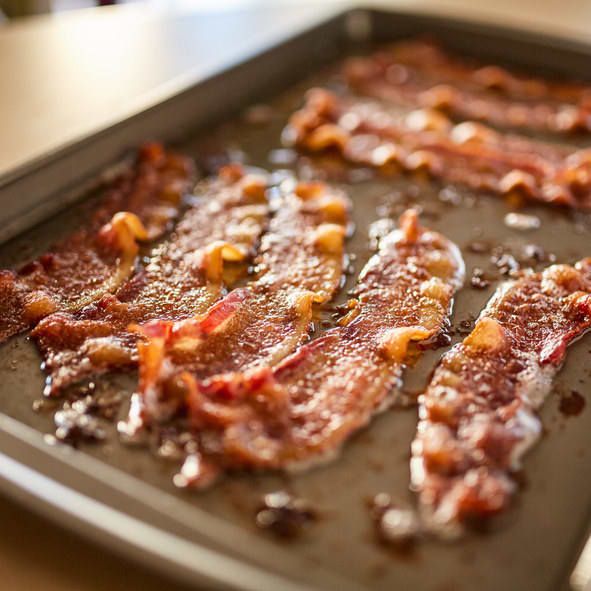
Creative Ways to Repurpose Bacon Grease
-
Cooking – Adds flavor to eggs, sautéed vegetables, and roasted potatoes.
-
Bird Feeders – Mix with seeds to create a high-energy treat for birds during winter.
-
Soap Making – Homemade soaps can include animal fats like bacon grease.
-
Seasoning Cast Iron – Use cooled bacon grease to season your cast iron cookware for a natural, non-stick layer.
These repurposing methods reduce waste while giving bacon grease a second life.
Professional Help for Kitchen Waste
Sometimes, disposing of large amounts of bacon grease, cooking oils, or other kitchen waste can become overwhelming, especially after cooking for events, holidays, or during home renovations. Attempting to handle this yourself may lead to spills, clogged drains, or even injury.
This is where professional help becomes invaluable. Companies like Junk Masterz, with residential junk removal, specialize in safely removing greasy waste, old appliances, and bulky kitchen items. Their team is trained to handle materials that are otherwise difficult to dispose of, ensuring that your home stays clean, sanitary, and free of hazards.
Benefits of using professional services include:
-
Safe Handling: Experts use proper containers and protective equipment to manage hot or heavy grease safely.
-
Time-Saving: Professionals can remove large quantities quickly, allowing you to focus on other household tasks.
-
Environmental Responsibility: Junk removal services often recycle or dispose of kitchen waste following local environmental guidelines, reducing pollution.
-
Preventing Plumbing Damage: By professionally removing grease and oils, you avoid costly plumbing repairs caused by clogs and backups.
Even if you normally handle kitchen cleanup yourself, having a professional team for occasional large-scale disposal can save money, time, and stress while keeping your household safe and eco-conscious.
Conclusion
“Properly disposing of bacon grease is more than just a kitchen habit—it’s an essential step in protecting your plumbing, your home, and the environment. Knowing how to dispose of grease from bacon safely prevents clogged pipes, foul odors, and environmental contamination.
By following safe methods such as:
-
Reusing cooled grease in cooking,
-
Solidifying grease and placing it in sealed containers for trash disposal, or
-
Recycling through local programs where available,
you can manage your kitchen waste responsibly and effectively.
Taking these small, mindful steps has a big impact. Proper grease disposal prevents plumbing issues, reduces environmental harm, and keeps your home hygienic. It also teaches safe kitchen practices that benefit your family and community.
Remember, every time you cook bacon or other greasy foods, implementing these disposal methods can make your kitchen safer, cleaner, and more sustainable. Start today, and enjoy the satisfaction of a home where safety, efficiency, and environmental responsibility come together seamlessly.
FAQs
Q1: How to properly dispose of bacon grease?
A: Let it cool, solidify, and dispose of it in a sealed container with your trash, or reuse it in cooking for added flavor.
Q2: Can I pour bacon grease down the sink?
A: No. Pouring grease down drains can cause clogs and plumbing issues. Always use alternative disposal methods.
Q3: How to dispose of old bacon grease?
A: If the grease is old or rancid, place it in a sealed container and throw it in the trash. Avoid composting or reuse.
Q4: Are there eco-friendly ways to dispose of bacon grease?
A: Yes. Some recycling centers accept used cooking fats for conversion into biofuel. Small amounts can also be composted properly.
Q5: Can bacon grease be reused for cooking?
A: Absolutely! Strain and store cooled grease in the fridge to use later. It enhances flavor in a variety of dishes.