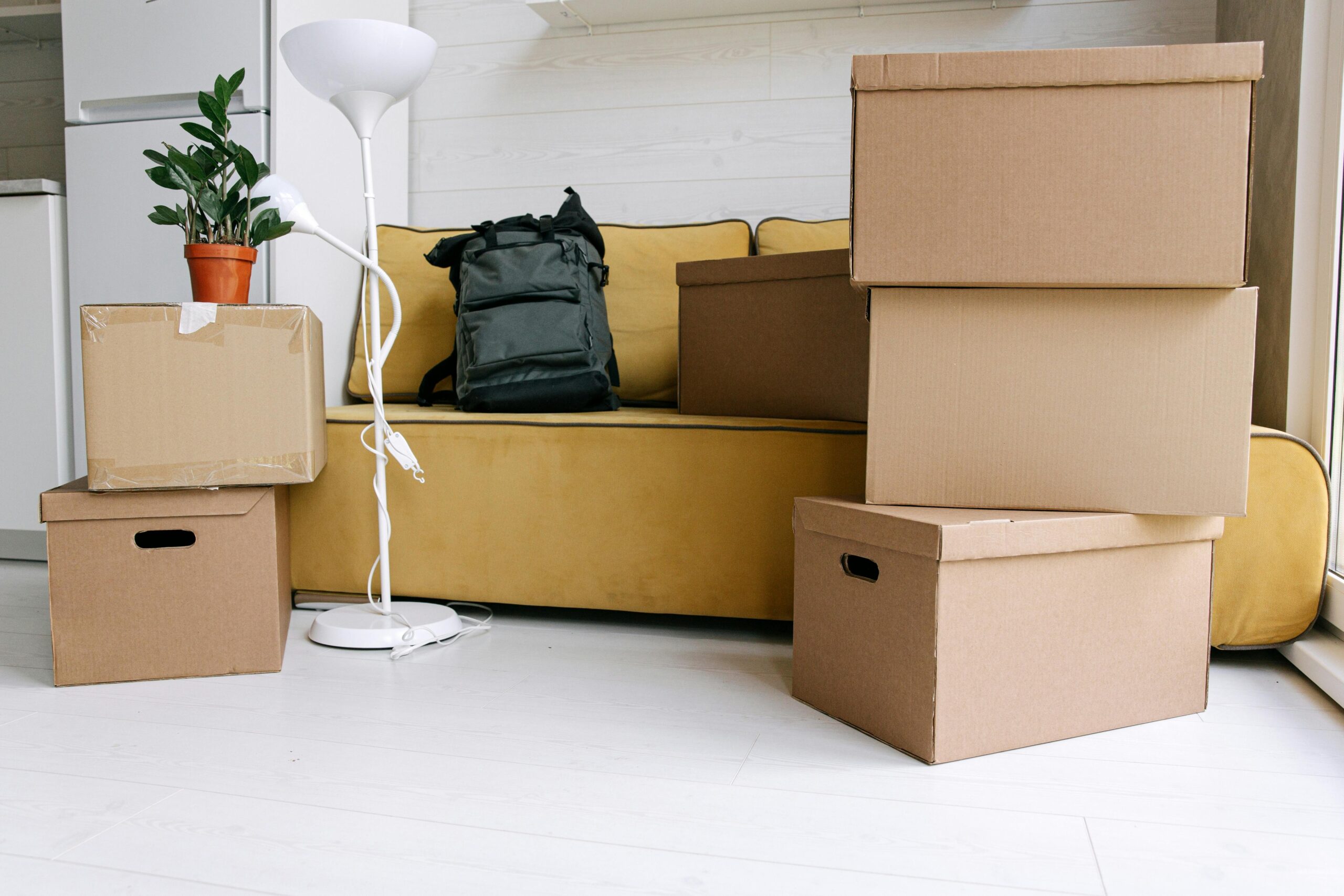
Every home eventually accumulates items that are too large to fit into regular trash bins. Old sofas, broken appliances, worn-out mattresses, and renovation debris often create a common problem for homeowners: how to get rid of them properly. These oversized objects are commonly referred to as bulky items in waste management. Many people search online to understand what are bulky items, how to dispose of bulky items, or how to throw away large items without violating local waste regulations. Unlike regular household garbage, bulky items require special handling because of their size, weight, and sometimes the materials they contain. If they are not disposed of correctly, they can create environmental problems and take up valuable landfill space. Understanding bulky waste is important not only for maintaining a clean home but also for protecting the environment and following local disposal guidelines. Many municipalities offer bulk pickup services, recycling programs, or designated disposal facilities for large items. In this guide, you will learn exactly what is bulky items, common examples of bulky waste, why these items cannot be placed in regular trash bins, and the most responsible ways to dispose of them safely. What Is Bulky Items? Bulky items are large household or commercial objects that are too big, heavy, or inconvenient to be collected through regular garbage services. Because of their size and weight, these items require special collection, recycling, or disposal procedures. In most waste management systems, bulky items are categorized separately from everyday trash. Standard garbage trucks are designed to collect bagged household waste, but oversized objects can damage equipment or slow down collection routes. As a result, municipalities often provide scheduled bulky waste pickup services or require residents to transport these items to designated disposal facilities. Bulky items may come from everyday household use, home renovation projects, or office upgrades. Items such as furniture, appliances, mattresses, and construction materials are commonly classified as bulky waste. Understanding this classification helps individuals dispose of these objects responsibly and avoid illegal dumping. What Are Bulky Items? Common Examples Bulky items can vary depending on local waste management regulations, but they generally include large objects that cannot fit into regular garbage containers. These items usually require special handling because they are difficult to transport and process. Household Furniture Furniture is one of the most common types of bulky waste found in homes. Over time, furniture becomes worn out, damaged, or replaced with newer pieces, leading to the need for disposal. Large furniture items such as sofas, couches, dining tables, wardrobes, and bed frames are considered bulky because they are heavy and difficult to move. These items often cannot fit into standard waste bins, and their size makes them unsuitable for regular garbage collection. Many people choose to donate usable furniture to charities or thrift stores. However, when furniture is broken or unusable, it must be disposed of through bulky waste services or recycling facilities. Large Appliances Household appliances are another common category of bulky items. Appliances such as refrigerators, washing machines, dryers, ovens, and dishwashers are large, heavy, and often contain recyclable metals and components. These appliances require careful disposal because some contain refrigerants or electrical components that must be handled according to environmental regulations. Many recycling centers accept old appliances and recover valuable materials such as steel, copper, and aluminum. Proper disposal of large appliances helps reduce environmental impact and allows valuable materials to be reused in manufacturing. Also Read: How to dispose of old household appliances Mattresses and Carpets Mattresses and carpets are frequently replaced during home renovations or when homeowners upgrade their bedding and flooring. Because of their size and materials, these items are classified as bulky waste. Old mattresses and box springs take up a large amount of landfill space if they are not recycled properly. Some recycling facilities break down mattresses into foam, fabric, and metal springs for reuse. Carpets and rugs are also bulky due to their length and weight. During flooring replacement projects, large sections of carpet may need to be removed and disposed of through specialized waste services. Also Read: Average cost to remove carpet Construction and Renovation Debris Home improvement projects often generate bulky construction materials that cannot be placed in regular trash bins. These materials may include concrete pieces, cabinets, wood panels, drywall, bathtubs, and large fixtures. Construction debris is typically heavy and may require special transportation to disposal or recycling facilities. In many cases, homeowners hire professional construction debris removal services, and Junk Masterz provides expert solutions for handling large renovation waste safely and efficiently. Why Bulky Items Cannot Be Collected With Regular Trash There are several reasons why bulky items cannot be disposed of through regular garbage collection services. Waste management systems are designed to handle everyday household waste, not oversized objects. Size and Weight Limitations Garbage trucks are built to collect bagged waste from standard containers. Large items such as couches or appliances can be too heavy or too large for the automated collection systems used by most municipalities. Attempting to dispose of bulky items in regular trash bins can damage waste collection equipment and slow down the waste collection process. Environmental Regulations Many bulky items contain materials that require special handling. Appliances may contain refrigerants or electrical components, while treated wood or certain construction materials may require regulated disposal. Proper handling ensures that hazardous substances do not harm the environment. Landfill Space Management Bulky items take up a significant amount of landfill space. Cities and waste management authorities encourage recycling and responsible disposal to reduce the volume of large waste materials entering landfills. By separating bulky waste from regular garbage, municipalities can improve recycling efforts and manage landfill capacity more efficiently. How to Dispose of Bulky Items Properly Understanding how to dispose of bulky items is important for maintaining a clean environment and complying with local waste regulations. Several responsible disposal options are available. Municipal Bulk Pickup Services Many cities offer scheduled bulky waste pickup programs. Residents can request special collection for large items such as furniture,
- (559) 908-2189
- junkmasterz@yahoo.com
- Fresno, CA 93725
- (239)-543-217-0108