Recycle

Complete Foreclosure Clean Outs Guide: Costs, Tips, and Preparation

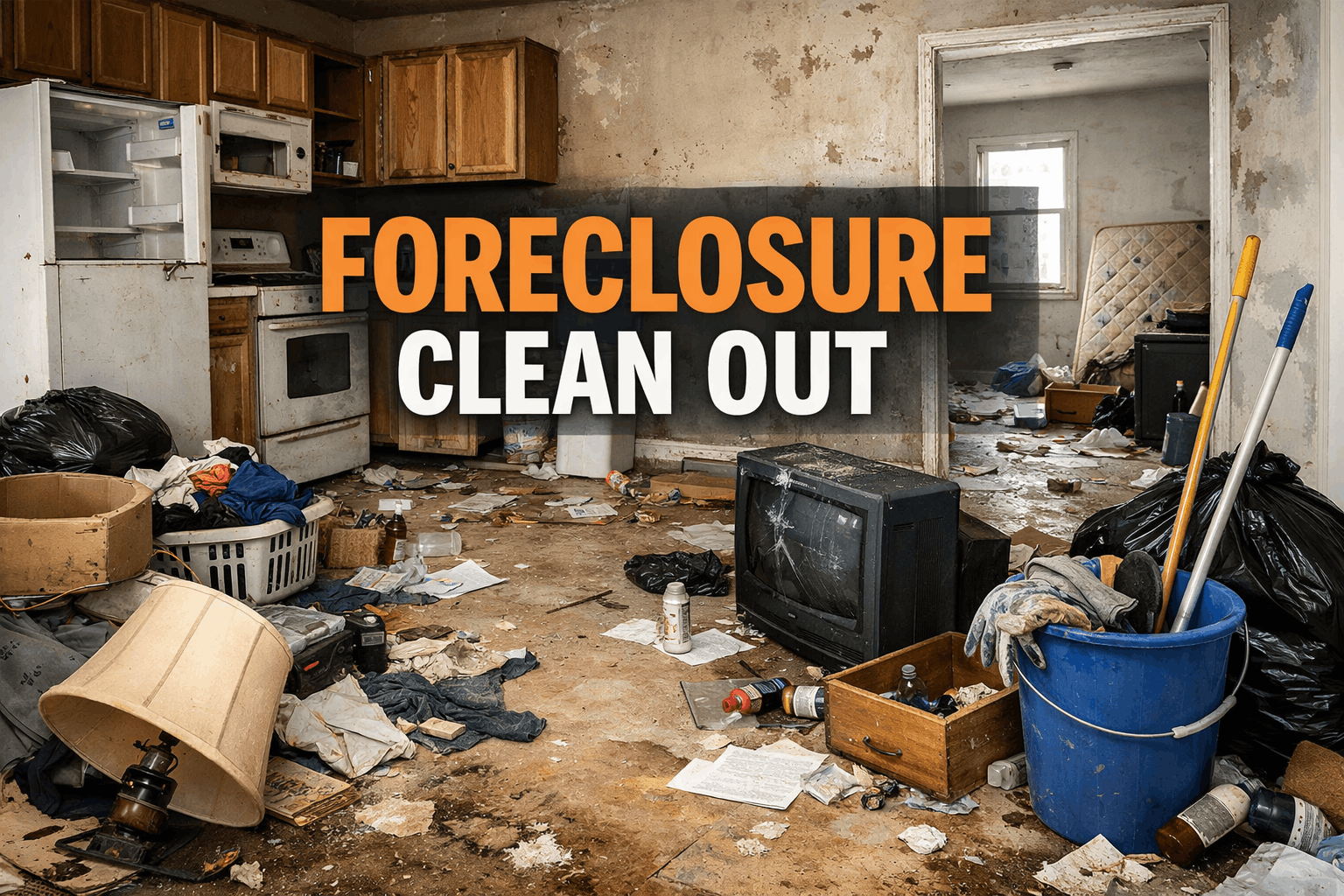
Facing a foreclosure is stressful, both emotionally and financially. Amid the paperwork, legal steps, and financial decisions, the physical state of the property can often be overlooked. A proper foreclosure clean outs can not only make the house more marketable but may also streamline negotiations with lenders, real estate agents, and potential buyers. This guide will walk you through everything you need to know about foreclosure cleanup and foreclosure preparation cleaning, from understanding the process to estimating costs and avoiding common mistakes. Whether you’re a homeowner, investor, or real estate professional, these practical tips will ensure a smoother transition through a challenging situation. What is a Foreclosure Clean Out? A foreclosure clean-out refers to the process of clearing a property of personal belongings, debris, and potential hazards after a foreclosure notice. Unlike standard home cleaning, it often involves heavy-duty cleanup, including junk removal, deep cleaning, and sometimes minor repairs to make the property safe and appealing. Why Foreclosure Clean Outs Are Important Proper foreclosure cleanouts are about more than just removing junk — they directly impact safety, property value, legal compliance, and the ease of preparing a home for sale or renovation. Safety and Hygiene Foreclosed homes are often left vacant for extended periods, which can lead to the buildup of trash, mold, pests, or other hazards that pose health risks to anyone entering the property. According to housing quality standards set by the U.S. Department of Housing and Urban Development (HUD), properties must be free from health and safety hazards — including excessive trash, rodent infestations, or structural issues — to be considered decent and safe. Ensuring a thorough cleanout aligns with these principles of maintaining a safe, habitable environment. Market Appeal A clean, well‑cleared home attracts more potential buyers and investors. Properties cluttered with debris or personal belongings can deter interest and lower offers. By removing all unwanted items and presenting a clean space, sellers and realtors improve the chances of a faster sale at a better price. Legal Compliance  Some lenders and local jurisdictions require a property to be cleared and cleaned before ownership transfer or listing. This helps ensure that the home meets local maintenance codes and environmental guidelines before any repairs or sales take place. Preparation for Repairs or Renovation A cleared space allows inspectors, contractors, and renovators to assess the property accurately. Without leftover debris or clutter, they can evaluate the home’s key systems and structure — such as electrical, plumbing, roofing, and foundation — without obstruction or guesswork. According to This Old House, decluttering and organizing rooms before an inspection helps professionals move freely and conduct a more thorough evaluation, reducing the chance of missed issues or costly surprises later on. Step-by-Step Foreclosure Clean Out Process   Cleaning a foreclosed property can feel overwhelming, but breaking it into stages makes the process manageable. 1. Assessment and Planning Walk through the property to identify all items and potential hazards. Create a list of items to keep, donate, recycle, or dispose of. Consider hiring a professional for large or heavily damaged properties. 2. Decluttering and Removal Remove personal belongings, furniture, appliances, and trash. Decide which items can be donated to local charities or sold. Properly dispose of hazardous materials like chemicals, paint, or old electronics. 3. Deep Cleaning Sweep, mop, and vacuum floors. Clean walls, windows, and surfaces. Address mold, water damage, or pest infestations. Use professional-grade cleaners for tough stains or biohazards. 4. Final Inspection and Touch-Ups Walk through the property to ensure all areas are clean and safe. Patch holes, repaint if necessary, and replace broken fixtures. Document the condition with photos to provide proof for lenders or buyers. A well-executed foreclosure preparation cleaning ensures the property is ready for sale or occupancy while protecting its value. Foreclosure Cleanout Costs The cost of a foreclosure clean-out varies depending on property size, level of clutter, and professional services. Factors That Affect Cost Property Size: Larger homes naturally require more time and resources. Condition: Extensive trash, water damage, or pest issues increase costs. Service Level: DIY cleaning saves money, but hiring professionals ensures thorough results. Typical Cost Ranges Small homes or condos: $300–$800 Medium-sized homes: $800–$1,500 Large or heavily damaged properties: $1,500–$3,000+ Tips for Reducing Costs Remove items yourself before hiring a professional. Donate usable furniture or appliances. Obtain multiple quotes from trusted foreclosure cleanout services. Understanding home cleaning costs upfront helps homeowners and investors plan effectively and avoid unexpected expenses during the foreclosure process How to Get a House Out of Foreclosure A clean property is only one part of the solution. Addressing the legal and financial side is equally important. 1. Explore Loan Modification or Repayment Plans Contact your lender to discuss options for preventing foreclosure. Demonstrating a well-maintained property can strengthen your case. 2. Consider Selling the Property Selling before foreclosure can help pay off the mortgage and prevent credit damage. A clean and prepared house is more likely to sell quickly and at a better price. 3. Work with Professionals Real estate agents specializing in foreclosure sales can provide guidance. Licensed foreclosure cleanup services ensure residential cleanouts, property readiness, and compliance. By combining financial strategies with property preparation, homeowners improve their chances of getting the house out of foreclosure successfully. Tips and Best Practices for Efficient Foreclosure Clean Outs Prioritize Safety: Wear protective gear and handle hazardous materials carefully. Organize Items: Separate trash, donations, resale, and hazardous materials. Hire Trusted Professionals: Check licensing, reviews, and insurance. Consider working with reputable foreclosure cleanup or  Certified junk removal companies that specialize in residential cleanouts. Document Everything: Take photos and maintain receipts for accountability and proof. These best practices make the process smoother, faster, and more cost-effective while reducing risks. Common Mistakes to Avoid During Foreclosure Cleanouts Ignoring Hazardous Materials: Chemicals, mold, or asbestos can cause serious health risks. Skipping Deep Cleaning: Surface cleaning is not enough; thorough preparation is essential. Not Budgeting Properly: Unexpected issues can drive costs higher if not planned. Delaying the Process: The longer the property sits uncleaned, the harder

How Much Does Post Construction Cleaning Cost? A Complete Guide for Homeowners

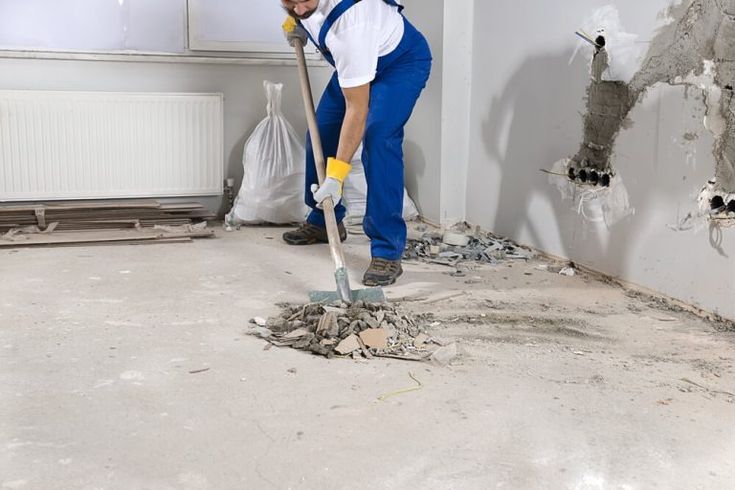
After finishing a renovation or construction project, your space may look great—but it’s far from clean. Dust, debris, and leftover materials can make your property unsafe and messy. That’s where post-construction cleaning comes in. But the big question is: how much does post construction cleaning cost? Understanding post construction cleaning pricing, using tools like a post construction cleaning calculator, and reviewing a detailed post construction cleaning price list can help you budget effectively and avoid unpleasant surprises. In this guide, we will break down all the factors affecting post construction cleaning costs, provide average pricing, explain how to estimate costs using calculators, and answer the most frequently asked questions. What Is Post Construction Cleaning? Post construction cleaning is a specialized service that removes dust, debris, and leftover materials from a construction site. Unlike regular cleaning, construction cleaning requires extra care and professional tools to handle heavy dust, leftover paint, nails, and other hazards. This service ensures your property is safe, hygienic, and visually appealing after renovations or new construction. Whether you’re managing a small home project or a large commercial build, understanding the construction cleanup cost is crucial for budgeting. Average Post Construction Cleaning Cost The cost of post-construction cleaning mainly depends on two things: the size of your property and how much cleaning is required after the project. A small renovation with light dust will cost much less than a full construction site with heavy debris. Typical price range: $300 to $800 for small projects(like a single room remodel or minor renovation) $800 to $2,500 for medium homes(standard houses after renovation work) $2,500+ for large or commercial spaces(big homes, offices, or newly built properties) These are average estimates, and actual costs may vary based on location and service level. Factors That Affect Construction Site Cleaning Price The cost of construction cleanup can vary widely depending on several factors. Here’s a breakdown of the main elements that influence pricing: 1. Size of the Property Larger properties require more time, labor, and equipment to clean. A small residential home will typically cost less than a commercial building or large apartment complex. 2. Type of Construction Different types of construction generate different amounts and types of debris. New construction may involve drywall dust, paint splatters, and leftover materials, while renovation projects often include old fixtures, flooring debris, and hazardous materials. 3. Level of Cleaning Required Post construction cleaning is often divided into three levels: Rough Cleaning: Removes large debris, trash, and leftover construction materials. Intermediate Cleaning: Includes sweeping, vacuuming, dusting, and basic cleaning of surfaces. Final Cleaning: Deep cleaning, polishing surfaces, sanitizing bathrooms, and preparing the property for occupancy. After construction, it’s important to follow proper cleaning and disinfecting practices recommended by the Centers for Disease Control and Prevention to maintain a healthy indoor environment. The more thorough the cleaning, the higher the construction site cleaning price. 4. Labor and Equipment Costs Professional cleaning companies bring specialized tools, vacuums, and cleaning solutions. Labor costs, including the number of cleaners and hours required, directly affect pricing. 5. Location Prices may vary depending on your city or region. Urban areas with higher living costs often have higher post construction cleaning rates compared to smaller towns or rural areas. You May Also Read: How Much Cost Of  Construction Debris Removal  Why Post Construction Cleaning Is Worth the Investment Some people may wonder if cleaning the site themselves could save money. While DIY cleaning is possible, professional cleaning offers several advantages: Safety: Professional cleaners know how to handle hazardous materials like nails, broken glass, or chemical residues. Efficiency: Trained teams clean faster with the right tools and techniques. Quality: You get a spotless finish, which is especially important for new construction properties or real estate sales. Compliance: Some commercial projects require certified cleaning for safety and legal reasons. By investing in professional cleaning, you avoid costly mistakes and ensure the property is ready for use immediately. After cleaning, you can improve your space further by following home renovation energy efficiency tips from the U.S. Department of Energy. Cost Per Square Foot Many cleaning companies calculate pricing based on square footage, which helps give a more accurate estimate for different property sizes. Post construction cleaning pricing per square foot: $0.10 to $0.50 per sq ft (light cleaning)– Basic dusting, sweeping, and surface wiping $0.50 to $1.00 per sq ft (deep cleaning)– Detailed cleaning, sanitizing, and removing fine dust Example: 1,500 sq ft home = $300 to $1,500 3,000 sq ft home = $600 to $3,000 The more detailed the cleaning, the higher the cost per square foot. Typical Post Construction Cleaning Pricing To answer how much does post construction cleaning cost, let’s look at average pricing in the market. Type of Cleaning Price Range Light Clean (dust and debris removal) $0.10 – $0.30 per sq. ft. Standard Post Construction Clean $0.30 – $0.60 per sq. ft. Deep Cleaning (detailed cleaning of every surface) $0.60 – $1.00+ per sq. ft. Extra Services (window cleaning, pressure washing) Additional 10-25% of total cost For example, a 2,000 square foot property may cost between $600 and $2,000 depending on the level of cleaning required. Post Construction Cleaning Price List Explained A post construction cleaning price list is a detailed breakdown of the services included in the cleaning process. Understanding this list helps you know exactly what you are paying for. Common services included are: Removal of construction debris and trash Dusting all surfaces, including walls, ceilings, and vents Vacuuming and mopping floors Cleaning and sanitizing bathrooms and kitchens Washing windows and frames Polishing fixtures and appliances Additionally, knowing how to hire reliable professionals, such as Junk Masterz, is offering  optional services such a Professional Construction Debris Removal or specialized deep cleaning. Always request a detailed price list before hiring a cleaning service. Using a Post Construction Cleaning Calculator A post construction cleaning calculator helps estimate costs for your specific project. By entering information such as: Total square footage Type of flooring and surfaces Level of debris and mess Required cleaning

How Much Estate Cleanout Services Cost in 2026

Dealing with an estate cleanout after losing a loved one or helping family move to assisted living is never easy. The emotional weight is heavy enough without worrying about costs. But here’s the reality: understanding estate cleanout services cost helps you plan better and avoid surprise bills during an already difficult time. Whether you’re clearing out a small apartment or a large family home, knowing what to expect financially gives you control. In this guide, we’ll break down everything about estate cleanout pricing, from average costs to hidden fees, helping you make smart decisions that honor your budget while respecting your loved one’s belongings. 2026 Estate Cleanout Cost Overview The national average estate cleanout cost in 2026 sits around $1,250, but that number tells only part of the story. Most families spend between $500 and $3,000, depending on key factors. Small apartments run $300 to $800, while three-bedroom houses cost $1,000 to $2,500. Large estates with five or more bedrooms? You’re looking at $2,500 to $6,000 or more. What drives these numbers? The more stuff to sort, haul, and dispose of, the higher the price. Labor makes up the biggest chunk of estate cleanout pricing, with companies charging $25 to $50 per hour per worker. Small cleanouts need two workers for six hours ($300 to $600), while bigger jobs require four or five crew members working several days. Location matters significantly. New York City or San Francisco costs run 40-60% more than national averages due to higher labor costs and disposal fees. Rural areas have lower hourly rates but add travel fees. Item types impact cost too. Regular household items get standard pricing. But pianos need special handling ($400 removal), hazardous materials require proper disposal ($100 to $500), and hoarding situations come with premium charges. One family paid $600 for a tidy one-bedroom condo, while another spent $4,200 clearing a cluttered four-bedroom home. Estate cleanout cost per square foot isn’t how professionals calculate anymore. They focus on volume instead. A 2,000 square foot minimally furnished home costs less than a 1,200 square foot home packed floor to ceiling. The whole house cleanout average depends on fullness, not size. Foreclosure clean out pricing typically runs $500 to $2,000 for average properties. Abandoned homes with damage or illegal dumping reach $5,000. Banks usually cover these costs, but buyers should factor this into budgets. What Is Estate Cleanout? Estate cleanout is the complete clearing of a home after someone passes away, moves to assisted living, or during major life transitions like divorce or downsizing. It involves sorting through belongings, identifying valuables, coordinating donations, and disposing of unwanted items leaving the property empty and ready for sale or new occupants. What’s Included in Estate Cleanout Services Professional estate cleanout services go beyond basic junk removal. They include sorting personal belongings into organized categories (keep, donate, sell, discard), identifying valuable items such as antiques, collectibles, or jewelry, hauling and disposal of unwanted materials using proper methods, donation coordination with local charities like Goodwill or Habitat for Humanity, estate liquidation assistance if you’re selling items for profit, basic cleaning after all items are removed, document shredding and disposal for sensitive paperwork and records, organizing and packing items you decide to keep, and deep cleaning services to prepare the home for sale or new tenants. The key difference from regular house cleanout is the emotional component. Estate cleanout after death demands sensitivity and care. Professional workers understand that every item has meaning to someone. They carefully separate family photos from trash, search drawers and hidden spaces for valuables, and handle sentimental belongings with respect. Timeline varies, small spaces take one day, while large family homes need a week or more. Complete Cost Breakdown To understand your estate cleanout cost breakdown, you have to look at the four “pillars” of pricing: Labor, Volume, Disposal, and Specialty Fees. By understanding these, you can see why a 2,000-square-foot home might cost $2,000 to clear in one scenario and $7,000 in another. 1. Labor Hours and Manpower Labor is almost always the most expensive part of the bill. In 2026, the standard estate cleanout hourly rate ranges from $35 to $75 per worker. A typical 3-bedroom house usually requires a crew of three people working for two full days. The Sorting Factor: If the home is disorganized, the team has to spend more time on item categorization. This is the process of separating keep items from toss items. Expertise Premium: If you require estate paperwork sorting and disposal, you are paying for a higher level of trust and attention to detail. This ensures that tax documents, stock certificates, and deeds are not accidentally thrown away. 2. Volume of Items Most companies calculate their primary fee based on how much space the items take up in their trucks. In 2026, a standard professional hauling truck holds about 14 cubic yards of debris. Quarter Truck ($150–$250): Good for a single room or a very sparse apartment. Half Truck ($350–$500): Enough for a small living room and a bedroom. Full Truck ($650–$850): A typical full-service truckload. The Multi-Truck Estate: A standard family home that hasn’t been decluttered in 20 years usually generates 4 to 6 full truckloads. This alone can put the base cost between $2,600 and $5,100. 3. Disposal and Recycling Fees Once the truck is loaded, it has to go somewhere. Landfills and recycling centers charge tipping fees based on weight. Weight-Based Charges: Heavy items like construction debris or stacks of old books are charged per pound. In 2026, expect to pay $0.10 to $0.25 per pound for heavy loads. Environmental Surcharges: Many cities now charge a Carbon Tax for items going to a landfill. This is why donation coordination is so important. Donated items don’t incur these fees, which helps lower your total estate cleanout price. Hazardous Material Estate Cleanout Cost: Items like old cans of paint, motor oil, cleaning chemicals, and old tube televisions cannot be put in a regular dumpster. Professional disposal for these items usually costs an

How to Dispose of Box Spring Quickly and Legally

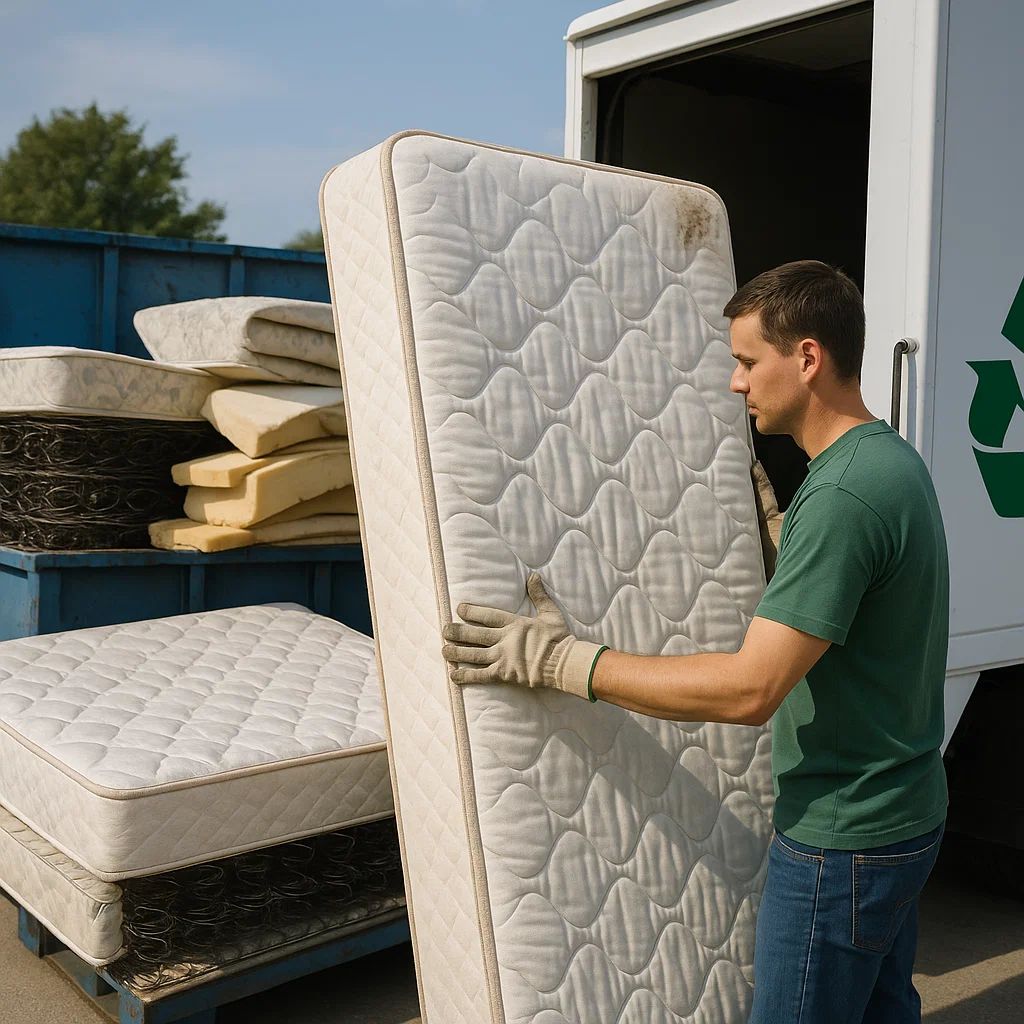
Getting rid of an old bed base is not as simple as throwing it away. If you’re wondering how to dispose of box spring, you’re not alone. These bulky items are hard to move, difficult to recycle, and often not allowed in regular trash. This guide explains everything in simple steps. You’ll learn the best box spring removal options, how to save money, and how to stay within local rules. Box Spring Disposal Rules: Why You Can’t Just Toss It in the Trash You might be tempted to treat your old bed base like a regular piece of trash, but most cities have strict municipal regulations regarding bulky items. Unlike a bag of kitchen scraps, a box spring is made of mixed materials steel, wood, and fabric that don’t break down easily in a landfill. Understanding Local Ordinances Before you set your box spring out, you must check your city waste department website. Many areas now have curbside pickup rules that require you to “schedule” a bulk collection rather than just leaving it out on a random Tuesday. If you ignore these local ordinances, you could face a hefty fine. Some cities even have a “Mattress Recycling Council” (MRC) mandate where specific laws dictate how these items enter the waste stream diversion process. The Problem with Landfill Fees If you decide to drive it to the dump yourself, be prepared for landfill fees. Because box springs take up so much “airspace” (they don’t squash down easily), many dumps charge a premium for them. This is part of a larger effort to reduce the environmental impact of large furniture. Health and Safety: Bed Bug Prevention One of the biggest reasons for strict rules is bed bug prevention. In many urban areas, you are legally required to wrap your box spring in a specialized plastic bag before it ever touches the sidewalk. This prevents pests from spreading to the neighborhood or the sanitation workers. Always check if your box spring trash pickup requires a sealed plastic cover. Why Box Spring Disposal Is Different A box spring is not like normal garbage. It is made from: Wood Steel springs Fabric Because of these mixed materials, cities have strict rules for disposing of a box spring.  Common Issues: Takes up too much landfill space Can spread bed bugs Requires special handling That’s why many people ask:Do you have to wrap a box spring for trash? In many areas, the answer is yes. A plastic cover is often required before pickup. How To Dispose Of Box Spring: Best Removal Options Here are the most effective ways to handle box spring disposal: 1. Bulk Trash Pickup This is the easiest option. Schedule through your city May be free or low-cost Often requires booking For a faster and hassle-free experience, you can also hire professional residential junk removal services to handle the heavy lifting and disposal for you. Best for: Budget-friendly disposa 2. Retailer Haul-Away Buying a new bed? Many stores offer removal. Convenient Usually costs extra No heavy lifting Best for: Hassle-free replacement 3. Junk Removal Services Professional services do all the work. Fast and easy Safe lifting Eco-friendly disposal It’s always best to hire certified companies for junk removal services to ensure safe handling and proper disposal. Best for: Quick and stress-free removal 4. Take It to a Landfill You can transport it yourself. Requires a truck Includes disposal fees Time-consuming Best for: DIY users  5. Recycling Centers The best environmental option. Up to 90% recyclable Reduces landfill waste Supports sustainability Best for: Eco-conscious users. How to Break Down a Box Spring for Recycling If you want to save money, learn How to break down a box spring for recycling. Step 1: Gather Tools You’ll need: Gloves Utility knife Pliers Hammer Step 2: Remove Fabric Cut the bottom cover Strip off the outer fabric Step 3: Separate Wood Remove wooden slats Cut into smaller pieces Step 4: Remove Metal Springs Use pliers to pull staples Separate metal for recycling This is the best way to discard a box spring while reducing waste properly. What to Do With an Old Box Spring (Reuse Ideas) Before throwing it away, consider reuse. Creative Ideas: Garden trellis Wall organizer DIY furniture This is a smart answer to:What to do with the old box spring instead of dumping it?  Important Safety Tips Handling a box spring can be risky.  Keep in Mind: Always wear gloves Avoid sharp metal edges Lift with help Pro Tip: Wrap it before placing it outside to follow local rules. Eco-Friendly Box Spring Disposal Tips If you care about the environment: Choose recycling over landfill Donate if usable Avoid illegal dumping Sustainable box spring disposal helps reduce waste and protects communities. Donation and Resale Can you donate a box spring? Yes, but only if it is in perfect condition. Charities: Organizations like Habitat for Humanity often accept box springs. However, they will reject anything with stains, odors, or structural damage. Online Listings: You can list it as “free box spring” on local marketplaces. Many college students or families moving into a new home may be willing to pick it up. How to Donate a Box Spring If you want to donate your box spring, follow these simple steps: Inspect the condition: Make sure it is clean, sturdy, and free from bed bugs or damage. Clean it properly: Vacuum and wipe it down to make it more acceptable for donation. Contact local charities: Call ahead or check their website to confirm they accept box springs. Schedule a pickup or drop-off: Some organizations offer free pickup services. Follow local rules: In some areas, you may need to wrap it before transport. Donating is one of the best ways to give your box spring a second life while helping someone in need. You can understand how to donate an old mattress by following the simple steps above. Final Thoughts Learning how to dispose of box spring is important because box springs are bulky, heavy, and not allowed in regular trash. If you want

Do You Tip Junk Removal Guys? The Complete Guide

Hiring a junk removal service can make clearing out your home or office feel effortless. But one question often lingers: do you tip junk removal guys? It’s something many people wonder about, especially if you’ve never hired a hauling crew before. While tipping is never mandatory, it is a way to show appreciation for hard work. Let’s break it down so you know exactly what to do when the job is done. Why Tipping Junk Removal Workers Matters Junk removal workers often handle heavy lifting, maneuvering large items, and working in challenging environments. Unlike some service jobs, the effort they put in isn’t always obvious from a casual glance. That’s why tipping can make a real difference. Showing appreciation with a tip does more than reward the team =it helps foster goodwill and encourages excellent service. Workers who feel recognized are likely to provide even better service next time. Many homeowners feel good about tipping because it’s a tangible way to say “thank you” for the effort that goes into clearing your space. It’s also worth noting that tipping norms for junk removal vary across regions. Some areas have a strong culture of tipping service workers, while in others, it’s less common. Knowing local expectations can help you decide whether to tip and how much. How Much Should You Tip Junk Haulers One of the most common follow-up questions after asking do you tip junk removal guys is, “How much should I give?” The answer depends on the size of the job, the difficulty involved, and the number of workers on site. Suggested Ranges Here’s a helpful guideline to determine how much to tip junk removal: Job Type Suggested Tip Notes Small haul (<1 hour) $10–20 Light items, minimal effort Medium haul (1–3 hours) $20–50 Includes furniture or heavier items Large/multiple rooms 10–15% of total cost Consider extra for exceptionally heavy lifting or challenging spaces These numbers are similar to tipping norms for other service workers. For instance, asking how much to tip cleaning crew or how much to tip trash collector often falls into a comparable range. The key is to match the tip to the effort and complexity of the task. Factors That Affect the Tip Several factors can influence your decision on tip junk removal: Difficulty of the job: Moving heavy furniture or navigating narrow stairways deserves a higher tip. Size of the crew: Divide the tip fairly among workers. If you have a team of three, make sure each person gets a share. Speed and professionalism: Efficient, careful, and courteous service can warrant a larger tip. Special circumstances: For instance, emergency jobs or last-minute requests might justify a higher tip than usual. How to Tip Junk Removal Guys Once you’ve decided on an amount, the next question is, “How do I give the tip?” Here are some practical junk removal tips for tipping properly: Cash in hand Most workers prefer cash, as it’s immediate and flexible. Handing each worker their portion personally adds a personal touch. If you’ve asked do you tip junk haulers and want to show appreciation without awkwardness, having cash ready is simple and effective. Digital Options Some services now allow tips through apps like Venmo or PayPal. If you choose this method, make sure the tip goes directly to the workers and not the company. A quick confirmation from the crew can prevent misunderstandings. Timing Matters Tipping is typically done after the job is completed, once you’ve seen the service in action. This ensures that you are tipping for the actual quality and effort, not just the expectation. Be Specific When giving a tip, a simple “thank you for your hard work” can go a long way. It shows that your tip is not just money but also a genuine acknowledgment of the effort. Many homeowners ask for advice from professionals on junk removal tips, and emphasizing politeness always comes up as a recommendation. Do You Have to Tip? One of the biggest misconceptions about tipping is that it’s required. In reality, tipping junk removal workers is optional. However, if the team goes above and beyond, a tip is a kind gesture that can make their day. Situations When Tipping May Not Be Necessary Promotions or discounts: If the service is already discounted or part of a special offer, tipping is still appreciated but not required. Self-service options: Some junk removal services let you do the loading yourself. Since workers aren’t physically lifting, tipping may not apply. Company policy: A few companies include gratuity in the total cost. Checking this upfront helps avoid double-tipping. Even when tipping isn’t mandatory, small gestures like offering water or snacks can also show appreciation. It’s about respect and acknowledgment rather than obligation. Tips for Making Tipping Easy and Comfortable Some homeowners feel awkward about tipping. These simple strategies can help: Include the tip in your budget: Factor in the cost of tipping when planning the service. Divide among workers: If you have a crew, ensure each worker gets their fair share. Use a tip envelope: Handing an envelope with each person’s name can be a simple and polite approach. Consider job complexity: If the team handles heavy or awkward items, a higher tip reflects the added effort. Additional Junk Removal Tips Beyond tipping, there are other ways to make your junk removal experience smoother: Prep Your Space: Remove obstacles to make hauling easier and safer. Label Items: Clearly indicate which items are being removed to avoid confusion. Communicate Special Needs: Let the crew know if any items are fragile, heavy, or hazardous. Provide Parking Access: A clear route for trucks and equipment helps the crew work efficiently. These small steps can make the job faster, safer, and more efficient. And when the team sees you’ve prepared and appreciated their effort, tipping becomes a natural extension of gratitude. Conclusion So, do you tip junk removal guys? The answer is yes, if you feel the service warrants it. Tipping is optional but appreciated, and it recognizes the

Color Palette