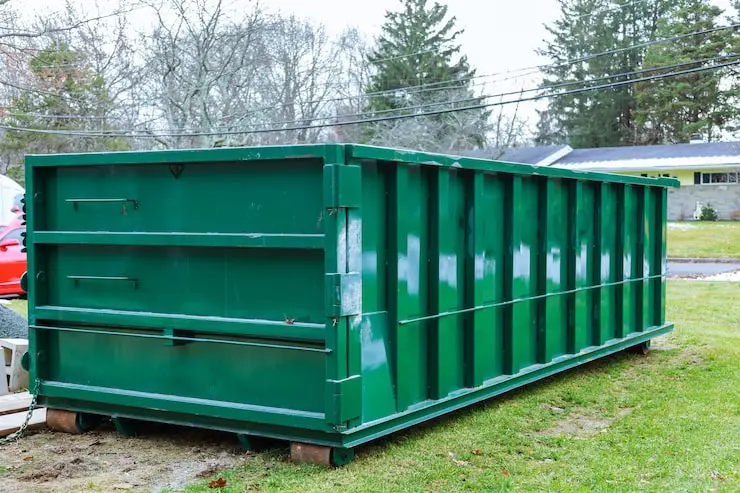

You finish a kitchen demolition, and the pile in your driveway is bigger than you expected. Then the quotes come in, and the numbers are all over the place. If you have wondered what is construction debris removal cost, the short answer is that most projects fall between a few hundred dollars for a small cleanup and several thousand for a full demolition, and the final number depends on volume, weight, material, labor, and local dump fees. At Junk Masterz, we see the same pattern often: people budget for the build and forget the haul-away. This guide shows what drives the price so you can plan around it. What Is Construction Debris Removal? Construction debris removal is the process of collecting, loading, transporting, sorting, recycling, reusing, or disposing of waste created by building, remodeling, repair, renovation, or demolition work. Common materials include drywall, lumber, roofing, flooring, cabinets, insulation, metal, brick, concrete, asphalt, glass, pipes, and other building components. The EPA classifies these materials as construction and demolition debris rather than ordinary municipal solid waste. Why Proper Construction Waste Removal Matters Construction materials can be bulky, sharp, heavy, or difficult to transport safely. More importantly, some materials cannot simply be placed in regular household trash. California also places an emphasis on recycling and recovery. CalRecycle explains that CALGreen requires covered projects to recycle or salvage at least 65% of nonhazardous construction and demolition debris, subject to applicable requirements and exceptions. What Is the Average Construction Debris Removal Cost? Current national cost data places professional construction debris removal at roughly $100 to $1,000 per load, with about $450 cited as an average project cost. Another common range for professional service is approximately $300 to $800. These are planning figures, not guaranteed Fresno prices. The biggest mistake is assuming that a large pile automatically means an expensive job. A lightweight pile of drywall and wood may occupy significant truck space without weighing as much as a much smaller pile of concrete, brick, or tile. For example, a contractor removing old drywall from one room may have a relatively bulky but light load. A homeowner removing a concrete patio may have fewer visible pieces, yet the material can be extremely heavy and may require different transportation and disposal arrangements. Construction Debris Removal Cost by Project Type The type of project gives you a useful starting point for estimating volume: Project Typical Debris Volume Main Materials Small bathroom remodel About 2 to 4 cubic yards Drywall, tile, fixtures, cabinets Kitchen remodel About 3 to 8 cubic yards Cabinets, flooring, drywall, counters Flooring replacement About 2 to 5 cubic yards Carpet, hardwood, tile Whole-room demolition About 5 to 10 cubic yards Mixed framing, drywall, flooring and fixtures These volumes are practical planning examples rather than fixed industry limits. The exact amount changes with room size, demolition method, material thickness, and how efficiently debris is stacked. Construction Debris Removal Cost by Truck Volume Many removal services use truck space to price mixed debris. Current 2026 cost data places typical ranges around: Truck Space Used Typical Price Range 1/4 truck $100 to $300 1/2 truck $200 to $400 3/4 truck $300 to $600 Full truck $500 to $800 These ranges reflect national market data and can vary by location and material. Truck volume pricing is useful for mixed loads, but it should not be treated as a substitute for weight limits. A load of concrete can fill only part of a truck while becoming heavy enough to affect the final price. How to Calculate Debris Removal Costs If you want to know how to calculate debris removal costs before calling anyone, work through four steps. Estimate the Volume Measure the pile in feet (length times width times height), then divide by 27 to get cubic yards. For demolition debris, add a cushion of 20 to 30 percent, because broken material takes up more room than the intact structure did. Identify the Type of Material Clean wood and metal are often recyclable, mixed debris is not, and items like paint, solvents, or asbestos-containing products need special handling. Sorting before pickup can lower the bill. Consider the Weight Disposal sites charge by weight, and a cubic yard of concrete weighs far more than a cubic yard of drywall or insulation. Dumpster companies often include a tonnage limit and bill overages, which surprises many homeowners. Include Labor Costs If crews load the debris, expect labor to add roughly $40 to $100 per worker per hour, depending on the market and how hard the material is to carry. Stairs, long carries from backyards, and heavy items push that number higher. Getting a flat-rate quote that includes labor avoids guesswork. Factors That Affect Construction Debris Removal Cost Several variables determine the final construction waste removal cost. Type of Material Concrete, brick, dirt, and metal can increase costs because of weight. Hazardous or regulated material may require separate handling and facilities. Amount of Debris A larger pile normally requires more truck capacity, more loading time, and potentially more than one trip. Labor Requirements A pile sitting beside a driveway is easier to remove than material spread throughout a backyard, upstairs room, crawlspace, or active job site. Transportation Distance Fuel, travel time, and the distance to an appropriate disposal or recycling facility can affect the total price. Local Disposal Fees Disposal fees differ by facility and material type. Fresno County states that its American Avenue Disposal Site updated tipping fees effective July 1, 2026, and the county approved a $0.72-per-ton increase to the American Avenue tipping fee component for fiscal year 2026-27. For Fresno projects, this matters because older online pricing can become outdated even when the hauling itself has not changed. Construction Waste Removal Cost by Material Material type can matter as much as volume. Material Cost Consideration Drywall Usually bulky but relatively light Lumber Often priced by volume for mixed loads Metal Heavy, but some metal may have recycling or scrap value Tile Dense and heavy compared with carpet or drywall Concrete
- (559) 908-2189
- junkmasterz@yahoo.com
- Fresno, CA 93725
- (239)-543-217-0108