Every year, millions of mattresses are discarded, and many end up in landfills where they take decades to break down. Because mattresses are large, bulky, and made from multiple materials, they occupy valuable landfill space and can be difficult to dispose of responsibly. The good news is that most mattresses contain recyclable components that can be recovered and turned into new products.
So, are mattresses recyclable? In most cases, yes. Materials like steel springs, foam, wood, fabric, and cotton can often be separated and reused instead of being thrown away. Choosing the right disposal method not only reduces waste but also conserves natural resources and supports a more sustainable future.
In this guide, you’ll learn how are mattresses recycled, what materials can be recovered, why mattress recycling matters, and the best ways to recycle or dispose of an old mattress responsibly.
How Are Mattresses Recycled?
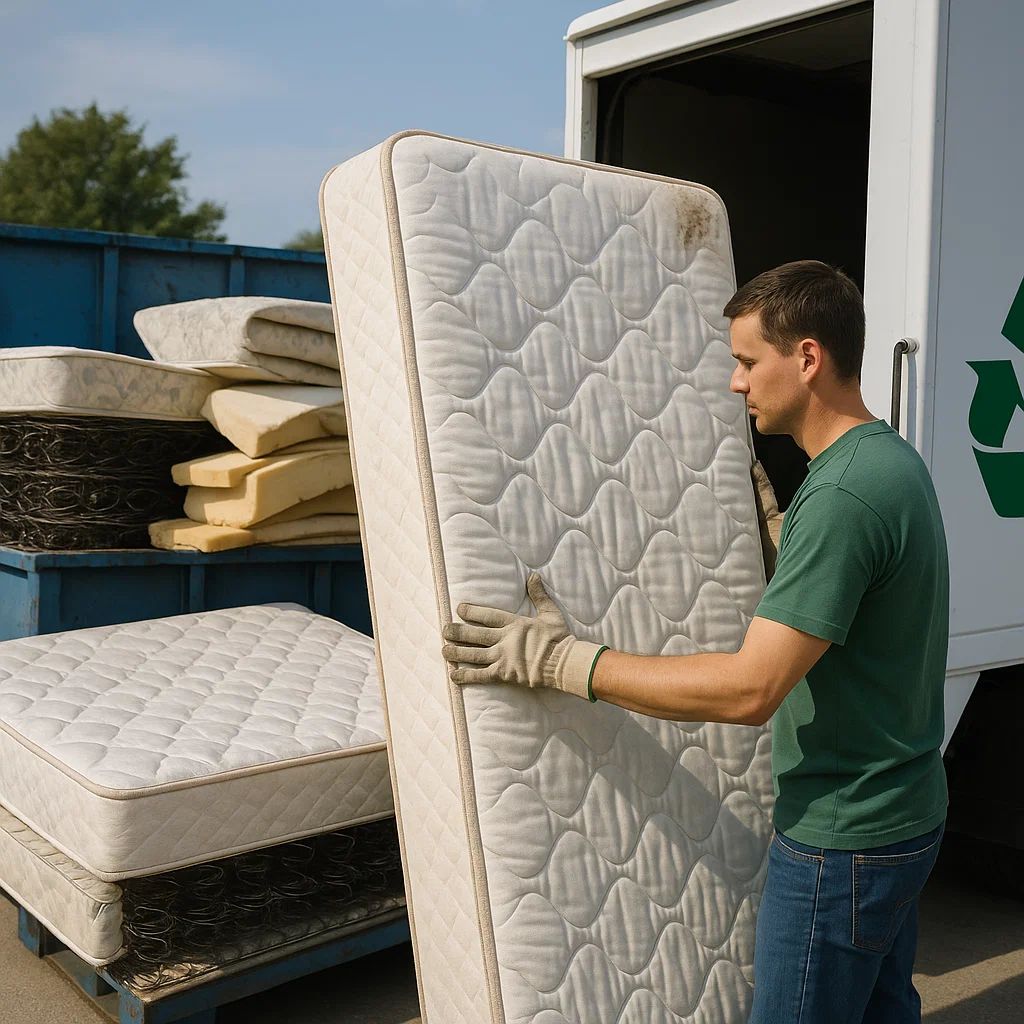
Most mattresses are recycled by dismantling them into individual materials such as steel springs, foam, wood, cotton, and fabric. Each material is sorted, cleaned, and sent to specialized recycling facilities where it is processed into new products. Recycling a mattress helps reduce landfill waste, conserves valuable resources, and supports environmentally responsible waste management.
Are Mattresses Recyclable?
The simple answer is yes—most mattresses are recyclable. Depending on the type and condition of the mattress, up to 80% to 90% of its materials can often be recovered and reused. Instead of occupying valuable landfill space, these materials can be transformed into products used in construction, manufacturing, landscaping, and home improvement.
Whether you have an innerspring, memory foam, hybrid, or latex mattress, many of its components can be recycled if the mattress is clean and free from severe contamination.
Why Mattresses Shouldn’t Go to the Landfill
Although throwing a mattress away may seem convenient, it creates several environmental challenges.
Mattresses are bulky and difficult to compact, meaning they take up a significant amount of space in landfills. Their steel springs can become tangled in landfill equipment, increasing maintenance costs and slowing waste processing operations.
In addition, materials like foam and synthetic fabrics decompose very slowly, meaning a discarded mattress may remain in a landfill for decades.
Recycling helps recover these valuable materials instead of allowing them to go to waste.
What Types of Mattresses Can Be Recycled?
Many common mattress types can be recycled, including:
- Innerspring mattresses
- Memory foam mattresses
- Hybrid mattresses
- Latex mattresses
- Pillow-top mattresses
However, severely damaged or contaminated mattresses may require special handling before recycling.
Why Mattress Recycling Matters
Recycling an old mattress does much more than free up space in your home. It provides environmental, economic, and community benefits that make responsible disposal worthwhile.
Reduces Landfill Waste
One of the biggest advantages of mattress recycling is reducing the amount of waste sent to landfills.
Millions of mattresses are discarded each year. Because of their size, they occupy considerably more landfill space than many other household items. Recycling helps divert these bulky items from disposal facilities and extends the lifespan of existing landfills.
Conserves Natural Resources
A mattress contains several reusable materials that don’t need to be manufactured from scratch.
By recovering steel, wood, foam, cotton, and textiles, recycling reduces the demand for new raw materials and lowers the energy required to produce new products.
This helps conserve natural resources while supporting a more sustainable manufacturing process.
Reduces Illegal Dumping
Unfortunately, mattresses are one of the most commonly illegally dumped household items because they’re difficult to transport and dispose of.
Illegal dumping creates health hazards, attracts pests, and negatively impacts neighborhoods and public spaces.
Using proper mattress recycling services helps prevent illegal dumping while ensuring mattresses are handled responsibly.
Supports the Circular Economy
Instead of following a “use once and throw away” model, mattress recycling keeps valuable materials in circulation.
- Recovered steel becomes new metal products.
- Foam is processed into carpet padding and cushioning materials.
- Wood can be chipped into mulch or used as biomass fuel.
- Cotton and fibers are reused for insulation and industrial products.
- This continuous reuse of materials reduces waste while supporting a circular economy.
Helps Lower Environmental Impact
Manufacturing new materials requires significant amounts of energy and natural resources. Recycling existing mattress components reduces the need for virgin materials, lowering energy consumption and greenhouse gas emissions associated with production.
Choosing to recycle instead of sending a mattress to a landfill is a simple step that contributes to more sustainable waste management practices.
How Are Mattresses Recycled?

Many people are surprised to learn that mattress recycling is a detailed process involving several steps. Recycling facilities carefully separate each material so it can be reused in new products.
Here’s how to recycle a mattress through the standard recycling process.
Step 1: Mattress Collection
The recycling process begins with collection.
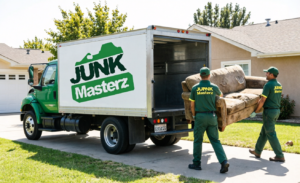
Old mattresses may be delivered to recycling centers by homeowners, collected through municipal bulk waste programs, or picked up by professional mattress recycling services and junk removal companies.
Many retailers also offer mattress take-back programs when customers purchase a new mattress.
Step 2: Inspection
Once the mattress arrives at the recycling facility, workers inspect it for contamination.
The mattress is checked for:
- Mold
- Bed bugs
- Water damage
- Excessive staining
- Hazardous contamination
Mattresses that are clean and structurally suitable move forward for recycling. Heavily contaminated mattresses may require alternative disposal methods.
Step 3: Dismantling the Mattress
Next, workers manually or mechanically dismantle the mattress.
The outer fabric covering is removed first.
Then the internal materials are separated into individual components, including:
- Steel springs
- Foam layers
- Cotton batting
- Wood frames
- Fabric
- Felt
- Latex components
Separating these materials allows each one to be recycled using specialized processes.
Step 4: Sorting the Materials
After dismantling, every material is sorted into separate recycling streams.
Steel is collected with other scrap metals.
Foam is bundled for processing.
Wood is chipped or prepared for reuse.
Fabric and fibers are compressed for textile recycling.
Sorting ensures each material reaches the appropriate recycling facility where it can be transformed into new products.
Step 5: Manufacturing New Products
The final stage is turning recovered materials into useful products.
For example:
- Steel springs are melted down and used to manufacture new steel products.
- Foam is processed into carpet padding, furniture cushions, pet beds, and insulation.
- Wood becomes mulch, landscaping materials, or biomass fuel.
- Cotton and fabric fibers are recycled into insulation, industrial textiles, and cleaning cloths.
By recovering these materials, recycling facilities significantly reduce landfill waste while giving valuable resources a second life.
What Parts of a Mattress Can Be Recycled?
Many people assume an old mattress is nothing more than trash, but it’s actually made up of several valuable materials that can be recovered and reused. In fact, up to 90% of a typical mattress can often be recycled, depending on its condition.
Here’s a closer look at what happens to each component during mattress waste recycling.
| Mattress Material | Recycled Into |
|---|---|
| Steel Springs | New steel products, construction materials, appliances |
| Foam | Carpet padding, furniture cushions, pet beds, insulation |
| Wood | Mulch, biomass fuel, landscaping products |
| Cotton & Fibers | Insulation, industrial textiles, cleaning cloths |
| Fabric | Textile products, felt, industrial materials |
Steel Springs
Steel is one of the most valuable materials recovered from a mattress. After being separated, the metal is compressed and sent to scrap metal recyclers, where it is melted down and used to manufacture new products such as construction materials, appliances, and automotive parts.
Foam
Memory foam and polyurethane foam can be shredded and processed into carpet padding, furniture cushions, soundproofing materials, and pet bedding. Recycling foam reduces the need for producing new synthetic materials.
Wood
Many innerspring mattresses contain wooden frames or supports. The recovered wood is chipped into mulch, used for landscaping projects, or converted into biomass fuel for energy production.
Cotton and Fibers
Natural fibers such as cotton, wool, and felt are commonly recycled into insulation, industrial padding, and cleaning cloths. Reusing these materials helps reduce textile waste.
Fabric
The fabric covering is separated from the mattress and recycled into industrial textiles or used in products that require recycled fibers.
Recovering these materials helps conserve natural resources while keeping bulky waste out of landfills.
How to Recycle a Mattress
If you’re wondering how to recycle a mattress, there are several easy and responsible options available.
Take It to a Recycling Center
Many local recycling facilities accept old mattresses. Check ahead for accepted mattress types, drop-off hours, and any recycling fees.
Hire Mattress Recycling Services
Professional mattress recycling services provide pickup, heavy lifting, transportation, and responsible recycling, making disposal quick and hassle-free.
Use a Retailer Take-Back Program
Many mattress retailers will remove and recycle your old mattress when delivering a new one. Ask about this service before you buy.
Schedule Municipal Bulk Pickup
Some cities offer bulky waste collection for mattresses. Check your local waste management program for pickup schedules and guidelines.
Donate a Usable Mattress
If your mattress is clean and in good condition, consider donating it to Habitat for Humanity ReStore, a local furniture bank, homeless shelter, or another charitable organization. Always confirm their donation requirements before dropping it off.
Where to Recycle a Mattress
If you’re searching for where to recycle a mattress, several options are available depending on where you live.
Local Recycling Centers
Many recycling facilities accept mattresses and separate the recyclable materials for reuse.
Call ahead to confirm:
- Accepted mattress types
- Drop-off hours
- Recycling fees
- Preparation requirements
Dedicated Mattress Recycling Facilities
Some regions have specialized facilities that focus exclusively on mattress recycling.
These facilities are equipped to dismantle mattresses efficiently and maximize material recovery.
Transfer Stations
Many municipal transfer stations accept bulky household items, including mattresses.
Some transfer stations transport mattresses directly to certified recycling centers instead of landfills.
Professional Junk Removal Companies
Hiring a junk removal company is one of the most convenient disposal options.
Professional crews handle:
- Pickup
- Loading
- Transportation
- Recycling
- Responsible disposal
This is often the best solution for homeowners who cannot transport a mattress themselves.
Retail Mattress Stores
Some mattress retailers include recycling services with new mattress purchases.
If you’re replacing your mattress, ask whether your retailer offers haul-away and recycling as part of the delivery service.
Can Every Mattress Be Recycled?
Although most mattresses are recyclable, not every mattress qualifies.
Certain conditions may prevent safe recycling.
Mold-Infested Mattresses
Mold contamination poses health risks and can spread to recyclable materials, making recycling difficult or impossible.
Bed Bug Infestations
Mattresses with active bed bug infestations generally require specialized disposal procedures to prevent the insects from spreading.
Water-Damaged Mattresses
Excessive moisture can cause mold growth and structural damage that limits recycling opportunities.
Hazardous Contamination
Mattresses contaminated with chemicals, bodily fluids, or other hazardous substances often require disposal rather than recycling.
If your mattress cannot be recycled, consult your local waste management authority or a professional junk removal company for proper disposal instructions.
Mattress Recycling vs. Throwing It Away
When deciding how to dispose of an old mattress, recycling is almost always the better option.
| Mattress Recycling | Landfill Disposal |
|---|---|
| Recovers valuable materials | Wastes reusable resources |
| Reduces landfill waste | Occupies valuable landfill space |
| Supports sustainability | Increases environmental impact |
| Conserves natural resources | Requires new raw materials |
| Encourages responsible waste management | No material recovery |
While landfill disposal may seem easier, recycling provides lasting environmental benefits by giving valuable materials a second life and reducing the demand for new resources.
Conclusion
So, how are mattresses recycled? The process involves collecting old mattresses, carefully dismantling them, separating valuable materials, and transforming those components into new products. Steel springs become new metal products, foam is turned into carpet padding and cushions, wood is reused as mulch or biomass fuel, and fabric and fibers find new life in insulation and industrial textiles.
The next time you’re wondering how to dispose of an old mattress, remember that recycling is often the most environmentally responsible option. Most mattresses are recyclable, and choosing a certified recycling facility or professional mattress recycling service helps keep bulky waste out of landfills while supporting a more sustainable future.
Whether you’re replacing one mattress or cleaning out an entire home, taking a few extra steps to recycle or donate usable materials can make a meaningful difference for your community and the environment.
Frequently Asked Questions
1. Are mattresses recyclable?
Yes. Most mattresses are recyclable, and up to 80–90% of their materials—including steel, foam, wood, cotton, and fabric—can be recovered and reused in new products.
2. How are mattresses recycled?
Mattresses are collected, inspected, dismantled, and separated into individual materials such as steel, foam, wood, and fabric. Each material is then processed and used to manufacture new products instead of being sent to a landfill.
3. Where can I recycle a mattress?
You can recycle a mattress at local recycling centers, dedicated mattress recycling facilities, municipal transfer stations, retailer take-back programs, or through professional mattress recycling services.
4. How do I recycle an old mattress?
You can recycle an old mattress by taking it to an approved recycling facility, scheduling a pickup with a junk removal company, using your city’s bulk waste program, or participating in a retailer’s mattress take-back program when purchasing a new mattress.
5. Can memory foam mattresses be recycled?
Yes. Memory foam mattresses are recyclable in many areas. The foam is commonly processed into carpet padding, furniture cushions, pet bedding, insulation, and other cushioning products.
6. Can I throw a mattress in the trash?
Rules vary by location, but recycling is generally the preferred option. Because mattresses are bulky and contain valuable recyclable materials, many communities encourage or require recycling instead of landfill disposal.