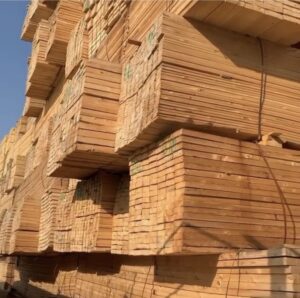
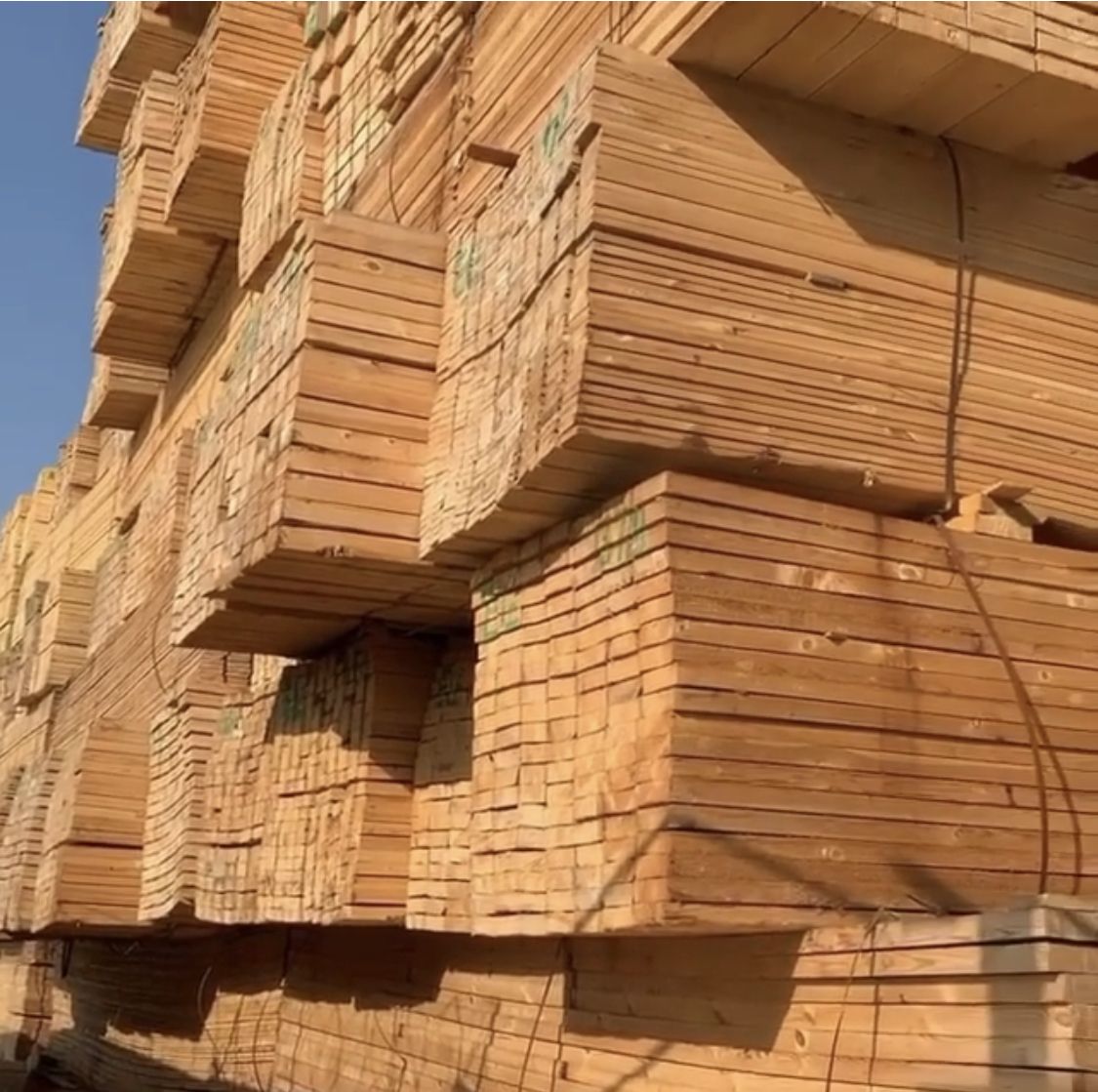
If you’ve recently removed an old deck, fence, pergola, or landscaping structure, you’re probably asking the same question many homeowners type into Google every month: where to dispose of pressure treated wood?.
Pressure treated wood has been infused with chemical preservatives under high pressure. These chemicals are designed to protect the wood from rot, termites, mold, and moisture damage. That’s why it’s commonly used for outdoor structures that are exposed to rain, soil, and changing weather conditions. The treatment process forces preservatives deep into the wood fibers, which helps the lumber last for many years.
However, those same preservatives are the reason you cannot simply throw treated lumber into your regular household trash or yard waste bin. Unlike natural wood, treated wood does not break down safely over time. Older treated wood, especially lumber installed before 2004, may contain chromated copper arsenate (CCA), which includes arsenic. Even newer types use copper-based chemicals that are not safe for burning or composting. These substances can leach into soil or release harmful fumes if handled incorrectly.
In simple terms, pressure treated wood is built to resist natural breakdown. That durability is helpful during its use, but it also means extra care is required at the end of its life. Understanding this difference helps homeowners make safer, more responsible decisions when figuring out how to dispose of pressure treated lumber correctly.
What Is Pressure Treated Wood? (And Why It’s Different)
Pressure treated wood is lumber that has been infused with chemical preservatives under high pressure. This process forces protective chemicals deep into the wood fibers.
Why Is Wood Treated?
Wood is treated to:
-
Prevent rot and decay
-
Resist termites and insects
-
Withstand outdoor moisture
-
Extend structural lifespan
This makes it ideal for:
-
Decks
-
Fences
-
Retaining walls
-
Outdoor staircases
-
Playground structures
What Chemicals Are Used?
Older treated wood (before 2004) often contained Chromated Copper Arsenate (CCA), which includes arsenic. Modern treated wood uses safer copper-based preservatives such as:
-
Alkaline Copper Quaternary (ACQ)
-
Copper Azole
Although newer treatments are considered safer for residential use, they still contain chemicals that prevent the wood from breaking down naturally.
That’s why the disposal of pressure treated wood requires special care.
Why Proper Disposal of Pressure Treated Wood Matters
Many homeowners underestimate the environmental and health impact of improper disposal. Let’s clearly explain why correct disposal is essential.
1. Soil and Groundwater Protection
Treated lumber contains chemical preservatives that can leach into soil if left exposed in landfills not designed for construction debris.
Improper dumping can lead to:
-
Groundwater contamination
-
Soil toxicity
-
Damage to nearby vegetation
Approved construction and demolition landfills are engineered to prevent this.
2. Air Quality and Toxic Emissions
Burning treated wood is extremely dangerous.
When burned, it releases:
-
Arsenic (in older wood)
-
Copper compounds
-
Toxic smoke and ash
Even small backyard fires can release harmful pollutants into the air.
3. Legal Compliance
Many municipalities regulate how to dispose of pressure treated lumber. Burning or illegal dumping can result in fines or penalties.
Local waste authorities often have strict guidelines because treated wood is not biodegradable.
4. Recycling Contamination
Treated wood cannot be recycled with clean wood waste.
If mixed into recycling streams, it contaminates:
-
Wood mulch processing
-
Composting programs
-
Biomass recycling
That’s why understanding where to dispose of treated lumber is important for community waste systems.
Where to Dispose of Pressure Treated Wood
Now let’s clearly answer the main question.
1. Construction and Demolition (C&D) Landfills
This is the most common and safest solution.
C&D landfills are designed to handle:
-
Treated lumber
-
Concrete
-
Roofing materials
-
Construction debris
These facilities manage chemical-treated materials properly and prevent environmental contamination.
Before visiting:
-
Confirm they accept treated wood
-
Ask about disposal fees
-
Check weight or load limits
-
Verify operating hours
For most homeowners, this is the primary answer to where to dispose of pressure treated wood.
2. Local Transfer Stations
Some municipal transfer stations accept treated wood and transport it to approved facilities.
Benefits include:
-
Convenient drop-off
-
Lower travel distance
-
Weight-based pricing
Always confirm acceptance before arriving.
3. Renting a Construction Dumpster
If you’re doing a large renovation, you may rent a dumpster designated for construction debris.
Important:
-
Inform the rental company that the load contains treated wood
-
Confirm they accept pressure treated lumber
-
Avoid mixing with prohibited materials
Not all dumpster services allow treated lumber, so always ask.
What You Should NEVER Do?
Clear warnings are important.
Do Not Burn Treated Wood
Burning releases toxic fumes and contaminated ash.
Never burn treated lumber in:
-
Fire pits
-
Wood stoves
-
Fireplaces
-
Outdoor burn piles
This applies to both old and new treated wood.
Do Not Compost It
Treated lumber contains preservatives that can leach into soil.
Never place it in:
-
Garden compost
-
Green waste bins
-
Yard waste piles
Do Not Leave It Outdoors to Rot
Even though it resists decay, over time chemicals can slowly leach into surrounding soil. This can affect nearby plants, contaminate groundwater, and disturb the natural balance of your yard or surrounding environment. That’s why leaving old treated lumber sitting on bare ground for long periods is not recommended.
Proper disposal prevents long-term environmental damage and ensures those chemicals are contained in facilities designed to handle construction materials safely.
In contrast, natural yard debris like untreated tree branches, leaves, and trunks should be handled differently. When you need to dispose of trees branches, they should go through approved green waste or yard waste recycling programs. Unlike pressure treated wood, trees and branches can be composted, mulched, or processed into organic material when managed through proper municipal channels.
You May Also Read: Where Can I Dispose Of Tree Branches
How Do I Dispose of Pressure Treated Wood From an Old Deck?
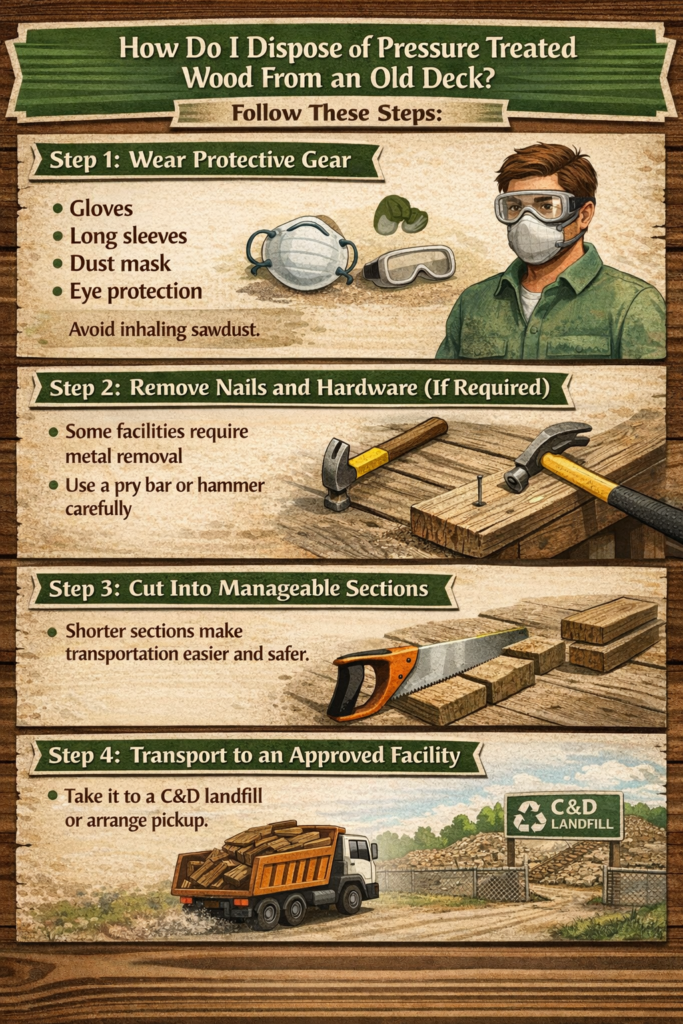
This is one of the most searched questions.
Follow these steps:
Step 1: Wear Protective Gear
-
Gloves
-
Long sleeves
-
Dust mask
-
Eye protection
Avoid inhaling sawdust.
Step 2: Remove Nails and Hardware (If Required)
Some facilities require metal removal.
Use a pry bar or hammer carefully.
Step 3: Cut Into Manageable Sections
Shorter sections make transportation easier and safer.
Step 4: Transport to an Approved Facility
Take it to a C&D landfill or arrange pickup.
If handling large quantities feels overwhelming, Junk Masterz offering residential junk removal services can manage loading, hauling, and proper disposal efficiently.
Environmental Responsibility and Long-Term Impact
Proper disposal of pressure treated wood protects:
-
Air quality
-
Groundwater
-
Soil health
-
Community recycling systems
Municipal waste systems are designed to separate materials for safety reasons. When homeowners follow proper guidelines, it supports sustainable waste management.
Improper disposal, even on a small scale, contributes to long-term environmental harm.
Is Pressure Treated Wood Hazardous Waste?
In most residential settings, treated wood is not classified as household hazardous waste.
However:
-
It cannot go into regular trash
-
It cannot be burned
-
It must go to approved disposal facilities
Older CCA-treated lumber may have stricter handling rules depending on location.
Always verify with local waste authorities.
Can Pressure Treated Wood Be Reused?
Yes — but carefully.
You may reuse treated lumber if:
-
It remains structurally sound
-
It’s used outdoors
-
It’s not heavily cracked or splintered
Avoid using treated wood:
-
Indoors
-
In vegetable garden beds
-
Around drinking water systems
When in doubt, safe disposal is better than risky reuse.
Professional Deck, Fence & Treated Wood Cleanup Services
Large deck removals or fence tear-downs create heavy, splintered debris that’s difficult to transport.
Hiring professionals saves time and prevents injury.
For example, Junk Masterz offering affordable junk removal services can haul treated lumber directly to approved disposal facilities while ensuring compliance with local regulations.
This option is ideal if:
-
You lack a truck
-
You’re removing large quantities
-
The wood contains nails and hardware
-
You want fast, stress-free cleanup
Mid-project support from a licensed junk removal team ensures the disposal of pressure treated wood is handled correctly and responsibly.
Final Thoughts: Making the Responsible Choice
Knowing where to dispose of pressure treated wood is about more than convenience — it’s about safety, legality, and environmental responsibility.
Pressure treated lumber contains chemicals that protect it during use but require careful handling at the end of its life.
The safest options include:
-
Construction and demolition landfills
-
Approved transfer stations
-
Licensed junk removal professionals
Never burn it.
Never compost it.
Never mix it with clean wood recycling.
If you’re facing a deck removal, fence replacement, or renovation cleanup, choosing the proper disposal method ensures peace of mind and protects your community.
Taking a few extra steps today prevents environmental damage tomorrow — and that’s a responsibility every homeowner can be proud of.
Frequently Asked Questions (FAQs)
Is pressure treated wood considered hazardous waste?
In most residential areas, it is not classified as household hazardous waste, but it must still be disposed of at an approved construction and demolition (C&D) landfill. Local regulations may vary, so always confirm with your municipal waste authority.
Can I throw pressure treated wood in regular trash?
Usually no. Most curbside trash programs do not accept treated lumber. It must be taken to a designated disposal facility that handles construction debris.
Can pressure treated wood go in yard waste or green bins?
No. Treated wood contains preservatives and cannot be composted or processed with organic yard waste.
How much does it cost to dispose of pressure treated wood?
Costs vary by location. Most C&D landfills charge by weight or volume. Fees can range from a small minimum charge for light loads to higher fees for larger quantities.
Can you bury pressure treated wood?
No. Burying treated lumber is not recommended because chemicals can leach into the soil and groundwater over time.
Is old pressure treated wood more dangerous?
Wood treated before 2004 may contain arsenic-based preservatives (CCA), which are more toxic than modern treatments. Extra care should be taken when handling and disposing of older lumber.
Can I reuse pressure treated wood for another project?
Yes, if it is still structurally sound and used outdoors. Avoid using it indoors or in vegetable garden beds.
What happens if you burn treated wood?
Burning treated wood releases toxic fumes and contaminated ash. The ash can contain concentrated chemicals that are harmful to people, animals, and the environment.
Do I need special permission to dispose of treated lumber?
Generally, no special permit is required for small residential loads. However, you must take it to an approved C&D landfill or authorized facility.
Can pressure treated wood go to a recycling center?
Most recycling centers do not accept treated lumber because it contaminates clean wood recycling streams. Always confirm before transporting it.
How should I prepare treated wood for disposal?
Wear gloves and protective gear, remove large metal hardware if required, and cut boards into manageable sizes for transport.
Can contractors dispose of pressure treated wood for me?
Yes. Contractors and professional junk removal companies can haul treated lumber to approved disposal facilities, ensuring compliance with local regulations.