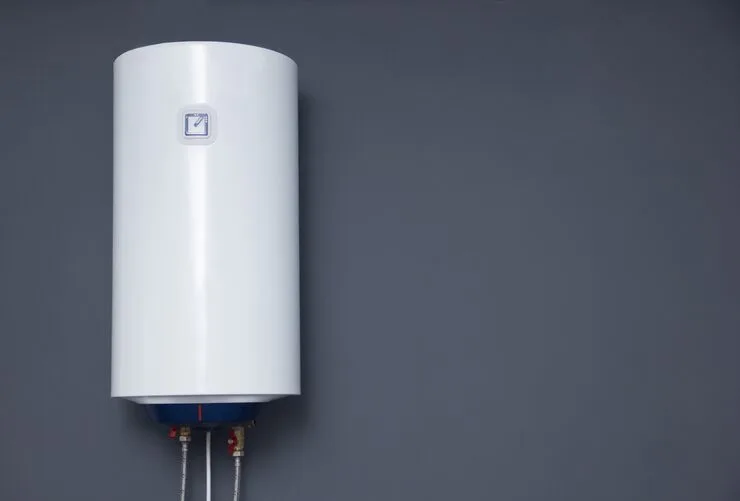
Replacing a water heater is a common home improvement project, but many homeowners are left wondering what to do with the old unit afterward. Water heaters are large, heavy appliances made from metal, insulation, and other materials that should not simply be thrown away. Proper disposal helps protect the environment, complies with local regulations, and may even put some money back in your pocket through recycling.
Whether your water heater has stopped working or you’re upgrading to a more energy-efficient model, this guide explains how to dispose of an old water heater safely and responsibly.
Quick Answer: Best Water Heater Disposal Methods
The fastest way to handle an old water heater depends on your situation:
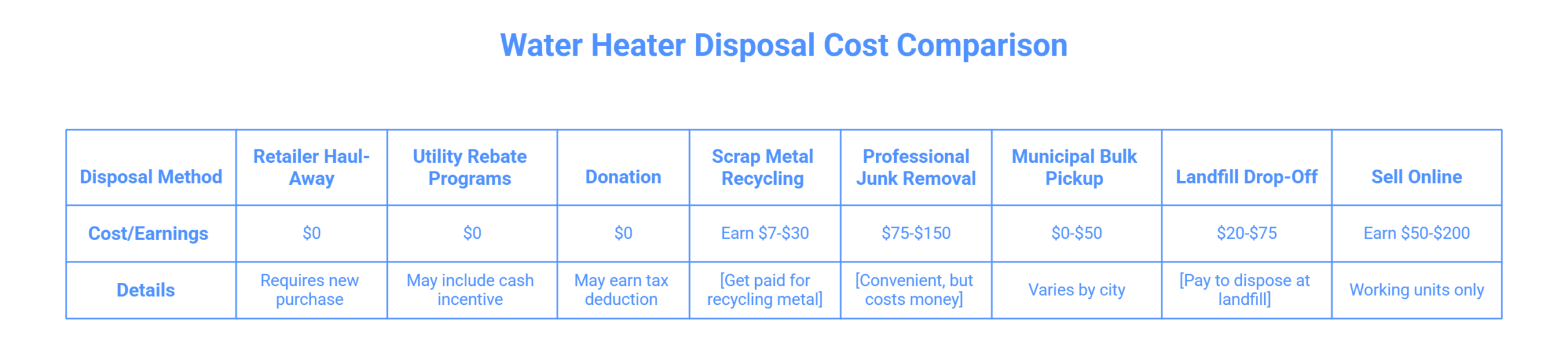
- Free removal: Most major retailers take your old unit when delivering a new one
- Earn money: Scrap metal recycling centers pay $7-$30 based on weight and metal content
- Most convenient: Professional junk removal services handle everything for $75-$150
- Municipal option: Schedule bulk waste pickup with your local waste management (costs vary by city)
- Still functional: Donate to Habitat for Humanity or similar organizations
The worst choice? Toss it on the curb with your regular trash. That’s illegal in most areas and could land you a fine.
Can You Throw Away a Heater?
No, you can’t simply toss a water heater in your regular garbage. Here’s why this matters:
Most cities and counties ban water heaters from standard trash collection. According to recycling centers, water heaters may contain hazardous materials like asbestos insulation and mercury in older pilot sensors. Beyond safety concerns, these units take up massive space in landfills when 90% of their materials could be recycled.
The steel tank alone can be melted down and reused. Copper wiring, brass fittings, and aluminum components all have value in the recycling market. Throwing away a water heater wastes these resources and violates environmental regulations in many states.
Some areas allow water heaters in bulk waste programs, but you’ll need advance approval. Others require professional disposal through licensed contractors. Check your local waste management website or call their customer service line before doing anything else.
7 Best Ways to Dispose of an Old Water Heater
1. Retailer Haul-Away Programs
When you buy a new water heater from major home improvement stores, they typically remove your old one at no extra charge. This option saves you time, effort, and potential injuries from moving a 150-pound tank.
Most retailers take water heaters and ensure they’re recycled or disposed of responsibly. The delivery team disconnects your old unit, drains it if needed, and loads it onto their truck. You don’t touch it once.
Home Depot, Lowe’s, and local plumbing supply companies offer this service. Some require you to request haul-away during purchase, while others include it automatically. Ask at checkout to confirm the details.
The catch? You need to buy a replacement unit. If you’re switching to tankless or moving to a place with an existing heater, this option won’t work.
2. Scrap Metal Recycling Centers
Your old water heater contains valuable metals that recycling centers will actually pay you for. Steel makes up the bulk of the tank, while copper wiring and brass valves add extra value.
Most scrap yards accept water heaters after you drain them completely. Many recycling centers take water heaters for metal recovery, with scrap yards paying between $7-$30 depending on weight and metal content. The exact amount depends on current scrap metal prices, your tank’s size, and how much non-metal material you remove beforehand.
Call ahead to confirm your local recycler’s requirements. Some want gas lines disconnected and plastic components removed. Others take units as-is but pay less per pound.
3. Professional Junk Removal Services
Companies like Junk Masterz remove water heaters, appliances, and bulky items from wherever they’re located. They do all the heavy lifting, loading, and disposal while you watch from your couch.
Professional removal costs $75-$150, depending on your location and the company you choose. They handle everything: disconnecting lines (if still attached), carrying the unit upstairs or from the basement, loading it into their truck, and disposing of it properly.
This option makes sense when you lack the physical ability to move a heavy tank, don’t have truck access, or simply value your time and back health. Book online or call for a quote. Most services offer same-day or next-day appointments and honor the price they quote after seeing the item.
4. Municipal Bulk Waste Pickup
Many cities and counties offer bulk waste collection as part of regular trash service or for a small fee. This option works well if you’re not in a hurry.
Some cities offer scheduled bulk waste collection services where you can place your water heater at the curb during your pickup week. Requirements vary wildly by location. Some municipalities provide monthly bulk pickup days, others require advance scheduling, and a few charge $25-$50 per item.
Call your waste management provider to learn their rules. They’ll tell you when to put the unit out, where to place it (curb or alley), and what preparation they require. Most want the tank drained and gas lines disconnected.
The downside? You might wait days or weeks for pickup, and the heavy tank sits in your yard until then. Plus, you’re responsible for getting it to the curb.
5. Utility Company Rebate Programs
Some electric and gas companies offer incentives when you upgrade to energy-efficient water heaters. These programs sometimes include free removal of your old unit as part of the deal.
Check your utility provider’s website under “rebates” or “efficiency programs.” The best incentives combine cash rebates ($50-$300) with free professional installation and old unit removal. This varies significantly by state and utility company.
Even if your provider doesn’t offer removal, the rebate money can offset disposal costs elsewhere. It’s worth a 5-minute phone call to find out.
6. Donation to Charity
If your water heater still works and you’re simply upgrading, consider donating it. Habitat for Humanity ReStores accept functioning units in good condition (usually less than 10 years old).
Call ahead before hauling anything to a donation center. They have strict acceptance criteria around age, condition, and safety. Most want units that passed recent inspections and come with documentation.
You might score a tax deduction if you itemize. Get a receipt showing the donation date and estimated value. The IRS allows deductions for donated appliances in working condition.
The hard part? Getting the unit to the donation center. Most charities don’t offer pickup for large appliances, so you’ll need truck access and helping hands.
7. Sell It Online (Working Units Only)
Facebook Marketplace, Craigslist, and OfferUp connect you with people hunting for affordable water heaters. If yours still works, someone might pay $50-$200 depending on age, capacity, and condition.
Take clear photos from multiple angles, note the brand, model, year, and gallon capacity. Be honest about age and any issues. Price it 50-70% below comparable new units.
Meet buyers in public places when possible, or have someone home when they pick up. Never share personal details beyond what’s necessary for the transaction.
The challenge here? Marketing, scheduling viewings, and dealing with flaky buyers takes time. You’ll also need to disconnect and potentially move the unit before sale.
Read More: Cheapest Ways to Get Rid of Junk
How to Prepare a Water Heater for Disposal
Safety comes first when preparing any water heater for removal. Here’s the right sequence:
Turn Off Power/Fuel:
- Electric: Flip the breaker at your electrical panel
- Gas: Turn the valve to “off” position and close the main gas line
- Propane: Close the tank valve completely
Shut Off Water
Locate the cold water inlet valve (usually on top) and turn it clockwise until tight. This prevents new water from entering while you drain the tank.
Drain the Tank
Before disposal, drain all remaining water, disconnect from gas, electricity, and water lines, and wear protective gear. Attach a garden hose to the drain valve at the bottom. Run the hose to a floor drain, sump pump, or outside. Open the drain valve and the pressure relief valve to let air in. A 40-gallon tank takes 30-45 minutes to empty.
Disconnect Lines
After draining, disconnect the water lines using pipe wrenches. For gas units, use two wrenches to disconnect the gas line carefully. Cap any open gas pipes immediately. Electric units require unscrewing wire nuts and separating electrical connections.
Check for Hazards
Older units (pre-2003) might contain mercury in the gas control valve. Look for a small glass bulb or “Hg” marking. If present, handle with extra care or call a professional.
Prepare for Transport
Secure loose parts with tape. If cutting up the tank for easier disposal, use a metal-cutting blade on a circular saw. When cutting, the process involves sparks and flying metal bits, so use safety glasses, long sleeves, hearing protection, and good work gloves. Cut the tank into manageable sections while it’s lying on its side.
Never attempt disconnection if you’re unsure about electrical or gas work. A licensed plumber charges $100-$200 for professional disconnection, but prevents potentially deadly mistakes.
Cost to Dispose Old Water Heater US
| Disposal Method | Cost Range (US) | Best When |
|---|---|---|
| Retailer haul-away | Free to $50 | You’re buying a new water heater |
| Scrap metal recycling | Earn $7–$30 | You want to recover value |
| Junk removal service | $75–$150 | You can’t move the tank yourself |
| Municipal bulk pickup | Free to $50 | You can wait for scheduled pickup |
| Utility rebate program | $50–$300 (varies) | You’re upgrading for efficiency |
| Donation to charity | Free | Unit still works and meets requirements |
| Sell online | $50–$200 | Unit works and you want cash |
State & Local Disposal Regulations
Water heater disposal rules vary significantly across the country. California, New York, and Massachusetts have the strictest regulations around appliance disposal.
Why Regulations Exist: Water heaters contain materials that pose environmental and safety risks. Older tanks might have asbestos insulation wrapping, though this is rare in units made after 1980. Mercury exists in some gas control valves. Even small amounts of residual gas, oil, or contaminated water inside tanks create disposal challenges.
Common State Requirements:
- California: Requires recycling through certified facilities. Landfill disposal is banned for all recyclable appliances
- New York: Mandates professional removal for gas units. DIY disposal is allowed for electric models only
- Texas: Allows municipal bulk pickup in most counties. No special certifications required
- Florida: Requires draining and gas line disconnection by licensed contractors before curbside disposal
Finding Your Local Rules: Visit your county or city waste management website. Search for “appliance disposal” or “bulk waste regulations.” Most provide specific guidance about water heaters, including approved disposal methods and any fees.
Your local recycling center can also answer questions about what they accept and how to prepare units for drop-off. Don’t guess about regulations; one call prevents potential fines ranging from $100 to $500 for improper disposal.
Special Disposal Cases
Tankless Water Heater Disposal
Tankless models weigh much less than traditional tanks (25-40 pounds vs. 100-150 pounds) and contain more electronic components. The disposal process differs slightly:
Tankless water heaters have smaller size, easier transport, electronic components, and higher copper content. Scrap value runs higher per pound due to circuit boards and copper heat exchangers. Recycling centers prefer these units since they’re easier to process.
Most retailers handle tankless units the same as tanks for haul-away programs. Municipal bulk pickup treats them as small appliances in many areas. You can often carry a tankless unit yourself without help, making drop-off recycling more practical.
Electric vs Gas Water Heater Disposal
Electric models are simpler to prepare for disposal. You disconnect power at the breaker, shut off water, drain the tank, and you’re done. No gas lines mean fewer safety concerns.
Gas units require extra care. Natural gas and propane lines must be disconnected properly to prevent leaks. Some recyclers require professional gas line disconnection certificates before accepting units. Always call ahead if you’re dealing with a gas model.
The disposal cost remains similar for both types. Scrap value is nearly identical since the tank material matters most, not the heating method.
Commercial Water Heater Disposal
Commercial water heaters have different regulations, require professional removal, and need disposal documentation. These larger units (80+ gallons) follow commercial waste rules in most jurisdictions.
Businesses must maintain disposal records for environmental compliance. Licensed contractors provide certificates showing proper handling. Commercial units can’t go through residential bulk pickup programs.
Professional removal costs more ($200-$400) due to size and regulatory requirements. The scrap value increases proportionally, but commercial disposal rarely breaks even compared to residential units.
What’s the Most Environmentally Friendly Way?
Recycling beats every other disposal method for environmental impact. Steel, copper, brass, and aluminum can all be melted down and reformed into new products. This process uses far less energy than mining and processing raw materials.
Best eco-friendly steps:
- Recycle at licensed facilities
- Avoid illegal dumping
- Choose services that confirm recycling
Recycling also keeps bulky items out of landfills, where they waste space for decades.
Conclusion
Knowing how to dispose of a water heater properly protects the environment, keeps you compliant with local regulations, and may even save money. Whether you choose recycling, municipal collection, scrap metal recovery, or professional removal, taking the right steps ensures safe and responsible disposal.
Before throwing away an old unit, explore local recycling opportunities and compare disposal options. In many cases, recycling is the most cost-effective and environmentally friendly choice.
If you’re replacing your water heater, consider asking your installer about removal and recycling services to simplify the process and ensure proper disposal.
If you’re ready to get rid of your old water heater, we’re here to help. We remove and properly dispose of all types of water heaters, including gas, electric, tankless, and storage tank models. Contact us today for fast, safe, and eco-friendly water heater disposal or request a free quote to get started.
FAQs
How do I dispose of an old water heater?
You can recycle old water heater units, donate working ones, sell them for scrap, ask for bulk pickup from your municipality, or hire a junk removal service. Most recycling centers will accept large appliances and recover metals like steel, copper, and brass.
Can I throw my water heater in the trash?
No, you generally can’t put a water heater in your regular trash bin. Waste companies treat it as bulky waste, and many landfills won’t accept it without scheduling a heavy item pickup.
What should I do with an old water heater that still works?
If it’s functional, consider donating it to a charity, posting it on local buy‑nothing groups, or offering it free on community boards. Organizations like Habitat for Humanity may accept appliances in good working order.
How much does it cost to dispose of a water heater?
Costs vary by method. Recycling centers might pay you for the metal, bulk municipal pickup may be free or low cost, and junk removal services can charge a fee. Asking your installer to haul away the old unit is often the easiest option, though you might pay a service charge.
Where do I take my old water heater?
Your best options are metal scrap yards, municipal recycling facilities, retailer take‑back services, or professional junk haulers. Some cities set specific drop‑off days for bulky items.
Do I need to drain the water heater before disposal?
Yes. You should drain all water and disconnect utilities (gas, electricity, water supply) before taking it for recycling or pickup. This helps prevent leaks, spills, and hazards during transportation.
Are there water heater disposal regulations by state?
Yes. Water heater disposal laws differ by location. Many cities have rules on appliance drop‑off times, pickup scheduling, or landfill bans on large appliances. Check local waste management guidelines before disposing.
What if my water heater has hazardous materials?
Older units might contain hazardous items like asbestos or certain sealed gas components. If you suspect this, don’t handle it yourself. Contact a professional who can deal with hazardous waste safely.
Can I recycle a tankless water heater?
Yes. Tankless units still contain metal components that recycling centers accept. Check with local recyclers on accepted materials and any preparation requirements.
Should I cut up the water heater before disposal?
You can cut it into smaller pieces to make transport easier, but only if you have the right tools and safety gear. Many scrap yards, recycling centers, and haulers prefer whole units. Always drain and disconnect utilities first.