Old gasoline sitting in your garage, shed, or storage area is more than just clutter — it can become a serious safety and environmental hazard. Many homeowners search for how to dispose of old gasoline but find confusing or incomplete answers.
This comprehensive guide explains how to properly dispose of old gasoline, step by step, in a safe, legal, and environmentally responsible way. It also answers the most common questions people ask on Google, helping you make the right decision without risking fines, contamination, or fire hazards.
Why Proper Gasoline Disposal Matters?
Gasoline is a highly flammable petroleum product made from refined crude oil. Over time, it breaks down and loses its combustibility. When gasoline becomes old or contaminated, it:
-
Emits strong, harmful fumes
-
Can damage engines
-
Poses a fire and explosion risk
-
Pollutes soil and groundwater
Improper disposal — like pouring it down a drain, onto the ground, or into storm sewers — can contaminate drinking water and may violate environmental regulations.
That’s why learning how to safely dispose of old gasoline is essential for both safety and environmental protection.
How Long Does Gasoline Last?
Before disposing of gasoline, it’s important to determine whether it’s actually expired.
Shelf Life of Gasoline
-
Regular gasoline: 3–6 months
-
Gasoline with stabilizer: Up to 12 months
-
Ethanol-blended fuel: Often degrades faster
Signs Gasoline Has Gone Bad
-
Sour or varnish-like smell
-
Darkened color
-
Cloudy appearance
-
Engine won’t start or runs rough
If your fuel shows these signs, it’s time to consider how to dispose of old gasoline properly.
Is It Legal to Throw Away Old Gasoline?
In most regions, gasoline is classified as household hazardous waste (HHW). Local environmental agencies require residents to use designated collection facilities or special disposal events to ensure it is handled safely and legally.
Failing to follow proper disposal procedures may result in environmental damage, local fines, and serious safety hazards, including fire risks and water contamination.
If you are unsure about the proper steps or dealing with larger cleanouts, Junk Masterz can help guide you toward safe and responsible disposal options. Always check your city or county waste management website for approved facilities and current regulations before taking action.
How to Dispose Of Old Gasoline Safely?
Here’s the safest and most responsible method:
Step 1: Confirm the Gasoline Is Unusable
If gasoline is only slightly old, it may still be usable when mixed with fresh fuel (in small ratios). However, heavily degraded fuel should not be reused.
Step 2: Store It in an Approved Container
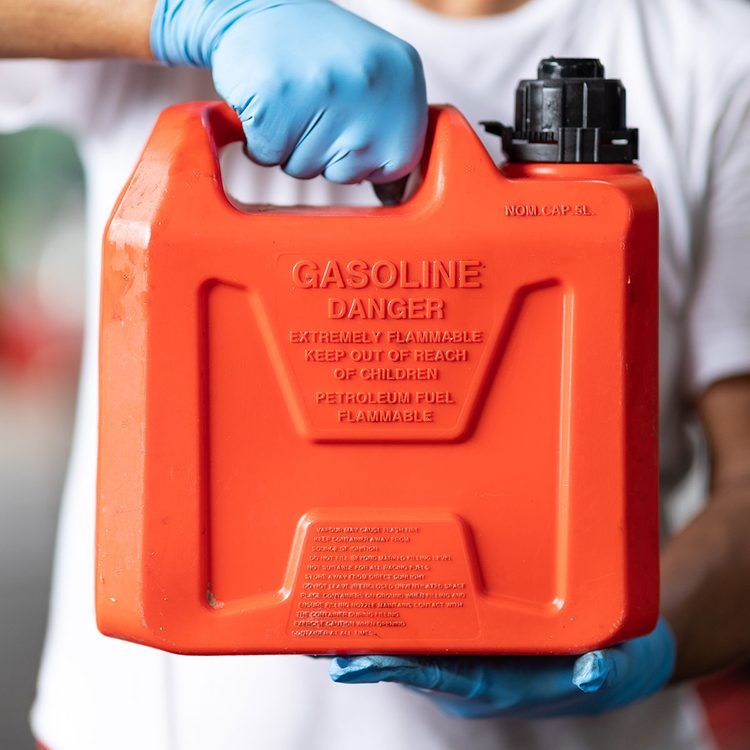
Transfer gasoline into a certified fuel container if it’s not already in one. Containers should be:
-
Clearly labeled
-
Sealed tightly
-
Stored away from heat and flames
Step 3: Locate a Household Hazardous Waste Facility
Search for:
-
“Household hazardous waste disposal near me”
-
“Gasoline disposal site near me”
-
“Hazardous waste collection event”
Many municipalities provide free drop-off services.
Step 4: Transport It Safely
When transporting gasoline:
-
Keep containers upright
-
Avoid leaving them in a hot vehicle
-
Secure them to prevent tipping
Step 5: Drop It Off at an Approved Facility
Staff at HHW centers are trained to handle flammable materials safely. They may recycle or properly treat the fuel according to environmental guidelines, ensuring it does not harm the environment or pose safety risks.
This is the safest way to dispose of old gasoline safely and legally.
If you are unsure about the process and wondering how junk removal works in cases involving hazardous materials, it typically begins with identifying and separating the fuel, followed by safe collection in approved containers, secure transportation, and delivery to an authorized hazardous waste facility for proper treatment or recycling.
You May Also Read: How does junk removal work
What NOT to Do With Old Gasoline
Many online myths suggest unsafe methods. Avoid these mistakes:
- Do not pour gasoline down the drain
- Do not dump it in soil or gutters
- Do not evaporate it intentionally Do not burn it
- Do not mix it with household trash
These actions are dangerous and environmentally harmful.
Can Old Gasoline Be Recycled?
Yes — in many cases.
Hazardous waste facilities often:
-
Reprocess gasoline for industrial use
-
Blend it with other fuels
-
Safely incinerate it in controlled facilities
This prevents contamination and reduces environmental impact.
Environmental Impact of Improper Gasoline Disposal
Even small amounts of gasoline can contaminate large volumes of water. Gasoline contains toxic compounds such as benzene and toluene, which:
-
Harm aquatic life
-
Pollute drinking water
-
Create long-term soil contamination
Proper disposal protects your local ecosystem and community health.
Safety Tips When Handling Old Gasoline
Before you begin disposal, follow these precautions:
-
Wear gloves and eye protection
-
Work in a well-ventilated area
-
Avoid sparks, flames, and smoking
-
Keep children and pets away
-
Never mix gasoline with other chemicals
Gasoline vapors are heavier than air and can travel to ignition sources unexpectedly.
When to Call a Professional Waste Removal Service
If you have:
-
Large volumes of gasoline
-
Mixed hazardous liquids
-
Commercial fuel storage
-
Leaking containers
You may need professional help.
In such cases, Junk Masterz provides affordable waste removal services that ensure materials are handled in full compliance with environmental and safety regulations.
Professional services are especially useful for businesses, mechanics, property cleanouts, or estate cleanups where hazardous materials are present.
Final Thoughts: Dispose of Old Gasoline the Right Way
Old gasoline is more than just unwanted fuel — it’s a potential fire hazard and environmental threat. Understanding how to dispose of old gasoline safely protects your home, your family, and your community.
If you are handling larger quantities or conducting property cleanouts, Junk Masterz can assist with comerical junk removal services and responsible disposal practices.
The key takeaway is simple:
-
Never dump gasoline
-
Never burn it
-
Always use approved hazardous waste facilities
-
Seek professional help when necessary
By taking responsible action, you prevent environmental harm and ensure compliance with local regulations.
Safe disposal is not complicated — it just requires the right steps.
Frequently Asked Questions (FAQs)
How do I dispose of old gasoline safely at home?
You should not attempt to dispose of gasoline at home. Gasoline is highly flammable and classified as household hazardous waste. The safest option is to take it to a certified household hazardous waste facility where trained professionals handle and process it properly.
Can I pour old gasoline down the drain?
No. Pouring gasoline down the drain can damage plumbing systems, contaminate local water supplies, and create serious fire hazards. In many areas, this is illegal and may result in fines or environmental penalties.
Can old gasoline be reused?
In some situations, slightly old gasoline can be mixed with fresh fuel in small amounts. However, if the gasoline smells sour, looks dark, or has been stored for many months, it should not be reused. Heavily degraded fuel can damage engines and fuel systems.
Where can I dispose of gasoline near me?
You can dispose of gasoline at your local household hazardous waste facility or during community hazardous waste collection events. The best way to find a location is by checking your city or county’s official waste management website.
Is old gasoline considered hazardous waste?
Yes. Most municipalities classify gasoline as hazardous waste because it is flammable and contains harmful chemicals. It must be handled according to local environmental safety guidelines.
How long does gasoline stay flammable?
Gasoline remains flammable even after it has gone bad. Although its performance may decline over time, the vapors can still ignite easily, which is why proper storage and disposal are essential.
What happens if I use bad gasoline in my engine?
Using old gasoline can cause rough engine performance, difficulty starting, knocking sounds, or clogged fuel lines. In small engines like lawn mowers or generators, it can lead to carburetor damage and costly repairs.
Can gasoline evaporate if I leave it outside?
Allowing gasoline to evaporate is not safe or recommended. The vapors are toxic and highly flammable, and releasing them into the air contributes to environmental pollution. Proper disposal at a hazardous waste center is always the safer choice.
Is it illegal to dump gasoline on the ground?
Yes, dumping gasoline on soil or into storm drains is illegal in many areas. It can contaminate groundwater and harm the environment. Violations may result in significant fines.
How should I store gasoline before disposal?
Gasoline should be stored in an approved, tightly sealed fuel container. Keep it in a cool, well-ventilated area away from heat, sparks, or open flames until you can transport it to a disposal facility.
Does disposing of gasoline cost money?
In many communities, small amounts of gasoline can be dropped off for free at hazardous waste facilities. However, rules and fees may vary depending on location and quantity.
What should I do if gasoline spills accidentally?
If a small spill occurs, ventilate the area immediately and remove any ignition sources. Use absorbent materials like sand or cat litter to soak up the spill and dispose of the contaminated material at a hazardous waste facility. For large spills, contact local authorities.
Can I burn old gasoline to get rid of it?
No. Burning gasoline is extremely dangerous and releases toxic fumes into the air. It should never be used as a disposal method.