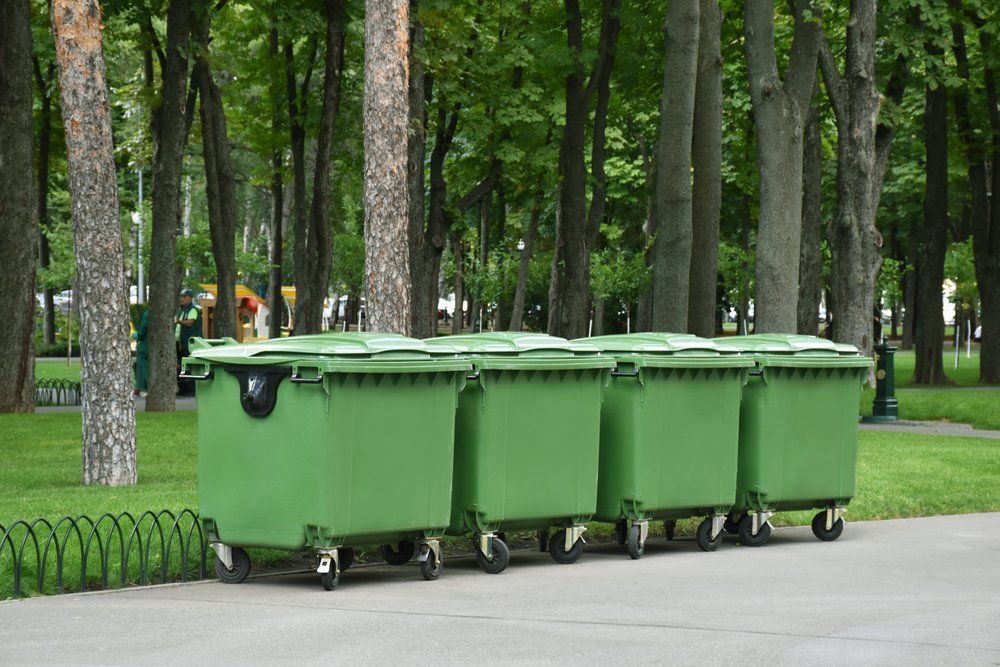
It might seem harmless to toss a bag of trash into the nearest dumpster, especially if it’s not full. But many people still ask: Is it illegal to dump trash in a dumpster? The answer isn’t as simple as yes or no—it depends on ownership, location, and permission. A common assumption is that dumpsters placed behind stores, apartment buildings, or construction sites are free for anyone to use. In reality, most dumpsters are privately owned, and using them without permission can lead to fines or even legal trouble. Whether you’ve wondered can I dump my trash in any dumpster or you’ve considered throwing garbage in a dumpster behind a business, this guide will break everything down in plain language. You’ll learn what the law says, what penalties you could face, and the safest alternatives for disposing of your waste properly. What Is Considered Dumpster Dumping? Dumpster dumping refers to placing trash into a dumpster that you do not own or have permission to use. While it may seem minor, it can fall under illegal dumping laws in many areas. Legal Definition of Dumpster Use Most dumpsters belong to: Businesses Property managers Construction companies Apartment complexes These entities pay waste management companies for pickup services. This means the dumpster is not public property, even if it’s accessible from the street. What Counts as Illegal Dumping? Illegal dumping in dumpster situations includes: Using a private dumpster without permission Overfilling bins with extra waste Disposing of prohibited items like chemicals or electronics Even tossing a single bag into someone else’s dumpster can be considered unauthorized use. According to the United States Environmental Protection Agency, improper waste disposal—including unauthorized dumping—can harm communities and the environment. Common Real-Life Examples Throwing household trash into a retail store dumpster Dumping furniture in an apartment complex bin that you don’t live in Leaving construction debris in a commercial dumpster All of these fall under illegal dumping in dumpster situations. Is it illegal to dump trash in a dumpster? Yes, in most cases, it is illegal to put trash in a dumpster if you do not have permission from the owner. Dumpsters are typically considered private property. Businesses and property owners pay for waste removal, so unauthorized use may be treated as theft of services or trespassing. For example, many local governments clearly state that using someone else’s dumpster without permission is a violation of municipal law. The City of Los Angeles Bureau of Sanitation outlines that illegal dumping can result in fines and enforcement actions. However, laws can vary by city or municipality. Some areas enforce strict penalties, while others may issue warnings for minor violations. Still, it’s always safest to assume that using a dumpster without permission is not allowed. Laws and Regulations Around Dumpster Dumping Understanding the legal side of throwing trash in dumpster situations can help you avoid unnecessary trouble. Local Municipal Laws Most cities have ordinances that prohibit unauthorized dumping. These laws are designed to: Prevent overflow and litter Reduce illegal waste disposal Protect sanitation systems Fines and enforcement vary by location, but the rule is generally consistent: no permission means no dumping. Trespassing and Theft Laws When you use someone else’s dumpster, you may be violating: Trespassing laws (entering private property) Theft of service laws (using a paid service without permission) This is why it is illegal to put trash in a dumpster, which often has a firm “yes” as an answer. Environmental Regulations If hazardous materials are involved, penalties can be much more severe. Items like: Paint Chemicals Batteries Dumping them in a regular dumpster may violate environmental laws. Certain materials—like paint, chemicals, or batteries—must be disposed of properly. The Environmental Protection Agency guides safe and legal disposal practices. What Happens If You Get Caught Dumping Trash? Many people assume they won’t get caught—but businesses are increasingly taking steps to prevent unauthorized dumping. Fines and Penalties Penalties can include: Small fines: $50–$500 Larger violations: $500–$1,500+ Additional cleanup fees The more waste you dump, the higher the fine may be. Possible Legal Charges (Explained Clearly) In some cases, throwing garbage in a dumpster without permission can lead to the following legal consequences: Misdemeanor Charges A misdemeanor is a minor criminal offense. It is more serious than a simple fine but less severe than a felony.If illegal dumping is charged as a misdemeanor, you may face: A higher fine A criminal record (in some cases) Short-term penalties set by local law This usually applies when the dumping is repeated, intentional, or involves larger amounts of waste. Court Appearances A court appearance means you are legally required to show up before a judge to respond to the charge. During the hearing: The judge reviews the evidence You may explain your side A decision is made about fines or penalties Failing to appear in court can lead to additional legal trouble. Community Service Community service is a penalty where you must complete unpaid work to benefit the community. Examples include: Cleaning public areas Assisting with waste cleanup programs Participating in environmental initiatives This is often given instead of—or in addition to—fines, especially for first-time offenders. How People Get Caught You might be surprised how often people are identified. Common methods include: Security cameras Witness reports Evidence found in trash (mail, receipts) Businesses and property managers are actively monitoring their dumpsters more than ever. Can I Dump My Trash in Any Dumpster? (Myths vs Reality) This is one of the most common questions people ask: Can I dump my trash in any dumpster? Common Misconceptions “It’s outside, so it’s public.” “It’s not full, so it doesn’t matter.” “One small bag won’t hurt.” These assumptions are incorrect and can still result in penalties. The Reality Dumpsters are almost always privately owned Waste disposal is a paid service Extra trash can cause overflow issues Even small actions like throwing trash in a dumpster without permission can create problems for the owner. When Is It Legal to Use a Dumpster? There are situations where using a dumpster is perfectly legal.
- (559) 908-2189
- junkmasterz@yahoo.com
- Fresno, CA 93725
- (239)-543-217-0108