Dumpster

What Size Dumpster Do I Need? Expert Guide to Dumpster Sizes

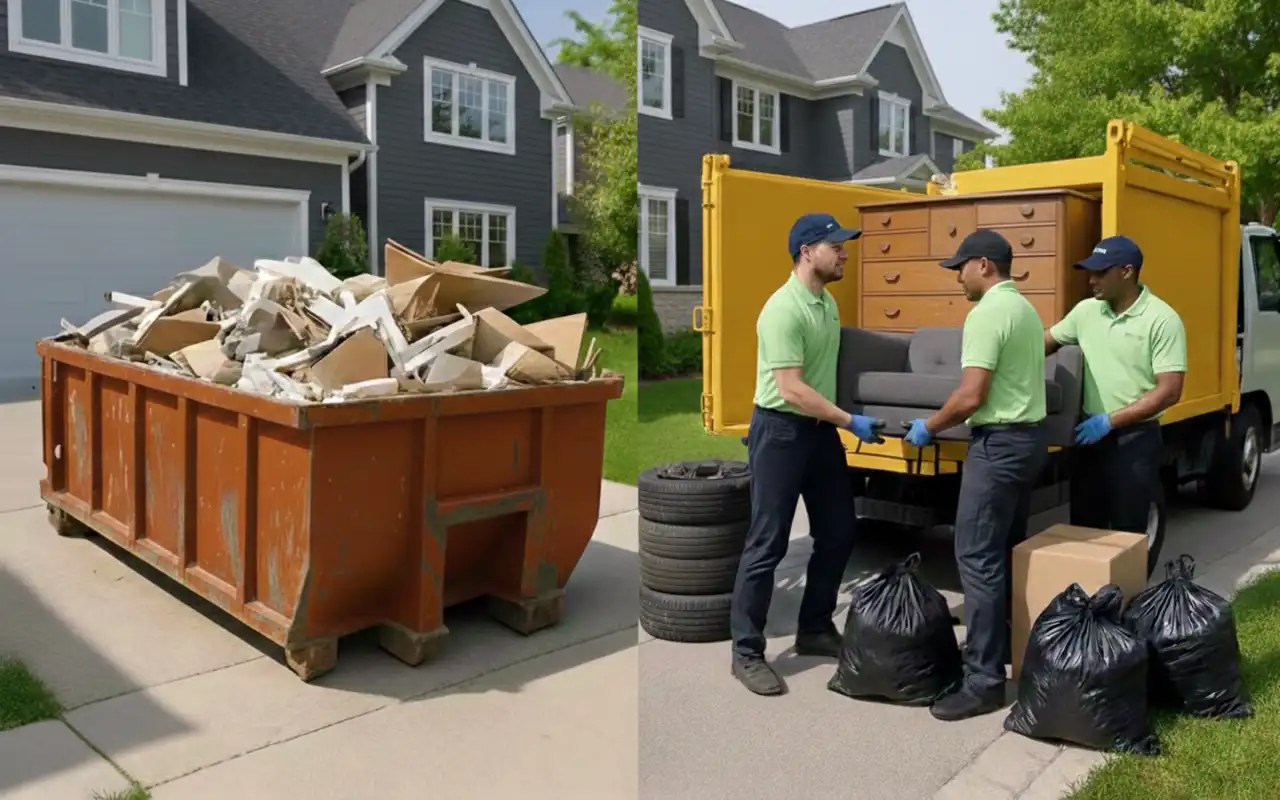
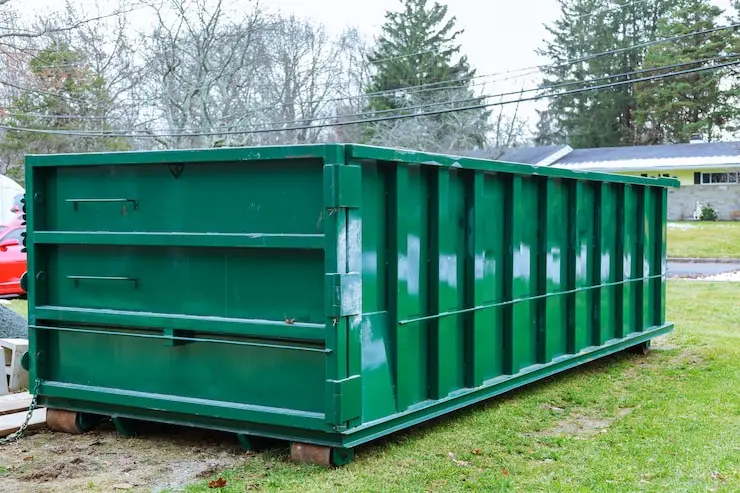
If you are planning a cleanup, remodel, or construction job, one question always comes up first: what size dumpster do I need? It sounds simple, but the answer depends on many things like debris type, weight, space, and how much trash you really have. People often guess and end up with a dumpster that is too small or way too big. Both mistakes cost money and time. This guide is written to help homeowners, renters, contractors, and event planners make the right call the first time. We will walk through dumpster sizing step by step, using plain language and real examples. By the end, you should feel confident choosing the right dumpster size for your project. What Does “Dumpster Size” Really Mean? When people talk about dumpster size, they are usually talking about cubic yard capacity. A cubic yard is a unit of volume. One cubic yard is about the size of a washing machine. Most roll off dumpster sizes range from 10 to 40 cubic yards. Dumpster size is not just about how much fits inside. It also includes: Dumpster dimensions (length, width, height) Weight limit set by the landfill The type of debris you plan to throw away Where the dumpster will be placed Standard dumpster dimensions matter because space can be tight. A driveway placement that works for one home may not work for another. This is why two dumpsters with the same cubic yard capacity may still feel different on-site. Dumpster Size Understanding what dumpster size really means helps answer the bigger question of what size dumpster do I need without guessing. Let’s break down the different dumpster sizes and what they’re actually good for. This chart gives you the real dimensions and helps you picture what fits inside. 10-Yard Dumpster Typical dimensions: 14 feet long × 7.5 feet wide × 3.5 feet tall Holds: About 10 cubic yards or roughly 4 pickup truck loads Weight limit: Usually 2-3 tons Best for: Small bathroom remodels, garage cleanouts, yard debris from trimming trees or removing a small deck Real-world example: Cleaning out a one-car garage or replacing 1,500 square feet of carpet 15-Yard Dumpster Typical 15 yard dumpster size: 16 feet long × 7.5 feet wide × 4.5 feet tall Holds: About 15 cubic yards or roughly 6 pickup truck loads Weight limit: Usually 2-3 tons Best for: Medium cleanup projects, removing old flooring from several rooms, small estate cleanouts Real-world example: Tearing out a kitchen (cabinets, counters, and flooring) or clearing out a basement with old furniture 20-Yard Dumpster Common 20 yard dumpster dimensions: 22 feet long × 7.5 feet wide × 4.5 feet tall Holds: About 20 cubic yards or roughly 8 pickup truck loads Weight limit: Usually 3-4 tons Best for: Large home renovations, roof replacements for small to medium homes, whole-house carpet removal Real-world example: Replacing a 3,000 square foot roof or gutting and remodeling two bathrooms 30-Yard Dumpster Typical dimensions: 22 feet long × 7.5 feet wide × 6 feet tall Holds: About 30 cubic yards or roughly 12 pickup truck loads Weight limit: Usually 4-5 tons Best for: Major home additions, large construction debris projects, whole-home cleanouts Real-world example: Building a large deck, removing siding from an entire house, or major estate cleanouts 40-Yard Dumpster Typical dimensions: 22 feet long × 7.5 feet wide × 8 feet tall Holds: About 40 cubic yards or roughly 16 pickup truck loads Weight limit: Usually 5-7 tons Best for: Commercial projects, complete home gut-jobs, new construction sites Real-world example: Tearing down a large shed or garage, commercial building cleanouts When looking at different size roll off dumpsters, remember that the “yard” number tells you volume, not actual size. A container’s shape might vary, but the capacity stays the same. Read More: How Much Does a Dumpster Rental Cost? How To Estimate Your Dumpster Needs If you are asking, how do I know what size dumpster I need, start with trash estimation. This means taking a close look at what you plan to throw away. Step 1: List Your Debris Write down everything going into the dumpster. Are you tossing old furniture, drywall, wood, or yard debris? Different materials take up space in different ways. Step 2: Think in Pickup Loads One pickup truck load equals about 2 to 3 cubic yards. 3 pickup loads = 10 yard dumpster 6 to 7 pickup loads = 20 yard dumpster This method helps visualize volume without measuring. Step 3: Plan for Extra Most cleanup projects grow as you work. Hidden junk, broken materials, and last-minute changes add up. Choosing a slightly larger dumpster size can save you from needing a second rental. Material-Based Weight Considerations   Here’s something that catches people off guard: you can’t always fill a dumpster to the top. The culprit? Weight limits. Every dumpster rental comes with a weight limit measured in tons. Go over that limit, and you’ll pay hefty overage fees sometimes $50-100 per extra ton. Understanding your materials disposal needs prevents these surprise charges. Lightweight materials (can fill the dumpster completely): Household junk and furniture Yard debris like branches, leaves, and grass Drywall and wood Carpet and padding Cardboard and paper waste Medium-weight materials (fill about halfway to two-thirds): Mixed home renovation waste Doors and windows Kitchen cabinets Vinyl siding Fencing Heavyweight materials (fill only one-third or less): Concrete and asphalt Brick and stone Dirt and soil Roofing shingles Tile and hardwood flooring (large amounts) Let’s look at a real example: You’re replacing your roof. A typical 2,000 square foot roof generates about 2-3 tons of shingles. A 20-yard dumpster has a 3-4 ton limit, which sounds perfect. But here’s the catch you can only fill that 20-yarder about one-third full with shingles before hitting the weight limit. Some companies offer special “heavy debris” dumpsters for roofing and concrete these are shorter but have higher weight limits. For construction site waste mixing light and heavy materials, load strategically. Put heavy stuff on the bottom and lighter materials on top.

How Much Does a Dumpster Rental Cost? A Complete Guide for 2026

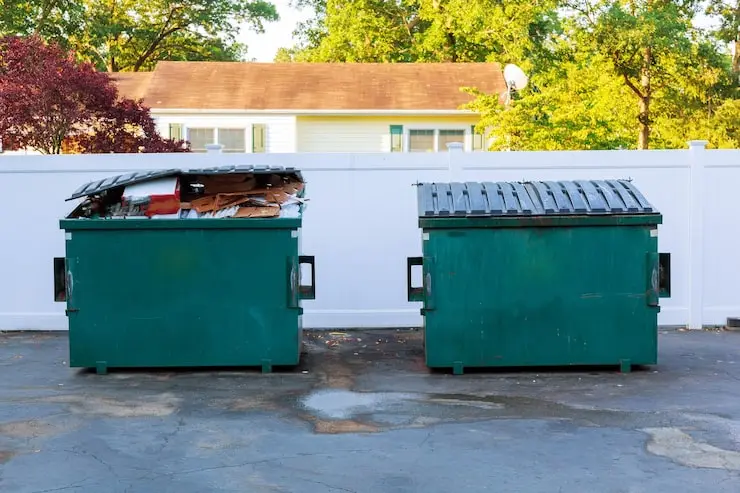
If you are planning a home cleanout, renovation, roofing job, or construction project, one of the first questions that comes up is simple but important: how much does a dumpster rental cost? The short answer is that dumpster rental prices usually fall between $300 and $700, but that range can move up or down depending on several factors. Dumpster size, location, rental length, debris type, and local landfill fees all play a role. This guide breaks down everything you need to know about dumpster rental costs, including average pricing, size-based costs, hidden fees, and tips for getting the best value. Whether you are a homeowner renting a dumpster for the first time or a contractor managing ongoing projects, this article will help you understand what you are paying for and how to avoid surprises. Dumpster Types and How Each One Changes the Price Not all dumpsters are created equal. The type you choose can drastically affect your dumpster rental cost by size, duration, and overall price. Here’s a breakdown of the most common dumpster types: 1. Roll-Off Dumpsters Roll-off dumpsters are the most popular choice for large projects like construction, major renovations, or commercial cleanouts. They come in various sizes, typically ranging from 10 to 40 yards, and are delivered directly to your site. 10-yard dumpsters: Perfect for small cleanouts or minor home projects. 20-yard dumpsters: Ideal for medium-sized renovations, such as kitchen remodels. 30–40-yard dumpsters: Best suited for large construction projects or commercial use. Because of their versatility and size, roll-off dumpsters usually have higher rental prices than smaller, residential-specific options. 2. Front-Load Dumpsters Front-load dumpsters are commonly used by businesses, apartment complexes, and retail establishments. These dumpsters are emptied by garbage trucks on a scheduled basis, making them a convenient choice for ongoing waste management. Since they’re typically smaller and designed for frequent pickups, front-load dumpsters generally have lower rental costs per pickup but may incur additional charges depending on pickup frequency. 3. Specialty Dumpsters For certain projects, like roofing or concrete removal, you may need specialty dumpsters designed to handle heavier materials. These can be more expensive due to weight restrictions and disposal requirements. The 6 Factors That Determine Your Dumpster Rental Cost   While dumpster size is important, it’s not the only thing that affects dumpster rental prices. Here are the five main factors that determine your final cost: 1. Dumpster Size Dumpsters are measured in cubic yards, which refers to how much material they can hold. A 10-yard dumpster holds 10 cubic yards of debris—that’s about three to four pickup truck loads. The bigger the dumpster, the more you’ll pay, but choosing the right size from the start saves you from needing a second rental. 2. Rental Duration Most companies include seven to fourteen days in their base price. Need it longer? You’ll typically pay an additional daily fee ranging from $5 to $15 per day. Some projects wrap up quickly, while others drag on—understanding your timeline helps you budget accurately. 3. Type of Debris Not all trash is created equal. Certain materials are heavier or require special disposal methods, which can raise your cost to rent a dumpster. Household junk: Cheapest and easiest to dispose of. Construction debris: Often comes with higher fees. Concrete, dirt, or roofing shingles: Heavier materials may lead to overage charges or higher base rates. 4. Location and Local Fees Where you live has a massive impact on pricing. Urban areas generally cost more due to higher disposal fees and permit requirements. Rural locations might have lower disposal costs but could face higher delivery charges if you’re far from the rental company’s depot. Most companies include delivery within a certain radius, usually 15 to 30 miles. 5. Weight Limits and Overages Dumpster rentals typically include a maximum weight limit. Exceeding this limit can lead to additional charges per ton. Being mindful of weight restrictions is an easy way to prevent unexpected costs. 6. Local Disposal Fees Landfills and transfer stations charge different rates depending on your region. Some areas have strict environmental regulations that drive up disposal costs. These fees are usually built into your rental price, but it’s worth asking about them upfront. Dumpster Rental Prices by Size Choosing the right dumpster size is crucial for controlling costs. Order too small, and you’ll need a second rental that doubles your expense. Order too large, and you’re paying for empty space you don’t need. Let’s break down what each size costs and when to use it. 10 Yard Dumpster Rental Cost Price Range: $250 to $450 Best For: Small cleanouts, bathroom remodels, garage decluttering, minor landscaping projects A 10-yard dumpster is the smallest option most rental companies offer. At approximately 12 feet long, 8 feet wide, and 3.5 feet tall, it holds about three to four pickup truck loads of debris. This size works perfectly for that weekend garage cleanout you’ve been putting off for months. It’s also ideal for small bathroom renovations where you’re removing a vanity, toilet, and some tiles. Many homeowners underestimate how much a 10-yard dumpster can actually hold—it’s surprisingly spacious for focused projects. The 10 yard dumpster rental cost is the most affordable option, making it attractive for budget-conscious homeowners. Just remember that if your project grows beyond what you initially planned, you might need to upgrade or order a second container. 15 Yard Dumpster Rental Cost Price Range: $300 to $500 Best For: Medium renovations, flooring removal, deck demolition, basement cleanouts Step up to a 15-yard dumpster, and you’re looking at capacity for four to five pickup truck loads. This size bridges the gap between small projects and major renovations. Removing carpet throughout your home? A 15-yard dumpster handles it comfortably. Tearing down an old wooden deck? This size accommodates the lumber and supporting beams. It’s also perfect for clearing out a cluttered basement where you’ve accumulated years of items you no longer need. The price increase from a 10-yard to a 15-yard dumpster is relatively modest usually $50 to $100 more making

Color Palette