Dispose

How to Dispose of Paint Thinner Safely and Legally (Complete Homeowner Guide)

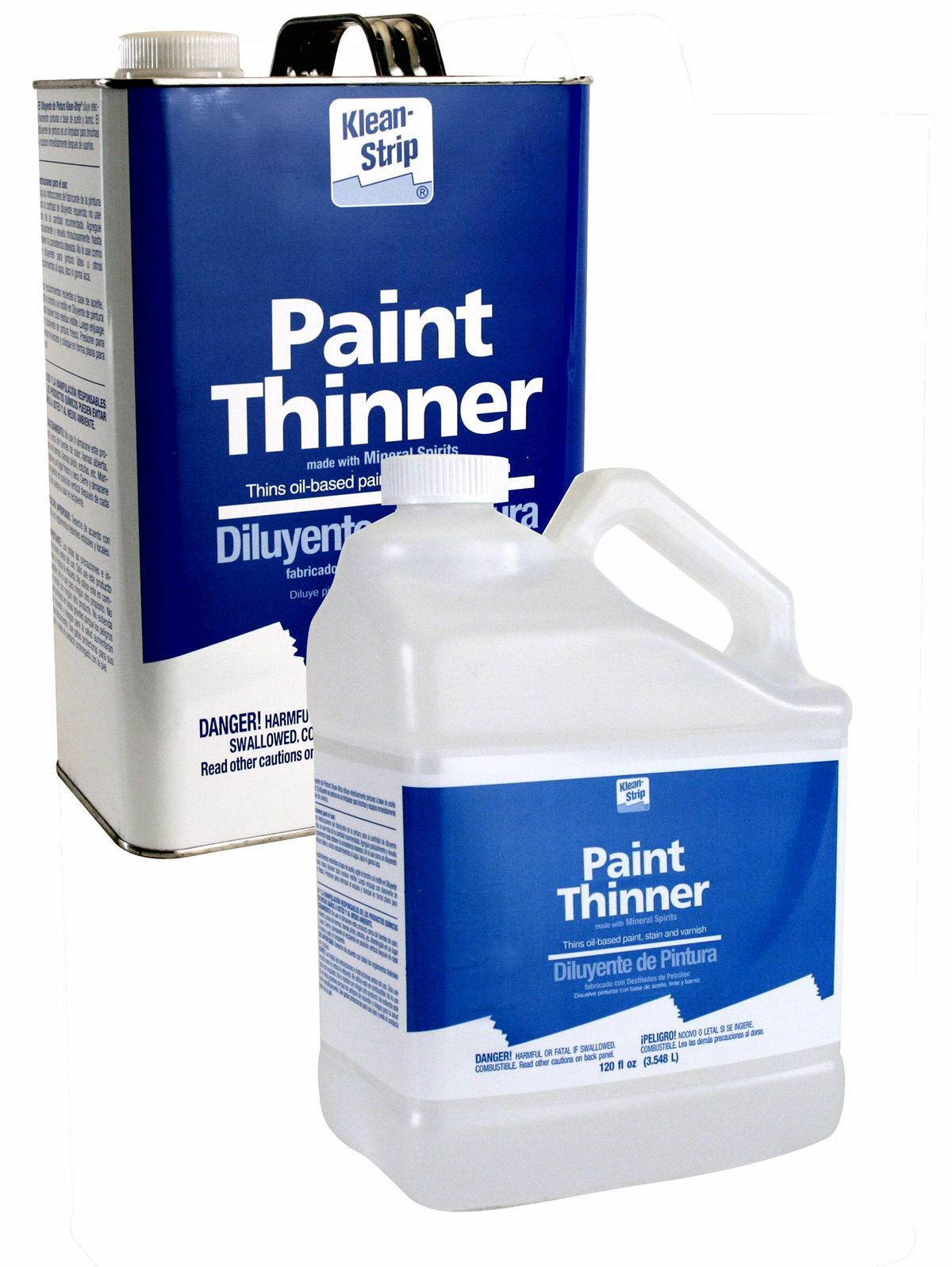
Paint thinner is a common tool in many households, used for thinning oil-based paints, cleaning brushes, and removing stubborn paint stains. This makes understanding how to dispose of paint thinner safely an essential part of any painting or renovation project.While it is incredibly useful, it also comes with serious risks if not handled or disposed of correctly. Many homeowners are unaware that improper disposal of paint thinner can lead to environmental contamination, health hazards, and even fire risks.  In this guide, we will walk you through safe and effective methods for disposing of used paint thinner, including how to reuse it, how to handle oil-based variants, and where to take larger quantities for legal disposal. By following these steps, you can protect your home, your community, and the environment while staying compliant with local regulations. What Is Paint Thinner and Why Is It Hazardous? Paint thinner is a petroleum-based solvent used to: Thin oil-based paints Clean brushes and rollers Remove paint spills Degrease surfaces Most paint thinners contain volatile organic compounds (VOCs). These chemicals evaporate quickly and can: Pollute air Contaminate soil and groundwater Cause health issues if inhaled Ignite easily (highly flammable) Because of these risks, paint thinner should never be poured down the drain, into the ground, or into regular trash unless fully dried and approved by local regulations. How to Dispose of Paint Thinner (Step-by-Step Guide) Here is the safest and most recommended process. Step 1: Determine If It Can Be Reused Before disposal, check if the paint thinner can be recycled at home. How to reuse paint thinner: Pour used thinner into a clear glass or metal container. Seal it tightly. Let it sit undisturbed for 24–48 hours. Paint residue will settle at the bottom. Carefully pour the clear liquid into a new container. The clear liquid can often be reused for cleaning tools again. This method is ideal when learning how to dispose of used paint thinner responsibly, since reuse reduces waste. Step 2: Dry Small Amounts Safely If you have a small leftover amount: Pour it into a metal tray lined with kitty litter or sawdust. Let it evaporate in a well-ventilated outdoor area away from flames. Once completely dry, the solid residue may be disposed of in regular trash (check local rules). Never dry paint thinner indoors. Step 3: Take It to a Household Hazardous Waste Facility For larger quantities, the safest answer to how to properly dispose of paint thinner is: Take it to your local Household Hazardous Waste (HHW) facility. Most cities operate drop-off centers several times a year. Some offer permanent facilities. These centers are equipped to: Neutralize chemicals Recycle solvents Dispose of hazardous materials safely How to Dispose of Oil Paint Thinner Oil paint thinner is more toxic than water-based alternatives. If you’re wondering how to dispose of oil paint thinner, follow these rules: Never mix it with other chemicals. Keep it in its original container if possible. Label it clearly if transferring to a new container. Store it away from heat sources. Oil-based thinners must be handled as hazardous waste in almost all regions. You May Also Read:How to Dispose of gasoline How to Dispose of Paint Thinner After Use If you need a fast summary: Let solids settle and reuse clear liquid. Dry small amounts outdoors with absorbent material. Never pour down sink, toilet, storm drain, or soil. Take larger quantities to hazardous waste collection. Store in sealed, fire-safe container until disposal. Mid-project cleanups can be overwhelming, and companies like Junk Masterz assist with sorting, transporting, and ensuring materials go to approved disposal facilities. Can You Pour Paint Thinner Down the Drain? No. Paint thinner damages: Plumbing systems Septic tanks Municipal wastewater systems It can also: Enter rivers and groundwater Kill aquatic life Release toxic fumes inside pipes Most municipalities fine residents for illegal disposal of hazardous solvents. Can Paint Thinner Go in Regular Trash? Only if: It has fully evaporated. It is completely dry. Local waste regulations allow it. Liquid paint thinner should never go in household garbage. Safe Storage Tips Before Disposal If you cannot dispose of it immediately: Store in original container. Keep tightly sealed. Place in cool, dry area. Keep away from children and pets. Avoid direct sunlight. Proper storage reduces fire risk and chemical leaks. Environmental Impact of Improper Disposal Improper disposal can: Pollute groundwater for decades Harm wildlife Increase indoor air pollution Create fire hazards in landfills Even small amounts can contaminate thousands of gallons of water. Responsible disposal protects both your household and the community. What happens if paint thinner goes down the drain? It can: Damage plumbing Contaminate groundwater Harm wastewater treatment systems Lead to fines It should never be poured into household drains. When to Call a Professional Removal Service If you have: Large quantities Garage cleanouts Commercial renovation waste Mixed hazardous materials It may be safer to contact professionals. Junk Masterz is offering affordable junk removal services that help homeowners safely remove unwanted materials, including paint-related waste. Frequently Asked Questions (FAQs) Is paint thinner considered hazardous waste? Yes. In most municipalities, paint thinner is classified as household hazardous waste due to its flammable and toxic chemical composition. How long does paint thinner take to evaporate? Small amounts may evaporate within 24–48 hours in a well-ventilated outdoor area. Larger quantities take longer and should not be left in enclosed spaces. Can you reuse paint thinner? Yes. After allowing solids to settle at the bottom of a container, the clear liquid on top can often be reused for cleaning brushes and tools. How do you neutralize paint thinner? Paint thinner cannot be chemically neutralized safely at home. The safest approach is evaporation of small quantities or disposal at a hazardous waste facility. Can I mix paint thinner with cat litter and throw it away? Yes, for small quantities. Once fully absorbed and completely dry, some municipalities allow disposal in regular trash. Always verify local regulations. How to dispose of used paint thinner from brushes? Let the thinner settle

How to Dispose of Coolant : Safely and Legally

If you own a car, truck, or SUV, coolant maintenance is unavoidable. Whether you’re performing a routine radiator flush, replacing a water pump, or repairing a leaking hose, one question always comes up: how to dispose of coolant?  Many vehicle owners focus on how to change coolant — but very few think about what happens after it’s drained. Used antifreeze doesn’t just “go away.” It becomes chemical waste that must be handled responsibly. Failing to dispose of it correctly can lead to environmental damage, health risks, and even legal penalties. Engine coolant may look harmless, but most formulas contain ethylene glycol — a toxic chemical that can contaminate groundwater and attract pets due to its sweet taste. Just a small spill can pose serious risks. That’s why understanding how to dispose of engine coolant the right way is not optional — it’s essential. Why Proper Coolant Disposal Matters Engine coolant (also called antifreeze) typically contains ethylene glycol or propylene glycol. Ethylene glycol is toxic to humans and animals. Even small amounts can cause serious harm. When dumped improperly: It can contaminate groundwater It can poison pets and wildlife It may enter storm drains and waterways It can violate environmental laws That’s why understanding how to dispose of used coolant properly is essential. What Is Coolant and Why Is It Hazardous? Coolant is a chemical mixture used to regulate engine temperature. It prevents overheating in summer and freezing in winter, keeping your radiator and engine operating within a safe range. Common Ingredients: Ethylene glycol (toxic) Propylene glycol (less toxic but still regulated) Corrosion inhibitors Additives and dyes While new coolant already requires careful handling, used coolant becomes even more hazardous over time because it may contain: Heavy metals Oil residue Fuel contaminants These contaminants accumulate as the fluid circulates through the engine. That means used antifreeze is no longer just a temperature-control liquid — it becomes chemically polluted waste that can harm soil, water systems, pets, and wildlife. This is why knowing how to dispose of old coolant responsibly is important. It’s not just automotive maintenance — it’s environmental responsibility. In situations where coolant containers are leaking, mixed with other garage waste, or part of a larger cleanup project, proper handling becomes even more critical. Automotive fluids fall under regulated junk removal liquid waste, meaning they must be separated, transported, and processed according to local environmental guidelines rather than being treated like regular household trash. You May Also Read :Junk removal liquid Step-by-Step: How to Dispose of Coolant Safely Step 1: Collect the Coolant Properly When draining coolant: Use a drain pan designed for automotive fluids Avoid spilling onto the driveway or soil Transfer the fluid into a sealed, leak-proof container Label the container clearly Never mix coolant with oil, brake fluid, or other chemicals. Step 2: Store It Safely Until Disposal Keep the container: Tightly sealed Away from children and pets Stored in a cool, dry place If you’re wondering how to dispose of coolant fluid safely before transport — proper storage is critical. Step 3: Take It to an Approved Disposal Location You cannot throw coolant in the trash or pour it down the drain. Approved disposal options include: 1. Local Household Hazardous Waste (HHW) Facilities Most cities operate HHW collection centers that accept antifreeze. 2. Auto Parts Stores Some auto shops and retailers accept used antifreeze for recycling. 3. Automotive Repair Shops Many garages accept used coolant for a small fee. This is the safest answer to how to dispose of auto coolant legally. Can You Recycle Coolant? Yes — in many cases, coolant can be recycled. Recycling facilities remove contaminants and restore coolant to reusable condition. Recycled antifreeze is often just as effective as new coolant. If you’re researching how to dispose of used engine coolant, recycling is often the best environmental option. How to Dispose of Coolant in Large Quantities If you are: Closing a repair shop Cleaning out a commercial garage Managing fleet vehicle maintenance You may need a licensed hazardous waste transporter. In these cases, working with professional removal providers such as Junk Masterz offering  junk removal services ensures fluids are transported to approved facilities safely and legally. What NOT to Do With Coolant Never: Pour it down the sink Dump it into storm drains Throw it into household garbage Pour it onto soil or gravel Burn it These methods are illegal in many areas and can lead to fines. Environmental Impact of Improper Disposal Ethylene glycol has a sweet taste, which attracts animals. Even a small puddle can be deadly to pets. Improper disposal can also: Contaminate drinking water Harm aquatic life Damage septic systems Pollute soil Understanding how to dispose of engine coolant protects both your community and the environment. Is Coolant Considered Hazardous Waste? For households, used coolant is typically classified as household hazardous waste. For businesses, it may be regulated as hazardous waste depending on contamination levels. Commercial auto shops must follow stricter guidelines under federal and state environmental laws. How Much Does Coolant Disposal Cost? In many cities: Household hazardous waste drop-off is free Some auto shops may charge $5–$15 Large commercial quantities may require licensed waste handlers If you’re handling large amounts or cleaning out a garage, professional junk removal services like Junk Masterz offering  affordable waste  removal services can help coordinate safe disposal while ensuring compliance with local regulations. Conclusion: Safe Coolant Disposal Protects Your Engine — and the Environment Understanding how to dispose of coolant properly is a small responsibility that makes a big difference. Engine coolant is essential for vehicle performance, but once it becomes used or contaminated, it turns into a potentially dangerous chemical that must be handled with care. Whether you’re researching how to dispose of engine coolant after a DIY flush, figuring out how to dispose of used coolant from routine maintenance, or dealing with how to dispose of old coolant sitting in your garage for years, the solution is always the same: never dump it — always use approved disposal

Where to Dispose of Pressure Treated Wood: The Complete Homeowner’s Guide

If you’ve recently removed an old deck, fence, pergola, or landscaping structure, you’re probably asking the same question many homeowners type into Google every month: where to dispose of pressure treated wood?. Pressure treated wood has been infused with chemical preservatives under high pressure. These chemicals are designed to protect the wood from rot, termites, mold, and moisture damage. That’s why it’s commonly used for outdoor structures that are exposed to rain, soil, and changing weather conditions. The treatment process forces preservatives deep into the wood fibers, which helps the lumber last for many years. However, those same preservatives are the reason you cannot simply throw treated lumber into your regular household trash or yard waste bin. Unlike natural wood, treated wood does not break down safely over time. Older treated wood, especially lumber installed before 2004, may contain chromated copper arsenate (CCA), which includes arsenic. Even newer types use copper-based chemicals that are not safe for burning or composting. These substances can leach into soil or release harmful fumes if handled incorrectly. In simple terms, pressure treated wood is built to resist natural breakdown. That durability is helpful during its use, but it also means extra care is required at the end of its life. Understanding this difference helps homeowners make safer, more responsible decisions when figuring out how to dispose of pressure treated lumber correctly. What Is Pressure Treated Wood? (And Why It’s Different) Pressure treated wood is lumber that has been infused with chemical preservatives under high pressure. This process forces protective chemicals deep into the wood fibers. Why Is Wood Treated? Wood is treated to: Prevent rot and decay Resist termites and insects Withstand outdoor moisture Extend structural lifespan This makes it ideal for: Decks Fences Retaining walls Outdoor staircases Playground structures What Chemicals Are Used? Older treated wood (before 2004) often contained Chromated Copper Arsenate (CCA), which includes arsenic. Modern treated wood uses safer copper-based preservatives such as: Alkaline Copper Quaternary (ACQ) Copper Azole Although newer treatments are considered safer for residential use, they still contain chemicals that prevent the wood from breaking down naturally. That’s why the disposal of pressure treated wood requires special care. Why Proper Disposal of Pressure Treated Wood Matters Many homeowners underestimate the environmental and health impact of improper disposal. Let’s clearly explain why correct disposal is essential. 1. Soil and Groundwater Protection Treated lumber contains chemical preservatives that can leach into soil if left exposed in landfills not designed for construction debris. Improper dumping can lead to: Groundwater contamination Soil toxicity Damage to nearby vegetation Approved construction and demolition landfills are engineered to prevent this. 2. Air Quality and Toxic Emissions Burning treated wood is extremely dangerous. When burned, it releases: Arsenic (in older wood) Copper compounds Toxic smoke and ash Even small backyard fires can release harmful pollutants into the air. 3. Legal Compliance Many municipalities regulate how to dispose of pressure treated lumber. Burning or illegal dumping can result in fines or penalties. Local waste authorities often have strict guidelines because treated wood is not biodegradable. 4. Recycling Contamination Treated wood cannot be recycled with clean wood waste. If mixed into recycling streams, it contaminates: Wood mulch processing Composting programs Biomass recycling That’s why understanding where to dispose of treated lumber is important for community waste systems. Where to Dispose of Pressure Treated Wood Now let’s clearly answer the main question. 1. Construction and Demolition (C&D) Landfills This is the most common and safest solution. C&D landfills are designed to handle: Treated lumber Concrete Roofing materials Construction debris These facilities manage chemical-treated materials properly and prevent environmental contamination. Before visiting: Confirm they accept treated wood Ask about disposal fees Check weight or load limits Verify operating hours For most homeowners, this is the primary answer to where to dispose of pressure treated wood. 2. Local Transfer Stations Some municipal transfer stations accept treated wood and transport it to approved facilities. Benefits include: Convenient drop-off Lower travel distance Weight-based pricing Always confirm acceptance before arriving. 3. Renting a Construction Dumpster If you’re doing a large renovation, you may rent a dumpster designated for construction debris. Important: Inform the rental company that the load contains treated wood Confirm they accept pressure treated lumber Avoid mixing with prohibited materials Not all dumpster services allow treated lumber, so always ask. What You Should NEVER Do? Clear warnings are important. Do Not Burn Treated Wood Burning releases toxic fumes and contaminated ash. Never burn treated lumber in: Fire pits Wood stoves Fireplaces Outdoor burn piles This applies to both old and new treated wood. Do Not Compost It Treated lumber contains preservatives that can leach into soil. Never place it in: Garden compost Green waste bins Yard waste piles Do Not Leave It Outdoors to Rot Even though it resists decay, over time chemicals can slowly leach into surrounding soil. This can affect nearby plants, contaminate groundwater, and disturb the natural balance of your yard or surrounding environment. That’s why leaving old treated lumber sitting on bare ground for long periods is not recommended. Proper disposal prevents long-term environmental damage and ensures those chemicals are contained in facilities designed to handle construction materials safely. In contrast, natural yard debris like untreated tree branches, leaves, and trunks should be handled differently. When you need to dispose of trees branches, they should go through approved green waste or yard waste recycling programs. Unlike pressure treated wood, trees and branches can be composted, mulched, or processed into organic material when managed through proper municipal channels. You May Also Read: Where Can I Dispose Of Tree Branches How Do I Dispose of Pressure Treated Wood From an Old Deck? This is one of the most searched questions. Follow these steps: Step 1: Wear Protective Gear Gloves Long sleeves Dust mask Eye protection Avoid inhaling sawdust. Step 2: Remove Nails and Hardware (If Required) Some facilities require metal removal. Use a pry bar or hammer carefully. Step 3: Cut Into Manageable Sections Shorter sections make transportation

Can You Fix a Garbage Disposal Leaking from the Bottom? A Complete Homeowner’s Guide

A leaking garbage disposal is more than just a small inconvenience. When you notice water dripping under your sink, especially from the base of the unit, it can quickly turn into a stressful situation. Many homeowners immediately search online asking, “can you fix a garbage disposal leaking from the bottom?” The reason this question is so common is because bottom leaks are confusing. Sometimes the issue is minor — like a loose pipe or worn gasket. Other times, a garbage disposal leaking from the bottom signals internal damage that cannot be repaired. If ignored, even a small leak can lead to: Water damage inside your kitchen cabinet Mold growth in hidden areas Electrical hazards near the motor Expensive plumbing repairs That’s why accurate diagnosis matters. You need to know whether your garbage disposal is leaking from the bottom due to a simple connection issue or a failed internal seal. How a Garbage Disposal Works (And Why the Bottom Matters) A garbage disposal is a sealed unit installed beneath your kitchen sink. It connects to: The sink flange (top mounting assembly) The dishwasher drain hose (if connected) The main drain pipe An internal grinding chamber A motor located at the bottom When food waste enters the chamber, spinning components break it down into small particles. Water flushes the particles into your plumbing system. If my garbage disposal is leaking from the bottom, the leak is usually coming from the motor housing area  which is more serious than a simple pipe leak. Why Is My Garbage Disposal Leaking from the Bottom? When homeowners say “my garbage disposal is leaking from the bottom”, they typically notice water dripping near the reset button or from the very base of the unit. Let’s break down the most common causes in detail. 1. Worn Internal Seal (Most Common Cause) Inside every disposal is a watertight seal that protects the motor from water exposure. Over time: Constant moisture weakens the seal Heat from the motor causes expansion and contraction Food acids slowly degrade rubber components Once this seal fails, water escapes into the motor housing and begins dripping from the bottom. Unfortunately, this is not an easy repair. Most manufacturers design disposals as sealed units, which means replacing the seal alone is usually not practical. In this case, if your garbage disposal is leaking from the bottom, replacement is typically recommended. 2. Cracked or Rusted Internal Housing As disposals age, the internal grinding chamber can corrode. This happens because: Food waste contains acids Metal components slowly rust Hard objects can cause stress fractures If a crack forms in the internal housing, water will escape directly through the bottom. When you see garbage disposal leaking water from bottom, and the unit is over 8–10 years old, corrosion is often the cause. A cracked chamber cannot be safely sealed. Replacement is the safest long-term solution. 3. Loose Sink Flange or Drain Connection (Sometimes Misdiagnosed) Sometimes what appears to be a garbage disposal leaking from the bottom is actually water traveling downward from above. This can happen if: The sink flange seal fails The dishwasher hose clamp is loose The drain pipe connection is not tight Water runs down the outside of the disposal and collects at the bottom, making it look like the base is leaking. The good news? These types of leaks are usually repairable. For homeowners who prefer professional help, services like Junk Masterz can inspect and fix these issues efficiently, ensuring your kitchen stays safe and leak-free. Step-by-Step: How to Diagnose the Leak Properly Before assuming the worst, follow these careful steps. Step 1: Turn Off Power Completely Never inspect a disposal while it’s powered. Unplug the unit from the outlet Or turn off the breaker Water and electricity are dangerous together. Safety always comes first. Step 2: Dry the Entire Unit Thoroughly Use paper towels or a dry cloth to wipe: The top mounting area All pipe connections The entire body of the disposal Drying everything allows you to clearly see where new water forms. Step 3: Run Water Without Turning on the Disposal Turn on the faucet and watch carefully. If water appears: Near the top → sink flange issue At pipe joints → drain connection problem Directly from the bottom housing → internal failure If your garbage disposal is leaking from the bottom, you’ll see fresh water forming around the motor area. Can You Fix a Garbage Disposal Leaking from the Bottom? Now let’s answer the main question clearly. If the Leak Is Internal (Seal or Housing Damage) In most cases, no. Internal seals are not designed to be replaced easily. Opening the disposal: Voids manufacturer warranties Risks damaging wiring Often costs more in labor than a new unit When garbage disposal leaking from the bottom is confirmed as internal, professional plumbers usually recommend full replacement. If the Leak Is from a Connection Yes, repair is possible. Common fixes include: Replacing plumber’s putty at the flange Tightening mounting bolts Installing a new rubber gasket Tightening dishwasher hose clamps These repairs are affordable and manageable. When Replacement Is the Smarter Option If you notice more than one of the following, replacement makes sense: Frequent clogs Loud grinding noises Reset button trips often Rust flakes inside chamber Unit older than 8–10 years Persistent garbage disposal leaking water from bottom Replacing an aging unit often prevents future plumbing damage. Cost Comparison: Repair vs Replacement Repair Minor connection fix → Low cost Internal repair → Often impractical Labor fees can exceed value of old unit Replacement New disposal → Moderate investment Modern models are quieter and more efficient Long-term reliability improves If my garbage disposal is leaking from the bottom, and the unit is old, replacement is usually more cost-effective. How to Prevent Future Bottom Leaks Maintenance makes a big difference. Here’s how to extend the life of your disposal: Avoid Pouring Grease Grease solidifies inside the chamber and strains internal seals. Run Cold Water While Operating Cold water keeps grease solid so it flushes properly

How to Dispose of Old Gasoline Safely and Legally?

Old gasoline sitting in your garage, shed, or storage area is more than just clutter — it can become a serious safety and environmental hazard. Many homeowners search for how to dispose of old gasoline but find confusing or incomplete answers. This comprehensive guide explains how to properly dispose of old gasoline, step by step, in a safe, legal, and environmentally responsible way. It also answers the most common questions people ask on Google, helping you make the right decision without risking fines, contamination, or fire hazards. Why Proper Gasoline Disposal Matters? Gasoline is a highly flammable petroleum product made from refined crude oil. Over time, it breaks down and loses its combustibility. When gasoline becomes old or contaminated, it: Emits strong, harmful fumes Can damage engines Poses a fire and explosion risk Pollutes soil and groundwater Improper disposal — like pouring it down a drain, onto the ground, or into storm sewers — can contaminate drinking water and may violate environmental regulations. That’s why learning how to safely dispose of old gasoline is essential for both safety and environmental protection. How Long Does Gasoline Last? Before disposing of gasoline, it’s important to determine whether it’s actually expired. Shelf Life of Gasoline Regular gasoline: 3–6 months Gasoline with stabilizer: Up to 12 months Ethanol-blended fuel: Often degrades faster Signs Gasoline Has Gone Bad Sour or varnish-like smell Darkened color Cloudy appearance Engine won’t start or runs rough If your fuel shows these signs, it’s time to consider how to dispose of old gasoline properly. Is It Legal to Throw Away Old Gasoline? In most regions, gasoline is classified as household hazardous waste (HHW). Local environmental agencies require residents to use designated collection facilities or special disposal events to ensure it is handled safely and legally. Failing to follow proper disposal procedures may result in environmental damage, local fines, and serious safety hazards, including fire risks and water contamination. If you are unsure about the proper steps or dealing with larger cleanouts, Junk Masterz can help guide you toward safe and responsible disposal options. Always check your city or county waste management website for approved facilities and current regulations before taking action. How to Dispose Of Old Gasoline Safely? Here’s the safest and most responsible method: Step 1: Confirm the Gasoline Is Unusable If gasoline is only slightly old, it may still be usable when mixed with fresh fuel (in small ratios). However, heavily degraded fuel should not be reused. Step 2: Store It in an Approved Container Transfer gasoline into a certified fuel container if it’s not already in one. Containers should be: Clearly labeled Sealed tightly Stored away from heat and flames Step 3: Locate a Household Hazardous Waste Facility Search for: “Household hazardous waste disposal near me” “Gasoline disposal site near me” “Hazardous waste collection event” Many municipalities provide free drop-off services. Step 4: Transport It Safely When transporting gasoline: Keep containers upright Avoid leaving them in a hot vehicle Secure them to prevent tipping Step 5: Drop It Off at an Approved Facility Staff at HHW centers are trained to handle flammable materials safely. They may recycle or properly treat the fuel according to environmental guidelines, ensuring it does not harm the environment or pose safety risks. This is the safest way to dispose of old gasoline safely and legally. If you are unsure about the process and wondering how junk removal works in cases involving hazardous materials, it typically begins with identifying and separating the fuel, followed by safe collection in approved containers, secure transportation, and delivery to an authorized hazardous waste facility for proper treatment or recycling. You  May Also Read: How does junk removal work What NOT to Do With Old Gasoline Many online myths suggest unsafe methods. Avoid these mistakes: Do not pour gasoline down the drain Do not dump it in soil or gutters Do not evaporate it intentionally Do not burn it  Do not mix it with household trash These actions are dangerous and environmentally harmful. Can Old Gasoline Be Recycled? Yes — in many cases. Hazardous waste facilities often: Reprocess gasoline for industrial use Blend it with other fuels Safely incinerate it in controlled facilities This prevents contamination and reduces environmental impact. Environmental Impact of Improper Gasoline Disposal Even small amounts of gasoline can contaminate large volumes of water. Gasoline contains toxic compounds such as benzene and toluene, which: Harm aquatic life Pollute drinking water Create long-term soil contamination Proper disposal protects your local ecosystem and community health. Safety Tips When Handling Old Gasoline Before you begin disposal, follow these precautions: Wear gloves and eye protection Work in a well-ventilated area Avoid sparks, flames, and smoking Keep children and pets away Never mix gasoline with other chemicals Gasoline vapors are heavier than air and can travel to ignition sources unexpectedly. When to Call a Professional Waste Removal Service If you have: Large volumes of gasoline Mixed hazardous liquids Commercial fuel storage Leaking containers You may need professional help. In such cases, Junk Masterz provides affordable waste removal services that ensure materials are handled in full compliance with environmental and safety regulations. Professional services are especially useful for businesses, mechanics, property cleanouts, or estate cleanups where hazardous materials are present. Final Thoughts: Dispose of Old Gasoline the Right Way Old gasoline is more than just unwanted fuel — it’s a potential fire hazard and environmental threat. Understanding how to dispose of old gasoline  safely protects your home, your family, and your community. If you are handling larger quantities or conducting property cleanouts, Junk Masterz can assist with  comerical junk removal  services and responsible disposal practices. The key takeaway is simple: Never dump gasoline Never burn it Always use approved hazardous waste facilities Seek professional help when necessary By taking responsible action, you prevent environmental harm and ensure compliance with local regulations. Safe disposal is not complicated — it just requires the right steps. Frequently Asked Questions (FAQs) How do I dispose of old gasoline safely at home? You should not attempt to

How to Dispose of Old Light Bulbs Safely?

Most people don’t think twice before tossing a burned-out bulb into the trash. But knowing how to dispose of old light bulbs correctly is more important today than ever before. Modern lighting options have changed. While traditional incandescent bulbs were relatively harmless, newer types like CFLs and fluorescent tubes contain small amounts of mercury — a toxic substance that can contaminate water, soil, and air if handled incorrectly. Improper disposal can: Harm the environment Violate local waste regulations Pose safety risks inside your home Lead to fines in some states This complete guide explains how to properly dispose of light bulbs, covers every bulb type, addresses safety concerns, answers common Google questions. By the end, you’ll know exactly what to do — safely and responsibly.  How to Dispose of Old Light Bulbs If you’re looking for a fast answer: Incandescent bulbs → Wrap and dispose in household trash Halogen bulbs → Wrap and dispose in trash LED bulbs → Recycle if possible CFL bulbs → Must be recycled (contain mercury) Fluorescent tubes → Take to hazardous waste facility Now let’s explore this in detail. Understanding Different Types of Light Bulbs Before learning how to dispose of light bulb types correctly, you must identify what kind you have. 1. Incandescent Bulbs These are the traditional bulbs with visible filaments inside. Disposal Method: Let bulb cool fully. Wrap in newspaper or cardboard. Place in regular household trash. They do not contain hazardous materials, but wrapping prevents injury. 2. Halogen Bulbs Halogen bulbs are similar to incandescent but burn hotter and brighter. How to dispose of a light bulb (halogen): Allow it to cool completely. Wrap securely to prevent breakage. Dispose in household trash. Never place them in glass recycling bins. 3. LED Bulbs LED bulbs are energy-efficient and long-lasting. They do not contain mercury but include electronic components. How to properly dispose of light bulbs (LED): Best option: Recycle at electronics recycling centers. Acceptable alternative: Wrap and place in trash if recycling unavailable. Recycling helps recover metals and reduces landfill waste. 4. CFL (Compact Fluorescent Lamps) These spiral-shaped bulbs contain small amounts of mercury. How to safely dispose of light bulbs (CFL): Never throw in trash. Take to hazardous waste recycling center. Many hardware stores accept them for recycling. This is legally required in some states. 5. Fluorescent Tube Lights Common in offices, garages, and commercial buildings. How to dispose of old light bulbs (fluorescent tubes): Do not break. Store carefully. Transport to approved hazardous waste facility. Businesses may have stricter regulations for bulk disposal. Why Mercury in Light Bulbs Is Dangerous Mercury is a toxic heavy metal. Even small amounts can: Contaminate drinking water Damage the nervous system Affect children and pregnant women Harm wildlife The Environmental Protection Agency (EPA) strongly recommends recycling mercury-containing bulbs to prevent environmental contamination. If you are replacing multiple fluorescent or CFL bulbs during a home cleanout, you may also want to explore options for how to get free junk removal, especially through local recycling events, municipal bulk pickup programs, or community hazardous waste collection days that accept mercury-containing items at no cost. You May Also Read: How to get free junk removal What to Do If a Mercury Bulb Breaks Indoors Accidents happen. If a CFL or fluorescent bulb breaks: Open windows immediately. Leave the room for 10–15 minutes. Wear gloves. Use stiff cardboard to collect fragments. Use tape for smaller pieces. Place debris in sealed plastic bag. Take bag to hazardous waste facility. Never vacuum immediately — it spreads mercury vapor. Where to Recycle Light Bulbs If you’re searching how to dispose of light bulbs near me, consider: Local hazardous waste facilities Municipal recycling programs Home improvement stores County collection events If you’re handling bulk lighting from renovations or property cleanouts, professional teams Junk Masterz is  offering  comerical junk removal services can simplify the process while ensuring compliance. Local Laws and Regulations Disposal rules vary by state and municipality. Some regions: Ban CFL disposal in regular trash Require commercial recycling Impose penalties for improper disposal Always check your local waste authority website. Commercial & Business Light Bulb Disposal Businesses upgrading lighting systems must follow stricter guidelines. Commercial disposal requires: Proper storage before transport Licensed recycling facilities Compliance documentation For larger cleanouts, working with experienced providers ensures proper disposal and regulatory compliance. Sustainable Practices: Reduce Future Waste The best approach to waste is reduction. Consider: Switching fully to LED lighting Buying quality bulbs with longer lifespans Recycling consistently Avoiding over-purchasing LEDs can last up to 25,000 hours, dramatically reducing waste. Common Mistakes to Avoid  Throwing CFL bulbs in tras  Placing bulbs in glass recycling bins  Breaking fluorescent tubes intentionally  Ignoring local hazardous waste laws Storing broken bulbs carelessly Avoiding these protects your home and environment. When Professional Help Makes Sense You may need help if you have: Office lighting upgrades Property cleanouts Commercial renovations Large volumes of fluorescent tubes During major cleanout projects, Junk Masterz helps homeowners and businesses manage responsible disposal efficiently and safely. Conclusion Knowing how to dispose of old light bulbs properly protects your home, your community, and the environment. To recap: Incandescent & halogen → Trash (wrapped) LED → Recycle preferred CFL & fluorescent → Hazardous waste recycling required Simple awareness makes a big difference. Whether you’re replacing one bulb or managing a full renovation, responsible disposal ensures safety and compliance. Small steps today prevent environmental damage tomorrow. Frequently Asked Questions 1. Can I throw light bulbs in the trash? Incandescent and halogen bulbs can go in the trash if wrapped safely.CFL and fluorescent bulbs must be recycled due to mercury content. 2. How do I dispose of a light bulb safely? Identify the bulb type first before disposal.Wrap non-hazardous bulbs and recycle mercury-containing ones. 3. Are LED bulbs recyclable? Yes, LED bulbs are recyclable at electronics centers.They contain valuable metals that should not go to landfill. 4. Is it illegal to throw CFL bulbs away? In some states and cities, yes it is restricted.Check local waste management regulations to

Color Palette