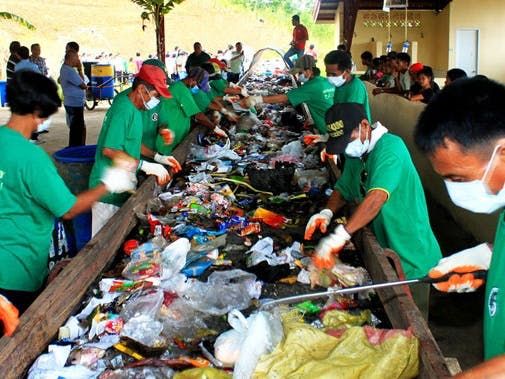
Most people throw trash away without thinking twice about where it ends up. Once the garbage truck picks it up and leaves the neighborhood, many assume the story is over. But in reality, trash goes through a long process after it leaves your home. It may be sorted, recycled, buried in a landfill, burned for energy, or processed into compost, depending on the type of waste and local systems.
If you have ever wondered where does garbage go after the dump, you are not alone. It is one of the most common waste-related questions people ask today. Understanding what happens to waste can help households and businesses make smarter disposal choices, reduce pollution, and support recycling efforts.
In this guide, we will explain what happens to trash when you throw it away, how landfills work, where recyclable materials go, and why responsible waste disposal matters more than ever.
What Happens to Trash When You Throw It Away?
Once trash is placed in your garbage bin, it usually follows a collection route managed by local sanitation workers or private waste companies. After pickup, the waste is transported to one of several destinations:
- Transfer stations
- Recycling centers
- Composting facilities
- Waste-to-energy plants
- Landfills
The final location depends on what type of waste it is and how your city handles garbage. To learn more about modern landfill systems and waste disposal methods, visit the U.S. EPA Landfill Basics
For example:
- Food scraps may go to composting centers
- Plastic bottles may go to recycling plants
- Mixed household trash often goes to landfills
- Some waste is burned to create electricity
So when people ask where does our trash go, the answer is not always simple. Different materials follow different paths.
The First Stop: Transfer Stations
Before garbage reaches its final destination, it often goes to a transfer station.
A transfer station is a facility where smaller garbage trucks unload waste. The waste is then compacted and moved into larger trucks for transport. This saves fuel, time, and labor costs.
Why Transfer Stations Matter
They help cities:
- Reduce truck traffic
- Lower transportation costs
- Organize waste streams
- Separate recyclables from mixed trash
Transfer stations play a key role in modern waste management systems.
Where Does All Trash Go? The Role of Landfills
A large amount of garbage still ends up in landfills. These are specially engineered sites designed to contain waste safely.
What Is a Landfill?
A landfill is not just an open hole in the ground. Modern landfills include:
- Protective liners to stop leakage
- Drainage systems for liquids
- Gas collection systems
- Soil covers to reduce odor
- Monitoring systems for groundwater
Trash is layered, compacted, and covered daily to reduce pests and smell.
What Happens Inside a Landfill?
Over time, waste breaks down slowly and creates:
- Methane gas
- Carbon dioxide
- Leachate (liquid runoff)
Many modern landfills capture methane and convert it into energy.
So if you ask where does all trash go, a significant percentage still goes to landfills, especially non-recyclable materials.
What Happens to Recyclable Waste?
Items such as paper, aluminum, cardboard, glass, and certain plastics often go to Material Recovery Facilities (MRFs).
How Recycling Works
At recycling centers:
- Waste is sorted by machine and by hand
- Materials are separated by type
- Items are cleaned and processed
- Raw materials are sold to manufacturers
Examples:
- Old paper becomes new packaging
- Aluminum cans become new cans
- Plastic bottles become containers or fibers
Recycling helps reduce landfill use and saves natural resources.
Where Does Garbage Disposal Waste Go?
Many homeowners ask how to clean the garbage disposal waste after using a kitchen sink disposal.
The answer depends on your plumbing and city wastewater system.
After Using a Garbage Disposal
Food waste travels through pipes into:
- Municipal sewer systems
- Wastewater treatment plants
- Septic systems (in some homes)
At treatment plants:
- Solids are removed
- Water is cleaned
- Organic material may be converted into fertilizer or biogas
Garbage disposals are convenient, but large amounts of grease, bones, and fibrous foods can still cause plumbing issues.
Waste-to-Energy Plants: Turning Trash into Power
Some cities burn non-recyclable waste in controlled incineration plants.
Benefits of Waste-to-Energy Facilities
They help:
- Reduce landfill volume
- Generate electricity
- Lower dependence on fossil fuels
Concerns
They must be carefully managed to reduce emissions and protect air quality.
These facilities are common in places with limited landfill space.
What Happens to Food Waste?
Food waste is one of the largest parts of household garbage.
Instead of sending food scraps to landfills, many cities now use composting systems.
Composting Turns Waste into Soil
Accepted items may include:
- Fruit peels
- Vegetable scraps
- Coffee grounds
- Yard waste
These materials break down naturally into nutrient-rich compost used in landscaping and farming.
Composting is one of the best ways to reduce landfill waste.
Why So Much Trash Still Ends Up in Landfills
Even with recycling programs, millions of tons of waste still go to dumps and landfills every year.
Main Reasons
- Contaminated recyclables
- Lack of recycling access
- Improper sorting
- Cheap landfill costs
- Consumer overconsumption
For example, greasy pizza boxes, food-covered plastics, and mixed materials often cannot be recycled.
Environmental Impact of Poor Waste Disposal
When waste is not handled correctly, it can create serious environmental issues.
Common Problems
- Soil contamination
- Water pollution
- Greenhouse gas emissions
- Harm to wildlife
- Increased pests and odors
That is why understanding where garbage goes after the dump matters for everyone.
How You Can Reduce the Trash You Send Away
The best waste solution is creating less trash in the first place.
Easy Ways to Reduce Household Waste
- Recycle correctly
- Compost food scraps
- Donate usable items
- Buy reusable products
- Avoid single-use plastics
- Repair instead of replacing
- Use professional junk removal when needed
Even small changes can make a major difference over time.
How Businesses Handle Large Amounts of Waste
Commercial properties, offices, construction sites, and retail stores often need specialized waste removal services.
Professional junk removal companies can help with:
- Bulk item pickup
- Appliance disposal
- Construction debris
- Furniture removal
- Recycling services
- Property cleanouts
Businesses that manage waste responsibly improve sustainability and reduce liability risks.
The Future of Waste Management
Modern waste systems are evolving quickly.
New Trends Include
- Smart recycling bins
- AI sorting technology
- Compost expansion programs
- Circular economy packaging
- Landfill gas energy recovery
- Stronger plastic reduction laws
The goal is simple: send less waste to landfills and recover more materials.
Conclusion
So, where does garbage go after the dump? The answer depends on what you throw away and where you live. Some waste goes to landfills, some is recycled, some becomes compost, and some is turned into energy.
When asking what happens to trash when you throw it away, it is important to know that every item has an environmental cost. The more responsibly we sort, reduce, and recycle, the less waste ends up buried or burned.
Understanding where does our trash go empowers households and businesses to make smarter choices. Waste does not disappear when it leaves the curb. It goes somewhere—and that destination matters.
Frequently Asked Questions
1. Where does garbage go after collection?
Garbage usually goes to transfer stations, recycling centers, compost facilities, waste-to-energy plants, or landfills depending on local systems.
2. What happens to trash when you throw it away?
It is collected, transported, sorted, and then processed through recycling, composting, burning, or landfill disposal.
3. Where does all trash go in the United States?
Much of it still goes to landfills, while recyclable and compostable materials may be processed separately.
4. Where does garbage disposal waste go?
Food waste from disposals usually enters sewer systems and goes to wastewater treatment plants.
5. Can all trash be recycled?
No. Many items are not recyclable due to contamination or material type.
6. Why are landfills still used?
Landfills remain the main option for waste that cannot be recycled, reused, or composted.
7. What is the best way to reduce waste?
Use reusable products, recycle properly, compost food scraps, and donate usable items.