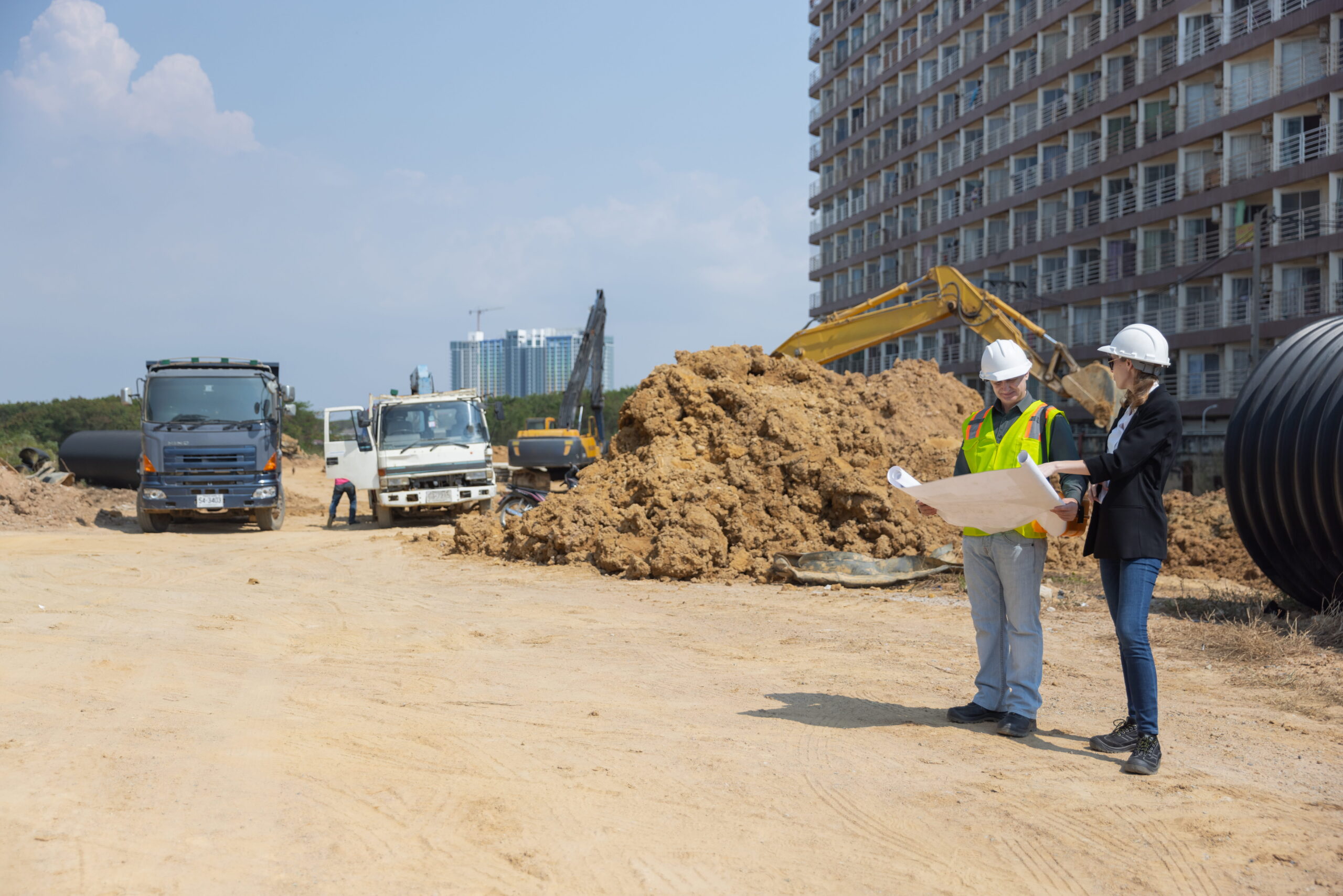
Construction projects create significant amounts of waste every single day. From broken concrete and wood offcuts to cardboard packaging, drywall scraps, and metal pieces, waste can build up quickly if it is not handled properly. Without a clear process in place, construction debris can cause delays, increase project costs, create safety hazards, and harm the environment.
This is why every project should have a what is a construction site waste management plan
A construction site waste management plan is a structured document that explains how waste materials generated during a project will be reduced, separated, stored, recycled, transported, and disposed of responsibly. It helps contractors, builders, site supervisors, and workers stay organized while ensuring the project meets environmental and legal requirements.
Whether you are managing a residential renovation, commercial development, demolition project, or new build, a proper waste management plan for a construction project can improve efficiency and reduce unnecessary expenses.
In this complete guide, you will learn what a construction waste management plan is, why it is important, what it should include, and how to create one that works in 2026 and beyond.
What Is a Construction Site Waste Management Plan?
A construction site waste management plan is a formal strategy used to control waste produced during construction, renovation, demolition, or infrastructure projects.
It outlines how materials will be:
- Prevented from becoming waste where possible
- Reused on-site or off-site
- Sorted into categories
- Recycled through approved facilities
- Safely stored during the project
- Collected and transported
- Disposed of according to local laws
The main purpose of the plan is to reduce landfill waste, improve site safety, lower disposal costs, and support sustainable construction practices.
In simple terms, it is a roadmap for managing all waste generated on a job site.
Why Is Waste Management Important on Construction Sites?
Waste management is no longer optional in modern construction. It is now an essential part of project planning and site operations.
1. Reduces Project Costs
Poor waste handling often leads to unnecessary dumpster rentals, extra hauling charges, and material replacement costs. Proper waste management planning helps avoid overspending.
2. Improves Site Safety
Construction debris left around the site can cause slips, trips, cuts, and fire risks. A clean and organized site is safer for everyone.
3. Protects the Environment
Construction materials can take years to decompose in landfills. Recycling concrete, wood, cardboard, and metals helps reduce environmental damage. Following sustainable waste practices recommended by the U.S. Environmental Protection Agency can help contractors reduce landfill use and improve recycling efforts:
4. Supports Legal Compliance
Many municipalities require contractors to follow disposal laws, recycling regulations, or waste diversion targets.
5. Builds Professional Reputation
Clients increasingly prefer contractors who demonstrate environmental responsibility and efficient job site management.
Common Types of Construction Waste
Every project generates different waste depending on its size and scope. The most common materials include:
- Concrete and rubble
- Bricks and masonry
- Wood scraps
- Drywall and plasterboard
- Roofing materials
- Metals such as steel, aluminum, and copper
- Glass
- Cardboard packaging
- Plastic wrap and containers
- Soil and dirt
- Asphalt
- Tiles and ceramics
- Paint containers
- Hazardous materials, where applicable
Identifying waste types early helps create a more accurate construction waste management plan.
What Should a Construction Waste Management Plan Include?
A professional waste management plan for construction should contain the following key sections.
1. Project Information
Include basic project details such as:
- Project name
- Site address
- Contractor or company name
- Project manager contact information
- Estimated project timeline
2. Expected Waste Streams
List the materials likely to be generated during each phase of construction.
3. Waste Reduction Strategy
Explain how waste will be minimized through:
- Accurate material ordering
- Better storage methods
- Reuse of pallets or temporary materials
- Protection from weather damage
- Efficient cutting and measuring practices
4. Segregation and Sorting Methods
Use separate bins or designated areas for materials such as:
- Wood
- Metal
- Concrete
- Cardboard
- Mixed debris
- Hazardous waste
5. Storage and Bin Placement
Identify safe areas for dumpsters, skips, and recycling bins without blocking access routes.
6. Collection Schedule
State how often waste will be removed and who is responsible.
7. Recycling Goals
Example targets may include:
- Divert 50% of waste from landfill
- Recycle all scrap metal
- Reuse clean wood materials
8. Hazardous Waste Procedures
Include handling methods for paints, chemicals, batteries, or regulated materials.
9. Staff Responsibilities
Assign clear responsibility for monitoring waste management compliance.
How to Create a Waste Management Plan for a Construction Project
Creating a successful plan does not need to be complicated. Follow these professional steps.
Step 1: Assess the Scope of Work
Review demolition, excavation, framing, finishing, and packaging waste likely to be produced.
Step 2: Estimate Waste Volume
Calculate expected debris volume to choose the right dumpster size, confirm dumpster rental costs, and estimate disposal expenses before scheduling pickups.
Step 3: Choose Disposal and Recycling Partners
Work with licensed haulers and reputable recycling facilities.
Step 4: Arrange Containers
Place bins strategically across the site for easy access.
Step 5: Train Workers
Ensure workers understand sorting rules and disposal procedures.
Step 6: Monitor Weekly
Review waste levels regularly and make improvements during the project.
Step 7: Keep Records
Track tonnage, recycling rates, invoices, and compliance documents.
Benefits of a Construction Waste Management Plan
Lower Disposal Costs
Sorting recyclable materials often reduces mixed waste disposal fees.
Better Productivity
Workers perform better in organized environments with less clutter.
Cleaner Job Sites
Well-managed waste improves appearance and professionalism.
Easier Permit Approval
Some authorities require proof of proper waste handling before approving permits or final inspections. A professional construction waste removal service helps contractors stay compliant by providing timely debris pickup, responsible disposal, and clean job sites throughout every stage of the project.
Sustainability Advantages
Many commercial clients prioritize environmentally conscious contractors.
Common Mistakes to Avoid
Even experienced contractors can make waste management mistakes.
Mixing All Waste
This increases landfill costs and reduces recycling opportunities.
Ordering Too Much Material
Excess inventory often becomes expensive waste.
Poor Dumpster Placement
If bins are inconvenient, workers may improperly dump waste.
Ignoring Hazardous Materials
Improper disposal can lead to penalties and safety risks.
No Ongoing Monitoring
Waste plans should be reviewed regularly, not forgotten after day one.
Example of a Construction Site Waste Management Plan
Residential Renovation Example
Project: Kitchen and bathroom remodel
Waste Setup:
- One 10-yard mixed debris dumpster
- Separate cardboard recycling area
- Wood scraps saved for reuse
- Weekly waste pickup schedule
- Paint cans are separated for hazardous disposal
- Site supervisor checks waste daily
This simple structure keeps the site cleaner, safer, and more cost-effective.
Construction Waste Management Trends for 2026
Modern construction is becoming smarter and more sustainable.
Digital Tracking Systems
Apps now track waste volume, pickup schedules, and recycling rates.
Smarter Material Ordering
Technology helps reduce over-ordering and waste.
Green Building Certifications
LEED and similar programs reward effective waste management. Organizations such as the National Association of Home Builders (NAHB) offer valuable resources on construction standards, project management, and sustainable building practices that directly support effective waste management planning:
On-Site Recycling Zones
Clearly marked recycling stations improve worker participation.
Sustainability Reporting
Many companies now include waste diversion data in client reports.
Conclusion
Understanding what is a construction site waste management plan is one of the most valuable tools for running an efficient and professional construction project. It helps control debris, reduce landfill waste, improve worker safety, lower disposal expenses, and meet environmental standards.
No matter the size of the project, waste should never be treated as an afterthought. From residential cleanouts to large commercial construction projects, having a clear system for sorting, recycling, transporting, and disposing of materials can make a major difference in project performance. If you need reliable help managing debris and waste removal, contact us for fast and professional service.
Contractors who invest in proper waste management planning not only save money but also build stronger reputations with clients, inspectors, and communities.
In today’s construction industry, cleaner and smarter waste practices are no longer optional—they are expected.
If you want better project results, safer sites, and lower costs, start every project with a professional construction waste management plan.
Frequently Asked Questions
What is a construction site waste management plan?
It is a written strategy explaining how waste created during construction will be reduced, sorted, recycled, and disposed of properly.
Why is waste management important in construction?
It lowers costs, improves safety, protects the environment, and helps meet legal requirements.
Who creates a waste management plan for construction?
Usually, contractors, builders, site managers, project managers, or environmental consultants.
What materials can be recycled on construction sites?
Concrete, wood, metal, cardboard, asphalt, and some plastics can often be recycled.
Is a waste management plan legally required?
In many regions, yes. Local regulations may require recycling goals or approved disposal methods.
How often should a waste management plan be reviewed?
It should be reviewed regularly throughout the project, especially when construction phases change.