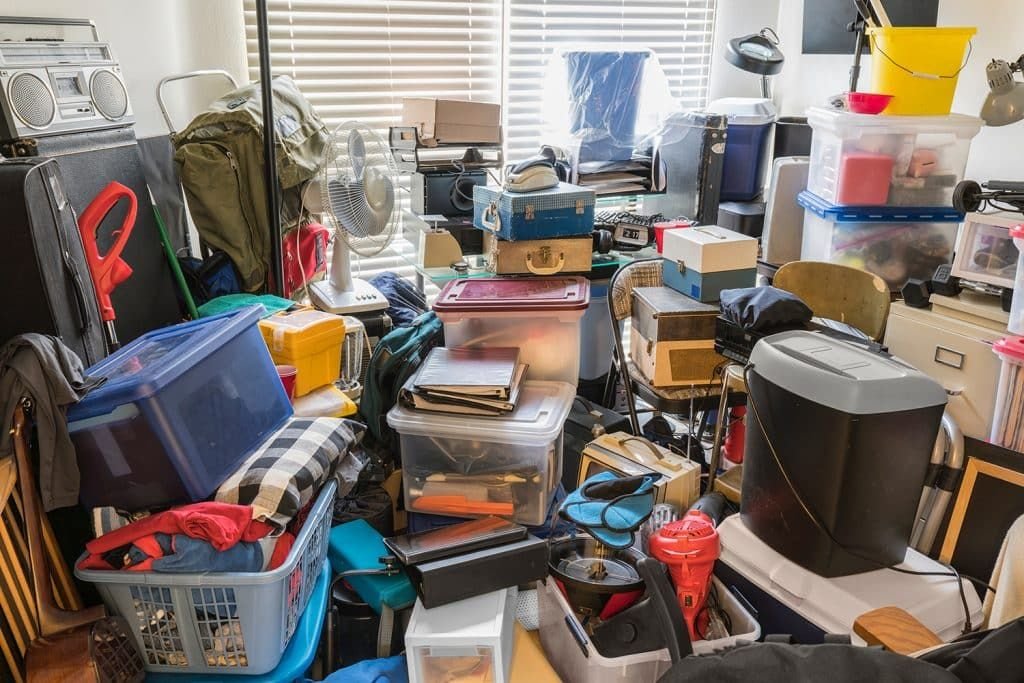
Moving sounds simple—pack your things and go. But in reality, it quickly becomes overwhelming when you realize how much stuff you’ve accumulated over the years. From unused clothes to bulky furniture, the challenge isn’t just moving—it’s figuring out how to get rid of things when moving without stress.
The truth is, the more you move, the more it costs—both financially and mentally. That’s why decluttering before moving is not just helpful, it’s essential.
In this guide, you’ll learn exactly how to get rid of stuff before moving, how to decide what stays, and what items are not worth moving at all. Whether you’re relocating across town or starting fresh somewhere new, this step-by-step approach will help you move smarter, lighter, and with less stress.
How to Get Rid of Everything and Move
If you’re short on time, here’s the simplest way to approach it:
- Sort your belongings into keep, donate, sell, and discard
- Identify what items are not worth moving
- Declutter one room at a time
- Use donation centers or junk removal services
- Pack only what you truly need
This method helps reduce clutter quickly and keeps your move organized.
Why Decluttering Before Moving Matters
The Hidden Costs of Moving Too Much Stuff
Many people underestimate how expensive it is to move unnecessary items. Movers typically charge based on weight, volume, and labor. The more you have, the more you pay.
Even if you’re moving yourself, extra items mean:
- More boxes
- More trips
- More time and energy
Mental and Lifestyle Benefits
Decluttering isn’t just about saving money—it’s about creating a fresh start. Moving into a new home without clutter can improve focus, reduce stress, and help you stay organized long-term.
Professionals in the moving industry often recommend reducing your belongings by at least 25%. That alone can significantly simplify the entire process.
How to Decide What to Keep When Moving
One of the hardest parts of moving is deciding what actually deserves to come with you. The process can feel overwhelming, but a few straightforward strategies make it much easier to separate the essentials from the excess.
The 12-Month Rule
If you haven’t used something in the past year, chances are you won’t need it in the future. This is one of the simplest and most effective decluttering rules. Apply it broadly to clothes, kitchen gadgets, books, and hobby supplies—items sitting unused for that long rarely become suddenly indispensable after the move.
The Value vs. Cost Test
Ask yourself: Is this item worth paying to move? If the cost of transporting it is higher than replacing it, it’s probably not worth keeping. Factor in packing materials, labor, fuel surcharges, and insurance—many people discover that selling or donating bulky items and buying replacements at the new location saves both money and hassle.
Avoid Emotional Clutter
It’s easy to hold onto items for sentimental reasons, but not everything needs to move with you. Keep meaningful items, but don’t let guilt or nostalgia take over your decision-making. For deeper guidance on balancing sentiment with practicality, check out this helpful resource from Wirecutter on culling possessions before a move: The Ultimate Moving Checklist.
Quick Decision Checklist
- Do I use this regularly?
- Would I buy this again today?
- Does it fit my new space?
This process will help you confidently decide what to keep when moving. Start early, tackle one room at a time, and you’ll arrive at your new home feeling lighter and more organized.
What Items Are Not Worth Moving
Not everything deserves a spot in your moving truck. Some items are simply more trouble than they’re worth.
Common Items to Let Go
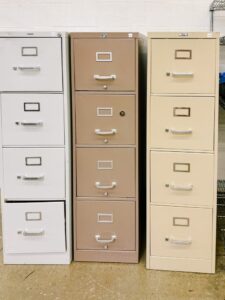
- Cheap or worn-out furniture
- Old mattresses
- Broken electronics
- Expired or unused household products
- Duplicate items
Think Cost vs Convenience
For example, moving a low-cost bookshelf across cities may cost more than buying a new one.
Simple Rule
If it’s bulky, low-value, or easily replaceable, it’s better to leave it behind.
Understanding what items are not worth moving can save you both time and money.
Step-by-Step Decluttering Plan
A clear system makes everything easier.
Start Early
Begin decluttering at least 4–6 weeks before your move. Waiting until the last minute leads to rushed decisions and unnecessary stress.
Declutter Room by Room
Focus on one area at a time:
- Bedroom: clothes, accessories
- Kitchen: unused gadgets, duplicates
- Living room: décor, old furniture
- Storage areas: forgotten clutter
Use the Four-Box Method
For every item, assign it to one of four categories:
- Keep
- Donate
- Sell
- Trash
This method is simple, and it also helps you learn the best methods for cleaning a foreclosure cleanout more efficiently, but extremely effective for getting rid of stuff when moving.
How to Get Rid of Stuff Before Moving
Once you’ve sorted your items, it’s time to remove them efficiently.
1. Sell What You Can

Selling is a great way to recover some value:
- Online marketplaces
- Local community groups
- Garage sales
Price items reasonably if you want them gone quickly.
2. Donate Usable Items

Many charities accept:
- Clothing
- Furniture
- Appliances
- Household goods, books, and more
Donating not only helps others but may also provide tax benefits. Before your move, research local organizations that offer free pickup services for larger items—this can save you significant time and effort while ensuring your gently used belongings go to good use. For practical advice on where and how to donate, check out this comprehensive guide from AARP: Where You Can Donate Your Unwanted Things. Popular options include Goodwill, The Salvation Army, and Habitat for Humanity ReStores, which often accept a wide range of items in good condition.
Always confirm current acceptance policies, as they can vary by location. Taking clear photos and keeping a simple donation log will also make claiming any potential tax deductions much easier at tax time.
This step turns decluttering into a positive impact while lightening your moving load.
3. Recycle Responsibly

Items like electronics and batteries should never be thrown in regular trash. Look for proper recycling options in your area.
4. Hire a Junk Removal Service
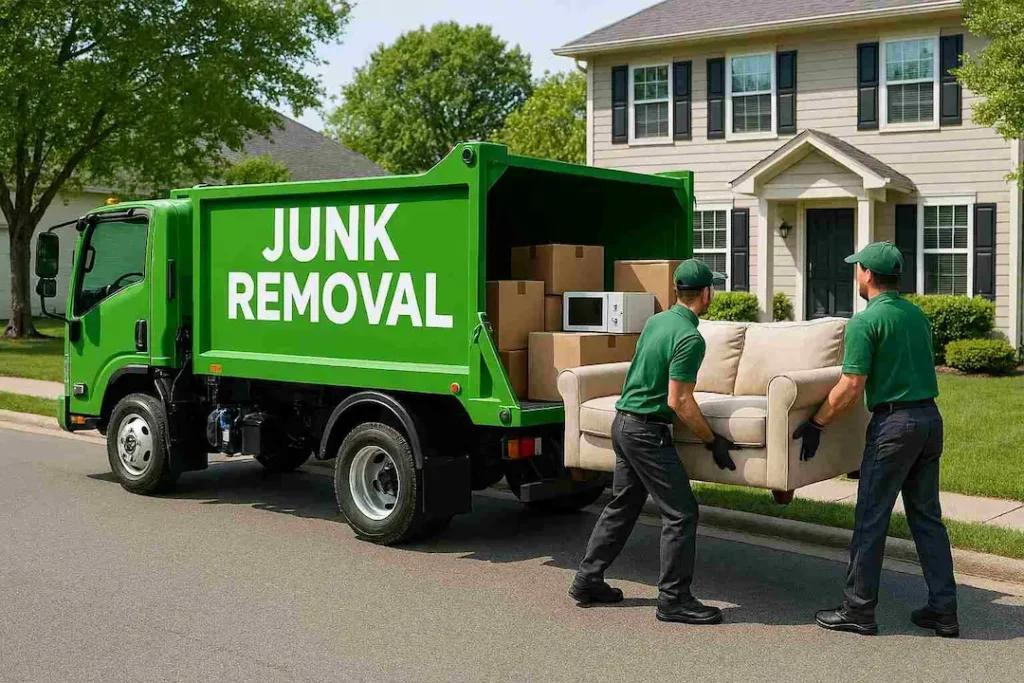
If you have large amounts of unwanted items, this is the fastest solution. Professionals handle heavy lifting, disposal, and recycling.
This step is key to mastering how to get rid of everything and move without hassle.
Smart Packing Strategy: Only Take What Matters
Packing isn’t just about putting things in boxes—it’s your final chance to declutter.
Pack Essentials First
Focus on:
- Daily-use items
- Important documents
- Valuables
Do a Second Declutter Pass
As you pack, you’ll likely find more items you no longer need. Don’t hesitate to remove them, and if the process starts to feel overwhelming, it’s always a smart idea to hire a professional company to handle the removal quickly and efficiently.
Label Everything Clearly
Proper labeling saves hours during unpacking and keeps things organized.
What Do You Need When You Move Out
Preparation is key to a smooth move.
Moving Essentials Checklist
- Boxes and packing materials
- Tape and markers
- Cleaning supplies
- First-night essentials bag
Important Documents
Keep these easily accessible:
- Identification
- Lease or purchase agreements
- Utility information
Set Up Utilities in Advance
Make sure your new home has:
- Electricity
- Water
- Internet
Knowing what do you need when you move out prevents last-minute problems.
Mistakes to Avoid When Decluttering
Even with a solid plan, it’s easy to make a few mistakes that can slow down your progress and make moving more stressful.
Common Pitfalls
- Waiting until the last minute
- Keeping items “just in case” instead of focusing on what you truly use. If you find yourself overwhelmed with too many unwanted items, hiring a professional residential junk removal service can help you clear out clutter quickly and efficiently without added stress
- Ignoring hidden clutter like garages, basements, or storage units
Reality Check
Every extra item adds stress, cost, and time to your move. Being honest about what you truly need is the key to a smoother, more organized transition.
Pro Tips from Moving Experts
- Start decluttering as early as possible
- Measure your new space before moving furniture
- Digitize paperwork instead of carrying it
- Always verify junk removal services before booking.
These small steps can make a big difference in your overall experience.
Conclusion
Moving doesn’t have to feel chaotic. The key is not just packing—it’s letting go.
When you take the time to sort through your belongings and remove what no longer serves you, everything becomes easier. You save money, reduce stress, and create a cleaner, more organized start in your new home.
If you’re wondering how to get rid of everything and move, the answer is simple: start early, stay consistent, and focus on what truly matters.
A lighter move isn’t just about fewer boxes—it’s about a better beginning.
FAQS
1. How do I get rid of things when moving fast?
The fastest way to get rid of things when moving is to sort items into donate, sell, and trash categories, then immediately act on them. Donate usable items, sell valuable ones online, and dispose of the rest through a junk removal service. This approach saves time and reduces last-minute stress.
2. How do you decide what to throw away when moving?
To decide what to throw away, use the 12-month rule—if you haven’t used an item in a year, it’s likely unnecessary. Also consider if the item is broken, outdated, or cheaper to replace than move. Prioritize keeping only what adds value to your daily life.
3. What should I get rid of before moving?
You should get rid of items like old furniture, broken electronics, expired products, duplicate household items, and anything you no longer use. These items add unnecessary weight and cost to your move without providing real value.
4. Is it better to move everything or start fresh?
It is usually better to move fewer items and start fresh. Reducing your belongings lowers moving costs, saves time, and helps you create a more organized and clutter-free living space in your new home.
5. What items should not be packed when moving?
Items that should not be packed include hazardous materials (like chemicals or flammable items), expired goods, perishable food, and anything illegal or restricted by moving companies. These items should be safely disposed of before moving.
6. How to get rid of stuff before moving efficiently?
To get rid of stuff efficiently, start early, declutter room by room, and use the four-category method: keep, donate, sell, and discard. Schedule pickups or drop-offs in advance to avoid delays.
7. What items are not worth moving?
Items that are not worth moving include cheap furniture, worn-out mattresses, outdated electronics, and bulky low-value items. If the cost to move them is higher than replacing them, it’s better to leave them behind.
8. What do you need when you move out?
When moving out, you need packing supplies, essential personal items, important documents, cleaning supplies, and a first-night bag. You should also ensure utilities are set up at your new home before arrival.