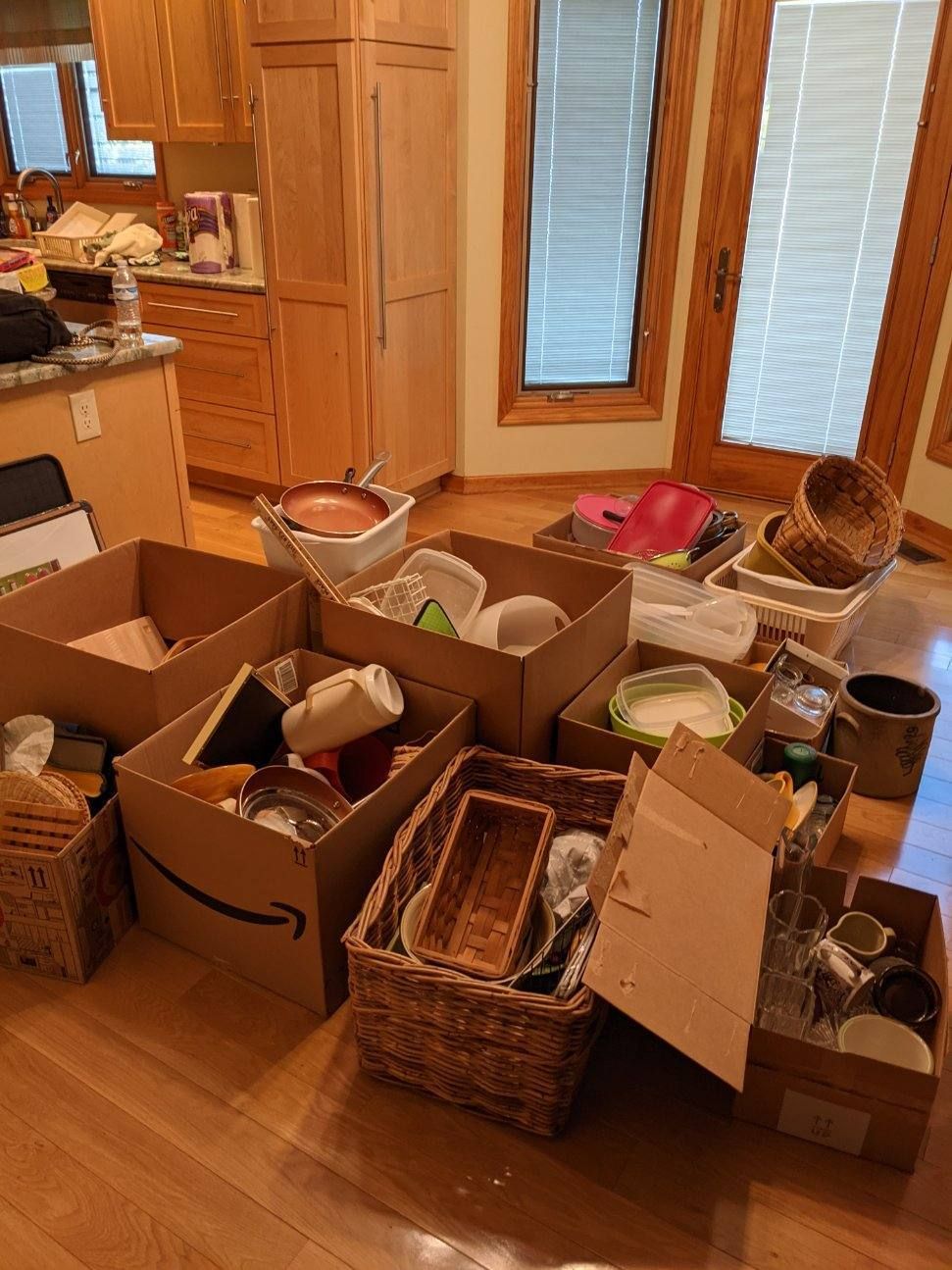
Summer has a way of filling a home with stuff. Pool toys gather in the garage, broken planters sit beside the shed, and beach bags, coolers, sports equipment, and outdoor furniture take over every spare corner.
If you’re wondering how to get rid of summer junk, the good news is that you do not need an entire weekend to take control. The best way to get rid of summer junk is to work in small areas, make quick decisions, and remove unwanted items as soon as you sort them. By tackling one space at a time, you can clear clutter without feeling overwhelmed.
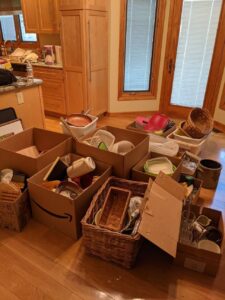
Use five categories: keep, sell, donate, recycle, and dispose. Work through one room or outdoor area at a time, placing each item directly into the correct box or bag. This simple system makes how to get rid of summer junk much easier and prevents your cleanout from creating even more clutter.
Why Summer Junk Builds Up So Quickly
Summer brings outdoor projects, travel, sports, gardening, and family gatherings. These activities can leave behind damaged gear, empty packaging, outgrown toys, faded cushions, and duplicate supplies.
Learning how to declutter your home during summer starts with noticing this pattern. Clutter grows when items enter the home without a permanent storage place or disposal plan.
Prepare Your Home With a Summer Decluttering Checklist

Gather strong bags, boxes, labels, a marker, gloves, cleaning cloths, and a separate container for batteries and small electronics.
Label five areas:
- Keep
- Sell
- Donate
- Recycle
- Dispose
This is the easiest way to prepare your home with a summer decluttering checklist. Avoid a “decide later” pile because it usually becomes another form of clutter.
Set a 30-minute time limit. Choose one small space, finish it, and then move on.
How to Get Rid of Summer Junk Quickly, Room by Room
When deciding how to get rid of summer junk quickly, begin where seasonal items collect most often.
1. Start With the Garage or Shed
Look for damaged tools, cracked pots, old sports equipment, empty soil bags, unusable hoses, and duplicate garden supplies. Sort unwanted items before organizing what remains.
2. Clear the Patio and Yard
Check furniture, grills, umbrellas, planters, pool accessories, toys, and decorations. Clean usable items before donating or selling them, and check whether broken pieces can be separated for recycling.
3. Review Closets and Entryways
Sort summer clothing, sandals, hats, beach towels, travel bags, and sports gear. Keep items that fit, work, and are likely to be used next year. Donate clean clothing in good condition.
4. Check Bedrooms and Play Areas
Remove outgrown clothing, damaged toys, unused craft supplies, and old sports equipment. Children can help by filling a small box with toys they are ready to pass on.
5. Finish With the Kitchen and Utility Areas
Review picnic plates, bottles, food containers, coolers, and supplies left from summer gatherings.
Group retained items by activity. For example, place all beach supplies in one labeled container. That is how to organize your home with a summer cleanout rather than simply moving clutter elsewhere.
How to Dispose of Unwanted Summer Items
Not every unwanted item belongs in the rubbish bin. The correct option depends on its condition, material, and local collection rules.
Donate Clean, Working Items
Outdoor toys, tools, fans, sports equipment, coolers, clothing, and furniture may be useful to another household.
Contact the charity, school, shelter, or reuse center first. Donation rules vary, and unusable goods may leave the organization with disposal costs.
Sell Items With Value
Camping equipment, bicycles, power tools, patio furniture, and sports gear may sell through local marketplaces, consignment stores, or a garage sale.
Set a deadline. If an item does not sell within a week or two, lower the price, donate it, or choose another option.
Recycle Accepted Materials
Cardboard, scrap metal, electronics, batteries, and some plastics may have separate recycling options. Check your municipal or county waste website because recycling rules vary by location. If you have large quantities or bulky recyclable items, consider hiring a professional junk removal and recycling service. Experienced crews can collect, sort, and transport recyclable materials to the appropriate recycling facilities, saving you time and ensuring items are handled responsibly.
Do not place an item in the recycling bin simply because it looks recyclable. Materials that are not accepted locally can cause problems during sorting.
Separate Household Hazardous Waste
Paint, cleaners, oils, pesticides, and batteries can contain hazardous ingredients and may need special handling. The U.S. Environmental Protection Agency recommends following product instructions and using local collection programs when available.
Keep these products in their original containers when possible. Never mix chemicals or pour them onto the ground.
Arrange Bulky or Residential Waste Removal
Large furniture, damaged outdoor equipment, project debris, and high volumes of rubbish may require a bulky-item pickup, transfer-station visit, or residential waste removal service.
Ask what the provider accepts, how pricing works, and whether labor, transport, and disposal fees are included.
What Items Should You Throw Away During a Summer Cleanout?
Items that may need disposal include:
- Broken inflatables that cannot be repaired
- Cracked or unstable plastic furniture
- Moldy cushions and water-damaged textiles
- Severely rusted tools
- Damaged toys with sharp edges
- Unusable garden hoses
- Contaminated food containers
- Worn safety equipment
- Items rejected by donation and recycling facilities
“Throw away” does not mean placing everything in an ordinary bin. Batteries, paint, oils, pesticides, chemicals, and some electronics may need special collection. Check local instructions first.
Eco-Friendly Ways to Get Rid of Summer Junk
The most eco-friendly ways to get rid of summer junk begin before disposal. Ask whether an item can be repaired, reused, sold, shared, or donated. A loose chair may need one screw, a pool float may be patchable, and garden tools may only need cleaning and sharpening.
Offer usable items to neighbors, community gardens, schools, sports clubs, or local reuse groups. These options are useful for large or low-value items that may be difficult to sell.
Follow your local recycling rules closely. Packaging symbols do not always mean an item is accepted by your collection service. Combine donation and recycling trips when practical so sorted items do not return to the garage.
Also Read: How to prepare your home for a spring cleanout
When to Use Professional Summer Junk Removal Services
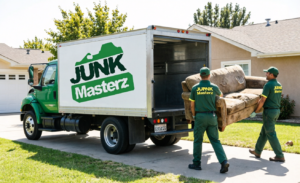
Professional junk removal services can help when the job involves heavy objects, several rooms, a tight deadline, or more material than your vehicle can carry safely.
They may also suit older homeowners, people with limited mobility, landlords clearing a rental property, or families preparing to move.
Before hiring a company, ask:
- What materials do you accept?
- Are you insured and licensed where required?
- Is labor included in the quote?
- Are there extra charges for stairs or heavy items?
- What happens to reusable and recyclable materials?
- Which items are prohibited?
One of the most useful summer junk removal tips for homeowners is to request a written estimate. It should explain how the price is calculated and what services are included.
Final Summer Cleanout Checklist
Before finishing, make sure you have:
- Completed one area at a time
- Sorted items into five clear categories
- Checked local rules for paint, batteries, electronics, and chemicals
- Scheduled donation, recycling, or pickup
- Given every retained item a storage location
- Removed sorted junk from the home
The goal is to reduce what you own, dispose of unwanted items responsibly, and make useful belongings easier to find. Start with one shelf, closet, or corner. Small decisions add up quickly.
Frequently Asked Questions
How can I get rid of summer junk in one day?
Choose one or two high-clutter areas, prepare labeled containers, and make decisions quickly. Arrange donation, recycling, or collection before starting so unwanted items can leave your property that day.
What is the best order for decluttering a home?
Start with garages, sheds, patios, and storage areas because they usually contain the largest seasonal items. Move to closets and bedrooms, then finish with kitchens and utility spaces.
What summer items can usually be donated?
Clean, working fans, tools, outdoor toys, sports equipment, coolers, patio furniture, and seasonal clothing may be accepted. Contact the organization first because its needs and rules can change.
Can paint and batteries go in household rubbish?
They may require special disposal. The EPA lists paints and batteries among products that can need special care, along with cleaners, oils, and pesticides. Check local hazardous-waste guidance.
Is hiring a junk removal company worth it?
It can be worthwhile for large cleanouts, heavy objects, urgent moves, or homes without suitable transport. Compare written estimates, accepted items, insurance, and disposal practices.
How do I prevent summer clutter from returning?
Give every item a permanent storage place, label seasonal containers, avoid buying duplicates, and review your summer supplies before purchasing new ones next year.