
Every March, the same question pops up in search bars across the country: “What does spring clean up include?” It sounds simple, but most people asking it are actually confused about two different things: spring cleaning and spring cleanup, and that mix-up is exactly why so many spring projects run over budget or stall out halfway through the garage.
Here’s the short answer: spring cleanup includes decluttering and hauling away unwanted items from your home, garage, attic, basement, and yard think old furniture, broken appliances, bagged yard waste, and bulk junk while spring cleaning refers to the wiping, scrubbing, and organizing that happens once the clutter is gone. Most homeowners need both, in that order.
Below, we’ll break down exactly what’s included in a spring clean up, what’s typically left out, and how to build a spring cleaning checklist that actually gets finished this year.
Spring Cleaning vs. Spring Cleanup: What’s the Difference?
This is the distinction almost no one online explains clearly, so let’s fix that first.
- Spring cleaning is about surfaces: dusting blinds, washing windows, scrubbing grout, and wiping down cabinets.
- Spring cleanup is about volume: getting rid of the stuff that’s been piling up all winter the things too big, too heavy, or too awkward for your regular trash bin.
If your goal is a home that looks fresher, you need cleaning. If your goal is a home that feels lighter and more usable, you need a cleanup first. Trying to deep-clean around a garage full of boxes is like mopping around a puddle; it doesn’t hold up, and it’s one of the most common reasons spring cleaning projects stall halfway through.
What Does Spring Clean Up Include? A Space-by-Space Breakdown
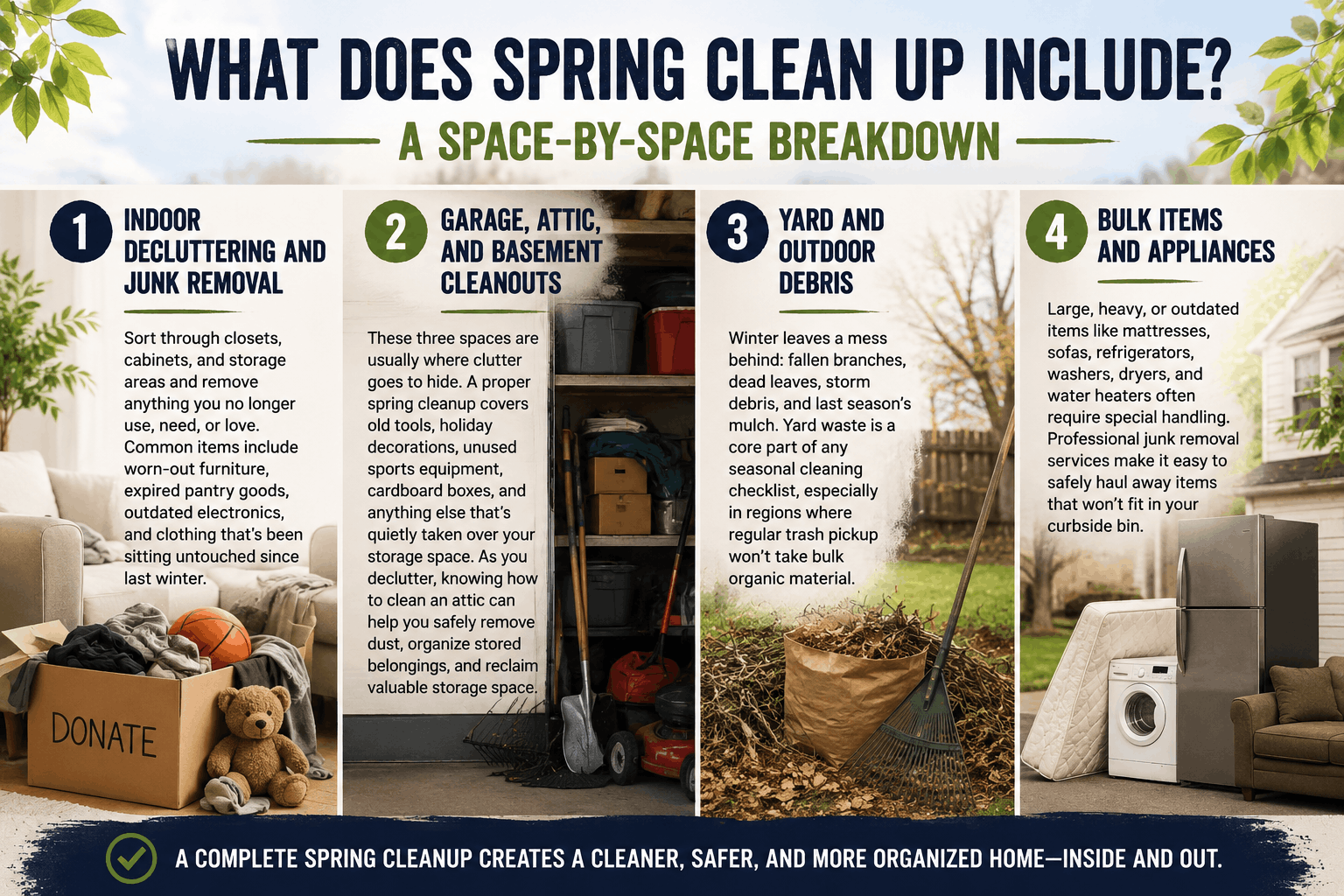
So, what’s included in spring clean up specifically? Generally, it falls into four categories.
1. Indoor Decluttering and Junk Removal
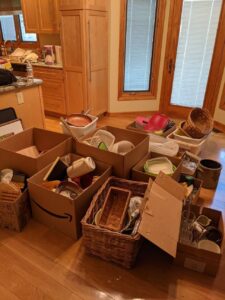
This is the heart of most home decluttering checklists: sorting through closets, cabinets, and storage areas and pulling out anything you no longer use, need, or love. Common items include worn-out furniture, expired pantry goods, outdated electronics, and clothing that’s been sitting untouched since last winter.
2. Garage, Attic, and Basement Cleanouts
These three spaces are usually where clutter goes to hide. A proper spring cleanup covers old tools, holiday decorations, unused sports equipment, cardboard boxes, and anything else that’s quietly taken over your storage space. As you declutter, knowing how to clean an attic can help you safely remove dust, organize stored belongings, and reclaim valuable storage space.
3. Yard and Outdoor Debris
Winter leaves a mess behind: fallen branches, dead leaves, storm debris, and last season’s mulch. Yard waste is a core part of any seasonal cleaning checklist, especially in regions where regular trash pickup won’t take bulk organic material.
4. Bulk Items and Appliances
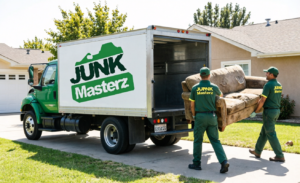
Mattresses, box springs, old refrigerators, broken washers and dryers, and outdated furniture typically don’t fit in a curbside bin. These require either a bulk pickup appointment through your city or a professional residential junk removal service.
What’s Not Included in a Standard Spring Cleanup
This part gets skipped in most spring cleaning checklists, but it matters. Most junk removal checklists and municipal cleanup programs exclude:
- Paint, solvents, and household chemicals
- Motor oil, antifreeze, and other automotive fluids
- Batteries and certain electronics (often need a dedicated e-waste program)
- Propane tanks and pressurized containers
- Medications (never place these in regular trash)
These items usually require a household hazardous waste facility or a scheduled drop-off event. The EPA’s household hazardous waste guidelines are a reliable place to check what your local collection program accepts before you load anything into a bin. If you’re comparing spring cleaning junk removal services, ask upfront what they exclude. Reputable companies will tell you plainly rather than let you find out on pickup day.
The Ultimate Spring Cleaning Checklist
Once the junk is out, the actual cleaning can start. Here’s a simple spring cleaning decluttering checklist broken into a workable order:
Step 1: Declutter First.
Go room by room and sort everything into four piles: keep, donate, recycle, toss. Be honest: if it hasn’t been used in a year, it’s probably not coming back into rotation.
Step 2: Clear the Big Stuff.
Schedule removal for furniture, appliances, and bulk items before you start deep cleaning. It’s far easier to clean an empty room than to clean around a couch you’re planning to get rid of anyway.
Step 3: Deep Clean Room by Room
- Kitchen: wipe cabinets, clean the oven and fridge, sanitize counters
- Bathroom: scrub tile and grout, replace shower liners, clear out expired products
- Bedrooms: wash bedding, flip mattresses, organize closets
- Living areas: dust light fixtures, vacuum upholstery, clean baseboards
Step 4: Tackle the Yard
Rake leaves, clear gutters, bag debris, and haul away anything too bulky for your standard bin.
- Rake leaves: clear leftover leaves so they don’t smother new grass growth.
- Clear gutters: remove built-up debris before spring rains hit.
- Bag debris: gather branches and dead plant material for pickup instead of leaving it piled up.
- Haul away bulky items: old patio furniture, broken grills, or scrap wood go to bulk pickup or a junk removal service since regular trash bins won’t take them.
Step 5: Final Walkthrough
This is the step people skip, and it’s exactly why so many spring cleanups stay half-done. A walkthrough just means going back through the house before you call it finished:
- Confirm donation piles actually left the house. Bags by the door for two weeks isn’t donating; it’s just relocated clutter.
- Confirm haul-away items are scheduled: a bulk pickup date or junk removal appointment should be booked, not just “planned for later.”
- Do a quick room-by-room check to make sure nothing from the keep/donate/recycle/toss sort got left behind mid-process
DIY Spring Cleanup vs. Hiring a Professional
| DIY Spring Cleanup | Professional Junk Removal | |
|---|---|---|
| Time | Spread across several weekends | Often same-day or next-day |
| Heavy lifting | You handle it | Crew handles loading and hauling |
| Disposal | You research recycling/donation drop-offs | Sorted and routed for you |
| Best for | Small, manageable cleanouts | Large volumes, heavy items, tight timelines |
| Cost | Time and vehicle wear | Flat or volume-based pricing |
Neither option is “better” across the board; it depends on how much you’re clearing and how much time you have. A single closet is a DIY job. A garage that hasn’t been touched in five years usually isn’t.
Building a Spring Cleaning Planner That Actually Works
The biggest reason spring cleanup projects don’t get finished isn’t lack of motivation; it’s lack of a schedule. A simple spring cleaning planner breaks the work into manageable blocks instead of one overwhelming weekend:
- Week 1: Declutter and sort (keep/donate/recycle/toss)
- Week 2: Schedule bulk and junk removal pickup
- Week 3: Deep clean interior rooms
- Week 4: Yard, garage, and final touch-ups
Treating spring cleanup like a seasonal cleaning schedule rather than a single event is the difference between a home that stays organized and one that’s back to cluttered by June.
Final Thoughts
Every winter, your home quietly collects clutter broken items in the garage, an old mattress tucked away in the basement, and bags of yard debris waiting to be hauled away. Spring is the perfect time to stop putting those tasks off and finally clear out the things you no longer need.
The key to a successful spring cleanup is following the right order. Start by decluttering and removing unwanted items before you begin deep cleaning. Clearing out the clutter first gives you more space to clean and organize, making the entire process faster and more effective. If you clean before decluttering, you’ll likely end up moving the same items from one place to another without making real progress.
Don’t wait for the perfect weekend to get started. Choose one area of your home, whether it’s the garage, a closet, the basement, or the backyard, and sort everything into four simple categories: keep, donate, recycle, or toss. Taking that first step builds momentum and makes the rest of your spring cleaning checklist much easier to complete.
Remember, every item you remove creates more space for a cleaner, more organized home. Start small, stay consistent, and let this spring be the season you finally clear out the clutter for good.
Frequently Asked Questions
What does spring clean up include?
Spring cleanup typically includes decluttering and hauling away unwanted furniture, appliances, electronics, and yard debris from your home, garage, attic, basement, and outdoor spaces, separate from the surface-level cleaning like dusting and scrubbing.
What’s included in spring clean up that regular trash pickup won’t take?
Bulk items like mattresses, large appliances, furniture, and large volumes of yard waste usually require a special bulk pickup or a junk removal service, since standard curbside collection has size and weight limits.
Is yard waste part of spring cleanup?
Yes. Fallen branches, dead leaves, and storm debris are a standard part of most spring cleanup services, though some companies charge separately for organic yard waste versus household junk.
How long does a typical home spring cleanup take?
For an average home, decluttering and hauling can take a weekend to a full week if done independently, or a single day if handled by a professional junk removal crew.
Can I combine spring cleaning and spring cleanup into one weekend?
For small homes, yes. For larger cleanouts, it’s more realistic to clear the clutter first and deep clean afterward; trying to do both at once is where most spring cleaning checklists fall apart.