
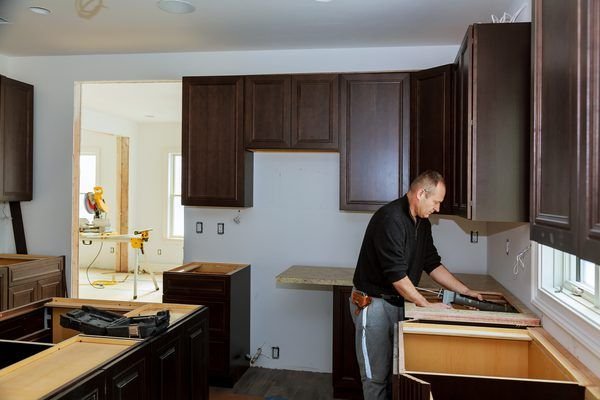
Thinking about giving your kitchen a fresh look? One of the first and most impactful steps in any kitchen renovation is tearing out the old cabinetry. Whether you’re upgrading to modern units, reclaiming wall space, or simply clearing the room before a full remodel, knowing how to remove kitchen cabinets the right way can save you hundreds of dollars in contractor fees — and a whole lot of frustration. Learning how to remove kitchen cabinets is an essential first step. While it may seem like a complex task, the process can be straightforward when done carefully and with the right tools.
The good news? This is a project that most homeowners with basic DIY skills can tackle over a weekend. You don’t need a construction background or a truckload of tools. What you do need is a clear plan, some patience, and the right information.
In this guide, we’ll walk you through everything — from the tools you’ll need to gather to how to remove old kitchen cabinets without damaging your walls or floors. We’ll also cover some common mistakes people make and how to avoid them. By the end, you’ll feel confident enough to get started on your own.
What You Need to Know Before Removing Kitchen Cabinets
Removing kitchen cabinets involves more than just unscrewing them from the wall. Cabinets are often secured with multiple fasteners, sealed with caulk, and sometimes connected to plumbing or electrical systems.
To remove kitchen cabinets, first empty them, disconnect utilities, unscrew mounting hardware, cut caulk seals, and carefully detach them from the wall, starting with the upper cabinets to prevent injury or damage. For additional safety guidelines and best practices, you can refer to U.S. Consumer Product Safety Commission resources on home improvement safety.
There are two main types of cabinets:
- Wall cabinets (mounted above counters)
- Base cabinets (installed on the floor)
Wall cabinets should always be removed first to avoid working underneath heavy structures.
Tools Required to Remove Kitchen Cabinets Safely
Before you begin, gather all necessary tools. Having the right equipment makes the process smoother and prevents damage.
Essential tools:
- Screwdriver or drill
- Pry bar
- Utility knife
- Hammer
- Stud finder
- Safety gloves and goggles
Optional tools:
- Reciprocating saw
- Drop cloths or protective sheets
Pro Tip:
Using a power drill instead of a manual screwdriver can significantly speed up the process, especially when dealing with multiple cabinets.
How to Remove Old Kitchen Cabinets Without Damaging Your Walls
One of the biggest concerns homeowners have when learning how to remove old kitchen cabinets is wall damage. Here’s the truth: some minor drywall damage is almost inevitable — but you can keep it to a minimum.
Tips to Minimize Wall Damage
Always score the caulk lines first. This is the single most effective way to prevent large chunks of drywall from tearing away with the cabinet. Don’t skip this step, even if the caulk line looks thin.
Go slow on the last screws. The closer you get to fully removing a cabinet, the more controlled and deliberate you should be. Rushing the final moments is when accidents happen.
Use a pry bar properly. If a cabinet won’t budge after all screws are out, use a pry bar gently between the cabinet and wall — don’t just yank it. Stubborn cabinets are often stuck from old paint or adhesive, not hidden screws.
Patch promptly. Once cabinets are off, fill holes and smooth rough patches as soon as possible. Dried spackle is much easier to sand smooth than hardened, settled compound.
How to Prepare Before Removing Kitchen Cabinets
Preparation is key when learning how to take out kitchen cabinets safely.
Start with these steps:
- Turn off utilities: Shut off the water supply if working near sinks and cut the electricity near outlets.
- Empty all cabinets: Remove dishes, shelves, and loose items.
- Protect your space: Cover floors and countertops to prevent scratches.
- Label components: If you plan to reuse cabinets, label doors and hardware for easy reinstallation.
Proper preparation reduces risks and ensures a cleaner removal process. For detailed home safety recommendations, you can review guidelines from the Occupational Safety and Health Administration to understand safe working practices during renovation projects.
How To Remove Kitchen Cabinets Step-by-Step Guide
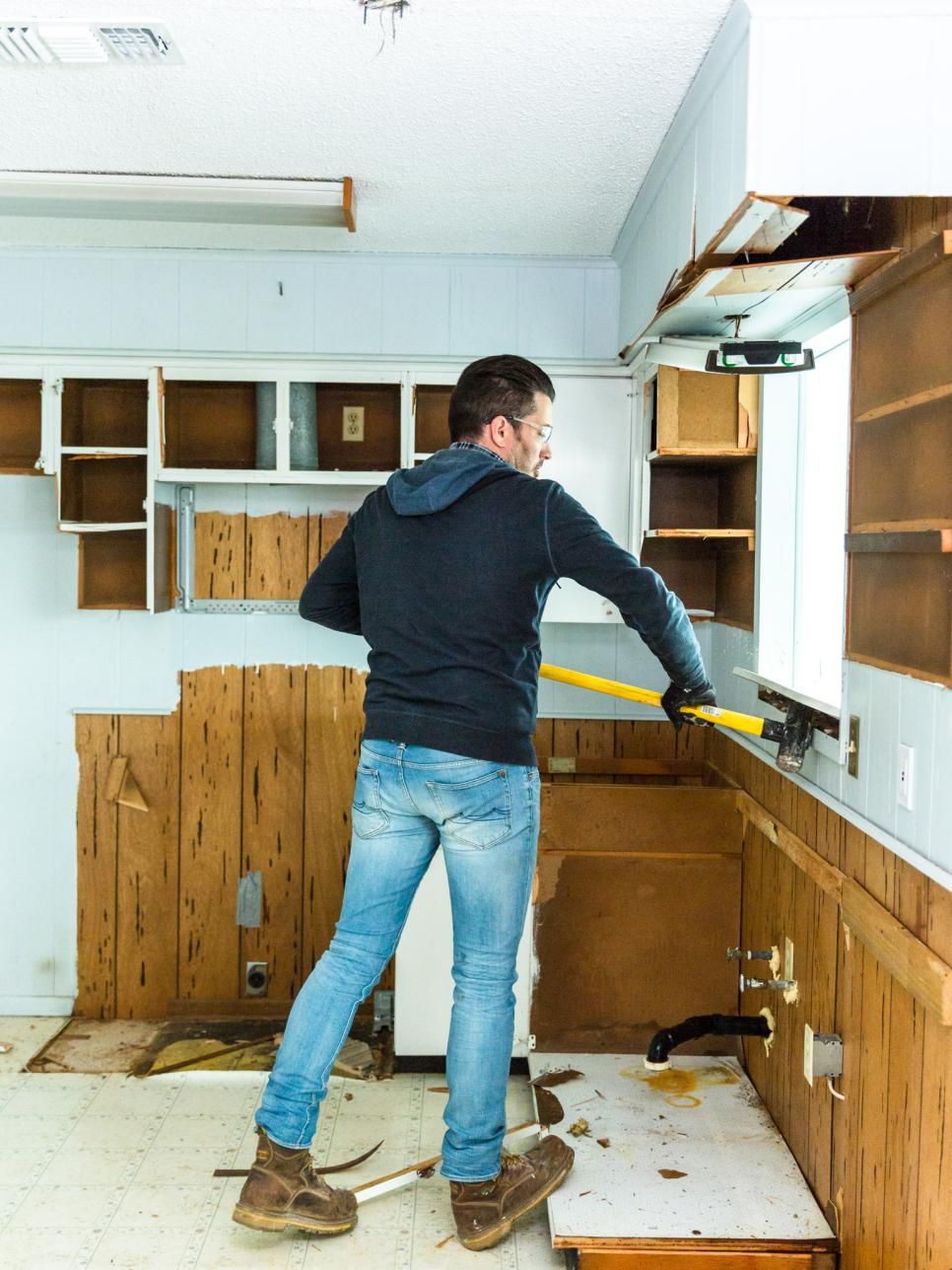
Follow this detailed process to understand how to take off kitchen cabinets efficiently.
Step 1: Remove Cabinet Doors and Shelves
Start by unscrewing the hinges and removing cabinet doors. Take out shelves and store all hardware in labeled bags.
This step reduces weight and makes cabinets easier to handle.
Step 2: Cut Caulking and Paint Seals
Use a utility knife to slice through any caulk or paint sealing the cabinet to the wall. This prevents tearing drywall when removing the cabinet.
Step 3: Locate and Remove Screws
Look inside the cabinet for screws attaching it to the wall studs. These are usually found at the back panel or near the top.
Use a drill to remove them quickly and safely.
Step 4: Detach Wall Cabinets First
When learning how to remove kitchen cabinets, this step is critical.
Always remove upper cabinets first. Have a helper support the cabinet while you unscrew it to prevent it from falling.
Carefully lift it away from the wall once detached.
Step 5: Remove Base Cabinets
Next, move to base cabinets. If they are connected to plumbing:
- Disconnect sink pipes
- Turn off the water supply
Unscrew cabinets from the wall and floor before gently pulling them away.
Step 6: Lift and Remove Cabinets Carefully
Avoid using excessive force. If the cabinet resists, check for hidden screws or nails.
Slow and steady removal prevents wall damage and keeps cabinets intact if you plan to reuse them.
Also Read: How to get rid of things when moving
Mistakes to Avoid When Removing Kitchen Cabinets
Many DIYers make simple mistakes that lead to costly repairs.
Here are the most common ones:
- Skipping utility shut-off: This can lead to accidents or water damage
- Forcing cabinets off the wall: Causes drywall damage
- Missing hidden screws: Cabinets won’t come off cleanly
- Working alone: Increases risk of injury
Avoiding these mistakes ensures a smoother project.
What to Do After the Cabinets Are Out
With your cabinets removed, you now have a blank canvas. Here’s how to make sure the space is ready for whatever comes next.
Inspect the walls thoroughly. Look for water damage, mold, or signs of pest activity that may have been hidden behind cabinets for years. Address any issues before installing new cabinets.
Check the wall for levelness. Kitchen cabinet installation requires a level wall surface. Use a long level to check for any high or low spots in the wall and floor. Shimming or patching may be needed.
Map out your new layout. This is the perfect time to rethink your kitchen layout if you’ve been wanting to change things up. Mark stud locations on the wall with a pencil so you know exactly where to anchor your new cabinets.
DIY vs Professional Removal – What’s Better?
While some homeowners attempt DIY removal, improper handling can lead to wall damage, costly repairs, or even injury. If you’re unsure how to remove a kitchen cupboard safely, hiring professionals ensures the job is done right the first time.
professional team handles everything—from careful cabinet removal to heavy lifting and cleanup—so you don’t have to worry about a thing. Certified companies also provide residential junk removal services, making it easy to dispose of old cabinets, debris, and unwanted materials in one hassle-free visit.
With professional help, you save time, avoid risks, and enjoy a smooth, stress-free kitchen upgrade.
DIY is ideal if:
- Cabinets are lightweight
- You have basic tools and experience
Hire professionals if:
- Cabinets are large or custom-built
- Plumbing and electrical systems are involved
- You want zero risk of damage
Professionals can save time and reduce the risk of costly mistakes.
Conclusion
Learning how to remove kitchen cabinets doesn’t have to be overwhelming. With the right preparation, tools, and approach, you can safely remove cabinets without damaging your kitchen.
From disconnecting utilities to carefully unscrewing and lifting cabinets, each step plays a crucial role in ensuring a smooth process. Whether you’re tackling a DIY renovation or preparing for professional installation, following this guide will help you get the job done efficiently.
If the project feels too complex, don’t hesitate to seek professional help—especially for larger kitchens or cabinets connected to plumbing and electrical systems.
FAQs
How do you remove kitchen cabinets without damaging drywall?
To remove kitchen cabinets without damaging drywall, start by cutting through any caulk or paint seals using a utility knife. Next, locate and remove all screws securing the cabinet to the wall studs. Avoid pulling or forcing the cabinet off the wall. Instead, gently loosen it and have someone support the weight as you detach it. Minor damage can still occur, but careful removal significantly reduces the need for repairs.
How long does it take to remove kitchen cabinets?
The time required depends on the size of your kitchen and how the cabinets are installed. On average, removing kitchen cabinets takes between 2 to 6 hours for a standard kitchen. Smaller projects may take less time, while larger kitchens with complex installations, plumbing, or electrical connections can take a full day or more.
Can I remove kitchen cabinets by myself?
Yes, you can remove kitchen cabinets by yourself if they are small and lightweight. However, for upper cabinets or large base units, it is strongly recommended to have a helper. Cabinets can be heavy and awkward to handle, increasing the risk of injury or wall damage if removed alone. Safety should always be your priority.
Do I need special tools to remove kitchen cabinets?
You do not need highly specialized tools to remove kitchen cabinets. Basic tools such as a screwdriver or drill, utility knife, pry bar, and hammer are usually sufficient. A stud finder and safety gear, like gloves and goggles, are also recommended to make the process safer and more efficient.
How much does it cost to remove kitchen cabinets?
The cost to remove kitchen cabinets varies depending on whether you do it yourself or hire professionals. DIY removal typically costs very little, mainly for tools and disposal. Hiring professionals can range from $200 to $800 or more, depending on the size of the kitchen, cabinet type, and whether plumbing or electrical work is involved.