Bricks are one of the most durable construction materials out there—but that durability becomes a challenge when it’s time to get rid of them. Whether you’re renovating your home, clearing a construction site, or removing an old patio, figuring out how to dispose of bricks properly is important for both safety and environmental reasons.
Many people assume bricks can simply be thrown in the trash. In reality, disposal depends on factors like condition, quantity, and local regulations. This guide breaks down practical, legal, and eco-friendly ways to handle brick waste, including options for reuse, recycling, and professional removal.
By the end, you’ll know exactly how to get rid of bricks efficiently, whether you have a small pile or a full truckload.
What’s the Best Way to Dispose of Bricks?
The best way to dispose of bricks is to reuse, donate, recycle, or take them to a construction and demolition (C&D) facility. For large amounts, hiring an affordable waste removal service or renting a dumpster is often the most efficient solution.
Why Proper Brick Disposal Matters
Improper disposal of bricks can lead to:
- Environmental damage (illegal dumping)
- Fines or penalties
- Safety hazards due to sharp edges and heavy weight
Bricks are classified as construction and demolition (C&D) debris, meaning they require specific disposal methods. Understanding your options helps you stay compliant and reduce waste.
For comprehensive, general guidance on best practices for managing construction and demolition materials (including bricks), recycling, reuse, and waste reduction strategies, visit the Whole Building Design Guide (WBDG) on Construction Waste Management:
How to Dispose of Bricks: Step-by-Step
1. Reuse Bricks: The Most Sustainable Option
Before throwing anything away, consider reuse. Bricks are incredibly durable and can often be repurposed.
Ways to Reuse Bricks
- Garden edging or pathways
- Raised garden beds
- Fire pits or outdoor seating
- Landscaping features
If the bricks are intact, this is the easiest answer to how to dispose of old bricks without actually disposing of them.
Pro Tip
Clean bricks with a hammer and chisel to remove old mortar, making them reusable and more valuable.
2. Donate or Give Away Bricks
If you don’t need the bricks, someone else probably does. Donating is one of the best ways to keep usable materials out of landfills while helping your community.
Where to Donate
- Local builders or contractors
- Community projects and schools
- Habitat for Humanity ReStores (and similar reuse centers)
- Online marketplaces (Facebook Marketplace, Craigslist, or Freecycle groups)
For more information, visit the official Habitat for Humanity ReStore to find a local donation center that accepts bricks and other building materials.
3. Recycle Bricks at Approved Facilities
Recycling is one of the most environmentally responsible methods.
How Brick Recycling Works
- Bricks are crushed into aggregate
- Used for road base, landscaping, or construction fill
This method is ideal for those asking how to dispose of brick and concrete responsibly.
Where to Recycle
- Construction and demolition recycling centers
- Local landfills with recycling programs
Always call ahead to confirm acceptance, as not all facilities take brick materials.
4. Dispose of Bricks at a Landfill or Transfer Station
If reuse or recycling isn’t an option, landfill disposal is the fallback.
Important Considerations
- Bricks are heavy, so expect weight-based fees
- Some landfills require separation from other waste
- Permits may be needed for large loads
This is a common solution for how to dispose of broken bricks that cannot be reused.
5. Rent a Dumpster for Large Quantities
For renovation or demolition projects, a dumpster is often the most efficient route.
Benefits
- Handles large volumes
- Saves multiple trips
- Convenient for ongoing projects
Things to Know
- Choose a heavy debris dumpster
- Avoid mixing with prohibited materials
- Be mindful of weight limits
This method works best for brick pavers and bulk disposal, especially when dealing with large amounts of post-construction debris. It’s always wise to understand post-construction debris costs in advance to avoid unexpected charges.
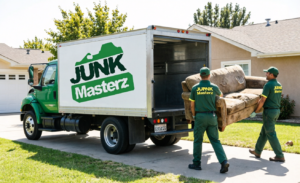
6. Hire a Junk Removal Service
If convenience is your priority, hiring professionals is the easiest solution.
Advantages
- No heavy lifting
- Fast and efficient
- Handles sorting and disposal
When to Consider This Option
- Large volumes of bricks
- Limited time or equipment
- Mixed debris (brick + concrete + soil)
Professionals also ensure proper handling when figuring out how to dispose of brick pavers or mixed materials safely.
7. Special Considerations for Different Types of Bricks
Not all bricks are the same, and disposal methods can vary depending on their condition, use, and material type. Understanding these differences helps you choose the safest and most cost-effective solution.
1. How to Dispose of Brick Pavers
- Often reusable due to their uniform shape
- High demand in landscaping and patio projects
- Easy to clean and resell or donate
If you’re wondering how to dispose of brick pavers, reuse or resale is usually the best option.
2. How to Dispose of Broken Bricks
- Not ideal for reuse in construction
- Best suited for recycling or landfill
- Can be reused as base material or fill
This is the most practical approach for how to dispose of broken bricks efficiently.
3. How to Dispose of Brick and Concrete Together
- Most C&D recycling centers accept both materials
- Must be clean and free of contaminants
- Often processed into aggregate for reuse
A common solution for how to dispose of brick and concrete responsibly.
4. How to Dispose of Old Bricks
- Can often be salvaged and reused
- Valuable for restoration or vintage-style projects
- Donate or sell if in good condition
This is a key method when considering how to dispose of old bricks without waste.
5. How to Get Rid of Bricks from Demolition Projects
- Usually involves large volumes
- Best handled with dumpsters or junk removal services
- Requires compliance with local disposal regulations
Ideal for those searching for how to get rid of bricks quickly and in bulk.
6. How to Dispose of Painted or Treated Bricks
- May not be accepted at all recycling centers
- Could require special handling depending on the coating
- Check local guidelines before disposal
These bricks can’t always be recycled like standard ones.
7. How to Dispose of Fire Bricks or Specialty Bricks
- Found in fireplaces, kilns, or industrial settings
- May contain heat-resistant materials
- Some recycling centers may not accept them
Always confirm acceptance rules before disposal.
Cost of Brick Disposal
The cost depends on volume, method, and location.
Average Costs
- Landfill fees: $30–$100 per ton
- Dumpster rental: $300–$800
- Junk removal: $150–$600
Ways to Save Money
- Reuse or donate bricks
- Separate materials to avoid extra fees
- Compare local disposal options
Common Mistakes to Avoid
Avoid these common pitfalls when disposing of bricks to save time, money, and unnecessary stress:
- Mixing bricks with household trash
Bricks are classified as construction debris and are not accepted in regular garbage collection. - Overloading dumpsters
Bricks are extremely heavy, and exceeding weight limits can result in extra fees or rejected pickups. - Ignoring local regulations
Disposal rules vary by location, and failing to follow them can lead to penalties or delays. - Dumping illegally
illegally dumping harms the environment and can result in serious fines or legal consequences. - Not confirming construction debris disposal costs
Always confirm the costs of construction and demolition debris removal in advance. Pricing can vary based on weight, volume, and location, and unexpected fees can quickly increase your total expense.
Conclusion
Getting rid of bricks isn’t just about clearing space—it’s about doing it the right way. Because bricks are heavy, durable, and often reusable, learning how to dispose of bricks properly requires a more thoughtful approach than regular household waste
The smartest option is always to reuse or donate whenever possible. Not only does this save money, but it also reduces environmental impact. If reuse isn’t practical, recycling centers and construction facilities offer a responsible way to handle brick waste. For larger or more complex projects, dumpster rentals or professional construction debris removal services can save you time, effort, and potential headaches.
The key is to match the disposal method with your situation—consider the volume, condition, and local regulations before deciding. When done properly, brick disposal becomes simple, efficient, and environmentally responsible.
FAQs
1. Can you throw bricks in regular trash bins?
No, bricks should not be placed in regular trash bins. They are too heavy and can damage collection equipment. Most municipal waste services do not accept construction materials like bricks, so you’ll need to use a specialized disposal method.
2. What is the easiest way to get rid of bricks?
The easiest way to get rid of bricks is by hiring a junk removal service. They handle lifting, loading, and proper disposal, which saves time and effort—especially if you have a large quantity.
3. How to dispose of old bricks without paying?
If you want to avoid disposal costs, consider giving the bricks away for free. Many homeowners, landscapers, and builders look for used bricks for projects. Listing them online or offering them locally is often the quickest and most cost-effective solution.
4. Can broken bricks be recycled?
Yes, broken bricks can be recycled. They are typically crushed into aggregate and reused in construction projects such as road base or landscaping material. This is one of the best ways to dispose of broken bricks in an eco-friendly way.
5. How to dispose of brick and concrete together?
Bricks and concrete can often be disposed of together at construction and demolition recycling facilities. However, they must usually be clean and free from contaminants like wood, plastic, or metal.
6. Are brick pavers reusable?
Yes, brick pavers are highly reusable. Because of their uniform shape and durability, they are commonly reused in patios, walkways, and landscaping projects. Cleaning them properly can make them as good as new.