Replacing a roof is one of the biggest home improvement projects most homeowners will face. But once the new shingles arrive, another important question comes up: How to Dispose of Roofing Shingles.
Many homeowners ask questions like “can you put shingles in the trash” or “can you take shingles to the dump,” especially after a roof replacement project creates piles of heavy debris. Roofing shingles disposal can quickly become complicated because shingles are bulky, extremely heavy, and often subject to local disposal regulations.
The good news is that there are several safe and affordable ways to get rid of roof shingles. Whether you plan to rent a dumpster, haul debris to a landfill, recycle asphalt shingles, or hire a junk removal service, understanding your options can save time, money, and unnecessary stress.
This guide explains everything you need to know about how to dispose of roofing shingles properly, including recycling options, landfill rules, disposal costs, and important safety tips.
What Are Roofing Shingles Made Of?
Before deciding how to dispose of roofing shingles, it helps to understand what they are made from. Different materials require different disposal methods.
Asphalt Shingles
Asphalt shingles are the most common residential roofing material in North America. They are typically made from:
- Fiberglass matting
- Asphalt coating
- Mineral granules
These shingles are durable but extremely heavy once removed from a roof.
Wood Shingles
Wood shingles and shakes are often made from cedar or redwood. Untreated wood shingles may biodegrade naturally, but treated wood may require special disposal.
Metal Roofing Shingles
Metal roofing materials are often recyclable and may even have scrap value depending on the type of metal.
Slate and Tile Roofing
Slate and tile roofs are very heavy and usually require specialized hauling equipment during disposal.
Knowing the roofing material helps determine whether shingles can be recycled, taken to a landfill, or handled as special construction debris.
Pro Tip
If your roof has multiple layers (common on older homes), removal gets heavier and slower. Consider hiring a licensed company; they often include disposal in their quote.
Best Ways to Dispose of Roofing Shingles
There is no single best solution for every homeowner. The right disposal method depends on the size of your roofing project, your budget, and your local regulations.
Rent a Roofing Dumpster
Dumpster rentals are one of the most popular solutions for large roofing projects.
A roofing dumpster allows shingles, nails, underlayment, and other debris to be loaded directly from the roof into a designated container.
Recommended Dumpster Sizes
- 10-yard dumpster: small roof repairs
- 20-yard dumpster: full residential roof replacements
- 30-yard dumpster: large or multi-layer roof tear-offs
Benefits of Dumpster Rentals
- Convenient cleanup
- Faster project completion
- Reduced hauling trips
- Better job site safety
Potential Downsides
Roofing shingles are heavy, so exceeding weight limits may result in additional fees.
Hire a Junk Removal Company
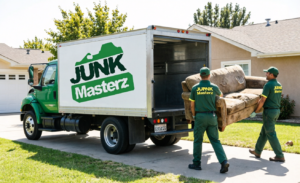
If you do not have a truck or simply want to avoid the heavy lifting, hiring a junk removal company is another effective option.
Junk removal crews will:
- Load shingles
- Haul debris away
- Dispose of materials properly
This option works especially well for:
- Elderly homeowners
- Emergency roofing projects
- Small roofing jobs
- Homes with limited parking or driveway space
Although junk removal services are more expensive than self-hauling, they save time and reduce physical strain.
Recycle Asphalt Shingles
Many homeowners are surprised to learn that asphalt shingles can often be recycled.
Instead of sitting in a landfill, recycled shingles are commonly processed into material used for:
- Road paving
- Asphalt pavement
- Construction products
How Asphalt Shingle Recycling Works
Recycling facilities grind shingles into reusable material that can be mixed into asphalt products.
Benefits of Recycling Roofing Shingles
- Reduces landfill waste
- Conserves natural resources
- Supports sustainable construction practices
- May lower disposal costs
Materials Usually Accepted
Most facilities accept:
- Asphalt shingles
- Roofing tear-offs
- Manufacturing scrap shingles
Materials Often Rejected
Facilities may reject:
- Asbestos-containing shingles
- Excessive wood contamination
- Large amounts of trash mixed with roofing debris
Ask local recycling centers or roofing contractors about asphalt shingle recycling programs in your area.
Use Construction Debris Facilities
Some areas have specialized construction and demolition disposal facilities designed specifically for renovation waste.
These facilities often provide:
- Faster unloading
- Easier debris sorting
- Better handling for heavy materials
Construction debris services help homeowners, contractors, and businesses safely remove and dispose of renovation and demolition waste. These services commonly handle materials such as roofing shingles, wood, drywall, concrete, metal, bricks, and asphalt.
Eco-Friendly Roofing Shingles Disposal Tips
Reducing roofing waste benefits both homeowners and the environment.
Order Materials Carefully
Buying accurate quantities can help minimize leftover shingles after a roofing project.
Reuse Extra Shingles
Unused shingles may be useful for:
- Future roof repairs
- Shed roofs
- Small outdoor structures
Donate Unused Materials
Some community organizations or local contractors may accept unopened roofing materials for reuse.
Avoid Illegal Dumping
Dumping roofing shingles illegally can damage the environment and lead to significant fines.
Improper disposal may contaminate soil, waterways, and public property. Always use approved disposal methods.
How to Dispose of Old Roof Shingles Through Recycling (The Smart Choice)
How to dispose of old roof shingles?
Disposing of old roof shingles responsibly often means recycling—and 2026 is a great time to do it. Asphalt shingles can be repurposed into new pavement, road base, or even used in manufacturing brand-new shingles, reducing landfill waste and supporting sustainable construction practices.
You can take shingles to a local recycling facility, construction debris landfill, or hire a professional junk removal service to handle the process efficiently. Many services will also ensure materials are sorted properly for recycling.
If you’re planning broader home upgrades, you may also have to learn how to remove popcorn ceiling, especially when renovating older properties alongside roofing projects.
Big benefits:
- Diverts up to 13 million tons of waste yearly from landfills.
- Saves raw materials (asphalt and aggregate).
- Many programs now pay lower tipping fees or even offer rebates.
How to find a recycler near you:
- Visit Earth911’s recycling search and enter your ZIP code.
- Check ShingleRecycling.org—the most comprehensive directory for asphalt shingle programs.
- Ask your roofer if they partner with manufacturers.
Manufacturer programs making waves:
- Owens Corning runs a nationwide network with contractors who pledge to recycle. Look for the green recycling icon in their contractor search tool.
- GAF RoofCycle™ collects tear-offs and turns them into new products through patented processing.
Tip: Keep shingles as clean as possible—no wood, metal flashing, or excessive nails mixed in. Most facilities accept them “as is,” but call ahead.
How Much Does Roofing Shingles Disposal Cost?
Roofing shingles disposal costs vary depending on the size of the project and the disposal method you choose.
Factors That Affect Cost
Roof Size
Larger roofs naturally create more waste.
Material Weight
Architectural shingles weigh more than standard three-tab shingles.
Dumpster Rental Rates
Rental pricing varies by region and container size.
Average Roofing Shingles Disposal Costs
| Disposal Method | Estimated Cost |
|---|---|
| Landfill Drop-Off | $50–$150 |
| Dumpster Rental | $300–$700 |
| Junk Removal Service | $250–$800 |
| Recycling Facility | Often lower than landfill fees |
Ways to Reduce Disposal Costs
- Separate recyclable materials
- Compare local dumpster providers
- Avoid overloading containers
- Schedule projects during slower seasons
Planning ahead can significantly lower total roofing project expenses.
Safety Tips When Handling Old Roofing Shingles
Roof tear-offs involve sharp nails, heavy debris, and dusty materials. Safety should always come first.
Wear Proper Protective Equipment
Essential safety gear includes:
- Work gloves
- Dust masks
- Safety glasses
- Heavy-duty boots
Be Cautious With Older Roofs
Very old roofing materials may contain asbestos. If your home has an older roof and you are unsure about the materials, contact a professional before disturbing the shingles.
Avoid Overloading Vehicles
Too much weight in a truck or trailer can create dangerous driving conditions.
Always secure debris properly before transportation.
Lift Carefully
Roofing shingles are dense and heavy. Improper lifting can cause back injuries and muscle strain.
Common Roofing Shingles Disposal Mistakes
Homeowners frequently make avoidable disposal mistakes during roof replacement projects.
Mixing Roofing Waste With Household Trash
Most waste companies prohibit large amounts of roofing debris in residential garbage bins.
Ignoring Local Regulations
Every city has different rules regarding construction waste disposal.
Overloading Dumpsters
Exceeding dumpster weight limits often results in expensive overage fees.
Skipping Safety Gear
Handling shingles without gloves or protective eyewear increases injury risk.
Illegal Dumping
Dumping shingles in vacant lots or unauthorized areas can result in heavy penalties
Conclusion
Roofing shingles disposal may seem overwhelming at first, but the process becomes much easier once you understand your options. Whether you choose to rent a dumpster, haul shingles to a landfill, recycle asphalt roofing materials, or hire a junk removal service, proper planning is the key to a safe and affordable cleanup process.
Many homeowners ask questions like “can you put shingles in the trash” or “can you take shingles to the dump,” but local regulations and project size usually determine the best answer. Large roofing projects typically require specialized disposal methods because shingles are heavy construction materials.
Whenever possible, recycling asphalt shingles is one of the most environmentally responsible choices. Recycling reduces landfill waste and allows old materials to be reused in road construction and other projects.
By following local guidelines, prioritizing safety, and choosing the right disposal solution, you can get rid of roof shingles efficiently while protecting both your property and the environment.
Ready to get started? Grab your local waste contact us today, and turn that old roof into something useful again.
FAQs
Can you put roofing shingles in regular trash?
Small amounts may be accepted in some locations, but most garbage services restrict roofing shingles because they are considered construction debris.
Can you take the shingles to the dump?
Yes, many landfills accept roofing shingles. Disposal fees are usually based on weight.
Are asphalt shingles recyclable?
Yes. Many recycling centers process asphalt shingles into material used for roads and asphalt pavement.
What is the cheapest way to dispose of roof shingles?
Taking shingles directly to a landfill yourself is usually the cheapest option if you have access to a truck or trailer.
How heavy are roofing shingles?
A roofing square of asphalt shingles can weigh between 200 and 350 pounds, depending on the material type.
Are old roofing shingles hazardous?
Most modern asphalt shingles are not hazardous, but older roofing materials may contain asbestos and should be professionally inspected.