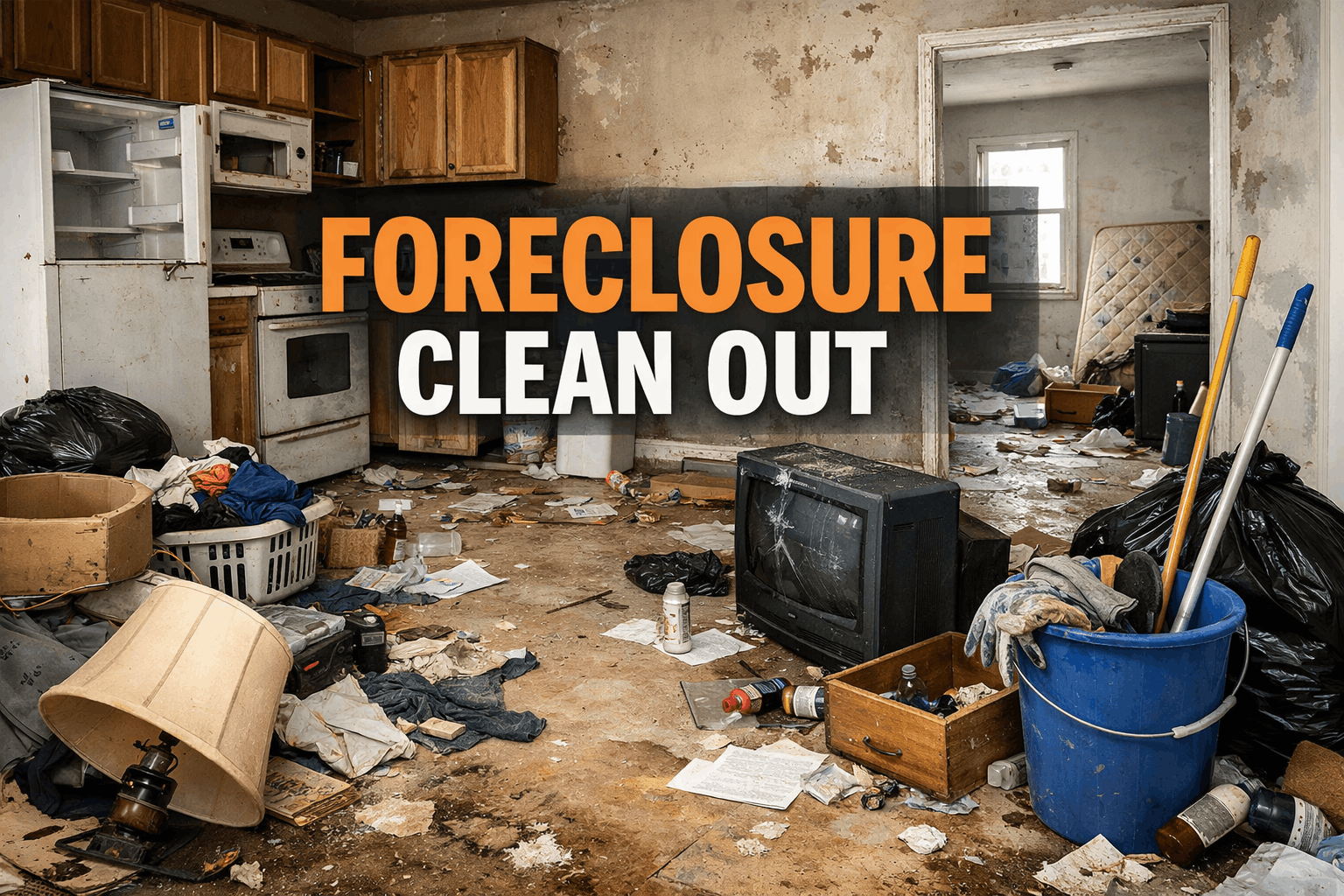
Facing a foreclosure is stressful, both emotionally and financially. Amid the paperwork, legal steps, and financial decisions, the physical state of the property can often be overlooked. A proper foreclosure clean outs can not only make the house more marketable but may also streamline negotiations with lenders, real estate agents, and potential buyers.
This guide will walk you through everything you need to know about foreclosure cleanup and foreclosure preparation cleaning, from understanding the process to estimating costs and avoiding common mistakes. Whether you’re a homeowner, investor, or real estate professional, these practical tips will ensure a smoother transition through a challenging situation.
What is a Foreclosure Clean Out?
A foreclosure clean-out refers to the process of clearing a property of personal belongings, debris, and potential hazards after a foreclosure notice. Unlike standard home cleaning, it often involves heavy-duty cleanup, including junk removal, deep cleaning, and sometimes minor repairs to make the property safe and appealing.
Why Foreclosure Clean Outs Are Important
Proper foreclosure cleanouts are about more than just removing junk — they directly impact safety, property value, legal compliance, and the ease of preparing a home for sale or renovation.
Safety and Hygiene
Foreclosed homes are often left vacant for extended periods, which can lead to the buildup of trash, mold, pests, or other hazards that pose health risks to anyone entering the property. According to housing quality standards set by the U.S. Department of Housing and Urban Development (HUD), properties must be free from health and safety hazards — including excessive trash, rodent infestations, or structural issues — to be considered decent and safe. Ensuring a thorough cleanout aligns with these principles of maintaining a safe, habitable environment.
Market Appeal
A clean, well‑cleared home attracts more potential buyers and investors. Properties cluttered with debris or personal belongings can deter interest and lower offers. By removing all unwanted items and presenting a clean space, sellers and realtors improve the chances of a faster sale at a better price.
Legal Compliance
Some lenders and local jurisdictions require a property to be cleared and cleaned before ownership transfer or listing. This helps ensure that the home meets local maintenance codes and environmental guidelines before any repairs or sales take place.
Preparation for Repairs or Renovation
A cleared space allows inspectors, contractors, and renovators to assess the property accurately. Without leftover debris or clutter, they can evaluate the home’s key systems and structure — such as electrical, plumbing, roofing, and foundation — without obstruction or guesswork. According to This Old House, decluttering and organizing rooms before an inspection helps professionals move freely and conduct a more thorough evaluation, reducing the chance of missed issues or costly surprises later on.
Step-by-Step Foreclosure Clean Out Process
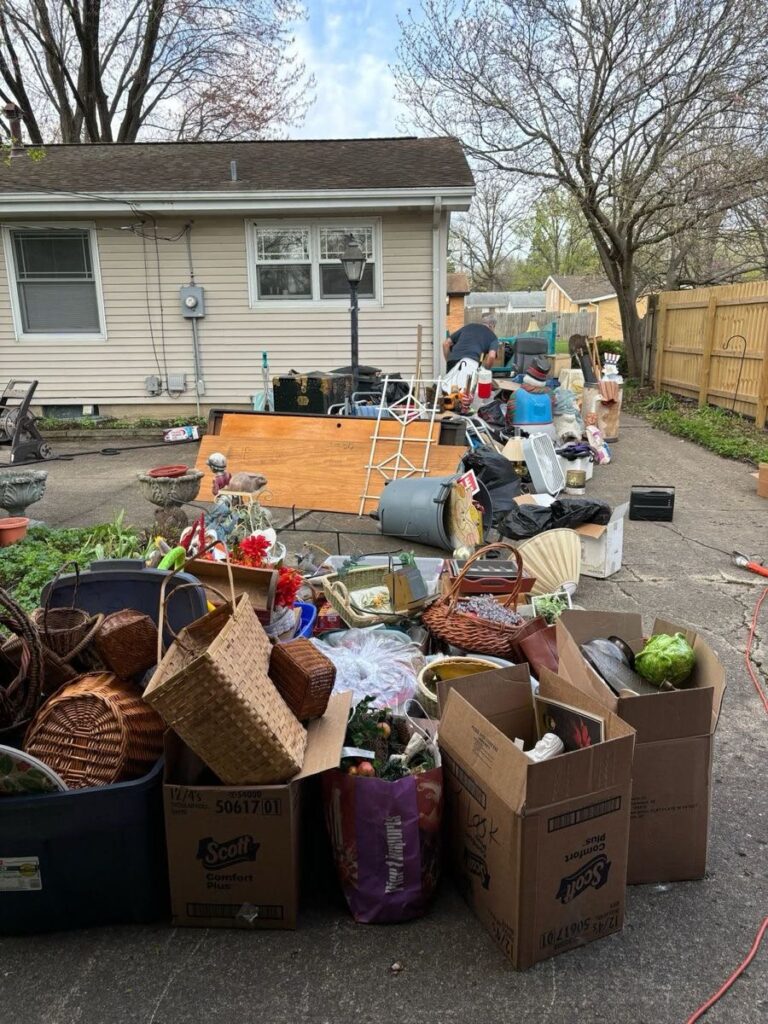
Cleaning a foreclosed property can feel overwhelming, but breaking it into stages makes the process manageable.
1. Assessment and Planning
- Walk through the property to identify all items and potential hazards.
- Create a list of items to keep, donate, recycle, or dispose of.
- Consider hiring a professional for large or heavily damaged properties.
2. Decluttering and Removal
- Remove personal belongings, furniture, appliances, and trash.
- Decide which items can be donated to local charities or sold.
- Properly dispose of hazardous materials like chemicals, paint, or old electronics.
3. Deep Cleaning
- Sweep, mop, and vacuum floors.
- Clean walls, windows, and surfaces.
- Address mold, water damage, or pest infestations.
- Use professional-grade cleaners for tough stains or biohazards.
4. Final Inspection and Touch-Ups
- Walk through the property to ensure all areas are clean and safe.
- Patch holes, repaint if necessary, and replace broken fixtures.
- Document the condition with photos to provide proof for lenders or buyers.
A well-executed foreclosure preparation cleaning ensures the property is ready for sale or occupancy while protecting its value.
Foreclosure Cleanout Costs
The cost of a foreclosure clean-out varies depending on property size, level of clutter, and professional services.
Factors That Affect Cost
- Property Size: Larger homes naturally require more time and resources.
- Condition: Extensive trash, water damage, or pest issues increase costs.
- Service Level: DIY cleaning saves money, but hiring professionals ensures thorough results.
Typical Cost Ranges
- Small homes or condos: $300–$800
- Medium-sized homes: $800–$1,500
- Large or heavily damaged properties: $1,500–$3,000+
Tips for Reducing Costs
- Remove items yourself before hiring a professional.
- Donate usable furniture or appliances.
- Obtain multiple quotes from trusted foreclosure cleanout services.
Understanding home cleaning costs upfront helps homeowners and investors plan effectively and avoid unexpected expenses during the foreclosure process
How to Get a House Out of Foreclosure
A clean property is only one part of the solution. Addressing the legal and financial side is equally important.
1. Explore Loan Modification or Repayment Plans
Contact your lender to discuss options for preventing foreclosure. Demonstrating a well-maintained property can strengthen your case.
2. Consider Selling the Property
- Selling before foreclosure can help pay off the mortgage and prevent credit damage.
- A clean and prepared house is more likely to sell quickly and at a better price.
3. Work with Professionals
- Real estate agents specializing in foreclosure sales can provide guidance.
- Licensed foreclosure cleanup services ensure residential cleanouts, property readiness, and compliance.
By combining financial strategies with property preparation, homeowners improve their chances of getting the house out of foreclosure successfully.
Tips and Best Practices for Efficient Foreclosure Clean Outs
- Prioritize Safety: Wear protective gear and handle hazardous materials carefully.
- Organize Items: Separate trash, donations, resale, and hazardous materials.
- Hire Trusted Professionals: Check licensing, reviews, and insurance. Consider working with reputable foreclosure cleanup or Certified junk removal companies that specialize in residential cleanouts.
- Document Everything: Take photos and maintain receipts for accountability and proof.
These best practices make the process smoother, faster, and more cost-effective while reducing risks.
Common Mistakes to Avoid During Foreclosure Cleanouts
- Ignoring Hazardous Materials: Chemicals, mold, or asbestos can cause serious health risks.
- Skipping Deep Cleaning: Surface cleaning is not enough; thorough preparation is essential.
- Not Budgeting Properly: Unexpected issues can drive costs higher if not planned.
- Delaying the Process: The longer the property sits uncleaned, the harder it is to restore and sell.
Avoiding these mistakes ensures a cleaner, safer, and more appealing property that can help in negotiations or resale.
Conclusion
A foreclosure clean outs is more than just tidying up—it’s a critical step in protecting property value, complying with lender requirements, and improving chances of a successful sale or loan modification. By understanding costs, following a step-by-step process, and avoiding common pitfalls, homeowners can handle foreclosure challenges effectively.
Whether you choose to do it yourself or hire professionals, thorough foreclosure preparation cleaning is an investment that pays off in safety, efficiency, and financial outcomes.
FAQs
Q1: What is included in a foreclosure clean out?
A foreclosure clean out typically involves removing personal belongings, trash, debris, deep cleaning, and sometimes minor repairs to make the property safe and market-ready.
Q2: How much does a foreclosure cleanout cost?
Costs vary depending on property size and condition. Small homes may cost $300–$800, medium homes $800–$1,500, and large or heavily damaged homes $1,500–$3,000+.
Q3: Can I do a foreclosure cleanup myself?
Yes, DIY is possible for smaller properties or light clutter. However, hiring professionals is recommended for heavy-duty cleanup, hazardous materials, or legal compliance.
Q4: Does cleaning the house help in getting out of foreclosure?
While cleaning alone cannot prevent foreclosure, a well-maintained property strengthens negotiations with lenders and improves resale chances.
Q5: What items need special handling during a foreclosure cleanout?
Hazardous materials like chemicals, paints, asbestos, mold, and electronics require careful disposal according to local regulations.