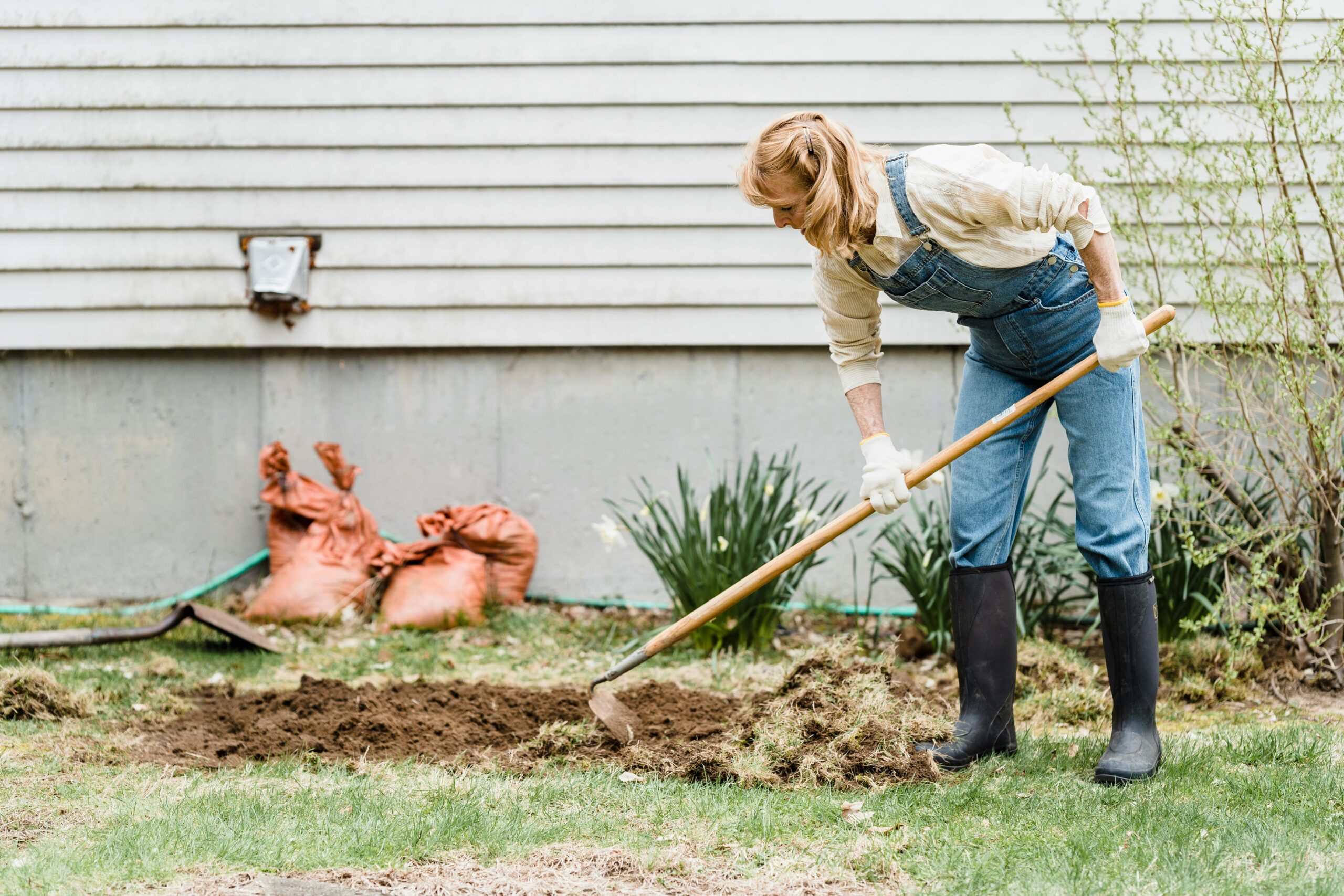
Keeping your yard clean and healthy requires regular maintenance. Activities like mowing the lawn, trimming trees, and removing dead plants often leave behind large piles of organic debris. Many homeowners quickly realize that yard waste can pile up faster than expected. Understanding how to get rid of yard waste properly helps protect the environment, keeps your property clean, and prevents potential fines in areas where improper disposal is restricted.
Yard waste typically includes grass clippings, leaves, branches, weeds, shrubs, and other organic materials that come from landscaping or gardening. While small amounts may fit into regular waste bins, large cleanups after storms, seasonal yard work, or landscaping projects often create much bigger piles.
This guide explains how to get rid of a lot of yard waste, the best eco-friendly disposal methods, and when professional help may be the most efficient solution. Whether you are dealing with seasonal leaf piles or major yard renovations, the strategies below will help you manage yard debris safely and responsibly.
Understanding Yard Waste: What Counts and Why It Matters
Before deciding how to dispose of yard debris, it’s important to understand what qualifies as yard waste.
Common Types of Yard Waste
Typical yard waste materials include:
-
Grass clippings
-
Leaves
-
Tree branches and limbs
-
Shrubs and bushes
-
Garden plants
-
Weeds and vines
-
Wood chips and bark
These materials are organic and biodegradable, but they should not always be thrown in regular trash. Many municipalities separate yard waste from household garbage because organic materials can be composted or recycled.
Why Proper Yard Waste Disposal Is Important
Improper disposal can lead to several issues:
-
Overfilled landfills
-
Environmental pollution
-
Pest problems in neighborhoods
-
Potential local fines or penalties
Improper yard waste disposal can lead to several issues: overfilled landfills, environmental pollution, pest problems in neighborhoods, and potential local fines or penalties.
Leaving yard debris in the wrong place or mixing it with regular trash can reduce recycling effectiveness, increase methane emissions from anaerobic decomposition, and harm local ecosystems when clippings and leaves wash into storm drains and waterways — all issues that sustainable waste experts and environmental research organizations highlight as key problems when organic waste is not managed properly (see why yard waste management is important at The Institute for Environmental Research and Education)When yard cleanup creates large piles of leaves, branches, or landscaping debris, many homeowners find it difficult to handle everything alone.
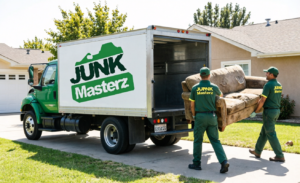
In these situations, professional help from Junk Masterz can make the process much easier by safely collecting, loading, and disposing of yard waste in an environmentally responsible way.
Best Methods for Getting Rid of Yard Waste
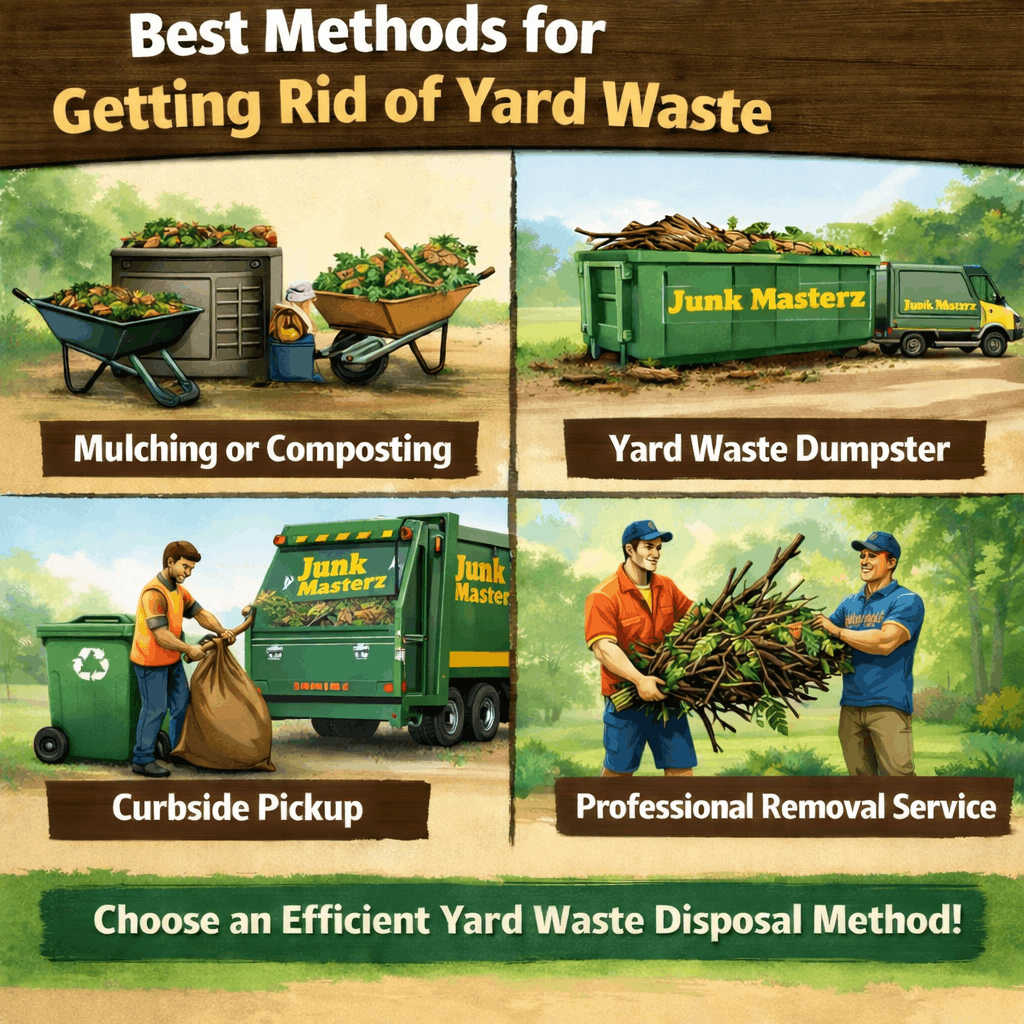
There are several practical ways homeowners can handle yard debris, depending on the amount and type of material.
1. Composting Yard Waste at Home
Composting is one of the most environmentally friendly ways to deal with yard debris. Instead of throwing organic materials away, they can be converted into nutrient-rich compost for gardening.
Materials That Compost Well
Good compost materials include:
-
Leaves
-
Grass clippings
-
Small branches
-
Plant trimmings
Avoid adding diseased plants or invasive weeds to compost piles because they may spread when reused in gardens.
Benefits of Composting
-
Reduces landfill waste
-
Improves soil health
-
Saves money on fertilizers
-
Creates sustainable gardening practices
For homeowners with moderate yard waste, composting is often the simplest long-term solution.
2. Municipal Yard Waste Collection Programs
Many cities provide seasonal yard waste pickup services. These programs typically allow residents to place organic debris in designated bins or paper yard bags for weekly or monthly collection.
How These Programs Work
Most municipalities require:
-
Bundled branches tied with twine
-
Leaves placed in biodegradable bags
-
Specific pickup days for yard debris
Check your local guidelines before placing yard waste on the curb to avoid rejected pickups.
Municipal collection works well for routine yard maintenance but may not handle extremely large amounts of debris.
3. Yard Waste Recycling Centers
Recycling facilities and composting centers accept organic materials from homeowners and landscaping companies.
These facilities usually process:
-
Leaves and grass
-
Tree limbs
-
Brush and plant debris
After processing, the materials are converted into compost, mulch, or biomass energy.
Recycling centers are a good solution when you need to get rid of bulk yard waste after seasonal cleanup or landscaping projects.
4. Mulching Yard Debris
Mulching is another effective method for reusing organic materials directly in your yard.
Materials That Work Well for Mulching
-
Leaves
-
Grass clippings
-
Small branches processed with a chipper
Mulch helps retain soil moisture, regulate temperature, and suppress weeds in garden beds.
By turning yard debris into mulch, homeowners reduce waste while improving their landscape.
How to Get Rid of Large Amounts of Yard Waste
Sometimes, yard debris becomes too large to handle with normal disposal methods. This often happens after storms, tree removal, or major landscaping work.
If you are wondering how to get rid of large amounts of yard waste, consider the following solutions.
Rent a Yard Waste Dumpster
Dumpster rentals are commonly used for landscaping projects because they allow homeowners to dispose of large volumes of organic material quickly.
Benefits include:
-
Convenient onsite disposal
-
No repeated trips to recycling centers
-
Ability to handle heavy branches and debris
However, dumpsters may not always be ideal for small properties or quick cleanups.
Cost of Yard Waste Removal
The cost of yard waste removal can vary depending on the amount of debris, location, and the type of service used. On average, homeowners may pay between $100 and $600 for yard waste removal services. Small loads of leaves or grass clippings may cost less, while large piles of branches or storm debris can increase the price.
Factors that influence yard waste removal costs include:
-
Volume and weight of the debris
-
Type of materials (branches, leaves, brush)
-
Labor required for loading and hauling
-
Local disposal or recycling fees
For large projects, hiring a professional yard waste removal service can still be cost-effective because it eliminates the need for multiple trips, equipment rentals, and time spent hauling debris yourself.
You May Also Read: Average cost of yard waste removal
Seasonal Yard Waste Challenges
Different seasons produce different types of yard waste, which can impact disposal strategies.
Spring often creates yard debris such as fallen leaves, dead plants, broken branches, and leftover garden materials that need to be removed during seasonal yard cleanup.
Spring Yard Cleanup
is such as:
-
Dead plants
-
Tree trimmings
-
Garden bed cleanup materials
This is a good time to compost organic materials and refresh landscaping areas.
Summer Yard Maintenance
Summer produces consistent grass clippings and plant trimmings.
Mulching and composting are ideal solutions during this season.
Fall Leaf Removal
Autumn generates large volumes of leaves that can quickly overwhelm homeowners.
Learning how to get rid of old yard waste, especially wet or decomposing leaves, is essential to prevent mold and pest issues.
Leaves can be composted, mulched, or collected through municipal programs.
Easiest Ways to Dispose of Yard Junk or Debris for Homeowners
While there are many options, homeowners often look for methods that are fast, convenient, and eco-friendly. Here are the easiest ways to dispose of yard junk or debris:
- Schedule a professional yard waste removal service – Saves time and handles all debris.
- Set up a compost pile – Turns waste into useful fertilizer with minimal effort.
- Drop off at municipal recycling sites – Quick and environmentally friendly.
- Repurpose as mulch – A simple way to reuse yard waste while improving your garden.
Junk Removal Methods for Landscaping Waste and Yard Debris
Professional and DIY junk removal methods can help homeowners keep their yards tidy.
Common Junk Removal Options for Yard Waste
- Private Junk Removal Companies – Offer curbside pickup, mulch processing, and recycling options.
- Municipal Bulk Waste Collection – Scheduled pickup for large yard debris piles.
- Self-Transport to Recycling Centers – Ideal for small loads and eco-conscious homeowners.
Each method has pros and cons, but all reduce reliance on landfills and promote responsible disposal practices.
Yard Cleanup and Trash Removal Tips
Efficient yard cleanup requires planning and organization. Here are key tips:
- Plan Ahead – Assess the yard waste and choose the best disposal method.
- Sort Waste – Separate compostable material, wood, stones, and general trash.
- Use Proper Tools – Rakes, leaf blowers, wheelbarrows, and pruning tools make cleanup easier.
- Schedule Regular Maintenance – Frequent yard maintenance reduces large debris piles.
Common Mistakes to Avoid When Disposing of Yard Waste
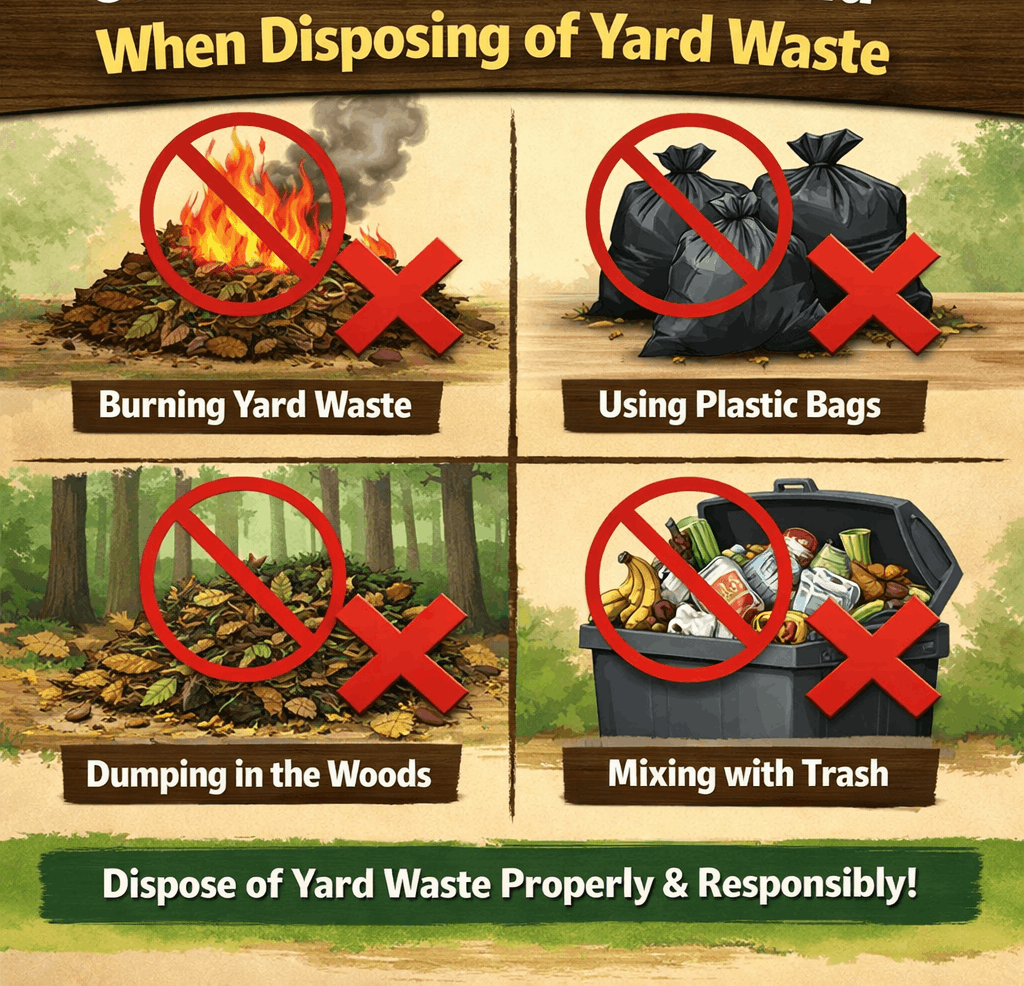
Many homeowners accidentally make disposal mistakes that can cause environmental or legal issues.
Mixing Yard Waste with Household Trash
Organic debris often must be separated from regular garbage.
Burning Yard Waste
Open burning is illegal in many regions and may cause air pollution.
Dumping Debris Illegally
Improper dumping can lead to significant fines and environmental damage.
Ignoring Local Disposal Guidelines
Always check municipal regulations before disposing of large debris piles.
Hire a Professional Yard Waste Removal Service
For homeowners dealing with significant yard debris, professional removal services provide the fastest solution.
Professional teams can handle:
-
Tree branches
-
Brush piles
-
Landscaping debris
-
Storm cleanup waste
Midway through many large cleanups, homeowners often realize that hauling heavy debris themselves can be difficult. In situations like this, a professional Affordable waste removal service from Junk Masterz CA can simplify the process by safely collecting, loading, and disposing of organic debris.
This option is especially useful when trying to get rid of a lot of yard waste after seasonal yard work or property maintenance.
Conclusion
Managing yard debris is a regular part of maintaining a healthy and attractive outdoor space. From seasonal leaf piles to large landscaping cleanups, understanding how to get rid of yard waste properly helps protect the environment while keeping your property organized.
Simple solutions such as composting, municipal pickup services, and recycling centers work well for smaller amounts of debris. However, when dealing with heavy branches or large storm cleanup projects, homeowners often need more efficient solutions to get rid of large amounts of yard waste safely.
Take control of your yard today, implement the best ways to dispose of yard waste, and enjoy a cleaner, greener, and more enjoyable outdoor space.
FAQs
Q1: What is the easiest way to get rid of yard waste?
A1: Composting, professional yard waste removal, and municipal drop-off sites are the easiest methods.
Q2: Can I burn yard waste safely?
A2: Only where legal and following local regulations. Never burn plastics, treated wood, or hazardous materials.
Q3: How do I dispose of large branches or logs?
A3: Use mulch, wood chippers, or professional yard debris services to handle large items.
Q4: Are there eco-friendly alternatives to landfill disposal?
A4: Yes, composting, mulching, and municipal recycling programs are all sustainable options.
Q5: Can yard waste removal companies recycle my debris?
A5: Many do. Always confirm with the company about recycling or composting options.